
The Tokenization Revolution: Is Every Asset Destined for the Blockchain? A Critical Look


Welcome to Blockchain Trends, your guide to understanding the real-world impact of blockchain technology!
Delve into the transformative potential of blockchain beyond cryptocurrencies. Are you ready to discover the untapped possibilities? This week, we're taking a critical look at the blockchain asset tokenization benefits. Is every asset destined for the blockchain? Explore our in-depth analysis and decide for yourself. What advantages does this shift offer, and what challenges lie ahead? Read on to find out!
- Blockchain Asset Tokenization Benefits: Unlocking New Opportunities
-
Frequently Asked Questions
- What exactly is blockchain asset tokenization?
- What are the main Blockchain asset tokenization benefits for businesses?
- How does tokenization impact the accessibility of investment opportunities?
- What are the potential risks associated with blockchain asset tokenization?
- What is the future outlook for blockchain asset tokenization?
- Final Reflection: Embracing the Tokenized Future
- Uncover Your Tokenization Potential
Blockchain Asset Tokenization Benefits: Unlocking New Opportunities
Blockchain asset tokenization stands as a transformative force, promising to reshape traditional finance and investment landscapes. By converting rights to an asset into a digital token on a blockchain, tokenization unlocks a suite of powerful advantages that were previously difficult or impossible to achieve with conventional methods. These benefits range from increasing the ease of trading illiquid assets to democratizing access for smaller investors and enhancing operational efficiencies. Exploring the core blockchain asset tokenization benefits reveals the potential for greater market participation and more dynamic asset management.
The array of blockchain asset tokenization benefits extends across various asset classes, from real estate and art to private equity and commodities. Each benefit contributes to creating a more efficient, transparent, and accessible financial ecosystem. Understanding these advantages is crucial for businesses and investors looking to leverage this burgeoning technology. The following sections delve into the specific ways tokenization on the blockchain delivers tangible value and creates new opportunities in the digital economy.
Enhanced Liquidity through Tokenization
Traditionally, many high-value assets, such as commercial real estate, private company equity, or fine art, suffer from significant illiquidity. Selling these assets can be a lengthy, complex, and costly process, often taking months or even years to find a buyer and complete the transaction. This lack of liquidity limits their attractiveness as investment vehicles for many, trapping capital and hindering market efficiency. Tokenization directly addresses this challenge by transforming these static assets into dynamic, divisible digital units.
By representing ownership or rights to an asset as blockchain tokens, these assets can be traded on digital marketplaces with much greater ease and speed than their physical or paper-based counterparts. This process effectively creates secondary markets that are accessible 24/7, globally. For instance, a real estate property that might take six months to sell traditionally could, in theory, see its tokenized fractions trade hands within minutes on a suitable platform.
While the market for tokenized illiquid assets is still maturing, initiatives are actively working towards achieving near-instantaneous settlement, dramatically improving capital velocity and realizing significant blockchain asset tokenization benefits related to market efficiency. Some platforms are targeting specific sectors like commercial real estate, aiming to unlock billions in previously illiquid value by providing a more efficient trading mechanism.
Increased Accessibility to Investment Opportunities
Accessing certain investment opportunities has historically been restricted to a select group of high-net-worth individuals or institutional investors. Barriers include high minimum investment requirements, geographical limitations, complex legal frameworks, and exclusive networks. Investing in a multi-million dollar private equity fund, a luxury property in a foreign country, or a specific piece of blue-chip art is often out of reach for the average retail investor.
Blockchain asset tokenization breaks down these barriers, significantly increasing accessibility. By dividing assets into smaller, more affordable tokens, individuals can invest with much lower capital requirements. Minimum investments can drop from hundreds of thousands or millions to just hundreds or thousands of dollars.
Furthermore, tokenization allows for borderless investment; anyone with internet access and the ability to participate on a tokenization platform can potentially invest in assets located anywhere in the world, bypassing traditional cross-border complexities and intermediaries. This democratization of access is a profound blockchain asset tokenization benefit, opening up wealth-building opportunities to a much broader investor base and fostering a more inclusive financial ecosystem.
Fractional Ownership: Democratizing Asset Ownership
One of the most compelling blockchain asset tokenization benefits is the enablement of fractional ownership. High-value assets like skyscrapers, iconic artworks, or rare collectibles are typically owned by a single entity or a small group of wealthy investors due to their prohibitive cost. Fractional ownership allows these assets to be divided into many smaller, digital pieces (tokens), each representing a partial stake.
This capability means that multiple investors can collectively own a single, valuable asset by purchasing a number of these tokens. For example, a painting valued at $10 million could be tokenized into 10,000 tokens, each worth $1,000. This enables individuals to own a piece of a prestigious artwork they could never afford outright.
Similarly, a large commercial building can be owned by thousands of token holders, each receiving a proportional share of the rental income or appreciation. Fractional ownership democratizes investment in previously exclusive asset classes, making them accessible to a wider range of investors and distributing investment power more broadly. This aspect of blockchain asset tokenization benefits both investors seeking diversification and asset owners looking for new ways to monetize their holdings.
Improved Transparency and Traceability with Blockchain
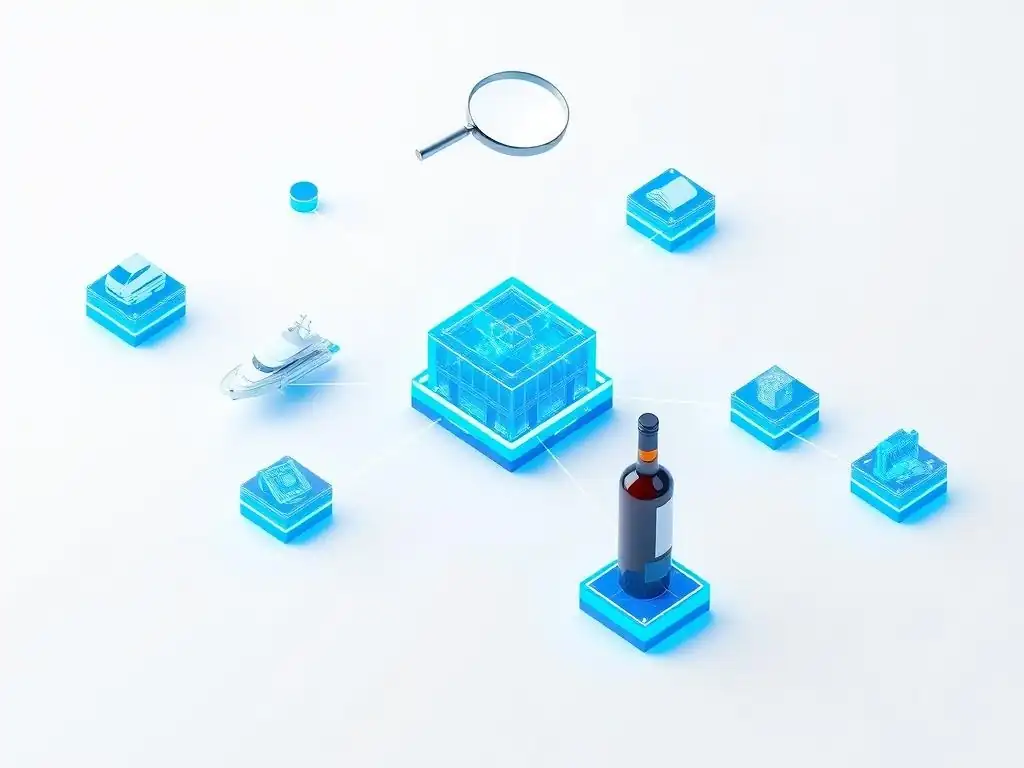
A core feature of blockchain technology is its distributed and immutable ledger, which records all transactions in a transparent and verifiable manner. When assets are tokenized on a public or permissioned blockchain, the history of ownership, transfers, and associated data is recorded on this ledger. This provides a level of transparency and traceability that is often lacking in traditional asset markets, where ownership records can be fragmented, private, or difficult to verify quickly.
Every transaction involving a tokenized asset, from its initial issuance to subsequent trades, is logged on the blockchain and can be audited by relevant parties. This creates a clear and immutable chain of custody. For instance, tracking the ownership history of a tokenized luxury good or ensuring the provenance of a tokenized supply chain asset becomes significantly more straightforward and trustworthy.
This enhanced transparency can reduce fraud, minimize disputes over ownership, and simplify regulatory compliance and auditing processes. The inherent traceability is a significant blockchain asset tokenization benefit, building trust and efficiency in the management and transfer of asset ownership rights.
Streamlined Processes and Reduced Costs
Traditional asset transactions often involve numerous intermediaries, including brokers, lawyers, escrow agents, custodians, and clearinghouses. Each intermediary adds complexity, time, and cost to the process. For example, settling a traditional securities trade can take several days (T+2 or T+3), while real estate transactions can drag on for weeks or months, incurring significant fees for legal services, title searches, and escrow management.
Tokenization leverages smart contracts – self-executing contracts with the terms of the agreement directly written into code. These smart contracts can automate many of the manual processes involved in asset transfer and management. For instance, a smart contract can automatically transfer tokens to a buyer's wallet once payment is received, or distribute dividends or rental income proportionally to token holders.
This automation eliminates the need for many intermediaries, significantly streamlining processes and reducing associated costs and settlement times. Estimates suggest that tokenization could potentially reduce transaction costs in capital markets by 20-30% and shorten settlement cycles dramatically, from days to potentially minutes or hours. These operational efficiencies and cost reductions represent tangible blockchain asset tokenization benefits for both issuers and investors, making markets more agile and economically viable.
Frequently Asked Questions
What exactly is blockchain asset tokenization?
It's the process of representing real-world assets like real estate, art, or commodities as digital tokens on a blockchain. This allows for fractional ownership and easier transfer.
What are the main Blockchain asset tokenization benefits for businesses?
Tokenization unlocks increased liquidity by fractionalizing assets, making them accessible to a wider range of investors. It also improves transparency and efficiency in asset management.
How does tokenization impact the accessibility of investment opportunities?
Tokenization democratizes investment by lowering the minimum investment threshold and simplifying the transfer of ownership. This allows more people to participate in previously inaccessible markets.
What are the potential risks associated with blockchain asset tokenization?
Risks include regulatory uncertainty surrounding tokenized assets and the potential for fraudulent schemes or security breaches within the blockchain platform itself.
What is the future outlook for blockchain asset tokenization?
Experts predict continued growth as regulatory frameworks mature and institutional adoption increases. Tokenization is expected to revolutionize various industries through enhanced efficiency and accessibility.
Final Reflection: Embracing the Tokenized Future
The journey through the potential of blockchain asset tokenization reveals a landscape brimming with opportunity, yet demanding careful consideration. The promise of increased liquidity, fractional ownership, and democratized access to investment is undeniably powerful, but the path forward requires navigating regulatory complexities and addressing security concerns to truly unlock the transformative potential of this technology.
The impact of tokenization extends far beyond the financial realm, influencing how we perceive ownership and value itself. This shift towards a more granular and accessible ownership model has the potential to reshape industries and empower individuals in unprecedented ways. The future of finance is decentralized, and tokenization is the key to unlocking that future.
- Balaji Srinivasan. This quote encapsulates the revolutionary spirit driving the tokenization movement, urging us to consider its profound implications for the future.
Now, as you consider the blockchain asset tokenization benefits discussed, I invite you to reflect on your own role in this evolving landscape. How can you leverage the power of tokenization to create new opportunities, foster innovation, and contribute to a more equitable and accessible future for all? The revolution is underway; let us shape it responsibly and thoughtfully.
Okay, here's a CTA designed for the end of an article titled "The Tokenization Revolution: Is Every Asset Destined for the Blockchain? A Critical Look," for the website Blockchain Trends (blockchaintrends.org):
Uncover Your Tokenization Potential
Thank you for exploring the evolving landscape of tokenization with us. We hope this article provided valuable insights into its opportunities and challenges. Now, let's take that knowledge and turn it into action!
Here are a few ways to further your journey into the world of blockchain and asset tokenization:
- Begin by identifying ONE asset in your life or business that could potentially benefit from tokenization. Consider the accessibility, liquidity, and efficiency gains. This is your first step to understanding the practical applications for you!
- Dive deeper into the legal and regulatory landscape surrounding tokenization in your jurisdiction. Understanding the rules is crucial for responsible innovation.
- Share this article with a colleague or friend who is also interested in blockchain technology. Let's spark a conversation and build a community around exploring these powerful trends.
What unconventional asset do you think could be radically transformed through tokenization, and what challenges would need to be overcome to make it a reality? Share your thoughts below!
Leave a Reply