
InGame Item NFTs: True Ownership and Monetization in Virtual Games

Welcome to Blockchain Trends, your guide to the revolutionary world beyond cryptocurrency! Dive into the transformative potential of blockchain, from decentralized finance (DeFi) to enterprise applications and evolving regulations.
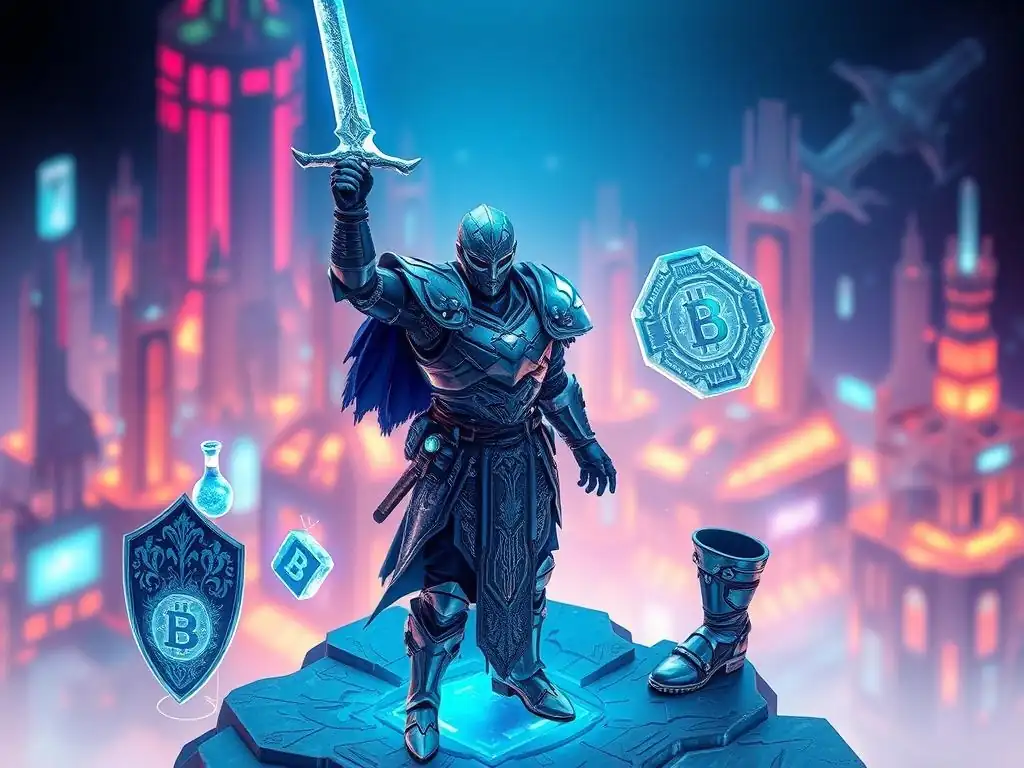
Ever wondered how blockchain is reshaping the gaming landscape? This article explores the fascinating realm of NFTs in virtual games, uncovering how they're bringing true ownership and unprecedented monetization opportunities to players. Curious to learn how your in-game items can become valuable, tradable assets? Read on to discover the future of gaming!
Digital Collectibles in Games: True Ownership and Monetization in Virtual Worlds
- Introduction to Digital Collectibles in Virtual Games: Redefining Ownership
- The Benefits of Digital Collectibles for Players
- How Digital Collectibles are Transforming Game Economies
- Challenges and Considerations for Implementing Digital Collectibles in Games
- Future Trends in Digital Collectibles and Virtual Game Ownership
- Getting Started with Digital Collectibles
- Conclusion: The Future of Virtual Game Assets is Decentralized with Digital Collectibles
-
Frequently Asked Questions
- What are InGame Item NFTs and how do they differ from traditional in-game items?
- How does blockchain technology enable true ownership of in-game items?
- What are the potential benefits of using NFTs for in-game items for both players and game developers?
- What are some of the challenges and risks associated with integrating NFTs into virtual games?
- How might regulation impact the use of NFTs in virtual games in the future?
- Final Reflection: Embracing the Future of Digital Ownership
- Unlock Your Gaming Future!
Introduction to Digital Collectibles in Virtual Games: Redefining Ownership
Understanding Digital Collectibles and Their Role in Gaming
Digital collectibles in virtual games represent a paradigm shift in how players interact with and value in-game assets. Unlike traditional in-game items, these digital collectibles leverage blockchain technology, often in the form of NFTs (Non-Fungible Tokens), to establish provable ownership and scarcity. These are not just cosmetic enhancements; they can range from unique weapons and character skins to virtual land and access keys within a game world. Their integration is transforming the gaming landscape by granting players verifiable ownership of their digital assets, moving away from the centralized control traditionally held by game developers and publishers.
The essence of digital collectibles lies in their uniqueness and verifiable scarcity, which is a core characteristic of blockchain technology. Each digital collectible, being an NFT, is distinct and its ownership is recorded on a transparent and immutable ledger. This fundamental change allows for the creation of truly unique in-game items, fostering a new level of engagement and investment from players. The appeal extends beyond mere gameplay advantages; it taps into the human desire for collecting, owning, and showcasing unique items, mirroring the appeal of physical collectibles in the real world but within the digital realm of virtual games.
The Problem with Traditional In-Game Items: Lack of Portability and Value Retention
Traditional in-game items, while enriching the gaming experience, suffer from inherent limitations concerning ownership and value. Players invest significant time and sometimes real money to acquire these items, yet they remain tethered to a single game. If a game shuts down or a player decides to move on, these items, regardless of their rarity or the effort invested to obtain them, lose their value and utility. They are essentially locked within the game's ecosystem, offering no portability or real-world value outside of the specific game for which they were designed.
Furthermore, the control over the creation and distribution of traditional in-game items rests solely with the game developers. This centralized control means that developers can, at any time, alter the scarcity, availability, or even remove items from the game. This lack of player control and the potential for devaluation by developers undermines the sense of true ownership. Players are essentially renting or licensing these items, rather than truly owning them, creating a disconnect between the perceived investment and the actual rights associated with these virtual assets.
Why Digital Collectibles Offer a Solution for Virtual Game Assets
Digital collectibles, particularly NFTs in virtual games, address the core issues of ownership, portability, and value retention that plague traditional in-game items. By representing in-game assets as NFTs on a blockchain, players gain verifiable and true ownership. This ownership is not confined to the game's ecosystem but is recorded on a decentralized ledger, making it independent of any single game developer or platform. This fundamental shift empowers players with control over their digital assets in a way that was previously impossible.
Moreover, digital collectibles introduce the potential for real-world value and portability. Because ownership is secured on a blockchain, these assets can be traded and sold on external marketplaces, potentially allowing players to recoup their investments or even profit from their in-game achievements.
The decentralized nature of NFTs also opens doors to cross-game utility, where digital collectibles acquired in one game could potentially be used or have value in other compatible virtual game environments. This interoperability and the ability to retain and potentially grow the value of in-game assets are key advantages that digital collectibles bring to the gaming world, revolutionizing the concept of virtual game ownership.
The Benefits of Digital Collectibles for Players
True Digital Ownership: Owning Your Virtual Assets
The most significant benefit of digital collectibles, especially NFTs in virtual games, is true digital ownership. Unlike traditional in-game items which are essentially licensed by players, digital collectibles grant demonstrable and verifiable ownership recorded on the blockchain. This means players genuinely own their in-game assets, similar to owning a physical collectible item. This ownership is secured through cryptography and recorded on a decentralized ledger, making it transparent, immutable, and verifiable by anyone.
This shift to true ownership empowers players significantly. It moves away from the model where game developers have ultimate control over in-game assets to a model where players have agency over their digital possessions. Players can freely decide what to do with their digital collectibles – keep them, trade them, sell them, or even potentially use them across different virtual game worlds. This sense of control and ownership is a powerful motivator for player engagement and investment, fostering a deeper connection with the virtual game and its ecosystem.
Monetization Opportunities: Earning from Your Gameplay
Digital collectibles unlock new monetization opportunities for players within virtual games. By owning in-game assets as NFTs, players can participate in player-to-player marketplaces and trade their collectibles for cryptocurrency or even fiat currency. This creates a tangible economic incentive within gaming, where players can potentially earn from their skills, time investment, and in-game achievements. For instance, a player might acquire a rare weapon NFT through gameplay and then sell it to another player who desires it, creating a player-driven economy.
This potential for earning through gameplay transforms the player experience. Gaming becomes not just a form of entertainment but also a potential source of income. This is particularly relevant in play-to-earn gaming models, where digital collectibles are central to the game economy. Players can earn by actively participating in the game, collecting valuable NFTs, and contributing to the game's ecosystem. This shift towards player monetization is a significant evolution in the gaming industry, driven by the integration of digital collectibles and blockchain technology.
Cross-Game Utility: Using Digital Collectibles Across Different Games
A promising future for digital collectibles lies in cross-game utility. While still in its early stages, the potential for NFTs acquired in one virtual game to be used or have value in other games is a compelling prospect. Imagine owning a unique sword NFT earned in a fantasy RPG and being able to use it, or a skin derived from it, in a different metaverse or virtual world. This interoperability could revolutionize how players interact with virtual assets and build their digital identities across multiple platforms.
Achieving true cross-game utility is technically challenging and requires industry-wide standards and collaborations among game developers. However, the underlying technology of blockchain and NFTs facilitates this possibility. Standards for NFT metadata and interoperability protocols are being developed to enable seamless transfer and recognition of digital collectibles across different virtual environments. If realized, this cross-game utility would significantly increase the value and appeal of digital collectibles, making them truly portable assets within the wider digital ecosystem.
Increased Scarcity and Value: The Impact of Limited Edition Collectibles
Digital collectibles inherently enable increased scarcity and, consequently, potential value appreciation, particularly for limited edition items. NFTs are inherently unique, and game developers can easily create limited edition digital collectibles with verifiable scarcity enforced by the blockchain. This controlled scarcity contrasts sharply with traditional in-game items, where developers can often inflate supply or introduce similar items, diluting the value of existing assets.
The scarcity of digital collectibles, especially rare and limited editions, drives up their desirability and potential market value. Just as in the physical collectibles market, scarcity creates demand. For example, a limited edition weapon skin NFT with only 100 copies ever created will naturally be more sought after and potentially more valuable than a common skin available to all players. This scarcity principle, combined with the verifiable ownership and tradeability of NFTs, creates a dynamic market for digital collectibles and enhances their appeal as valuable in-game assets.
How Digital Collectibles are Transforming Game Economies
Player-Driven Economies and Digital Collectible Integration
Digital collectibles are instrumental in fostering player-driven economies within virtual games. By granting players ownership and tradeability of in-game assets, NFTs facilitate the creation of decentralized marketplaces where players can buy, sell, and trade digital collectibles directly with each other. This shifts the economic power from game developers to the player community, creating more dynamic and engaging game economies. These economies are often based on supply and demand, driven by player actions and preferences, mirroring real-world economic principles.
The integration of digital collectibles into game economies encourages player participation and investment. Players are incentivized to engage more deeply with the game, not just for entertainment but also for potential economic gain. This can lead to more vibrant and sustainable game ecosystems, where players are active participants in shaping the economy. Player-driven economies, facilitated by NFTs in virtual games, represent a significant evolution from traditional centralized game economies controlled solely by developers.
Creating Sustainable In-Game Economies with Blockchain
Blockchain technology, underpinning digital collectibles, offers tools to create more sustainable in-game economies. The transparency and immutability of the blockchain ensure fair and verifiable transactions within the game economy. Smart contracts can automate economic rules and processes, reducing the need for centralized control and increasing trust among players. This foundation of trust and transparency is crucial for long-term economic sustainability in virtual games.
Furthermore, blockchain enables the creation of decentralized autonomous organizations (DAOs) within game ecosystems. These DAOs can allow players to participate in the governance of the game economy, influencing decisions related to asset distribution, inflation control, and other economic parameters. This decentralized governance model empowers the player community and can lead to more resilient and sustainable game economies, aligned with the interests of the players who are the primary participants in these virtual worlds.
Examples of Games Utilizing Digital Collectibles
Several games are already pioneering the use of digital collectibles and NFTs in virtual games, demonstrating their transformative potential. Axie Infinity, for example, gained prominence with its play-to-earn model centered around Axie NFTs, creatures that players can battle, breed, and trade. Decentraland utilizes NFTs for virtual land ownership, allowing players to buy, sell, and develop virtual real estate within its metaverse. The Sandbox empowers players to create and monetize user-generated content in the form of NFTs, including avatars, items, and even game experiences.
These examples showcase diverse applications of digital collectibles within virtual games. CryptoKitties, while simpler in gameplay, was an early example that demonstrated the popularity of digital collectibles and NFTs in gaming. Games like Sorare are leveraging NFTs for digital trading cards in fantasy sports, blurring the lines between gaming and collectibles. These real-world examples illustrate the growing adoption and innovation in the use of digital collectibles to enhance game economies and player experiences.
Challenges and Considerations for Implementing Digital Collectibles in Games
Scalability and Transaction Costs
Implementing digital collectibles and NFTs in virtual games faces challenges related to scalability and transaction costs. Blockchains, while offering security and decentralization, can sometimes face limitations in transaction throughput and can incur transaction fees, especially during periods of high network activity. For games with a large number of players and frequent in-game transactions involving digital collectibles, these scalability and cost issues can become significant bottlenecks.
Solutions to address scalability and transaction costs are being actively developed. Layer-2 scaling solutions, such as sidechains and rollups, aim to increase transaction speed and reduce costs on blockchains. Optimized smart contract design and efficient blockchain protocols are also crucial for handling the demands of high-volume gaming environments. Choosing the appropriate blockchain infrastructure and scaling solutions is a key consideration for game developers integrating digital collectibles into their games to ensure a smooth and cost-effective player experience.
Security Risks and Protecting Digital Assets
Security is paramount when dealing with digital collectibles and NFTs, as these represent valuable assets. Players need to be educated about security best practices to protect their digital wallets and NFTs from theft or scams. Common security risks include phishing attacks, private key compromise, and vulnerabilities in smart contracts. Game developers and platforms integrating digital collectibles have a responsibility to implement robust security measures and educate users about potential threats.
Protecting digital assets requires a multi-layered approach. Secure wallet solutions, multi-factor authentication, and regular security audits of smart contracts and platforms are essential. Furthermore, user education on safe practices, such as being cautious of suspicious links and securing private keys, is crucial. Addressing security concerns effectively is vital for building trust and fostering widespread adoption of digital collectibles in virtual games.
Regulatory Considerations and Legal Frameworks
The regulatory landscape surrounding digital collectibles and NFTs is still evolving, and game developers must be mindful of legal frameworks in different jurisdictions. Regulations related to digital assets, securities laws, and consumer protection can impact the implementation and operation of digital collectible systems in games. Clarity and compliance with relevant regulations are important for the long-term sustainability and legitimacy of digital collectibles in the gaming industry.
Legal frameworks are being developed to address the unique characteristics of digital assets. Governments and regulatory bodies are grappling with issues such as the classification of NFTs, taxation of digital asset transactions, and the prevention of money laundering and illicit activities. Game developers need to stay informed about evolving regulations and seek legal counsel to ensure compliance and navigate the legal complexities associated with digital collectibles in virtual games.
User Adoption and Education: Making Digital Collectibles Accessible
User adoption and education are crucial for the widespread success of digital collectibles in virtual games. Many players may be unfamiliar with blockchain technology, NFTs, and digital wallets. Making digital collectibles accessible and user-friendly is essential to overcome the learning curve and encourage adoption among a broader gaming audience. Simplified onboarding processes, intuitive interfaces, and clear educational resources are necessary to bridge the knowledge gap.
Game developers need to focus on user experience and simplify the process of interacting with digital collectibles. Abstracting away the technical complexities of blockchain and providing user-friendly interfaces for managing digital assets within the game environment are key. Educational initiatives, in-game tutorials, and clear explanations of the benefits of digital collectibles can help onboard new users and foster wider adoption of NFTs in virtual games.
Future Trends in Digital Collectibles and Virtual Game Ownership
The Metaverse and the Convergence of Gaming and Digital Collectibles
The metaverse represents a significant trend that will further amplify the importance of digital collectibles and virtual game ownership. As metaverses evolve into interconnected virtual worlds, digital collectibles will play a crucial role in representing identity, ownership, and experiences within these immersive environments. The convergence of gaming and the metaverse creates new opportunities for digital collectibles to become even more valuable and versatile assets.
In the metaverse, digital collectibles are likely to extend beyond in-game items to represent virtual land, avatars, digital fashion, and even virtual experiences. NFTs will serve as proof of ownership and authenticity for these diverse digital assets within the metaverse. The interoperability and portability of digital collectibles will be even more critical in a metaverse context, allowing users to carry their digital identities and assets across different virtual worlds and experiences, blurring the lines between games and the broader digital landscape.
Evolving Standards and Interoperability Protocols
The future of digital collectibles hinges on the development of evolving standards and interoperability protocols. To achieve true cross-game utility and seamless integration across different platforms and metaverses, industry-wide standards for NFT metadata, interoperability, and transfer protocols are crucial. These standards will enable developers to create digital collectibles that can be recognized and utilized across various virtual environments, unlocking the full potential of digital asset portability.
Ongoing efforts are focused on developing open standards and protocols for NFTs. Initiatives such as metadata standards for NFTs, interoperability protocols for blockchain networks, and cross-chain bridges are paving the way for a more interconnected and interoperable digital collectible ecosystem. These advancements will be essential for fostering the growth and widespread adoption of digital collectibles and realizing their potential for true virtual asset ownership and utility.
Personalized and Dynamic Digital Collectibles in Gaming Experiences
Future trends point towards more personalized and dynamic digital collectibles that enhance gaming experiences. Imagine NFTs that evolve based on player actions, in-game achievements, or even real-world events. Dynamic NFTs could change their appearance, attributes, or functionalities based on various triggers, creating more engaging and personalized digital assets. This evolution moves beyond static collectibles to interactive and responsive digital items.
Personalized digital collectibles could be tailored to individual player preferences and styles. AI and machine learning could be used to create unique and personalized NFTs based on player profiles and gameplay patterns. Dynamic NFTs could also incorporate elements of storytelling and narrative, evolving over time and reflecting the player's journey within the game world. These advancements will make digital collectibles even more integrated into the core gaming experience, enhancing engagement and creating deeper connections between players and their virtual assets.
Getting Started with Digital Collectibles
Choosing a Platform for Game Item Digital Collectibles
For players looking to get started with game item digital collectibles, choosing the right platform is essential. Several NFT marketplaces and platforms specialize in gaming NFTs. Popular platforms include OpenSea, Rarible, and specialized gaming NFT marketplaces like Immutable X Marketplace and Magic Eden (particularly for Solana-based games). Factors to consider when choosing a platform include the types of games and NFTs supported, transaction fees, user interface, and security features.
Researching different platforms and understanding their strengths and weaknesses is important. Some platforms may focus on specific blockchains or game genres, while others offer broader selections. Comparing transaction fees and user interfaces is also crucial for finding a platform that suits individual needs and preferences. Considering the security reputation and measures of each platform is paramount to ensure the safety of digital assets.
Buying, Selling, and Trading Digital Collectibles on Marketplaces
Buying, selling, and trading digital collectibles typically occurs on NFT marketplaces. To participate, users generally need a cryptocurrency wallet compatible with the blockchain on which the NFTs are issued (e.g., MetaMask for Ethereum or Phantom for Solana). Marketplaces operate similarly to online auction houses or stock exchanges, allowing users to browse listings, place bids, or list their own digital collectibles for sale. Understanding the marketplace's interface and transaction processes is important for successful trading.
When buying digital collectibles, users should carefully review the NFT's details, including its rarity, provenance, and smart contract address to verify authenticity. When selling, users need to connect their wallet to the marketplace, list their NFT for sale at a desired price, and potentially pay a listing or transaction fee. Understanding gas fees (transaction fees on blockchains like Ethereum) and market trends is crucial for making informed decisions when buying and selling NFTs in virtual games.
Conclusion: The Future of Virtual Game Assets is Decentralized with Digital Collectibles
Digital Collectibles: Empowering Players and Revolutionizing the Gaming Industry
Digital collectibles, particularly NFTs in virtual games, are fundamentally empowering players and revolutionizing the gaming industry. They shift the paradigm from centralized control of in-game assets to decentralized ownership by players. This shift unlocks new monetization opportunities for players, creates more vibrant player-driven economies, and fosters a deeper sense of ownership and engagement within virtual game worlds. The integration of digital collectibles is not just a technological upgrade; it represents a fundamental change in the relationship between players and games.
The impact of digital collectibles extends beyond individual players. They are transforming game economies, creating new business models for game developers, and fostering innovation within the gaming industry. Play-to-earn models, player-owned economies, and metaverse integrations are all being driven by the adoption of digital collectibles. This revolution is reshaping the gaming landscape and paving the way for a more decentralized, player-centric future.
The Long-Term Vision for Digital Collectibles in Virtual Worlds and the Metaverse
The long-term vision for digital collectibles in virtual worlds and the metaverse is one of seamless interoperability, true digital ownership, and enhanced player experiences. As standards evolve and technology matures, digital collectibles are poised to become ubiquitous assets within virtual environments, representing identity, ownership, and value across different games and metaverses. The metaverse will further amplify the significance of digital collectibles, making them essential components of digital life and interaction.
In the future, we can expect to see more sophisticated and dynamic digital collectibles that are deeply integrated into gaming experiences and metaverse interactions. Personalized NFTs, evolving assets, and cross-game utility will become increasingly common. Digital collectibles are not just about owning virtual items; they are about shaping the future of virtual ownership, digital identity, and the immersive experiences within virtual worlds and the metaverse, fundamentally changing how we interact with digital spaces and assets.
Frequently Asked Questions
What are InGame Item NFTs and how do they differ from traditional in-game items?
InGame Item NFTs are unique, verifiable digital assets on a blockchain, offering true ownership to players. Unlike traditional in-game items, they are not tied to a single game and can potentially be traded or used across different platforms.
How does blockchain technology enable true ownership of in-game items?
Blockchain's decentralized ledger provides a transparent and immutable record of ownership. This allows players to truly own their in-game items as NFTs, independent of the game developer's control, unlike traditional items.
What are the potential benefits of using NFTs for in-game items for both players and game developers?
Players gain control and monetization opportunities, being able to trade or sell their items. Developers can create new revenue streams through NFT sales and royalties, fostering a more engaged community.
What are some of the challenges and risks associated with integrating NFTs into virtual games?
Concerns include scalability issues on blockchains, the potential for scams and fraud, and the environmental impact of certain blockchain technologies. Careful implementation and regulation are crucial.
How might regulation impact the use of NFTs in virtual games in the future?
Regulation could bring clarity and consumer protection, but also potentially stifle innovation. Balancing these aspects is vital for the sustainable growth of NFTs in the gaming industry.
Final Reflection: Embracing the Future of Digital Ownership
The exploration of NFTs in virtual games reveals a paradigm shift, moving beyond mere in-game assets to tangible digital ownership. This transition is not just a technological advancement; it's a fundamental change in how we perceive value and interact within virtual worlds, with real-world economic implications that are only beginning to be understood.
The rise of in-game item NFTs has profoundly influenced the cultural landscape of gaming, blurring the lines between entertainment and investment. The ability to truly own and monetize virtual creations empowers players in unprecedented ways, fostering a sense of agency and community participation that traditional gaming models often lack. The future of gaming isn't just about playing; it's about owning, creating, and participating in a digital economy that rewards creativity and skill.
As we stand at the cusp of this digital revolution, let us embrace the potential of NFTs in virtual games to redefine ownership, foster innovation, and build more equitable and engaging virtual experiences. Consider how you can participate in this evolving landscape, whether as a player, creator, or investor, and contribute to a future where digital ownership empowers individuals and enriches virtual worlds for all.
Unlock Your Gaming Future!
Thank you for exploring the world of in-game item NFTs and digital ownership. You've seen how blockchain technology is transforming the way we interact with and value virtual assets. Are you ready to take control?
Here are some ways you can embrace this exciting new era:
- Explore NFT marketplaces: Dive into active platforms where in-game item NFTs are bought, sold, and traded. Discover unique assets and learn about their potential value.
- Learn more about the technology: Research existing NFT projects, review their code repositories, and understand how they're built. This knowledge can help you identify opportunities to develop or customize your own solutions.
- Join the community: Share this article with fellow gamers and discuss how NFT-based ownership could revolutionize your favorite games.
How will you leverage the power of in-game item NFTs to enhance and redefine your gaming experience?
Leave a Reply