
Smart Grids and Blockchain: Towards a More Sustainable Energy Ecosystem

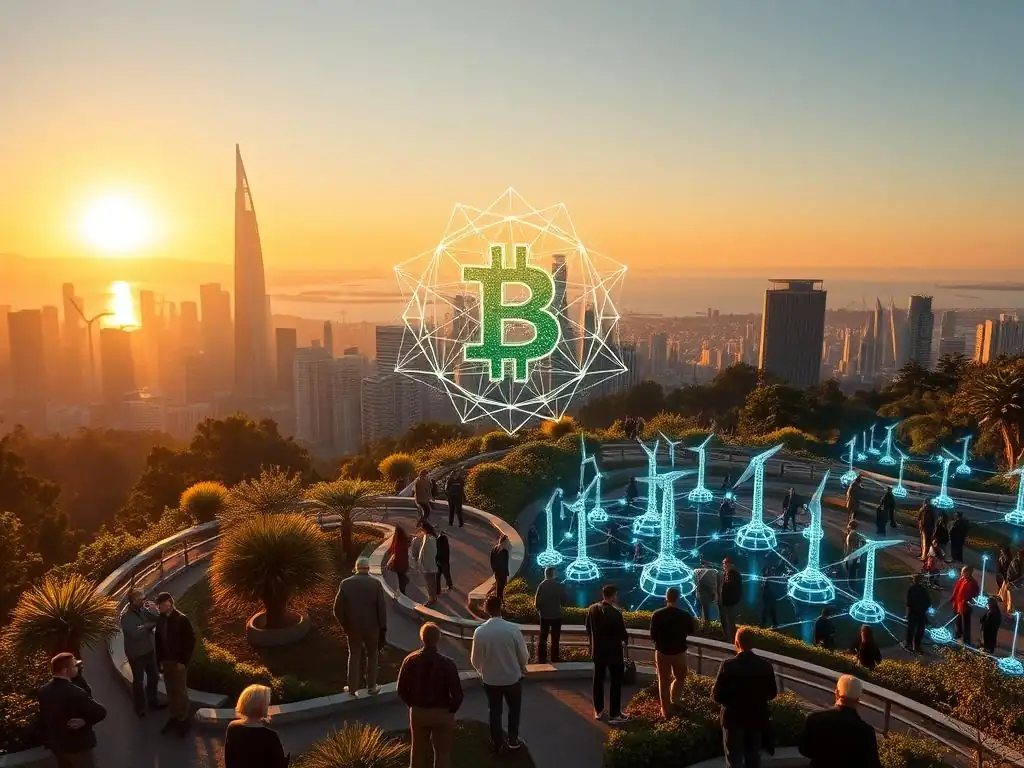
Welcome to Blockchain Trends, your gateway to understanding the profound impact of blockchain technology beyond the hype. Dive into the world of decentralized finance, enterprise solutions, and evolving regulations as we explore the future of decentralized systems.
Intrigued by the intersection of technology and sustainability? Our featured article, "Smart Grids and Blockchain: Towards a More Sustainable Energy Ecosystem," delves into how blockchain can revolutionize the energy sector. Discover how blockchain smart grids are paving the way for a more sustainable future, and uncover the potential for a truly decentralized and efficient energy ecosystem. Are you ready to explore the possibilities?
- Introduction: The Convergence of Smart Grids and Blockchain for a Sustainable Future
-
Frequently Asked Questions
- What role does blockchain play in enhancing the sustainability of smart grids?
- How can blockchain technology improve the efficiency of smart grids?
- What are the potential future implications of integrating blockchain with smart grids?
- How does blockchain address the challenges of regulation in the context of smart grids?
- What are some practical enterprise applications of blockchain in the smart grid sector, beyond simple energy trading?
- Final Reflection: Embracing a Decentralized Energy Future
- Power Up Your Energy Future!
Introduction: The Convergence of Smart Grids and Blockchain for a Sustainable Future
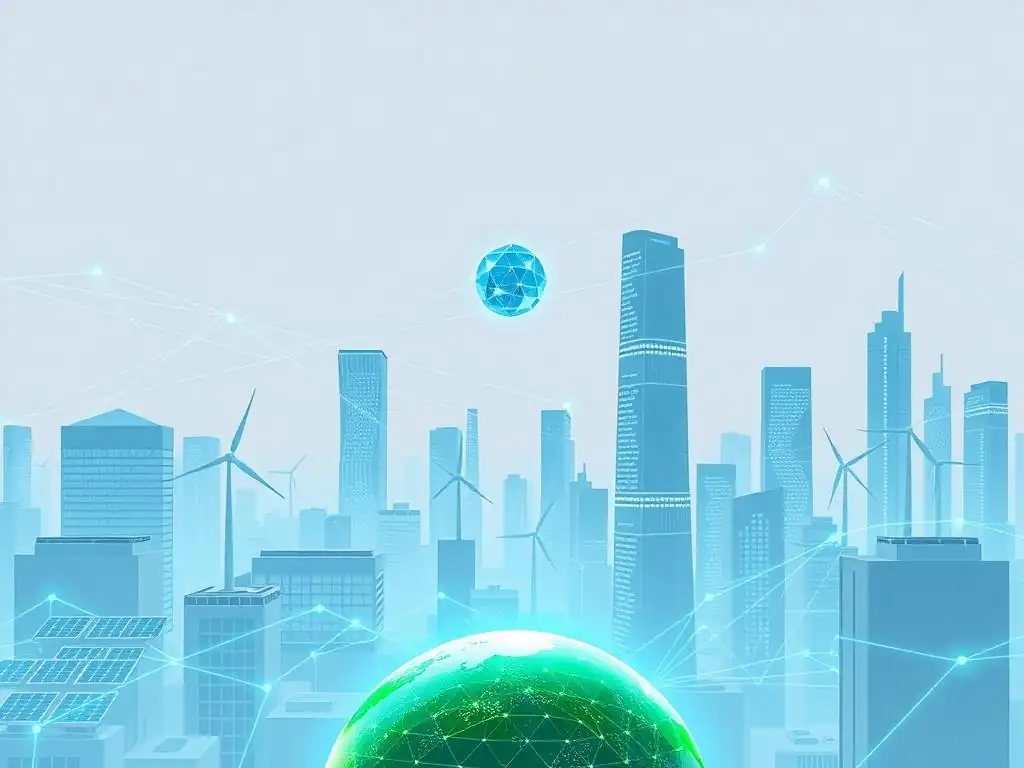
The Growing Need for Sustainable Energy Solutions
The global energy landscape is undergoing a profound transformation driven by urgent environmental imperatives and increasing demand. Climate change concerns necessitate a rapid transition away from fossil fuels towards cleaner, renewable energy sources. This shift is not merely an environmental goal but a fundamental requirement for long-term economic stability and planetary health.
Projections consistently show rising global energy consumption; for instance, the International Energy Agency (IEA) has projected significant increases in demand over the coming decades, particularly from emerging economies, highlighting the scale of the challenge. Meeting this demand sustainably requires unprecedented innovation in how energy is generated, transmitted, and consumed.
Traditional energy systems, built around large, centralized power plants, are ill-equipped to handle the distributed nature of renewables like solar and wind power efficiently. Integrating fluctuating renewable sources into the grid presents significant technical and economic challenges, including grid stability and managing bidirectional energy flows. Furthermore, aging infrastructure in many regions leads to substantial energy losses during transmission and distribution.
Addressing these issues is critical to building a resilient and environmentally responsible energy future. The development and deployment of advanced technologies are essential to overcome these hurdles and pave the way for more efficient, reliable, and sustainable energy ecosystems, setting the stage for exploring the potential of blockchain smart grids sustainability future.
Understanding Smart Grids: Efficiency and Decentralization
Smart grids represent a significant evolution from traditional power grids, leveraging digital technology to monitor, manage, and optimize the flow of electricity in real time. Unlike their predecessors, which rely on one-way power delivery, smart grids enable two-way communication between utilities and consumers, as well as between different components of the grid itself.
This connectivity allows for dynamic pricing, automated load balancing, and quicker identification and resolution of outages, leading to enhanced efficiency and reliability. For example, smart grid deployments in regions like Europe have shown improvements in grid stability and reductions in energy losses, contributing to overall system performance.
A key characteristic of smart grids is their inherent capacity for decentralization. They are designed to seamlessly integrate distributed energy resources (DERs), such as rooftop solar panels, wind turbines, and battery storage systems, which are often located at the edge of the grid or on consumer premises. This move towards decentralization reduces reliance on large, centralized power plants and empowers prosumers (consumers who also produce energy).
By enabling local energy generation and consumption, smart grids foster a more resilient energy infrastructure, less vulnerable to large-scale disruptions. This decentralized architecture is fundamental to achieving a sustainable energy future, providing a fertile ground for innovative solutions like blockchain smart grids sustainability future applications.
Blockchain Technology: A Catalyst for Energy Transformation
Blockchain technology, widely known for its role in cryptocurrencies, offers a set of features that are highly relevant to the challenges and opportunities within the energy sector, particularly for smart grids. At its core, blockchain is a distributed, immutable ledger that records transactions across a network of computers. Its key characteristics include transparency (all participants can see transactions), security (cryptographic hashing makes tampering extremely difficult), and decentralization (no single entity controls the network). These attributes stand in stark contrast to the centralized databases and opaque systems often used in traditional energy management and billing.
The disruptive potential of blockchain lies in its ability to create trust and enable secure, peer-to-peer interactions without the need for intermediaries. Within the context of smart grids, this can facilitate direct energy trading between neighbors with rooftop solar, authenticate energy sources, and automate complex transactions through smart contracts.
Early initiatives, such as pilot projects exploring peer-to-peer energy markets in specific neighborhoods, demonstrate the feasibility of using blockchain to create new, decentralized energy markets. By providing a secure and transparent layer for managing energy data and transactions, blockchain technology acts as a powerful catalyst, accelerating the transformation towards more efficient, decentralized, and sustainable energy systems and helping define the blueprint for a blockchain smart grids sustainability future.
Frequently Asked Questions
What role does blockchain play in enhancing the sustainability of smart grids?
Blockchain enables decentralized energy trading and transparent tracking of renewable energy credits, promoting a more sustainable energy ecosystem by incentivizing green energy production and consumption.
How can blockchain technology improve the efficiency of smart grids?
Blockchain facilitates peer-to-peer energy trading, reducing reliance on centralized utilities and optimizing energy distribution, leading to significant efficiency gains.
What are the potential future implications of integrating blockchain with smart grids?
The integration promises a future with more resilient energy systems, improved grid security through decentralized data storage, and enhanced participation of consumers in energy markets.
How does blockchain address the challenges of regulation in the context of smart grids?
Blockchain offers immutable records and transparent transactions, creating a verifiable audit trail that can streamline regulatory compliance and build trust among stakeholders.
What are some practical enterprise applications of blockchain in the smart grid sector, beyond simple energy trading?
Beyond trading, blockchain can be used for supply chain tracking of grid components, automated billing and payment processes, and secure data management for grid operations.
Final Reflection: Embracing a Decentralized Energy Future
The promise of a sustainable future hinges on our ability to revolutionize energy production and distribution, and the convergence of smart grids and blockchain technology offers a compelling pathway. The potential for increased efficiency, transparency, and resilience in our energy systems is no longer a distant dream, but a tangible possibility within our grasp. The challenges remain, but the potential rewards – a cleaner planet and a more equitable energy landscape – are too significant to ignore.
The integration of blockchain into smart grids represents more than just a technological upgrade; it signifies a fundamental shift in how we perceive and interact with energy. This shift towards decentralized, democratized energy systems empowers individuals and communities, fostering a sense of ownership and responsibility. The future of energy is not about centralized control, but about distributed empowerment.
This quote encapsulates the transformative potential of blockchain smart grids, moving us away from outdated models and towards a more sustainable and resilient future.
As we stand at the cusp of this energy revolution, let us embrace the opportunities presented by blockchain and smart grids. Consider how you can contribute to a more sustainable energy ecosystem, whether through supporting renewable energy initiatives, advocating for policy changes, or simply educating yourself and others about the potential of these technologies. The future of energy is not predetermined; it is a future we must actively shape, together.
Power Up Your Energy Future!
Thank you for exploring how blockchain can revolutionize smart grids. Now that you understand the potential, it's time to take action and help build a more sustainable energy future.
Here’s how you can get involved:
- Discover local blockchain-based energy platforms and initiatives. Support companies and projects working on decentralized energy solutions in your community.
- Share this article with friends and colleagues to spark conversations about blockchain's role in creating a transparent and efficient energy system. Help educate others about the opportunities available.
- Consider investing in renewable energy projects that incorporate blockchain technology. Even small contributions can support innovative and sustainable energy solutions.
What specific steps will you take this week to promote blockchain's role in developing a smarter, more sustainable energy grid? Share your ideas in the comments below!
Leave a Reply