
The Role of Oracles in Bridging the Gap Between Blockchain and RealWorld Supply Chain Data


Welcome to Blockchain Trends, your source for uncovering the real-world impact of blockchain technology. Ready to look beyond the hype and delve into practical applications?
Curious about how blockchain is revolutionizing industries beyond cryptocurrency? Our latest exploration dives into the crucial role of Blockchain supply chain oracles data. Discover how these innovative tools are bridging the gap between the digital ledger and the tangible world of goods and services. Unlock the potential of transparent and efficient supply chains – read on to learn how!
The Role of Oracles in Bridging the Gap Between Blockchain and Real-World Supply Chain Data
- Introduction: Blockchain's Untapped Potential in Supply Chain Management
- What are Blockchain Oracles and Why are They Crucial for Supply Chain Data?
- Challenges of Integrating Real-World Supply Chain Data with Blockchain
- How Blockchain Oracles Enhance Supply Chain Visibility and Traceability
- Use Cases: Blockchain Oracles in Action Across the Supply Chain
- Different Types of Oracles for Supply Chain Data Integration
- Selecting the Right Oracle Solution for Your Blockchain Supply Chain Needs
- The Future of Blockchain Oracles in Revolutionizing Supply Chains
- Conclusion: Unlocking the Full Potential of Blockchain in Supply Chain with Oracles
-
Frequently Asked Questions
- What is the primary role of oracles in the context of blockchain supply chain?
- How do blockchain supply chain oracles improve data accuracy and transparency?
- What types of supply chain data are typically fed into a blockchain via oracles?
- What are the potential challenges in implementing blockchain supply chain oracles?
- How will blockchain supply chain oracles data impact the future of supply chain management?
- Final Reflection: Embracing Transparency Through Blockchain Supply Chain Oracles Data
- Unlock Supply Chain Transparency: Take the Next Step!
Introduction: Blockchain's Untapped Potential in Supply Chain Management
Understanding the Limitations of Traditional Supply Chains
Traditional supply chains are often characterized by fragmentation, opacity, and inefficiency. Data is typically stored in siloed systems across multiple participants – manufacturers, distributors, logistics providers, and retailers. This lack of a single, shared source of truth makes it incredibly difficult to track goods end-to-end, leading to delays, disputes, and significant costs.
For instance, manual data entry and paper-based processes are still prevalent, contributing to errors that can result in lost shipments or incorrect inventory counts. A study by the World Economic Forum in 2020 estimated that inefficiencies in global supply chains cost the world economy billions annually, partly due to poor data visibility and collaboration.
Furthermore, establishing trust between parties in a long, complex supply chain is challenging. Each participant maintains their own records, and reconciling discrepancies when issues arise, such as product recalls or quality problems, is a time-consuming and costly process. The absence of real-time, verifiable data means that stakeholders often react to problems rather than proactively addressing them. This inherent lack of transparency also makes it difficult for consumers to verify product origins or ethical sourcing claims, impacting brand trust and consumer confidence in the data presented about goods traversing the blockchain supply chain.
How Blockchain Technology Offers Transparency and Efficiency
Blockchain technology presents a compelling solution to many of these traditional supply chain challenges by providing a decentralized, immutable, and transparent ledger. When integrated into a supply chain, a blockchain can record every transaction and movement of goods as a block of data, linked chronologically to the previous one.
This creates an unalterable audit trail accessible to all authorized participants, fostering unprecedented levels of trust and transparency. For example, recording the transfer of ownership of a shipment on a blockchain ensures that all parties see the same, verified record simultaneously, reducing disputes over who is responsible at any given point.
The efficiency gains come from streamlining processes and reducing the need for intermediaries. Smart contracts, self-executing contracts with the terms directly written into code, can automate actions based on predefined conditions, such as releasing payment automatically upon verified delivery of goods. This automation speeds up transactions, reduces administrative overhead, and minimizes the potential for human error. By creating a shared, secure ledger for supply chain data, blockchain technology lays the groundwork for more efficient tracking, improved inventory management, and faster resolution of issues, paving the way for innovative applications leveraging blockchain supply chain oracles data.
The Missing Link: The Need for Blockchain Oracles in Supply Chain
While blockchain excels at recording transactions immutably on-chain, its inherent design is isolated from the external world. Blockchain networks cannot directly access real-world data, such as the current temperature of a refrigerated container, the GPS location of a truck, or customs clearance information. This limitation is known as the "oracle problem." Without a reliable mechanism to feed external data into the blockchain, smart contracts designed to automate supply chain processes based on real-world events cannot function effectively. A smart contract triggering payment upon delivery needs proof that the delivery actually occurred, which requires external data.
This is where blockchain oracles become crucial for supply chain applications. Oracles act as secure middleware, fetching data from off-chain sources (like IoT sensors, enterprise databases, or weather APIs) and relaying it onto the blockchain in a format that smart contracts can understand and utilize.
Without oracles, the blockchain-based supply chain remains a closed system, unable to interact with the dynamic realities of physical logistics and operations. Bridging this data gap is essential for unlocking the full potential of blockchain technology in supply chain management, making the secure and reliable provision of blockchain supply chain oracles data a critical requirement.
What are Blockchain Oracles and Why are They Crucial for Supply Chain Data?
Defining Blockchain Oracles: Bringing External Data On-Chain
Blockchain oracles are third-party services that connect smart contracts to the outside world. They serve as data feeds, retrieving information from off-chain sources – anything from temperature sensors and GPS devices to web APIs and enterprise resource planning (ERP) systems – and making that data available on the blockchain for smart contracts to consume. Essentially, an oracle is the bridge between the deterministic, isolated environment of a blockchain and the vast, unpredictable realm of real-world data. They don't execute the smart contract themselves but provide the necessary external information that triggers the contract's execution.
Consider a smart contract for a shipment of perishable goods. This contract might stipulate that payment is released only if the temperature inside the container remains within a specific range throughout the journey. The blockchain itself has no way of knowing the container's temperature.
An oracle service, connected to temperature sensors within the container, would monitor the temperature off-chain and periodically transmit this data onto the blockchain. The smart contract would then read this oracle-provided temperature data and, if the condition is met, proceed with the payment execution. This process highlights the fundamental role of oracles in enabling blockchain supply chain oracles data to be actionable on-chain.
Why Supply Chain Data Requires Reliable Oracles
The nature of supply chain operations necessitates constant interaction with dynamic, real-world conditions. Goods move, temperatures fluctuate, customs regulations change, and events like weather delays or port congestion occur. For a blockchain-based supply chain solution to be effective, it must be able to incorporate and react to this ever-changing external data. Relying solely on data generated within the blockchain (like transaction history) is insufficient for managing physical goods moving through the world. Key decisions, automated by smart contracts, depend on accurate, timely, and verifiable information from outside the blockchain.
Reliable oracles are paramount because the integrity of the entire blockchain supply chain solution hinges on the quality and trustworthiness of the data they provide. If an oracle feeds incorrect or malicious data to a smart contract – for example, reporting a shipment as delivered when it hasn't arrived, or stating a temperature was within range when it wasn't – the smart contract will execute based on false information, leading to financial losses, damaged goods, and broken trust.
A robust blockchain supply chain solution requires oracles that are not only technically capable of fetching diverse data but also secure, tamper-proof, and resistant to manipulation, ensuring the reliability of the blockchain supply chain oracles data.
Overcoming the "Oracle Problem" in Supply Chain Applications
The core challenge with oracles, known as the "oracle problem," lies in ensuring the data they provide is trustworthy and hasn't been tampered with before being written onto the immutable blockchain. A single, centralized oracle represents a single point of failure and a potential vector for attack or manipulation. If that oracle is compromised or provides inaccurate data, the entire system relying on that data is jeopardized, undermining the very security and trust benefits that blockchain offers. This is particularly critical in supply chains where data accuracy directly impacts financial settlements, product quality, and regulatory compliance.
To mitigate the risks associated with the oracle problem in blockchain supply chain contexts, various decentralized oracle networks (DONs) have emerged. These networks utilize multiple independent oracles to source data, aggregating and validating it through consensus mechanisms before delivering it to the blockchain. If multiple oracles report the same temperature reading from a container, the system can have high confidence in that data's accuracy.
If one oracle reports a vastly different value, it can be identified as potentially faulty or malicious. This decentralized approach enhances the security and reliability of blockchain supply chain oracles data, making the system more resilient against single points of failure and manipulation.
Challenges of Integrating Real-World Supply Chain Data with Blockchain
Data Silos and Lack of Interoperability in Supply Chains
One of the most significant hurdles in integrating real-world supply chain data with blockchain is the pervasive issue of data silos. Within a single supply chain, data is often scattered across numerous disparate systems used by different participants. A manufacturer might use one ERP system, a logistics provider another, and a retailer a completely different inventory management system.
These systems frequently use different data formats, protocols, and standards, making it incredibly difficult to share information seamlessly, even before considering integrating with a blockchain. The lack of standardized data formats and APIs across the industry creates a complex landscape for oracles attempting to access and aggregate information.
Furthermore, many legacy systems within supply chains are not designed for real-time data sharing or easy integration with external platforms like blockchain networks. Extracting relevant data, transforming it into a usable format for an oracle, and ensuring its accuracy and timeliness from these older systems presents a substantial technical challenge. This interoperability gap means that even if a blockchain is ready to record supply chain events, getting the necessary, consistent, and reliable blockchain supply chain oracles data from the fragmented operational reality remains a complex undertaking requiring significant integration effort and potentially middleware solutions beyond just the oracle itself.
The Issue of Data Trust and Verification in Supply Chain Networks
Beyond the technical challenge of accessing data, a fundamental problem in traditional supply chains is verifying the trustworthiness of the data itself. How can one party be certain that the data provided by another party – whether it's a sensor reading, a quality inspection report, or a timestamp – is accurate and hasn't been tampered with?
In a system without a shared, immutable record, disputes over data validity are common. For example, a carrier might report a delivery timestamp that a recipient disputes, or a supplier might claim a product met quality standards based on internal data that the buyer cannot independently verify.
When integrating this data with a blockchain via oracles, the challenge intensifies. The blockchain's strength lies in its immutability – once data is recorded, it's permanent. Therefore, ensuring the accuracy of the data before it is committed to the blockchain is paramount.
Oracles must not just transport data but ideally provide mechanisms for validating its source and integrity. This often involves cryptographic proofs, trusted execution environments, or relying on data sources with established reputations or certifications. Building trust in the upstream data sources that feed the oracles is a critical prerequisite for building a trustworthy blockchain supply chain solution relying on accurate blockchain supply chain oracles data.
The Role of Oracles in Ensuring Data Integrity and Authenticity
Oracles play a pivotal role in addressing the data integrity and authenticity challenges inherent in bringing real-world supply chain data onto a blockchain. While they cannot magically make untrustworthy off-chain data sources reliable, well-designed oracle solutions incorporate features specifically aimed at verifying data before transmission. This can include cryptographically signing data feeds from trusted sources, utilizing multiple independent data providers for redundancy and cross-verification, and employing reputation systems for data sources or other oracles within a decentralized network.
For instance, instead of relying on a single GPS device's reported location, a robust oracle system might aggregate location data from multiple devices or services associated with a shipment and use a consensus mechanism to determine the most likely true location. Similarly, for temperature monitoring, an oracle could require data from several sensors within a container and report an average or raise a flag if readings diverge significantly.
By employing these validation techniques, oracles enhance the probability that the blockchain receives accurate and authentic supply chain data, thereby strengthening the overall reliability and trustworthiness of the blockchain supply chain oracles data used by smart contracts.
How Blockchain Oracles Enhance Supply Chain Visibility and Traceability
Real-Time Tracking of Goods Using Oracle-Enabled IoT Devices
One of the most impactful applications of blockchain oracles in supply chain is enabling real-time tracking of physical goods. By integrating Internet of Things (IoT) devices – such as GPS trackers, temperature sensors, humidity monitors, and shock detectors – with blockchain oracles, the physical state and location of goods can be continuously monitored and recorded on the blockchain.
IoT devices collect data from the environment, and oracles securely transmit this data to the blockchain. A smart contract can then access this oracle-provided data to update the status of a shipment, trigger alerts if conditions deviate from norms (e.g., temperature exceeding a threshold), or verify delivery upon arrival at a specific location.
This integration provides unparalleled visibility into the movement and condition of goods throughout the supply chain. Stakeholders with appropriate permissions can access the blockchain ledger to see the verifiable history and current status of any item or shipment. For example, a food distributor can monitor the temperature of a refrigerated truck in real-time to ensure compliance with cold chain requirements, with the temperature history immutably recorded on the blockchain via oracle feeds. This level of real-time, verifiable tracking, powered by blockchain supply chain oracles data, significantly reduces uncertainty and improves logistical planning and execution.
Verifying Product Origin and Authenticity with Oracle-Verified Data
Blockchain technology is excellent for tracking the transfer of ownership or custody, but proving the origin or authenticity of a product often requires external data. Oracles can bridge this gap by bringing data related to product provenance, manufacturing processes, or quality certifications onto the blockchain. For instance, an oracle could pull data from a certified organic farm's database, a manufacturing plant's quality control system, or a gemological laboratory's certificate registry and feed it onto the blockchain associated with a specific batch of goods.
By linking immutable blockchain records to oracle-verified data about origin, ingredients, manufacturing dates, or authenticity certificates, consumers and businesses can gain unprecedented confidence in the products they handle or purchase. For example, a luxury goods company could use oracles to verify the source of raw materials or the authenticity of a finished product by linking a unique item ID on the blockchain to oracle-provided data from suppliers or certification bodies. This application of blockchain supply chain oracles data empowers stakeholders to verify claims about products directly from the immutable ledger, combating counterfeiting and enhancing trust.
Improving Supply Chain Transparency for Consumers and Stakeholders
Blockchain oracles facilitate a new level of transparency not only between business partners but also for end consumers. By making verified data about a product's journey and characteristics accessible on the blockchain, consumers can potentially scan a QR code on a product and see its entire history – from source to shelf. This history, populated by blockchain supply chain oracles data, could include details about its origin, transportation route, storage conditions, quality checks, and even ethical sourcing certifications, all verified by oracle feeds.
For example, a consumer buying seafood could scan a code and see data showing where and when the fish was caught (verified by satellite data via an oracle), how it was processed (verified by factory data), and its journey through the cold chain (verified by temperature sensors via an oracle). This level of end-to-end visibility, powered by reliable blockchain oracles, empowers consumers to make informed purchasing decisions based on verifiable facts rather than marketing claims.
It also holds companies accountable for their supply chain practices, driving improvements in sustainability, ethics, and quality based on transparent blockchain supply chain oracles data.
Use Cases: Blockchain Oracles in Action Across the Supply Chain
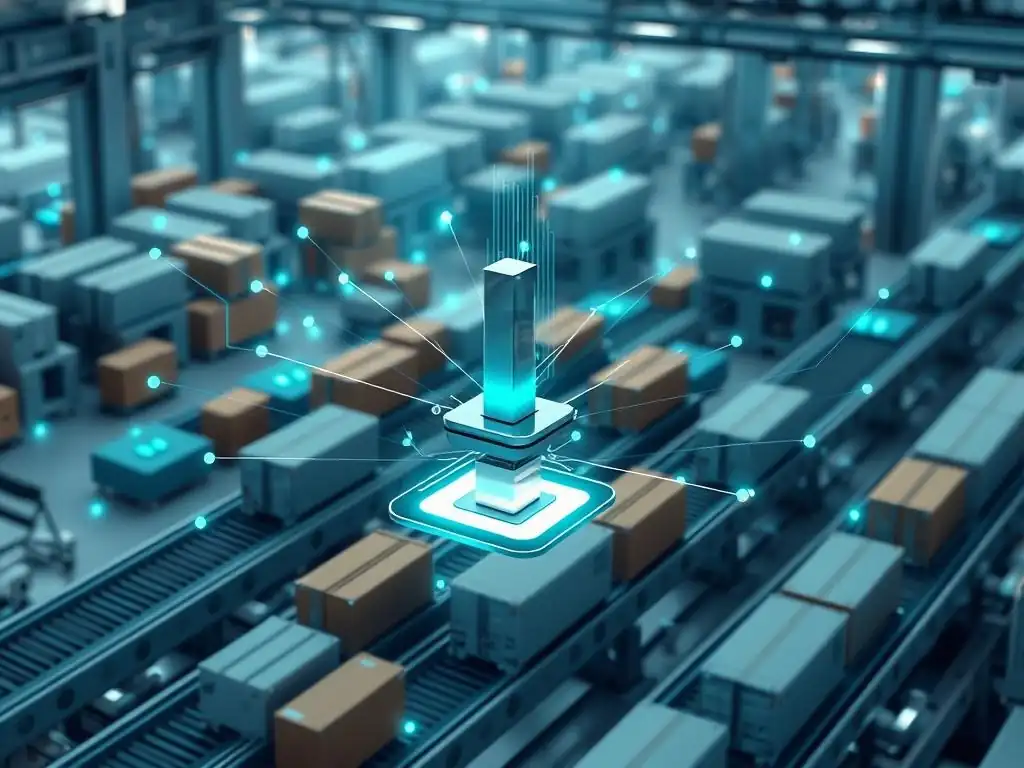
Oracle Applications for Food Supply Chain Traceability
The food industry is a prime example where blockchain oracles can significantly improve traceability and safety. Foodborne illness outbreaks and product recalls are costly and damaging, often exacerbated by the inability to quickly and accurately trace contaminated products back to their source. Blockchain, combined with oracles, offers a solution. Companies can record each step of the food journey on a blockchain – farming, processing, packaging, transportation, retail. Oracles feed crucial external data into this chain, such as temperature readings during transit, harvest dates, quality inspection results, and location data.
For example, a major retailer piloting blockchain for lettuce traceability demonstrated reducing the time to trace a product from farm to store from days or weeks down to seconds. This was achieved by having suppliers, processors, and distributors record data on the blockchain. Oracles would enhance this by automatically feeding data from temperature sensors in trucks, verifying delivery timestamps against GPS data, or even integrating data from third-party food safety testing labs. This use of blockchain supply chain oracles data allows for rapid identification and isolation of contaminated products during a recall, minimizing harm and waste.
Oracles in Pharmaceutical Supply Chain: Ensuring Drug Safety and Compliance
Ensuring the safety and authenticity of pharmaceuticals is critical, with counterfeiting and diversion posing serious risks. Regulations like the US Drug Supply Chain Security Act (DSCSA) mandate enhanced traceability. Blockchain can provide an immutable record of drug ownership transfers. However, verifying the integrity of the product itself during transit requires external data, making oracles essential. Oracles can connect to sensors monitoring temperature and humidity in temperature-sensitive drug shipments, ensuring compliance with strict storage requirements.
Furthermore, oracles can verify data against regulatory databases or connect to serialization systems used by manufacturers. For instance, an oracle could verify that a drug's unique serial number, scanned at different points in the supply chain, matches the manufacturer's database or has not been reported as stolen or counterfeit in a shared industry database. This integration of blockchain supply chain oracles data helps pharmaceutical companies and regulators track drugs from manufacturing to dispensing, combat counterfeiting, and ensure patient safety by verifying product integrity and compliance throughout the supply chain.
Oracles for Tracking High-Value Assets in Luxury Goods Supply Chains
In the luxury goods sector, proving authenticity and tracking provenance is vital to combating counterfeiting and maintaining brand value. Blockchain can create a digital identity for each item, recording its ownership history. Oracles enhance this by providing verifiable data about the item's characteristics, origin, and journey. For a diamond, an oracle could feed data from a gemological institute's certificate (e.g., carat, cut, clarity, color) onto the blockchain, linked to the diamond's unique ID. For a luxury handbag, an oracle might verify the source of exotic leather or the artisan who crafted it by connecting to supplier or workshop databases.
Beyond initial provenance, oracles can track the item's movement through the supply chain, verifying transitions between secure storage facilities or authorized retailers using location data or secure scanning events. If the item requires specific handling or storage conditions, sensors monitored by oracles can ensure compliance. This application of blockchain supply chain oracles data provides an immutable, verifiable history for each high-value asset, offering confidence to both businesses and consumers regarding authenticity, ethical sourcing, and ownership history, thereby protecting brand reputation and value.
Oracles for Temperature Monitoring in Cold Chain Logistics
Cold chain logistics, crucial for transporting perishable goods like food, pharmaceuticals, and chemicals, relies heavily on maintaining specific temperature ranges. Failure to do so can result in spoilage, loss of efficacy (for drugs), and significant financial losses. Blockchain can record the entire journey of a refrigerated shipment. Oracles are the critical component that feeds continuous temperature data from sensors inside the container onto the blockchain. These sensors might take readings every few minutes, and the oracle aggregates and transmits this data securely.
A smart contract can be programmed to monitor the temperature data provided by the oracle. If the temperature goes outside the acceptable range for a specified duration, the smart contract can automatically trigger predefined actions – such as alerting stakeholders, invalidating the shipment record on the blockchain (indicating a breach of conditions), or even automatically adjusting payment terms based on the severity and duration of the temperature excursion. This use of blockchain supply chain oracles data provides an undeniable, tamper-proof record of temperature compliance, enabling proactive intervention and streamlining claims processing based on objective, verifiable data.
Different Types of Oracles for Supply Chain Data Integration
Hardware Oracles: Connecting Physical Sensors to the Blockchain
Hardware oracles are specifically designed to connect physical devices and sensors from the real world directly to the blockchain. In supply chain contexts, this typically involves integrating with IoT sensors attached to goods, containers, or vehicles. These sensors might measure temperature, humidity, location (GPS), shock, light exposure, or even air quality. The hardware oracle component collects data directly from these devices, often through secure, tamper-resistant modules, and then transmits this data to the blockchain, usually via a software component or a dedicated oracle network.
The primary advantage of hardware oracles is their ability to provide data directly from the source, reducing reliance on potentially fallible or malicious human input or software systems. However, they also face challenges related to the security and integrity of the hardware itself. Ensuring that a sensor hasn't been tampered with or that the oracle hardware module is secure from physical attacks is critical. Despite these challenges, hardware oracles are indispensable for capturing real-time, physical condition data essential for many blockchain supply chain use cases, providing foundational blockchain supply chain oracles data directly from the physical environment.
Software Oracles: Accessing External APIs and Databases for Supply Chain Information
Software oracles are the most common type and function by accessing information available online or in digital databases. For supply chains, this includes pulling data from web APIs, enterprise resource planning (ERP) systems, warehouse management systems (WMS), transportation management systems (TMS), customs databases, weather services, or public registries. A software oracle acts as a web scraper or API client, retrieving the required data and formatting it for blockchain consumption.
These oracles are flexible and can access a wide variety of data sources, making them suitable for integrating information that isn't captured by physical sensors, such as order details, payment status, regulatory updates, or external validation data. The challenge with software oracles lies in verifying the authenticity and reliability of the digital sources they access. A robust software oracle solution for blockchain supply chain data needs mechanisms to ensure the data source is legitimate and that the data hasn't been altered during transmission, often relying on digital signatures, secure connections, and potentially multiple data sources for verification.
Consensus-Based Oracles: Decentralized Validation of Supply Chain Data
Consensus-based oracles, often implemented as decentralized oracle networks (DONs), address the single point of failure issue inherent in single oracles. Instead of relying on one entity to provide data, DONs utilize a network of independent oracle nodes. Each node retrieves data from the specified off-chain source(s), and the network aggregates and validates the data through a consensus mechanism (e.g., averaging multiple readings, requiring a majority agreement on a specific value). Only data that reaches a certain level of consensus is then transmitted to the blockchain.
This decentralized approach significantly enhances the reliability and security of blockchain supply chain oracles data. By distributing the task of data provision and validation across multiple nodes, the system becomes far more resistant to manipulation, downtime, or faulty individual oracles. If one oracle node provides incorrect data, the consensus mechanism can identify and disregard it. While more complex to set up and manage, consensus-based oracles are often preferred for critical supply chain applications where data integrity is paramount and the risk of a compromised oracle is unacceptable, providing a robust foundation for trustworthy blockchain supply chain oracles data.
Selecting the Right Oracle Solution for Your Blockchain Supply Chain Needs
Factors to Consider When Choosing an Oracle Provider
Selecting the appropriate oracle solution is a critical step in implementing a successful blockchain supply chain. Several factors must be carefully evaluated. First, consider the type of data you need to bring on-chain. Does it require real-time sensor data (hardware oracle), access to existing databases or APIs (software oracle), or highly sensitive data requiring decentralized verification (consensus-based oracle)?
Second, assess the reliability and security of the oracle provider or network. What mechanisms do they have in place to prevent data tampering, ensure data source authenticity, and maintain uptime? Look for providers with a strong track record and robust security protocols.
Third, evaluate the cost and scalability of the solution. Oracle services typically involve fees for data requests or subscriptions. Ensure the pricing model aligns with your expected usage and that the oracle network can handle the volume and frequency of data feeds required by your supply chain operations as they grow.
Finally, consider the ease of integration with both your existing off-chain systems (ERP, WMS, IoT platforms) and your chosen blockchain platform. A complex integration process can negate the benefits of using oracles. Prioritizing oracle solutions that offer developer-friendly tools, comprehensive documentation, and support for relevant blockchain networks is crucial for a smooth deployment of blockchain supply chain oracles data feeds.
Evaluating Oracle Security and Reliability
The security and reliability of the oracle are paramount, as the entire blockchain supply chain solution's trustworthiness depends on the data it provides. Security measures to look for include cryptographic signing of data feeds to prove the data's origin, secure communication channels between the oracle and data sources/blockchain, and protection against Sybil attacks or other forms of network manipulation in decentralized oracle networks. Ask potential providers about their security audits, incident response plans, and how they handle data privacy, especially if sensitive supply chain data is involved.
Reliability pertains to the oracle's ability to consistently provide accurate and timely data. This involves assessing the oracle provider's infrastructure, uptime guarantees, and redundancy measures. For decentralized oracle networks, reliability is enhanced by the number and reputation of participating nodes and the robustness of the consensus mechanism. Evaluate how the oracle handles data source failures or inconsistencies. A reliable oracle solution should have built-in mechanisms to detect faulty data sources or malicious oracle nodes and exclude them from the data aggregation process, ensuring the consistent flow of accurate blockchain supply chain oracles data.
Assessing Oracle Scalability and Cost-Effectiveness
As a blockchain supply chain solution expands, the volume and variety of data required from oracles will likely increase significantly. The chosen oracle solution must be able to scale efficiently to handle this growing demand without becoming a bottleneck or prohibitively expensive. Scalability involves the oracle network's capacity to process a higher volume of data requests and integrate with a larger number of data sources and IoT devices. For decentralized networks, this also means the ability to accommodate more oracle nodes as needed.
Cost-effectiveness involves evaluating the total cost of using the oracle service, including subscription fees, data request fees, and any associated development or integration costs, against the value it provides. Calculate the potential ROI based on expected improvements in efficiency, transparency, risk reduction, and dispute resolution.
Compare the pricing models of different oracle providers – some might charge per data request, while others offer subscription tiers. Ensuring the oracle solution provides the necessary reliability and security at a price point that makes the blockchain supply chain application economically viable is essential for long-term success when leveraging blockchain supply chain oracles data.
The Future of Blockchain Oracles in Revolutionizing Supply Chains
Emerging Trends in Oracle Technology and Data Management
The field of blockchain oracles is rapidly evolving, with several emerging trends poised to further enhance their capabilities in supply chain contexts. One trend is the development of more sophisticated data validation techniques, potentially incorporating machine learning to detect anomalies or inconsistencies in data streams from supply chain sensors or systems. Another is the focus on interoperability standards for oracles, making it easier for them to connect with a wider range of off-chain data sources and blockchain platforms.
Furthermore, the concept of "computation oracles" or "decentralized compute networks" is gaining traction. These go beyond simply fetching data; they can perform complex computations on off-chain data and provide the verified result to the blockchain. In supply chain, this could involve calculating optimal routes based on real-time traffic data, analyzing sensor data to predict potential equipment failures, or determining insurance payouts based on verified loss events, all off-chain but with the verified result securely brought on-chain via the oracle. These advancements promise more intelligent and automated blockchain supply chain solutions powered by advanced blockchain supply chain oracles data processing.
The Potential for AI-Powered Oracles in Supply Chain Optimization
Integrating Artificial Intelligence (AI) with blockchain oracles holds immense potential for optimizing supply chain operations. AI algorithms can analyze vast amounts of real-time and historical supply chain data – much of it fed onto the blockchain via oracles – to identify patterns, predict demand fluctuations, optimize inventory levels, and suggest the most efficient routes. AI can also be used within the oracle itself to improve data accuracy and reliability by detecting fraudulent or erroneous sensor readings or data entries before they are committed to the blockchain.
Imagine an AI model analyzing oracle-provided data streams including weather forecasts, traffic conditions, port congestion updates, and real-time GPS data from a fleet of trucks. An AI-powered oracle could process this information off-chain and provide optimized routing suggestions or predicted arrival times to a smart contract on the blockchain, which could then trigger adjustments in downstream logistics or inform supply chain partners automatically. This synergy between AI, oracles, and blockchain promises highly responsive, self-optimizing supply chains driven by intelligent analysis of blockchain supply chain oracles data.
The Role of Oracles in Building More Resilient and Sustainable Supply Chains
The increasing frequency of disruptions – from pandemics and geopolitical events to climate change impacts – highlights the urgent need for more resilient and sustainable supply chains. Blockchain, enhanced by oracles, can play a significant role in building these future supply chains. Oracles can provide real-time data on external events (like natural disasters or port closures) to blockchain-based systems, allowing smart contracts to trigger contingency plans automatically, such as rerouting shipments or activating alternative suppliers.
For sustainability, oracles can verify and bring on-chain data related to carbon emissions, energy consumption, waste reduction efforts, and ethical sourcing certifications from various points in the supply chain. This verifiable data, powered by blockchain supply chain oracles data feeds, allows companies to track their environmental and social impact transparently and demonstrate compliance with sustainability standards. By providing access to critical external information, oracles empower blockchain solutions to not only track goods but also monitor, verify, and automate responses based on a wide range of real-world conditions, contributing to supply chains that are more robust, adaptable, and environmentally conscious.
Conclusion: Unlocking the Full Potential of Blockchain in Supply Chain with Oracles
Recap of the Importance of Oracles for Bridging the Data Gap
While blockchain technology provides a revolutionary framework for creating transparent, immutable, and efficient supply chain ledgers, its inherent inability to directly access real-world data represents a fundamental limitation. This gap between the on-chain environment and the dynamic off-chain reality is precisely where blockchain oracles demonstrate their indispensable value. Oracles serve as the critical bridge, securely and reliably feeding external information – from sensor readings and location data to enterprise system records and market conditions – onto the blockchain. Without this flow of accurate blockchain supply chain oracles data, smart contracts cannot react to physical events, and the blockchain remains disconnected from the operational realities of logistics and commerce.
The challenges of integrating real-world supply chain data, including data silos, interoperability issues, and the need for data trust, underscore the complexity of the oracle's role. However, by leveraging various types of oracles – hardware for physical conditions, software for digital information, and decentralized networks for enhanced security and reliability – organizations can overcome these hurdles. The successful implementation of blockchain in supply chain management is inextricably linked to the ability to reliably and securely bring external data on-chain via robust oracle solutions.
The Future of Blockchain-Enabled Supply Chains: A Vision for Transparency and Efficiency.
The future of blockchain-enabled supply chains is one characterized by unprecedented levels of transparency, efficiency, and automation, largely powered by the capabilities of advanced oracles. We envision supply chains where the journey of every product, from raw material to end consumer, is recorded on a shared, immutable ledger, enriched with real-time, verifiable data provided by oracles. This data will enable smart contracts to automate payments upon delivery verification, adjust logistics based on dynamic conditions, and trigger alerts for quality breaches or compliance issues, all without manual intervention.
As oracle technology continues to evolve, incorporating AI and becoming more decentralized and interoperable, blockchain supply chain solutions will become even more sophisticated. They will not only track and trace but also optimize routes, predict disruptions, verify sustainability claims, and ensure product integrity throughout complex global networks. The seamless flow of accurate blockchain supply chain oracles data is the key to unlocking this potential, creating supply chains that are not only more cost-effective and visible but also more resilient, sustainable, and trustworthy for all participants, from multinational corporations to individual consumers.
Frequently Asked Questions
What is the primary role of oracles in the context of blockchain supply chain?
Oracles act as a bridge between the blockchain and external, real-world data. They provide verified information needed to execute smart contracts related to supply chain operations.
How do blockchain supply chain oracles improve data accuracy and transparency?
By using secure and reliable data sources, oracles ensure the integrity of information recorded on the blockchain. This fosters greater transparency and reduces the risk of fraud or manipulation.
What types of supply chain data are typically fed into a blockchain via oracles?
Oracles can bring a wide range of data onto the blockchain, including product location, temperature readings, customs clearance status, and proof of delivery, all essential for supply chain visibility.
What are the potential challenges in implementing blockchain supply chain oracles?
Challenges include ensuring oracle reliability, addressing data privacy concerns, and managing the complexity of integrating oracles with existing supply chain systems. Ensuring data security is also paramount.
How will blockchain supply chain oracles data impact the future of supply chain management?
They will likely lead to more efficient, transparent, and resilient supply chains. This will improve traceability, reduce counterfeiting, and enable better decision-making across the entire network.
Final Reflection: Embracing Transparency Through Blockchain Supply Chain Oracles Data
The journey of tracing goods from origin to consumer, once shrouded in opacity, is now being illuminated by the powerful synergy of blockchain, supply chain oracles, and real-world data. This fusion represents a paradigm shift, moving us closer to a future where supply chains are not just efficient, but also transparent and trustworthy. The potential to combat fraud, ensure ethical sourcing, and empower consumers with verifiable information is no longer a distant dream, but a tangible reality being shaped by the technologies discussed.
The impact of blockchain supply chain oracles data extends far beyond mere efficiency gains; it's about fostering a new era of accountability and trust. Witnessing the evolution of this technology has been profoundly inspiring, highlighting the potential for positive change when innovation meets ethical considerations. Data is the new oil, but transparency is the new gasoline.
This quote perfectly encapsulates the transformative power of verifiable data in fueling a more responsible and sustainable global economy.
As we stand at the cusp of this revolution, let us not be passive observers. Consider how you, as a consumer, a business owner, or a technologist, can contribute to the adoption and refinement of blockchain supply chain oracles data. Embrace the opportunity to demand transparency, support ethical practices, and champion the technologies that empower us to build a more trustworthy and sustainable future, one verifiable data point at a time.
Unlock Supply Chain Transparency: Take the Next Step!
Thank you for exploring how oracles are revolutionizing supply chain management and providing unprecedented visibility into real-world data. Now that you understand their potential, it’s time to take action and be part of this transformative movement.
Here’s how you can get involved:
- Research different types of oracle technologies to determine which solutions best fit your needs, from hardware-based systems to data aggregation services.
- Share this article with your network to encourage discussions about the future of supply chain transparency and the impact of blockchain technology.
- Imagine a world where every product’s journey is flawlessly tracked. Brainstorm innovative ways to apply oracle technology within your existing supply chains to enhance efficiency, security, and trust.
What’s one unconventional application of oracle technology you envision that could completely transform supply chain management? Share your ideas in the comments below!
Leave a Reply