
NFTs and Deforestation: Indirect Links and Potential Consequences

Welcome to Blockchain Trends, your compass in the ever-evolving world of decentralized technologies!
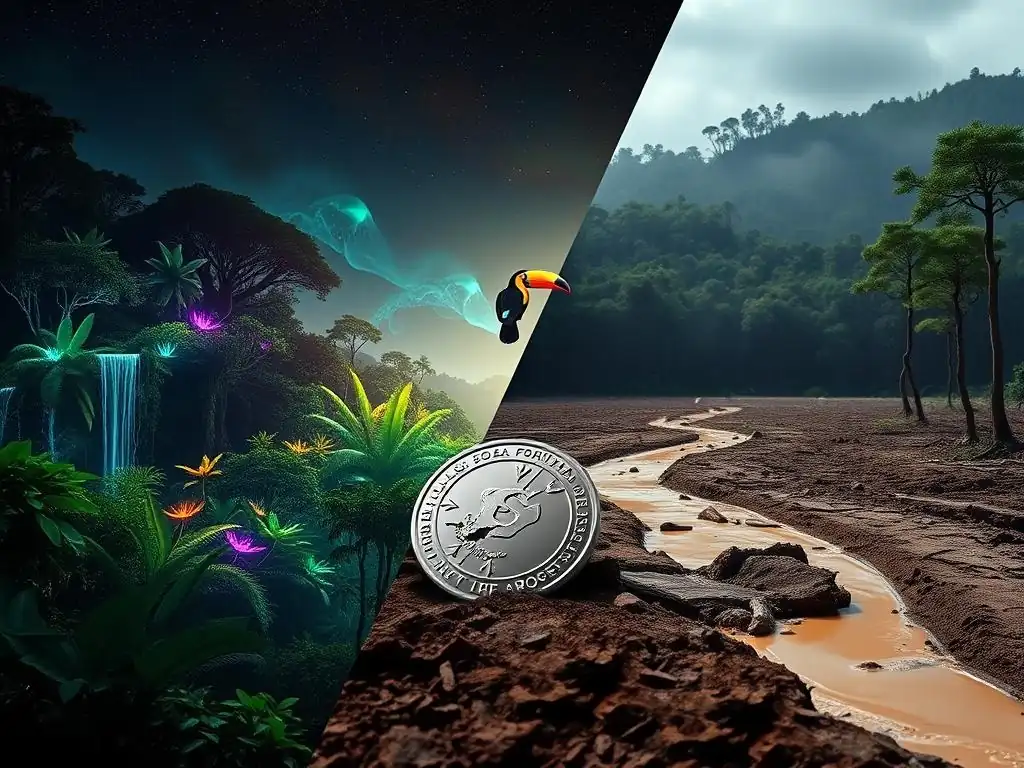
Delve into the transformative potential of blockchain beyond just cryptocurrencies. Today, we're tackling a critical intersection of innovation and sustainability: the intriguing, yet often overlooked, NFTs deforestation impact consequences. Are digital assets indirectly contributing to environmental damage? Explore the surprising links and potential solutions as we uncover the truth behind this complex issue. Prepare to have your perspective challenged!
- Understanding the NFT Landscape and Its Environmental Footprint
- The Indirect Link Between NFTs and Deforestation: Exploring the Connection
- Analyzing the Environmental Consequences of NFT-Related Energy Consumption
- Specific Examples: NFT Projects with High Environmental Impact
- Addressing the Problem: Sustainable Solutions for the NFT Space
- Mitigating the NFTs Deforestation Impact: Potential Solutions and Strategies
- The Future of NFTs: Balancing Innovation and Environmental Responsibility
-
Frequently Asked Questions
- What is the primary link between NFTs and deforestation, as discussed in the article?
- How do NFT transactions contribute to carbon emissions?
- Are all NFTs equally harmful to the environment in terms of deforestation risk?
- Beyond energy consumption, are there other ways NFTs can indirectly contribute to deforestation?
- What are some proposed solutions to mitigate the negative environmental impact of NFTs?
- Final Reflection: Navigating the Digital Forest
- Empower Change: Reimagine Your NFT Impact!
Understanding the NFT Landscape and Its Environmental Footprint
What are NFTs and How Do They Work?
Non-Fungible Tokens, or NFTs, represent unique digital assets stored on a blockchain. Unlike cryptocurrencies such as Bitcoin or standard tokens which are interchangeable (fungible), each NFT possesses distinct properties that make it one-of-a-kind. This uniqueness allows NFTs to represent ownership of various items, including digital art, music, videos, collectibles, and even virtual real estate.
The underlying technology, typically a blockchain like Ethereum, provides a transparent and immutable record of ownership and transaction history, offering provenance for digital items that were previously easily copied. When someone acquires an NFT, they aren't necessarily buying the digital file itself, but rather the token on the blockchain that points to or is associated with that file, verifying their ownership of the unique digital asset.
The process of creating an NFT is known as "minting." Minting an NFT involves publishing a unique token on a blockchain, embedding specific information or metadata about the digital asset it represents. This process requires computational power and, consequently, energy.
Once minted, the NFT exists on the blockchain and can be bought, sold, or transferred. Transactions involving NFTs, such as purchases on marketplaces like OpenSea or Rarible, also require processing by the blockchain network. The method by which these transactions are validated and added to the blockchain significantly influences the energy consumption associated with NFTs, which is a critical factor when discussing the NFTs deforestation impact consequences.
The Growing Popularity of NFTs and its Implications
The NFT market experienced explosive growth starting in late 2020 and peaking in 2021, transforming from a niche concept into a mainstream phenomenon. Sales volumes reached unprecedented levels, with total market transactions estimated to be in the tens of billions of dollars in 2021 alone. High-profile sales, such as Beeple's "Everydays: The First 5000 Days" selling for \$69 million, and the significant trading volume of collections like CryptoPunks and Bored Ape Yacht Club, garnered global attention.
This surge in popularity attracted artists, celebrities, brands, and investors, eager to explore the potential of digital ownership and new revenue streams. Major companies began experimenting with NFTs for marketing, loyalty programs, and digital collectibles, further integrating them into the digital economy.
However, this rapid expansion and adoption brought significant scrutiny, particularly regarding the environmental footprint of NFTs. The sheer volume of transactions and minting activities on energy-intensive blockchains raised alarms among environmentalists and the public. Critics highlighted the substantial energy consumption and associated carbon emissions, questioning the sustainability of the NFT craze.
This growing concern has driven conversations about the environmental impact of blockchain technology as a whole and specifically the NFTs deforestation impact consequences, prompting a search for more sustainable alternatives and practices within the space. The implications extend beyond energy use, touching upon the broader environmental responsibility of decentralized technologies.
The Indirect Link Between NFTs and Deforestation: Exploring the Connection
Energy Consumption of Blockchain Networks and NFT Creation
The primary environmental concern surrounding NFTs stems from the energy requirements of the blockchain networks they operate on. Historically, the most popular blockchain for NFTs, Ethereum, utilized a consensus mechanism called Proof-of-Work (PoW). PoW requires miners to use significant computational power to solve complex mathematical puzzles to validate transactions and add new blocks to the chain. This process is intentionally energy-intensive to secure the network and prevent malicious activity. Minting an NFT, transferring ownership, or listing it on a marketplace all require these transactions to be processed and validated by the PoW network, consuming considerable electricity.
Estimates for the energy consumption of a single Ethereum PoW transaction varied widely but were often compared to the power usage of an average household over several days or even weeks. For instance, analyses from sources like Digiconomist estimated that a single Ethereum transaction could consume energy comparable to over 100,000 VISA transactions.
While these figures are estimates and subject to debate, they underscore the substantial energy footprint of PoW blockchains at scale. This high energy demand is the foundational element linking NFTs to broader environmental issues, including the potential for NFTs deforestation impact consequences, as the source of this electricity is often tied to fossil fuels.
The Role of Ethereum and Other Blockchains in NFT Transactions
Ethereum has historically been the dominant platform for NFTs, hosting the vast majority of major collections and marketplaces. Its widespread adoption meant that a significant portion of NFT activity contributed to the energy consumption of the Ethereum PoW network. Every mint, trade, or transfer on Ethereum's legacy system added to the cumulative energy burden. While other blockchains also support NFTs, many initially followed the PoW model or, if using less energy-intensive methods like Proof-of-Stake (PoS), had smaller market shares. The choice of blockchain is paramount when evaluating the environmental cost of an NFT.
However, the landscape is evolving. Ethereum successfully transitioned from Proof-of-Work to Proof-of-Stake in September 2022, a monumental shift aimed precisely at drastically reducing its energy consumption. This move is estimated to have lowered Ethereum's energy use by over 99.9%, fundamentally changing the environmental equation for NFTs minted and traded on its network post-Merge.
Other blockchains popular for NFTs, such as Flow, Tezos, Solana, and Polygon (a Layer-2 built on Ethereum), already utilize or have adopted PoS or similar energy-efficient consensus mechanisms, offering significantly lower energy footprints per transaction compared to historical Ethereum PoW. Understanding which blockchain an NFT exists on is crucial for assessing its specific environmental impact and its potential contribution to the NFTs deforestation impact consequences narrative.
How Energy Use Contributes to Deforestation: A Chain of Events
The link between blockchain energy consumption and deforestation is not direct but rather a consequence of the global energy mix and climate change. A significant portion of the world's electricity is still generated from fossil fuels like coal, oil, and natural gas. Burning these fuels releases greenhouse gases, such as carbon dioxide, into the atmosphere, which trap heat and contribute to global warming. This increase in global temperatures drives climate change, leading to more frequent and intense extreme weather events, altered rainfall patterns, prolonged droughts, and increased susceptibility to wildfires.
These climate change impacts directly exacerbate the conditions that cause or accelerate deforestation. For example, prolonged droughts weaken trees, making them more vulnerable to pests and diseases, and increasing the risk of large-scale forest fires, which decimate forest cover. Changes in temperature and precipitation can also shift ecosystem boundaries, making some forest areas less viable and potentially leading to natural deforestation or pressures for land use change.
Furthermore, climate change can displace populations or alter agricultural suitability, potentially increasing pressure to clear forests for new settlements or farmland. Thus, the energy-intensive nature of PoW blockchains, by contributing to greenhouse gas emissions and climate change, indirectly contributes to the global conditions that drive deforestation, forming a part of the complex NFTs deforestation impact consequences.
Carbon Footprint and Greenhouse Gas Emissions from NFT Activity
The most direct environmental consequence of the energy-intensive nature of historical NFT activity on PoW blockchains is the significant carbon footprint. The amount of CO2 equivalent emissions generated per NFT transaction or minting process on legacy Ethereum PoW was considerable.
While precise figures varied based on the energy source mix used by miners and the specific transaction complexity, estimates often placed the carbon emissions of a single transaction at hundreds of kilograms of CO2. For instance, some analyses suggested a single NFT transaction could have a carbon footprint equivalent to flying for several hours or driving a gasoline car for hundreds of miles.
Cumulatively, the billions of dollars in NFT transactions that occurred during the market peak on PoW networks translated into a substantial volume of greenhouse gas emissions. This contribution, while a fraction of global emissions, added to the overall atmospheric CObon burden. These emissions contribute to the greenhouse effect, driving global warming and climate change. The scale of the NFT market's energy demand on PoW blockchains meant that its carbon footprint was a genuine concern for climate advocates, highlighting how digital activities can have tangible environmental costs and potentially contribute to the NFTs deforestation impact consequences through climate change.
Deforestation's Impact on Climate Change and Biodiversity
Deforestation is a critical environmental issue with profound impacts that are intricately linked to the climate change exacerbated by activities like energy-intensive blockchain operations. Forests, particularly tropical rainforests, act as vital carbon sinks, absorbing vast amounts of CO2 from the atmosphere through photosynthesis and storing it in their biomass and soil. When forests are cleared or burned, this stored carbon is released back into the atmosphere, significantly contributing to greenhouse gas levels. Deforestation is estimated to be a major contributor to global greenhouse gas emissions, potentially accounting for around 10-15% of the total.
Beyond carbon storage, forests are biodiversity hotspots, harboring a vast array of plant and animal species. Deforestation leads to habitat destruction and fragmentation, driving species towards extinction and disrupting ecosystems. This loss of biodiversity weakens ecosystems' resilience to climate change and other environmental pressures.
Furthermore, forests play a crucial role in regulating local and regional climates, influencing rainfall patterns and preventing soil erosion. The destruction of forests disrupts these functions, leading to increased vulnerability to droughts, floods, and desertification, creating a feedback loop where climate change drives deforestation, and deforestation accelerates climate change – a cycle potentially influenced, albeit indirectly, by the energy demands contributing to the NFTs deforestation impact consequences.
The Broader Environmental Impact of Blockchain Technology
While energy consumption and its link to carbon emissions and climate change (and subsequently, deforestation) are the most discussed environmental impacts of blockchain, other consequences exist. Proof-of-Work mining, for example, requires specialized hardware (ASICs or GPUs) that have a limited lifespan due to the rapid pace of technological obsolescence and the intense computational demands. This leads to a growing amount of electronic waste (e-waste), which contains hazardous materials and is difficult to recycle properly. The disposal of this e-waste poses another environmental challenge.
Furthermore, some mining operations, particularly large-scale ones, require significant amounts of water for cooling the hardware, adding pressure on water resources in certain regions. The geographical concentration of mining facilities can also lead to localized environmental issues, such as increased strain on local power grids or noise pollution. While the focus on NFTs deforestation impact consequences is primarily through energy use and climate change, acknowledging these broader environmental concerns provides a more complete picture of the ecological footprint of the underlying blockchain technology.
Specific Examples: NFT Projects with High Environmental Impact

Case Study 1: Bored Ape Yacht Club and its Estimated Energy Consumption
The Bored Ape Yacht Club (BAYC) is one of the most successful and high-profile NFT collections. Launched in April 2021, it consists of 10,000 unique cartoon ape profile pictures. As a collection native to the Ethereum blockchain during its Proof-of-Work era, minting and trading BAYC NFTs contributed to the network's substantial energy consumption. Each time an Ape was minted, bought, sold, or transferred on the Ethereum mainnet before the Merge, it required energy-intensive validation by miners. Given the collection's immense popularity and trading volume, the cumulative energy footprint associated with BAYC activity on PoW Ethereum was considerable.
While pinpointing the exact energy cost of minting or trading a single BAYC NFT is complex and depends on network congestion and energy efficiency at the time, analyses based on average Ethereum PoW transaction energy use provided estimates. For instance, some calculations from 2021 suggested that the energy used for minting or transferring a typical NFT on Ethereum could be equivalent to the electricity consumed by an average EU resident for several weeks or even months.
Given the thousands of Apes minted and the frequent, high-value secondary market trades, the total energy consumption attributable to BAYC activity on the PoW network was likely substantial, contributing to the overall environmental concerns and the indirect link to NFTs deforestation impact consequences via carbon emissions.
Case Study 2: CryptoPunks and the Environmental Cost of Secondary Market Trading
CryptoPunks, launched in 2017, are considered pioneers of the NFT movement and are among the most valuable collectibles in the space. Also residing on the Ethereum blockchain, CryptoPunks predate the massive NFT boom but saw their value and trading volume skyrocket during 2020 and 2021. The majority of CryptoPunk transactions occur on the secondary market, involving peer-to-peer transfers or sales through decentralized marketplaces. Like BAYC, each of these transactions on the legacy Ethereum PoW network required significant computational effort and thus, energy.
The high value and frequent trading of CryptoPunks meant that even though the collection size was fixed at 10,000, the energy cost associated with transferring ownership accumulated significantly. A single high-profile sale of a rare CryptoPunk, often involving multiple bids and transactions on the blockchain, could theoretically consume energy equivalent to powering multiple homes for extended periods under the PoW system.
The environmental cost of this secondary market activity was a key point of criticism, highlighting how the value and trading frequency of NFTs directly amplified their energy footprint on energy-intensive chains, reinforcing the discussion around the NFTs deforestation impact consequences tied to blockchain energy use.
Addressing the Problem: Sustainable Solutions for the NFT Space
Exploring Energy-Efficient Blockchain Alternatives: Proof-of-Stake and Layer-2 Solutions
A major path towards mitigating the environmental impact of NFTs lies in transitioning to or utilizing more energy-efficient blockchain technologies. Proof-of-Stake (PoS) is a consensus mechanism that requires validators to "stake" their cryptocurrency holdings to participate in transaction validation, rather than expending massive computational power like PoW. PoS networks consume dramatically less energy – Ethereum's transition to PoS is estimated to have reduced its energy usage by over 99.9%. Blockchains built on PoS from inception, such as Tezos, Flow, and Solana, offer inherently lower energy footprints for NFT activities.
Layer-2 scaling solutions built on top of Layer-1 blockchains like Ethereum also offer significant energy reductions. These solutions, such as Polygon, Optimism, and Arbitrum, bundle numerous transactions off-chain and submit a single, compressed proof to the Layer-1 chain. This drastically reduces the number of individual transactions that need to be processed by the energy-intensive Layer-1 consensus mechanism. Using NFTs on Layer-2 networks can reduce the energy cost per transaction to a fraction of a percent compared to Layer-1 PoW, offering a scalable and sustainable way to reduce the NFTs deforestation impact consequences linked to energy use.
Carbon Offset Programs and Initiatives for NFT Creators
Another approach to address the environmental impact is through carbon offsetting. Carbon offsetting involves investing in projects that reduce greenhouse gas emissions elsewhere to compensate for emissions generated by NFT activities. NFT creators, marketplaces, or collectors can purchase carbon credits that support initiatives like reforestation, renewable energy projects, or methane capture. Several platforms and initiatives have emerged specifically within the crypto space to facilitate this, allowing users to calculate or estimate the carbon footprint of their NFT activities and purchase corresponding offsets.
While carbon offsetting can provide a way to mitigate emissions, it is often viewed as a temporary or complementary solution rather than a primary one. Critics argue that offsets do not eliminate the emissions generated and that the quality and effectiveness of offset projects can vary. However, when combined with efforts to reduce energy consumption at the source (e.g., moving to PoS), carbon offsetting can be a part of a broader strategy to address the environmental footprint and demonstrate environmental responsibility within the NFT community, acknowledging the indirect link to NFTs deforestation impact consequences.
Sustainable NFT Platforms and Marketplaces
The rise of environmentally conscious consumers and creators has led to the development and promotion of sustainable NFT platforms and marketplaces. These platforms are often built on energy-efficient blockchains (PoS or similar) or actively encourage or facilitate carbon offsetting for transactions conducted on their sites. Some marketplaces explicitly highlight their commitment to sustainability and provide information to users about the energy consumption of the underlying blockchain or the carbon footprint of minting/trading.
Examples include marketplaces built on Tezos, Flow, or Polygon, which inherently have lower energy use per transaction. Other platforms might implement features like lazy minting (where the NFT is only minted when purchased, reducing speculative minting energy waste) or partner with carbon offset providers. Choosing to mint and trade NFTs on such sustainable platforms is a practical step individuals can take to significantly reduce their direct energy footprint and contribute to minimizing the overall environmental impact, including the indirect NFTs deforestation impact consequences.
Mitigating the NFTs Deforestation Impact: Potential Solutions and Strategies
Reducing Energy Consumption in NFT Minting and Trading
The most effective way to mitigate the environmental impact of NFTs, and thus their indirect link to deforestation, is to drastically reduce the energy consumption associated with their creation and transaction. This is primarily achieved by shifting away from energy-intensive Proof-of-Work blockchains. For creators and collectors, this means choosing to operate on or migrate to networks utilizing Proof-of-Stake or other low-energy consensus mechanisms. Ethereum's successful transition to PoS was a critical step in this direction for the largest NFT ecosystem.
Furthermore, optimizing smart contracts used for minting and marketplaces can sometimes reduce the computational effort required for transactions, although the primary energy savings come from the underlying blockchain technology. Encouraging the use of Layer-2 scaling solutions for high-volume trading or specific applications can also significantly lower the energy footprint per transaction compared to operating directly on a Layer-1 PoW chain. These technological shifts are fundamental to decoupling NFT activity from high energy demand and minimizing the related environmental concerns, including the potential for NFTs deforestation impact consequences.
Promoting Environmental Awareness within the NFT Community
Education and awareness within the NFT community are crucial for driving sustainable practices. Many early participants may have been unaware of the significant energy consumption associated with PoW blockchains or the environmental implications of their activities. Promoting transparency about the energy footprint of different blockchains and NFT platforms can empower creators and collectors to make informed choices. This includes providing accessible information about the energy usage per transaction on various networks and highlighting projects and platforms committed to sustainability.
Initiatives that encourage creators to mint on energy-efficient chains, use sustainable platforms, or incorporate carbon offsetting into their projects can foster a culture of environmental responsibility. Community-led discussions, educational campaigns, and the showcasing of eco-friendly NFT projects can help shift norms and expectations within the space. By raising awareness about the connection between energy use, climate change, and the indirect NFTs deforestation impact consequences, the community can collectively push for more sustainable practices.
The Role of Regulation and Policy in Sustainable Blockchain Development
Government regulation and policy could play a role in guiding the blockchain and NFT industries towards greater sustainability. This might include setting energy efficiency standards for blockchain networks operating within certain jurisdictions, encouraging the use of renewable energy sources for mining and validation, or implementing carbon pricing mechanisms that reflect the environmental cost of energy-intensive activities. While the decentralized nature of blockchain presents challenges for regulation, targeted policies could incentivize or mandate more sustainable practices.
For instance, requiring transparency regarding the energy consumption and carbon footprint of blockchain platforms and major NFT marketplaces could empower consumers and investors to choose more sustainable options. Policies that support the development and adoption of energy-efficient consensus mechanisms and discourage reliance on fossil fuels for energy generation would have a broad positive impact on the environmental footprint of digital technologies, including minimizing the NFTs deforestation impact consequences tied to energy use. However, striking a balance between regulation and fostering innovation in the decentralized space is a key challenge.
The Future of NFTs: Balancing Innovation and Environmental Responsibility
The Potential for Eco-Friendly NFTs and a Sustainable Blockchain Ecosystem
The future of NFTs is increasingly oriented towards sustainability. With major platforms like Ethereum transitioning to Proof-of-Stake and the growing popularity of energy-efficient blockchains and Layer-2 solutions, the energy footprint per NFT transaction is dramatically decreasing. This technological shift fundamentally changes the environmental narrative around NFTs, moving away from the high energy consumption of the PoW era. Eco-friendly NFTs are becoming the norm, minted and traded on networks that consume a tiny fraction of the energy previously required.
Moreover, NFTs are also being explored for their potential to support environmental causes directly. This includes using NFTs to fund reforestation projects, tokenizing carbon credits, creating collectibles that raise awareness about environmental issues, or enabling transparent tracking of sustainable supply chains. As the technology evolves and moves towards greater energy efficiency, the focus can shift from mitigating a large negative impact to leveraging the unique properties of NFTs for positive environmental outcomes, helping to redefine the NFTs deforestation impact consequences conversation.
The Importance of Transparency and Accountability in the NFT Space
For the NFT space to truly embrace sustainability, transparency and accountability are paramount. Platforms, marketplaces, and large-scale projects need to be transparent about the blockchain networks they use and the associated energy consumption and carbon footprint. Providing clear, accessible data on the environmental impact of minting and trading NFTs on their platforms allows users to make informed decisions and holds projects accountable for their environmental claims.
Accountability extends to actively implementing and promoting sustainable practices, whether it's by choosing energy-efficient chains, offsetting unavoidable emissions, or supporting environmental initiatives. The community also has a role to play by demanding transparency and favoring projects and platforms that demonstrate a genuine commitment to minimizing their environmental footprint. This collective push for accountability is essential for ensuring that the growth of the NFT market aligns with global environmental goals and addresses concerns like the potential NFTs deforestation impact consequences.
Long-Term Strategies for Minimizing the Environmental Impact of NFTs
Minimizing the long-term environmental impact of NFTs requires a multi-faceted approach. Continued technological innovation is key, focusing on even more efficient consensus mechanisms and scaling solutions. Research and development into renewable energy sources for any remaining energy-intensive blockchain operations are also critical. Beyond technology, fostering a strong culture of environmental awareness and responsibility within the community is essential, encouraging creators and collectors to prioritize sustainability.
Developing industry standards and best practices for environmental reporting and sustainable NFT creation can provide a framework for the entire ecosystem. This might include guidelines on choosing energy-efficient platforms, utilizing carbon offsetting responsibly, and promoting transparency. Finally, supportive regulatory frameworks that incentivize sustainable blockchain development and energy practices can help accelerate the transition to a truly eco-friendly NFT landscape. By combining technological advancements, community engagement, industry standards, and thoughtful policy, the NFT space can move forward, balancing its innovative potential with its environmental responsibilities and effectively mitigating the potential NFTs deforestation impact consequences.
Frequently Asked Questions
What is the primary link between NFTs and deforestation, as discussed in the article?
The article focuses on indirect links, primarily the energy consumption associated with blockchain transactions needed to create and trade NFTs. This energy consumption can contribute to increased carbon emissions, which then indirectly impact deforestation.
How do NFT transactions contribute to carbon emissions?
Many NFTs are created and traded on blockchains that use a proof-of-work consensus mechanism, like early versions of Ethereum. This mechanism requires significant computational power, leading to high energy consumption, often from sources that contribute to carbon emissions.
Are all NFTs equally harmful to the environment in terms of deforestation risk?
No. The blockchain used to mint and trade the NFT is a crucial factor. Blockchains using proof-of-stake mechanisms are significantly more energy-efficient, reducing the carbon footprint associated with NFT transactions.
Beyond energy consumption, are there other ways NFTs can indirectly contribute to deforestation?
Potentially, yes. For example, if NFTs are used to fund projects that directly contribute to deforestation, such as land development without sustainable practices, there's an indirect link. However, the article mainly highlights energy usage consequences.
What are some proposed solutions to mitigate the negative environmental impact of NFTs?
Solutions include using energy-efficient blockchains, supporting carbon offsetting programs, and promoting the use of NFTs to fund reforestation and conservation efforts. The key is to make the NFT ecosystem more sustainable.
The exploration of the indirect links between NFTs and deforestation reveals a complex and often overlooked reality. The digital realm, seemingly detached from the physical world, is intrinsically connected to environmental consequences. This connection, highlighted by the energy consumption of blockchain technology and the potential for NFTs to fund unsustainable practices, demands a critical reevaluation of our digital footprint.
The ongoing influence of technology on our planet is undeniable, and the rise of NFTs presents both opportunities and challenges. It's crucial to acknowledge the potential for harm and actively seek sustainable solutions within the NFT space. We are the first generation to feel the impact of climate change and the last generation that can do something about it.
This quote, often attributed to Barack Obama, resonates deeply as we consider the long-term implications of our technological choices.
As we navigate this evolving landscape, let us not forget the tangible impact of our digital actions. Consider the choices you make as a creator, collector, or simply a participant in the digital economy. Ask yourself: How can I contribute to a more sustainable future? By embracing mindful innovation and demanding transparency, we can harness the power of NFTs for good, ensuring that the digital forest does not come at the expense of the real one.
Empower Change: Reimagine Your NFT Impact!
Thank you for exploring the complex relationship between NFTs and deforestation with Blockchain Trends.org. Now that you understand the indirect links and potential consequences, it's time to turn awareness into action.
Support verified reforestation projects to offset your NFT's environmental footprint. Research reputable organizations and contribute to planting trees—this is one of the most impactful steps you can take today.
Share this article with friends and colleagues in the NFT community to promote a more sustainable approach. Consider donating a portion of your NFT sales to environmental charities; even a small contribution can create a meaningful difference.
What innovative solutions can you envision to make the NFT space a force for environmental good? Share your ideas in the comments below!
Leave a Reply