
Risk Management in Tokenized Real Estate: Strategies for a Secure Investment


Welcome to Blockchain Trends, your compass in the ever-evolving world of decentralized technologies. Beyond the hype of cryptocurrencies, we delve into the real-world applications shaping our future. Are you ready to explore how blockchain is revolutionizing industries? This week, we're diving deep into a fascinating and crucial area: tokenized real estate. But how do you navigate the inherent risks of this emerging market? Discover actionable tokenized real estate risk strategies to safeguard your investments and unlock the true potential of blockchain in property. Intrigued? Let's begin!
Risk Management in Tokenized Real Estate: Strategies for a Secure Investment
- Introduction: Understanding the Landscape of Tokenized Real Estate Investments
-
Understanding the Unique Risks Associated with Tokenized Real Estate
- Smart Contract Vulnerabilities and Security Risks in Tokenized Assets
- Liquidity Risks in Real Estate Tokenization Platforms
- Regulatory Uncertainty and Compliance Challenges in Tokenized Real Estate Investments
- Valuation Risks and Price Volatility in the Tokenized Real Estate Market
- Legal Risks Associated with Tokenized Property Ownership
-
Tokenized Real Estate Risk Strategies: Mitigating Investment Risks
- Due Diligence: Essential Steps Before Investing in Tokenized Properties
- Diversification: Spreading Risk Across Multiple Tokenized Real Estate Assets
- Implementing Robust Cybersecurity Measures to Protect Tokenized Assets
- Insurance Solutions for Tokenized Real Estate Investments
- Regulatory Compliance: Navigating the Legal Landscape of Real Estate Tokenization
- Building a Secure Tokenized Real Estate Investment Portfolio
- Case Studies: Successful Risk Management in Tokenized Real Estate
- The Future of Risk Management in Tokenized Real Estate
- Conclusion: Investing Securely in the Future of Real Estate Tokenization
- Frequently Asked Questions
- Final Reflection: Navigating the Future of Real Estate Investment
- Unlock Your Tokenized Real Estate Potential!
Introduction: Understanding the Landscape of Tokenized Real Estate Investments
The Rise of Real Estate Tokenization: A New Era for Property Investment
Real estate tokenization represents a paradigm shift in how property ownership and investment are perceived and executed. By leveraging blockchain technology, large physical assets like buildings or land parcels are fractionalized into digital tokens, each representing a share of ownership. This process significantly lowers the barrier to entry for investors, allowing participation in high-value real estate markets with smaller capital outlays than traditionally required. For instance, instead of needing millions to buy a commercial building, an investor might purchase tokens representing a fraction of that building for just a few thousand dollars, opening up global investment opportunities.
This new era fosters greater liquidity compared to traditional real estate, where selling a property can take months or even years. Tokenized shares can potentially be traded on secondary markets, offering investors a quicker exit strategy. Furthermore, blockchain's inherent transparency provides a clear and immutable record of ownership and transactions, reducing the need for intermediaries and potentially lowering transaction costs. Projects like Red Swan, for example, have tokenized over $2.2 billion in assets, demonstrating the significant value entering this market, although trading volume on secondary markets still lags behind traditional securities.
Key Benefits and Opportunities in Tokenized Real Estate
The primary benefits of tokenized real estate revolve around accessibility, liquidity, and transparency. Historically, prime real estate investment was largely limited to institutional investors or high-net-worth individuals due to high capital requirements and complex transaction processes. Tokenization democratizes access, enabling a broader range of investors to participate in diverse property types, from residential apartments to commercial complexes and even infrastructure projects. This fractional ownership model allows investors to build diversified portfolios across different geographies and asset classes more easily than ever before.
Beyond fractional ownership, tokenization streamlines the complex legal and administrative processes associated with property transfers. Smart contracts automate many steps, potentially reducing the time and cost involved in transactions. This efficiency, coupled with the potential for 24/7 trading on digital platforms, enhances liquidity prospects, although current secondary market activity varies significantly depending on the platform and token. The global nature of blockchain also allows investors from anywhere in the world to invest in properties located in different countries, facilitating cross-border investment flows that were previously cumbersome and expensive.
Identifying Potential Risks in the Tokenized Real Estate Market
While offering compelling benefits, the tokenized real estate market is not without its inherent risks. As a relatively nascent application of blockchain technology, it introduces complexities that traditional real estate investors may not be familiar with. These include technical risks associated with smart contracts, platform security vulnerabilities, and the evolving nature of blockchain infrastructure itself. The digital nature of the asset means cybersecurity becomes a critical concern, distinct from the physical security of the underlying property.
Furthermore, the legal and regulatory landscape surrounding tokenized assets is still developing in many jurisdictions, creating uncertainty for both issuers and investors. Issues such as how these tokens are classified (e.g., security, utility token), investor protection regulations, and tax implications are not universally defined. Market-specific risks, such as liquidity challenges on secondary platforms and the potential for price volatility influenced by crypto market sentiment, also pose significant considerations. Understanding these potential pitfalls is the first step in developing effective tokenized real estate risk strategies.
Understanding the Unique Risks Associated with Tokenized Real Estate
Smart Contract Vulnerabilities and Security Risks in Tokenized Assets
Smart contracts are the backbone of tokenized real estate, automating ownership transfer, dividend distribution, and other critical functions. However, these contracts are susceptible to coding errors, bugs, or malicious attacks. A single vulnerability in a smart contract could potentially compromise the entire tokenized asset, leading to loss of funds or ownership disputes. For instance, a poorly coded access control mechanism could allow unauthorized parties to interact with the contract, or a reentrancy bug could be exploited to drain funds intended for investors.
The security of the underlying blockchain network is also paramount. While major blockchains like Ethereum or Polygon are considered highly secure, the specific implementation of the tokenization project on these networks can introduce risks. Projects built on less tested or permissioned blockchains might face different security profiles. A report by CertiK in Q1 2023 highlighted that smart contract exploits and hacks across the broader Web3 space resulted in losses exceeding $300 million, illustrating the very real financial consequences of such vulnerabilities, a risk directly applicable to tokenized real estate projects if not properly audited and secured.
Liquidity Risks in Real Estate Tokenization Platforms
One of the promised benefits of tokenized real estate is enhanced liquidity, allowing investors to buy and sell shares more easily than traditional property. However, the actual liquidity varies significantly across platforms and specific tokenized assets. Many platforms are still relatively new and have limited trading volume. This means an investor might find it difficult or impossible to sell their tokens quickly at their desired price, especially for less popular properties or during market downturns.
Unlike highly liquid stock markets, the secondary markets for tokenized real estate are fragmented and often have low depth. An investor holding tokens representing a fraction of a specific building might struggle to find a buyer immediately, unlike selling shares in a large publicly traded REIT. Data from some early tokenization platforms showed that while tokens were issued, secondary trading activity was minimal for many assets, sometimes less than 1% of the total token supply changing hands monthly. This illiquidity can trap capital and prevent investors from reacting swiftly to market changes or personal financial needs.
Regulatory Uncertainty and Compliance Challenges in Tokenized Real Estate Investments
The regulatory landscape for tokenized real estate is a significant source of risk. Different jurisdictions classify tokenized assets differently – some treat them as securities, others as commodities, and some have no specific regulations yet. This ambiguity creates legal uncertainty for issuers regarding registration requirements, investor protection laws, and compliance obligations. For investors, it means understanding the regulatory environment of both their own location and the location of the underlying property and the token issuer.
In the US, for example, the SEC often views tokens representing shares in income-generating assets like real estate as securities, subject to stringent regulations. Non-compliance can lead to legal battles, fines, or even the invalidation of the token offering. In Europe, regulations like MiFID II or specific national laws may apply. The lack of harmonized global regulations complicates cross-border tokenization efforts and increases the risk of regulatory crackdowns or changes that could negatively impact the value or tradability of tokenized assets. Navigating these challenges is a key component of effective tokenized real estate risk strategies.
Valuation Risks and Price Volatility in the Tokenized Real Estate Market
Determining the accurate value of a tokenized real estate asset can be complex. While the tokens represent a share in a physical property, their market price can be influenced by factors beyond the property's fundamental value, including the overall sentiment in the crypto market, platform-specific dynamics, and the liquidity of the specific token. This introduces potential volatility that might not directly reflect changes in the physical property's market value.
Traditional real estate valuation relies on appraisals, market comps, and income analysis, processes that occur periodically. Token prices, however, can fluctuate minute-to-minute based on supply and demand on a trading platform. This can lead to significant deviations between the token's market price and the underlying property's appraised value. For instance, if overall crypto sentiment turns negative, token prices might drop even if the physical property's market value remains stable or increases, creating a disconnect and potential valuation risk for investors.
Legal Risks Associated with Tokenized Property Ownership
While tokenization aims to simplify ownership, it introduces novel legal questions regarding the precise nature of token holder rights. Does owning a token constitute direct legal ownership of a fraction of the property, or is it merely a share in a Special Purpose Vehicle (SPV) that owns the property? The answer depends heavily on the legal structure established by the issuer and the jurisdiction. If the structure involves an SPV, the investor's rights are against the SPV, not directly against the physical asset, adding layers of legal complexity.
Enforcement of rights can also be challenging. In case of disputes, bankruptcy of the issuer or SPV, or issues with the underlying property, the legal recourse for token holders may be unclear and potentially more complex than traditional property ownership or shareholding in a publicly traded company. Legal frameworks are still catching up with the technology, meaning there's a lack of established case law. This legal uncertainty poses a significant risk regarding investor protections and the enforceability of their rights represented by the tokens.
Tokenized Real Estate Risk Strategies: Mitigating Investment Risks
Due Diligence: Essential Steps Before Investing in Tokenized Properties
Thorough due diligence is the cornerstone of effective tokenized real estate risk strategies. Before committing capital, investors must conduct extensive research on multiple fronts: the project issuer, the underlying real estate asset, and the technical and legal frameworks governing the token. Treating tokenized real estate like any other significant investment, if not more cautiously due to the novelty, is crucial. This involves going beyond marketing materials and delving into the specifics of the offering.
A robust due diligence process should systematically evaluate the credibility of the team behind the tokenization project, their track record in both real estate and blockchain, and the financial health of the issuing entity. It also requires a detailed examination of the physical asset itself – its location, market conditions, appraisal reports, income potential, and any existing liens or encumbrances. Ignoring these fundamental real estate principles just because the investment is tokenized would be a critical error.
Verifying the Legitimacy of the Tokenized Real Estate Project
Verifying the legitimacy of a tokenized real estate project involves scrutinizing the issuer and the platform hosting the offering. Investors should research the company's background, regulatory registrations (if any), and the experience of the management team. Look for projects that have partnered with reputable real estate firms, legal counsel specializing in securities and blockchain, and established technology providers. Reviewing whitepapers and offering memorandums thoroughly to understand the project's structure, revenue model, and how investor returns are generated is non-negotiable.
Furthermore, check for any audits of the issuer's financials or the project's legal structure. Some platforms or projects undergo third-party reviews to build investor confidence. For example, platforms that comply with regulations like Reg A or Reg D in the US provide a level of oversight, requiring disclosures about the issuer and the offering. Be wary of projects with vague details, anonymous teams, or promises of unrealistically high returns, as these are often red flags indicative of potential scams or poorly managed ventures.
Assessing the Underlying Real Estate Asset
The value of a tokenized asset is fundamentally tied to the value and performance of the physical real estate it represents. Therefore, rigorous assessment of the underlying property is paramount. This includes analyzing the property's location, current market conditions in that specific area, projected rental income, occupancy rates (for income-generating properties), and the long-term growth potential of the location. Obtain and review professional appraisal reports and feasibility studies if available.
Understanding the property's physical condition and maintenance history is also important, as future capital expenditures can impact returns. For instance, investing in a tokenized building requiring significant repairs could lead to unexpected costs that reduce profitability. Compare the property's characteristics and projected returns against comparable traditional real estate investments in the same market to gauge its attractiveness and identify potential overvaluation. A token representing a share in a distressed asset in a declining market, regardless of the technology, is a risky investment.
Reviewing the Smart Contract and Legal Framework
Examining the smart contract code and the project's legal documentation is a critical, albeit often complex, step. Investors should seek professional assistance to review the smart contract code for security vulnerabilities and ensure it accurately reflects the terms outlined in the offering documents. Have the smart contracts been audited by independent blockchain security firms? An audit report from a reputable firm like ConsenSys Diligence or CertiK provides a layer of assurance regarding the code's security and functionality.
Equally important is a thorough review of the legal framework. This includes understanding the legal entity that owns the physical property (e.g., a direct holding, an SPV), the legal rights granted to token holders, the jurisdiction governing the legal agreements, and the process for dispute resolution. Does the legal structure provide token holders with voting rights on property-related decisions, or are decisions solely at the discretion of the issuer? Clarifying these legal nuances is vital for understanding your rights and potential risks as a token holder.
Diversification: Spreading Risk Across Multiple Tokenized Real Estate Assets
Diversification is a fundamental principle of risk management that applies equally, if not more so, to the nascent tokenized real estate market. Instead of concentrating all capital into a single tokenized property, investors should aim to spread their investment across multiple distinct assets. This strategy helps mitigate the impact of poor performance or specific issues related to a single property or project. For example, if one tokenized asset experiences vacancy issues or unexpected maintenance costs, the impact on a diversified portfolio is cushioned by the performance of other assets.
Diversification can take various forms: investing in different property types (residential, commercial, industrial), properties in different geographic locations (e.g., tokens for a London office building and tokens for a Miami apartment complex), or projects from different issuers. Some platforms offer access to a range of tokenized properties specifically to facilitate diversification. While true diversification across a large number of tokenized assets might still be limited by the current market size, investors should aim for as much spread as their available investment opportunities and capital allow.
Implementing Robust Cybersecurity Measures to Protect Tokenized Assets
Since tokenized real estate exists digitally, protecting your digital assets through robust cybersecurity measures is paramount. Unlike physical property deeds stored securely, token ownership is typically managed through private keys held by the investor or a custodian. The loss or compromise of these private keys means the loss of the tokenized assets. Therefore, investors must adopt best practices for managing their digital wallets and private keys.
This includes using hardware wallets for storing significant token holdings offline, enabling two-factor authentication (2FA) on investment platforms, using strong, unique passwords, and being extremely cautious of phishing attempts or scams. Investors should also ensure the platforms they use have strong security protocols, including encryption, regular security audits, and clear policies on asset custody. A 2022 report indicated that individual crypto investors lost billions due to hacks and scams, a risk that extends directly to tokenized real estate investors if their digital security is lax.
Insurance Solutions for Tokenized Real Estate Investments
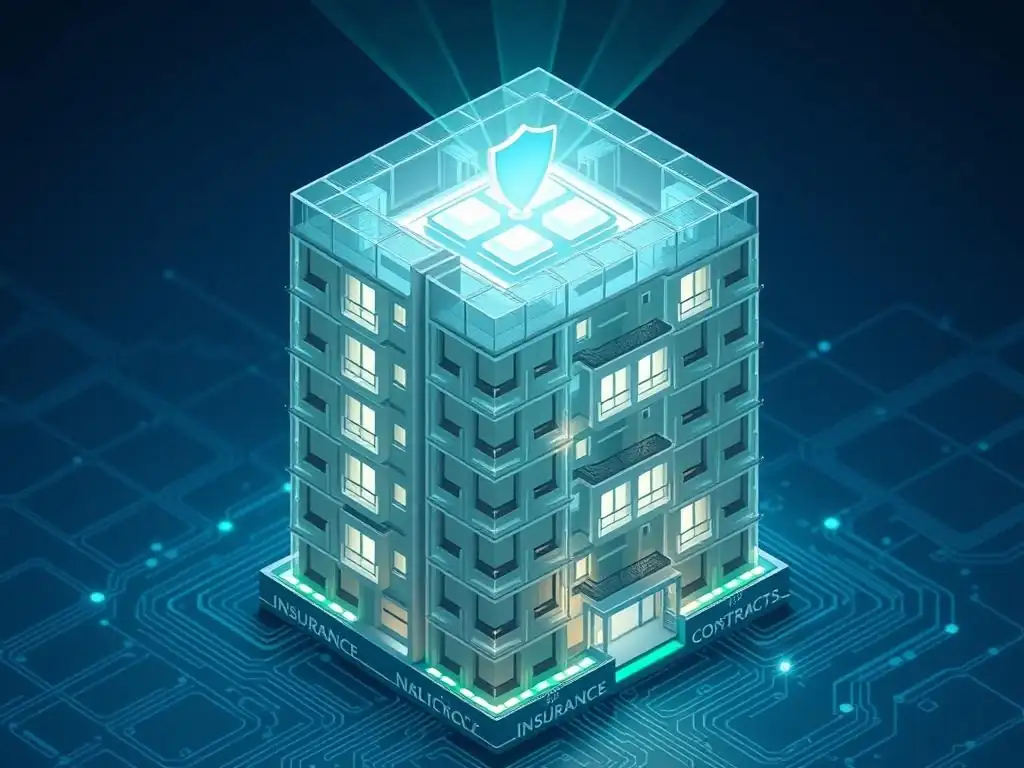
The concept of insurance for tokenized real estate is still evolving but represents a potential layer in comprehensive tokenized real estate risk strategies. Traditional real estate has various insurance types (property insurance, title insurance, etc.). For tokenized assets, new forms of insurance are emerging to cover specific digital risks.
Some companies are beginning to offer insurance against smart contract exploits or platform hacks, providing a safety net against certain technical failures. Title insurance for the underlying physical property remains relevant, ensuring the legitimacy of the asset itself. As the market matures, more specialized insurance products may become available to cover risks unique to tokenization, such as legal challenges to token ownership or regulatory changes impacting asset value. Investors should inquire about available insurance options provided by the platform or third parties and assess if the cost justifies the potential risk mitigation benefit.
Staying informed about and complying with relevant regulations is crucial for both issuers and investors in tokenized real estate. For investors, this means understanding the legal classification of the tokens they hold in their jurisdiction and the jurisdiction of the issuer and property. Are there restrictions on who can invest (e.g., accredited investors only)? What are the tax implications of holding, trading, or receiving income from these tokens?
Working with legal and tax professionals knowledgeable in both real estate and digital assets is highly recommended. They can provide guidance on compliance requirements, potential legal risks, and tax obligations. Choosing platforms that prioritize regulatory compliance and operate transparently within established legal frameworks (like those following securities regulations) can also significantly reduce regulatory risk. While navigating this evolving landscape is challenging, proactive engagement with compliance ensures the legality and stability of your investment.
Building a Secure Tokenized Real Estate Investment Portfolio
Risk Assessment Framework for Tokenized Real Estate
Developing a formal risk assessment framework is a key step in building a secure tokenized real estate investment portfolio. This framework should involve identifying, analyzing, and prioritizing the various risks associated with tokenized real estate investments. Risks can be categorized into technical (smart contract, platform security), market (liquidity, volatility, valuation), legal/regulatory, and operational (issuer management, property management).
For each identified risk, assess its potential impact (financial loss, legal issues, loss of access) and its likelihood of occurring. This qualitative or quantitative assessment helps investors understand where the greatest threats lie. For example, a project with unaudited smart contracts might have a high likelihood and high impact risk for technical failure. Conversely, a project backed by a well-established firm and a prime property in a stable market might have lower market and operational risks. This assessment informs the development of tailored mitigation strategies.
Developing a Risk Management Plan for Your Tokenized Real Estate Portfolio
Based on the risk assessment, create a concrete risk management plan. This plan outlines specific strategies to mitigate the identified risks. For instance, if smart contract risk is high, the plan might include only investing in projects with independent smart contract audits. If liquidity risk is a concern, the plan might involve allocating only a small percentage of the total portfolio to less liquid tokenized assets or prioritizing investments on platforms with higher trading volumes.
The plan should also include protocols for managing digital security, such as choosing secure wallets and implementing backup procedures for private keys. It should address legal/regulatory risks by outlining steps to stay informed about relevant laws and consulting with legal experts when necessary. A well-defined risk management plan acts as a roadmap, guiding investment decisions and actions to minimize exposure to potential downsides, a critical element of successful tokenized real estate risk strategies.
Monitoring and Adjusting Your Risk Management Strategy
Risk management is not a one-time activity but an ongoing process. The tokenized real estate market is dynamic, with technology, regulations, and market conditions constantly evolving. Therefore, investors must regularly monitor their tokenized real estate investments and the broader market landscape. This involves tracking the performance of the underlying properties, monitoring the news for regulatory developments, and staying updated on security best practices for digital assets.
Your risk management strategy should be flexible and adjusted as needed. If new risks emerge (e.g., a major platform hack, a significant change in regulations), re-evaluate your risk assessment and update your mitigation strategies accordingly. Similarly, as the market matures and liquidity improves, some risks might decrease. Periodically reviewing your portfolio's risk profile and ensuring your strategies align with the current environment is essential for long-term security and success in tokenized real estate.
Case Studies: Successful Risk Management in Tokenized Real Estate
Case Study 1: Securitize's Tokenization of a Miami Real Estate Project
Securitize, a digital asset securities firm, facilitated the tokenization of shares in the St. Regis Aspen Resort and later other properties, including potentially projects in Miami. While specific details for a Miami project can vary, the general approach demonstrates effective risk management practices. For instance, the Aspen project involved tokenizing equity in the SPV that owned the resort. Securitize structured this offering as a security under US regulations (like Reg D or Reg A), ensuring compliance with investor protection laws and requiring detailed disclosures.
This approach addressed regulatory risk by operating within established securities frameworks. It also addressed legal risk by clearly defining token holders' rights as equity holders in the SPV, rather than direct fractional property owners, simplifying the legal structure. Furthermore, working with established real estate developers and using audited smart contracts helped mitigate operational and technical risks. While liquidity on secondary markets for these tokens is still developing, the initial structuring prioritized legal and regulatory compliance and transparency, key elements of robust tokenized real estate risk strategies.
Case Study 2: Lessons Learned from the failure of a Tokenized Real Estate ICO
While specific high-profile failures are less common in regulated tokenized real estate compared to the early, less regulated ICO boom, lessons can be drawn from problematic projects or those that failed to deliver on promises. Consider a hypothetical case based on common pitfalls: a project promising to tokenize a portfolio of properties via an Initial Coin Offering (ICO) with little regulatory oversight. The issuer might have had limited real estate experience, vague details about the properties involved, unaudited smart contracts, and relied on marketing hype rather than solid legal and technical foundations.
Investors in such a project faced significant risks:
- Regulatory Risk: The ICO was likely an unregistered security offering, potentially leading to legal action and the project's shutdown.
- Operational Risk: The issuer lacked the expertise to manage real estate assets effectively.
- Technical Risk: Unaudi ted smart contracts could contain bugs, leading to loss of funds or inability to access tokens.
- Liquidity Risk: Without a regulated platform, secondary trading was non-existent, trapping investor funds.
- Valuation Risk: The token price was driven by speculation during the ICO, not the actual value of the vaguely defined underlying assets.
The failure of such a project underscores the importance of the tokenized real estate risk strategies discussed: rigorous due diligence on the issuer and asset, prioritizing regulatory compliance, and verifying the technical and legal soundness of the project structure.
The Future of Risk Management in Tokenized Real Estate
Emerging Technologies for Enhanced Security and Risk Mitigation
The evolution of blockchain technology and related fields holds promise for enhancing risk management in tokenized real estate. Advancements in zero-knowledge proofs, for example, could allow for verification of sensitive data (like investor accreditation status or property details) without revealing the underlying information, enhancing privacy while maintaining compliance. Improved oracles can provide more reliable, tamper-proof data feeds for property valuations or rental income distribution, reducing manipulation risks.
Furthermore, the development of more sophisticated smart contract auditing tools and formal verification methods will help identify and eliminate vulnerabilities before deployment. The rise of Decentralized Autonomous Organizations (DAOs) could also potentially offer new governance models for tokenized assets, allowing token holders more direct, transparent control over property-related decisions, thereby mitigating risks associated with centralized issuer control, though DAOs introduce their own governance complexities and risks.
The Role of Regulation in Shaping the Future of Tokenized Real Estate Risk
Regulation will play a crucial role in shaping the future of tokenized real estate risk management. As regulators globally develop clearer guidelines for digital assets and their intersection with traditional finance and real estate, the legal and compliance landscape will become more defined. Clear regulations on token classification, investor protection, secondary market trading, and cross-border transactions will reduce uncertainty and foster a more stable environment.
Increased regulatory clarity is likely to attract larger institutional investors who are currently hesitant due to ambiguity. This influx of capital could improve market liquidity and depth, mitigating liquidity risk. Furthermore, regulatory requirements for disclosures, audits, and operational standards for platforms and issuers will enhance transparency and accountability, reducing the likelihood of fraudulent or poorly managed projects. While regulation can sometimes be perceived as restrictive, it is ultimately essential for building trust and ensuring the long-term viability and security of the tokenized real estate market.
Conclusion: Investing Securely in the Future of Real Estate Tokenization
Tokenized real estate offers exciting opportunities for enhanced accessibility, liquidity, and fractional ownership in the property market. However, like any emerging investment class, it comes with unique risks spanning technical, market, legal, and regulatory domains. Navigating this landscape requires a proactive and informed approach.
Implementing robust tokenized real estate risk strategies is not merely advisable; it is essential for securing investments. This involves conducting thorough due diligence on the project, the issuer, and the underlying asset, implementing strong cybersecurity measures, and understanding the evolving legal and regulatory environment. Diversification across different tokenized assets can also help mitigate specific property or project-related risks.
As the market matures and technology advances, risk management tools and regulatory clarity will improve, further enhancing the security profile of tokenized real estate. By understanding the risks and applying diligent strategies, investors can position themselves to potentially benefit from the transformative potential of real estate tokenization while protecting their capital.
Frequently Asked Questions
What is tokenized real estate?
Tokenized real estate involves converting real estate assets into digital tokens on a blockchain, allowing for fractional ownership and more accessible investment opportunities.
How do risk management strategies apply to tokenized real estate?
Risk management strategies in tokenized real estate focus on identifying, assessing, and mitigating risks associated with market volatility, regulatory changes, and asset management in a decentralized environment.
What are the benefits of tokenized real estate for investors?
Investors benefit from increased liquidity, lower entry barriers, and diversification of their portfolios, making real estate investments more accessible and manageable.
How does blockchain technology enhance security in real estate transactions?
Blockchain technology enhances security by providing immutable records, ensuring transparency, and reducing the risk of fraud in real estate transactions through decentralized verification.
What future trends can we expect in tokenized real estate?
Future trends may include increased regulatory clarity, broader adoption of DeFi solutions, and enhanced integration of blockchain with traditional real estate practices, leading to more secure and efficient investments.
Okay, here's a final reflection designed to conclude your article "Risk Management in Tokenized Real Estate: Strategies for a Secure Investment," optimized for the keyword "Tokenized real estate risk strategies" and following your specified structure:
The exploration of tokenized real estate risk strategies is not merely an academic exercise; it's a critical imperative in today's rapidly evolving investment landscape. As the promise of democratized access to real estate through tokenization becomes increasingly tangible, understanding and mitigating the inherent risks is paramount to ensuring the long-term viability and security of this innovative asset class.
This journey into the complexities of tokenized real estate has underscored the importance of proactive risk management. The potential for increased liquidity and fractional ownership is undeniable, yet it demands a heightened awareness of regulatory uncertainties, technological vulnerabilities, and market volatility. The price of anything is the amount of life you exchange for it.
- Henry David Thoreau. This quote reminds us that every investment, especially in a nascent field like tokenized real estate, requires careful consideration of the potential risks and rewards.
As we stand at the cusp of a new era in real estate investment, let us not be blinded by the allure of innovation. Instead, let us embrace the principles of diligent risk assessment and strategic planning. The future of tokenized real estate hinges on our collective ability to navigate these uncharted waters with wisdom and foresight. Consider how you can apply these risk mitigation strategies to your own investment decisions, ensuring a more secure and prosperous future in the world of tokenized real estate.
Unlock Your Tokenized Real Estate Potential!
Thank you for exploring the landscape of risk management in tokenized real estate with us. We hope you've gained valuable insights into securing your investments in this innovative space. Now, it's time to take control and put that knowledge into action.
Here are a few steps you can take right now:
- Implement at least one of the risk mitigation strategies discussed in this article into your current or planned tokenized real estate investments. This is the most crucial step toward protecting your digital assets.
- Dive deeper into understanding smart contract audits by researching reputable auditing firms and sharing your findings in the comments below. This will help everyone learn together!
- Connect with other investors and experts on Blockchain Trends’ forum to discuss your experiences and learn from their successes—and mistakes—in tokenized real estate.
What specific risk mitigation strategy do you plan to implement in your tokenized real estate portfolio, and how do you believe it will enhance your investment security?
Leave a Reply