
Blockchain's Potential to Transform Pharma Supply Chain Operations: An Analysis


Welcome to Blockchain Trends, your gateway to understanding the real-world impact of blockchain technology. Beyond the hype, blockchain is revolutionizing industries, and nowhere is this more apparent than in healthcare. Are you ready to discover how blockchain's potential to transform pharma supply chain operations is not just a possibility, but a rapidly unfolding reality? Dive in to explore the innovative solutions and challenges shaping the future of decentralized systems and discover how blockchain is ensuring safety, transparency, and efficiency in this critical sector. What secrets will the ledger reveal?
- Introduction: Revolutionizing Pharma with Blockchain Technology
- Understanding Blockchain Technology for Pharmaceutical Supply Chain Management
- Current Problems in the Pharmaceutical Supply Chain Addressed by Blockchain
- Blockchain Use Cases in the Pharmaceutical Industry
- Implementing Blockchain in the Pharma Supply Chain: Key Considerations
- Blockchain Pharma Supply Chain: Real-World Examples and Pilot Projects
- The Future of Blockchain in Pharma Supply Chain Management
- Conclusion: Blockchain's Transformative Impact on the Pharma Supply Chain
-
Frequently Asked Questions
- How can blockchain enhance the traceability of pharmaceutical products within the supply chain?
- What are the main benefits of using blockchain to combat counterfeit drugs in the pharma industry?
- How does blockchain technology contribute to improving the efficiency of pharma supply chain operations?
- What are the key challenges hindering the widespread adoption of blockchain in the pharma supply chain?
- What is the role of smart contracts in automating and securing transactions within a blockchain-based pharma supply chain?
- Final Reflection: Securing the Future of Medicine
- Ignite Pharma Innovation: Secure Your Supply Chain's Future!
Introduction: Revolutionizing Pharma with Blockchain Technology
The Challenges Facing Traditional Pharmaceutical Supply Chains
The traditional pharmaceutical supply chain is inherently complex and faces numerous significant challenges. From manufacturing and distribution to dispensing to patients, the journey of a drug involves multiple intermediaries, including raw material suppliers, manufacturers, wholesalers, distributors, pharmacies, and hospitals. This multi-stakeholder environment creates vulnerabilities, particularly regarding transparency and traceability.
For instance, tracking a specific batch of medication from its origin to the patient can be incredibly difficult, often relying on disparate, siloed systems that do not communicate effectively with each other. This lack of a unified, transparent view contributes to issues like inventory inaccuracies, delays in product recalls, and difficulties in verifying product provenance.
Furthermore, the global nature of drug manufacturing and distribution exacerbates these challenges. Raw materials might come from one country, manufacturing occurs in another, and the final product is distributed worldwide. Each border crossed introduces new regulatory hurdles and potential points of failure or manipulation.
The reliance on paper trails or easily alterable digital records makes the system susceptible to fraud and errors. The sheer volume of transactions and the critical nature of the products being handled mean that even small inefficiencies or security gaps can have severe consequences, impacting patient safety and leading to substantial financial losses for pharmaceutical companies and healthcare systems. Addressing these deep-seated issues requires a fundamental shift in how data is managed and shared across the entire ecosystem.
Introducing Blockchain: A Secure and Transparent Solution
Blockchain technology offers a compelling solution to many of the inherent weaknesses in the traditional pharmaceutical supply chain. At its core, blockchain is a distributed, immutable ledger that records transactions across a network of computers. Each transaction is grouped into a block, cryptographically linked to the previous block, forming a chain. Once a block is added to the chain, it cannot be altered without consensus from the network participants, making the data highly secure and resistant to tampering. This inherent security and immutability directly address the issues of data integrity and trust that plague existing systems.
By implementing a blockchain pharma supply chain, stakeholders can share a single source of truth regarding the movement and status of pharmaceutical products. Every step, from manufacturing batch creation to dispensing at the pharmacy, can be recorded on the ledger. This creates an unalterable audit trail, providing unprecedented transparency and accountability.
Unlike centralized databases that are vulnerable to single points of failure and manipulation, a blockchain network distributes the data across participants, making it far more resilient. This distributed nature also fosters greater collaboration among supply chain partners, enabling more efficient data exchange and reducing the potential for disputes arising from conflicting records. The potential for a robust blockchain pharma supply chain lies in its ability to build trust and efficiency across a historically fragmented and opaque system.
Understanding Blockchain Technology for Pharmaceutical Supply Chain Management
What is Blockchain and How Does it Work?
Blockchain technology is essentially a type of distributed ledger technology (DLT) that records transactions across a network of computers. Instead of storing data in a single, centralized database, the ledger is replicated and shared among all participants in the network. When a new transaction occurs – for example, a batch of medication moving from a manufacturer to a distributor – it is broadcast to the network.
Participants, often referred to as nodes, validate the transaction based on predefined rules. Once validated, the transaction is bundled with other recent transactions into a "block." This new block is then cryptographically linked to the previous block in the chain, forming a chronological and tamper-evident record of all transactions.
The key mechanism that makes blockchain secure is cryptography. Each block contains a unique identifier (a hash) and the hash of the previous block. This creates a dependency where altering any information within a block would change its hash, invalidating the link to the next block and thus breaking the chain.
To alter the chain, a malicious actor would need to change the block, recalculate its hash, and then recalculate the hashes of all subsequent blocks – a computationally intensive task, especially on large, distributed networks. Furthermore, in many blockchain implementations, a consensus mechanism (like Proof-of-Work or Proof-of-Stake) is required for new blocks to be added, meaning a majority of network participants must agree on the validity of the transactions. This distributed validation and cryptographic linking create a highly secure and immutable record, ideal for a sensitive application like the blockchain pharma supply chain.
Key Features of Blockchain: Immutability, Transparency, and Security
The core features of blockchain technology make it uniquely suited for transforming the pharmaceutical supply chain. Immutability is paramount; once data is recorded on the blockchain and a block is confirmed, it is extremely difficult, if not practically impossible, to alter or delete it. This means that the history of a pharmaceutical product's journey – from manufacturing date and location to handling conditions and recipient – is permanently recorded.
This unalterable record is crucial for verifying provenance, ensuring compliance, and conducting accurate audits or recalls. It provides a level of data integrity simply not achievable with traditional, centralized databases where records can be easily modified.
Transparency, another key feature, means that all authorized participants on the network have access to the same, shared ledger. While privacy can be maintained through permissioned networks and data encryption, the record of transactions itself is visible to those with access rights.
This shared visibility eliminates information silos and provides a single, trusted source of truth across the complex network of manufacturers, distributors, pharmacies, and regulators involved in the blockchain pharma supply chain. Coupled with cryptography, which secures individual transactions and the links between blocks, blockchain offers a robust security framework that protects sensitive supply chain data from unauthorized access and manipulation, significantly reducing the risk of fraud and error compared to legacy systems.
Benefits of Applying Blockchain to Pharma Supply Chains
Applying blockchain technology to pharmaceutical supply chains offers a multitude of benefits, directly addressing existing inefficiencies and risks. One of the primary advantages is significantly enhanced traceability and transparency. With a blockchain, every step a drug takes can be recorded on an immutable ledger, creating a complete and verifiable history from production to patient. This allows stakeholders, including regulators, manufacturers, and distributors, to track products in real-time, identify bottlenecks, and quickly locate specific batches during a recall. This level of visibility is crucial for improving operational efficiency and ensuring accountability across the entire blockchain pharma supply chain.
Beyond traceability, blockchain dramatically improves security and trust. The immutable nature of the ledger makes it incredibly difficult for counterfeit drugs to infiltrate the legitimate supply chain, as their history would not match the verified records on the blockchain. Authentication processes can be streamlined, allowing any party to verify the legitimacy of a product by scanning a unique identifier linked to its blockchain record.
Furthermore, secure data sharing among authorized partners facilitates better collaboration and reduces disputes, as all parties operate from the same trusted data source. This enhanced security and trust not only protect patients but also reduce financial losses associated with counterfeiting, product diversion, and inefficient dispute resolution within the blockchain pharma supply chain.
Current Problems in the Pharmaceutical Supply Chain Addressed by Blockchain
Counterfeit Drugs: Combating Falsified Medications with Blockchain
Counterfeit drugs represent a major global threat, posing serious health risks to patients and causing billions of dollars in losses annually. The World Health Organization (WHO) estimates that 1 in 10 medical products in low- and middle-income countries is substandard or falsified, though this figure can vary significantly by region and product type.
Traditional anti-counterfeiting measures, such as holograms or specialized packaging, can often be replicated by sophisticated criminals. The lack of end-to-end visibility and a unified verification system in conventional supply chains makes it difficult to differentiate genuine products from fakes once they enter distribution channels, allowing counterfeits to infiltrate the system at various points.
A blockchain pharma supply chain provides a powerful defense against counterfeiting. By assigning each product unit or batch a unique identifier linked to a record on the blockchain at the point of manufacturing, its entire journey can be tracked and verified. Every transfer of ownership or location change is recorded as a transaction on the immutable ledger.
At any point in the supply chain – from a distributor warehouse to a pharmacy counter – the authenticity of a product can be verified by scanning its identifier and checking its history against the blockchain record. If the product's recorded path deviates from the expected, authorized supply chain recorded on the blockchain, or if its identifier doesn't exist on the ledger, it can be flagged as suspicious, significantly reducing the likelihood of falsified medications reaching patients.
Lack of Transparency: Enhancing Visibility Across the Supply Chain
The traditional pharmaceutical supply chain is notoriously opaque. Each participant, from manufacturer to distributor to pharmacy, often maintains its own separate database for inventory, shipments, and transactions. These systems are rarely interconnected in a meaningful way, leading to fragmented data and a severe lack of end-to-end visibility.
Manufacturers may not have real-time insight into where their products are in the distribution network, distributors might lack clear visibility into inventory levels at pharmacies, and regulators struggle to get a complete, timely picture of drug movement during audits or investigations. This opacity hinders effective inventory management, complicates recall processes, and makes it difficult to identify inefficiencies or points of diversion.
Implementing a blockchain pharma supply chain creates a shared, transparent ledger accessible to authorized participants. Every transaction, such as a product leaving a warehouse or arriving at a destination, is recorded and visible to relevant parties. This shared source of truth eliminates information silos and provides a near real-time view of product flow across the entire network.
Manufacturers can track their products through distribution channels, distributors can better manage inventory based on downstream demand signals, and regulators have unprecedented access to verifiable transaction history. This enhanced transparency not only improves operational efficiency and collaboration but also builds trust among stakeholders and makes the supply chain more resilient to disruptions, as the status and location of goods are readily available.
Inefficient Tracking and Traceability: Streamlining Pharma Logistics
Tracking pharmaceutical products through complex global supply chains using legacy systems is often a slow, manual, and error-prone process. Paper records, spreadsheets, and disparate databases make it difficult to aggregate data and gain a comprehensive view of product movement. When a product recall is necessary – for instance, due to a manufacturing defect or safety issue – identifying and locating affected batches can take days or even weeks.
This delay increases the risk to public health and results in significant costs for pharmaceutical companies. Furthermore, meeting evolving regulatory requirements for serialization and traceability, such as the US Drug Supply Chain Security Act (DSCSA) or the EU Falsified Medicines Directive, is challenging with outdated systems.
A blockchain pharma supply chain inherently provides robust tracking and traceability capabilities. By recording every movement and handling event of a serialized product unit or batch on the distributed ledger, an immutable and easily queryable history is created. Participants can scan a product's unique identifier (like a 2D matrix barcode) at various points – upon leaving the factory, arriving at a distribution center, being shipped to a pharmacy, and even dispensed – and record these events on the blockchain.
This allows for instant verification of a product's journey and current location. During a recall, affected serial numbers can be quickly identified on the blockchain, and their current location tracked, significantly speeding up the process from weeks to potentially hours or minutes, thereby improving patient safety and reducing the financial burden of recalls.
Temperature Control Issues: Maintaining Cold Chain Integrity
Many pharmaceutical products, including vaccines, insulin, and complex biologics, require strict temperature control throughout their journey from manufacturing to patient. Maintaining the "cold chain" – ensuring products stay within a specific temperature range (e.g., 2°C to 8°C) – is critical to preserving their efficacy and safety.
Deviations from the required temperature can render these medications ineffective or even harmful. Monitoring temperature conditions traditionally relies on data loggers and manual checks, but these methods are susceptible to data gaps, tampering, and lack real-time visibility across the entire supply chain, making it difficult to pinpoint exactly where a temperature excursion occurred and who was responsible.
Integrating IoT (Internet of Things) sensors with a blockchain pharma supply chain can revolutionize cold chain monitoring. Temperature sensors placed with sensitive shipments can automatically record temperature data at regular intervals. This data can then be securely written onto the blockchain as transactions.
Because the blockchain record is immutable, it provides a tamper-proof history of the temperature conditions experienced by the product throughout its journey. Smart contracts can be configured to automatically trigger alerts if temperature thresholds are breached, and this event is also immutably recorded. This real-time, verifiable temperature data allows stakeholders to identify problematic shipments immediately, investigate where excursions occurred, and ensure that only products that have maintained cold chain integrity reach patients, significantly enhancing product quality and patient safety.
Blockchain Use Cases in the Pharmaceutical Industry
Track and Trace Solutions: Real-Time Monitoring of Drug Movement
One of the most immediate and impactful use cases for blockchain in pharmaceuticals is developing advanced track and trace solutions. Traditional serialization efforts, while a step forward, often rely on centralized databases or point-to-point data exchanges between trading partners, which can be inefficient and lack comprehensive visibility. A blockchain pharma supply chain provides a shared, distributed ledger where each serialized product unit's journey is recorded from its point of origin through manufacturing, packaging, distribution, and dispensing. Every transfer of ownership or change in location is registered as a transaction on the blockchain, creating an immutable audit trail.
This enables real-time or near real-time monitoring of drug movement across the entire supply chain. Manufacturers can see where their products are in the distribution network, distributors can verify the provenance of incoming goods, and pharmacies can authenticate products before dispensing.
Regulatory bodies can also gain unprecedented access to verifiable data on drug flow, significantly improving oversight and compliance monitoring. For example, if a batch of medication is suspected of being compromised, its entire history can be instantly queried on the blockchain, allowing for rapid identification and isolation of affected units, dramatically improving the efficiency and effectiveness of recalls and combating diversion.
Authentication and Verification: Ensuring Drug Authenticity
The proliferation of counterfeit drugs poses a severe threat to public health and the integrity of the pharmaceutical market. Verifying the authenticity of a drug product at various points in the supply chain is critical but challenging with traditional methods. Counterfeiters are increasingly sophisticated, producing fakes that are visually indistinguishable from genuine products. Relying solely on physical security features or easily forged documentation is insufficient to guarantee product legitimacy, especially in complex global distribution networks where products may pass through numerous intermediaries.
A blockchain pharma supply chain provides a robust solution for product authentication. When a drug product is manufactured and serialized, its unique identifier and associated manufacturing data are recorded on the blockchain.
As the product moves through the supply chain, each legitimate handler records the transaction on the ledger. At any point – whether at a distribution center, pharmacy, or even potentially by a patient using a mobile app – the unique serial number on the product can be scanned.
This scan initiates a query to the blockchain, verifying that the serial number exists on the ledger and that its recorded history aligns with the expected, authorized path. If the serial number is not found, or if its history shows anomalies (e.g., it appeared in an unauthorized location), the product can be flagged as potentially counterfeit or diverted, enabling immediate action and significantly enhancing patient safety by ensuring only authentic medications reach the market.
Supply Chain Optimization: Improving Efficiency and Reducing Costs
Beyond security and traceability, blockchain technology can significantly optimize various aspects of the pharmaceutical supply chain, leading to improved efficiency and reduced costs. The transparency provided by a shared, real-time ledger allows all participants to have a more accurate view of inventory levels and demand signals across the network.
This shared visibility enables better forecasting, reduces the need for excessive safety stock held at various points, and minimizes waste due to expired or unsalable products. Streamlined processes based on a single source of truth can also reduce administrative overhead and manual data reconciliation efforts that are common in traditional, fragmented systems.
Furthermore, blockchain can facilitate more efficient financial transactions and contract management within the supply chain. Smart contracts, self-executing contracts with the terms of the agreement directly written into code, can automate payments between parties based on predefined conditions being met and verified on the blockchain (e.g., product successfully delivered and authenticated).
This reduces payment delays, minimizes disputes, and lowers transaction costs. By streamlining data flow, automating processes through smart contracts, and providing a trusted platform for collaboration, a blockchain pharma supply chain can significantly reduce operational inefficiencies, lower administrative burdens, and ultimately contribute to cost savings across the entire value chain.
Data Sharing and Collaboration: Secure Information Exchange Among Stakeholders
The pharmaceutical supply chain involves a diverse group of stakeholders, including manufacturers, wholesalers, distributors, pharmacies, hospitals, and regulatory agencies. Effective collaboration and secure information sharing among these parties are crucial for ensuring product integrity, managing inventory, and responding to events like recalls. However, traditional systems often involve disparate databases, incompatible technologies, and a general reluctance to share sensitive data openly due to concerns about security, privacy, and competitive advantage. This lack of seamless data exchange hinders coordinated efforts and creates friction in the supply chain.
A permissioned blockchain pharma supply chain network can provide a secure and trusted platform for controlled data sharing and collaboration. Participants can selectively share relevant data – such as shipment manifests, temperature logs, or transaction histories – on the blockchain, knowing that the data is encrypted, immutable once recorded, and only accessible to authorized parties.
This shared, distributed ledger serves as a single source of truth, eliminating discrepancies between different parties' records and fostering greater trust. Regulatory agencies can gain efficient access to verifiable compliance data, manufacturers can collaborate more effectively with distributors, and all parties can work together based on consistent, accurate information, leading to improved coordination, faster problem resolution, and a more resilient and collaborative supply chain ecosystem.
Implementing Blockchain in the Pharma Supply Chain: Key Considerations
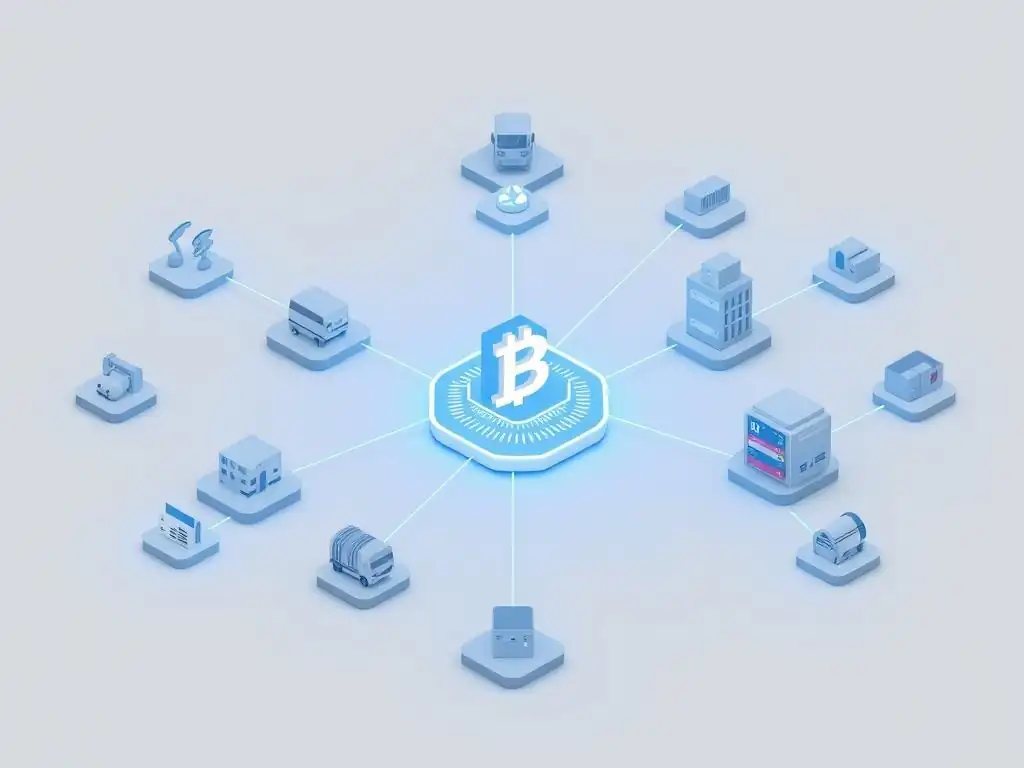
Implementing a blockchain pharma supply chain requires careful consideration of the complex regulatory landscape governing the pharmaceutical industry. Regulations like the US Drug Supply Chain Security Act (DSCSA) and the EU Falsified Medicines Directive mandate specific requirements for serialization, tracking, and tracing pharmaceutical products. Any blockchain solution must be designed to meet or exceed these existing requirements. This involves ensuring that the data captured on the blockchain aligns with the data elements required by regulators (e.g., serial number, lot number, expiration date, transaction history) and that the system facilitates easy reporting and access for regulatory bodies.
Furthermore, the use of blockchain introduces new considerations regarding data ownership, data retention policies, and the legal implications of immutable records. While immutability is a core benefit, there might be legal requirements in certain jurisdictions regarding the right to erasure or modification of data under specific circumstances, which needs to be addressed within the blockchain's design or through off-chain data storage strategies linked to the blockchain record.
Collaboration with regulatory agencies early in the development and implementation process is crucial to ensure that the blockchain solution is compliant and can seamlessly integrate with existing or evolving regulatory reporting frameworks, paving the way for a legally sound blockchain pharma supply chain.
Data Privacy and Security: Protecting Sensitive Information
Handling pharmaceutical data involves highly sensitive information, including patient data (though direct patient data should ideally not be stored on the public blockchain), proprietary manufacturing processes, and commercially sensitive transaction details. While blockchain's cryptographic security is robust, ensuring data privacy within a blockchain pharma supply chain requires careful design, especially in a permissioned network setting. Decisions must be made about what data is stored directly on the chain, what data is stored off-chain but referenced by the blockchain, and how access controls are managed to ensure only authorized parties can view specific types of information.
Implementing robust encryption protocols is essential for protecting data both in transit and at rest. Access to the blockchain network and specific data within it must be strictly controlled through identity management and permissioning layers.
Techniques like zero-knowledge proofs could potentially allow parties to verify information (e.g., that a product came from an authorized manufacturer) without revealing the underlying sensitive data. A comprehensive security architecture that includes smart contract auditing, vulnerability testing, and ongoing monitoring is necessary to protect the network from cyber threats and ensure the integrity and confidentiality of the sensitive data flowing through the blockchain pharma supply chain.
Interoperability: Integrating with Existing Systems
A significant challenge in implementing a blockchain pharma supply chain is ensuring interoperability with the diverse and often legacy systems currently used by stakeholders across the industry. Manufacturers use Enterprise Resource Planning (ERP) systems, warehouses use Warehouse Management Systems (WMS), distributors use Transportation Management Systems (TMS), and pharmacies use dispensing software. These systems were often not designed to easily communicate with external, distributed ledgers. For a blockchain solution to be effective, it must be able to seamlessly integrate with these existing platforms to pull in relevant data (e.g., serial numbers, shipment details) and push out verified transaction records.
Developing standardized APIs (Application Programming Interfaces) and data formats is crucial for facilitating this integration. The blockchain platform needs to be flexible enough to connect with various types of systems used by different trading partners, regardless of their technological sophistication. This might involve middleware solutions or data transformation layers. Achieving widespread adoption of a blockchain pharma supply chain relies heavily on minimizing the disruption to existing workflows and IT infrastructure, making robust interoperability a key technical and strategic challenge that requires careful planning and execution.
Scalability: Handling Large Volumes of Data and Transactions
The pharmaceutical supply chain generates an enormous volume of data and transactions daily, particularly with the advent of unit-level serialization requirements. A typical large pharmaceutical company might produce billions of serialized units annually, each potentially generating multiple transactions (manufacturing, packaging, shipping, receiving, dispensing) as it moves through the supply chain. A blockchain platform designed for a blockchain pharma supply chain must be capable of handling this massive scale of data storage and transaction throughput without becoming prohibitively slow or expensive.
Public blockchains like Bitcoin or Ethereum, in their current forms, typically face scalability limitations regarding transaction speed and cost (gas fees). Therefore, most blockchain pharma supply chain initiatives are exploring or implementing permissioned or private blockchain networks.
These networks can often process transactions much faster and at a lower cost because they involve a limited, known number of participants and can utilize consensus mechanisms better suited for enterprise applications. However, even within permissioned networks, careful architectural design, data partitioning strategies, and potentially leveraging layer-2 scaling solutions are necessary to ensure the platform can scale effectively as more participants join and transaction volumes increase, maintaining performance and cost-efficiency.
Cost and Return on Investment (ROI) Analysis
Implementing a blockchain pharma supply chain solution represents a significant investment for pharmaceutical companies and their supply chain partners. Costs include platform development or licensing, integration with existing systems, hardware infrastructure (if required), network setup and governance, participant onboarding, training, and ongoing maintenance. These initial and operational costs can be substantial, particularly for large-scale deployments involving many trading partners. Therefore, a thorough cost analysis and a clear understanding of the potential return on investment (ROI) are critical for justifying the adoption of blockchain technology.
The ROI for a blockchain pharma supply chain comes from various sources, including reduced losses from counterfeit products, improved efficiency in recalls, lower administrative costs due to streamlined data management and automated processes (e.g., via smart contracts), optimized inventory levels, and enhanced regulatory compliance, which can avoid costly fines. Quantifying these benefits can be challenging but is necessary. For example, estimates on the global cost of counterfeit drugs range from tens to hundreds of billions of dollars annually.
Reducing this by even a small percentage through blockchain could yield significant savings. Companies must build a compelling business case by accurately estimating both the implementation costs and the potential long-term financial and non-financial benefits (like enhanced patient safety and brand reputation) to demonstrate a positive ROI.
Blockchain Pharma Supply Chain: Real-World Examples and Pilot Projects
TrackRx and Serialization Project
One early example illustrating the potential of a blockchain pharma supply chain was the pilot project involving Chronicled (now part of TraceLink) and several pharmaceutical companies and distributors. This initiative, often referred to in the context of the US DSCSA, aimed to demonstrate how blockchain could be used to secure serialization data and facilitate the transfer of ownership information between trading partners. The project focused on creating an immutable record of serialized product movements as they changed hands along the supply chain.
The pilot involved tracking specific drug products using their unique serial numbers. When a manufacturer shipped a product to a distributor, the transaction details, including the serial numbers and the parties involved, were recorded on the blockchain network. Similarly, when the distributor shipped the product to a pharmacy, that transaction was also recorded.
This created a cryptographically secure and shared history for each product unit. While initially focused on meeting DSCSA requirements for interoperable data exchange by the 2023 deadline (which was later extended), the project successfully demonstrated that a blockchain pharma supply chain could provide the necessary data integrity and transparency for tracking serialized products and verifying their chain of custody, laying foundational groundwork for broader industry adoption.
MediLedger Network and DSCSA Compliance
The MediLedger Network is a prominent real-world example of a blockchain pharma supply chain initiative specifically designed to address US DSCSA requirements for interoperability and verification. Developed by Chronicled and involving major pharmaceutical manufacturers, wholesalers, and distributors, the network uses a permissioned blockchain to enable secure and verifiable data exchange between trading partners. Its initial focus was on two key areas: establishing a system for verifying product identifiers and facilitating the exchange of serialized transaction data.
The network allows participants to quickly and securely verify if a product identifier (serial number) is legitimate and belongs to an authorized trading partner without revealing sensitive business information. This is crucial for combating counterfeiting and diversion. Furthermore, it provides a standardized, secure way for partners to exchange the transaction information required by DSCSA when products change hands.
Unlike point-to-point connections or centralized hubs, the blockchain provides a decentralized, immutable audit trail accessible to authorized parties. The MediLedger Network represents a significant industry-led effort to build a functional blockchain pharma supply chain infrastructure for compliance and enhanced security, moving beyond pilot projects to operational use among major industry players.
Lessons Learned from Early Adopters
Early pilot projects and initiatives like MediLedger have provided valuable lessons for the broader implementation of a blockchain pharma supply chain. One key lesson is the critical importance of industry collaboration and establishing clear governance models for the blockchain network. Because the supply chain involves multiple competing entities, agreeing on standards, protocols, and operating procedures for the shared ledger requires significant effort and trust-building among participants. Projects that have succeeded in gaining buy-in from a critical mass of stakeholders have demonstrated the most potential.
Another learning is that while blockchain offers significant technical advantages, the primary challenges are often organizational and process-related rather than purely technological. Integrating blockchain solutions with legacy systems, managing change within organizations, and training personnel on new workflows are substantial undertakings.
Furthermore, defining the specific business problems that blockchain is best positioned to solve, rather than viewing it as a solution looking for a problem, has been crucial for successful deployments. Focusing on specific use cases like serialization verification or chargeback disputes, where the benefits of shared, immutable data are clear, has proven more effective than attempting a complete overhaul of the entire blockchain pharma supply chain overnight.
The Future of Blockchain in Pharma Supply Chain Management
Emerging Trends and Innovations
The future of blockchain in pharmaceutical supply chain management is likely to see several emerging trends and technological innovations. One significant trend is the increased integration of blockchain with other technologies, such as IoT sensors for real-time condition monitoring (like temperature and humidity) and Artificial Intelligence (AI) for analyzing the vast amounts of data recorded on the ledger to identify patterns, predict disruptions, or detect potential fraud more effectively. For instance, AI could analyze blockchain transaction data to identify suspicious shipping patterns indicative of diversion.
Another innovation involves the development of more sophisticated smart contracts. Beyond automating payments, smart contracts could manage complex agreements related to product handling, returns, or even automate regulatory reporting based on verifiable data recorded on the blockchain. Furthermore, advancements in blockchain technology itself, such as more scalable consensus mechanisms, privacy-preserving techniques (like zero-knowledge proofs becoming more practical), and interoperability standards between different blockchain networks, will enhance the capabilities and feasibility of widespread blockchain pharma supply chain adoption. The exploration of decentralized identity solutions could also play a role in securely managing participant access and permissions on the network.
The Role of Blockchain in the Future of Pharmaceutical Logistics
Blockchain is poised to play a foundational role in the future of pharmaceutical logistics, moving beyond just compliance and anti-counterfeiting. Its ability to provide a single, trusted source of truth for product data will enable more dynamic and efficient logistics operations. Imagine a scenario where smart contracts on the blockchain automatically trigger replenishment orders based on real-time inventory data recorded by pharmacies or hospitals, optimizing stock levels and reducing waste. The enhanced visibility across the entire blockchain pharma supply chain will allow for better planning, routing, and management of shipments, potentially reducing transit times and transportation costs.
Furthermore, blockchain can facilitate the secure sharing of logistics-related data, such as shipment status, carrier information, and proof of delivery, among all relevant parties. This reduces communication delays and improves coordination. In the event of a disruption, such as a natural disaster or a pandemic, the transparent and real-time data on the blockchain could enable faster identification of affected shipments and more agile redirection of resources. The future of pharmaceutical logistics will likely be characterized by greater automation, efficiency, and resilience, underpinned by the secure and transparent data exchange capabilities provided by a robust blockchain pharma supply chain.
Potential Challenges and Opportunities Moving Forward
While the potential of a blockchain pharma supply chain is significant, several challenges remain on the path to widespread adoption. Overcoming the inertia of legacy systems and processes within the industry is a major hurdle. Implementing blockchain requires not just technical changes but also significant shifts in how organizations share data and collaborate. Establishing common standards and governance models that are acceptable to all stakeholders, including competing companies, is complex and requires ongoing effort. Regulatory clarity around the use of blockchain and digital assets in the pharmaceutical context is also still evolving in many jurisdictions.
Despite these challenges, the opportunities presented by a blockchain pharma supply chain are compelling. The potential to dramatically reduce counterfeit drugs, improve patient safety, streamline complex regulatory compliance, optimize logistics, and build a more resilient and transparent supply chain offers substantial value. As pilot projects mature into production systems and the technology becomes more accessible and standardized, the economic and operational benefits will become increasingly clear. The opportunity lies in leveraging blockchain to build a truly interconnected, trustworthy, and efficient global pharmaceutical supply chain that ultimately benefits patients worldwide by ensuring the integrity and availability of essential medications.
Conclusion: Blockchain's Transformative Impact on the Pharma Supply Chain
Recap of Blockchain's Benefits for Pharma
Blockchain technology offers a transformative approach to addressing the long-standing challenges within the pharmaceutical supply chain. Its core features – immutability, transparency, and security – directly combat critical issues such as the proliferation of counterfeit drugs, the lack of end-to-end visibility, and inefficient tracking processes. By creating a shared, distributed, and tamper-proof ledger, a blockchain pharma supply chain enables enhanced traceability from manufacturing to dispensing, ensuring the integrity and authenticity of pharmaceutical products throughout their journey.
The benefits extend beyond security and compliance. Blockchain facilitates improved data sharing and collaboration among diverse stakeholders, leading to streamlined operations, better inventory management, and reduced administrative costs. The integration with technologies like IoT enhances capabilities such as cold chain monitoring with verifiable data. While implementation requires careful consideration of regulatory compliance, data privacy, interoperability, and scalability, real-world examples and pilot projects demonstrate the tangible potential for a more efficient, secure, and transparent pharmaceutical supply chain that ultimately protects patients and strengthens the industry.
Call to Action: Embracing Blockchain for a Safer and More Efficient Pharmaceutical Supply Chain
The evidence suggests that blockchain technology is not merely an experimental concept but a viable and powerful tool for revolutionizing the pharmaceutical supply chain. Given the critical nature of pharmaceutical products and the imperative to ensure patient safety and product integrity, the industry has a clear opportunity and responsibility to explore and adopt these innovative solutions. Moving forward requires collaboration among manufacturers, distributors, pharmacies, technology providers, and regulatory bodies to build standardized, interoperable blockchain networks.
Embracing a blockchain pharma supply chain is a strategic imperative for companies looking to enhance security, improve efficiency, ensure regulatory compliance, and build trust with consumers and partners. Investing in pilot projects, participating in industry initiatives, and developing the necessary expertise are crucial steps. By collectively leveraging the power of blockchain, the pharmaceutical industry can create a safer, more transparent, and significantly more efficient supply chain ecosystem, benefiting businesses, healthcare providers, and most importantly, patients worldwide.
Frequently Asked Questions
How can blockchain enhance the traceability of pharmaceutical products within the supply chain?
Blockchain provides an immutable and transparent ledger, making it easier to track products from origin to consumer. This enhances visibility and accountability at every stage.
What are the main benefits of using blockchain to combat counterfeit drugs in the pharma industry?
Blockchain's tamper-proof nature makes it difficult to introduce fake drugs into the legitimate supply chain. It allows for verification of authenticity at any point.
How does blockchain technology contribute to improving the efficiency of pharma supply chain operations?
By streamlining processes and automating tasks, blockchain can reduce delays and costs. It also enables better data sharing and collaboration among stakeholders.
What are the key challenges hindering the widespread adoption of blockchain in the pharma supply chain?
Challenges include scalability issues, lack of standardized protocols, and regulatory uncertainties. Interoperability with existing systems is also a major hurdle.
What is the role of smart contracts in automating and securing transactions within a blockchain-based pharma supply chain?
Smart contracts automate pre-defined agreements, ensuring compliance and trust. They can also facilitate secure payments and data exchange within the network.
Final Reflection: Securing the Future of Medicine
The analysis presented throughout this article underscores the urgent need for enhanced transparency and security within the pharmaceutical supply chain. The vulnerabilities exposed by counterfeit drugs and inefficient tracking systems demand innovative solutions, and blockchain technology offers a compelling path forward. The potential to revolutionize pharma supply chain operations is not just theoretical; it's a critical step towards safeguarding public health and restoring trust in the medications we rely on.
The implementation of blockchain in the pharmaceutical industry represents more than just technological advancement; it signifies a fundamental shift towards ethical and responsible practices. This transformation resonates deeply because it directly impacts the well-being of individuals and communities worldwide. The ability to trace medications from manufacturer to patient, ensuring authenticity and preventing diversion, is a powerful testament to the potential of technology to improve lives. As the saying goes: The future of medicine is not just about treating disease, but about preventing it, and blockchain can play a vital role in that preventative process.
Now, consider the implications of this technology for your own life and the lives of those around you. How can you advocate for greater transparency and accountability in the pharmaceutical industry? How can you support the adoption of blockchain solutions that prioritize patient safety and combat the proliferation of counterfeit drugs? Let us all strive to be informed consumers and active participants in shaping a future where access to safe and effective medications is a fundamental right, secured by the transformative power of blockchain.
Ignite Pharma Innovation: Secure Your Supply Chain's Future!
Thank you for exploring how blockchain technology can revolutionize pharmaceutical supply chains. We hope you gained valuable insights into creating more secure, transparent, and efficient operations. Now, it's time to turn that knowledge into action!
Consider taking the following next steps:
- Start a pilot project: Implement blockchain to track a critical drug shipment within your organization. Experience firsthand the benefits and challenges involved.
- Research platforms: Investigate blockchain solutions tailored for pharmaceutical applications and identify the features that best meet your company's needs.
- Engage with the community: Share your insights and ideas with fellow pharmaceutical professionals and blockchain enthusiasts through industry forums and social media—together, we can build a smarter, more resilient supply chain.
What immediate actions will you take to explore blockchain's potential in your pharmaceutical supply chain? Share your thoughts in the comments below!
Leave a Reply