
Decentralized Voting Systems: A Deep Dive into the Technology and Potential


Welcome to Blockchain Trends, your guide to understanding the revolution beyond cryptocurrency. Delve into the transformative power of blockchain technology, as we explore its diverse applications in DeFi, enterprise solutions, and the evolving landscape of decentralized systems. Ever wondered about the feasibility of secure and transparent elections using blockchain? Our latest article tackles a critical question: Blockchain voting systems security concerns. Uncover the potential pitfalls and promising solutions in our deep dive into decentralized voting and its future. Read on to discover the challenges and opportunities that lie ahead!
- Examining Blockchain Voting Systems Security Concerns
-
Frequently Asked Questions
- What are the primary benefits of using blockchain for voting systems?
- What are the main security concerns associated with blockchain voting systems?
- How can blockchain voting systems improve voter turnout?
- What role does regulation play in the adoption of blockchain voting systems?
- What are some real-world examples of blockchain voting systems being implemented?
- Final Reflection: Embracing the Future of Democratic Participation
- Rediscover Trust: Empower Your Voice in Decentralized Voting!
Examining Blockchain Voting Systems Security Concerns
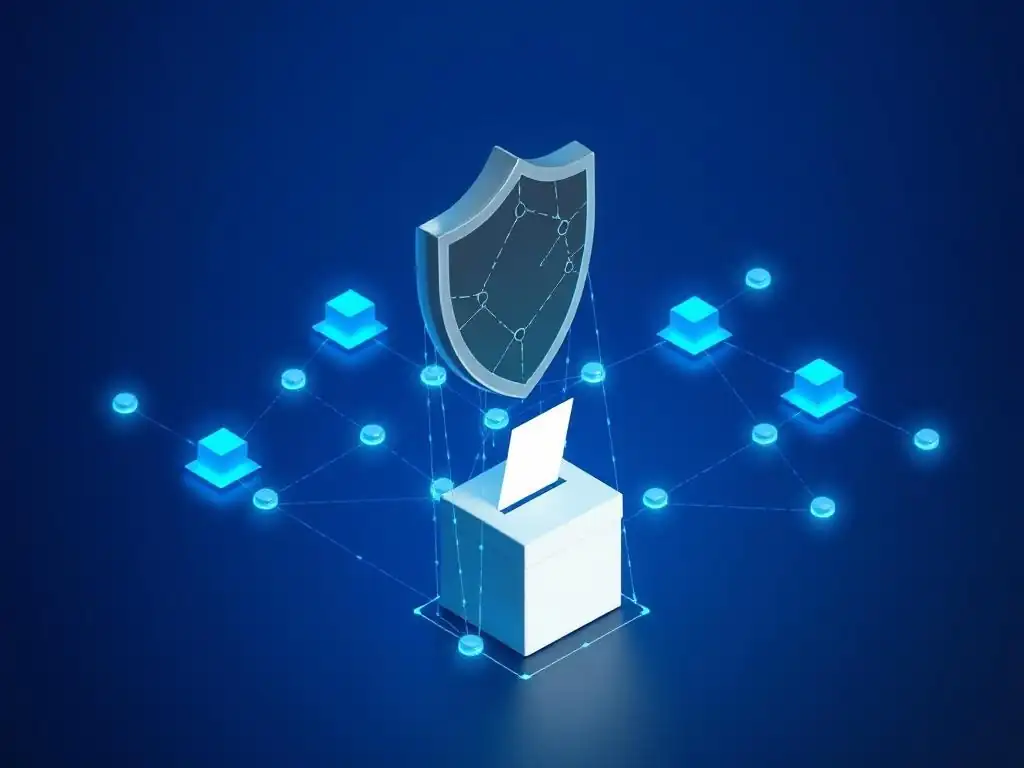
Addressing Vulnerabilities in Decentralized Voting Platforms
Decentralized voting systems, while promising enhanced transparency and security, are not immune to vulnerabilities. One key area of concern revolves around the potential for 51% attacks. In a permissionless blockchain, if a single entity or colluding group gains control of more than 50% of the network's hashing power, they could theoretically manipulate vote records, potentially altering election outcomes.
Although highly improbable for larger, well-established blockchains like Ethereum or Bitcoin due to the immense computational power required, this risk is more pertinent for smaller, private or consortium blockchains often considered for enterprise voting solutions. Furthermore, Denial-of-Service (DoS) attacks pose a threat.
Overloading the network with spurious transactions could disrupt the voting process, preventing legitimate votes from being cast or verified during critical periods. The very nature of decentralization, while beneficial in many aspects, also introduces complexities in managing and securing a distributed infrastructure, requiring robust security protocols across all nodes participating in the voting network.
Another crucial vulnerability lies in the potential for smart contract exploits. If the smart contracts governing the voting process contain flaws or bugs, malicious actors could exploit these vulnerabilities to tamper with votes, manipulate results, or even halt the election entirely. The immutability of blockchain, while a strength for data integrity, becomes a double-edged sword when dealing with flawed smart contracts.
Once deployed, these vulnerabilities are difficult to rectify without a hard fork or complex workaround, potentially jeopardizing the integrity of the entire voting system. Initial code design flaws, logic errors in vote counting mechanisms, or vulnerabilities related to access control within the smart contract can all be points of entry for malicious activities. Therefore, rigorous smart contract development and testing are paramount to ensure the security and reliability of blockchain-based voting platforms.
Mitigation Strategies for Common Blockchain Voting Security Risks
Addressing the inherent security concerns of blockchain voting systems requires a multi-faceted approach incorporating robust mitigation strategies. To counter the threat of 51% attacks, especially in smaller blockchain networks, employing a permissioned or consortium blockchain model can be effective. By limiting participation to trusted and vetted nodes, the likelihood of a single entity gaining majority control is significantly reduced.
Furthermore, utilizing more energy-efficient and secure consensus mechanisms beyond Proof-of-Work (PoW), such as Proof-of-Stake (PoS) or Delegated Proof-of-Stake (DPoS), can make 51% attacks economically prohibitive and technically more challenging. Implementing network monitoring and anomaly detection systems is also crucial to identify and respond to suspicious activities that might signal an impending attack. These systems can track network traffic patterns, transaction volumes, and node behavior to detect and mitigate DoS attacks or other malicious attempts to disrupt the voting process.
Mitigating smart contract vulnerabilities necessitates a rigorous Software Development Lifecycle (SDLC) with a strong emphasis on security at every stage. This includes employing secure coding practices, conducting thorough code reviews by independent security experts, and performing extensive testing, including fuzzing and formal verification, to identify potential flaws before deployment. Implementing access control mechanisms within smart contracts to restrict privileged operations to authorized entities and employing modular contract design to isolate critical functionalities can also limit the impact of potential vulnerabilities.
Furthermore, employing formal verification techniques can mathematically prove the correctness and security properties of smart contracts, providing a higher degree of assurance in their robustness and resistance to attacks. Regular security audits and penetration testing of deployed smart contracts should be conducted to proactively identify and remediate any newly discovered vulnerabilities throughout the system's lifecycle.
Security Audits: Identifying and Addressing Smart Contract Vulnerabilities
Security audits are indispensable for bolstering the security posture of blockchain voting systems, particularly in identifying and addressing smart contract vulnerabilities. These audits are typically conducted by independent third-party cybersecurity firms specializing in blockchain and smart contract security. The audit process involves a comprehensive analysis of the smart contract code, architecture, and deployment environment to identify potential weaknesses, vulnerabilities, and security flaws.
Auditors employ a range of techniques, including static analysis, dynamic analysis, and manual code review, to scrutinize the smart contract logic, access control mechanisms, data handling procedures, and potential attack vectors. They look for common smart contract vulnerabilities, such as reentrancy attacks, integer overflows, gas limit issues, and unauthorized access vulnerabilities, that could be exploited to compromise the voting process.
A crucial aspect of security audits is not only identifying vulnerabilities but also providing actionable recommendations for remediation. Audit reports typically detail the identified vulnerabilities, assess their severity and potential impact, and suggest specific code modifications or architectural changes to mitigate these risks.
Following an audit, developers need to address the identified vulnerabilities by implementing the recommended fixes and undergoing re-audits to ensure the effectiveness of the remediation efforts. For instance, in 2020, a security audit of the Voatz mobile voting platform, despite its pilot programs, revealed several significant security concerns, including potential vulnerabilities related to server-side infrastructure and key management.
These findings underscored the critical importance of thorough and independent security audits in identifying and mitigating risks before large-scale deployment of blockchain voting systems and highlighted the need for continuous security assessments throughout the system's operational lifespan. Regular audits, ideally conducted before and after significant updates or modifications to the voting platform, are essential for maintaining a robust and secure decentralized voting infrastructure.
Frequently Asked Questions
What are the primary benefits of using blockchain for voting systems?
Blockchain voting systems offer enhanced transparency and security, making it more difficult to tamper with election results. The decentralized nature also provides auditability, ensuring that every vote can be verified.
What are the main security concerns associated with blockchain voting systems?
Concerns include potential voter identification vulnerabilities, the risk of 51% attacks compromising the blockchain, and ensuring end-to-end encryption to protect voter privacy.
How can blockchain voting systems improve voter turnout?
Blockchain can facilitate remote voting, making it more accessible for individuals who might otherwise be unable to participate. It can also streamline the voting process, reducing long lines and complex registration procedures.
What role does regulation play in the adoption of blockchain voting systems?
Clear and comprehensive regulatory frameworks are essential to address security risks, ensure voter privacy, and establish trust in the system. These regulations must also consider accessibility and inclusivity.
What are some real-world examples of blockchain voting systems being implemented?
Several countries and organizations have piloted blockchain voting systems, including West Virginia and Voatz (though the latter has faced criticism). These trials aim to assess the scalability and feasibility of the technology.
Final Reflection: Embracing the Future of Democratic Participation
The exploration of decentralized voting systems, particularly in light of blockchain voting systems security concerns, reveals a critical juncture in the evolution of democratic processes. The potential for increased transparency, accessibility, and security offered by these technologies is undeniable, yet the challenges surrounding implementation and vulnerability are equally significant. Understanding these complexities is paramount as we navigate the future of fair and representative elections.
This journey into decentralized voting has profoundly impacted my perspective on the intersection of technology and civic engagement. It underscores the urgent need for interdisciplinary collaboration between technologists, policymakers, and the public to ensure that innovation serves the best interests of democracy. The price of freedom is eternal vigilance.
This quote, often attributed to Thomas Jefferson, resonates deeply when considering the implementation of new voting technologies; we must remain vigilant in safeguarding the integrity of the democratic process.
As we stand on the cusp of a new era in voting, I invite you to consider the role you can play in shaping its future. Reflect on the information presented here, engage in informed discussions, and advocate for responsible innovation. The security and accessibility of our democratic systems depend on our collective commitment to understanding and addressing the challenges and opportunities that lie ahead. Let us strive to build a future where every voice is heard, and every vote is counted, securely and transparently.
Okay, I will create a Call to Action (CTA) in Markdown format based on the provided article title and website details, following all the given instructions.
Rediscover Trust: Empower Your Voice in Decentralized Voting!
Thank you for exploring the potential of decentralized voting systems with us! We hope this article has shed light on the innovative technology and exciting possibilities that blockchain offers for secure and transparent elections. Ready to take the next step towards a more democratic future?
Here are a few ways you can get involved:
- Dive Deeper: Research a specific decentralized voting platform: you found most interesting and share your insights in the comments below. What are its strengths and weaknesses?
- Spread the Word: Share this article with your network to spark conversations about the future of voting. Let's get more people thinking about the possibilities!
- Explore alternative consensus mechanisms besides those mentioned in the article, that can improve the efficiency of Decentralized Voting Systems.
What real-world problem could decentralized voting solve in your community right now? Share your ideas below!
Leave a Reply