
Fractional NFTs in Virtual Worlds: Shared Ownership of Digital Assets

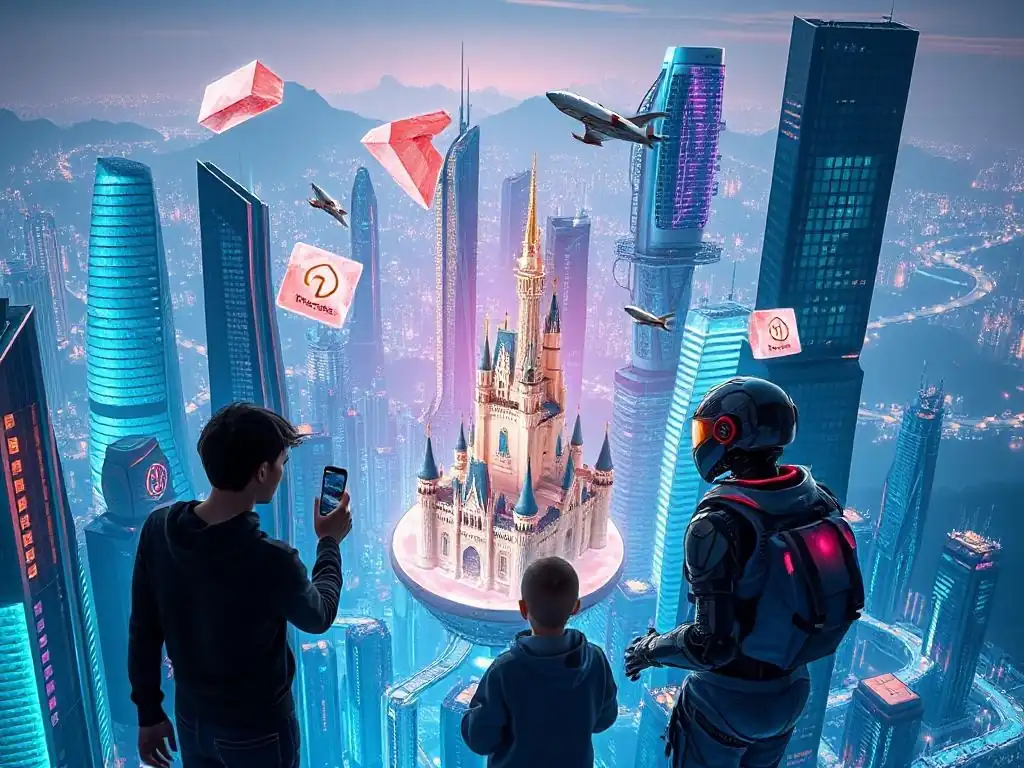
Welcome to Blockchain Trends, your gateway to understanding the revolutionary potential of blockchain technology!
Dive into the exciting realm where digital ownership meets shared experiences. Ever wondered how Fractional NFTs are reshaping virtual worlds? Discover how this innovative approach is unlocking new possibilities for accessibility, investment, and community engagement within decentralized ecosystems. Keep reading to explore the future of digital asset ownership and its profound impact on the metaverse!
Fractional NFTs in Virtual Worlds: Shared Ownership of Digital Assets
- Understanding Fractional NFTs and Virtual Worlds
- Benefits of Fractional NFT Ownership in Virtual Environments
- Use Cases: Fractional NFTs in Virtual Worlds
- Challenges and Considerations for Fractional NFTs in Virtual Worlds
- How to Buy, Sell, and Manage Fractional NFTs in Virtual Worlds
- The Future of Fractional NFTs in the Metaverse
-
Frequently Asked Questions
- What are Fractional NFTs (F-NFTs) and how do they relate to virtual worlds?
- How does fractionalization increase access to virtual world assets?
- What are the potential benefits of using F-NFTs in virtual worlds for creators and users?
- What are some of the regulatory challenges surrounding F-NFTs, particularly in the context of virtual worlds?
- How might F-NFTs impact the future of decentralized virtual world economies?
- Final Reflection: Democratizing Digital Ownership
- Unveil Your Piece of the Metaverse!
Understanding Fractional NFTs and Virtual Worlds
Defining Fractional NFTs
Fractional NFTs represent a groundbreaking evolution in the world of non-fungible tokens, enabling shared ownership of typically indivisible digital assets. Traditionally, NFTs are unique tokens representing ownership of a specific item, be it digital art, collectibles, or virtual land. Fractionalization breaks down this singularity, dividing an NFT into smaller, tradable fractions.
This process is often achieved through smart contracts that lock the original NFT in a vault and issue fungible ERC-20 tokens representing fractional ownership. Each fraction entitles the holder to a proportionate share of the underlying NFT, democratizing access to valuable digital assets that might otherwise be unaffordable for individual investors.
The concept of fractionalization significantly broadens the accessibility and utility of NFTs. Imagine a highly sought-after piece of digital art, previously only attainable by a wealthy collector. Through fractionalization, numerous individuals can collectively own a portion of this artwork, sharing in its potential value appreciation and even participating in governance decisions related to the asset. This mechanism opens up new avenues for investment, community engagement, and collaborative ownership within the digital asset space, particularly within burgeoning virtual worlds and metaverse environments.
Virtual Worlds and Digital Asset Ownership
Virtual worlds, often referred to as metaverses, are persistent, shared, digital environments where users can interact with each other and digital objects as avatars. These immersive spaces are increasingly becoming hubs for social interaction, commerce, entertainment, and even work. A cornerstone of virtual world experiences is the concept of digital asset ownership, frequently facilitated by NFTs.
Within these virtual landscapes, users can own virtual land, avatars, in-game items, and unique experiences, all represented as NFTs on the blockchain. This ownership is not merely symbolic; it signifies verifiable and immutable rights to these digital assets, empowering users within the virtual economy.
The significance of digital asset ownership in virtual worlds lies in its ability to create decentralized and user-centric economies. Unlike traditional gaming or online platforms where assets are often controlled by centralized entities, blockchain-based virtual worlds empower users with true ownership. This ownership model fosters a sense of investment and participation, driving user engagement and contributing to the growth and vibrancy of these virtual ecosystems. The ability to buy, sell, and trade these digital assets, often with real-world value, forms the foundation of the emerging metaverse economy.
Fractional NFTs in Virtual Worlds
The intersection of fractional NFTs and virtual worlds creates a powerful synergy, unlocking new possibilities for shared ownership and participation within these digital environments. In virtual worlds, high-value digital assets like prime virtual land parcels or rare in-game items can be prohibitively expensive for many users. Fractional NFTs address this barrier by allowing individuals to collectively own portions of these assets. This democratization of ownership enables broader participation in the virtual world economy, fostering more inclusive and vibrant communities.
Fractional NFTs in virtual worlds are not just about shared ownership; they also introduce new forms of interaction and governance. Imagine a group of individuals collectively owning a virtual plot of land in Decentraland through fractional NFTs. This group could then collectively decide on the development of that land, perhaps voting on whether to build a virtual store, a community center, or a rental property. This collaborative ownership model can lead to more dynamic and community-driven virtual world experiences, moving beyond individual ownership towards shared, participatory ecosystems.
Benefits of Fractional NFT Ownership in Virtual Environments
Access to High-Value Virtual Land
One of the most significant benefits of fractional NFT ownership in virtual environments is the increased accessibility to high-value virtual land. In popular virtual worlds like Decentraland or The Sandbox, prime locations can command extremely high prices, often exceeding the budgets of individual users or small investors. Fractionalization effectively lowers the barrier to entry, allowing multiple individuals to pool their resources and collectively purchase a fraction of a valuable virtual land parcel. This shared ownership model democratizes access to premium virtual real estate, enabling broader participation in the virtual land market.
Consider a prime commercial location in a virtual city within a metaverse. The cost of owning the entire parcel might be hundreds of thousands of dollars, making it inaccessible to most individual creators or small businesses. However, by fractionalizing this land into thousands of NFTs, each representing a small percentage of ownership, the price per fraction becomes significantly more affordable. This allows smaller businesses, artists, or community groups to gain a stake in prime virtual locations, fostering a more diverse and vibrant virtual economy.
Enhanced Liquidity for Virtual World Assets
Fractionalization significantly enhances the liquidity of virtual world assets. Traditionally, selling a whole NFT representing a virtual land parcel or a rare in-game item can be a time-consuming process, requiring finding a single buyer willing to purchase the entire asset at the desired price. Fractional NFTs break this illiquidity by dividing the asset into smaller, more readily tradable units. These fractions, represented as ERC-20 tokens, can be easily bought and sold on decentralized exchanges (DEXs) and NFT marketplaces, much like any other cryptocurrency.
This increased liquidity provides several advantages. Owners of fractional NFTs can quickly liquidate their holdings if needed, providing flexibility and reducing the risk associated with holding large, indivisible assets. For buyers, the lower price point of fractional NFTs encourages more frequent trading and investment, contributing to a more active and dynamic market. This enhanced liquidity makes virtual world assets more attractive as investment vehicles and facilitates smoother transactions within the metaverse economy.
Collaborative Virtual World Projects
Fractional NFT ownership is a powerful catalyst for collaborative projects within virtual worlds. When a group of individuals collectively owns a virtual asset through fractional NFTs, it opens up opportunities for shared development, governance, and revenue sharing. Imagine a collective of artists purchasing fractional ownership of a virtual art gallery. They could then collaboratively curate exhibitions, share the responsibilities of managing the space, and split any revenue generated from virtual ticket sales or NFT art sales within the gallery.
This collaborative model extends beyond art and culture. Fractional ownership can facilitate the development of larger-scale virtual world projects, such as virtual shopping districts, entertainment venues, or educational spaces. Groups of developers, designers, and community members can pool resources through fractional NFTs to jointly fund and manage these projects, sharing in the potential success and returns. This fosters a more decentralized and community-driven approach to virtual world development, moving away from centralized corporate control.
Investment Opportunities in the Metaverse
Fractional NFTs are creating new and exciting investment opportunities within the metaverse. As virtual worlds continue to grow in popularity and economic activity, digital assets within these worlds are becoming increasingly valuable. Fractional NFTs provide a way for investors to gain exposure to this burgeoning metaverse economy without needing to commit to large upfront investments in whole NFTs. Investors can diversify their portfolios by acquiring fractional ownership in a range of virtual assets, from virtual land and digital art to in-game items and virtual experiences.
The accessibility and liquidity of fractional NFTs make them particularly attractive to a wider range of investors, including those new to the NFT space. The lower barrier to entry allows smaller investors to participate in the potential upside of the metaverse boom, while experienced NFT investors can leverage fractionalization to manage risk and diversify their holdings. As the metaverse evolves, fractional NFTs are poised to become a key investment vehicle for those seeking to capitalize on the growth of virtual economies and digital asset ownership.
Use Cases: Fractional NFTs in Virtual Worlds
Fractional Ownership of Virtual Real Estate in Decentraland
Decentraland, a leading decentralized virtual world, presents a compelling use case for fractional ownership of virtual real estate. High-value LAND parcels in prime districts like Genesis Plaza or Fashion Street can be exceptionally expensive. Fractional NFTs have emerged as a solution, enabling users to collectively own a piece of these coveted virtual locations. Platforms like Fractional.art and others facilitate the fractionalization of LAND NFTs in Decentraland, allowing multiple individuals to purchase fractions and share in the potential appreciation of these virtual assets.
For example, a group of investors could pool resources to fractionalize a LAND parcel adjacent to a popular virtual casino in Decentraland. Each fractional NFT holder would then own a proportionate share of this prime virtual real estate, potentially benefiting from increased foot traffic and commercial activity in the area. This shared ownership model not only democratizes access to valuable LAND but also enables collaborative development and management of these virtual properties, fostering a more vibrant and community-driven Decentraland ecosystem.
Axie Infinity, a popular play-to-earn game, offers another compelling use case for fractional NFTs, specifically for shared ownership of valuable in-game items like rare Axies or Land plots within Lunacia. Top-tier Axies, with unique abilities and breeding potential, can command significant prices in the NFT marketplace, making them inaccessible to many players. Fractionalization allows players to collectively own these high-value Axies, sharing in their earning potential or breeding opportunities.
Imagine a guild of Axie Infinity players fractionalizing ownership of a particularly powerful Axie. The fractional NFT holders could then collectively decide how to utilize this Axie, perhaps renting it out to guild members for scholarship programs or using it in competitive tournaments and sharing the winnings. This shared ownership model fosters collaboration and resource sharing within the Axie Infinity community, empowering players and enhancing the play-to-earn experience.
Collaborative Art Installations in Somnium Space
Somnium Space, a virtual world known for its immersive and visually stunning environments, provides a fertile ground for collaborative art installations through fractional NFTs. Artists can collectively purchase virtual land in Somnium Space via fractional NFTs and then collaboratively design and build large-scale, interactive art installations. This shared ownership model enables artists to pool resources, share creative responsibilities, and collectively benefit from the visibility and potential monetization of their virtual art projects.
For example, a collective of digital artists could fractionalize a large parcel of land in Somnium Space to create a virtual sculpture park. Each artist could contribute a piece to the park, and fractional NFT holders would collectively own and govern the space, perhaps organizing virtual events or selling limited edition NFTs related to the installations. This fosters collaborative creativity and allows for the creation of grander, more ambitious virtual art projects than individual artists might be able to achieve alone.
Funding Virtual World Development Through Fractionalized Land Sales
Fractionalized land sales are emerging as an innovative method for funding the development of new virtual worlds and metaverse projects. Instead of relying solely on venture capital or traditional fundraising, virtual world developers can fractionalize virtual land parcels and sell these fractional NFTs to early adopters and community members. This approach not only raises capital but also distributes ownership and governance rights to the community from the outset, fostering a sense of investment and participation.
Consider a new metaverse project seeking to build a unique virtual city. The developers could create a limited supply of fractional NFTs representing ownership of land parcels within this city and offer them for sale. The proceeds from these fractionalized land sales would provide crucial funding for development, while the fractional NFT holders would become early stakeholders in the metaverse, potentially benefiting from future appreciation of their virtual land and participating in the governance of the virtual world. This model aligns incentives between developers and the community, fostering a more sustainable and community-driven approach to metaverse development.
Challenges and Considerations for Fractional NFTs in Virtual Worlds
Legal and Regulatory Framework
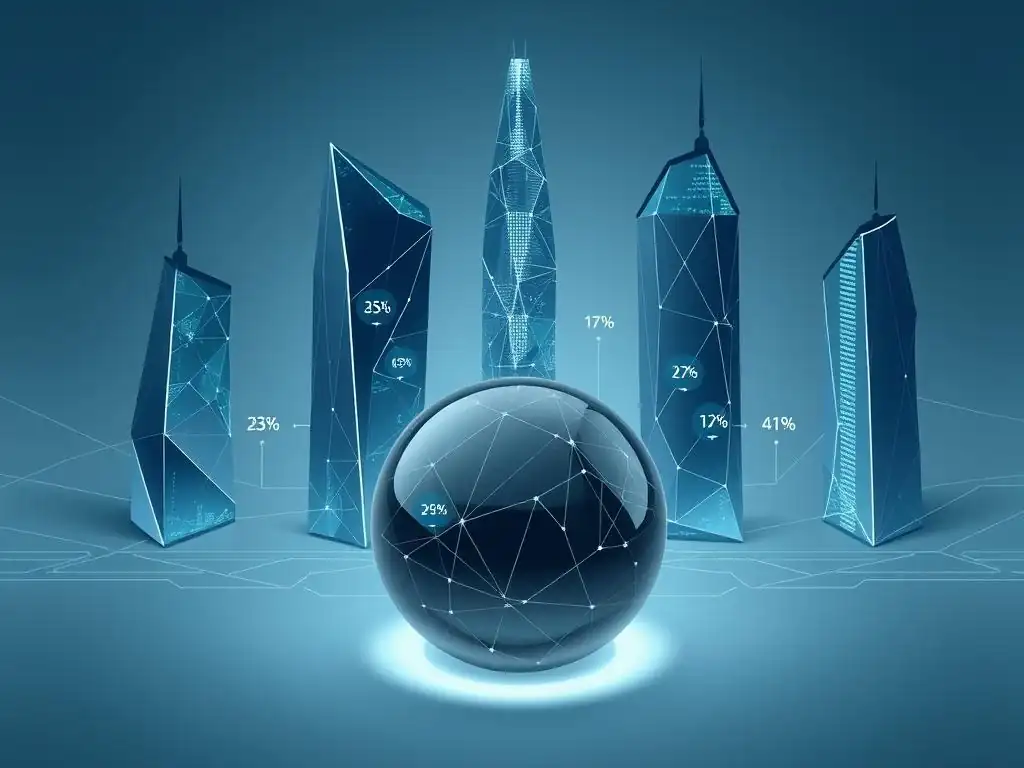
The legal and regulatory framework surrounding fractional NFTs in virtual worlds is still in its nascent stages and presents significant challenges. The legal classification of fractional NFTs, whether they are considered securities or commodities, is unclear and varies across jurisdictions. This ambiguity can create uncertainty for both issuers and holders of fractional NFTs, particularly regarding tax implications and regulatory compliance. Furthermore, the cross-border nature of virtual worlds and blockchain technology complicates regulatory oversight, as different jurisdictions may have conflicting laws and regulations.
For instance, securities laws in some countries may require fractional NFTs to be registered as securities if they are deemed to represent an investment contract. Failure to comply with these regulations can result in legal penalties and enforcement actions. The lack of clear and harmonized legal frameworks globally creates a complex and evolving landscape that requires careful navigation by platforms and users involved in fractional NFT transactions within virtual worlds. This legal uncertainty can also hinder wider adoption by institutional investors and mainstream users.
Security Risks and Smart Contract Audits
Security risks are a paramount concern for fractional NFTs in virtual worlds, primarily due to the reliance on smart contracts for fractionalization and ownership management. Smart contracts, while offering transparency and automation, are also vulnerable to exploits and bugs if not properly designed and audited. A flaw in a smart contract governing fractional NFTs could lead to the loss of underlying assets, token theft, or manipulation of ownership rights. The complexity of fractionalization mechanisms and the potential for composability with other DeFi protocols further increase the attack surface.
Therefore, rigorous security audits by reputable third-party firms are crucial for any platform offering fractional NFTs in virtual worlds. These audits should thoroughly examine the smart contract code for vulnerabilities and ensure that robust security measures are in place to protect user funds and assets. Users should also exercise caution and only engage with platforms that have undergone comprehensive security audits and have a proven track record of security. The nascent nature of fractional NFT technology necessitates a heightened focus on security to build trust and ensure the long-term viability of this ecosystem.
Governance and Decision-Making
Governance and decision-making within fractional NFT ownership structures in virtual worlds pose unique challenges. When multiple individuals own fractions of a virtual asset, mechanisms are needed to facilitate collective decision-making regarding the management, development, and utilization of that asset. Traditional governance models may not be directly applicable to the decentralized and distributed nature of fractional NFT ownership. Establishing fair, transparent, and efficient governance processes is critical for ensuring the smooth operation and long-term success of fractionalized virtual assets.
Different governance models are emerging, ranging from simple voting mechanisms based on token holdings to more complex decentralized autonomous organizations (DAOs). DAOs can provide a structured framework for fractional NFT holders to propose and vote on decisions related to the shared asset, using smart contracts to automate the execution of approved proposals. However, designing effective DAO governance for fractional NFTs requires careful consideration of factors such as quorum requirements, voting power distribution, and dispute resolution mechanisms. Finding the right balance between efficiency and inclusiveness in governance is essential for fostering healthy and sustainable fractional NFT communities in virtual worlds.
Valuation and Pricing
Valuation and pricing of fractional NFTs in virtual worlds present unique complexities compared to whole NFTs. While the value of a whole NFT is typically assessed based on factors like scarcity, utility, and provenance, fractional NFTs introduce an additional layer of complexity due to shared ownership and liquidity considerations. Determining a fair and accurate price for fractional NFTs requires considering not only the underlying asset's value but also the market dynamics of the fractional tokens, the liquidity of the fractional market, and the governance rights associated with token ownership.
Pricing can be influenced by factors such as the total number of fractions issued, the perceived value of the underlying NFT, the demand for fractional ownership, and the trading volume of the fractional tokens. Market volatility and speculation can also play a significant role in price fluctuations. Developing robust valuation models and pricing mechanisms for fractional NFTs in virtual worlds is an ongoing challenge, requiring sophisticated analysis and market monitoring. Price discovery in this nascent market is still evolving, and both buyers and sellers need to be aware of the potential for price volatility and market inefficiencies.
How to Buy, Sell, and Manage Fractional NFTs in Virtual Worlds
Choosing a Fractional NFT Marketplace like Fractional.art
Choosing the right marketplace is crucial for buying, selling, and managing fractional NFTs in virtual worlds. Platforms like Fractional.art (now Tessera) are specifically designed to facilitate the fractionalization and trading of NFTs. When selecting a marketplace, consider factors such as the platform's reputation, security measures, supported blockchains and virtual worlds, available fractionalization options, trading fees, and user interface. A reputable marketplace will prioritize security, offer a user-friendly experience, and provide transparent information about the fractionalization process and associated risks.
Fractional.art, for instance, offers a platform where users can fractionalize their NFTs by locking them in a vault and issuing ERC-20 tokens representing fractional ownership. It also provides a marketplace for trading these fractional tokens. When choosing a platform, research user reviews, assess the platform's security audit history, and understand the fee structure. Opting for a well-established and reputable marketplace minimizes risks and ensures a smoother experience when dealing with fractional NFTs in virtual worlds.
Smart Contracts and Token Standards (ERC-20, ERC-721)
Understanding the underlying smart contracts and token standards is essential for navigating the world of fractional NFTs. Fractional NFTs typically involve two key token standards: ERC-721 and ERC-20. The original NFT representing the virtual asset is usually an ERC-721 token, which signifies its uniqueness and non-fungibility. Fractionalization platforms then use smart contracts to vault this ERC-721 token and issue ERC-20 tokens representing fractional ownership. ERC-20 tokens are fungible, meaning each token is identical and interchangeable, making them suitable for representing equal shares of ownership.
Smart contracts automate the fractionalization process, manage ownership rights, and facilitate trading of fractional tokens. These contracts are crucial for ensuring transparency, security, and immutability in fractional NFT transactions. When interacting with fractional NFTs, it's beneficial to have a basic understanding of how these smart contracts and token standards work. This knowledge empowers users to make informed decisions and better understand the mechanics of fractional ownership in virtual worlds.
Fractional NFT Purchase Process
The process of purchasing fractional NFTs generally involves several steps, starting with selecting a marketplace and connecting a compatible cryptocurrency wallet. Once on the marketplace, browse the available fractional NFTs representing virtual world assets. Review the details of each fractional NFT, including the underlying asset, the total number of fractions, the current price, and the trading volume. Before making a purchase, carefully consider the price, the market demand for the fractional NFT, and your investment goals.
Once you've chosen a fractional NFT, initiate the purchase process through the marketplace interface. Typically, you'll need to use a cryptocurrency like ETH or marketplace-specific tokens to complete the transaction. Confirm the transaction details in your wallet and pay the required gas fees. After the transaction is confirmed on the blockchain, the fractional NFTs will be transferred to your wallet, representing your shared ownership of the virtual world asset.
Managing and Trading Fractionalized Virtual Assets
Managing and trading fractionalized virtual assets requires utilizing the functionalities provided by the chosen marketplace and understanding the dynamics of the fractional NFT market. Marketplaces often provide tools to view your fractional NFT holdings, track their value, and manage your portfolio. Trading fractional NFTs involves using the marketplace's trading interface to place buy or sell orders. You can set your desired price and quantity of fractional tokens to trade.
Actively managing fractionalized virtual assets may involve monitoring market trends, participating in governance decisions if applicable, and considering strategies for maximizing returns. The liquidity of fractional NFTs allows for more active trading compared to whole NFTs. However, it's important to be aware of market volatility and potential price fluctuations. Developing a sound investment strategy and staying informed about the virtual world and NFT market are key to successfully managing and trading fractionalized virtual assets.
The Future of Fractional NFTs in the Metaverse
Growth and Adoption Predictions
The future of fractional NFTs in the metaverse is poised for significant growth and adoption. As virtual worlds become more mainstream and the metaverse economy expands, the demand for accessible and liquid virtual assets will increase. Fractional NFTs address this demand by democratizing ownership and enhancing liquidity, making them a crucial component of the evolving metaverse landscape. Predictions suggest a substantial increase in the market capitalization of fractional NFTs, driven by both individual investors and institutional interest in metaverse assets.
Industry analysts anticipate wider adoption of fractional NFTs across various metaverse sectors, including virtual real estate, digital art, gaming assets, and virtual experiences. The ease of access and lower barrier to entry offered by fractionalization will attract a broader audience to metaverse investments, fueling growth and innovation. As the technology matures and regulatory frameworks become clearer, the adoption of fractional NFTs is expected to accelerate, solidifying their role in the future of the metaverse.
DAOs in Fractional NFT Governance
Decentralized Autonomous Organizations (DAOs) are expected to play an increasingly important role in the governance of fractional NFTs in the metaverse. DAOs provide a transparent and community-driven mechanism for managing shared ownership of virtual assets. For fractionalized virtual land parcels or collaborative virtual world projects, DAOs can empower fractional NFT holders to collectively make decisions regarding development, management, and revenue sharing. This decentralized governance model aligns with the ethos of blockchain and the metaverse, fostering community ownership and participation.
The integration of DAOs with fractional NFTs will likely lead to more sophisticated governance structures, enabling fractional NFT communities to self-organize, vote on proposals, and manage shared resources effectively. Smart contracts will automate the execution of DAO decisions, ensuring transparency and immutability. As DAOs evolve and governance best practices emerge, they are poised to become the standard framework for managing fractional NFT ownership in the metaverse, fostering decentralized and community-led virtual ecosystems.
Impact on Virtual World Economies and Communities
Fractional NFTs are set to have a profound impact on virtual world economies and communities. By democratizing access to virtual assets and enhancing liquidity, fractionalization will contribute to more vibrant and inclusive virtual economies. Lower barriers to entry will encourage broader participation, attracting more users, creators, and businesses to virtual worlds. This increased participation will fuel economic activity, drive innovation, and foster stronger virtual communities.
Fractional ownership models can also promote collaboration and resource sharing within virtual worlds. Shared ownership of virtual land or in-game assets can facilitate collaborative projects, community-driven initiatives, and new forms of virtual world experiences. As fractional NFTs become more prevalent, they are expected to reshape virtual world economies, fostering more decentralized, participatory, and community-centric ecosystems.
Fractional NFT Technology Innovations
Technological innovations in the fractional NFT space are continuously emerging, further enhancing the functionality and utility of fractional ownership in the metaverse. Advancements in smart contract technology, layer-2 scaling solutions, and cross-chain interoperability are addressing challenges related to scalability, gas fees, and interoperability of fractional NFTs across different virtual worlds and blockchains. Innovations in governance mechanisms and DAO frameworks are also improving the efficiency and effectiveness of decentralized governance for fractionalized assets.
Future technological developments may include more sophisticated fractionalization methods, enhanced security protocols, and user-friendly tools for managing and trading fractional NFTs. The integration of fractional NFTs with other emerging technologies like augmented reality (AR) and virtual reality (VR) could further expand their applications and utility in the metaverse. Continuous innovation in fractional NFT technology will be crucial for unlocking the full potential of shared ownership and driving the evolution of the metaverse.
Frequently Asked Questions
What are Fractional NFTs (F-NFTs) and how do they relate to virtual worlds?
F-NFTs allow for shared ownership of a single NFT by dividing it into smaller, tradable fractions. In virtual worlds, this enables multiple individuals to collectively own and manage digital assets like virtual land or in-game items.
How does fractionalization increase access to virtual world assets?
Fractionalization lowers the barrier to entry for owning valuable virtual world assets. Instead of needing a large sum to purchase a whole NFT, users can acquire a fraction, making ownership more accessible and affordable.
What are the potential benefits of using F-NFTs in virtual worlds for creators and users?
Creators can unlock new revenue streams by selling fractions of their virtual creations. Users gain access to exclusive assets and the opportunity to participate in collective ownership and decision-making within the virtual world.
What are some of the regulatory challenges surrounding F-NFTs, particularly in the context of virtual worlds?
Regulatory bodies are still grappling with how to classify F-NFTs, leading to legal uncertainty. Concerns revolve around whether they should be treated as securities, requiring compliance with financial regulations, especially as applied to virtual world trading.
How might F-NFTs impact the future of decentralized virtual world economies?
F-NFTs could foster more inclusive and vibrant virtual economies by democratizing asset ownership. This could lead to increased user engagement, innovation, and the development of novel decentralized governance models within virtual worlds.
Final Reflection: Democratizing Digital Ownership
The exploration of Fractional NFTs within virtual worlds reveals a pivotal shift in how we perceive and interact with digital ownership. The ability to collectively own and manage virtual assets is no longer a futuristic fantasy, but a tangible reality reshaping the landscape of digital economies. This democratization of ownership empowers creators, collectors, and users alike, fostering a more inclusive and vibrant virtual ecosystem.
The impact of Fractional NFTs extends far beyond mere technological innovation; it's fundamentally altering the cultural and social dynamics within virtual spaces. This concept of shared ownership resonates deeply with the human desire for community and collaboration, fostering a sense of belonging and shared responsibility within these digital realms. The future of ownership is not about possessing things, but about participating in ecosystems.
This quote encapsulates the transformative potential of Fractional NFTs, moving us away from individual hoarding towards collaborative creation and shared value.
As we stand at the cusp of this digital revolution, let us embrace the possibilities that Fractional NFTs offer. Consider how you can leverage this technology to participate in the creation and ownership of virtual worlds, fostering communities and shaping the future of digital interaction. The power to build a more equitable and engaging virtual future rests in our collective hands.
Unveil Your Piece of the Metaverse!
Thank you for exploring the world of fractional NFTs with us. We hope you now have a clearer understanding of how shared ownership is transforming digital assets. It’s time to get involved and help shape the future of virtual worlds.
Here’s how you can take the next step:
- Explore platforms that facilitate fractionalized NFTs of virtual land or in-world items to discover investment opportunities and experience the benefits of shared ownership. This is your gateway to engaging with this innovative technology.
- Share your insights:Discuss the potential of fractional NFTs in virtual worlds with friends and colleagues. Help raise awareness about this exciting development.
- Get creative: Design a virtual experience, asset, or game mechanic that utilizes fractional NFT ownership to foster community engagement. Sharing your ideas can spark meaningful conversations.
What innovative use of fractional NFTs in the metaverse excites you the most, and how would you bring it to life?
Leave a Reply