
Events and Experiences in Decentralized Metaverses: From Concerts to Conferences

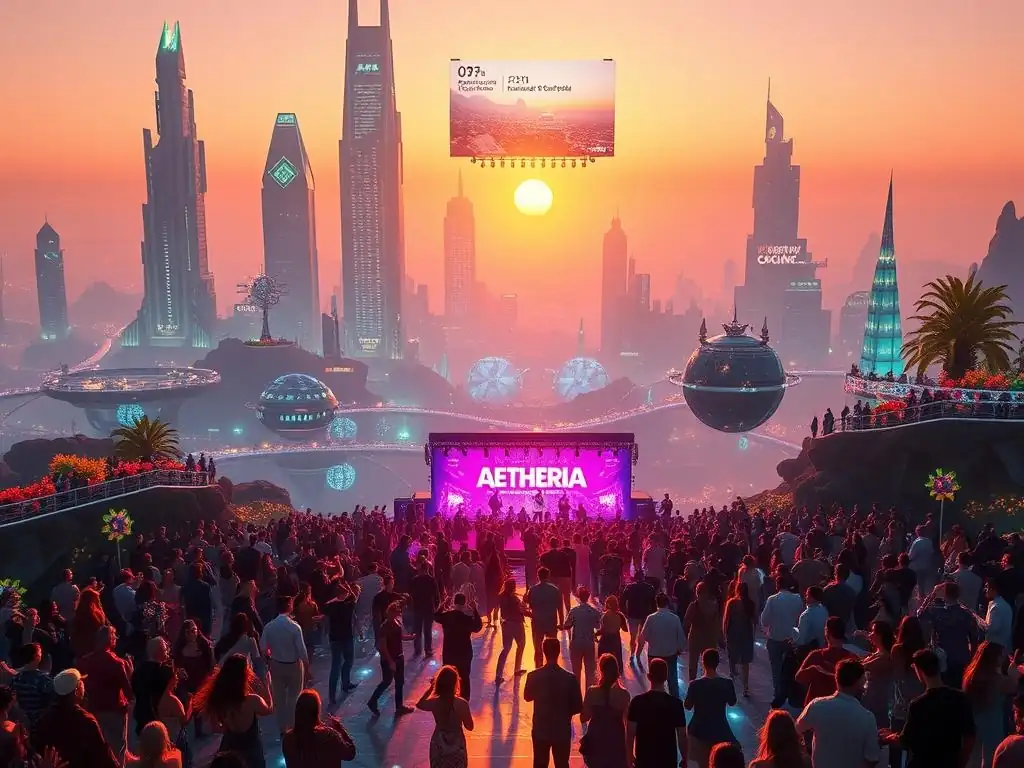
Welcome to Blockchain Trends, your compass navigating the revolutionary landscape of blockchain technology!
Ever wondered how blockchain is shaping experiences beyond just digital currencies? Dive into our exploration of decentralized metaverse event experiences, where we uncover how this technology is redefining everything from concerts to conferences. Discover the possibilities and the challenges as we venture into this exciting frontier. Keep reading to unlock the future of digital interactions!
- Decentralized Metaverse Event Experiences: A New Frontier for Engagement
- Understanding Decentralized Metaverses and Their Event Potential
-
Types of Events Flourishing in Decentralized Metaverses
- Concerts and Music Festivals: Immersive Music Experiences
- Conferences and Workshops: Virtual Collaboration and Learning
- Art Exhibitions and Galleries: Showcasing Digital Art and NFTs
- Gaming Events and Esports Tournaments: Interactive Entertainment
- Social Gatherings and Community Meetups: Building Connections
-
The Benefits of Hosting Events in Decentralized Metaverses
- Enhanced User Engagement and Interactivity
- Global Reach and Accessibility: Expanding Event Audiences
- New Revenue Streams: NFT Ticketing, Virtual Merchandise, and Sponsorships
- Data Ownership and Control: Empowering Event Creators
- Creative Freedom and Innovation: Pushing the Boundaries of Event Design
- Challenges and Considerations for Decentralized Metaverse Events
- Case Studies: Successful Decentralized Metaverse Event Examples
- The Future of Decentralized Metaverse Event Experiences
- Optimizing Your Decentralized Metaverse Event Strategy
-
Frequently Asked Questions
- What are the core benefits of hosting events in a decentralized metaverse?
- How does blockchain technology enable "Decentralized metaverse event experiences"?
- What are some potential use cases for decentralized metaverse events beyond entertainment?
- What are the main regulatory challenges associated with decentralized metaverse event experiences?
- What is the future outlook for "Decentralized metaverse event experiences" and their impact on the events industry?
- Final Reflection: Embracing the Decentralized Future of Connection
- Unleash Your Metaverse Adventure!
Decentralized Metaverse Event Experiences: A New Frontier for Engagement
Exploring the Evolution of Events in the Decentralized Metaverse
The concept of events has undergone a significant transformation throughout history, evolving from traditional physical gatherings to encompass digital experiences. From town squares and concert halls to live streams and webinars, humans have consistently sought innovative ways to connect, share information, and celebrate collectively. The emergence of the metaverse represents the next pivotal shift in this evolution, promising immersive and interactive virtual environments that redefine how we experience events.
Initially, virtual events were largely confined to two-dimensional platforms like video conferencing, offering limited engagement. However, the advent of metaverse technology, and particularly decentralized metaverses, is ushering in a new era where events transcend geographical boundaries and offer richer, more participatory experiences.
Decentralized metaverse event experiences are not simply about replicating physical events in a digital space; they are about leveraging the unique capabilities of blockchain technology to create entirely new paradigms for engagement. Unlike centralized virtual platforms controlled by corporations, decentralized metaverses are characterized by user ownership, community governance, and transparent systems.
This shift towards decentralization is profoundly impacting the event landscape, empowering creators and attendees alike with greater autonomy, control over their data, and novel ways to interact and transact within virtual event spaces. The evolution is moving towards more immersive, user-centric, and economically empowering event formats, all underpinned by the principles of decentralization.
Understanding Decentralized Metaverses and Their Event Potential
Defining Decentralized Metaverses: Blockchain-Based Virtual Worlds
Decentralized metaverses are persistent, shared, virtual worlds built upon blockchain technology. Unlike traditional online games or social platforms controlled by centralized entities, these metaverses operate on a decentralized infrastructure, typically leveraging blockchain networks for aspects like ownership, governance, and economy. This decentralization fundamentally alters the power dynamics within virtual worlds.
Users gain true ownership of their digital assets, represented as Non-Fungible Tokens (NFTs), ranging from virtual land and avatars to in-world items and event tickets. Transactions are transparently recorded on the blockchain, and governance is often distributed among users through Decentralized Autonomous Organizations (DAOs), fostering a more democratic and community-driven ecosystem.
The blockchain foundation of decentralized metaverses ensures immutability and verifiable scarcity of digital assets, creating a robust digital economy within these virtual worlds. For instance, land in platforms like Decentraland and The Sandbox is represented as NFTs, allowing users to buy, sell, and develop virtual real estate.
This economic model extends to events, where organizers can issue NFT tickets, create and sell virtual merchandise as NFTs, and even offer fractional ownership of event spaces through tokenization. The integration of cryptocurrencies and blockchain-based economies within these metaverses facilitates seamless transactions and opens up novel revenue models for event organizers and creators, moving beyond traditional fiat-based systems.
Key Features of Decentralized Metaverse Platforms for Events
Decentralized metaverse platforms offer a suite of key features that make them particularly compelling for hosting events. User-owned avatars allow attendees to express their digital identity and interact within the virtual environment, fostering a sense of presence and personalization absent in traditional online events.
Interactive and immersive environments go beyond simple video streams, offering 3D spaces that participants can explore, navigate, and interact with, creating a sense of shared presence and enhancing engagement. Built-in economies powered by cryptocurrencies and NFTs enable seamless transactions for ticketing, merchandise, and in-world experiences, creating new revenue streams for event organizers and incentivizing attendee participation.
Furthermore, decentralized governance models, often through DAOs, empower the community to participate in shaping the platform and even event experiences. This can lead to more user-centric event formats and a greater sense of ownership among participants. Interoperability, while still developing, is a core goal of many decentralized metaverse projects, aiming to allow assets and identities to move between different virtual worlds, potentially creating interconnected event experiences across multiple platforms.
Finally, transparency and security offered by blockchain technology ensure verifiable ownership of digital assets and tickets, mitigating fraud and enhancing trust within the event ecosystem. These combined features make decentralized metaverses a powerful toolkit for reimagining event experiences.
The Appeal of Decentralization for Event Organizers and Attendees
The appeal of decentralization in the context of metaverse events is multifaceted, benefiting both event organizers and attendees in distinct ways. For organizers, decentralized platforms offer greater control and autonomy. They are less reliant on centralized platform providers and their often-restrictive terms and fees. Decentralization allows organizers to directly interact with their audience, manage their event data, and retain a larger share of the revenue generated. Furthermore, the use of NFTs for ticketing and merchandise can combat ticket scalping and ensure verifiable authenticity of event-related digital assets, protecting both organizers and attendees from fraudulent activities.
For attendees, decentralized metaverse event experiences offer enhanced ownership and participation. Owning NFT tickets or virtual merchandise grants them verifiable digital ownership, which can have utility beyond the event itself, such as resale value or access to exclusive communities. Decentralized platforms often foster a stronger sense of community and belonging, as users are not just consumers but active participants in the metaverse ecosystem.
The transparency of blockchain also builds trust and allows attendees to have a clearer understanding of how the platform and events operate. Ultimately, the decentralized model promises a more equitable and empowering event experience for everyone involved, shifting away from top-down centralized control towards a more community-driven paradigm.
Types of Events Flourishing in Decentralized Metaverses
Concerts and Music Festivals: Immersive Music Experiences
Decentralized metaverses are rapidly becoming a vibrant stage for concerts and music festivals, offering immersive music experiences that transcend the limitations of physical venues and traditional live streams. Artists like Grimes and Deadmau5 have already embraced these platforms, hosting virtual concerts in Decentraland and The Sandbox, drawing tens of thousands of attendees globally.
These events are not merely streamed performances; they are interactive experiences where attendees can navigate virtual concert grounds, customize their avatars with band merchandise NFTs, and even directly interact with artists in virtual meet-and-greets. The Metaverse Festival in Decentraland, for example, attracted over 50,000 daily active users in 2021, showcasing the massive potential for large-scale music events in decentralized virtual worlds.
The economic model for music events in decentralized metaverses is also evolving. Artists can sell limited-edition NFT music tracks, virtual merchandise, and VIP access passes directly to fans, bypassing traditional intermediaries and capturing a larger share of revenue. Platforms like Audius are further decentralizing music streaming itself, allowing artists to directly monetize their music and connect with their fanbase without relying on centralized streaming services. Decentralized metaverse concerts are not just about watching a performance; they are about building community around music, fostering direct artist-fan engagement, and exploring new forms of digital music ownership and consumption.
Conferences and Workshops: Virtual Collaboration and Learning
Decentralized metaverses are proving to be effective platforms for hosting conferences and workshops, offering enhanced virtual collaboration and learning environments compared to traditional video conferencing. Organizations like CoinDesk have successfully hosted their flagship Consensus conference in Decentraland, attracting thousands of attendees and sponsors to a virtual replica of Austin, Texas.
These virtual conferences go beyond simple webinars, allowing attendees to network in virtual lounges, attend keynote speeches in immersive auditoriums, and participate in interactive workshops and breakout sessions within 3D environments. The spatial element of the metaverse enhances the sense of presence and facilitates more natural interactions compared to flat, 2D interfaces.
The benefits of decentralized metaverses for conferences extend to accessibility and cost-effectiveness. Attendees can participate from anywhere in the world, eliminating travel expenses and visa hassles. Organizers can also reduce overhead costs associated with physical venues and logistics. Furthermore, the use of blockchain for registration and ticketing can streamline the event management process and enhance security. Decentralized metaverse conferences are not just cost-saving alternatives; they are evolving into richer, more engaging virtual learning and networking experiences that can potentially surpass the limitations of traditional physical conferences in certain aspects.
Art Exhibitions and Galleries: Showcasing Digital Art and NFTs
Decentralized metaverses provide a natural habitat for showcasing digital art and NFTs, creating virtual art exhibitions and galleries that are accessible to a global audience 24/7. Established art institutions like Sotheby's have ventured into decentralized metaverses, creating virtual galleries in Decentraland to exhibit and auction digital art NFTs.
These virtual galleries offer a unique way to experience digital art, allowing viewers to explore 3D spaces curated with digital artworks, interact with other art enthusiasts, and even purchase NFTs directly within the metaverse environment. Platforms like SuperRare and KnownOrigin are also deeply integrated with decentralized metaverses, enabling artists to display and sell their NFT artwork directly to collectors within these virtual worlds.
The decentralized nature of these platforms empowers digital artists by providing them with greater control over their creations and revenue streams. NFTs provide verifiable proof of ownership and provenance for digital art, addressing a key challenge in the digital art world. Decentralized metaverse art exhibitions are not just digital replicas of physical galleries; they are creating entirely new paradigms for art creation, curation, and consumption, democratizing access to art and fostering a global community of digital art enthusiasts and collectors.
Gaming Events and Esports Tournaments: Interactive Entertainment
Decentralized metaverses are increasingly becoming fertile ground for gaming events and esports tournaments, offering interactive entertainment experiences that leverage the play-to-earn mechanics inherent in many blockchain-based games. Platforms like The Sandbox and Axie Infinity host regular in-world gaming events, tournaments, and competitions, attracting gamers and esports enthusiasts from around the globe. These events are not just about playing games; they often incorporate elements of community building, social interaction, and digital asset ownership. Players can earn cryptocurrency and NFTs by participating in tournaments, creating a decentralized esports ecosystem where players can directly monetize their skills and contributions.
The integration of blockchain technology into gaming events also opens up new possibilities for player ownership and governance. Players can own in-game assets as NFTs, participate in decentralized gaming guilds, and even have a say in the development and direction of games through DAOs. Decentralized metaverse gaming events are not just about entertainment; they are pioneering a new model for gaming where players are not just consumers but active participants and stakeholders in the game ecosystem, blurring the lines between gaming, entertainment, and digital ownership.
Beyond large-scale events, decentralized metaverses are also facilitating smaller, more intimate social gatherings and community meetups, providing virtual spaces for people to connect, socialize, and build relationships. Communities built around specific interests, projects, or DAOs are increasingly utilizing decentralized metaverses as their virtual headquarters, hosting regular meetups, AMAs (Ask Me Anything sessions), and social hangouts within these immersive environments. These virtual gatherings offer a sense of presence and shared experience that goes beyond text-based chat platforms or traditional social media, fostering stronger community bonds and a sense of belonging.
The accessibility and inclusivity of decentralized metaverses make them ideal for global communities to connect regardless of geographical location or physical limitations. Users can customize their avatars to express their identity, participate in virtual activities together, and build relationships in a more engaging and interactive way compared to traditional online communication methods. Decentralized metaverse social gatherings are not just replacements for physical meetups; they are creating new forms of digital community and social interaction, enabling global communities to thrive and connect in meaningful ways.
The Benefits of Hosting Events in Decentralized Metaverses
Enhanced User Engagement and Interactivity
Decentralized metaverse events offer significantly enhanced user engagement and interactivity compared to traditional online events. The immersive 3D environments, coupled with user-owned avatars, create a stronger sense of presence and "being there" for attendees. Participants are not passive viewers; they are active explorers and interactors within the virtual event space. They can navigate virtual venues, engage in real-time conversations with other attendees and speakers through voice and text chat, participate in interactive activities, and even influence the event experience through decentralized governance mechanisms.
This heightened interactivity translates to increased attendee attention spans and deeper engagement with event content. Imagine attending a virtual conference where you can walk around a virtual exhibition hall, approach booths, and have live conversations with exhibitors, rather than just watching a pre-recorded video. Or attending a virtual concert where you can move closer to the stage, dance with other attendees, and even interact with the performing artist's avatar. Decentralized metaverse event experiences are designed to be participatory and immersive, fostering a more captivating and memorable experience for attendees.
Global Reach and Accessibility: Expanding Event Audiences
One of the most significant benefits of hosting events in decentralized metaverses is the unparalleled global reach and accessibility they offer. Physical events are inherently limited by geographical location and venue capacity. Online events, while reaching a wider audience, often lack the immersive and interactive elements of physical gatherings. Decentralized metaverse events break down these barriers, enabling anyone with an internet connection to participate, regardless of their location, physical limitations, or financial constraints associated with travel and accommodation.
This expanded accessibility translates to significantly larger and more diverse event audiences. Organizers can tap into global communities and reach demographics that may have been previously excluded from physical or traditional online events. For instance, a music festival in the metaverse can attract attendees from every continent, creating a truly global celebration of music. Similarly, a virtual conference can bring together experts and participants from diverse backgrounds and geographical locations, fostering cross-cultural collaboration and knowledge sharing on a scale previously unimaginable.
New Revenue Streams: NFT Ticketing, Virtual Merchandise, and Sponsorships
Decentralized metaverse events unlock a plethora of new revenue streams for event organizers, going beyond traditional ticketing and sponsorship models. NFT ticketing offers a secure and verifiable way to manage event access while also creating tradable digital assets with potential resale value for attendees. Limited edition NFT tickets can also be tiered to offer VIP access or exclusive perks, further enhancing revenue potential. Virtual merchandise, represented as NFTs, allows organizers to sell digital collectibles, avatar wearables, and in-world items related to the event, creating new avenues for monetization and fan engagement.
Decentralized sponsorships can also emerge, where brands can sponsor virtual spaces, create interactive experiences within the metaverse event, or even issue branded NFTs to attendees. Furthermore, the integration of cryptocurrency payments within decentralized metaverses streamlines transactions and reduces fees compared to traditional payment processors. These novel revenue streams, combined with the reduced overhead costs associated with virtual events, can significantly improve the financial viability and profitability of events hosted in decentralized metaverses.
Data Ownership and Control: Empowering Event Creators
Decentralized metaverses offer event creators greater data ownership and control compared to centralized platforms. In traditional online event platforms, user data is often collected and controlled by the platform provider, leaving event organizers with limited access and agency over their audience data. Decentralized platforms, built on blockchain, can empower event creators to own and manage their event data more directly, respecting user privacy while providing valuable insights for event optimization and future engagement.
This data ownership extends to attendee information, event analytics, and even in-world interactions. Organizers can gain a deeper understanding of attendee behavior, preferences, and engagement patterns, enabling them to tailor future events more effectively and build stronger relationships with their community. Furthermore, the transparency of blockchain can provide verifiable data on event attendance, participation, and transactions, enhancing trust and accountability within the event ecosystem. This shift towards data ownership empowers event creators to build more sustainable and user-centric event businesses.
Creative Freedom and Innovation: Pushing the Boundaries of Event Design
Decentralized metaverses unleash unprecedented creative freedom and innovation in event design. The limitations of physical space and logistical constraints are largely removed, allowing event organizers to create truly imaginative and boundary-pushing experiences. Virtual venues can be designed to be fantastical and surreal, limited only by the imagination of the creators. Interactive elements can be seamlessly integrated, allowing for dynamic and personalized event journeys. Event formats can be reimagined, moving beyond traditional presentations and performances to incorporate gamification, interactive storytelling, and community-driven experiences.
For example, a fashion show in the metaverse can feature avatars wearing impossible garments and walking on gravity-defying runways. A virtual art exhibition can incorporate interactive installations and immersive narratives that respond to attendee interactions. A music festival can feature dynamic environments that change with the music and create synchronized visual spectacles across the virtual venue. Decentralized metaverse events are not just about replicating physical events digitally; they are about leveraging the unique capabilities of virtual worlds to create entirely new forms of event experiences that are more engaging, immersive, and creatively limitless.
Challenges and Considerations for Decentralized Metaverse Events

Technical Infrastructure and Scalability
One of the primary challenges for decentralized metaverse events is the underlying technical infrastructure and its scalability. Decentralized platforms, while promising, are still relatively nascent compared to established centralized systems. Ensuring smooth and reliable performance for large-scale events with thousands or even tens of thousands of concurrent users requires robust infrastructure capable of handling high transaction volumes, low latency, and seamless rendering of complex 3D environments. Blockchain networks themselves can face scalability limitations, potentially impacting the speed and cost of transactions within the metaverse event.
Furthermore, the decentralized nature of these platforms can introduce complexities in infrastructure management and maintenance. Ensuring network stability, security, and consistent performance across a distributed network requires sophisticated technical expertise and coordination. As decentralized metaverses grow in popularity and event sizes increase, addressing these technical infrastructure and scalability challenges will be crucial for ensuring a positive and reliable user experience. Ongoing development and advancements in blockchain technology and metaverse infrastructure are essential to overcome these limitations.
User Adoption and Onboarding
User adoption and onboarding represent another significant hurdle for decentralized metaverse events. While interest in metaverses is growing, the technology is still relatively new to mainstream audiences. Many potential attendees may be unfamiliar with concepts like cryptocurrencies, NFTs, and decentralized platforms. The process of setting up a digital wallet, purchasing cryptocurrency, and navigating a decentralized metaverse can be technically challenging and intimidating for non-technical users. This learning curve can create a barrier to entry and limit the reach of decentralized metaverse events.
Simplifying the onboarding process and making decentralized metaverse platforms more user-friendly is crucial for wider adoption. This includes intuitive interfaces, clear instructions, and robust user support. Educating potential attendees about the benefits and mechanics of decentralized metaverses is also essential. As user experience improves and onboarding becomes smoother, decentralized metaverse events will become more accessible and appealing to a broader audience, driving mainstream adoption.
Security and Fraud Prevention
Security and fraud prevention are paramount considerations for decentralized metaverse events, especially given the financial transactions and digital asset ownership involved. While blockchain technology itself offers a high level of security, decentralized platforms and events are still vulnerable to various security threats, including phishing scams, wallet hacks, and smart contract vulnerabilities. Protecting user accounts, digital assets, and event transactions from malicious actors is critical for maintaining trust and ensuring a safe event environment.
Implementing robust security measures, such as multi-factor authentication, secure smart contracts, and regular security audits, is essential. Educating users about security best practices and common scams is also crucial. Furthermore, decentralized platforms need to develop effective mechanisms for fraud detection and prevention, as well as incident response protocols to address security breaches and mitigate their impact. As decentralized metaverse events become more mainstream, robust security frameworks and proactive fraud prevention measures will be vital for building a secure and trustworthy ecosystem.
Interoperability and Cross-Platform Compatibility
The current landscape of decentralized metaverses is fragmented, with various platforms operating in silos and limited interoperability between them. This lack of interoperability poses a challenge for event organizers and attendees. Assets and identities created in one metaverse may not be usable in another, limiting the portability of digital possessions and creating fragmented user experiences. For event organizers, the lack of interoperability can restrict their reach and require them to build separate event experiences for different platforms.
Achieving greater interoperability and cross-platform compatibility is a key goal for the future development of decentralized metaverses. Standards for avatar formats, digital assets, and communication protocols are needed to enable seamless movement and interaction across different virtual worlds. Initiatives like the Metaverse Standards Forum are working towards fostering interoperability and open standards. As interoperability improves, decentralized metaverse events will become more interconnected and accessible, creating a more unified and user-friendly metaverse ecosystem.
Content Moderation and Community Management
Content moderation and community management are crucial yet complex challenges for decentralized metaverse events. Decentralized platforms, by their nature, aim to empower user autonomy and freedom of expression. However, this can also create challenges in moderating inappropriate content, preventing harassment, and maintaining a positive and inclusive community environment. Defining community guidelines, implementing effective moderation mechanisms, and balancing freedom of expression with community safety are delicate tasks.
Decentralized governance models, such as DAOs, can play a role in community moderation and content policy decisions. However, finding effective and scalable solutions for content moderation in decentralized environments is an ongoing challenge. Striking the right balance between user empowerment and community safety is essential for fostering healthy and thriving decentralized metaverse event spaces. Developing innovative moderation tools and community-driven governance models will be crucial for addressing these challenges effectively.
Case Studies: Successful Decentralized Metaverse Event Examples
Metaverse Music Festival: Decentraland's Metaverse Festival
Decentraland's Metaverse Festival, held in October 2021, stands as a landmark example of a successful large-scale music event in a decentralized metaverse. The four-day virtual festival featured over 80 artists, including Deadmau5, Paris Hilton, and Nina Kraviz, across five virtual stages within Decentraland. The event attracted over 50,000 daily active users, demonstrating the immense potential for decentralized metaverses to host large-scale entertainment events. Attendees could explore the virtual festival grounds, watch live performances by avatars of the artists, interact with other attendees, and purchase NFT merchandise.
The Metaverse Festival showcased the immersive and interactive capabilities of decentralized metaverse event experiences. It demonstrated that virtual concerts in these environments can attract significant audiences and create a vibrant and engaging atmosphere. The event also highlighted the potential for new revenue streams through NFT ticketing and merchandise sales within decentralized metaverses. The success of Decentraland's Metaverse Festival paved the way for further exploration and development of music and entertainment events in decentralized virtual worlds.
Blockchain Conference: Consensus by CoinDesk in Decentraland
CoinDesk's Consensus conference, a major annual blockchain industry event, was hosted in Decentraland in May 2021, marking a significant step for business conferences in decentralized metaverses. The virtual conference recreated a virtual Austin, Texas, within Decentraland, featuring virtual stages, exhibition halls, networking lounges, and sponsor booths. Over 10,000 attendees participated in the virtual conference, engaging with speakers, exhibitors, and other attendees within the immersive 3D environment. The event included keynote speeches, panel discussions, workshops, and networking opportunities, replicating many aspects of a traditional physical conference in a virtual setting.
Consensus in Decentraland demonstrated the viability of hosting complex business events in decentralized metaverses. It showcased the potential for virtual conferences to offer enhanced accessibility, global reach, and interactive networking opportunities. The event also highlighted the cost-effectiveness of virtual conferences compared to physical events, eliminating travel and venue costs. CoinDesk's Consensus in Decentraland served as a compelling case study for organizations considering hosting conferences and business events in decentralized virtual worlds.
NFT Art Exhibition: Sotheby's Metaverse Gallery in Decentraland
Sotheby's, the renowned auction house, established a virtual gallery in Decentraland in 2021, showcasing the growing intersection of fine art and decentralized metaverses. The Sotheby's Metaverse gallery in Decentraland replicates the physical Sotheby's gallery in London, featuring digital replicas of famous artworks and NFT art collections. The virtual gallery provides a persistent space for Sotheby's to exhibit and auction digital art NFTs to a global audience within the metaverse environment. Visitors can explore the virtual gallery, view digital artworks, learn about the artists, and even participate in virtual auctions.
Sotheby's Metaverse gallery in Decentraland exemplifies the potential for decentralized metaverses to democratize access to art and create new avenues for art consumption and collection. It demonstrates that established art institutions are recognizing the significance of decentralized virtual worlds and embracing NFTs as a new medium for art. The virtual gallery provides a continuously accessible platform for showcasing digital art and engaging with a global community of art enthusiasts and collectors, further solidifying the role of decentralized metaverses in the art world.
The Future of Decentralized Metaverse Event Experiences
The Convergence of Physical and Virtual Events
The future of event experiences is likely to see a convergence of physical and virtual elements, with decentralized metaverses playing a crucial role in bridging the gap between the two. Hybrid event models are emerging, where physical events are augmented with metaverse components, and virtual events are designed to complement physical gatherings. For example, a physical conference could have a virtual twin in a decentralized metaverse, allowing remote attendees to participate immersively and network with in-person attendees in virtual spaces. Concerts could be simultaneously streamed to virtual audiences in metaverses, creating shared experiences for both physical and virtual attendees.
This convergence will lead to more flexible, accessible, and engaging event experiences. Attendees can choose to participate in person or virtually, depending on their preferences and circumstances. Organizers can leverage both physical and virtual channels to expand their reach and engagement. Decentralized metaverses will act as a connective tissue, enabling seamless integration between physical and virtual event components and creating richer, more comprehensive event ecosystems.
The Role of DAOs in Event Governance
Decentralized Autonomous Organizations (DAOs) are poised to play an increasingly significant role in the governance and organization of decentralized metaverse events. DAOs are community-led organizations governed by rules encoded on a blockchain, enabling decentralized decision-making and collective ownership. In the context of metaverse events, DAOs can be used to govern virtual venues, manage event budgets, curate event content, and distribute event revenues among community members. Event attendees themselves could become members of event DAOs, participating in governance decisions and shaping the event experience.
DAOs can empower communities to co-create and co-own decentralized metaverse events, fostering a more democratic and participatory event ecosystem. Event organizers can leverage DAOs to distribute decision-making power, incentivize community contributions, and build more sustainable and community-driven event platforms. As DAOs mature and governance models evolve, they are likely to become a cornerstone of decentralized metaverse event organization and management.
Advancements in VR/AR Technology for Enhanced Immersion
Advancements in Virtual Reality (VR) and Augmented Reality (AR) technology will significantly enhance the immersion and realism of decentralized metaverse event experiences. VR headsets can transport attendees into fully immersive virtual event environments, creating a stronger sense of presence and "being there." AR technologies can overlay virtual event elements onto the real world, blending physical and virtual experiences seamlessly. Haptic feedback technology, advanced motion tracking, and improved graphics rendering will further enhance the sensory richness and realism of metaverse events.
As VR/AR technology becomes more affordable, accessible, and user-friendly, it will become more widely adopted for decentralized metaverse events. VR/AR integration will unlock new levels of immersion and interactivity, making virtual events even more engaging and compelling. Imagine attending a virtual concert in VR, feeling the bass vibrations and seeing realistic avatars of artists performing on stage. Or participating in a virtual workshop in AR, interacting with virtual tools and collaborators overlaid onto your physical workspace. VR/AR advancements will be a key driver in shaping the future of decentralized metaverse event experiences.
Democratization of Event Creation and Participation
Decentralized metaverses are democratizing event creation and participation, empowering individuals and communities to organize and host their own events without relying on centralized platforms or intermediaries. The accessibility and low barrier to entry of decentralized platforms enable anyone to create and host virtual events, from small community meetups to large-scale festivals. Creators can leverage user-friendly metaverse building tools and decentralized event management platforms to design and launch their own event experiences.
This democratization fosters innovation and diversity in the event landscape. Niche communities and independent creators can organize events tailored to their specific interests and audiences. New and experimental event formats can emerge, pushing the boundaries of event design and engagement. Decentralized metaverses are shifting the power of event creation from centralized entities to individuals and communities, fostering a more vibrant, diverse, and user-driven event ecosystem.
Optimizing Your Decentralized Metaverse Event Strategy
Choosing the Right Platform for Your Event
Selecting the right decentralized metaverse platform is crucial for the success of your event. Different platforms offer varying features, functionalities, and community demographics. Consider your event type, target audience, and desired level of decentralization when choosing a platform. Platforms like Decentraland and The Sandbox are popular for large-scale events and offer robust building tools and established communities. Platforms like Somnium Space focus on VR immersion and offer more customizable and visually rich environments. Research different platforms, explore their features, and test their user experience before making a decision.
Consider factors like platform scalability, transaction fees, community demographics, available building tools, and integration with other blockchain services. If your event is focused on music and entertainment, platforms with strong audio and visual capabilities and established music communities may be preferable. If your event is business-oriented, platforms with robust networking features and professional environments may be more suitable. Choosing a platform that aligns with your event goals and target audience is essential for maximizing engagement and achieving your desired outcomes.
Designing Engaging and Interactive Experiences
Designing engaging and interactive experiences is paramount for capturing attendee attention and maximizing participation in decentralized metaverse events. Go beyond simply replicating physical event formats in a virtual space. Leverage the unique capabilities of the metaverse to create immersive, interactive, and gamified experiences. Incorporate interactive elements like virtual games, scavenger hunts, live polls, Q&A sessions, and virtual meet-and-greets. Design virtual venues that are visually appealing, easy to navigate, and encourage exploration and interaction.
Utilize avatar customization options to allow attendees to express their digital identity and personalize their event experience. Incorporate social features that facilitate real-time communication and networking between attendees. Consider using NFTs to offer exclusive access, rewards, and collectible items that enhance engagement and incentivize participation. Focus on creating a dynamic and participatory event environment that keeps attendees engaged and entertained throughout the experience.
Marketing and Promoting Your Event to a Global Audience
Marketing and promoting your decentralized metaverse event effectively is crucial for attracting a global audience and maximizing attendance. Leverage social media platforms, online communities, and blockchain-focused media outlets to reach your target audience. Highlight the unique aspects of your decentralized metaverse event, such as the immersive environment, interactive features, and opportunities for digital asset ownership. Utilize visual content like trailers, screenshots, and virtual venue tours to showcase the event experience.
Collaborate with metaverse influencers, community leaders, and relevant partners to amplify your reach and credibility. Consider offering early bird discounts or NFT incentives to encourage early registration and ticket sales. Utilize targeted advertising campaigns to reach specific demographics interested in metaverse events, blockchain technology, or your event's theme. Effective marketing and promotion are essential for creating awareness, generating excitement, and driving attendance to your decentralized metaverse event.
Leveraging NFTs and Blockchain Technology for Event Enhancements
Leveraging NFTs and blockchain technology strategically can significantly enhance your decentralized metaverse event. Utilize NFT ticketing for secure and verifiable event access, while also creating tradable digital assets for attendees. Offer limited-edition NFT merchandise, virtual collectibles, and avatar wearables to create new revenue streams and enhance fan engagement. Consider using NFTs to provide VIP access, exclusive perks, or gamified rewards within the event experience.
Explore the use of blockchain-based voting and governance mechanisms to empower attendees to participate in event decisions and shape the community. Utilize blockchain for transparent and secure event transactions, payment processing, and data management. By strategically integrating NFTs and blockchain technology, you can create more innovative, engaging, and economically sustainable decentralized metaverse events.
Building a Strong Community Around Your Event
Building a strong community around your decentralized metaverse event is essential for long-term success and sustained engagement. Foster a welcoming and inclusive community environment within your virtual event space and beyond. Create dedicated community channels on platforms like Discord or Telegram to facilitate communication, networking, and ongoing engagement. Encourage attendee interaction and participation through community events, contests, and collaborative activities.
Recognize and reward active community members and contributors. Seek feedback from your community and incorporate their input into future event iterations. Build a sense of ownership and belonging among your community members. A strong and engaged community is a valuable asset for any decentralized metaverse event, driving repeat attendance, word-of-mouth marketing, and long-term event sustainability.
Frequently Asked Questions
What are the core benefits of hosting events in a decentralized metaverse?
The primary benefits include increased accessibility, enhanced user ownership, and the potential for novel interactive experiences not possible in traditional settings.
How does blockchain technology enable "Decentralized metaverse event experiences"?
Blockchain provides transparent and secure ownership of digital assets, supports decentralized governance of event spaces, and facilitates peer-to-peer transactions for tickets and virtual goods.
What are some potential use cases for decentralized metaverse events beyond entertainment?
Beyond concerts, we can see educational conferences, virtual product launches, and collaborative workspaces leveraging decentralized metaverse environments for global accessibility.
What are the main regulatory challenges associated with decentralized metaverse event experiences?
Challenges include defining jurisdictional boundaries, addressing intellectual property rights, and ensuring compliance with data privacy regulations within these virtual spaces.
What is the future outlook for "Decentralized metaverse event experiences" and their impact on the events industry?
The future involves greater adoption, more immersive technologies, and a shift towards community-driven event planning, fundamentally changing how people connect and interact in virtual environments.
Final Reflection: Embracing the Decentralized Future of Connection
The exploration of decentralized metaverse event experiences reveals a profound shift in how we connect, learn, and celebrate. The rise of these immersive, community-driven spaces signifies a departure from centralized platforms, offering unprecedented opportunities for creativity, ownership, and genuine interaction. This isn't just about attending a concert or conference; it's about participating in the creation of entirely new realities, shaped by the collective imagination of its users.
The impact of decentralized metaverses extends far beyond entertainment. It's about empowering individuals, fostering innovation, and building communities that transcend geographical boundaries. The potential for education, collaboration, and social impact is immense, and we are only beginning to scratch the surface. As Marshall McLuhan wisely observed, There are no passengers on spaceship earth. We are all crew.
This sentiment resonates deeply within the decentralized metaverse, where every participant has the potential to contribute and shape the future of these digital worlds.
Now, consider the possibilities. How can you leverage the power of decentralized metaverse event experiences to connect with others, learn new skills, or contribute to a cause you believe in? The future of connection is being built right now, and it's decentralized, immersive, and waiting for you to explore. Embrace the opportunity to shape this future, one event, one experience, one connection at a time.
Unleash Your Metaverse Adventure!
Thank you for exploring the exciting world of virtual events! Now that you have the knowledge to navigate these immersive experiences, it's time to take the next step and become a metaverse explorer.
Here are some actions to help you get started:
- Secure your virtual front-row seat! Look for upcoming metaverse events, such as concerts or conferences that match your interests.
- Share this article with fellow tech enthusiasts and start a conversation about the future of virtual events.
- Imagine a completely unique event you'd love to experience in the metaverse—what would it be?
What untapped potential do you see for events within decentralized virtual worlds? Share your innovative ideas in the comments below!
Leave a Reply