
Biometric Integration with Blockchain Identity: Enhancing Security and User Experience

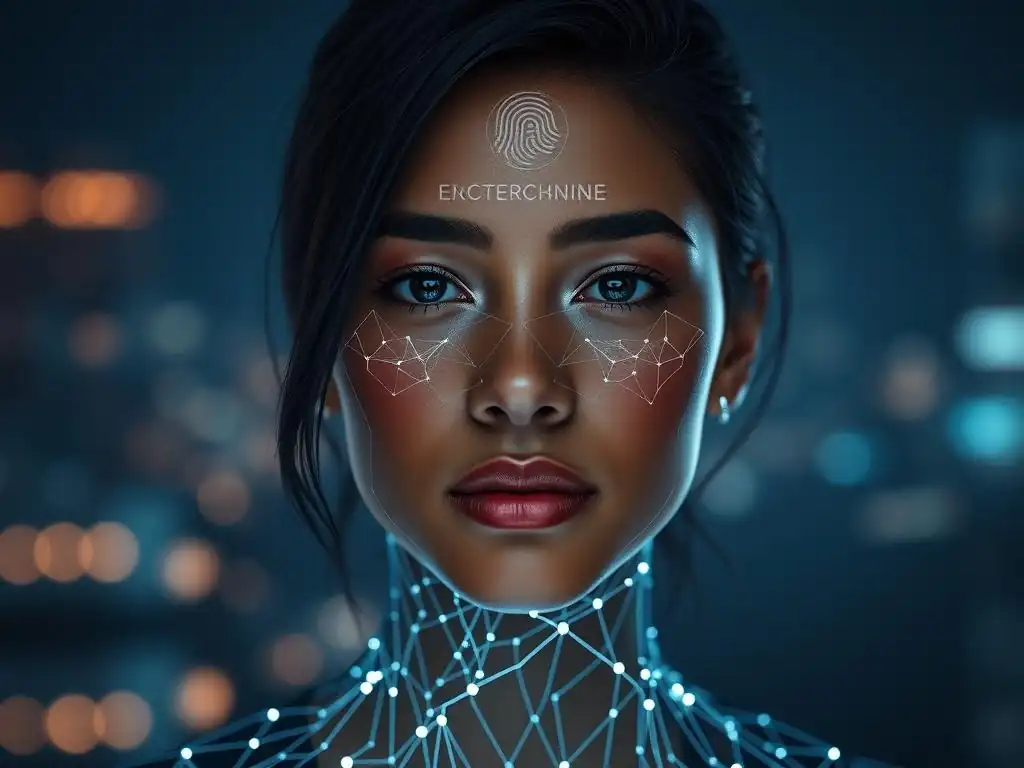
Welcome to Blockchain Trends, your go-to source for dissecting the real-world applications of blockchain technology. Ever wondered how blockchain can revolutionize identity security beyond just digital currencies? Dive in as we explore the game-changing potential of blockchain biometric identity security, uncovering how this fusion enhances both security and user experience in enterprise solutions. Discover the future of decentralized identity and prepare to be amazed by its transformative power. Ready to unlock the potential?
Biometric Integration with Blockchain Identity: Enhancing Security and User Experience
- Introduction: The Convergence of Biometrics and Blockchain for Identity Management
- Understanding Blockchain-Based Identity Systems
- Biometric Authentication: A Primer
- Integrating Biometrics with Blockchain Identity: A Secure Architecture
- Benefits of Blockchain Biometric Identity Security
- Use Cases of Blockchain-Based Biometric Identity
- Challenges and Considerations for Blockchain Biometric Identity Implementation
- The Future of Blockchain and Biometric Identity
- Conclusion: Realizing the Potential of Blockchain Biometric Identity Security
-
Frequently Asked Questions
- What is Biometric Integration in the context of Blockchain Identity?
- How does Biometric Integration enhance Blockchain Identity Security?
- What are some potential applications of Blockchain Biometric Identity Security beyond personal use?
- What are the regulatory considerations surrounding Blockchain Biometric Identity Security?
- What is the future outlook for Blockchain Biometric Identity Security?
- Final Reflection: Securing the Future with Blockchain Biometrics
- Unlock Your Secure Future: Embrace Biometric Blockchain!
Introduction: The Convergence of Biometrics and Blockchain for Identity Management
The Growing Need for Secure and User-Friendly Digital Identity Solutions
In an increasingly digital world, the reliance on robust and trustworthy digital identities is paramount. From accessing online services and financial accounts to participating in democratic processes like voting, our digital footprint requires security measures that traditional password-based systems often fail to provide. The proliferation of data breaches, phishing attacks, and identity theft underscores the urgent need for more resilient authentication methods and identity management frameworks. Reports consistently highlight the rising cost of cybercrime, with identity-related fraud being a significant contributor, driving the demand for innovative solutions that offer both enhanced security and a seamless user experience.
The current landscape of digital identity is fragmented, often requiring users to manage multiple credentials across various platforms. This not only creates inconvenience but also expands the attack surface for malicious actors. Users often resort to weak or reused passwords, further compromising security. Businesses, in turn, face significant operational overhead and compliance challenges associated with verifying and managing customer identities securely. This necessitates a shift towards identity solutions that are not only highly secure but also user-centric, reducing friction while simultaneously strengthening defenses against sophisticated cyber threats.
How Blockchain Technology Addresses Traditional Identity Challenges
Blockchain technology, with its inherent characteristics of decentralization, immutability, and transparency (in permissioned contexts), offers a compelling alternative to traditional centralized identity systems. Unlike conventional databases where identity data is stored in single points of failure, blockchain distributes this information across a network of nodes, making it significantly more resistant to tampering and unauthorized access. Each transaction or update to an identity record is cryptographically linked to the previous one, creating an immutable ledger that provides a verifiable history of identity events.
Furthermore, blockchain enables a paradigm shift towards self-sovereign identity (SSI), where individuals have greater control over their personal data and how it is shared. Instead of relying on third parties to issue and manage identities, users can own and manage their digital identity credentials, selectively disclosing only the necessary information when required. This not only enhances user privacy but also reduces the risk of large-scale data breaches associated with centralized identity providers. The cryptographic principles underpinning blockchain ensure the integrity and authenticity of identity information, laying a solid foundation for secure digital interactions.
Exploring the Synergies Between Biometrics and Blockchain Identity
The integration of biometrics with blockchain identity systems represents a powerful synergy, combining the unique physical or behavioral characteristics of an individual with the secure, decentralized nature of blockchain technology. While blockchain provides a robust and tamper-proof ledger for managing identity credentials and permissions, biometrics offers a highly convenient and secure method for authenticating the individual asserting that identity. This combination addresses the limitations of each technology when used in isolation.
Traditional biometric systems often rely on centralized databases to store sensitive biometric templates, making them potential targets for data breaches. By leveraging blockchain, biometric proofs or hashes can be securely managed without storing the raw biometric data itself on the chain, or by storing encrypted templates in a decentralized manner. Conversely, while blockchain identity offers immutability and control, linking a specific individual to a blockchain address or identifier still requires a secure authentication mechanism. Biometrics provides this link, ensuring that only the legitimate owner can access and control their blockchain-based identity, thereby enhancing the overall Blockchain biometric identity security.
Understanding Blockchain-Based Identity Systems
Core Principles of Blockchain Identity: Decentralization, Immutability, and Security
At the heart of blockchain identity systems lie several fundamental principles that differentiate them from traditional models. Decentralization means that identity data and the verification process are not controlled by a single entity but are distributed across a network. This eliminates central points of failure and reduces reliance on trusted intermediaries, making the system more resilient to attacks and censorship. Identity records and transactions are validated by multiple participants on the network, requiring consensus before any changes are made.
Immutability is another cornerstone. Once an identity record or transaction is added to the blockchain, it is extremely difficult, if not impossible, to alter or delete it. This creates a permanent and transparent audit trail of identity-related activities, which is crucial for verifying the authenticity and history of credentials. This immutability is achieved through cryptographic hashing, where each block contains a hash of the previous block, forming a chain that is resistant to tampering.
Security in blockchain identity is primarily derived from cryptography. Public and private key pairs are used to create digital signatures, allowing individuals to prove ownership of their identity without revealing sensitive information. Identity credentials can be issued as verifiable credentials, cryptographically signed by trusted issuers and stored securely, often off-chain but referenced on-chain. This cryptographic foundation ensures the integrity, authenticity, and confidentiality of identity information, providing a strong basis for Blockchain biometric identity security.
Different Models of Blockchain Identity: Self-Sovereign Identity (SSI) and Beyond
While blockchain technology underpins various identity approaches, Self-Sovereign Identity (SSI) is the model most closely associated with its decentralized principles. In an SSI framework, individuals are the primary controllers of their digital identity. They hold cryptographic keys that allow them to manage their identifiers and credentials.
Trusted parties, like governments or universities, issue verifiable credentials (digital proofs of attributes like age, education, or professional licenses) which are cryptographically signed and can be shared selectively by the user. The blockchain acts as a public or private registry for decentralized identifiers (DIDs) and verifiable credential schemas, but typically does not store the sensitive credential data itself, thus protecting privacy.
Beyond pure SSI, other models exist or are being explored. Some systems might use permissioned blockchains where a consortium of organizations manages identity data with stricter access controls, suitable for enterprise or governmental use cases. Others might leverage hybrid approaches, combining centralized data storage with blockchain for specific functions like integrity verification or audit trails.
While SSI represents the ideal of user empowerment and privacy, the practical implementation often involves a spectrum of models depending on the specific requirements, regulatory environment, and desired level of decentralization. The choice of model significantly impacts the architecture for achieving Blockchain biometric identity security.
The Role of Cryptography in Securing Blockchain Identities
Cryptography is the backbone of all blockchain technology, and its role in securing blockchain identities is fundamental. Public-key cryptography is central; users possess a private key, kept secret, and a corresponding public key, which can be shared openly. The public key acts as a digital identity or address on the network, while the private key is used to sign transactions or credentials, proving ownership and authorizing actions. This digital signature ensures the authenticity and integrity of the data – if even a single bit of signed data is changed, the signature becomes invalid.
Hashing functions are also critical. These mathematical algorithms take input data of any size and produce a fixed-size string of characters (the hash). Even a minor change in the input data results in a drastically different hash.
This is used to link blocks in the blockchain, creating the immutable chain, and can also be used to create unique identifiers for identity elements or even hashes of biometric data for verification purposes without storing the raw data. Encryption is another cryptographic tool, used to protect sensitive data, whether stored on-chain (less common for personal identity data) or off-chain. The combination of these cryptographic techniques provides the foundational security layer upon which Blockchain biometric identity security is built.
Biometric Authentication: A Primer
What are Biometrics? Types and Methods of Biometric Authentication
Biometrics refers to the measurement and statistical analysis of people's unique physical and behavioral characteristics. These traits are used for identification and authentication purposes, offering a potential alternative or complement to traditional methods like passwords or ID cards. Physical biometrics include physiological traits such as fingerprints, facial structure, iris patterns, retina patterns, and voiceprints. These are largely stable throughout a person's life.
Behavioral biometrics, on the other hand, are based on patterns unique to an individual's actions, such as typing rhythm, gait, signature dynamics, or how they interact with a device. These traits can change over time and may require continuous monitoring for authentication. Authentication methods involve capturing a biometric sample (e.g., scanning a fingerprint), extracting unique features to create a template, and then comparing this template against a stored template during subsequent authentication attempts. The comparison yields a score, which is measured against a threshold to determine if there is a match.
Strengths and Weaknesses of Biometric Authentication Technologies
Biometric authentication offers significant advantages, primarily convenience and enhanced security compared to passwords. Users don't need to remember complex strings of characters, and their unique biological traits are inherently difficult for others to replicate or guess. This leads to a more seamless user experience. Biometrics can also provide non-repudiation, as the authenticated action is tied directly to a unique individual. The security benefit comes from the fact that biometrics are something the user is, not something they know (like a password) or have (like a key card).
However, biometrics also have weaknesses. Biometric data is highly sensitive; unlike a compromised password which can be changed, a compromised biometric template (e.g., fingerprint scan) cannot be easily replaced. Template storage and security are critical concerns. Biometric systems are also susceptible to spoofing attacks, where fake fingerprints, masks, or recordings are used to bypass authentication.
Furthermore, factors like injury, aging, or environmental conditions can affect the accuracy of biometric readings, leading to false rejections (legitimate users denied access) or false acceptances (unauthorized users granted access). The accuracy metrics, typically measured by False Acceptance Rate (FAR) and False Rejection Rate (FRR), vary significantly across technologies and implementation quality. For instance, consumer-grade fingerprint scanners might have FARs higher than professional systems used in secure environments, which often aim for FARs below 0.001%.
Biometric Data Security and Privacy Considerations
The security and privacy of biometric data are paramount concerns. Raw biometric samples (like a full fingerprint image) are rarely stored directly; instead, algorithms extract unique feature sets to create a smaller template. This template is then stored, often encrypted, in a database or on a secure element. The security of this storage and the transmission of biometric data are critical vulnerabilities. A breach of a centralized biometric database could have catastrophic consequences, as compromised templates cannot be easily reset.
Privacy concerns arise from the sensitive nature of biometric data and the potential for its misuse or tracking. Using biometrics for mass surveillance or linking data across disparate systems without consent are significant ethical and legal challenges. Regulations like GDPR and CCPA impose strict requirements on how biometric data is collected, processed, and stored, often classifying it as a special category of personal data requiring explicit consent and enhanced protection. Implementing strong encryption, secure storage, and privacy-preserving techniques, such as template protection or hashing, are essential for any system utilizing biometrics, particularly when considering Blockchain biometric identity security.
Integrating Biometrics with Blockchain Identity: A Secure Architecture
How Biometrics Can Enhance Blockchain Identity Security
Biometrics can significantly enhance the security of blockchain identity systems by providing a strong, user-friendly method for authenticating the individual asserting control over a blockchain identity. While blockchain provides the secure, immutable ledger for identity credentials and proofs, it doesn't inherently verify who is using the private key associated with that identity. Biometrics bridge this gap by ensuring that only the physical person whose biometric data is registered can access and control their digital identity.
This integration helps prevent common attacks like phishing or keylogging, where a user's private key might be compromised remotely. Even if a private key is stolen, without the corresponding biometric authentication, an attacker cannot easily use the blockchain identity. Biometrics can serve as a multi-factor authentication layer, requiring both the user's biometric scan and potentially other factors to authorize actions on their blockchain identity, such as signing a transaction or sharing a verifiable credential. This multi-layered approach substantially strengthens the overall Blockchain biometric identity security.
Building a Blockchain Biometric Identity System: Key Components and Processes
Building a secure blockchain biometric identity system involves several key components and a defined process. At a high level, the system typically includes:
- Biometric Capture Module: Devices (e.g., fingerprint scanners, cameras) to capture the user's biometric data.
- Feature Extraction Module: Software that processes the raw biometric sample and extracts unique features to create a biometric template.
- Biometric Matching Module: Software that compares a newly captured template against a stored template to verify identity.
- Secure Storage: A secure location to store biometric templates or hashes. This could be a secure element on the user's device, an encrypted decentralized storage network, or a highly secured centralized database (though decentralized options align better with blockchain principles).
- Blockchain Network: The underlying ledger (public, private, or consortium) used to manage decentralized identifiers (DIDs), verifiable credential schemas, and potentially references or hashes related to identity status.
- Identity Wallet/Agent: A user-controlled application (often mobile) that holds the user's private keys, manages verifiable credentials, and interacts with the blockchain and biometric modules.
- Verifiable Credential Issuers: Trusted entities that issue cryptographically signed credentials (e.g., a government issuing a digital ID).
- Verifiable Credential Verifiers: Entities that request and verify credentials presented by the user (e.g., a bank verifying age).
The process flow often involves:
- Enrollment: User captures biometric data, template is generated and securely stored, linked to a decentralized identifier (DID) managed via the blockchain.
- Authentication: User initiates an action requiring identity verification. The system requests a biometric scan. A new template is generated and compared against the stored template.
- Verification: Upon successful biometric authentication, the user's identity wallet uses the private key to sign a transaction or present verifiable credentials linked to their DID on the blockchain. The verifier checks the signature and the credential's validity against the blockchain or related registries.
This architecture ensures that the sensitive biometric data is handled separately from the blockchain ledger itself, maximizing privacy while using the biometric match as the gatekeeper for accessing the blockchain identity.
Addressing Biometric Data Storage and Management on the Blockchain
Directly storing raw biometric data or even biometric templates on most public blockchains is generally not recommended due to privacy concerns, the immutability of the ledger (you can't easily remove data), and the potentially large data size impacting scalability. A more privacy-preserving approach for Blockchain biometric identity security involves storing only cryptographic hashes or encrypted references on the chain, while the actual biometric templates are stored elsewhere.
Several methods are being explored for managing biometric data securely in conjunction with blockchain:
- On-Device Secure Element: Storing encrypted biometric templates directly on the user's device (e.g., smartphone's secure enclave). The biometric matching happens locally on the device, and only a cryptographic proof of a successful match is sent to the identity wallet to authorize actions on the blockchain. This keeps sensitive data off-chain and under user control.
- Decentralized Encrypted Storage: Storing encrypted biometric templates on a decentralized storage network (like IPFS or Filecoin), with the encryption keys managed by the user's blockchain identity. Access requires authentication and the corresponding private key.
- Biometric Template Protection: Using techniques like fuzzy vault or cancelable biometrics to transform biometric templates into a format that can be re-issued if compromised, similar to changing a password. A hash of this protected template might be stored on-chain.
- Zero-Knowledge Proofs (ZKPs): Advanced cryptographic methods where a user can prove they possess a specific biometric template (by matching it) without revealing the template itself. This proof is then recorded or verified via the blockchain.
The choice of storage method significantly impacts the privacy level and the complexity of the system. Solutions that minimize the storage of sensitive biometric data in centralized or easily accessible locations are preferred for robust Blockchain biometric identity security.
Benefits of Blockchain Biometric Identity Security

Enhanced Security Against Identity Theft and Fraud
The integration of biometrics with blockchain significantly elevates defenses against identity theft and fraud compared to traditional systems. Passwords can be guessed, stolen, or phished, and physical IDs can be forged or lost. Biometric authentication, being tied to unique biological traits, is much harder to compromise. When combined with the immutable and decentralized nature of blockchain, which prevents tampering with identity records and provides a transparent audit trail, the resulting system creates a formidable barrier against malicious actors.
For example, studies estimate that traditional identity fraud costs billions annually. By requiring a live biometric scan to access a blockchain-based identity, fraudulent access attempts using stolen digital credentials or physical documents become substantially more difficult. The cryptographic link between the biometric proof of life/match and the user's private key ensures that even if parts of the system are targeted, the core identity remains secure as long as the user's biometrics and private key are protected. This multi-factor, decentralized approach drastically reduces the attack surface exploited by identity thieves.
Improved User Experience with Passwordless Authentication
One of the most tangible benefits for end-users is the move towards passwordless authentication. Remembering multiple complex passwords for different online services is cumbersome and a major source of user frustration and poor security practices (like password reuse). Integrating biometrics allows users to access their blockchain-based digital identity and associated services using a simple fingerprint scan, facial recognition, or other convenient biometric modality.
This streamlined access not only improves user satisfaction but also encourages the use of more secure authentication methods. Instead of struggling with login screens, users can authenticate quickly and effortlessly, making interactions with digital services much smoother. This enhanced user experience is crucial for driving widespread adoption of blockchain identity solutions, making Blockchain biometric identity security not just secure, but also practical for everyday use.
Increased Privacy and Control Over Personal Data
Blockchain identity models, particularly SSI, fundamentally shift control of personal data from third-party service providers back to the individual. Users decide which pieces of verified identity information (credentials) they share and with whom. Biometrics enhances this by providing a secure gateway for the user to authorize these data-sharing actions using their unique biological proof.
Furthermore, by avoiding the storage of raw biometric data on centralized databases (as discussed earlier), privacy is significantly increased. Storing encrypted templates on secure elements or using privacy-preserving techniques ensures that the most sensitive personal data remains under the user's control or is protected by strong encryption. This contrasts sharply with traditional systems where identity and biometric data might be held by numerous entities, each representing a potential privacy risk. Blockchain biometric identity security empowers individuals by giving them granular control and enhanced protection for their digital self.
Streamlined Identity Verification Processes for Businesses
For businesses and organizations, implementing blockchain biometric identity security can significantly streamline Know Your Customer (KYC) and Anti-Money Laundering (AML) compliance processes, as well as general identity verification. Instead of relying on manual checks of physical documents or interacting with fragmented digital identity providers, businesses can request verifiable credentials directly from the user's blockchain identity wallet.
Once the user authenticates with their biometrics and consents to share the necessary credentials (e.g., a government-issued proof of age or address), the business can instantly verify the authenticity and validity of these credentials using the blockchain or associated registries. This reduces onboarding time, lowers operational costs, and minimizes the risk of accepting fraudulent documents. For example, verifying identity attributes that have been securely issued and linked to a biometric-authenticated blockchain ID could reduce onboarding times from days to minutes in financial services, while simultaneously improving the reliability of the verification process.
Use Cases of Blockchain-Based Biometric Identity
Securing Digital Voting Systems with Biometric Blockchain
Digital voting holds the promise of increased accessibility and efficiency, but concerns about security, voter impersonation, and the integrity of the vote count remain significant barriers. Integrating blockchain and biometrics offers a potential solution. Each eligible voter could be issued a unique blockchain identity linked to their verified biometric data. On election day, voters would authenticate using their biometrics to access their digital ballot linked to their blockchain identity.
The blockchain would record that a specific, verified identity cast a vote, without revealing who they voted for (maintaining anonymity through techniques like zero-knowledge proofs or ring signatures). The immutable nature of the blockchain ensures that votes, once cast, cannot be altered or removed, providing a transparent and auditable record of the election.
Biometric authentication prevents voter impersonation, ensuring one person, one vote, tied directly to a verified individual. While complex challenges remain, including ensuring accessibility for all and regulatory hurdles, pilot projects exploring Blockchain biometric identity security for voting aim to demonstrate enhanced security and trust in the electoral process.
Enhancing Access Control in Enterprise Environments
Enterprise security relies heavily on robust access control to protect sensitive data and systems. Traditional methods often involve passwords, key cards, or centralized directories, which can be vulnerable to insider threats or external breaches. Implementing blockchain-based biometric identity can revolutionize enterprise access control by creating a decentralized, immutable record of access permissions and activity, authenticated by biometrics.
Employees could be issued a blockchain identity containing verifiable credentials representing their roles and access rights within the organization. To access a specific system or physical location, the employee would authenticate using biometrics (e.g., a fingerprint scan on a door reader or facial recognition for logging into a computer). This biometric authentication would trigger a request via their identity wallet to present the necessary credential to the access control system.
The system verifies the credential's validity on the blockchain and grants access. This approach provides stronger authentication than passwords, a clear audit trail on the blockchain of who accessed what and when, and simplifies managing permissions through verifiable credentials. Early enterprise explorations demonstrate significant potential for reducing unauthorized access incidents.
Streamlining KYC (Know Your Customer) and AML (Anti-Money Laundering) Compliance
Financial institutions and other regulated entities face stringent KYC and AML requirements to prevent financial crime. These processes are typically manual, costly, and intrusive, requiring users to submit copies of identity documents and undergo checks against various databases. Blockchain biometric identity can significantly streamline this by enabling users to present verifiable credentials issued by trusted authorities.
A user opening a bank account could use their biometric-authenticated blockchain identity wallet to share a digital credential proving their identity and address, issued perhaps by a government agency and verified on the blockchain. The bank simply verifies the credential's authenticity and validity on the chain, a process that can take seconds compared to traditional methods that might take days.
This not only improves efficiency (potentially reducing KYC costs by 20-40% according to some industry estimates) but also enhances security by relying on cryptographically secure, tamper-proof credentials linked to a biometrically verified user. This application of Blockchain biometric identity security is particularly promising in fintech and regulatory technology sectors.
Enhancing Patient Data Security and Access in Healthcare
Healthcare records are among the most sensitive types of personal data, making their security and privacy paramount. Traditional healthcare systems often store patient data in fragmented, centralized databases, making them vulnerable to breaches and difficult for patients to access or control. Blockchain biometric identity offers a path towards more secure and patient-centric healthcare data management.
Patients could have a blockchain identity linked to their biometric data, giving them control over access to their health records. Instead of relying on patient portals with weak passwords, a patient could authenticate with their biometrics to access their records via their identity wallet.
They could then grant specific healthcare providers temporary or permanent access to certain parts of their record by sharing verifiable credentials, with the access grant recorded immutably on the blockchain. This ensures only authorized personnel, authenticated by biometrics and verified via the blockchain, can access sensitive patient information, drastically improving the security posture and giving patients unprecedented control over their health data, enhancing Blockchain biometric identity security in a critical sector.
Challenges and Considerations for Blockchain Biometric Identity Implementation
Regulatory Compliance and Data Privacy Laws (GDPR, CCPA)
Implementing blockchain biometric identity solutions globally faces significant hurdles related to regulatory compliance and data privacy laws. Regulations like Europe's GDPR and California's CCPA impose strict requirements on the collection, processing, storage, and transfer of personal data, particularly sensitive categories like biometrics. These laws often mandate explicit consent, the right to erasure, and strict data security measures.
Blockchain's immutability, while a strength for data integrity, can conflict with the "right to be forgotten" principle in some privacy regulations. Solutions must be carefully designed to store sensitive personal data, like biometric templates, off-chain or in encrypted formats with keys controlled by the user, and only store non-sensitive hashes or references on the immutable ledger. Navigating the legal landscape across different jurisdictions and ensuring compliance with evolving data protection mandates is a major challenge for widespread adoption of Blockchain biometric identity security.
Scalability and Performance Issues of Blockchain Networks
The scalability and performance of underlying blockchain networks can pose challenges for high-volume identity verification systems. Public blockchains like Bitcoin or Ethereum (before recent upgrades) have limitations on transaction throughput (transactions per second) and can incur significant transaction fees and latency. While enterprise and permissioned blockchains offer better performance, they may sacrifice some degree of decentralization.
Identity systems, especially those used for frequent authentication or verification (like logging into websites or accessing services), require near-instantaneous response times. A system that relies on waiting for multiple block confirmations on a slow network would not be practical. Implementing Blockchain biometric identity security for mass adoption necessitates leveraging high-throughput blockchain platforms, layer-2 scaling solutions, or architectural designs that minimize on-chain transactions to only essential identity updates or proofs, while handling frequent authentication requests off-chain or via faster sidechains.
Biometric Data Accuracy and False Acceptance Rates
The inherent limitations in the accuracy of biometric technologies, specifically False Acceptance Rates (FAR) and False Rejection Rates (FRR), present a challenge. FAR refers to the likelihood that an unauthorized user is incorrectly matched and granted access, while FRR is the likelihood that an authorized user is incorrectly rejected. While advanced systems boast very low FARs (e.g., below 0.001%), no biometric system is 100% accurate, and performance can be affected by environmental factors, sensor quality, and user variability.
A high FAR directly compromises the security of a Blockchain biometric identity security system, potentially allowing unauthorized access to a user's identity. A high FRR leads to a poor user experience and frustration. Implementing rigorous testing, selecting appropriate biometric modalities for the use case, combining multiple biometric factors, and incorporating liveness detection to combat spoofing are crucial steps. Furthermore, systems must have robust fallback authentication methods in case biometric authentication fails. Balancing security (low FAR) with usability (low FRR) is an ongoing challenge in biometric system design.
User Adoption and Education Challenges
Despite the potential benefits, user adoption of new identity technologies, especially those involving blockchain and biometrics, faces significant hurdles. Users may be hesitant due to privacy concerns regarding their biometric data, skepticism about blockchain technology, or simply inertia and unfamiliarity with decentralized identity concepts. The technical complexity behind these systems needs to be abstracted away for the average user.
Educating users about how their data is protected, the benefits of self-sovereign identity, and how Blockchain biometric identity security enhances their control and security is essential. The user experience must be intuitive and seamless, requiring minimal technical understanding. Building trust through transparent practices and demonstrating clear value propositions will be critical for overcoming user resistance and driving widespread adoption of these innovative identity solutions.
The Future of Blockchain and Biometric Identity
Emerging Trends in Blockchain Identity and Biometrics
Several emerging trends are shaping the future of blockchain and biometric identity. One significant trend is the continued development and standardization of Self-Sovereign Identity (SSI) frameworks, such as those promoted by the Decentralized Identity Foundation (DIF) and the W3C (World Wide Web Consortium) with specifications for Decentralized Identifiers (DIDs) and Verifiable Credentials (VCs). These standards are crucial for ensuring interoperability between different identity systems and platforms.
In biometrics, advancements in areas like behavioral biometrics (e.g., continuous authentication based on typing patterns or device usage), passive biometrics (e.g., authentication without explicit user action), and multi-modal biometrics (combining multiple traits like face and voice) are enhancing both security and user experience. Privacy-preserving biometric techniques, including homomorphic encryption and secure multi-party computation applied to biometric matching, are also gaining traction, addressing some of the core data privacy concerns associated with Blockchain biometric identity security.
Potential Applications of AI and Machine Learning in Biometric Blockchain
Artificial intelligence (AI) and machine learning (ML) are poised to play a significant role in the evolution of biometric blockchain systems. AI can enhance the accuracy and robustness of biometric authentication algorithms, improving feature extraction and matching capabilities, and better detecting spoofing attempts. ML models can analyze patterns in authentication attempts to identify suspicious behavior indicative of fraud.
Furthermore, AI/ML can be used to optimize the management of credentials within a blockchain identity system, helping users decide which information to share in different contexts or automatically verifying credentials based on learned patterns. AI could also potentially assist in monitoring the health and security of the underlying blockchain network supporting identity operations. Integrating AI with Blockchain biometric identity security promises more intelligent, adaptive, and secure identity solutions.
The Role of Standards and Interoperability in Driving Adoption
The successful widespread adoption of blockchain biometric identity solutions hinges heavily on the development and adherence to open standards and ensuring interoperability between different systems and service providers. Without common standards for DIDs, VCs, and the secure handling of biometric proofs, identity systems risk becoming siloed, limiting their utility and hindering user adoption.
Initiatives by organizations like DIF, W3C, and ISO are working towards creating these essential standards. Interoperability allows a user with a blockchain identity issued on one platform to seamlessly interact with services on different platforms, using their biometrically-authenticated identity wallet and verifiable credentials. This is critical for building a truly decentralized and interconnected digital identity ecosystem. Achieving broad interoperability will accelerate the realization of the full potential of Blockchain biometric identity security.
Predictions for Widespread Adoption of Decentralized Identity
While challenges remain, predictions for the widespread adoption of decentralized identity solutions, including those incorporating biometrics, are increasingly optimistic over the next 5-10 years. Initial adoption is likely to continue in specific sectors with high security and compliance needs, such as financial services (KYC/AML), healthcare, and government services (e.g., digital IDs, secure access to public services).
As the technology matures, standards become more established, and user-friendly interfaces are developed, adoption is expected to expand into broader consumer applications, including e-commerce, social media, and online services. Regulatory clarity and government initiatives supporting digital identity frameworks will also play a crucial role. While the transition will be gradual, the compelling benefits in terms of security, privacy, and user experience suggest that Blockchain biometric identity security is set to become a foundational layer for future digital interactions.
Conclusion: Realizing the Potential of Blockchain Biometric Identity Security
Summarizing the Key Benefits and Challenges
The integration of biometrics with blockchain technology presents a powerful approach to digital identity management, offering significant advantages over traditional methods. The key benefits include dramatically enhanced security against identity theft and fraud through the combination of immutable ledgers and unique biological authentication, a vastly improved user experience via passwordless access, increased privacy and user control over personal data, and streamlined identity verification processes for businesses across various sectors.
However, realizing this potential requires addressing notable challenges. These include navigating complex and evolving regulatory landscapes concerning data privacy and biometrics, overcoming the technical hurdles of blockchain scalability and performance for high-volume applications, ensuring the accuracy and reliability of biometric systems while mitigating spoofing risks, and fostering user adoption through education and intuitive design.
The Transformative Impact on Identity Management and Security
The convergence of blockchain and biometrics is poised to transform the landscape of identity management and security. By shifting from centralized, vulnerable systems to decentralized, user-controlled identities authenticated by inherent biological traits, we can build a more secure, private, and efficient digital world. This paradigm shift empowers individuals, reduces the risk and cost of identity-related crime for businesses, and enables more trustworthy digital interactions across the board.
The concept of Blockchain biometric identity security moves beyond simple access control; it forms the basis for verifiable, trustworthy digital interactions where individuals can selectively prove aspects of their identity without oversharing sensitive information, all secured by cryptography and authenticated by who they are.
Call to Action: Embracing Innovation for a More Secure Future
The path to widespread adoption of blockchain biometric identity solutions requires continued innovation, collaboration, and a focus on user-centric design and strong privacy guarantees. Developers, businesses, regulators, and users must work together to build interoperable systems, establish clear standards, and educate the public on the benefits and safe use of these technologies.
Embracing the potential of Blockchain biometric identity security is not just about adopting a new technology; it's about building a more secure and empowering future for digital identity. By addressing the challenges proactively and focusing on user trust and regulatory compliance, we can unlock the full transformative power of this convergence, paving the way for a digital identity ecosystem that is both highly secure and respects individual privacy and control.
Frequently Asked Questions
What is Biometric Integration in the context of Blockchain Identity?
It involves using unique biological traits like fingerprints or facial recognition to verify a user's identity on a blockchain, enhancing security beyond traditional passwords. This strengthens identity verification.
How does Biometric Integration enhance Blockchain Identity Security?
Biometrics provide a more secure method of identification because they are difficult to forge or steal compared to passwords. This reduces the risk of identity theft and fraud.
What are some potential applications of Blockchain Biometric Identity Security beyond personal use?
Enterprise applications include supply chain management, secure data access, and verifying employee credentials. This improves efficiency and trust.
What are the regulatory considerations surrounding Blockchain Biometric Identity Security?
Regulations such as GDPR require careful handling of personal biometric data and user consent. Compliance is crucial for legal and ethical implementation.
What is the future outlook for Blockchain Biometric Identity Security?
The future involves wider adoption across various sectors, alongside advancements in biometric technology and blockchain scalability. This will drive innovation and accessibility.
Final Reflection: Securing the Future with Blockchain Biometrics
The convergence of biometric authentication and blockchain technology, as explored throughout this article, is not merely a theoretical exercise; it represents a fundamental shift in how we approach digital identity security and user experience today. The potential to eliminate reliance on vulnerable passwords and centralized databases, while simultaneously empowering individuals with greater control over their personal data, is a compelling vision that demands immediate attention and continued development.
This fusion of technologies has profoundly influenced, and continues to shape, the cultural and social landscape surrounding digital trust. The ability to securely and verifiably prove one's identity online, without sacrificing privacy or convenience, is paramount in an increasingly interconnected world. Security is always excessive until it's not enough.
This quote underscores the urgency with which we must embrace innovative solutions like blockchain biometric identity security to safeguard ourselves and our digital future.
As you consider the implications of blockchain biometric identity security, I invite you to reflect on your own digital footprint. How can you advocate for and adopt solutions that prioritize both security and user experience? The future of digital identity is being written now, and your understanding and engagement are crucial to ensuring a secure and empowering future for all.
Unlock Your Secure Future: Embrace Biometric Blockchain!
Thank you for exploring the fascinating intersection of biometric technology and blockchain identity. We hope this has provided you with a clearer understanding of how these innovations can transform security and improve user experience. Are you ready to take the next step?
Here's how you can deepen your knowledge:
- Explore integrating biometric authentication into your next blockchain project. This approach represents the future of secure and user-friendly identity management.
- Share this article with your network on social media to start a conversation about the potential applications of biometric blockchain technology across various industries.
- Investigate open-source biometric authentication libraries and blockchain development platforms to begin your learning journey and experimentation.
What innovative biometric blockchain application will you develop to help create a more secure digital world? Let us know in the comments below!
Leave a Reply