
Safer Travel with BlockchainBased Digital Identity: Border Control and Beyond


Welcome to Blockchain Trends, your compass in the rapidly evolving world of decentralized technology.
Imagine a future where border control is seamless, secure, and respects individual privacy. Our latest article delves into how Blockchain Digital Identity Border Control is poised to revolutionize international travel and beyond. Discover the innovative applications and challenges of this groundbreaking technology, and explore its potential to reshape governance as we know it. Intrigued? Let's unlock the future, together.
Safer Travel with Blockchain-Based Digital Identity: Border Control and Beyond
- Introduction: The Need for Secure and Efficient Border Control
- Blockchain Digital Identity: A Secure Solution for Travel
- Blockchain Digital Identity and Border Control: Enhancing Security
- Use Cases: Blockchain Digital Identity in Action at Borders
- Benefits of Blockchain for Traveler Identity Management
- Challenges and Considerations for Implementation
- Beyond Border Control: Expanding the Use of Blockchain Digital Identity
- The Future of Travel: Blockchain-Powered Identity and Security
- Conclusion: Embracing Blockchain for Secure and Efficient Travel
-
Frequently Asked Questions
- How can blockchain technology enhance border control processes?
- What are the key benefits of using a blockchain-based digital identity for travelers?
- What is "Blockchain Digital Identity Border Control," and why is it important?
- What are some potential regulatory challenges related to implementing blockchain-based digital identity for border control?
- Beyond border control, what other applications exist for blockchain-based digital identity?
- Final Reflection: Embracing Trust in a Digital World
- Reimagine Your Travel Security: Dive Deeper into Blockchain Identity!
Introduction: The Need for Secure and Efficient Border Control
Current Challenges in Border Security and Identity Verification
Border security and identity verification are critical components of national security and international travel facilitation. Traditional border control systems face numerous challenges, including increasing passenger volumes, sophisticated document fraud, and the need for faster, more efficient processing. The sheer volume of global travel is staggering, with the International Air Transport Association (IATA) projecting 4.7 billion air travelers in 2024. This massive influx of people necessitates robust systems capable of quickly and accurately verifying identities.
Furthermore, the rise of sophisticated fraudulent documents, including passports and visas, poses a significant threat. Interpol estimates that hundreds of millions of fraudulent travel documents are in circulation globally. Manual verification processes, relying heavily on visual inspection and physical documents, are time-consuming, error-prone, and vulnerable to human oversight, leading to bottlenecks and security gaps at border crossings.
These challenges are further compounded by the fragmented nature of current identity systems. Travelers often need to manage multiple forms of identification, issued by different authorities and stored in various formats. This lack of interoperability and standardization across borders creates inefficiencies and complexities for both travelers and border agencies.
Sharing verified identity information securely and efficiently between countries remains a significant hurdle. Legacy systems often lack the agility and security required to adapt to evolving threats and the demands of modern travel. The need for a more streamlined, secure, and globally interoperable system for identity verification in travel is becoming increasingly urgent to enhance both security and the traveler experience.
How Blockchain Technology Can Revolutionize Travel Security
Blockchain technology offers a transformative approach to address the limitations of traditional border security systems. Its inherent security features, including decentralization, cryptography, and immutability, make it an ideal foundation for building robust and trustworthy digital identity solutions. By leveraging blockchain, we can move towards a system where identity is self-sovereign, verifiable, and universally recognized.
This shift moves away from reliance on physical documents and centralized databases, which are vulnerable to fraud and single points of failure. Blockchain's distributed ledger technology allows for secure and transparent sharing of verified identity information among authorized parties, such as border agencies, airlines, and immigration authorities, while maintaining individual privacy and control.
The potential of blockchain to revolutionize travel security lies in its ability to create a more efficient, secure, and user-centric identity ecosystem. Imagine a traveler possessing a digital identity on a blockchain, verifiable in real-time by border control agents worldwide. This system could drastically reduce reliance on physical documents, minimize fraud, and expedite border crossing procedures.
Furthermore, blockchain can enhance data privacy by allowing individuals to control who has access to their identity information and for what purpose. By establishing a secure and auditable record of identity transactions, blockchain can build trust and transparency in the travel ecosystem, benefiting both travelers and border security agencies alike. This technology offers a pathway to a future where travel is safer, faster, and more seamless, underpinned by the secure foundation of blockchain-based digital identity.
Blockchain Digital Identity: A Secure Solution for Travel
Understanding Blockchain-Based Digital Identity Systems
Blockchain-based digital identity systems represent a paradigm shift from traditional, centralized identity management. Instead of relying on a single authority to store and control identity information, blockchain distributes this control across a network of computers. This decentralized approach enhances security and resilience, making it significantly harder for malicious actors to tamper with or compromise identity data. At its core, a blockchain digital identity system uses cryptographic keys to establish and verify an individual's identity. Individuals hold the private key, granting them control over their digital identity, while the public key is used for verification by authorized parties.
These systems typically operate on permissioned or permissionless blockchains. Permissioned blockchains, often favored for enterprise applications and governance, restrict network access to authorized participants, providing a controlled environment suitable for sensitive identity data. Conversely, permissionless blockchains are open to anyone, offering greater transparency and decentralization but potentially raising concerns about data privacy and governance in sensitive contexts like border control. Regardless of the specific blockchain type, the fundamental principle remains the same: to create a secure, verifiable, and user-centric digital identity that empowers individuals and enhances trust in digital interactions, particularly within the realm of travel and border security.
Key Features and Benefits of Blockchain Identity for Travelers
Blockchain digital identity offers a multitude of benefits for travelers, enhancing their experience while bolstering security. One of the foremost advantages is self-sovereign identity. Travelers gain greater control over their personal data, deciding what information to share and with whom. This contrasts sharply with current systems where personal data is often held and managed by centralized entities. Furthermore, blockchain identity enhances privacy. Through zero-knowledge proofs and selective disclosure mechanisms, travelers can prove their identity or specific attributes (e.g., age, nationality) without revealing unnecessary personal information.
Another key benefit is enhanced security against identity theft and fraud. The cryptographic nature of blockchain makes it extremely difficult to forge or tamper with digital identities. This significantly reduces the risk of fraudulent documents and identity theft, which are major concerns in international travel. Moreover, blockchain identity can streamline travel processes, leading to faster and more efficient border crossings.
Automated verification of digital identities can reduce wait times and congestion at airports and border checkpoints. Finally, blockchain promotes global interoperability. Standardized blockchain-based identity systems can facilitate seamless identity verification across different countries and travel providers, creating a more unified and efficient global travel experience.
Blockchain Digital Identity and Border Control: Enhancing Security
Streamlining Identity Verification Processes at Border Crossings
Blockchain digital identity has the potential to dramatically streamline identity verification processes at border crossings, moving away from cumbersome manual checks to rapid, automated systems. Currently, border agents often rely on visual inspection of passports and other travel documents, a process that is both time-consuming and susceptible to human error.
Blockchain allows for the creation of digital identities linked to verified credentials, such as passports and visas, which can be instantly verified by border control authorities. This verification can be done using cryptographic proofs, ensuring the authenticity and validity of the identity without needing to access central databases for every check.
This streamlined process translates to significant time savings for travelers and increased efficiency for border agencies. Imagine a future where travelers simply scan a QR code linked to their blockchain identity upon arrival at a border. The system instantly verifies their identity and travel documents, allowing for seamless passage. This automation not only speeds up border crossings but also frees up border agents to focus on higher-risk individuals and activities. By reducing reliance on manual processes and physical documents, blockchain can create a faster, more efficient, and less congested border control experience.
Reducing Fraud and Identity Theft with Blockchain Technology
The inherent security features of blockchain technology offer a powerful defense against fraud and identity theft in the context of border control. Traditional paper-based identity documents are vulnerable to counterfeiting and alteration. Interpol estimates that the market for fake travel documents is a multi-billion dollar industry. Blockchain's immutable and tamper-proof nature makes it significantly harder to create or use fraudulent digital identities. Once an identity is recorded on the blockchain, it cannot be altered or deleted, providing a secure and auditable record of identity information.
Furthermore, blockchain can incorporate advanced cryptographic techniques, such as zero-knowledge proofs, to enhance security. These proofs allow travelers to verify their identity without revealing sensitive personal information to border agents, minimizing the risk of data breaches and identity theft. For instance, a traveler could prove they possess a valid visa without disclosing their visa number or other details. By reducing the reliance on easily forged physical documents and implementing robust cryptographic security, blockchain digital identity offers a substantial improvement in combating fraud and identity theft at border crossings, making travel safer and more secure for everyone.
Use Cases: Blockchain Digital Identity in Action at Borders
Case Study 1: Estonia's Digital Identity and Cross-Border Data Exchange
Estonia stands as a pioneering example of digital governance and identity, though not solely based on blockchain, its experience provides valuable insights into the potential of digital identity for cross-border applications. Estonia's e-Residency program, launched in 2014, allows individuals worldwide to obtain a digital identity, granting them access to Estonian e-services and the EU business environment.
While not directly using blockchain for the core e-Residency identity, Estonia utilizes blockchain technology for data integrity and security in various government services, including data embassies and secure data exchange platforms. These initiatives demonstrate Estonia's commitment to digital transformation and its willingness to explore innovative technologies.
Estonia's experience highlights the importance of a robust legal and regulatory framework to support digital identity. The country's Digital Signature Act, enacted in 2000, provided a legal foundation for digital signatures and electronic transactions, paving the way for widespread adoption of digital identity.
Furthermore, Estonia's X-Road data exchange platform, connecting various government databases, showcases the potential for secure and efficient cross-border data sharing. While Estonia's system is not purely blockchain-based for identity itself, its digital identity ecosystem and use of blockchain for data integrity provide a valuable model for other countries considering implementing blockchain-based digital identity solutions for border control and beyond.
Case Study 2: Canada and the Netherlands' Known Traveller Digital Identity (KTDI) Pilot
The Known Traveller Digital Identity (KTDI) pilot project, a collaboration between Canada and the Netherlands, offers a concrete example of blockchain-based digital identity being tested for border control. This initiative, involving Accenture, Air Canada, KLM, and the World Economic Forum, aims to create a seamless and secure travel experience for pre-vetted, low-risk travelers. The KTDI pilot utilizes blockchain technology to allow travelers to create and control their own digital identity, securely sharing their verified data with border authorities and airlines. The focus is on empowering travelers to manage their identity and streamlining the travel process for trusted individuals.
The KTDI pilot, initiated in 2018 and progressing through various phases, demonstrates the practical application of blockchain for enhancing border security and traveler convenience. Participants in the pilot voluntarily share their data, which is then verified and stored on a distributed ledger.
This allows for faster and more efficient identity verification at border checkpoints, reducing wait times and improving the overall travel experience. The KTDI project is significant as it represents a real-world test of blockchain digital identity in a cross-border travel context, providing valuable lessons and insights for future implementations and highlighting the potential for international collaboration in this domain.
Benefits of Blockchain for Traveler Identity Management
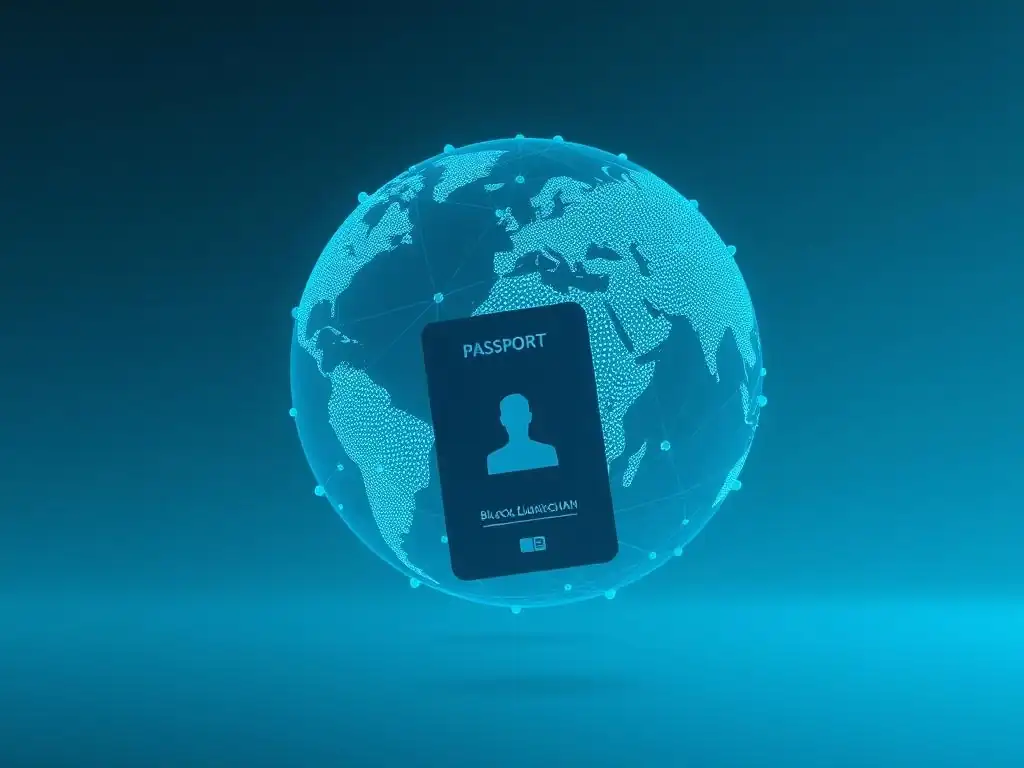
Enhanced Privacy and Data Control for Travelers
One of the most compelling benefits of blockchain for traveler identity management is the enhanced privacy and data control it offers to individuals. In traditional systems, travelers often have limited control over their personal data, which is collected, stored, and managed by various entities, including airlines, border agencies, and hotels. Blockchain digital identity empowers travelers by giving them greater autonomy over their identity information. They can decide what data to share, with whom, and for how long. This self-sovereign approach contrasts sharply with the current centralized model, where data is often held in silos and vulnerable to breaches.
Furthermore, blockchain enables privacy-preserving techniques such as zero-knowledge proofs and selective disclosure. These mechanisms allow travelers to prove specific aspects of their identity, such as age or nationality, without revealing unnecessary personal details. For example, when booking a flight, a traveler might only need to prove they are over 18 without disclosing their exact date of birth. This granular control over data sharing minimizes the risk of over-collection and misuse of personal information. By shifting the paradigm from centralized data control to user-centric data management, blockchain digital identity offers a significant step forward in protecting traveler privacy.
Improved Efficiency and Reduced Wait Times at Borders
Blockchain digital identity promises to significantly improve efficiency and reduce wait times at border crossings and other travel checkpoints. Current identity verification processes, often relying on manual checks of physical documents, are time-consuming and prone to delays. Blockchain's ability to automate identity verification and streamline data sharing can dramatically expedite these processes. Digital identities stored on a blockchain can be instantly verified by authorized parties, reducing the need for manual inspection and data entry.
This increased efficiency translates directly to shorter wait times for travelers at airports, land borders, and seaports. Imagine a future where passport control is as quick as scanning a QR code. Automated identity verification not only saves time for travelers but also reduces congestion at border facilities, improving the overall flow of people and goods. Moreover, the reduced administrative burden on border agencies allows them to allocate resources more effectively, focusing on security threats rather than routine identity checks. By automating and streamlining identity verification, blockchain can create a smoother and more efficient travel experience for everyone.
Increased Security Against Counterfeit Documents
The immutability and cryptographic security of blockchain technology provide a robust defense against counterfeit travel documents. Traditional paper-based passports and visas are susceptible to forgery and alteration, posing a significant security risk. Blockchain-based digital identities, linked to verified credentials, are inherently more difficult to counterfeit. Once an identity is recorded on the blockchain, it cannot be tampered with or altered, ensuring the integrity and authenticity of the identity information.
Furthermore, blockchain can incorporate advanced security features such as biometrics and multi-factor authentication to further enhance identity verification. Linking biometric data, such as facial recognition or fingerprints, to a blockchain identity adds an extra layer of security, making it even harder for fraudsters to create fake identities. By moving away from easily forged paper documents to cryptographically secured digital identities, blockchain significantly reduces the risk of counterfeit documents and strengthens border security against identity fraud. This enhanced security benefits both travelers and nations by creating a more trustworthy and reliable travel ecosystem.
Challenges and Considerations for Implementation
Regulatory Frameworks and International Standards
The widespread implementation of blockchain digital identity for border control faces significant challenges related to regulatory frameworks and the need for international standards. Currently, there is a lack of globally harmonized regulations governing digital identity, particularly in the context of cross-border travel. Different countries have varying laws and policies regarding data privacy, identity verification, and the acceptance of digital credentials. Establishing a clear and consistent legal framework is crucial for the adoption of blockchain digital identity on a global scale.
Furthermore, international standards are essential to ensure interoperability and mutual recognition of digital identities across borders. Without agreed-upon standards for data formats, protocols, and security measures, blockchain identity systems may remain fragmented and limited in their cross-border applicability. Organizations like the International Civil Aviation Organization (ICAO) and the World Economic Forum are working to develop standards and guidelines for digital travel credentials, but widespread adoption and harmonization will require significant international cooperation and collaboration between governments, industry stakeholders, and technology providers.
Interoperability between Different Blockchain Systems
Ensuring interoperability between different blockchain systems is a critical challenge for the successful implementation of blockchain digital identity in travel. Various blockchain platforms and solutions are emerging, each with its own technical specifications and protocols. If these systems are not interoperable, it could lead to fragmentation and hinder the seamless exchange of identity information across borders. Travelers might need to manage multiple digital identities for different countries or travel providers, defeating the purpose of a unified and efficient system.
Achieving interoperability requires addressing technical challenges related to data exchange, cross-chain communication, and standardization of APIs (Application Programming Interfaces). Developing open standards and protocols that allow different blockchain systems to communicate and share data securely is essential. Furthermore, governance mechanisms and agreements are needed to ensure that different blockchain networks can trust and recognize each other's identity credentials. Addressing the interoperability challenge is crucial to realizing the full potential of blockchain digital identity for creating a seamless and globally connected travel ecosystem.
Addressing Privacy Concerns and Data Protection
While blockchain offers enhanced privacy features, addressing privacy concerns and ensuring robust data protection are paramount for the responsible implementation of blockchain digital identity in border control. Public perception and trust in digital identity systems are heavily influenced by privacy considerations. Concerns about data security, surveillance, and the potential misuse of personal information must be addressed transparently and effectively. Robust data protection measures, aligned with regulations like GDPR (General Data Protection Regulation) and other privacy laws, are essential.
Implementing privacy-enhancing technologies, such as zero-knowledge proofs and differential privacy, can help mitigate privacy risks. Furthermore, clear and transparent policies regarding data collection, storage, and usage are crucial to build public trust. Travelers must have control over their data and be informed about how their identity information is being used. Independent audits and oversight mechanisms can also help ensure compliance with privacy regulations and build confidence in the security and privacy of blockchain-based digital identity systems. Addressing privacy concerns proactively and prioritizing data protection are vital for the ethical and sustainable adoption of blockchain in border control and travel.
Beyond Border Control: Expanding the Use of Blockchain Digital Identity
Applications in Airport Security and Passenger Screening
The benefits of blockchain digital identity extend beyond border control, with significant potential applications in airport security and passenger screening processes. Currently, airport security checks often involve multiple steps of identity verification, from check-in to boarding. Blockchain digital identity can streamline these processes, creating a more seamless and efficient passenger experience. For example, a traveler's digital identity could be used for automated check-in, baggage drop, security screening, and boarding, reducing queues and wait times at various touchpoints throughout the airport.
Furthermore, blockchain can enhance security within airports. Digital identities can be used to control access to restricted areas, verify the identities of airport staff, and track the movement of passengers and baggage. This can improve overall airport security and operational efficiency. Biometric integration with blockchain identity can further enhance security and streamline passenger flow. Imagine a future where passengers simply use facial recognition linked to their blockchain identity to navigate through the airport, from arrival to departure, with minimal friction and maximum security.
Potential for Global Digital Identity Ecosystems
Blockchain digital identity has the potential to contribute to the development of global digital identity ecosystems, facilitating seamless and secure interactions across various sectors and borders. While initially focused on travel and border control, the applications of blockchain identity extend far beyond these domains. A globally recognized and interoperable digital identity system could be used for a wide range of purposes, including online transactions, access to services, healthcare, and financial services. This could create a more interconnected and efficient global digital economy.
Imagine a future where individuals possess a single, self-sovereign digital identity, verifiable and recognized worldwide. This identity could be used for travel, online banking, e-commerce, and accessing government services in different countries. Blockchain technology can provide the foundation for such a global identity ecosystem, ensuring security, privacy, and interoperability. However, realizing this vision requires overcoming significant challenges related to international cooperation, regulatory harmonization, and technological standardization. The development of global digital identity ecosystems represents a long-term goal with the potential to transform how individuals interact with the digital world.
Blockchain and the Future of Travel Authentication
Blockchain technology is poised to play a pivotal role in shaping the future of travel authentication, moving towards a more secure, efficient, and user-centric system. Traditional methods of travel authentication, relying on physical documents and manual checks, are becoming increasingly outdated and inefficient in the face of growing passenger volumes and sophisticated security threats. Blockchain offers a compelling alternative, providing a foundation for digital travel credentials that are verifiable, tamper-proof, and globally interoperable.
The adoption of blockchain-based digital identities can lead to a significant transformation in travel authentication processes. From automated border control to seamless airport experiences, blockchain can streamline every stage of the travel journey. Biometric integration, mobile technologies, and decentralized identity solutions are converging to create a future where travel authentication is faster, more secure, and more convenient for travelers. As blockchain technology matures and regulatory frameworks evolve, we can expect to see wider adoption of blockchain-based solutions in travel authentication, paving the way for a more seamless and secure travel experience for all.
The Future of Travel: Blockchain-Powered Identity and Security
Predictions and Trends in Blockchain-Based Travel Solutions
Several key predictions and trends are shaping the future of blockchain-based travel solutions, particularly in the realm of digital identity and security. Firstly, we can expect to see increased adoption of blockchain digital identity by governments and travel industry stakeholders. Pilot projects like KTDI are paving the way for wider implementation, demonstrating the feasibility and benefits of blockchain for border control and traveler facilitation. Secondly, interoperability will become a major focus, with efforts to develop standards and protocols that enable different blockchain identity systems to communicate and work together seamlessly.
Another trend is the integration of biometrics with blockchain identity, enhancing security and user experience. Facial recognition, fingerprint scanning, and other biometric modalities will be increasingly linked to blockchain identities, providing robust and convenient authentication methods. Furthermore, we can anticipate the rise of self-sovereign identity solutions in travel, empowering travelers to control their own data and manage their digital identities.
Mobile applications and decentralized wallets will play a key role in enabling travelers to access and use their blockchain identities on the go. These trends point towards a future where blockchain technology underpins a more secure, efficient, and user-centric travel ecosystem.
The Role of Blockchain in Creating a Seamless Travel Experience
Blockchain is instrumental in creating a truly seamless travel experience, eliminating friction and enhancing convenience for travelers at every stage of their journey. From booking flights and hotels to navigating airports and crossing borders, blockchain can streamline processes and reduce delays. Digital identities on blockchain can automate check-in, baggage handling, security screening, and boarding, minimizing wait times and queues. Smart contracts on blockchain can automate travel insurance claims, loyalty programs, and other travel-related services, making them more efficient and transparent.
Furthermore, blockchain can enhance communication and information sharing within the travel ecosystem. Real-time flight updates, baggage tracking, and personalized travel recommendations can be delivered securely and efficiently through blockchain-based platforms. By fostering greater transparency and trust among travel providers and travelers, blockchain can contribute to a more integrated and user-friendly travel experience. Ultimately, blockchain has the potential to transform travel from a fragmented and often stressful experience into a smooth, seamless, and enjoyable journey.
Preparing for the Future of Digital Identity in Travel
Preparing for the future of digital identity in travel requires proactive steps from governments, industry stakeholders, and travelers themselves. Governments need to develop clear regulatory frameworks and policies that support the adoption of blockchain digital identity while ensuring data privacy and security. International collaboration and harmonization of standards are crucial for enabling cross-border interoperability and mutual recognition of digital identities. Industry stakeholders, including airlines, airports, and technology providers, need to invest in and implement blockchain-based solutions, working together to create a seamless and secure travel ecosystem.
Travelers also have a role to play in embracing digital identity and adapting to new technologies. Understanding the benefits of blockchain digital identity and being willing to adopt digital travel credentials are essential for realizing the full potential of this technology. Education and awareness campaigns can help travelers understand how blockchain digital identity enhances their privacy, security, and travel experience. By working collaboratively and embracing innovation, we can collectively prepare for a future where digital identity transforms travel, making it safer, more efficient, and more enjoyable for everyone.
Conclusion: Embracing Blockchain for Secure and Efficient Travel
The Transformative Potential of Blockchain in Border Security
Blockchain technology possesses transformative potential in revolutionizing border security and travel facilitation. By providing a secure, transparent, and efficient platform for digital identity management, blockchain can address many of the challenges facing traditional border control systems. From streamlining identity verification processes to reducing fraud and enhancing data privacy, blockchain offers a compelling solution for creating safer and more efficient borders. The immutability and cryptographic security of blockchain ensure the integrity and authenticity of identity information, building trust and confidence in travel authentication.
The benefits of blockchain extend beyond security, impacting traveler experience and operational efficiency. Reduced wait times, seamless border crossings, and enhanced data control are just some of the advantages that blockchain digital identity can deliver. As pilot projects like KTDI demonstrate, the practical application of blockchain in border control is becoming a reality. Embracing blockchain technology represents a strategic opportunity for governments and travel industry stakeholders to modernize border security, enhance traveler facilitation, and pave the way for a more seamless and secure global travel ecosystem.
Next Steps for Implementing Blockchain Digital Identity Solutions
The next steps for implementing blockchain digital identity solutions in travel involve collaborative efforts across multiple fronts. Firstly, continued pilot projects and real-world testing are essential to refine blockchain solutions and demonstrate their effectiveness in diverse travel scenarios. These pilots should focus on interoperability, scalability, and user experience to ensure practical and user-friendly implementations. Secondly, developing clear regulatory frameworks and international standards is crucial for creating a supportive ecosystem for blockchain digital identity. Governments and international organizations need to work together to establish guidelines for data privacy, security, and cross-border recognition of digital credentials.
Thirdly, fostering public awareness and building trust in blockchain technology are essential for widespread adoption. Education campaigns and transparent communication can help travelers understand the benefits of blockchain digital identity and address any privacy concerns. Finally, ongoing research and development are needed to further enhance blockchain solutions and explore new applications in travel and beyond. By taking these next steps collaboratively and strategically, we can unlock the full potential of blockchain digital identity to transform travel and create a more secure, efficient, and user-centric global mobility ecosystem.
Frequently Asked Questions
How can blockchain technology enhance border control processes?
Blockchain offers a secure and tamper-proof way to verify digital identities, streamlining passenger processing and reducing fraud. This leads to faster and more efficient border crossings.
What are the key benefits of using a blockchain-based digital identity for travelers?
Travelers benefit from increased privacy and control over their personal data. It also reduces the need to carry physical documents, minimizing the risk of loss or theft.
What is "Blockchain Digital Identity Border Control," and why is it important?
It refers to using blockchain technology to securely manage and verify traveler identities at border crossings. This is crucial for enhancing security and improving the overall travel experience.
Adoption requires international cooperation and standardization to ensure interoperability. Concerns about data privacy and compliance with existing regulations need careful consideration.
Beyond border control, what other applications exist for blockchain-based digital identity?
It can be used in various sectors, including healthcare, finance, and education, providing a secure and verifiable way to manage identities. This fosters trust and transparency across different systems.
Final Reflection: Embracing Trust in a Digital World
The journey we've explored, tracing the potential of blockchain digital identity in revolutionizing border control, isn't just a theoretical exercise. It's a vital conversation happening now, as nations grapple with security concerns, efficiency demands, and the fundamental right to privacy in an increasingly interconnected world. The promise of a safer, more streamlined travel experience, underpinned by immutable and verifiable digital identities, is no longer a distant dream, but a tangible possibility within our reach.
This exploration has profoundly influenced my perspective on the intersection of technology and human experience. Witnessing the potential for blockchain to foster trust and transparency in systems traditionally shrouded in complexity underscores the importance of ethical innovation. Technology is nothing. What's important is that you have a faith in people, that they're basically good and smart, and if you give them tools, they'll do wonderful things with them.
- Steve Jobs. This quote resonates deeply as we consider the power of blockchain to empower individuals and reshape global interactions.
Now, I invite you to consider the implications of this technology in your own life. How can we, as individuals and as a global community, advocate for the responsible development and implementation of blockchain digital identity? Let us embrace the potential for a future where trust is not a privilege, but a fundamental building block of a safer, more connected, and ultimately, more human world.
Okay, I'm ready to craft a Call to Action (CTA) for the end of the "Safer Travel with Blockchain-Based Digital Identity: Border Control and Beyond" article on Blockchain Trends (blockchaintrends.org). Here it is:
Reimagine Your Travel Security: Dive Deeper into Blockchain Identity!
Thank you for exploring the potential of blockchain to revolutionize travel security. We hope this article has illuminated the exciting possibilities of digital identity and its impact on safer and more efficient border control. Now, let's translate this knowledge into action.
Here's how you can contribute to shaping the future of travel security:
- Share this article with policymakers or travel industry professionals to spark conversations about adopting blockchain-based identity solutions. This is the primary action.
- Explore the broader applications of blockchain in identity management beyond travel, researching use cases in healthcare, finance, and voting.
- Consider joining or starting a local blockchain community focused on digital identity to connect with like-minded individuals and contribute to open-source projects.
How will you leverage blockchain's potential to create a more secure and seamless travel experience for everyone?
Leave a Reply