
Blockchain for a Better World: Diverse Use Cases of Social Impact DAOs Unveiled

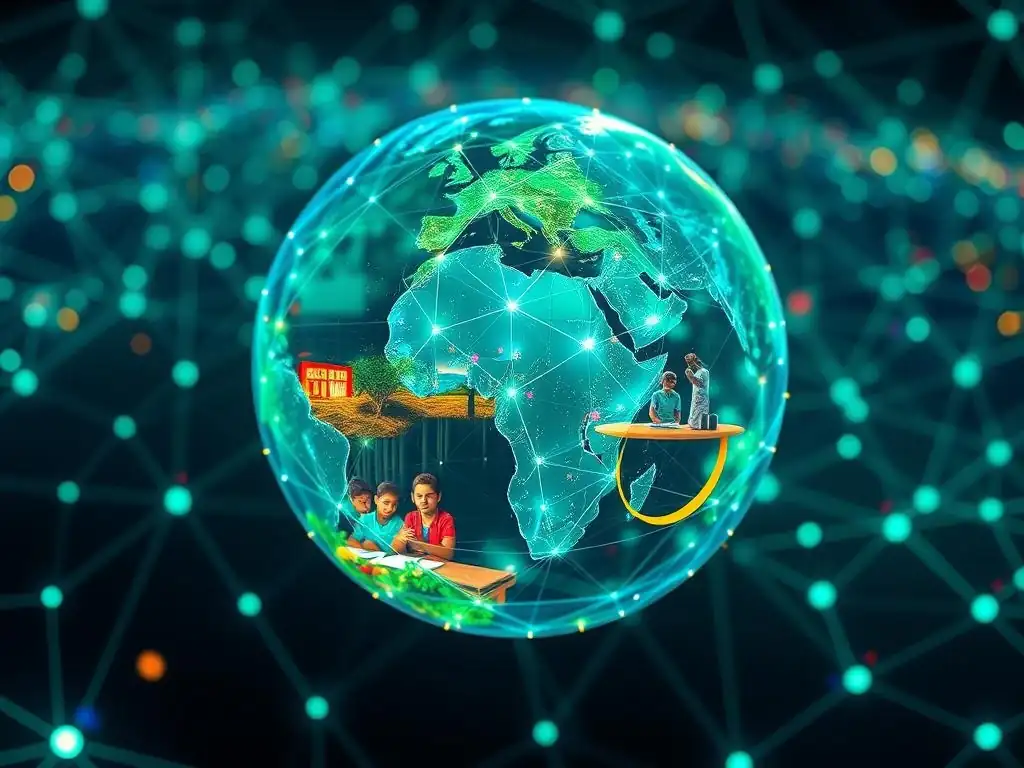
Welcome to Blockchain Trends, your guide to understanding the revolutionary power of blockchain beyond the hype. Are you ready to explore how this groundbreaking technology is shaping a more equitable and transparent future? In this article, we delve into the fascinating world of Social Impact Decentralized Autonomous Organizations (DAOs), unveiling their diverse use cases and examining how they're leveraging blockchain to drive positive change.
Discover how these innovative structures are empowering communities and tackling global challenges, and learn why they represent a pivotal shift in how we approach social good. Intrigued? Read on to uncover the potential of DAOs to build a better world.
Blockchain for Social Good: Empowering Change Through Decentralized Autonomous Organizations
- Introduction: Social Impact DAOs and the Potential for Global Transformation
- Defining Social Impact DAOs: A New Model for Social Change
-
Use Cases: Diverse Applications of Social Impact DAOs
- Environmental Conservation: Protecting Ecosystems and Promoting Sustainability
- Humanitarian Aid: Rapid Response and Transparent Assistance
- Education and Research: Fostering Knowledge and Innovation
- Public Health: Improving Healthcare Access and Outcomes
- Economic Empowerment: Creating Opportunities for Marginalized Communities
- Benefits of Social Impact DAOs: Advantages Over Traditional Organizations
- Challenges and Considerations for Social Impact DAOs
- The Future of Social Impact DAOs: Emerging Trends and Opportunities
- Conclusion: Decentralized Governance for a More Equitable and Sustainable World
-
Frequently Asked Questions
- What exactly are Social Impact Decentralized Autonomous Organizations (DAOs)?
- How do Social Impact DAOs differ from traditional charities or non-profits?
- What are some real-world examples of Social Impact DAOs in action?
- What are the key benefits of using blockchain for social impact initiatives?
- What are the potential challenges in implementing Social Impact DAOs?
- Final Reflection: Empowering Change Through Decentralization
- Ignite Change: Join the Social Impact DAO Revolution!
The landscape of social impact initiatives is undergoing a significant transformation, driven by the emergence of blockchain technology and the innovative structures it enables. Decentralized Autonomous Organizations (DAOs), traditionally associated with the cryptocurrency space, are increasingly being repurposed to address pressing global challenges. These entities represent a paradigm shift from traditional hierarchical organizations, offering new possibilities for transparency, efficiency, and community engagement in the pursuit of social good. Exploring the diverse use cases of Social Impact DAOs unveils a powerful new tool for driving positive change across various sectors, from environmental conservation to humanitarian aid and economic empowerment.
Social impact decentralized autonomous organizations leverage the inherent properties of blockchain – immutability, transparency, and decentralization – to create more accountable and effective frameworks for collective action. Unlike conventional non-profits or charities, where decision-making and fund allocation often reside within a central authority, Social Impact DAOs distribute governance power among their token holders or members.
This distributed model fosters greater participation and ensures that initiatives are aligned with the collective will of the community they serve or represent. As we delve into specific applications, the potential for these decentralized structures to reshape how we approach social and environmental issues becomes increasingly clear.
At the heart of Social Impact DAOs lie the core tenets of blockchain technology: transparency, decentralization, and community governance. Every transaction, decision-making process, and fund allocation can be recorded on a public or permissioned blockchain ledger, making the operations of the DAO fully auditable by anyone.
This unprecedented level of transparency combats corruption and builds trust among participants and beneficiaries, a stark contrast to the opacity that can sometimes plague traditional social impact organizations. For example, a DAO collecting donations for a clean water project could publicly track every dollar raised and how it is spent, from purchasing filtration equipment to paying local workers, providing donors with complete visibility into the impact of their contributions.
Furthermore, the decentralized nature of these organizations means there is no single point of failure or control. Governance decisions are typically made through a consensus mechanism, where members propose and vote on initiatives, funding proposals, and operational changes.
This empowers a broader group of stakeholders – potentially including beneficiaries, volunteers, and donors – to have a direct say in the direction and priorities of the Social Impact DAO. This democratic structure, enabled by smart contracts and blockchain protocols, ensures that the organization remains aligned with its mission and is responsive to the needs of its community, moving away from top-down decision-making models.
Blockchain technology serves as the foundational layer enabling the trust and accountability crucial for effective social impact initiatives. The immutable nature of the blockchain ensures that once data is recorded, it cannot be altered or deleted, creating a permanent and verifiable record of activities. This is particularly valuable in tracking the flow of funds, verifying the execution of projects, and documenting impact metrics.
For instance, a Social Impact DAO focused on disaster relief could use blockchain to record the distribution of aid packages, with each transaction timestamped and linked to specific beneficiaries, providing a secure and tamper-proof audit trail of aid delivery. This enhanced accountability can significantly reduce leakage and ensure resources reach intended recipients.
Beyond financial transactions, blockchain can also be used to verify identities, track assets, and manage complex supply chains involved in social projects. Consider a DAO dedicated to ethical sourcing of goods; blockchain could be used to track products from their origin, verifying fair labor practices and sustainable production methods at each step.
This level of traceability builds trust among consumers and ensures that the social impact claims are verifiable. The use of smart contracts further automates processes and enforces rules agreed upon by the community, such as automatically releasing funds upon verification of a project milestone, thereby embedding accountability directly into the operational logic of the social impact decentralized autonomous organizations.
Social Impact DAOs represent a novel organizational model specifically designed to harness decentralized technologies for the betterment of society and the environment. Unlike profit-driven DAOs, their primary objective is to generate positive externalities, tackling issues such as poverty, inequality, climate change, and public health. These organizations operate on transparent rules encoded in smart contracts, with governance distributed among stakeholders, moving away from traditional hierarchical control structures. This inherent transparency and community-driven approach distinguish them as a potentially more equitable and effective means of organizing collective action for social good.
The defining characteristic of a Social Impact DAO is its commitment to a specific social or environmental mission, executed through decentralized governance and transparent operations on a blockchain. They aim to maximize positive outcomes rather than financial returns for investors, although they may utilize tokenomics or other mechanisms to incentivize participation and resource mobilization. The flexibility of the DAO structure allows for diverse forms of participation, from contributing capital or expertise to voting on proposals or directly engaging in project execution, fostering a strong sense of ownership and collective responsibility among members dedicated to the cause.
Social Impact DAOs differ fundamentally from traditional Non-Governmental Organizations (NGOs) primarily in their governance structure and operational transparency. Traditional NGOs typically have a centralized board of directors or leadership team responsible for decision-making and financial oversight, which can sometimes lead to inefficiencies, lack of transparency, or disconnects with the communities they serve.
Social Impact DAOs, conversely, distribute decision-making power across a network of token holders or members, with proposals and votes often recorded publicly on a blockchain, offering a level of transparency rarely seen in conventional organizations. For example, while a large international NGO might spend a significant percentage of donations on administrative costs (sometimes cited as 10-20% or more), a well-structured Social Impact DAO could potentially reduce overhead by automating processes via smart contracts, directing a higher proportion of funds directly to projects.
Despite these differences, there are potential synergies between Social Impact DAOs and traditional NGOs. Experienced NGOs possess invaluable expertise in project execution, community engagement, and navigating complex regulatory environments – areas where nascent Social Impact DAOs may lack maturity. Collaboration could see NGOs leveraging DAO structures for specific projects requiring high transparency or decentralized funding, while DAOs could benefit from the operational capacity and on-the-ground networks of established NGOs. This hybrid model could combine the trust and efficiency benefits of decentralization with the proven impact delivery mechanisms of traditional organizations, accelerating the overall effectiveness of social impact initiatives worldwide.
Key characteristics define Social Impact DAOs, setting them apart as innovative models for social change. Openness is fundamental; many DAOs operate with transparent treasuries and public transaction histories on the blockchain, allowing anyone to verify financial flows. Membership or participation is often designed to be inclusive, enabling individuals from diverse backgrounds and geographical locations to contribute and have a voice in governance, often simply by holding a specific token or meeting predefined criteria.
This contrasts with the sometimes exclusive nature of traditional board structures. For instance, a Social Impact DAO focused on global education could allow teachers, students, and donors from any country to propose and vote on funding for new educational resources, democratizing access to decision-making.
Another crucial characteristic is the emphasis on quantifiable impact measurement and verification. Because operations are recorded on-chain, Social Impact DAOs can potentially track key performance indicators (KPIs) and outcomes with greater precision and verifiability.
While measuring social impact remains complex, blockchain can help record specific actions or achievements linked to funding, such as verifying the delivery of aid packages, confirming participation in training programs, or tracking the deployment of environmental sensors. Future developments aim to integrate oracles that can bring real-world data onto the blockchain to verify impact claims, providing stakeholders with objective evidence of the organization's effectiveness and ensuring accountability to its mission.
Social impact decentralized autonomous organizations are emerging across a wide spectrum of applications, demonstrating the versatility of this model in addressing diverse global challenges. From protecting fragile ecosystems to providing emergency aid and expanding access to education, DAOs offer new pathways for collective action. These use cases highlight how decentralization and blockchain transparency can enhance effectiveness and trust in initiatives aimed at creating a better world.
Environmental Conservation: Protecting Ecosystems and Promoting Sustainability
Environmental conservation presents a compelling use case for Social Impact DAOs, offering innovative ways to fund initiatives and ensure accountability in protecting natural resources. DAOs can facilitate direct funding models for conservation projects, bypassing intermediaries and potentially reducing administrative overhead. For example, a DAO could be established specifically to protect a rainforest area, allowing global participants to contribute funds directly to local conservation efforts via cryptocurrency, with expenditures transparently recorded on the blockchain. This direct connection between donors and on-the-ground activities builds trust and encourages participation in environmental stewardship.
Moreover, blockchain's traceability features can be leveraged to track and verify sustainable practices within industries like agriculture and forestry. A Social Impact DAO could create a system where sustainable practices are recorded on a blockchain, perhaps through verified data inputs from sensors or third-party auditors. Participants who adopt certified sustainable methods could be rewarded, or consumers could use the blockchain record to verify the ethical and environmental claims of products. This creates a transparent and verifiable system for promoting sustainability throughout supply chains, empowering consumers and incentivizing responsible behavior among producers.
Funding Reforestation Projects and Biodiversity Initiatives Through DAOs
Social Impact DAOs offer a novel mechanism for funding large-scale reforestation and biodiversity projects. Instead of relying on traditional grants or fundraising drives that can have high overheads, a DAO can pool funds from a global community of contributors. For instance, a "TreeDAO" could issue tokens representing a share in the collective effort, with funds directed via smart contracts to vetted reforestation projects.
Contributors could vote on which projects receive funding, ensuring community alignment. Early examples or proposals suggest that such DAOs could potentially mobilize hundreds of thousands or even millions of dollars for specific ecological restoration efforts, significantly accelerating the pace of conservation funding.
The transparency of the blockchain allows donors to see exactly how much capital has been raised and disbursed to specific reforestation sites or biodiversity protection programs. Milestones, such as the number of trees planted or acres protected, could potentially be verified on-chain using oracles linked to satellite imagery or on-the-ground reports, providing tangible proof of impact. This level of verifiable execution builds donor confidence and could unlock new sources of funding from individuals and organizations seeking efficient and transparent ways to contribute to environmental causes, ensuring that capital directly supports conservation outcomes.
Tracking and Verifying Sustainable Practices in Agriculture and Forestry
Tracking and verifying sustainable practices in complex supply chains, such as those in agriculture and forestry, is a critical challenge that Social Impact DAOs can help address. A DAO could oversee a blockchain-based platform where farmers or forest managers record their adherence to sustainable standards, such as using organic farming methods or implementing selective logging. Each recorded practice could be timestamped and potentially verified by community auditors or IoT devices, creating an immutable record on the blockchain. This system provides a verifiable history for products, allowing consumers and regulators to confirm sustainability claims.
For example, a "Sustainable Harvest DAO" could onboard thousands of smallholder farmers, enabling them to record data about their farming practices – water usage, pesticide application (or lack thereof), soil health metrics – directly onto a shared ledger. This data, once verified, could be used to issue "sustainability credits" or provide access to premium markets. The transparency of this system, managed by the DAO, ensures that verification processes are fair and that the data is trustworthy, promoting widespread adoption of sustainable practices and providing a competitive advantage for producers committed to environmental stewardship.
Humanitarian Aid: Rapid Response and Transparent Assistance
Humanitarian aid efforts often face challenges related to speed, transparency, and ensuring funds reach those most in need. Social Impact DAOs present compelling solutions by enabling rapid response mechanisms and creating transparent aid distribution channels. In times of crisis, a pre-established DAO could quickly mobilize funds from global donors and distribute them directly to affected populations, bypassing traditional bureaucratic bottlenecks and significantly accelerating the delivery of assistance.
The use of blockchain allows for every step of the aid distribution process to be recorded, providing an unprecedented level of transparency. This can help combat corruption and ensure accountability, building trust among donors and beneficiaries alike. Furthermore, the decentralized nature of DAOs can facilitate more resilient and censorship-resistant methods of aid delivery, crucial in challenging or unstable environments where centralized systems might be vulnerable.
Distributing Aid Directly to Beneficiaries Using Blockchain-Based Vouchers
One of the most impactful applications of Social Impact DAOs in humanitarian aid is the direct distribution of assistance using blockchain-based voucher systems or stablecoins. Instead of physical goods or cash, which can be difficult to track and secure, aid can be sent directly to the digital wallets of verified beneficiaries.
For example, following a natural disaster, a DAO could rapidly raise funds and issue digital vouchers or stablecoins equivalent to a specific value (e.g., $100 per family) to individuals identified as needing assistance. These digital assets could then be redeemed at participating local vendors for essential goods like food, water, and medicine.
The key advantage here is transparency: every voucher issued and redeemed is recorded on the blockchain, providing a clear and auditable trail of where the aid went and how it was used. This significantly reduces the risk of diversion or corruption compared to traditional methods.
Projects using similar blockchain-based cash transfer systems in pilot programs have shown the potential to deliver aid more efficiently, sometimes reducing delivery times from weeks to days and ensuring a high percentage (e.g., over 90%) of funds reach the intended recipients directly. This direct-to-beneficiary model, governed by a Social Impact DAO, empowers recipients and provides donors with confidence in the effectiveness of their contributions.
Coordinating Disaster Relief Efforts with Decentralized Communication Platforms
Beyond financial aid, Social Impact DAOs can play a crucial role in coordinating disaster relief efforts using decentralized communication and coordination platforms. In the aftermath of a disaster, traditional communication infrastructure may be damaged or overloaded. Decentralized networks built on blockchain or similar technologies can provide resilient communication channels for aid workers, volunteers, and affected communities to share information, coordinate logistics, and report needs. A DAO could govern such a platform, ensuring its neutrality and accessibility.
For instance, a DAO could manage a decentralized mapping application where local residents or aid workers can report damaged areas, identify safe zones, or request specific types of aid. This information, recorded immutably on a distributed ledger, provides a real-time, verifiable picture of the situation on the ground, enabling more effective allocation of resources. The decentralized governance of the DAO ensures that the platform serves the needs of the affected community and aid providers, rather than being controlled by a single entity, fostering trust and enabling more agile and responsive relief operations during critical times.
Education and Research: Fostering Knowledge and Innovation
Social Impact DAOs have the potential to revolutionize funding and access within the education and research sectors, promoting open knowledge sharing and supporting underserved communities. By decentralizing funding mechanisms, DAOs can democratize access to educational resources and accelerate research into critical areas.
Funding Open-Source Research and Development Projects
Funding for open-source research and development, particularly in areas of public good like medicine, environmental science, or fundamental technologies, can be challenging within traditional frameworks. Social Impact DAOs offer a promising alternative by allowing global communities to collectively fund research projects. A DAO focused on medical research, for example, could accept proposals for studies on rare diseases, with token holders voting on which projects receive funding from the DAO's treasury. Funds could be released programmatically via smart contracts as research milestones are met, increasing accountability.
This model can incentivize collaboration and open knowledge sharing. Researchers funded by such a DAO might be required to make their findings publicly available, accelerating scientific progress for the benefit of all. Early examples in the decentralized science (DeSci) movement, which often utilizes DAO structures, have demonstrated the feasibility of pooling significant capital – sometimes raising millions of dollars – for specific research objectives outside of traditional institutional funding bodies, fostering innovation and promoting the free dissemination of knowledge.
Providing Scholarships and Educational Resources to Underserved Students
Social Impact DAOs can also play a vital role in expanding access to education by providing scholarships and educational resources to students in underserved communities globally. A DAO could be established with the specific mission of funding education, accepting donations and distributing funds to students based on criteria agreed upon by the DAO members. The use of blockchain ensures transparency in fund distribution, allowing donors to see that their contributions are directly supporting students' educational journeys.
Consider a DAO focused on providing scholarships to students in developing countries. Donors from around the world could contribute, and a decentralized governance process involving educators, community leaders, and potentially students themselves could select scholarship recipients and manage fund disbursement. Digital credentials or proofs of enrollment could potentially be used on-chain to verify eligibility and ensure funds are used for educational purposes. This direct and transparent mechanism, managed by a Social Impact DAO, can bypass geographical barriers and administrative costs, making educational opportunities more accessible and equitable for students worldwide.
Public Health: Improving Healthcare Access and Outcomes
Improving public health requires coordinated efforts, secure data management, and efficient resource allocation. Social Impact DAOs offer innovative approaches to these challenges, particularly in areas like secure data sharing and funding critical health research.
Managing and Sharing Medical Data Securely and Privately
The secure and private management of medical data is paramount, yet often challenging due to privacy concerns and fragmented systems. Social Impact DAOs could govern decentralized platforms that allow individuals to control access to their health data and potentially share it pseudonymously for research purposes. A DAO could set the rules for data access, usage, and compensation (if any), ensuring that individuals retain ownership and control over their sensitive information. This approach could unlock vast amounts of data for medical research while upholding patient privacy.
For example, a DAO focused on genomics research could manage a platform where individuals contribute their genomic data. Access to this data for research could require approval via DAO governance, and data usage could be tracked on the blockchain, providing an immutable audit trail. This decentralized model, overseen by a Social Impact DAO, offers a more trustworthy alternative to centralized data repositories, potentially accelerating breakthroughs in understanding and treating diseases by facilitating secure, consent-driven data sharing for public health benefit.
Funding Research into Emerging Diseases and Public Health Challenges
Funding research into emerging diseases and persistent public health challenges is a critical area where Social Impact DAOs can make a significant impact. Similar to funding open-source research, a DAO can pool resources from a global community to support studies on specific health threats, such as pandemic preparedness, vaccine development, or combating neglected tropical diseases. Token holders could vote on research proposals, ensuring that funding is directed towards projects deemed most critical by the community.
The transparency of the DAO's treasury and funding process allows donors to track how their contributions are being used for public health research. Milestones achieved by research teams could be verified on-chain, triggering further funding releases via smart contracts. This direct and transparent funding model, managed by a Social Impact DAO, can accelerate the pace of research into vital public health areas that may be underfunded by traditional mechanisms, fostering innovation and collaboration in the fight against global health threats.
Economic Empowerment: Creating Opportunities for Marginalized Communities
Economic empowerment is a key driver of social progress, and Social Impact DAOs can create new pathways for marginalized communities to access financial resources, build businesses, and participate in fair markets. By leveraging decentralized finance (DeFi) principles and transparent governance, DAOs can foster economic inclusion.
Supporting Small Businesses and Entrepreneurship Through Decentralized Loans
Access to capital is a major barrier for small businesses and entrepreneurs in many marginalized communities. Social Impact DAOs can establish decentralized lending pools where individuals can contribute capital and entrepreneurs can apply for loans based on community-defined criteria. Unlike traditional banks, these lending DAOs can potentially operate with lower overheads and use alternative credit scoring mechanisms or community guarantees. For instance, a DAO focused on empowering women entrepreneurs in rural areas could provide small, interest-free or low-interest loans, with repayment tracked on the blockchain.
The governance structure of the DAO allows community members to participate in the loan application review process or set the terms of the lending pool. This localized and transparent approach ensures that funding decisions are made by those who understand the community's needs, increasing the likelihood of successful outcomes. By providing accessible and transparent financial support, Social Impact DAOs can unlock entrepreneurial potential and stimulate economic growth in underserved regions, fostering economic empowerment from the ground up.
Promoting Fair Labor Practices and Ethical Supply Chains
Ensuring fair labor practices and ethical supply chains is a complex global challenge. Social Impact DAOs can create decentralized platforms that promote transparency and accountability within supply chains, particularly for goods produced in regions with weak labor protections. A DAO could establish a system where producers and intermediaries record compliance with fair labor standards on a blockchain, creating a verifiable history for products. Workers could potentially use the platform to report grievances, with verification and resolution processes managed via DAO governance.
Consider a DAO focused on the garment industry. Brands, manufacturers, and even workers could participate, recording data about working conditions, wages, and safety standards on a shared, immutable ledger. Consumers could then scan a QR code on a garment to access this verifiable history, ensuring that the product was made ethically. This transparency, overseen by a Social Impact DAO, incentivizes companies to adopt fair practices and empowers consumers to make informed choices, driving demand for ethical production and promoting economic justice for workers worldwide.
Social Impact DAOs offer several compelling advantages over traditional organizational structures when it comes to driving positive change. These benefits stem directly from the underlying principles of blockchain and decentralized governance.
Enhanced Transparency and Traceability
One of the most significant benefits of Social Impact DAOs is the enhanced transparency and traceability they provide. Every transaction, from donations received to funds disbursed for projects, is recorded on a public or permissioned blockchain ledger. This creates a permanent, immutable record that can be audited by anyone, anywhere.
Donors can see exactly where their money is going and how it is being used, providing a level of accountability that is often difficult to achieve with traditional organizations. For example, a DAO funding clean water projects could show on-chain records of funds being transferred to local suppliers for pipes and filtration systems, followed by records of payments to construction teams, all verifiable by the public.
This transparency extends beyond financial flows to operational decisions. In many Social Impact DAOs, proposals and voting records are also stored on the blockchain, making the decision-making process open to scrutiny. This fosters greater trust among participants and the wider community, as the rationale and execution of initiatives are publicly visible. The ability to trace every step of a project's lifecycle, from funding to implementation, significantly reduces opportunities for corruption and ensures that the organization remains true to its social mission, building confidence among all stakeholders involved in social impact decentralized autonomous organizations.
Increased Efficiency and Reduced Costs
Social Impact DAOs have the potential to operate with significantly increased efficiency and reduced costs compared to traditional organizations. By automating processes through smart contracts, DAOs can minimize the need for extensive administrative staff and bureaucratic overhead. For instance, instead of manual grant application reviews and disbursement processes, a DAO could use smart contracts to automatically release funds to projects upon verifiable completion of predefined milestones. This automation streamlines operations and frees up resources that can be directed towards the actual social impact work.
Furthermore, the decentralized nature can reduce the need for physical infrastructure and centralized management structures, particularly for global initiatives. Fundraising can occur directly from a global pool of potential donors without relying on expensive intermediaries or fundraising events. While initial setup and technical expertise are required, the long-term operational costs of a well-designed Social Impact DAO focused on efficiency could be substantially lower than those of a comparable traditional organization, meaning more resources can be dedicated directly to achieving the desired social or environmental outcomes.
Greater Community Ownership and Participation
A core strength of Social Impact DAOs is their ability to foster greater community ownership and participation. By distributing governance power among token holders or members, DAOs empower a broader range of stakeholders – including beneficiaries, volunteers, experts, and donors – to have a voice in the organization's direction. This contrasts with the often top-down decision-making structures of traditional non-profits, where a small board holds significant power. In a DAO, anyone who meets the membership criteria (e.g., holding a specific token, contributing to the project) can typically propose initiatives, vote on proposals, and actively participate in the organization's development.
This sense of collective ownership and direct participation can lead to stronger engagement and a more resilient organization. Members are more likely to be invested in the success of initiatives they helped shape. For example, a DAO focused on community development in a specific region could give governance rights to local residents, ensuring that projects are aligned with their actual needs and priorities. This inclusive model leverages the collective intelligence and passion of the community, making Social Impact DAOs powerful tools for participatory social change.
Improved Fundraising and Resource Mobilization
Social Impact DAOs can significantly improve fundraising and resource mobilization efforts. The transparent nature of blockchain-based treasuries can attract donors who value knowing exactly where their money is going. The ability to accept cryptocurrency donations from anywhere in the world removes geographical barriers and simplifies international contributions. Furthermore, DAOs can experiment with innovative tokenomics models to incentivize contributions and participation, such as issuing tokens that grant governance rights or offer other forms of non-financial rewards for supporting the mission.
The decentralized structure also allows for more direct and potentially viral fundraising campaigns. A compelling social impact project proposed and approved by the community within a DAO can quickly gain traction and mobilize resources from a global network of supporters who resonate with the mission and trust the transparent process. This allows Social Impact DAOs to tap into new pools of philanthropic capital and leverage the power of decentralized networks to fund initiatives more effectively than traditional methods might allow, ultimately facilitating greater resource mobilization for critical social causes.
Despite their promise, Social Impact DAOs face several significant challenges and considerations that need to be addressed for their widespread adoption and success. These hurdles range from navigating complex legal landscapes to ensuring technical accessibility for diverse user groups.
Regulatory Compliance and Legal Clarity
One of the most significant challenges for Social Impact DAOs is navigating the complex and often uncertain regulatory landscape. The legal status of DAOs is still evolving globally, and their decentralized nature doesn't fit neatly into existing legal frameworks designed for traditional entities like corporations or non-profits.
This ambiguity can create challenges regarding legal liability, tax obligations, and compliance with regulations specific to fundraising or operational activities in different jurisdictions. For instance, determining who is legally responsible if a Social Impact DAO's project encounters issues or if funds are mismanaged can be difficult in the absence of clear legal precedents.
Furthermore, regulations around cryptocurrency and blockchain technology are constantly changing, adding another layer of complexity. Social Impact DAOs need to ensure they comply with anti-money laundering (AML) and know-your-customer (KYC) regulations, particularly when handling significant amounts of funds, which can conflict with the desire for anonymity or permissionless participation. Establishing clear legal wrappers or frameworks for Social Impact DAOs that are recognized across different jurisdictions is crucial for their long-term viability and ability to operate effectively and safely within the existing legal system.
Technical Expertise and User Accessibility
Another challenge is the requirement for a certain level of technical expertise from participants and ensuring user accessibility for diverse populations. Engaging with a Social Impact DAO typically requires using cryptocurrency wallets, understanding blockchain transactions, and interacting with dApps (decentralized applications) for governance voting or accessing services. This can be a significant barrier for individuals unfamiliar with blockchain technology, particularly in communities that may benefit most from social impact initiatives but have limited access to technology or digital literacy.
Making Social Impact DAOs truly inclusive requires developing user-friendly interfaces and providing education and support to potential members. While technical infrastructure is improving, the complexity of managing private keys and navigating decentralized platforms remains a hurdle for widespread adoption beyond the blockchain-savvy community. Overcoming this challenge is essential to ensure that Social Impact DAOs can effectively serve marginalized communities and involve a broad base of stakeholders in their governance and activities, rather than being limited to a niche group.
Security and Scalability of Blockchain Infrastructure
The underlying blockchain infrastructure supporting Social Impact DAOs also presents challenges related to security and scalability. While blockchain is inherently secure due to cryptographic principles, DAOs built on top of it can still be vulnerable to smart contract bugs, governance attacks (e.g., 51% attacks if token distribution is not carefully managed), or exploits in integrated protocols. A single vulnerability in a smart contract managing the DAO's treasury could lead to the loss of all funds, posing a significant risk to the organization's ability to fulfill its mission.
Scalability is another concern, particularly for DAOs seeking to operate at a large scale or handle a high volume of transactions or governance votes. Some blockchains can become congested and expensive to use when activity is high, potentially hindering the efficient operation of a Social Impact DAO. While layer 2 solutions and more scalable blockchain protocols are emerging, ensuring that the chosen infrastructure can reliably support the DAO's activities as it grows is critical. Robust security audits and careful consideration of the underlying blockchain's capabilities are necessary steps for building resilient social impact decentralized autonomous organizations.
Effective Governance and Decision-Making Mechanisms
Designing effective governance and decision-making mechanisms within a Social Impact DAO is a complex task. While decentralized governance offers benefits like inclusivity and transparency, it can also lead to challenges such as voter apathy, low participation rates in proposals, or gridlock if consensus is difficult to reach. Ensuring that governance processes are efficient, representative, and resistant to manipulation is crucial for the DAO's ability to make timely and sound decisions regarding its social mission.
Developing fair token distribution models that align incentives and prevent excessive concentration of power is also vital. A governance system where a few large token holders can dominate voting may not truly represent the community's interests. Social Impact DAOs need to carefully consider different governance models (e.g., token-based voting, quadratic voting, reputation-based systems) and adapt them to their specific context and mission to ensure that decision-making is genuinely decentralized, representative, and effective in driving the desired social impact outcomes.
The field of Social Impact DAOs is still in its nascent stages, but several emerging trends and opportunities suggest a promising future. As the technology matures and best practices are developed, Social Impact DAOs are poised to become increasingly influential players in the global social impact landscape.
A significant future trend is the potential for deeper integration between Social Impact DAOs and traditional social impact organizations. Instead of viewing DAOs as outright replacements for NGOs or foundations, a more likely path involves collaboration. Traditional organizations could leverage DAO structures for specific functions, such as managing transparent funding pools for particular projects or using decentralized governance for community-led initiatives. For example, a large international aid organization might launch a specific program managed by a DAO to ensure hyper-transparency in fund distribution for a particular crisis response.
This integration could allow traditional organizations to benefit from the efficiency and transparency of blockchain while Social Impact DAOs gain from the established operational capacity, expertise, and trust built by NGOs over years. Hybrid models could emerge where a traditional non-profit acts as a core team or service provider for a DAO, executing projects approved and funded by the decentralized community. This synergy could accelerate the adoption of DAO principles in the social sector and amplify the impact of both types of organizations.
Development of Standardized Impact Measurement Frameworks
The future success of Social Impact DAOs will heavily rely on the development of standardized and verifiable impact measurement frameworks. While blockchain excels at tracking financial transactions and governance decisions, quantifying social and environmental impact remains challenging. Emerging efforts are focused on creating on-chain mechanisms and oracles that can reliably bring real-world impact data onto the blockchain, such as verified reports on carbon sequestration, educational outcomes, or health improvements.
Standardized frameworks, potentially developed and governed by specialized DAOs themselves, would enable Social Impact DAOs to consistently measure and report their effectiveness using metrics that are transparent and auditable. This would increase accountability to stakeholders and allow for better comparison and evaluation of different social impact initiatives. As these measurement tools mature, Social Impact DAOs will be better equipped to demonstrate their tangible contributions to social good, attracting more funding and participation based on verifiable results.
Cross-Chain Interoperability and Collaboration
As the blockchain ecosystem evolves, cross-chain interoperability and collaboration between different Social Impact DAOs will become increasingly important. Currently, many DAOs operate within specific blockchain networks, which can limit their reach and ability to collaborate with initiatives on other chains. Future developments in cross-chain bridges and protocols will allow for seamless interaction and value transfer between different networks.
This interoperability will enable Social Impact DAOs focused on different areas (e.g., one on environmental conservation, another on humanitarian aid) to collaborate on complex projects that require diverse expertise and resources. For instance, an environmental DAO might collaborate with an economic empowerment DAO to fund sustainable livelihood projects in vulnerable ecosystems. Increased collaboration through interoperable infrastructure will unlock greater potential for collective action and allow Social Impact DAOs to tackle more complex global challenges in a coordinated and efficient manner.
Conclusion: Decentralized Governance for a More Equitable and Sustainable World
Social Impact DAOs represent a powerful evolution in how we can organize collective action for social good. By leveraging the core principles of blockchain technology – transparency, decentralization, and immutability – these decentralized autonomous organizations offer a compelling alternative and complement to traditional models of social change. Their diverse use cases, spanning environmental protection, humanitarian aid, education, public health, and economic empowerment, demonstrate their potential to address some of the world's most pressing issues with increased efficiency, accountability, and community engagement.
Social impact decentralized autonomous organizations are not a panacea, and they face significant challenges related to regulation, technical accessibility, and governance design. However, the advantages they offer in terms of enhanced transparency, reduced costs, greater community ownership, and improved resource mobilization make them a powerful tool in the arsenal of those working towards a more equitable and sustainable world. As the technology matures and the ecosystem develops, the potential for Social Impact DAOs to scale their impact and integrate with existing social structures will only grow.
Ultimately, the success of Social Impact DAOs will depend on their ability to overcome current hurdles, build robust and inclusive governance models, and effectively leverage blockchain technology to create verifiable, tangible positive outcomes. With continued innovation, collaboration, and a focus on their core mission, these decentralized entities have the capacity to empower communities, foster trust, and drive significant progress towards a better future for all, embodying the promise of decentralized governance applied to the pursuit of social good.
Frequently Asked Questions
Social Impact DAOs are decentralized organizations that leverage blockchain technology to pursue socially beneficial goals. They operate autonomously through smart contracts, enabling transparent and community-driven decision-making.
Unlike traditional organizations, Social Impact DAOs offer greater transparency through blockchain's immutable ledger. They foster community governance where stakeholders can directly participate in decision-making, and they facilitate more efficient fund allocation.
Examples include DAOs focused on funding renewable energy projects, providing microloans to entrepreneurs in developing countries, or supporting disaster relief efforts with transparent fund distribution.
Blockchain offers enhanced transparency and accountability, ensuring funds are used as intended. It also enables greater efficiency in operations and fosters inclusive participation from a global community.
Challenges include regulatory uncertainties surrounding DAOs, the need for user-friendly interfaces to onboard non-technical users, and ensuring robust cybersecurity measures to protect funds and data.
Final Reflection: Empowering Change Through Decentralization
The exploration of Social Impact DAOs has revealed a powerful truth: blockchain technology, when harnessed for good, can be a catalyst for profound societal transformation. From transparent charitable giving to community-led environmental initiatives, the diverse use cases we've examined demonstrate the immense potential of decentralized governance to address pressing global challenges. This isn't just about technology; it's about empowering individuals and communities to shape their own futures.
The rise of Social Impact DAOs marks a significant shift in how we approach social change. It's a move towards greater transparency, accountability, and inclusivity, values that are desperately needed in a world often plagued by centralized power and opaque decision-making. This resonates deeply because it offers a tangible alternative, a way to build systems that are inherently more equitable and responsive to the needs of the people they serve. Never doubt that a small group of thoughtful, committed citizens can change the world; indeed, it's the only thing that ever has.
- Margaret Mead. This quote perfectly encapsulates the spirit of Social Impact DAOs, where collective action, driven by shared values, can lead to meaningful and lasting impact.
As we conclude this journey into the world of Social Impact DAOs, I invite you to consider your own role in this evolving landscape. How can you leverage the principles of decentralization and transparency to create positive change in your community or the world at large? The tools are available, the potential is immense, and the time to act is now. Let us embrace the power of Social Impact DAOs to build a more just, equitable, and sustainable future for all.
Thank you for exploring the transformative potential of Social Impact DAOs with us! You've seen how blockchain technology is being harnessed to address pressing global challenges. Now, it's time to move from awareness to action.
What's next?
- Identify a Social Impact DAO that aligns with your values and consider contributing your skills or resources. This is your primary step toward making a difference.
- Share this article with your network to raise awareness about the power of Social Impact DAOs. Together, we can build a movement!
- Think about a challenge in your local community that could be addressed through a DAO. You might be the catalyst for a new social impact initiative.
Which global issue are you most passionate about solving through decentralized technology? Share your thoughts in the comments below!
Leave a Reply