
The Promise of Decentralized Streaming Services for Gaming Content

Welcome to Blockchain Trends, your definitive guide to understanding the revolutionary power of blockchain beyond the hype.
Are you ready to unlock a new era for gaming content? Dive in as we explore the untapped potential of decentralized gaming streaming benefits. Discover how blockchain is poised to reshape the landscape, offering gamers and creators alike unprecedented control, ownership, and revenue opportunities. Intrigued? The future of gaming is decentralized – let's explore how!
- Introduction: The Evolving Landscape of Gaming Content Streaming
- Understanding Decentralized Streaming Technology
- Decentralized Gaming Streaming Benefits: A Detailed Look
- Comparing Centralized vs. Decentralized Gaming Streaming: A Feature Breakdown
- Real-World Examples of Decentralized Gaming Streaming Platforms
- Overcoming the Challenges of Decentralized Streaming
- The Future of Gaming Content Streaming: A Decentralized Vision
- Conclusion: Embracing the Decentralized Revolution in Gaming Content
-
Frequently Asked Questions
- What are the main benefits of decentralized gaming streaming compared to traditional platforms like Twitch?
- How does blockchain technology enable the advantages of decentralized gaming streaming?
- What are some of the challenges currently facing the widespread adoption of decentralized gaming streaming?
- What are some examples of decentralized streaming platforms currently being developed for gaming content?
- How might regulation impact the future of decentralized gaming streaming and its potential benefits?
- Final Reflection: Embracing the Decentralized Gaming Revolution
- Unleash Your Inner Gamer: Explore the Future of Streaming!
Introduction: The Evolving Landscape of Gaming Content Streaming
Gaming content streaming has become a dominant force in the entertainment industry, with platforms like Twitch and YouTube Gaming attracting millions of viewers and content creators globally. These centralized platforms have revolutionized how gamers consume and share gameplay, fostering vibrant communities and creating new career paths for streamers. The traditional model relies on a central authority to manage content delivery, monetization, and community interaction.
However, this centralized structure also presents limitations in terms of creator control, censorship, and revenue distribution. As blockchain technology matures and its applications expand, a compelling alternative is emerging: decentralized gaming streaming. This paradigm shift promises to address the inherent shortcomings of centralized platforms and unlock new opportunities for both content creators and viewers.
The current landscape of gaming content streaming is characterized by a few dominant players who dictate terms and policies. While these platforms offer vast reach and established infrastructure, they also exert significant control over content creators. Streamers are subject to platform-specific rules, revenue sharing models, and the risk of sudden policy changes or account suspensions.
Viewers, too, are often limited by platform algorithms and content curation, potentially missing out on diverse or niche content. The rise of decentralized streaming services, powered by blockchain, signifies a move towards a more equitable and transparent ecosystem where creators have greater autonomy and viewers have more control over their experience.
The Limitations of Traditional Centralized Gaming Streaming Platforms
Centralized gaming streaming platforms, while successful, are inherently limited by their architecture and business models. A primary concern is the lack of creator control. Streamers are essentially tenants on these platforms, subject to platform-defined terms of service that can change without notice.
This includes revenue splits, content moderation policies, and even the ability to monetize content at all. For instance, platforms typically take a significant cut of streamer revenue, often around 50% or more, leaving creators with a smaller share of their earnings. Furthermore, content moderation on centralized platforms is often opaque and inconsistent, leading to instances of perceived censorship or unfair bans, impacting creators' livelihoods and freedom of expression.
Another significant limitation is the potential for platform bias and algorithmic control. Centralized platforms use proprietary algorithms to determine content visibility and recommendations. These algorithms, while intended to enhance user experience, can inadvertently prioritize certain types of content or creators, leading to reduced discoverability for others.
Smaller or niche streamers may struggle to gain traction as platform algorithms favor established or mainstream content. Moreover, the centralized nature of these platforms makes them vulnerable to single points of failure and data breaches. Large-scale outages or security breaches can disrupt services for millions of users and compromise sensitive data, highlighting the risks associated with relying on centralized infrastructure.
Why Decentralized Gaming Streaming is Gaining Traction
Decentralized gaming streaming is gaining traction because it offers solutions to many of the limitations inherent in centralized platforms. The core appeal lies in the promise of greater creator empowerment and control. By leveraging blockchain technology, decentralized platforms aim to shift power away from central authorities and towards content creators and viewers. This includes giving creators more ownership over their content, fairer revenue models, and greater autonomy in content moderation. The concept of decentralized gaming streaming benefits creators by offering a more equitable and transparent environment.
Furthermore, the growing interest in decentralized technologies and Web3 principles fuels the demand for decentralized streaming alternatives. Gamers and content creators are increasingly aware of the potential of blockchain to create more democratic and user-centric online experiences. The promise of reduced censorship, enhanced privacy, and community-driven governance resonates strongly with those seeking alternatives to the centralized web.
The success of blockchain in other sectors, such as decentralized finance (DeFi), has demonstrated the viability of decentralized models and paved the way for their adoption in content streaming. The potential for decentralized platforms to foster stronger communities, incentivize participation, and reward contributions further contributes to their growing appeal within the gaming and streaming ecosystems.
Understanding Decentralized Streaming Technology
Decentralized streaming technology leverages the power of blockchain to distribute content and manage platform operations without relying on a central intermediary. This innovative approach aims to create a more transparent, resilient, and creator-centric streaming ecosystem. By distributing control and data across a network of nodes, decentralized platforms mitigate the risks associated with centralized systems and unlock new possibilities for content delivery and monetization. The fundamental shift lies in moving away from a hierarchical, platform-controlled model to a more distributed and community-driven architecture.
The core principles of decentralization – transparency, immutability, and distributed control – are applied to various aspects of the streaming process, from content storage and delivery to revenue distribution and governance. This results in a system where creators have more direct control over their content and earnings, viewers have more agency in content curation, and the platform itself is less susceptible to censorship or single points of failure. Decentralized streaming is not just about technology; it's about fundamentally rethinking the relationship between creators, viewers, and the platform itself, fostering a more collaborative and equitable ecosystem.
How Blockchain Technology Enables Decentralized Streaming
Blockchain technology is the foundational layer that enables decentralized streaming by providing a secure, transparent, and immutable ledger for managing various aspects of the streaming ecosystem. At its core, blockchain facilitates the distribution of data and control across a network of participants, eliminating the need for a central authority. In the context of streaming, blockchain can be used to manage content ownership, track viewership, distribute payments, and govern platform rules. This distributed ledger ensures that all transactions and interactions are recorded transparently and cannot be altered, fostering trust and accountability within the ecosystem.
Smart contracts, self-executing agreements written in code and deployed on a blockchain, are crucial for automating key processes in decentralized streaming. For instance, smart contracts can automatically distribute revenue to content creators based on viewership metrics, ensuring fair and transparent payments. They can also manage content licenses and rights, preventing unauthorized distribution and protecting creator intellectual property.
Furthermore, blockchain's inherent security features, such as cryptography and consensus mechanisms, enhance the overall security and resilience of decentralized streaming platforms, making them less vulnerable to censorship and manipulation compared to centralized systems. The use of blockchain ensures that the platform's operations are transparent and auditable, building trust among creators and viewers.
Key Components of a Decentralized Gaming Streaming Platform
A decentralized gaming streaming platform comprises several key components working in concert to deliver a streaming experience that differs fundamentally from centralized alternatives. These components address content storage, delivery, monetization, and governance in a decentralized manner, leveraging blockchain and related technologies. Understanding these components is crucial to grasping the architecture and functionality of decentralized streaming platforms and how they deliver on the promise of decentralization.
These key components include:
- Decentralized Content Delivery Network (dCDN): Instead of relying on centralized servers, dCDNs distribute content across a network of nodes, often leveraging peer-to-peer (P2P) technology. This reduces latency, improves resilience, and potentially lowers costs.
- Blockchain for Transactions and Smart Contracts: Blockchain serves as the ledger for recording all transactions, including payments, content ownership, and governance decisions. Smart contracts automate processes like revenue distribution and content licensing.
- Tokenomics and Incentive Mechanisms: Decentralized platforms often utilize native tokens to incentivize participation from both content creators and viewers. These tokens can be used for rewards, governance, and accessing premium features.
- Decentralized Identity and User Management: Users may have control over their data and identity, potentially using blockchain-based identity solutions for greater privacy and security.
- Community Governance Mechanisms: Decentralized platforms often incorporate community governance, allowing token holders to participate in decision-making processes related to platform development and content policies.
Tokenomics and Incentives for Content Creators and Viewers
Tokenomics plays a crucial role in decentralized gaming streaming platforms by providing incentive structures that encourage participation and contribution from both content creators and viewers. Native tokens within these ecosystems serve multiple purposes, acting as both a medium of exchange and a mechanism for rewarding valuable actions. For content creators, tokens can represent direct earnings from viewership, donations, or platform rewards, often with a significantly higher revenue share compared to centralized platforms. Instead of a 50/50 split, some decentralized platforms offer creators upwards of 90% of the revenue generated from their content, showcasing a substantial improvement in earning potential.
Viewers are also incentivized through tokenomics. They can earn tokens by watching streams, participating in chat, contributing to the community, or even providing bandwidth for the dCDN. These tokens can then be used to support creators, access premium content, participate in platform governance, or be exchanged for other cryptocurrencies or fiat currency.
This creates a circular economy where both creators and viewers are actively engaged and rewarded for their contributions to the ecosystem. For example, some platforms allow viewers to stake tokens to support their favorite streamers, earning staking rewards while simultaneously boosting the streamer's visibility and platform ranking. This symbiotic relationship, fueled by token incentives, strengthens community engagement and fosters a more vibrant and participatory streaming environment.
Decentralized Content Delivery Networks (dCDNs)
Decentralized Content Delivery Networks (dCDNs) are a fundamental building block of decentralized gaming streaming, addressing the challenge of efficiently and reliably delivering high-bandwidth video content without relying on centralized infrastructure. Traditional CDNs utilize geographically distributed servers owned and operated by a single entity. In contrast, dCDNs leverage a network of distributed nodes, often utilizing peer-to-peer (P2P) technology, to distribute content. This approach offers several potential advantages, including improved resilience, reduced latency, and potentially lower costs.
P2P dCDNs function by allowing viewers to contribute their unused bandwidth to help distribute content to other viewers. When a user requests a stream, the dCDN identifies the closest and fastest nodes in the network to deliver the data, rather than relying on a distant centralized server. This reduces network congestion and latency, resulting in a smoother streaming experience, especially for viewers geographically distant from centralized servers.
Furthermore, dCDNs are inherently more resilient to outages as there is no single point of failure. If some nodes go offline, the network can continue to function as long as there are enough nodes remaining to serve content. While challenges remain in terms of ensuring consistent quality of service and incentivizing node participation, dCDNs represent a crucial innovation for scalable and cost-effective decentralized streaming.
Decentralized Gaming Streaming Benefits: A Detailed Look
Decentralized gaming streaming offers a multitude of benefits compared to traditional centralized platforms, fundamentally altering the landscape for content creators and viewers alike. These advantages stem from the core principles of decentralization – transparency, control, and community empowerment – enabled by blockchain technology. Examining these benefits in detail reveals the transformative potential of decentralized streaming to create a more equitable, efficient, and engaging ecosystem for gaming content. The key advantages often revolve around shifting power dynamics and offering tangible improvements in areas where centralized platforms fall short.
These benefits can be broadly categorized into enhanced creator control and ownership, improved user experience and community engagement, and increased transparency and data privacy. Each of these categories addresses specific pain points associated with centralized streaming and highlights the potential of decentralized solutions to create a more desirable streaming environment. Understanding these benefits is crucial for appreciating the growing interest in and adoption of decentralized gaming streaming platforms.
Enhanced Content Creator Control and Ownership
One of the most significant decentralized gaming streaming benefits is the enhanced control and ownership it offers to content creators. In the centralized model, creators are largely beholden to platform policies and algorithms, with limited agency over their content and revenue streams. Decentralized platforms aim to reverse this dynamic, empowering creators to take ownership of their work and engage with their audience on their own terms. This shift in power dynamic is a fundamental departure from the centralized paradigm and appeals strongly to creators seeking greater autonomy and control over their careers.
This enhanced control manifests in several key areas, including content ownership, monetization, and freedom from censorship. Decentralized platforms often leverage blockchain to establish clear and immutable records of content ownership and rights. Creators have more flexibility in how they monetize their content, often retaining a significantly larger share of revenue compared to centralized platforms. Furthermore, the decentralized nature of these platforms can reduce the risk of arbitrary censorship or platform bias, allowing creators to express themselves more freely and engage with their communities without fear of sudden deplatforming or content restrictions.
Eliminating Censorship and Platform Bias
Decentralized gaming streaming platforms offer a significant advantage in eliminating censorship and platform bias, issues that have plagued centralized platforms. Centralized platforms, acting as gatekeepers, have the power to unilaterally remove content or suspend accounts based on their own subjective interpretations of community guidelines. This can lead to situations where legitimate content is censored or creators are unfairly penalized due to opaque and inconsistent moderation policies. Decentralized platforms, by distributing control and relying on community governance mechanisms, aim to mitigate these issues and create a more censorship-resistant environment.
The use of blockchain and decentralized governance models can make it significantly more difficult for any single entity to censor content arbitrarily. Content moderation policies, in many decentralized platforms, are often transparent and determined through community consensus or voting, rather than dictated by a central authority. This approach promotes greater fairness and accountability, reducing the risk of platform bias influencing content visibility or creator opportunities. While content moderation is still necessary to maintain a healthy community environment, decentralized platforms strive for a more transparent and community-driven approach that minimizes the potential for censorship and bias.
Direct Monetization Opportunities through Blockchain
Decentralized gaming streaming platforms unlock direct monetization opportunities for content creators through the integration of blockchain-based payment systems and tokenomics. Traditional centralized platforms often impose significant revenue shares, taking a substantial cut of streamer earnings. In contrast, decentralized platforms empower creators to monetize their content directly, retaining a much larger portion of their revenue. This is often achieved through the use of cryptocurrencies and smart contracts, which facilitate transparent and efficient payments directly from viewers to creators, bypassing intermediaries and reducing transaction fees.
Smart contracts can automate revenue distribution based on various metrics, such as viewership time, donations, or subscriptions, ensuring transparent and instant payouts to creators. Furthermore, decentralized platforms often utilize native tokens that can be earned by creators and viewers and used within the ecosystem. These tokens can represent direct earnings, rewards for engagement, or access to premium features, creating a more robust and creator-friendly monetization model.
The reduced platform fees and increased control over revenue streams offered by decentralized platforms can significantly improve the financial sustainability and earning potential for gaming content creators. For example, a creator on a centralized platform might receive 50% of subscription revenue, while on a decentralized platform, they could retain 90% or more, demonstrating a substantial increase in direct earnings.
Improved User Experience and Community Engagement
Beyond creator benefits, decentralized gaming streaming also promises to enhance user experience and foster stronger community engagement. Centralized platforms, while offering vast content libraries, can sometimes feel impersonal and lack a sense of community ownership. Decentralized platforms, by their very nature, are designed to be more community-centric, empowering viewers to participate actively in content curation, platform governance, and direct interaction with creators. This shift towards community involvement can lead to a more engaging, rewarding, and personalized streaming experience for viewers.
Improved user experience is driven by factors such as reduced latency, personalized content recommendations, and greater control over data privacy. Community engagement is fostered through features like decentralized governance, direct creator-viewer interaction, and tokenized rewards for participation. Decentralized platforms aim to create a more participatory and collaborative streaming environment where viewers are not just passive consumers of content but active members of a thriving community.
Peer-to-Peer Streaming for Lower Latency
Peer-to-peer (P2P) streaming, often integrated into decentralized content delivery networks (dCDNs), offers the potential for lower latency gaming streams compared to traditional centralized CDNs. Latency, the delay between the streamer's action and the viewer seeing it, is a critical factor in gaming streaming, especially for fast-paced competitive games. Centralized CDNs, while geographically distributed, still rely on a hierarchical infrastructure that can introduce latency, particularly for viewers located far from CDN servers. P2P streaming, by distributing content directly between viewers, can minimize network hops and reduce latency.
In a P2P dCDN, viewers' devices can contribute bandwidth to relay stream data to other viewers, creating a more direct and efficient content delivery path. This is particularly beneficial for viewers in areas with limited network infrastructure or those geographically distant from centralized CDN servers.
Lower latency translates to a more responsive and enjoyable viewing experience, allowing viewers to react to gameplay in near real-time and participate more effectively in interactive streams. While P2P streaming presents challenges in terms of managing network congestion and ensuring consistent quality of service, its potential to significantly reduce latency is a major advantage for decentralized gaming streaming platforms.
Community Governance and Content Curation
Decentralized gaming streaming platforms often incorporate community governance mechanisms, empowering viewers to participate in platform decision-making and content curation. Centralized platforms typically dictate platform policies and content recommendations through opaque algorithms and internal moderation teams. Decentralized platforms, in contrast, can leverage blockchain-based governance systems, allowing token holders to vote on platform upgrades, content moderation policies, and even feature prioritization. This shift towards community governance fosters a sense of ownership and shared responsibility among users, leading to a more democratic and transparent platform.
Community governance can extend to content curation as well. Decentralized platforms may implement mechanisms for community-driven content discovery and recommendation, allowing viewers to surface high-quality content and reduce reliance on platform algorithms that may prioritize certain types of content over others. This can lead to a more diverse and user-centric content ecosystem, where niche content and emerging creators have a greater chance of being discovered. By empowering the community to shape the platform and its content, decentralized streaming platforms foster a more engaged and participatory user base.
Increased Transparency and Data Privacy
Transparency and data privacy are crucial decentralized gaming streaming benefits, addressing growing concerns about data exploitation and opaque platform operations in the centralized web. Centralized streaming platforms often collect vast amounts of user data, which may be used for targeted advertising, content recommendations, or even sold to third parties, often with limited transparency or user control. Decentralized platforms, leveraging blockchain and privacy-enhancing technologies, aim to create a more transparent and privacy-preserving streaming environment.
Blockchain's inherent transparency ensures that platform operations, transactions, and content ownership records are publicly auditable and verifiable. This reduces opacity and builds trust in the platform's fairness and integrity. Furthermore, decentralized platforms can implement privacy-focused features, such as decentralized identity solutions and end-to-end encryption, giving users greater control over their personal data and reducing reliance on centralized data storage. The emphasis on transparency and data privacy in decentralized streaming aligns with the broader Web3 ethos of user empowerment and data sovereignty.
Blockchain-Based Royalty Tracking and Payments
Blockchain technology provides a transparent and efficient system for royalty tracking and payments in decentralized gaming streaming. In traditional centralized systems, tracking viewership and distributing royalties can be complex and opaque, often involving intermediaries and delays. Blockchain, with its immutable ledger and smart contract capabilities, offers a streamlined and auditable solution for managing creator royalties. Every stream view or content interaction can be recorded on the blockchain, providing a transparent and verifiable record of viewership data.
Smart contracts can automate royalty distribution based on pre-defined rules, ensuring that creators receive their due payments promptly and transparently. This eliminates the need for intermediaries and reduces the potential for disputes or inaccuracies in royalty calculations. Blockchain-based royalty systems can also facilitate micro-payments, allowing viewers to directly support creators with small amounts of cryptocurrency, further enhancing monetization opportunities. The transparency and efficiency of blockchain-based royalty tracking and payments contribute to a more equitable and creator-friendly streaming ecosystem.
Reduced Reliance on Centralized Data Storage
Decentralized gaming streaming platforms reduce reliance on centralized data storage, mitigating risks associated with data breaches, censorship, and single points of failure. Centralized platforms store vast amounts of user data and content on their own servers, making them vulnerable to large-scale data breaches and potential censorship by platform operators or external entities. Decentralized platforms, by distributing data across a network of nodes, enhance data security, resilience, and user privacy.
Decentralized storage solutions, such as InterPlanetary File System (IPFS), can be integrated into decentralized streaming platforms to store content and metadata in a distributed manner. This reduces the risk of data loss or censorship as there is no single point of storage control. Furthermore, users may have greater control over their data in decentralized systems, potentially opting for encrypted storage or decentralized identity solutions that minimize data collection and enhance privacy. The reduced reliance on centralized data storage is a key security and privacy advantage of decentralized gaming streaming platforms.
Comparing Centralized vs. Decentralized Gaming Streaming: A Feature Breakdown
To clearly illustrate the differences and advantages of decentralized gaming streaming, a direct feature-by-feature comparison with centralized platforms is beneficial. This breakdown highlights the key distinctions across crucial aspects such as content ownership, monetization, censorship policies, and user privacy. By juxtaposing the characteristics of each model, the benefits of decentralization become more apparent, showcasing the fundamental shifts in power dynamics and operational paradigms.
This comparison will focus on key areas that directly impact content creators and viewers, providing a clear understanding of the trade-offs and advantages associated with each approach. The features selected for comparison are fundamental to the streaming experience and highlight the core value propositions of both centralized and decentralized models.
Content Ownership and Rights Management
| Feature | Centralized Streaming Platforms | Decentralized Streaming Platforms |
|---|---|---|
| Content Ownership | Platform claims rights; creators grant licenses | Creators retain full ownership |
| Rights Management | Platform-controlled | Blockchain-based, creator-controlled |
| Content Portability | Limited, platform lock-in | Potential for cross-platform portability |
Centralized platforms often assert significant rights over content uploaded to their platforms, requiring creators to grant them broad licenses. While creators retain copyright, platform terms of service often grant the platform extensive rights to use, distribute, and monetize creator content. This can lead to situations where creators have limited control over how their content is used and distributed beyond the platform.
In contrast, decentralized platforms, leveraging blockchain, aim to empower creators with full ownership and control over their content. Content ownership can be immutably recorded on the blockchain, and creators can manage rights and licenses directly through smart contracts. This enhanced ownership and control extends to content portability, potentially allowing creators to move their content and audience across different decentralized platforms more easily, reducing platform lock-in.
Monetization Models and Revenue Sharing
| Feature | Centralized Streaming Platforms | Decentralized Streaming Platforms |
|---|---|---|
| Monetization Models | Ads, subscriptions, donations (platform-mediated) | Direct donations, tokenized rewards, NFTs, subscriptions (creator-controlled) |
| Revenue Share | Platform takes significant cut (30-50% or more) | Creators retain larger share (80-90% or more) |
| Payment Processing | Centralized, platform-controlled | Decentralized, blockchain-based |
Centralized platforms primarily rely on advertising, subscriptions, and platform-mediated donations for monetization. Revenue sharing models typically favor the platform, with creators receiving a significantly smaller percentage of the revenue generated from their content. For example, platforms often take 50% or more of subscription revenue. Decentralized platforms offer more diverse and creator-centric monetization models.
Direct donations, tokenized rewards, NFTs, and creator-controlled subscriptions are common, allowing creators to diversify their income streams and engage directly with their audience. Revenue sharing is significantly more favorable to creators on decentralized platforms, with creators often retaining 80-90% or more of the revenue. Payment processing is also decentralized, utilizing blockchain and cryptocurrencies for transparent and efficient payouts directly to creators, bypassing platform intermediaries and reducing fees.
Platform Censorship and Content Moderation Policies
| Feature | Centralized Streaming Platforms | Decentralized Streaming Platforms |
|---|---|---|
| Censorship Policies | Platform-defined, opaque | Community-driven, transparent |
| Content Moderation | Centralized, platform-controlled | Decentralized, community-moderated (potentially) |
| Risk of Deplatforming | High, platform-dependent | Lower, more resilient |
Centralized platforms have platform-defined censorship policies that are often opaque and inconsistently applied. Content moderation is centrally controlled by platform staff, leading to concerns about bias and arbitrary decisions. Creators are at high risk of deplatforming, losing access to their audience and revenue streams due to platform policy changes or moderation actions. Decentralized platforms aim for community-driven and transparent censorship policies.
Content moderation can be decentralized, potentially involving community moderation or voting mechanisms. The risk of deplatforming is lower due to the distributed nature of the platform and greater creator control over content. While content moderation is still necessary, decentralized platforms strive for a more transparent and community-accountable approach.
User Privacy and Data Security
| Feature | Centralized Streaming Platforms | Decentralized Streaming Platforms |
|---|---|---|
| Data Collection | Extensive, platform-controlled | Minimal, user-controlled (potentially) |
| Data Privacy | Limited user control | Greater user control, privacy-focused features |
| Data Security | Centralized, vulnerable to breaches | Decentralized, more resilient |
Centralized platforms collect extensive user data, often with limited transparency and user control. Data privacy is a significant concern, as user data is stored centrally and vulnerable to breaches or misuse. Data security risks are higher due to centralized data storage and single points of failure. Decentralized platforms aim for minimal data collection and greater user control over their data. Privacy-focused features, such as decentralized identity and end-to-end encryption, can be implemented. Data security is enhanced due to distributed data storage and reduced reliance on central servers, making the platform more resilient to data breaches and censorship.
Real-World Examples of Decentralized Gaming Streaming Platforms
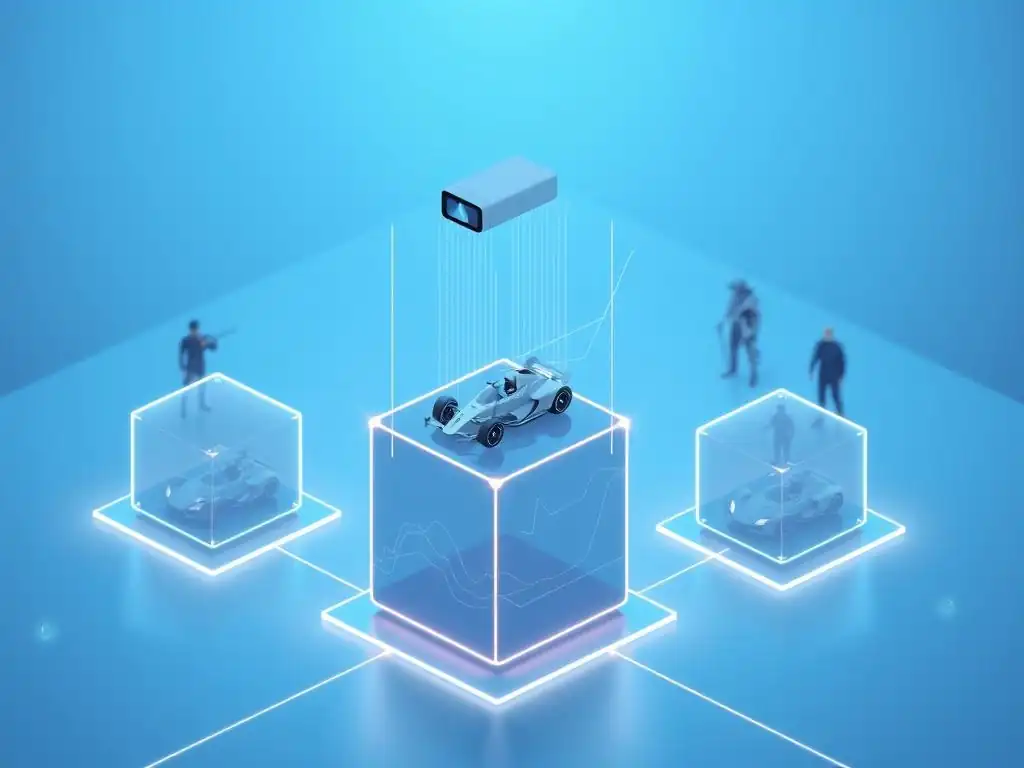
While decentralized gaming streaming is still in its nascent stages compared to established centralized platforms, several real-world examples demonstrate the practical implementation and potential of this emerging technology. Examining these platforms provides valuable insights into the current state of decentralized streaming, highlighting both their successes and the challenges they face. Case studies of platforms like Theta.tv and DLive offer concrete illustrations of how decentralized streaming principles are being applied in practice and the user experiences they deliver.
Analyzing these platforms allows us to move beyond theoretical discussions and understand the real-world functionality, user adoption, and challenges associated with decentralized streaming. These case studies serve as valuable learning experiences, informing the future development and adoption of decentralized streaming technologies.
Theta.tv: A Case Study
Theta.tv is one of the most prominent examples of a decentralized video streaming platform leveraging blockchain technology. It utilizes its own native blockchain, Theta Network, and a decentralized content delivery network (dCDN) to improve streaming quality and reduce costs. Theta.tv incentivizes viewers to share their bandwidth by rewarding them with Theta Fuel (TFUEL) tokens for relaying video streams to other users. This P2P approach aims to create a more efficient and resilient content delivery infrastructure compared to traditional centralized CDNs. Theta.tv has partnered with major gaming and esports organizations, demonstrating real-world adoption and integration within the gaming community.
Theta.tv's tokenomics model is central to its decentralized approach. Viewers earn TFUEL for watching streams and sharing bandwidth, while creators earn TFUEL through viewership and donations. This token-based incentive system aims to foster a more engaged and participatory community. Theta.tv also allows for direct creator monetization through subscriptions and virtual gifts, with a greater revenue share for creators compared to centralized platforms. While facing challenges in scaling and competing with established platforms, Theta.tv demonstrates the viability of decentralized streaming and its potential to disrupt the traditional streaming landscape.
DLive: A Case Study
DLive, initially built on the Steem blockchain and later migrating to the BitTorrent Chain, is another notable example of a decentralized live streaming platform. DLive emphasizes creator empowerment and community ownership, offering a higher revenue share to creators and incorporating community governance features.
DLive aims to create a more equitable streaming ecosystem where creators have greater control over their content and earnings, and viewers are actively involved in the platform's development and moderation. DLive attracted a significant user base, particularly within the gaming and alternative content communities, demonstrating the appeal of decentralized streaming to specific segments of the streaming audience.
DLive implemented a tiered revenue sharing model, offering creators up to 100% of viewer donations and subscriptions, a significantly higher percentage compared to centralized platforms. DLive also incorporated community voting and moderation features, allowing users to participate in platform governance. While DLive faced challenges related to content moderation and scalability, and experienced periods of operational instability, its example highlights the demand for creator-centric and community-driven streaming alternatives. DLive's journey demonstrates the potential and the challenges of building and scaling decentralized streaming platforms in a competitive market.
Analyzing the Strengths and Weaknesses of Existing Platforms
Analyzing the strengths and weaknesses of platforms like Theta.tv and DLive provides valuable insights into the current state of decentralized gaming streaming. Strengths include enhanced creator revenue share, reduced censorship risk, and innovative tokenomics models that incentivize participation. These platforms offer creators a more equitable revenue split, typically around 80-90% or more, compared to the 50% or less often offered by centralized platforms. The decentralized nature of these platforms reduces the risk of arbitrary censorship and gives creators greater control over their content. Tokenomics models can create engaged communities and reward both creators and viewers for their contributions.
However, weaknesses also exist. Scalability remains a significant challenge, as decentralized networks can struggle to handle the massive bandwidth demands of live streaming at scale. Content discovery and search functionality can be less sophisticated compared to centralized platforms with advanced recommendation algorithms.
User experience can sometimes be less polished or intuitive compared to established platforms. Furthermore, regulatory hurdles and legal compliance are ongoing challenges for decentralized platforms operating in a rapidly evolving regulatory landscape. Despite these weaknesses, the strengths of decentralized streaming platforms are compelling, and ongoing development efforts are focused on addressing these challenges to realize the full potential of decentralized streaming for gaming content.
Overcoming the Challenges of Decentralized Streaming
While decentralized gaming streaming offers numerous benefits, it also faces significant challenges that need to be overcome for wider adoption and mainstream success. These challenges range from technical hurdles related to scalability and user experience to broader issues of content discovery and regulatory compliance. Addressing these challenges is crucial for realizing the full potential of decentralized streaming and ensuring its long-term viability as a competitive alternative to centralized platforms. Overcoming these obstacles requires innovation, collaboration, and a focus on user needs and market demands.
The key challenges include scalability issues and bandwidth requirements, content discovery and search functionality limitations, and regulatory hurdles and legal compliance complexities. Each of these areas presents unique obstacles that must be addressed through technological advancements, strategic platform design, and proactive engagement with regulatory frameworks.
Scalability Issues and Bandwidth Requirements
Scalability and bandwidth requirements are major technical challenges for decentralized gaming streaming platforms. Live video streaming, especially in high definition and with low latency, demands significant bandwidth and robust infrastructure. Decentralized networks, particularly P2P dCDNs, can face challenges in consistently delivering high-quality streams at scale, especially during peak viewership periods. Ensuring sufficient bandwidth availability and managing network congestion in a decentralized environment are critical technical hurdles.
Current blockchain infrastructure and P2P networking technologies are still evolving to meet the demanding requirements of large-scale live streaming. Maintaining consistent quality of service (QoS) across a decentralized network with varying node capacities and network conditions is a complex technical challenge. Research and development efforts are focused on improving dCDN efficiency, optimizing P2P protocols for streaming, and exploring layer-2 scaling solutions for blockchain to address these scalability and bandwidth limitations. Overcoming these technical hurdles is essential for decentralized streaming platforms to compete effectively with centralized platforms in terms of performance and reliability.
Content Discovery and Search Functionality
Content discovery and search functionality are areas where decentralized gaming streaming platforms often lag behind their centralized counterparts. Centralized platforms have sophisticated recommendation algorithms, curated content libraries, and robust search engines that help viewers discover new content and creators. Decentralized platforms, often lacking centralized control and data aggregation, can struggle to provide equally effective content discovery mechanisms. Viewers may find it more difficult to find specific streams or discover new creators aligned with their interests on decentralized platforms compared to established centralized platforms.
Developing effective content discovery solutions for decentralized streaming is crucial for improving user experience and attracting a wider audience. This includes exploring decentralized recommendation algorithms, community-driven curation mechanisms, and blockchain-based search indexes. Innovative approaches to content tagging, metadata management, and social discovery are needed to enhance content discoverability within decentralized streaming ecosystems. Improving content discovery and search functionality is essential for making decentralized platforms more user-friendly and competitive in the broader streaming market.
Regulatory Hurdles and Legal Compliance
Regulatory hurdles and legal compliance present significant challenges for decentralized gaming streaming platforms operating in a global and evolving regulatory landscape. Regulations related to content moderation, intellectual property rights, data privacy, and financial transactions vary significantly across jurisdictions. Decentralized platforms, often aiming for global reach and operating with distributed governance structures, face complex legal and compliance requirements. Navigating these regulatory complexities and ensuring legal compliance in different jurisdictions is a major challenge for decentralized streaming platforms.
Issues such as copyright infringement, illegal content, and compliance with KYC/AML (Know Your Customer/Anti-Money Laundering) regulations need to be addressed effectively by decentralized platforms. Engaging with regulators, adopting best practices for content moderation and compliance, and developing legal frameworks that accommodate decentralized technologies are crucial steps. The evolving regulatory landscape for blockchain and decentralized technologies adds further complexity. Navigating these regulatory hurdles and ensuring legal compliance is essential for the long-term sustainability and legitimacy of decentralized gaming streaming platforms.
The Future of Gaming Content Streaming: A Decentralized Vision
The future of gaming content streaming is increasingly pointing towards a decentralized vision, where creators and viewers have greater control, ownership, and agency. While centralized platforms will likely continue to play a significant role, the momentum behind decentralized alternatives is growing. The potential for decentralized platforms to address the limitations of centralized models and unlock new opportunities for creators and viewers is compelling. The long-term trajectory of gaming content streaming is likely to involve a more diverse ecosystem, with both centralized and decentralized platforms coexisting and potentially interoperating.
This decentralized vision encompasses several key trends, including the potential for interoperability between platforms, the integration of NFTs into streaming ecosystems, and the projected growth of decentralized gaming streaming as a whole. These trends suggest a future where gaming content streaming is more open, creator-centric, and community-driven, powered by blockchain and decentralized technologies.
The Potential for Interoperability Between Platforms
The potential for interoperability between decentralized gaming streaming platforms is a key aspect of the decentralized vision. Currently, streaming platforms operate in silos, with limited interoperability and data sharing between them. Decentralized technologies, particularly blockchain, offer the potential to create more interoperable streaming ecosystems, where creators and viewers can move more freely between platforms and leverage their digital assets and reputations across different services. Interoperability can foster a more open and competitive streaming market, benefiting both creators and viewers.
Standards for content metadata, user identity, and digital assets, such as NFTs, can facilitate interoperability between decentralized platforms. Blockchain-based identity solutions can allow users to maintain a consistent identity and reputation across different streaming services. NFTs can enable cross-platform portability of digital collectibles, in-game items, and even creator subscriptions. Interoperability can reduce platform lock-in, empower creators with greater control over their audience and content, and create a more seamless and user-friendly experience across the decentralized streaming landscape.
The Role of NFTs in Decentralized Streaming Ecosystems
NFTs (Non-Fungible Tokens) are poised to play a significant role in decentralized streaming ecosystems, adding new dimensions to creator monetization, community engagement, and digital ownership. NFTs can represent unique digital assets, such as virtual collectibles, in-game items, exclusive content access passes, or even creator-branded merchandise. They offer creators new ways to monetize their content and engage with their audience beyond traditional subscriptions and donations. For viewers, NFTs provide provable ownership of unique digital assets and opportunities to support their favorite creators in new and engaging ways.
NFTs can be integrated into decentralized streaming platforms to create tokenized rewards, exclusive content access, and community memberships. Creators can issue NFTs as limited-edition collectibles, granting holders special privileges or access to exclusive content. NFTs can also represent in-game items or virtual assets that can be used within streams or across different games, fostering interoperability within the gaming metaverse. The integration of NFTs adds a layer of digital scarcity and provable ownership to the streaming ecosystem, creating new opportunities for creator monetization and viewer engagement.
Predictions for the Growth of Decentralized Gaming Streaming
Predictions for the growth of decentralized gaming streaming are optimistic, with analysts anticipating significant expansion in the coming years. The increasing awareness of the limitations of centralized platforms, the growing adoption of blockchain and Web3 technologies, and the demand for creator empowerment are driving factors behind this projected growth. While decentralized streaming is still a relatively small segment of the overall streaming market, its potential to disrupt the industry and capture a significant share of the market is substantial.
Industry reports project substantial growth in the blockchain gaming and metaverse sectors, which are closely intertwined with decentralized gaming streaming. The continued development of more scalable and user-friendly decentralized platforms, coupled with increasing adoption by content creators and viewers, is expected to fuel this growth. As blockchain technology matures and dCDN infrastructure improves, decentralized gaming streaming is poised to become a more mainstream and competitive alternative to centralized platforms, offering a compelling vision for the future of gaming content consumption and creation.
Conclusion: Embracing the Decentralized Revolution in Gaming Content
The decentralized revolution in gaming content streaming is underway, promising a fundamental shift in how creators and viewers interact and engage with gaming content online. Decentralized platforms offer a compelling alternative to centralized models, addressing key limitations related to creator control, censorship, revenue sharing, and data privacy. While challenges remain in terms of scalability, content discovery, and regulatory compliance, the benefits of decentralized streaming are increasingly apparent, driving innovation and adoption within the gaming and streaming communities. Embracing this decentralized revolution has the potential to create a more equitable, transparent, and creator-centric future for gaming content streaming.
The shift towards decentralization is not just a technological evolution but a cultural and economic one, empowering creators and fostering stronger communities. The long-term impact of blockchain on gaming streaming is likely to be transformative, reshaping the industry and creating new opportunities for creators, viewers, and platform developers. As decentralized platforms mature and address current challenges, their role in the gaming content ecosystem is expected to grow significantly, paving the way for a more decentralized and user-driven future.
The Long-Term Impact of Blockchain on Gaming Streaming
The long-term impact of blockchain on gaming streaming is projected to be profound and transformative, reshaping the industry in several key areas. Blockchain technology is poised to fundamentally alter content ownership and rights management, empowering creators with greater control and enabling new monetization models. Decentralized platforms, built on blockchain, are expected to challenge the dominance of centralized platforms, offering creators more equitable revenue shares, reduced censorship risk, and greater autonomy. The integration of NFTs and tokenomics will further enhance creator monetization and community engagement, creating new economic opportunities and fostering stronger creator-viewer relationships.
Blockchain's transparency and security features will contribute to a more trustworthy and accountable streaming ecosystem, reducing opacity and enhancing user privacy. Interoperability between decentralized platforms, facilitated by blockchain standards, can create a more open and competitive streaming market, benefiting both creators and viewers. In the long term, blockchain is expected to be a foundational technology that underpins a more decentralized, creator-centric, and community-driven future for gaming content streaming, moving away from the limitations of the centralized web and towards a more open and equitable Web3 paradigm.
Decentralized gaming streaming benefits: A summary of key advantages.
Decentralized gaming streaming benefits are numerous and compelling, offering significant advantages over traditional centralized platforms:
- Enhanced Content Creator Control and Ownership: Creators regain control over their content, rights, and monetization strategies.
- Elimination of Censorship and Platform Bias: Decentralized platforms offer greater resistance to censorship and arbitrary moderation.
- Direct Monetization Opportunities: Creators benefit from higher revenue shares and direct, blockchain-based payment systems.
- Improved User Experience and Lower Latency: Peer-to-peer streaming can reduce latency for a smoother viewing experience.
- Stronger Community Engagement and Governance: Decentralized platforms foster community-driven content curation and platform governance.
- Increased Transparency and Data Privacy: Blockchain provides transparency in operations and enhances user data privacy.
- Reduced Reliance on Centralized Infrastructure: dCDNs and decentralized storage improve resilience and security.
These decentralized gaming streaming benefits collectively paint a picture of a more equitable, creator-centric, and community-driven future for gaming content consumption and creation, offering a compelling alternative to the limitations of centralized platforms and paving the way for a more open and democratic streaming ecosystem.
Frequently Asked Questions
What are the main benefits of decentralized gaming streaming compared to traditional platforms like Twitch?
Decentralized platforms offer enhanced user control over content, direct monetization options bypassing intermediaries, and improved data privacy compared to centralized alternatives.
How does blockchain technology enable the advantages of decentralized gaming streaming?
Blockchain ensures transparent and secure transactions for payments, establishes verifiable ownership of content, and facilitates community-driven governance of the streaming platform.
What are some of the challenges currently facing the widespread adoption of decentralized gaming streaming?
Challenges include scalability limitations to handle large user volumes, the complexity of blockchain technology for average users, and the lack of established regulatory frameworks.
What are some examples of decentralized streaming platforms currently being developed for gaming content?
While nascent, projects are exploring NFT-based streaming rewards, DAO-governed content moderation, and peer-to-peer streaming solutions that leverage blockchain for gaming.
How might regulation impact the future of decentralized gaming streaming and its potential benefits?
Clear and supportive regulations can foster innovation and user trust. However, restrictive regulations could hinder growth and limit the potential advantages of decentralized systems.
Final Reflection: Embracing the Decentralized Gaming Revolution
The exploration of decentralized streaming services for gaming content reveals a landscape ripe with potential, and its relevance today is undeniable. The promise of empowering creators and viewers alike through blockchain technology is no longer a distant dream, but a tangible shift in the gaming ecosystem. The limitations of centralized platforms, from restrictive content policies to unfair revenue splits, are fueling a growing demand for alternatives that prioritize transparency, community ownership, and genuine creator autonomy.
This movement towards decentralization isn't just about technology; it's about a fundamental shift in power dynamics. It's about giving gamers and creators the agency they deserve, fostering a more equitable and innovative environment for gaming content. The ability to directly support creators through cryptocurrency, participate in platform governance, and own a piece of the streaming infrastructure represents a profound departure from the traditional model. The future of gaming isn't just about playing games; it's about owning the experience.
This sentiment encapsulates the core ethos of decentralized gaming streaming, where users are not just consumers but active participants in shaping the future of the industry.
As we stand on the cusp of this decentralized revolution, I urge you to consider the implications of this shift. How can you, as a gamer, a creator, or simply an enthusiast, contribute to this burgeoning ecosystem? Embrace the potential of decentralized gaming streaming, explore the platforms that are championing this vision, and become a part of a community that values fairness, transparency, and the boundless creativity of the gaming world. The future of gaming is being written now, and your voice matters.
Unleash Your Inner Gamer: Explore the Future of Streaming!
Thank you for diving into the world of decentralized streaming and its potential for revolutionizing gaming content. You've now got a glimpse into a future where creators are empowered and viewers have more control. Ready to take the next step?
Here's how you can get involved and shape the future of gaming streams:
- Become an early adopter: Seek out and support platforms that are embracing decentralized streaming. Your engagement will fuel their growth and help pave the way for a better ecosystem.
- Explore different blockchain-based gaming communities and share your favorite decentralized streaming platforms within those communities.
- Join the conversation! Discuss the benefits and challenges of decentralized streaming with other gamers. Help spread the word and advocate for a more equitable and transparent future.
What excites you most about the potential of decentralized streaming to transform the way gamers connect and consume content? Share your thoughts below!
Leave a Reply