
Unlocking Sustainable Supply Chains: How Blockchain Ensures Ethical Sourcing

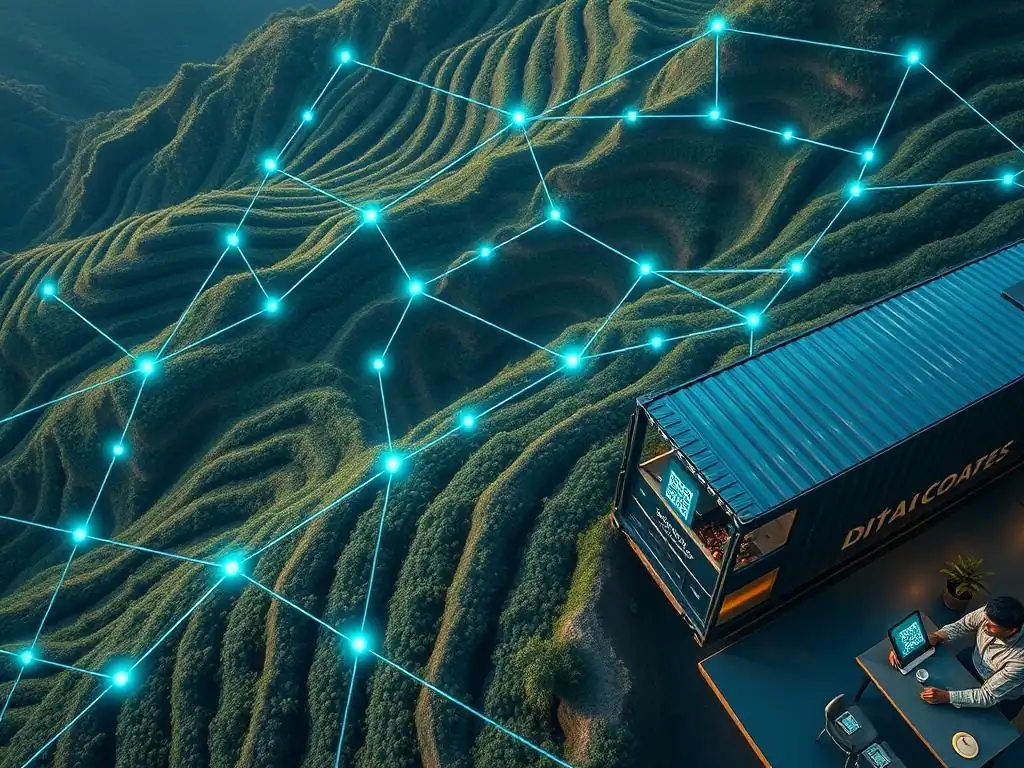
Welcome to Blockchain Trends, your guide to understanding the revolutionary impact of blockchain technology beyond the hype.
Are you ready to see how blockchain is moving beyond cryptocurrencies and reshaping industries? Dive into the world of decentralized finance, explore groundbreaking enterprise applications, and navigate the evolving regulatory landscape. This week, we're focusing on a critical application: ethical sourcing. Join us as we unlock the potential of blockchain ethical sourcing supply chains and discover how this technology is ensuring transparency and sustainability in a world demanding accountability. Intrigued? The journey to a more ethical and efficient future starts now.
Revolutionizing Supply Chains: Blockchain for Ethical Sourcing and Transparency
- The Imperative for Ethical and Sustainable Supply Chains
-
Frequently Asked Questions
- How does blockchain technology enhance ethical sourcing in supply chains?
- What are the key benefits of using blockchain for supply chain management?
- What challenges exist in implementing blockchain solutions for ethical sourcing?
- How does blockchain help verify the authenticity of products in a supply chain?
- What role does regulation play in promoting blockchain adoption for ethical supply chains?
- Final Reflection: Embracing Transparency for a Sustainable Future
- Reimagine Your Impact: Take the First Step Towards Ethical Sourcing!
The Imperative for Ethical and Sustainable Supply Chains
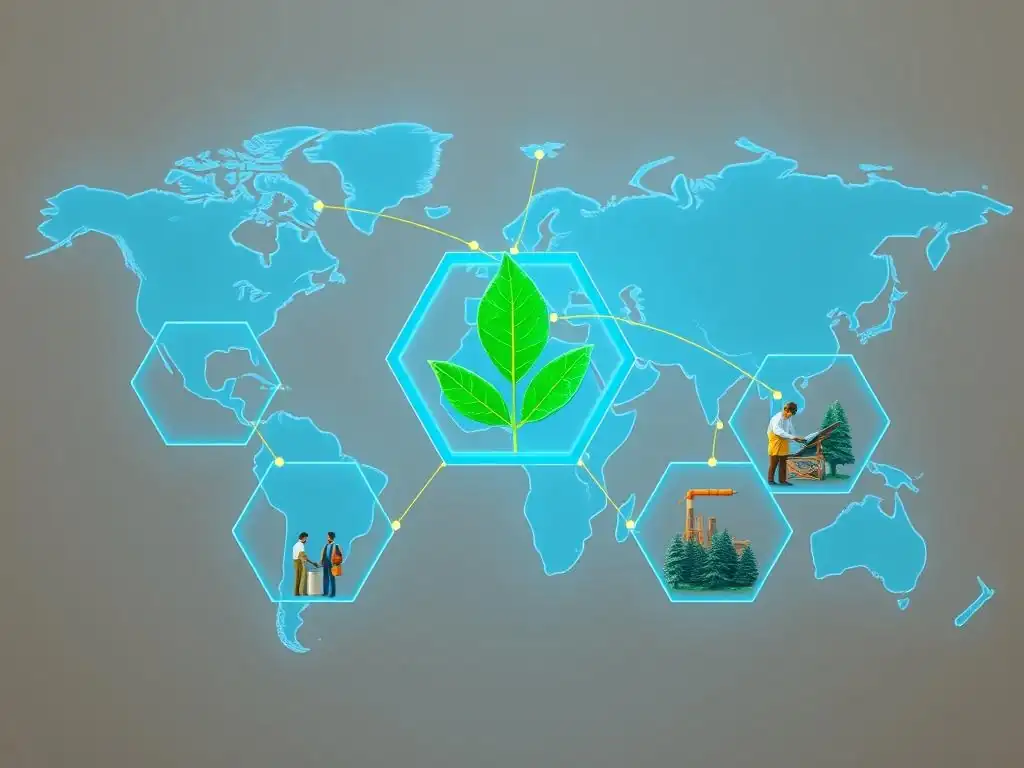
Opacity in Traditional Supply Chains: A Major Obstacle
Traditional supply chains are notoriously complex and opaque, often involving multiple intermediaries across various geographies. This inherent lack of visibility makes it incredibly difficult to track the journey of a product from its raw materials to the final consumer.
For instance, tracing the origin of a simple cotton t-shirt might involve farms in one country, spinning mills in another, dyeing facilities elsewhere, and manufacturing in yet a different location, each step adding layers of complexity and obscuring potential ethical or environmental issues. Companies often lack direct insight into the practices of their Tier 2 or Tier 3 suppliers, creating blind spots where unethical labor practices, environmental damage, or the use of conflict materials can occur undetected.
This opacity poses a significant challenge to companies aiming for genuine ethical sourcing. Without a clear, immutable record of each transaction and transformation along the chain, verifying claims about sustainability, labor conditions, or material origin is reliant on audits that are often periodic, prone to error, or even susceptible to falsification. The fragmented nature of data, held in disparate systems by different actors, prevents end-to-end traceability, hindering efforts to build truly transparent and accountable supply chains. This structural limitation is a primary driver for exploring innovative solutions like blockchain ethical sourcing supply chains.
Rising Consumer Expectations for Ethical Product Sourcing
In recent years, consumer awareness and demand for ethically and sustainably sourced products have surged dramatically. Buyers are no longer solely focused on price and quality; they increasingly want to know the story behind the product – where it came from, how it was made, and the impact it had on people and the planet.
Surveys consistently show a growing willingness among consumers, particularly millennials and Gen Z, to support brands that demonstrate commitment to ethical practices. For example, studies often indicate that a significant percentage, sometimes cited as over 60% or even 70%, of consumers are willing to pay more for products that are ethically sourced or environmentally friendly.
This shift in consumer values puts pressure on companies to provide verifiable proof of their ethical claims. Vague marketing messages are often met with skepticism. Consumers are seeking tangible evidence of fair labor, sustainable production methods, and responsible resource management. Brands that can transparently share their supply chain journey and demonstrate their commitment to ethical sourcing build trust and loyalty. Conversely, companies that fail to meet these expectations risk reputational damage and loss of market share, highlighting the commercial imperative for implementing solutions like blockchain ethical sourcing supply chains to meet this evolving demand.
The lack of transparency and ethical oversight in traditional supply chains contributes directly to significant environmental and social harm. On the environmental front, unethical practices can include illegal deforestation for raw materials like palm oil or timber, excessive water pollution from textile dyeing processes, unsustainable agricultural practices leading to soil degradation, and the improper disposal of hazardous waste. Consider the electronics industry, where the extraction of certain minerals has been linked to severe environmental damage and health issues in mining communities. Without traceability, companies struggle to ensure their materials are sourced responsibly.
Social consequences are equally severe. Unethical sourcing can involve child labor, forced labor, unsafe working conditions, unfair wages, and human rights abuses. The garment industry, for instance, has faced persistent criticism regarding sweatshop conditions in certain manufacturing regions.
The sourcing of conflict minerals (like tin, tantalum, tungsten, and gold) has fueled armed conflicts and human rights violations in regions such as the Democratic Republic of Congo. These practices not only violate fundamental human rights but also create significant risks for businesses. Implementing robust systems for blockchain ethical sourcing supply chains becomes crucial to mitigating these devastating impacts and ensuring that products are produced without causing undue harm to people or the planet.
Frequently Asked Questions
How does blockchain technology enhance ethical sourcing in supply chains?
Blockchain provides immutable records and enhanced transparency, allowing consumers and businesses to trace products back to their origin, ensuring ethical labor practices and sustainable resource management.
What are the key benefits of using blockchain for supply chain management?
The main advantages include increased transparency, improved traceability, and enhanced security, which lead to more efficient operations and reduced risk of fraud in the supply chain.
What challenges exist in implementing blockchain solutions for ethical sourcing?
Key challenges include scalability issues, lack of interoperability between different blockchain systems, and the cost of implementation for smaller suppliers.
How does blockchain help verify the authenticity of products in a supply chain?
Blockchain's distributed ledger technology creates a tamper-proof record of each product's journey, verifying its origin and authenticity, and reducing counterfeiting and fraud.
What role does regulation play in promoting blockchain adoption for ethical supply chains?
Clear and consistent regulations provide a legal framework that encourages businesses to adopt blockchain, ensuring data privacy and accountability across the supply chain.
Final Reflection: Embracing Transparency for a Sustainable Future
The journey through the potential of blockchain in ethical sourcing reveals a powerful truth: transparency is no longer a luxury, but a necessity for sustainable supply chains. As consumers become increasingly aware of the origins and impacts of their purchases, the demand for accountability and ethical practices is only set to intensify. Ignoring this shift risks not only reputational damage but also the long-term viability of businesses.
The impact of blockchain on ethical sourcing extends far beyond simple tracking; it fosters a culture of trust and responsibility. Witnessing the potential for verifiable data to empower marginalized communities and hold corporations accountable is deeply inspiring. The future of supply chains isn't just about efficiency; it's about building a system that reflects our values and protects our planet.
This sentiment underscores the profound shift occurring, where ethical considerations are becoming inextricably linked to economic success.
Now, we invite you to consider your own role in this transformation. How can you, as a consumer, a business leader, or a policymaker, champion the adoption of blockchain and other technologies that promote ethical sourcing? Let us all strive to build a future where every product tells a story of fairness, sustainability, and respect for both people and the planet.
Reimagine Your Impact: Take the First Step Towards Ethical Sourcing!
Thank you for exploring how blockchain is transforming sustainable supply chains. You’ve seen how this technology can promote transparency and ethical sourcing practices. Now, it’s time to turn that knowledge into action!
Here are a few steps you can take today to become part of the solution:
- Explore Further: Research companies that are already utilizing blockchain for ethical sourcing and identify brands you support or encourage to adopt these practices.
- Share Your Insights: Start a conversation! Share this article with your network and discuss how blockchain could revolutionize various industries.
- Creative Challenge: Consider how blockchain might be integrated into a different industry, such as fair-trade coffee or artisan crafts, and share your innovative ideas in the comments.
Is there a particular product or industry where you believe blockchain-enabled ethical sourcing could make the most significant impact? We’d love to hear your thoughts!
Leave a Reply