
Drug Supply Chain Security: Blockchain's Role in Combating Counterfeit Medications

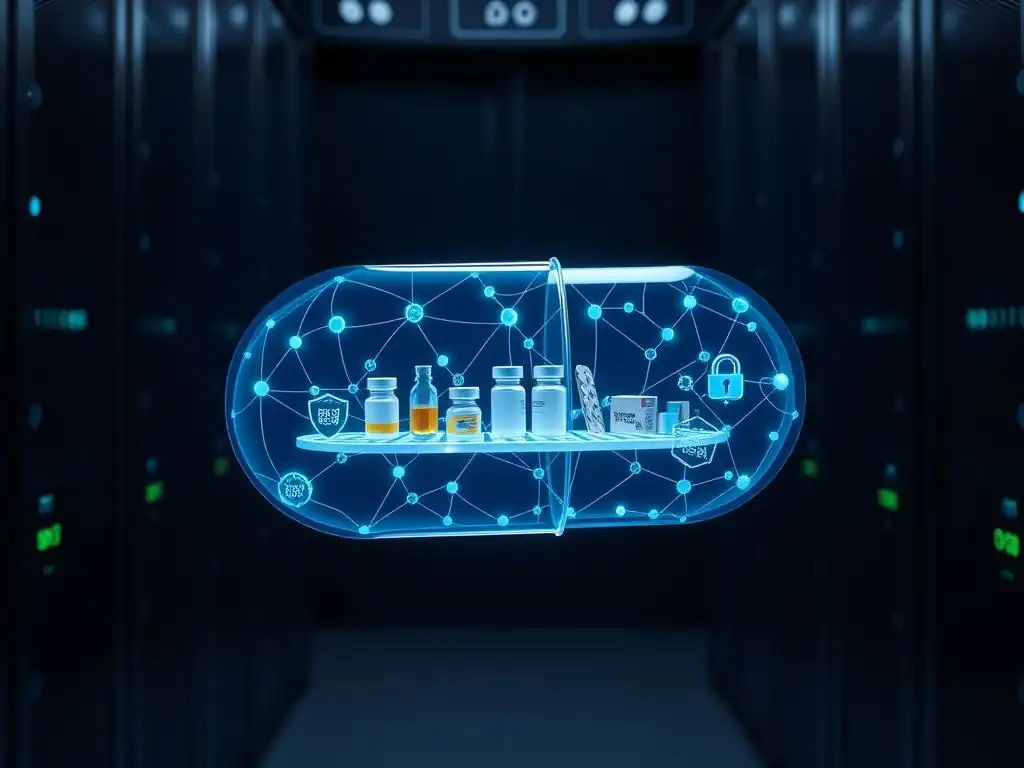
Welcome to Blockchain Trends, your insightful guide to understanding the revolutionary power of blockchain technology. Beyond the headlines of cryptocurrencies, blockchain is transforming industries worldwide.
Interested in how this innovation is impacting healthcare? Our featured article delves into the crucial role blockchain plays in blockchain drug supply chain security, revealing how it combats counterfeit medications and ensures patient safety. Discover the potential and the challenges ahead – your journey into the future of decentralized healthcare starts here.
Drug Supply Chain Security: Blockchain's Role in Combating Counterfeit Medications
- Introduction: The Growing Threat of Counterfeit Drugs and the Need for Enhanced Security
- Understanding Blockchain for Pharmaceutical Traceability
- Blockchain's Advantages in Securing the Drug Supply Chain
-
Implementing Blockchain for Pharmaceutical Supply Chain Security: A Step-by-Step Approach
- Step 1: Identifying Key Stakeholders and Their Roles (Manufacturers, Distributors, Pharmacies, Patients)
- Step 2: Defining Data Standards and Interoperability Requirements
- Step 3: Selecting a Suitable Blockchain Platform or Consortium
- Step 4: Integrating Blockchain with Existing Supply Chain Systems
- Step 5: Ensuring Regulatory Compliance and Data Privacy
- Real-World Applications and Case Studies of Blockchain in Pharmaceutical Supply Chains
-
Overcoming Challenges and Addressing Concerns in Blockchain Adoption
- Scalability Issues: Handling Large Volumes of Data in the Pharmaceutical Industry
- Interoperability Challenges: Integrating with Legacy Systems and Diverse Platforms
- Data Privacy and Security Considerations: Protecting Sensitive Patient Information
- Regulatory Uncertainty: Navigating the Evolving Legal Landscape
- The Future of Blockchain in Pharmaceutical Supply Chain Security
- Conclusion: Blockchain as a Vital Tool in the Fight Against Counterfeit Drugs
-
Frequently Asked Questions
- How does blockchain enhance drug supply chain security?
- What are the key benefits of using blockchain for tracking pharmaceuticals?
- How can blockchain help in verifying the authenticity of medications?
- What are some potential challenges in implementing blockchain for drug supply chains?
- What is the future outlook for blockchain in the pharmaceutical industry?
- Final Reflection: Securing Health, One Block at a Time
- Empower Trust: Join the Fight Against Fake Medicine!
Introduction: The Growing Threat of Counterfeit Drugs and the Need for Enhanced Security
The Alarming Rise of Fake Pharmaceuticals: A Global Health Crisis
Counterfeit pharmaceuticals represent a significant and growing threat to global public health. These fraudulent medications, which may contain incorrect ingredients, insufficient active pharmaceutical ingredients, or even toxic substances, are difficult to distinguish from genuine products and can have devastating consequences for patients, including treatment failure, serious injury, and even death. The World Health Organization (WHO) estimates that in some low- and middle-income countries, as many as 1 in 10 medical products are substandard or falsified.
This illicit trade is not confined to developing nations; developed countries also face challenges, particularly through online pharmacies and complex international supply routes. The market for counterfeit drugs is vast and lucrative, estimated to be worth billions of dollars annually, fueling organized crime and undermining trust in healthcare systems worldwide.
The proliferation of counterfeit drugs is exacerbated by globalization and the complex, multi-tiered nature of traditional pharmaceutical supply chains. As products move across borders and through numerous intermediaries – manufacturers, distributors, wholesalers, pharmacies – opportunities for illicit actors to introduce fake medications into the legitimate supply chain increase.
Without robust, verifiable tracking mechanisms, it becomes exceedingly difficult for regulators, healthcare providers, and patients to confirm the authenticity and provenance of a drug. This lack of transparency and security creates vulnerabilities that sophisticated counterfeiters readily exploit, posing a direct threat to patient safety and requiring enhanced Blockchain drug supply chain security measures.
Challenges in Traditional Pharmaceutical Supply Chains: Vulnerabilities and Loopholes
Traditional pharmaceutical supply chains are often characterized by fragmented systems, siloed data, and manual processes, creating numerous points of vulnerability susceptible to counterfeiting and diversion. Information about a drug's journey from the manufacturer to the patient is typically held in disparate databases managed by different entities, making it challenging to establish a single, immutable record of ownership and handling.
Paper-based records or centralized electronic systems can be susceptible to tampering, errors, or loss, breaking the chain of custody and obscuring the product's history. This lack of end-to-end visibility makes it difficult to quickly identify where a counterfeit product entered the chain or to recall affected batches effectively.
The complexity of these networks, involving numerous handoffs and international transfers, further complicates oversight. For instance, a drug might be manufactured in one country, packaged in another, distributed through multiple intermediaries across different regions, and finally dispensed in a pharmacy. Each transfer represents a potential point of failure or entry for falsified goods.
Regulatory efforts, such as serialization requirements (assigning unique identifiers to drug packages), have been implemented globally (like the US Drug Supply Chain Security Act - DSCSA, or the EU's Falsified Medicines Directive), but they often lack a universally interoperable and secure system for sharing and verifying this data across the entire ecosystem. Addressing these fundamental challenges requires a paradigm shift towards a more secure, transparent, and interconnected system, highlighting the need for advanced Blockchain drug supply chain security.
How Blockchain Technology Offers a Solution for Drug Supply Chain Integrity
Blockchain technology presents a compelling solution to many of the inherent vulnerabilities in traditional pharmaceutical supply chains. At its core, blockchain is a distributed ledger technology that records transactions across many computers. Once a transaction (like a drug transfer from manufacturer to distributor) is added to the chain, it is cryptographically linked to the previous transaction, forming a block.
This chain of blocks is then replicated across all participants in the network. The key features of blockchain – immutability, transparency (to authorized parties), and decentralization – make it uniquely suited for creating a secure and verifiable record of a drug's journey.
By providing a shared, tamper-evident ledger accessible to all authorized stakeholders, blockchain can establish a single source of truth for drug provenance. Each time a drug changes hands or reaches a new location, this event can be recorded as a transaction on the blockchain. This creates an unalterable history of the drug's movement, from its point of origin through manufacturing, packaging, distribution, and ultimately to the pharmacy or patient.
This verifiable history makes it significantly harder for counterfeit products to infiltrate the legitimate supply chain undetected, as they would lack the corresponding, verifiable records on the blockchain. Implementing Blockchain drug supply chain security measures can thus build trust and accountability throughout the network.
Understanding Blockchain for Pharmaceutical Traceability
What is Blockchain and How Does It Work? A Concise Overview
Blockchain is a type of Distributed Ledger Technology (DLT) that records transactions across a network of computers. Instead of storing data in a single, central database, the ledger is shared and synchronized among multiple participants. Transactions are grouped into "blocks," and each block is linked to the previous one using cryptographic hashes, forming a "chain" of blocks.
This structure ensures that if any data in a block is altered, the subsequent blocks' hashes will change, making the tampering immediately obvious to all network participants. Consensus mechanisms, such as Proof-of-Work or Proof-of-Authority, are used to validate new transactions and add blocks to the chain, requiring agreement among network participants before changes are made.
In the context of drug supply chains, each event – such as a manufacturer shipping a batch, a distributor receiving it, or a pharmacy dispensing a unit – can be recorded as a transaction on the blockchain. This creates a chronological, verifiable, and tamper-evident log of the drug's journey.
Different types of blockchain exist, including public (like Bitcoin or Ethereum) and private/permissioned ledgers (like Hyperledger Fabric or R3 Corda). For enterprise use cases like pharmaceutical supply chains, permissioned blockchains are often preferred because they allow organizations to control who can participate in the network and what data they can access, addressing privacy and regulatory requirements while still leveraging the core benefits of immutability and transparency for Blockchain drug supply chain security.
Key Features of Blockchain: Immutability, Transparency, and Security
The core features of blockchain technology provide significant advantages for enhancing drug supply chain security. Immutability means that once data is recorded on the blockchain and a block is added to the chain, it is extremely difficult, if not practically impossible, to alter or delete that data without the consensus of the network.
This ensures that the history of a drug's movement, ownership, and handling is permanent and tamper-proof, providing a reliable audit trail. Any attempt to introduce a fake drug or falsify records would be immediately detectable because the corresponding blockchain record could not be legitimately created or altered.
Transparency, in the context of a permissioned blockchain for supply chains, means that authorized participants (e.g., manufacturers, distributors, regulators) have access to a shared, real-time view of the ledger relevant to their roles. This shared visibility eliminates information silos and provides all parties with confidence in the data's accuracy. Cryptographic security, through the use of hashes and digital signatures, ensures the integrity of the data and the authenticity of transactions.
Each transaction is signed by the transacting party, providing non-repudiation. These combined features build a foundation of trust and security that is difficult to achieve with traditional, centralized, or paper-based systems, making blockchain a powerful tool for Blockchain drug supply chain security.
Applying Blockchain Principles to Drug Supply Chain Management
Applying blockchain principles to drug supply chain management involves creating a shared, distributed ledger specifically for tracking pharmaceutical products. Each unit or batch of medication, identified by a unique serial number or identifier (like those mandated by DSCSA), can have its journey recorded on the blockchain. When a drug moves from Manufacturer A to Distributor B, a transaction is recorded on the ledger, cryptographically signed by both parties, and added to the chain after validation by network participants. This transaction would typically include details like the product identifier, quantity, location, date/time, and the identity of the parties involved.
As the drug progresses through the supply chain – from distributor to wholesaler, then to pharmacy, and potentially even to the point of dispense – each handover is registered as a new block of transactions on the chain. This continuous recording creates a transparent and immutable history accessible to authorized parties. Regulators could gain real-time visibility into the movement of drugs, facilitating quicker identification of suspicious activity or tracing the origin of a counterfeit product.
Pharmacies could verify the authenticity of a drug by scanning its identifier and checking its history on the blockchain. This comprehensive and verifiable record significantly enhances Blockchain drug supply chain security by making it much harder for illicit products to pass undetected.
Blockchain's Advantages in Securing the Drug Supply Chain
Enhanced Traceability: Tracking Medications from Origin to Patient
One of the primary advantages of implementing blockchain in the pharmaceutical supply chain is the significant enhancement in traceability. Unlike traditional systems where tracking information might be fragmented across multiple databases, a blockchain provides a single, unified, and immutable record of a drug's journey. Each time a product changes hands, moves location, or undergoes a status change (e.g., received, shipped, quarantined), this event is recorded as a transaction on the distributed ledger. This creates a complete and chronological history, from the raw materials or point of manufacture all the way to the final dispensing location or even the patient.
This granular level of traceability allows stakeholders to pinpoint the exact location and custody history of any specific drug package or batch at any given time. In the event of a recall or suspicion of counterfeiting, authorities can rapidly trace the affected products back through the supply chain to their origin, significantly reducing the time and cost associated with investigations. This enhanced visibility ensures accountability at every step and makes it incredibly difficult for counterfeiters to insert fake products without leaving an obvious discrepancy on the verifiable ledger, thereby strengthening Blockchain drug supply chain security.
Improved Transparency: Providing Real-Time Visibility for All Stakeholders
Blockchain technology inherently promotes transparency by providing a shared, synchronized ledger visible to all authorized participants in the network. In a pharmaceutical supply chain context, this means that manufacturers, distributors, wholesalers, pharmacies, and regulators can access relevant information about a drug's movement and status in near real-time, depending on the network's design and access permissions. This eliminates the information silos that plague traditional systems, where each party only has visibility into their immediate upstream and downstream partners, but not the entire chain.
This improved transparency fosters trust among supply chain partners and provides regulators with unprecedented oversight capabilities. For example, a regulator could verify the authenticity of a batch by checking its history on the blockchain without needing to request data from multiple disparate systems. Pharmacies could scan a drug package and instantly see its full history, confirming its legitimacy before dispensing it. This shared, verifiable view of the supply chain significantly reduces the opportunities for illicit activities and enhances the overall integrity of the distribution network, contributing directly to robust Blockchain drug supply chain security.
Increased Security: Preventing Counterfeit Drugs from Entering the Supply Chain
The security features of blockchain, particularly immutability and cryptography, make it a powerful deterrent against counterfeit drugs. The immutable nature of the ledger means that once a transaction is recorded, it cannot be altered or deleted without the consent of the majority of the network's participants – a near-impossible feat in a well-designed permissioned network with reputable participants. This makes it extremely difficult for counterfeiters to tamper with records or insert false information to make a fake product appear legitimate. Each block is cryptographically linked to the previous one, ensuring the integrity of the entire chain.
Furthermore, digital signatures authenticate each transaction, confirming the identity of the party making the record. This prevents unauthorized parties from adding fraudulent transactions. By establishing a secure, verifiable chain of custody, blockchain ensures that only products with a legitimate history can move through the supply chain. If a product lacks the corresponding blockchain record or its record shows inconsistencies, it can be flagged as suspicious, preventing it from reaching patients. This inherent security layer is a cornerstone of effective Blockchain drug supply chain security.
Hyperledger Fabric for Pharmaceutical Traceability
Hyperledger Fabric is a prominent example of a permissioned blockchain platform that is particularly well-suited for enterprise supply chain applications, including pharmaceuticals. Unlike public blockchains, Fabric requires participants to have known identities, making it ideal for regulated industries where trust and accountability are paramount. It supports private transactions and data sharing between specific network members through "channels," ensuring that sensitive business information remains confidential while still leveraging the benefits of a distributed, immutable ledger for shared data like product provenance.
Several initiatives and companies are leveraging Hyperledger Fabric to build pharmaceutical traceability networks. For instance, the MediLedger Network, used by major players in the US pharmaceutical industry to comply with the DSCSA, is built on Hyperledger Fabric. It facilitates secure data exchange and verification services, such as verifying product identifiers and confirming transaction histories between trading partners. The platform's modular architecture allows businesses to plug in existing systems and define specific rules (smart contracts) for how transactions are processed and data is accessed, providing the flexibility needed to meet complex industry requirements for Blockchain drug supply chain security.
Implementing Blockchain for Pharmaceutical Supply Chain Security: A Step-by-Step Approach
Implementing blockchain for pharmaceutical supply chain security is a complex undertaking that requires careful planning, collaboration, and execution. It involves more than just deploying technology; it necessitates defining new processes, standards, and governance models across multiple organizations. A structured approach is crucial to navigate these complexities and ensure successful adoption. This process typically involves several key steps, starting with foundational elements like identifying participants and defining data requirements, and moving towards technical integration and regulatory compliance.
The path to a blockchain-enabled pharmaceutical supply chain requires buy-in from stakeholders across the ecosystem. It's a journey that involves technological shifts, but also significant coordination and agreement on shared standards and practices. The end goal is a more secure, transparent, and efficient system that ultimately protects patients from the dangers of counterfeit drugs.
Step 1: Identifying Key Stakeholders and Their Roles (Manufacturers, Distributors, Pharmacies, Patients)
The first critical step in implementing blockchain for pharmaceutical supply chain security is to identify all key stakeholders involved in the movement and handling of drugs, and clearly define their roles and responsibilities within the blockchain network. This typically includes pharmaceutical manufacturers (originators of the product), wholesale distributors (managing large-scale transport and storage), pharmacies (dispensing to patients), and potentially hospitals and healthcare providers.
Regulatory bodies (like the FDA in the US or EMA in Europe) are also crucial stakeholders, requiring access to verifiable data for oversight and enforcement. Patients, while not direct participants in recording transactions, are the ultimate beneficiaries and should be considered in terms of access to verification information.
Defining roles involves determining which entities will be nodes on the blockchain network, who will be responsible for recording specific types of transactions (e.g., manufacturers recording initial serialization and shipment, distributors recording receipt and reshipment), and what level of access each party will have to the shared ledger data. This step requires significant collaboration and agreement among often competing entities to establish a unified governance model for the network.
A clear understanding of each participant's role is fundamental to designing a permissioned blockchain network that meets the specific needs and regulatory environment of the pharmaceutical industry, laying the groundwork for effective Blockchain drug supply chain security.
Step 2: Defining Data Standards and Interoperability Requirements
Establishing common data standards and ensuring interoperability are paramount for a successful blockchain implementation in the pharmaceutical supply chain. Drugs are identified using global standards like GS1 (e.g., Global Trade Item Number - GTIN, serial numbers), and these identifiers must be consistently used and recorded on the blockchain. Beyond basic product identifiers, agreement is needed on the data fields to be included in blockchain transactions – such as batch numbers, expiry dates, location data, transaction dates, and parties involved – and the format in which this data will be structured.
Interoperability is crucial because the pharmaceutical supply chain is not monolithic; it involves diverse companies using various legacy systems (e.g., ERP, WMS). The blockchain solution must be able to seamlessly integrate with these existing systems to pull relevant data for recording transactions and push verification results back. This often requires developing APIs (Application Programming Interfaces) and middleware to translate data between different formats and systems. Agreement on data standards and ensuring technical interoperability across disparate systems are complex challenges but essential for creating a functional and widely adopted network for Blockchain drug supply chain security.
Step 3: Selecting a Suitable Blockchain Platform or Consortium
Choosing the right blockchain platform or joining an established industry consortium is a pivotal decision. Given the requirements for privacy, performance, and governance in the pharmaceutical industry, permissioned blockchain platforms like Hyperledger Fabric, R3 Corda, or enterprise Ethereum variants are typically preferred over public, permissionless chains. These platforms allow for controlled access, higher transaction throughput, and private channels for sensitive data, aligning better with regulatory requirements like HIPAA or GDPR regarding patient data (though patient data is typically not stored directly on the drug traceability blockchain).
Alternatively, joining an existing industry consortium, such as the MediLedger Network, offers the advantage of shared infrastructure, established governance, and pre-defined standards and protocols developed by industry peers. This can significantly reduce the time and cost associated with building a network from scratch and facilitates faster onboarding of trading partners who are already part of the consortium. The selection process should consider factors like the platform's scalability, security features, ease of integration, cost, and the level of industry support and adoption, all of which impact the effectiveness of Blockchain drug supply chain security.
Step 4: Integrating Blockchain with Existing Supply Chain Systems
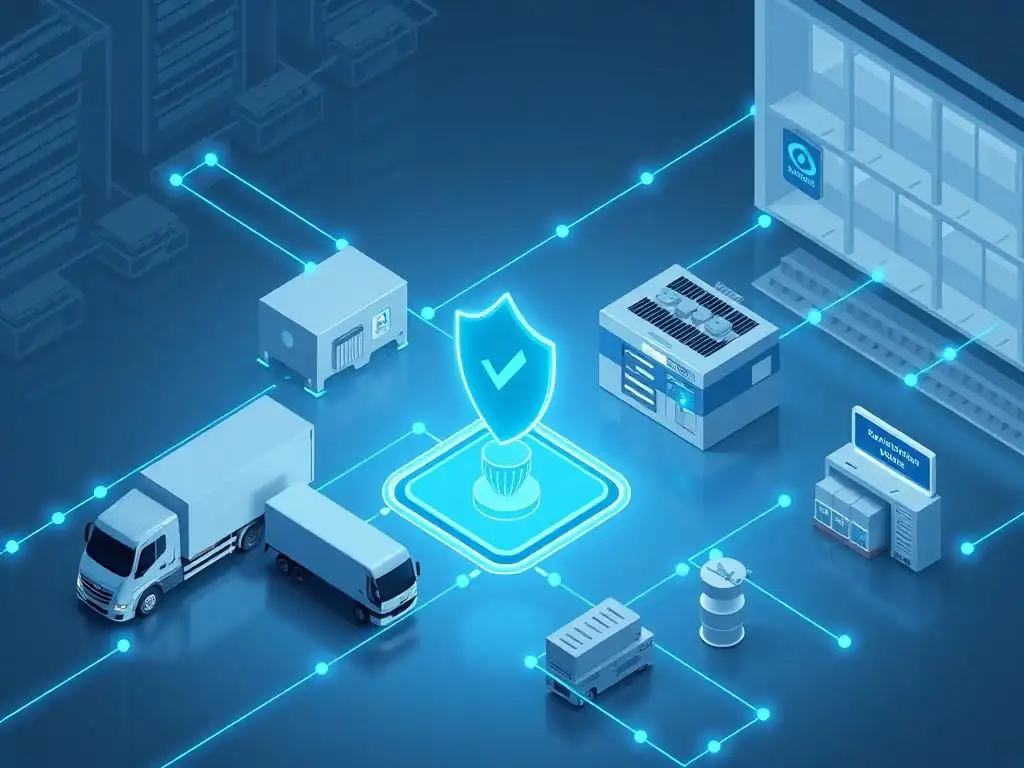
Integrating the chosen blockchain platform with the myriad of existing legacy systems used by manufacturers, distributors, and pharmacies is arguably the most technically challenging step. Pharmaceutical companies rely on established systems for Enterprise Resource Planning (ERP), Warehouse Management Systems (WMS), Transportation Management Systems (TMS), and serialization databases. The blockchain solution needs to seamlessly interact with these systems to automatically record relevant events (like shipping or receiving) as transactions on the ledger without disrupting current operations.
This integration requires robust middleware and APIs tailored to the specific systems in use across the supply chain. Data from existing systems must be accurately captured, formatted according to the agreed-upon standards, and transmitted to the blockchain network for validation and recording. Conversely, systems may need to query the blockchain to verify product authenticity or retrieve transaction history. Successful integration ensures that the blockchain becomes an intrinsic part of the supply chain operations, providing real-time data and verification capabilities essential for proactive Blockchain drug supply chain security.
Step 5: Ensuring Regulatory Compliance and Data Privacy
Navigating the complex landscape of pharmaceutical regulations, such as the DSCSA in the US, the Falsified Medicines Directive (FMD) in the EU, and similar mandates globally, is paramount. The blockchain solution must be designed to meet or exceed the requirements for tracing, verification, and reporting.
For example, in the US, the DSCSA mandates an interoperable electronic system for tracing prescription drugs at the package level by November 2023 (though deadlines have seen extensions), and blockchain is being explored as a technology that can fulfill this requirement. The system must provide regulators with the necessary access to audit trails and transaction histories while protecting commercially sensitive information.
Data privacy is another critical concern. While drug traceability blockchains typically do not store protected health information (PHI) like patient names or medical conditions, they do handle sensitive commercial data (e.g., shipment volumes, pricing, trading partners) and potentially location data which could be sensitive. Designing the network with appropriate access controls, data partitioning (e.g., using channels in Hyperledger Fabric), and adhering to privacy regulations like GDPR is essential. Balancing the need for transparency for security and regulatory purposes with the need for business confidentiality and data privacy is a key challenge in implementing Blockchain drug supply chain security.
Real-World Applications and Case Studies of Blockchain in Pharmaceutical Supply Chains
Blockchain technology is moving beyond pilot programs and into production environments within the pharmaceutical industry, driven by regulatory requirements and the urgent need to combat counterfeiting. Several consortia and companies have launched initiatives demonstrating the practical application of blockchain for enhancing drug traceability and security. These real-world examples provide valuable insights into the potential benefits and ongoing challenges of adopting this transformative technology.
Analyzing these case studies helps to understand how blockchain principles are being applied in practice, the specific problems they are solving, and the results achieved. While widespread, fully integrated blockchain networks across the entire global pharmaceutical supply chain are still developing, the progress made by these early adopters showcases the tangible impact Blockchain drug supply chain security can have.
Chronicled's MediLedger Network for Drug Supply Chain Management
The MediLedger Network, developed by Chronicled, is one of the most prominent real-world examples of blockchain being used for pharmaceutical supply chain security, specifically in the United States to address the requirements of the Drug Supply Chain Security Act (DSCSA). Launched in 2017, MediLedger is a permissioned blockchain network designed to enable secure, interoperable data exchange and verification among pharmaceutical manufacturers, wholesale distributors, and other trading partners. The network utilizes Hyperledger Fabric as its underlying technology.
MediLedger focuses on key DSCSA requirements, such as the Verification Router Service (VRS), which allows dispensers (pharmacies) and other trading partners to verify the authenticity of a product's unique identifier with the manufacturer in real-time without directly exposing sensitive business data to all network participants. It also supports capabilities for tracing product returns and managing chargebacks using a shared, auditable ledger.
By providing a neutral, decentralized platform for trading partners to share and verify data securely, MediLedger enhances trust and efficiency, demonstrating a concrete implementation of Blockchain drug supply chain security. As of recent reports, the network includes many of the top pharmaceutical manufacturers and distributors in the US, processing millions of verification requests.
The FDA's Pilot Program for Blockchain-Based Drug Traceability
Recognizing the potential of emerging technologies like blockchain, the U.S. Food and Drug Administration (FDA) launched pilot programs to explore how these technologies could help stakeholders meet the requirements of the DSCSA, particularly the 2023 interoperability deadline. The FDA partnered with various industry participants, including technology providers and pharmaceutical companies, to test the feasibility and benefits of using blockchain and other distributed ledger technologies for enhanced drug tracing and verification.
These pilots evaluated different approaches to leveraging blockchain's immutable ledger to track drug packages, verify product identifiers, and improve the overall visibility and security of the supply chain. While specific quantitative results vary depending on the individual pilot, the general findings indicated that blockchain holds significant promise for creating a secure and interoperable system.
However, the pilots also highlighted challenges related to integration with legacy systems, data standardization across different companies, and establishing a governance framework acceptable to all participants. The FDA's exploration demonstrated governmental interest and the potential role of blockchain in achieving regulatory compliance and strengthening Blockchain drug supply chain security.
Analyzing the Results: Quantifiable Improvements in Supply Chain Security and Efficiency
While comprehensive, industry-wide quantifiable data on the impact of blockchain in pharmaceutical supply chains is still emerging, early adopters and pilot programs have demonstrated tangible improvements. Networks like MediLedger have successfully implemented real-time verification services, significantly reducing the time it takes for a pharmacy or distributor to confirm the legitimacy of a product compared to traditional manual or phone-based methods. This speed is critical in preventing potentially counterfeit drugs from reaching patients quickly.
Furthermore, the immutable audit trail provided by blockchain reduces disputes between trading partners regarding shipments, returns, and payments by providing a single, verifiable record of transactions. This can lead to increased operational efficiency and reduced administrative costs.
While precise figures on the reduction of counterfeit incidents directly attributable solely to blockchain are hard to isolate due to the technology's relatively early stage of adoption and the complexity of the issue, the enhanced transparency, traceability, and security layers introduced by blockchain solutions create significant barriers for counterfeiters and provide authorities with more effective tools for detection and response, thus contributing to improved Blockchain drug supply chain security.
Overcoming Challenges and Addressing Concerns in Blockchain Adoption
Despite its promising potential, the widespread adoption of blockchain technology in the pharmaceutical supply chain faces several significant challenges. These hurdles are not solely technical; they also involve complex issues related to business processes, industry collaboration, regulatory clarity, and data management. Addressing these challenges is crucial for moving from pilot projects to full-scale implementation across the entire ecosystem.
Successfully navigating these concerns requires a coordinated effort among all stakeholders – from manufacturers and technology providers to regulators and industry consortia. Overcoming these obstacles will pave the way for realizing the full benefits of Blockchain drug supply chain security.
Scalability Issues: Handling Large Volumes of Data in the Pharmaceutical Industry
The pharmaceutical supply chain generates an enormous volume of data. Billions of individual drug packages are manufactured and tracked globally each year, each potentially generating multiple transactions (e.g., packaging, shipping, receiving, dispensing) that could be recorded on a blockchain. Ensuring that a blockchain platform can handle this massive scale of transactions and data storage efficiently and cost-effectively is a major technical challenge. Public blockchains, in their original form, often struggle with high transaction throughput and can incur significant costs.
Permissioned blockchain platforms designed for enterprise use, like Hyperledger Fabric, offer better scalability than public chains by limiting participation and optimizing consensus mechanisms for known entities. However, even these platforms require careful architecture design, sharding, and data management strategies to handle the sheer volume of data associated with tracking every single drug package globally. Solutions may involve storing only essential, verifiable data on the chain while linking to off-chain databases for less critical or larger datasets. Ensuring the platform can scale to meet the demands of a global industry is vital for effective Blockchain drug supply chain security.
Interoperability Challenges: Integrating with Legacy Systems and Diverse Platforms
As highlighted earlier, one of the most significant non-technical challenges is integrating new blockchain solutions with the diverse array of legacy IT systems currently used by pharmaceutical companies and their trading partners. These systems vary widely in technology, architecture, and data formats (ERP, WMS, serialization databases, etc.). Building connectors and APIs that can reliably extract, transform, and load data between these disparate systems and the blockchain network is complex, time-consuming, and costly.
Furthermore, different blockchain initiatives or consortia might emerge using different platforms or technical standards. Ensuring interoperability between different blockchain networks or with participants not yet on a blockchain is another layer of complexity. A truly effective system for Blockchain drug supply chain security requires seamless data flow across the entire ecosystem, regardless of the specific technologies used by individual companies. This necessitates industry-wide agreement on standards and a commitment to building interoperable solutions.
Data Privacy and Security Considerations: Protecting Sensitive Patient Information
While drug traceability blockchains primarily focus on product provenance rather than patient data, the broader healthcare context raises significant data privacy concerns. The pharmaceutical industry is heavily regulated by privacy laws like HIPAA in the US and GDPR in Europe. While a drug's journey blockchain might not contain patient names, the data it holds (e.g., location, movement patterns, transaction parties) can still be sensitive commercially and potentially linkable to patient outcomes if combined with other datasets.
Ensuring that the blockchain solution is designed with robust access controls, encryption, and data minimization principles is crucial. Permissioned blockchains offer better control over data visibility than public chains, allowing organizations to share data only with authorized parties on a need-to-know basis. However, the design must be carefully considered to prevent unintended data leakage or aggregation that could compromise privacy or expose sensitive business information. Balancing the need for transparency for Blockchain drug supply chain security with the imperative of data privacy is a delicate but essential task.
The regulatory landscape surrounding blockchain technology is still evolving, which can create uncertainty for pharmaceutical companies considering adoption. While regulatory bodies like the FDA have shown interest and conducted pilots, clear guidelines on how blockchain fits within existing regulations (like DSCSA) or what specific technical requirements must be met for a blockchain solution to be considered compliant are still being developed in some areas.
Different countries also have varying regulations regarding drug traceability, data storage, and technology adoption. Companies operating globally must navigate this patchwork of requirements. Ensuring that a blockchain implementation meets current regulations and is adaptable to future changes requires close collaboration with regulatory bodies and active participation in industry working groups. Reducing regulatory uncertainty through clear guidance and alignment across different jurisdictions is key to accelerating the adoption of Blockchain drug supply chain security.
The Future of Blockchain in Pharmaceutical Supply Chain Security
The application of blockchain in pharmaceutical supply chains is still in its relatively early stages, but its potential extends far beyond basic track-and-trace. As the technology matures and adoption increases, we can expect to see integration with other emerging technologies and expansion into new areas within the pharmaceutical ecosystem. The future holds promise for a more interconnected, intelligent, and secure supply chain.
These advancements suggest that blockchain will become an increasingly vital component of the pharmaceutical industry's digital transformation, creating new opportunities for efficiency, security, and patient care, further solidifying its role in Blockchain drug supply chain security.
Emerging Trends: AI Integration, IoT Connectivity, and Enhanced Analytics
The future of blockchain in pharmaceutical supply chains is likely to involve integration with other advanced technologies. Internet of Things (IoT) devices, such as temperature sensors or location trackers embedded in shipping containers, can automatically record environmental conditions or location updates directly onto the blockchain, providing verifiable, real-time data that enhances the integrity of the cold chain and transport logs. This automated data capture reduces manual entry errors and provides a richer dataset for traceability.
Artificial intelligence (AI) and machine learning can be applied to the vast amount of immutable data collected on the blockchain. AI algorithms can analyze transaction patterns to detect anomalies indicative of potential fraud, diversion, or counterfeiting attempts with greater speed and accuracy than manual processes. Enhanced analytics capabilities, leveraging the trusted data on the ledger, can provide deeper insights into supply chain performance, bottlenecks, and risk areas. This convergence of blockchain with AI and IoT will create more intelligent, automated, and predictive systems for Blockchain drug supply chain security.
Potential for Further Innovation: Smart Contracts, Decentralized Clinical Trials, and Personalized Medicine
Beyond tracking products, blockchain's capabilities, particularly smart contracts, offer potential for further innovation in the pharmaceutical sector. Smart contracts are self-executing contracts with the terms of the agreement directly written into code. In a supply chain context, smart contracts could automate payments upon verified delivery, manage automated recalls based on predefined conditions, or enforce contractual obligations between trading partners based on immutable data recorded on the blockchain.
Blockchain is also being explored for applications beyond the commercial supply chain, such as in decentralized clinical trials (DCTs) to secure patient data and ensure data integrity, or in managing the supply chain for personalized medicine, where unique treatments are tailored for individual patients and require highly specific and verifiable tracking. These applications leverage blockchain's ability to create secure, transparent, and auditable records for complex processes, expanding the scope of Blockchain drug supply chain security to encompass broader healthcare functions.
Blockchain's Role in Building a More Secure and Trustworthy Pharmaceutical Ecosystem
Ultimately, blockchain technology is poised to play a fundamental role in building a more secure and trustworthy pharmaceutical ecosystem. By providing a foundation of immutable, transparent, and verifiable data for drug provenance, it addresses core vulnerabilities that have long been exploited by counterfeiters and diverters. The shared, distributed nature of the ledger fosters collaboration and trust among supply chain participants who can rely on a single source of truth.
As regulatory frameworks evolve to incorporate blockchain, and as more companies adopt and integrate the technology, the collective network effect will further strengthen the system. A widely adopted blockchain network makes it exponentially harder for illicit products to hide within the legitimate supply chain. This foundational layer of security and trust benefits not only the industry through increased efficiency and reduced risk but, most importantly, safeguards public health by ensuring that patients receive authentic and safe medications, solidifying the importance of Blockchain drug supply chain security.
Conclusion: Blockchain as a Vital Tool in the Fight Against Counterfeit Drugs
Recap of Blockchain's Benefits for Drug Supply Chain Security
The pervasive threat of counterfeit drugs necessitates robust and innovative solutions for securing the pharmaceutical supply chain. Traditional methods, often reliant on fragmented systems and manual processes, have proven insufficient in providing the end-to-end visibility and security required to combat sophisticated counterfeiters effectively. Blockchain technology offers a transformative approach by providing a decentralized, immutable, and transparent ledger for tracking drugs from manufacturer to patient.
As discussed, blockchain enhances traceability by creating a permanent, verifiable history for every drug package, improves transparency by providing authorized stakeholders with a shared, real-time view of the supply chain, and increases security by making it extremely difficult to tamper with records or introduce fake products undetected. Platforms like Hyperledger Fabric and initiatives like the MediLedger Network demonstrate the practical application of these benefits. While challenges such as scalability, interoperability, and regulatory clarity exist, ongoing efforts are addressing these hurdles, underscoring blockchain's potential as a vital tool for Blockchain drug supply chain security.
The Importance of Collaboration and Standardization for Widespread Adoption
Realizing the full potential of blockchain in the pharmaceutical supply chain requires significant collaboration and standardization across the industry. No single company can implement a solution in isolation; the value of a distributed ledger lies in the participation of multiple stakeholders across the network. Manufacturers, distributors, wholesalers, pharmacies, and technology providers must work together to define common data standards, agree on network governance models, and ensure interoperability between different systems and platforms.
Industry consortia and partnerships play a crucial role in driving this collaboration and establishing shared frameworks. Adherence to global standards like GS1 for product identification and serialization is essential, and the development of specific standards for blockchain data structures and transaction types is also necessary. A unified approach to implementing Blockchain drug supply chain security will accelerate adoption, reduce fragmentation, and create a more effective defense against counterfeit drugs across the entire ecosystem.
Call to Action: Embracing Blockchain to Protect Patients and Safeguard Public Health
The fight against counterfeit drugs is a global imperative that demands proactive and innovative strategies. Blockchain technology offers a powerful tool to build a more secure, transparent, and trustworthy pharmaceutical supply chain. While the journey to widespread adoption involves overcoming technical and organizational challenges, the potential benefits for patient safety and public health are immense.
It is critical for pharmaceutical companies, supply chain partners, regulators, and technology providers to embrace the potential of blockchain, invest in pilot programs, participate in industry initiatives, and work collaboratively towards standardized solutions. By leveraging the unique capabilities of blockchain for enhanced traceability, transparency, and security, the industry can significantly strengthen Blockchain drug supply chain security, making it substantially harder for counterfeit medications to infiltrate the legitimate supply chain and ultimately protecting patients from harm.
Frequently Asked Questions
How does blockchain enhance drug supply chain security?
Blockchain provides a transparent and immutable ledger of transactions. This traceability makes it difficult for counterfeit drugs to enter the supply chain as each step is recorded and verifiable, ensuring product authenticity.
What are the key benefits of using blockchain for tracking pharmaceuticals?
Using blockchain offers benefits such as increased transparency, reduced counterfeiting, and improved regulatory compliance. It creates a secure and auditable record of a drug's journey from manufacturer to consumer.
How can blockchain help in verifying the authenticity of medications?
Blockchain enables the verification of a drug's authenticity by allowing stakeholders to trace its origin and track its movement throughout the supply chain. This end-to-end visibility ensures that only genuine products reach patients.
What are some potential challenges in implementing blockchain for drug supply chains?
Challenges include scalability issues, interoperability with existing systems, and lack of standardized regulations. Data privacy concerns and the cost of implementation can also hinder adoption.
What is the future outlook for blockchain in the pharmaceutical industry?
The future looks promising, with increasing adoption for enhanced traceability, improved patient safety, and streamlined regulatory processes. Expect to see more collaborative efforts and innovative solutions leveraging blockchain technology.
Final Reflection: Securing Health, One Block at a Time
The journey through the intricacies of drug supply chain security and the transformative potential of blockchain technology underscores a critical truth: patient safety hinges on verifiable trust. The vulnerabilities exposed by counterfeit medications are not merely economic concerns; they are threats to human life, demanding innovative solutions that prioritize transparency and accountability. The promise of blockchain, as explored in this article, offers a powerful mechanism to build that trust, ensuring that medications reaching patients are authentic and safe.
This exploration has deeply resonated, highlighting the profound impact technology can have on safeguarding public health. The fight against counterfeit drugs is a moral imperative, and blockchain offers a tangible tool to empower patients and protect vulnerable populations. The best way to predict the future is to create it.
- Peter Drucker. This quote encapsulates the proactive approach needed to implement blockchain solutions and revolutionize drug supply chain security, ensuring a healthier future for all.
Now, consider the implications of this technology in your own life. How can you, as a patient, a healthcare professional, or a concerned citizen, advocate for the adoption of blockchain solutions in the pharmaceutical industry? Let us all strive to become informed advocates, demanding transparency and accountability in the medications we consume, and championing the use of blockchain to build a future where every dose is a dose of genuine healing.
Empower Trust: Join the Fight Against Fake Medicine!
Thank you for exploring how blockchain technology is transforming drug supply chain security and helping to protect consumers from counterfeit medications. Now that you’re informed, you can take steps to contribute to a safer healthcare system.
Consider advocating for the adoption of blockchain in the pharmaceutical industry by sharing this article with your network and encouraging others to learn about its benefits. This is a vital step toward building a more secure supply chain.
You can also research how blockchain solutions are being implemented locally and look for opportunities to support or get involved with these initiatives. Attending industry events or connecting with researchers can be valuable ways to contribute.
Additionally, explore companies pioneering blockchain applications in drug supply chains and reach out to learn more about their innovative solutions. Understanding these practical applications can inspire further action.
What questions about blockchain’s potential in healthcare are you most eager to explore? Share your thoughts and join the ongoing conversation!
Leave a Reply