
Beyond the Tech Elite: Ensuring Equitable Access to Blockchain & AI's Ethical Benefits

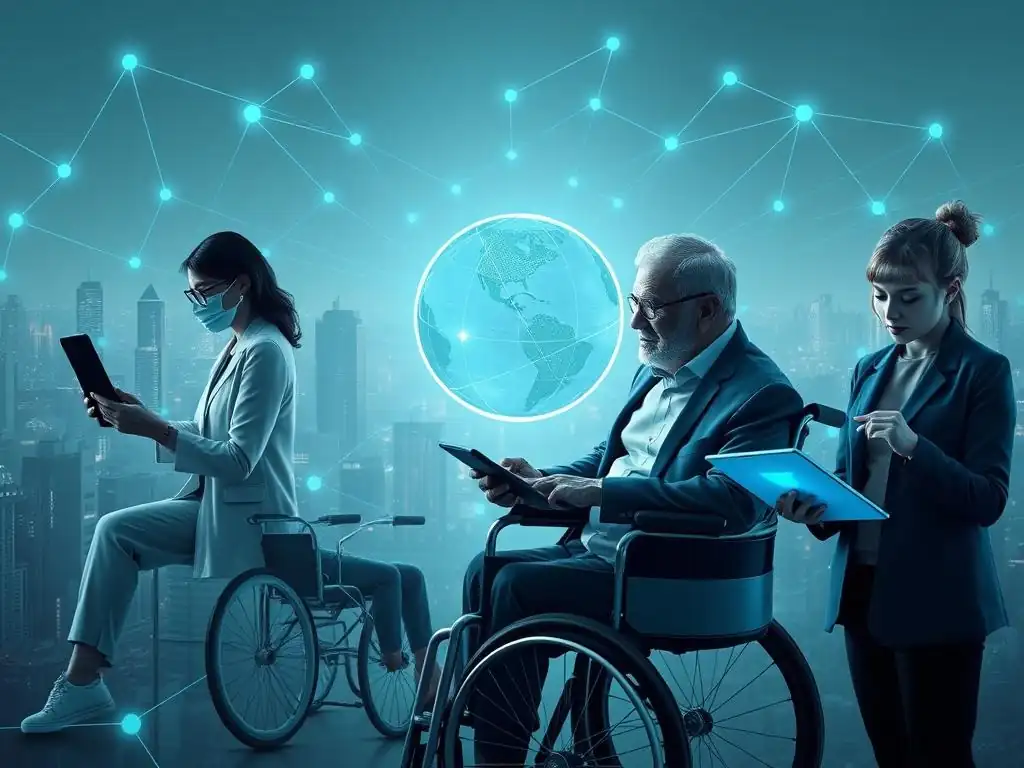
Welcome to Blockchain Trends, your compass in the rapidly evolving world of decentralized technologies. Dive into the transformative power of blockchain beyond just cryptocurrencies, exploring its impact on everything from enterprise solutions to decentralized finance (DeFi). Ever wondered how we can ensure that the blockchain ethical access benefits future for everyone, not just a privileged few? This article delves into that crucial question, examining the intersection of blockchain and AI and highlighting the pathways to a more equitable future. Read on to discover how we can build a decentralized world that truly benefits all.
Beyond the Tech Elite: Ensuring Equitable Access to Blockchain & AI's Ethical Benefits
- Introduction: The Promise and Peril of Blockchain and AI Convergence
- Understanding the Current Landscape: Unequal Access to Blockchain and AI
-
Exploring the Ethical Benefits of Blockchain and AI
- Blockchain for Transparency and Accountability: Supply Chain Traceability in Food Production
- AI-Driven Healthcare Solutions: AI-Powered Diagnostics for Early Disease Detection
- Financial Inclusion through Blockchain: Blockchain-Based Microfinance Platforms for Unbanked Populations
- AI for Education: AI-Driven Personalized Learning Platforms for Students with Disabilities
-
Addressing the Challenges: Strategies for Equitable Access
- Government Initiatives and Policy Recommendations for Blockchain and AI
- Public-Private Partnerships: Bridging the Digital Divide
- Fostering Open-Source Development and Accessible Education
- Community-Led Initiatives: Empowering Local Populations
- Investing in Infrastructure and Connectivity in Underserved Areas
- Case Studies: Successful Initiatives Promoting Equitable Access to Blockchain and AI
- Ethical Considerations: Shaping a More Inclusive Future
- The Future of Equitable Access to Blockchain and AI: A Call to Action
- Conclusion: Realizing the Full Potential of Blockchain and AI for Humanity
-
Frequently Asked Questions
- How can we ensure equitable access to the ethical benefits of blockchain technology?
- What role does regulation play in fostering ethical access to blockchain technologies?
- How can decentralized finance (DeFi) be designed to be more accessible to underserved communities?
- What enterprise applications of blockchain have the most potential to deliver ethical benefits to a broad range of people?
- What is the future of decentralized systems in terms of promoting the ethical benefits of blockchain and AI?
- Final Reflection: Embracing a Future of Inclusive Innovation
- Unearth the Future: Empowering All Through Blockchain & AI!
Introduction: The Promise and Peril of Blockchain and AI Convergence
Blockchain and AI: A Synergistic Force for Good?
The convergence of blockchain and artificial intelligence (AI) presents unprecedented opportunities to revolutionize industries and address some of humanity's most pressing challenges. Blockchain technology, with its inherent transparency, security, and decentralization, can complement AI's analytical and predictive capabilities. Imagine AI algorithms operating on tamper-proof data secured by blockchain, leading to more reliable and trustworthy insights. This synergy can foster advancements in areas ranging from supply chain management and healthcare to financial services and governance.
For instance, in supply chains, AI can optimize logistics based on real-time data recorded on a blockchain, enhancing efficiency and reducing fraud. In healthcare, AI can analyze anonymized patient data stored on a blockchain to accelerate drug discovery while ensuring patient privacy. The potential for positive societal impact is immense, positioning blockchain and AI as a powerful force for good.
However, realizing this potential for good hinges on ensuring that the benefits of blockchain and AI are accessible to all, not just a privileged few. The promise of these technologies to democratize access to services and information is compelling, but it is crucial to proactively address the risks of exacerbating existing inequalities.
The synergistic power of blockchain and AI, while holding immense promise for ethical benefits, also carries the risk of deepening the digital divide if access is not intentionally and equitably distributed. Therefore, a crucial question emerges: How can we ensure that the transformative power of blockchain and AI is harnessed to create a more inclusive and equitable future for everyone?
The Looming Threat of Unequal Access to Technological Advancement
While blockchain and AI offer pathways to progress, the current trajectory reveals a concerning trend: unequal access to these technologies. The digital divide, already a significant barrier to opportunity, risks widening further as blockchain and AI become increasingly integral to modern life. Consider the current global landscape where internet access remains unevenly distributed, with significant disparities between developed and developing nations, and even within developed nations among different socioeconomic groups.
According to the International Telecommunication Union (ITU), as of 2023, approximately 33% of the world's population remains offline. This lack of basic digital infrastructure directly impedes access to blockchain and AI-driven services and opportunities.
This unequal access is not merely a matter of technological availability; it is deeply intertwined with economic and social inequalities. The resources required to develop, deploy, and utilize blockchain and AI technologies are substantial, creating a significant barrier for individuals and communities with limited financial means or technical expertise.
Furthermore, the concentration of research and development in these fields within specific geographic regions and elite institutions further exacerbates the issue. If left unaddressed, this unequal access could lead to a future where the ethical benefits of blockchain and AI are enjoyed primarily by the tech elite, while marginalized communities are left behind, potentially facing new forms of digital exclusion and disadvantage.
The Importance of Ethical Considerations in Blockchain and AI Development
To mitigate the risks of unequal access and ensure that blockchain and AI serve as tools for equitable progress, ethical considerations must be at the forefront of their development and deployment. Ethical frameworks are essential to guide the design, implementation, and governance of these technologies, ensuring they align with principles of fairness, transparency, accountability, and inclusivity. For example, algorithms used in AI systems must be carefully designed to avoid biases that could perpetuate or amplify existing social inequalities.
Similarly, blockchain solutions must be developed with privacy and security in mind, particularly when handling sensitive personal data. The ethical development of blockchain and AI is not just a moral imperative; it is also crucial for fostering public trust and ensuring the long-term sustainability of these technologies.
Integrating ethical considerations from the outset requires a multi-faceted approach. This includes promoting diverse and inclusive teams in blockchain and AI development, fostering open and transparent research practices, and engaging with diverse stakeholders, including marginalized communities, to understand their needs and concerns.
Furthermore, robust regulatory frameworks and ethical guidelines are needed to ensure responsible innovation and prevent the misuse of these powerful technologies. By proactively addressing ethical challenges and prioritizing equitable access, we can steer the development of blockchain and AI towards a future where their ethical benefits are realized by all, contributing to a more just and inclusive world.
Understanding the Current Landscape: Unequal Access to Blockchain and AI
Digital Divide: The Barrier to Entry for Many
The digital divide, characterized by unequal access to digital technologies and the internet, acts as a significant barrier to entry for many seeking to benefit from blockchain and AI. This divide is not simply about access to hardware and internet connectivity; it encompasses a broader spectrum of inequalities, including digital literacy, affordability, and relevant content. According to a 2022 report by the World Economic Forum, while internet penetration is increasing globally, significant disparities persist.
For instance, in many low-income countries, internet access remains limited to urban centers, leaving rural populations largely unconnected. This geographical disparity is further compounded by socioeconomic factors, with individuals from lower-income households and marginalized communities often lacking the resources to afford internet access and digital devices.
Moreover, even when internet access is available, the quality and affordability can be prohibitive. Slow and unreliable connections can hinder the effective use of bandwidth-intensive applications often associated with blockchain and AI.
Furthermore, the cost of data and devices can be a significant burden for low-income households, making participation in the digital economy, including leveraging blockchain and AI tools, economically unviable. Bridging this digital divide is therefore a prerequisite for ensuring equitable access to the ethical benefits of blockchain and AI, requiring concerted efforts to expand affordable and reliable internet access, improve digital literacy, and address the underlying socioeconomic inequalities that perpetuate digital exclusion.
Economic Disparities and Access to Blockchain and AI Resources
Economic disparities are a fundamental driver of unequal access to blockchain and AI resources. The development, deployment, and utilization of these technologies require significant financial investment, creating a natural advantage for wealthier individuals, organizations, and nations. Access to funding for research and development, infrastructure, and talent acquisition is often concentrated in developed economies and within established tech hubs. This concentration of resources can create a self-perpetuating cycle, where those with existing economic advantages are better positioned to capitalize on the opportunities presented by blockchain and AI, further widening the gap between the haves and have-nots.
Consider the investment in AI research, which is heavily concentrated in North America and Asia. According to a 2023 report by Stanford University's AI Index, private investment in AI globally reached over $90 billion in 2022, with the majority flowing to companies based in these regions. This disparity in investment translates directly into disparities in access to cutting-edge AI tools, talent, and infrastructure.
Similarly, the development and deployment of blockchain solutions, particularly enterprise-level applications, often require substantial upfront investment in technology and expertise. Addressing these economic disparities requires innovative funding models, targeted support for developing nations and marginalized communities, and policies that promote a more equitable distribution of resources within the blockchain and AI ecosystems.
Educational Gaps: Lack of Awareness and Training in Emerging Technologies
Educational gaps represent another critical dimension of unequal access to blockchain and AI. A lack of awareness and understanding of these technologies, coupled with insufficient training opportunities, creates a significant barrier for individuals seeking to participate in and benefit from the emerging blockchain and AI-driven economy. Many educational systems around the world are still lagging in incorporating blockchain and AI into their curricula, leaving graduates unprepared for the demands of the future workforce. This gap is particularly pronounced in underserved communities and developing regions, where access to quality education in STEM fields is often limited.
Furthermore, digital literacy, which is essential for navigating and utilizing blockchain and AI technologies, is not universally distributed. Many individuals lack the basic digital skills needed to interact with online platforms, understand data privacy implications, or critically evaluate information online. This lack of digital literacy can further marginalize individuals and communities in an increasingly digital world.
Bridging these educational gaps requires a concerted effort to integrate blockchain and AI education into curricula at all levels, promote digital literacy initiatives, and provide accessible and affordable training opportunities for individuals from diverse backgrounds. Investing in education and skills development is crucial for democratizing access to the ethical benefits of blockchain and AI and fostering a more inclusive technological future.
Geographic Limitations: Infrastructure Challenges in Developing Regions
Geographic limitations and infrastructure challenges pose significant obstacles to equitable access to blockchain and AI, particularly in developing regions. Many parts of the world lack the robust digital infrastructure necessary to support the widespread adoption and utilization of these technologies. This includes limited access to reliable electricity, inadequate internet connectivity, and a lack of local technical expertise.
For example, in many sub-Saharan African countries, electricity access remains a major challenge, with unreliable power grids hindering the development and deployment of digital infrastructure. According to the World Bank, in 2021, only 56% of the population in sub-Saharan Africa had access to electricity.
Furthermore, even where electricity is available, internet connectivity may be slow, expensive, or unreliable, limiting the ability to effectively utilize blockchain and AI applications that often require significant bandwidth. The lack of local technical expertise and support infrastructure also poses a challenge, as it can be difficult to deploy and maintain complex blockchain and AI systems in regions with limited technical capacity.
Addressing these geographic limitations requires targeted investments in infrastructure development, including expanding electricity access, improving internet connectivity, and fostering local technical capacity building. International collaboration and public-private partnerships are essential to overcome these infrastructure challenges and ensure that developing regions are not left behind in the blockchain and AI revolution.
Exploring the Ethical Benefits of Blockchain and AI
Blockchain for Transparency and Accountability: Supply Chain Traceability in Food Production
Blockchain technology offers significant ethical benefits by enhancing transparency and accountability, particularly in complex systems like food production supply chains. Traditional food supply chains are often opaque, making it difficult for consumers to trace the origin of food products and verify their quality and safety. This lack of transparency can erode consumer trust and create opportunities for fraud and unethical practices.
By leveraging blockchain, every step in the food supply chain, from farm to consumer, can be recorded on an immutable and transparent ledger. This allows consumers to access detailed information about the origin, processing, and transportation of their food, promoting greater trust and accountability.
For example, consider the case of Fairtrade International, which is exploring the use of blockchain to enhance the traceability of cocoa beans. By recording data on the blockchain at each stage of the cocoa supply chain, from farmers to processors to retailers, Fairtrade aims to provide consumers with verifiable proof that their cocoa products are ethically sourced and contribute to fair wages for farmers.
This increased transparency not only empowers consumers to make informed purchasing decisions but also incentivizes ethical practices throughout the supply chain, reducing instances of exploitation and promoting sustainable food production. Blockchain's ability to provide verifiable and tamper-proof information can significantly improve ethical outcomes in food production and beyond.
AI-Driven Healthcare Solutions: AI-Powered Diagnostics for Early Disease Detection
AI is revolutionizing healthcare by enabling the development of innovative solutions for early disease detection and diagnosis, offering significant ethical benefits in terms of improved patient outcomes and increased access to quality healthcare. Traditional diagnostic methods can be time-consuming, expensive, and require specialized expertise, limiting access, particularly in underserved communities and developing regions. AI-powered diagnostic tools, leveraging machine learning algorithms, can analyze medical images, patient data, and genetic information with remarkable speed and accuracy, often surpassing human capabilities in certain areas. This can lead to earlier and more accurate diagnoses, enabling timely interventions and improving patient survival rates.
For instance, AI algorithms are proving highly effective in detecting early signs of diseases like cancer from medical images such as mammograms and CT scans. A study published in the journal Radiology in 2020 demonstrated that an AI system was able to detect breast cancer in mammograms with comparable accuracy to experienced radiologists. Furthermore, AI-powered diagnostic tools can be deployed in remote and underserved areas, overcoming geographical barriers to healthcare access.
Mobile AI-based diagnostic platforms can be used in resource-limited settings, enabling early detection and diagnosis of diseases in communities that lack access to specialized medical facilities. AI's potential to democratize access to advanced diagnostics and improve healthcare outcomes represents a significant ethical benefit of this technology.
Financial Inclusion through Blockchain: Blockchain-Based Microfinance Platforms for Unbanked Populations
Blockchain technology is proving to be a powerful tool for promoting financial inclusion, particularly for unbanked and underbanked populations around the world. Traditional financial systems often exclude individuals and communities who lack formal identification, credit history, or access to physical bank branches. This financial exclusion limits economic opportunities and perpetuates poverty. Blockchain-based microfinance platforms can overcome these barriers by providing secure, transparent, and accessible financial services directly to individuals via mobile devices, bypassing traditional intermediaries. These platforms can facilitate peer-to-peer lending, cross-border remittances, and access to savings and insurance products, empowering individuals to participate in the formal economy.
Consider the example of Tala, a mobile micro-lending platform that uses AI and blockchain to provide loans to unbanked individuals in emerging markets. Tala utilizes smartphone data to assess creditworthiness and disburses loans via mobile wallets, bypassing the need for traditional banking infrastructure. By leveraging blockchain for secure and transparent transaction records, Tala builds trust and accountability in its lending operations.
As of 2023, Tala has provided over $1 billion in loans to millions of customers in countries like Kenya, Tanzania, and the Philippines, demonstrating the transformative potential of blockchain for financial inclusion. Blockchain's ability to reduce transaction costs, enhance security, and increase accessibility makes it a valuable tool for expanding financial inclusion and promoting economic empowerment.
AI for Education: AI-Driven Personalized Learning Platforms for Students with Disabilities
AI offers transformative opportunities to personalize education and create more inclusive learning environments for students with disabilities, representing a significant ethical benefit in the realm of education. Traditional education systems often struggle to cater to the diverse learning needs of students with disabilities, who may require individualized instruction, adaptive learning materials, and specialized support. AI-driven personalized learning platforms can address these challenges by adapting to each student's unique learning style, pace, and needs. These platforms can provide customized learning paths, adaptive assessments, and personalized feedback, ensuring that students with disabilities receive the tailored support they need to succeed.
For example, consider the use of AI-powered assistive technologies for students with visual impairments. AI-based screen readers and text-to-speech software can convert digital text into audio, making online learning materials accessible to visually impaired students. Furthermore, AI algorithms can be used to analyze student learning data and identify areas where students with disabilities may be struggling, allowing educators to provide targeted interventions and support.
Platforms like Khan Academy are incorporating AI features to personalize learning experiences and provide adaptive exercises, benefiting all students, including those with disabilities. By leveraging AI to create personalized and adaptive learning environments, education systems can become more inclusive and equitable, ensuring that all students, regardless of their abilities, have the opportunity to reach their full potential.
Addressing the Challenges: Strategies for Equitable Access
Government Initiatives and Policy Recommendations for Blockchain and AI
Governments play a crucial role in fostering equitable access to blockchain and AI through strategic initiatives and policy recommendations. Policy interventions are needed to address the systemic barriers that contribute to unequal access, including the digital divide, economic disparities, and educational gaps. Governments can invest in expanding broadband infrastructure, particularly in underserved areas, to bridge the digital divide. For example, the US government's Broadband Equity, Access, and Deployment (BEAD) program, part of the Infrastructure Investment and Jobs Act, aims to allocate billions of dollars to expand high-speed internet access across the country.
Furthermore, governments can implement policies to promote digital literacy and skills development, such as integrating blockchain and AI education into school curricula and funding vocational training programs in these emerging technologies. In terms of economic disparities, governments can explore policies that promote inclusive innovation, such as providing grants and subsidies to support blockchain and AI startups in underserved communities and incentivizing companies to develop solutions that address social challenges.
Regulatory frameworks are also essential to ensure responsible innovation and prevent the misuse of blockchain and AI technologies, while also fostering an environment that encourages equitable access and benefit sharing. Governments, through proactive policies and investments, can be instrumental in shaping a more inclusive blockchain and AI ecosystem.
Public-Private Partnerships: Bridging the Digital Divide
Public-private partnerships (PPPs) are essential for bridging the digital divide and promoting equitable access to blockchain and AI. Governments and private sector companies can collaborate to leverage their respective resources and expertise to expand internet access, improve digital literacy, and deploy innovative solutions in underserved communities. Private sector companies, particularly telecommunications and technology firms, possess the technical expertise and infrastructure to deploy broadband networks and develop digital platforms. Governments can provide policy support, financial incentives, and regulatory frameworks that encourage private sector investment in bridging the digital divide.
For example, in India, the BharatNet project is a government-led initiative to provide broadband connectivity to all villages in the country, with significant private sector participation in network deployment and service provision. PPPs can also be effective in developing and delivering digital literacy programs, with private sector companies contributing expertise and resources to train individuals in basic digital skills and emerging technologies like blockchain and AI. Collaborative initiatives between governments, private companies, and non-profit organizations can create synergistic effects, accelerating progress towards equitable access and ensuring that the benefits of blockchain and AI reach all segments of society.
Fostering Open-Source Development and Accessible Education
Fostering open-source development and accessible education are crucial strategies for democratizing access to blockchain and AI. Open-source software and platforms reduce barriers to entry by making technology freely available and modifiable. This allows developers, researchers, and entrepreneurs from diverse backgrounds and locations to contribute to and benefit from the advancements in blockchain and AI. Open-source initiatives can also foster collaboration and knowledge sharing, accelerating innovation and promoting transparency. Organizations like the Linux Foundation and the Apache Software Foundation exemplify the power of open-source collaboration in driving technological progress.
In the realm of education, making learning resources accessible and affordable is paramount. Open Educational Resources (OER), such as online courses, tutorials, and educational materials, can democratize access to knowledge about blockchain and AI. Platforms like Coursera, edX, and Udacity offer a wide range of courses on these technologies, many of which are freely available or offered at low cost.
Furthermore, universities and educational institutions can play a crucial role by developing open-access curricula and promoting online learning platforms that are accessible to students from diverse backgrounds and locations. By embracing open-source principles and promoting accessible education, we can create a more inclusive and equitable ecosystem for blockchain and AI innovation and adoption.
Community-Led Initiatives: Empowering Local Populations

Community-led initiatives are vital for ensuring that blockchain and AI solutions are relevant, culturally appropriate, and effectively address the specific needs of local populations. Top-down approaches to technology deployment often fail to account for local contexts and can perpetuate existing inequalities. Empowering local communities to participate in the design, development, and implementation of blockchain and AI solutions ensures that these technologies are used in ways that are beneficial and sustainable for the community. Community-led initiatives can take various forms, including grassroots technology hubs, local digital literacy programs, and community-owned data cooperatives.
For example, in some developing countries, community-based organizations are leveraging blockchain to create local digital currencies and payment systems that bypass traditional financial intermediaries and promote economic empowerment within the community. Similarly, community-led initiatives are using AI to develop locally relevant solutions in areas such as agriculture, healthcare, and education, tailored to the specific needs and challenges of the community.
Supporting and scaling community-led initiatives requires providing resources, technical assistance, and capacity building support to local organizations and individuals. Empowering local populations to be active participants in the blockchain and AI revolution is essential for ensuring equitable access and realizing the full potential of these technologies for social good.
Investing in Infrastructure and Connectivity in Underserved Areas
Investing in infrastructure and connectivity in underserved areas is a fundamental prerequisite for equitable access to blockchain and AI. Without reliable electricity, internet access, and digital infrastructure, communities are effectively excluded from participating in the digital economy and benefiting from the advancements in these technologies. Governments, international organizations, and private sector companies need to prioritize investments in expanding digital infrastructure in underserved regions, particularly in developing countries and rural areas. This includes investments in electricity grids, fiber optic networks, mobile broadband infrastructure, and community Wi-Fi hotspots.
Furthermore, affordability is a critical factor. Even when infrastructure is available, the cost of internet access and digital devices can be prohibitive for low-income communities. Subsidies, targeted affordability programs, and innovative business models are needed to make internet access and digital devices affordable for all.
Investing in infrastructure and connectivity is not just a matter of technological deployment; it is an investment in human capital, economic opportunity, and social inclusion. By prioritizing infrastructure development in underserved areas, we can create a level playing field and ensure that all communities have the opportunity to benefit from the transformative potential of blockchain and AI.
Case Studies: Successful Initiatives Promoting Equitable Access to Blockchain and AI
Blockchain-Based Land Registry in Ghana
The Problem: Lack of Secure Land Ownership Records
In Ghana, as in many developing countries, a significant challenge is the lack of secure and reliable land ownership records. Traditional land registry systems are often paper-based, inefficient, and susceptible to corruption and disputes. This lack of secure land tenure hinders economic development, discourages investment, and disproportionately affects vulnerable populations, particularly women and marginalized communities, who often lack formal land titles. The World Bank estimates that less than 30% of land in sub-Saharan Africa is formally documented. This insecurity of land ownership creates significant social and economic instability.
The Solution: Blockchain Implementation for Transparent and Immutable Records
To address this problem, the government of Ghana, in collaboration with private sector partners, has piloted a blockchain-based land registry system. This system utilizes blockchain technology to create a transparent, immutable, and secure record of land ownership. Land titles are digitally recorded on the blockchain, making them easily accessible, verifiable, and resistant to tampering or fraud.
The use of blockchain enhances transparency by allowing stakeholders to track the history of land transactions and ownership, reducing opportunities for corruption and disputes. The immutability of blockchain ensures that land records are permanently stored and cannot be altered retroactively, providing greater security and confidence in the land registry system.
The Results: Increased Security and Reduced Corruption
The initial results of the blockchain-based land registry pilot in Ghana have been promising. The system has demonstrated the potential to significantly increase the security and transparency of land ownership records. By digitizing land titles and recording them on a blockchain, the system reduces the risk of fraud and corruption associated with traditional paper-based systems.
Early adopters of the system have reported increased confidence in the security of their land titles and a reduction in land disputes. While the project is still in its early stages, it highlights the potential of blockchain technology to address real-world challenges in developing countries and promote more equitable and secure land governance. This initiative serves as a compelling example of how blockchain can be used to enhance transparency, reduce corruption, and improve the lives of citizens, particularly in regions where traditional systems are weak or unreliable.
AI-Powered Educational Platform for Refugee Children in Lebanon
The Problem: Limited Access to Quality Education for Displaced Populations
Refugee children, particularly those displaced by conflict and crises, face immense challenges in accessing quality education. In Lebanon, which hosts a large number of Syrian refugees, access to education for refugee children is severely constrained by limited resources, overcrowded schools, and language barriers. Many refugee children have experienced trauma and disruption to their education, requiring individualized support and flexible learning approaches. Traditional education systems often struggle to meet the complex needs of displaced populations, leaving many refugee children without access to meaningful learning opportunities.
The Solution: AI-Driven Personalized Learning Paths Accessible via Mobile Devices
To address this educational crisis, organizations like the Norwegian Refugee Council (NRC) have implemented AI-powered educational platforms to provide personalized learning paths for refugee children in Lebanon. These platforms utilize AI algorithms to adapt to each child's individual learning needs, pace, and language proficiency. Learning content is delivered via mobile devices, overcoming geographical barriers and providing access to education even in remote refugee camps.
The AI-driven platforms offer interactive lessons, personalized feedback, and gamified learning experiences to engage students and improve learning outcomes. The use of mobile technology ensures accessibility and scalability, reaching large numbers of refugee children in a cost-effective manner.
The Results: Improved Student Outcomes and Increased Engagement
The implementation of AI-powered educational platforms for refugee children in Lebanon has yielded positive results. Evaluations have shown improved student engagement, increased learning outcomes, and enhanced digital literacy skills among participating children. The personalized learning approach caters to the diverse needs of refugee students, helping them catch up on missed education and acquire essential skills for the future.
The mobile accessibility of the platforms ensures that education can reach children even in challenging and resource-constrained environments. This case study demonstrates the power of AI to democratize access to quality education for marginalized populations and provide innovative solutions to address complex humanitarian challenges. It highlights the potential of AI to deliver ethical benefits by providing education to those who are most in need, ensuring that technology serves as a tool for inclusion and empowerment.
Ethical Considerations: Shaping a More Inclusive Future
The Role of Developers and Researchers in Promoting Ethical AI and Blockchain
Developers and researchers are at the forefront of shaping the ethical landscape of AI and blockchain. Their choices in design, development, and deployment have profound ethical implications, influencing who benefits from these technologies and how they are used. Developers have a responsibility to build AI and blockchain systems that are fair, transparent, accountable, and respect user privacy. This includes actively mitigating biases in algorithms, ensuring data security, and designing systems that are understandable and auditable. Researchers play a crucial role in exploring the ethical implications of these technologies, developing ethical frameworks, and promoting responsible innovation.
Furthermore, developers and researchers should prioritize inclusivity and diversity within their teams and in the user base they serve. Diverse teams are more likely to identify and address potential biases and ethical concerns, leading to more robust and equitable technologies. Engaging with diverse stakeholders, including marginalized communities, throughout the development process is essential to ensure that AI and blockchain solutions are aligned with societal values and needs.
Ethical considerations should not be an afterthought but rather an integral part of the entire development lifecycle. By embracing ethical principles and prioritizing social responsibility, developers and researchers can play a pivotal role in shaping a more inclusive and ethical future for AI and blockchain.
The Importance of Data Privacy and Security in Equitable Systems
Data privacy and security are paramount ethical considerations in the development and deployment of equitable blockchain and AI systems. These technologies often rely on vast amounts of data, including personal and sensitive information. Protecting user data from unauthorized access, misuse, and breaches is essential to build trust and ensure ethical operation. Blockchain's inherent security features, such as cryptography and decentralization, can enhance data security and privacy. However, careful design and implementation are still required to address privacy concerns, particularly in applications that handle sensitive personal data.
AI systems, especially those based on machine learning, are often trained on large datasets, raising concerns about data privacy and algorithmic bias. Anonymization techniques, differential privacy, and federated learning are some of the approaches being explored to mitigate privacy risks in AI. Furthermore, robust data governance frameworks and regulations, such as GDPR (General Data Protection Regulation), are crucial to protect user data rights and ensure accountability.
Equitable systems must prioritize data privacy and security, not only to comply with legal requirements but also to uphold ethical principles and build user trust. Transparency about data collection, usage, and storage practices is also essential for fostering user confidence and promoting responsible data handling in blockchain and AI applications.
Building Trust and Transparency in Blockchain and AI Applications
Building trust and transparency is fundamental for the widespread adoption and ethical use of blockchain and AI applications. Many individuals and communities are hesitant to embrace these technologies due to concerns about their complexity, opacity, and potential for misuse. Blockchain's inherent transparency, through its distributed ledger and immutable records, can contribute to building trust. However, the technical complexity of blockchain can also be a barrier to understanding and trust. Efforts are needed to simplify blockchain interfaces and provide clear and accessible information about how these systems work.
Similarly, AI systems, particularly complex machine learning models, are often perceived as "black boxes," making it difficult to understand how they arrive at decisions. Explainable AI (XAI) is an emerging field focused on developing AI systems that can provide insights into their decision-making processes, enhancing transparency and trust.
Furthermore, open-source development, audits by independent third parties, and clear communication about the purpose and functionality of blockchain and AI applications can contribute to building trust. Transparency and trust are not just desirable ethical attributes; they are essential for fostering user adoption, ensuring accountability, and promoting the responsible and ethical use of blockchain and AI technologies.
Empowering Individuals with Digital Literacy and Skills
Empowering individuals with digital literacy and skills is a critical component of ensuring equitable access to the ethical benefits of blockchain and AI. Digital literacy encompasses the ability to use digital technologies effectively, critically evaluate online information, and participate safely and responsibly in the digital world. As blockchain and AI become increasingly integrated into daily life, digital literacy is no longer optional but essential for economic opportunity, social inclusion, and civic participation. Digital literacy programs should be accessible to all, particularly marginalized communities and underserved populations, who may face greater barriers to acquiring these skills.
Furthermore, specific skills related to blockchain and AI, such as understanding blockchain concepts, using digital wallets, and interacting with AI-powered applications, are becoming increasingly valuable in the job market. Vocational training programs, online courses, and community-based workshops can provide individuals with the skills needed to participate in the emerging blockchain and AI-driven economy.
Empowering individuals with digital literacy and skills is not just about providing technical training; it is about fostering digital citizenship, promoting critical thinking, and ensuring that everyone has the opportunity to thrive in an increasingly digital world. Investing in digital literacy and skills development is a key strategy for promoting equitable access and realizing the full potential of blockchain and AI for all.
The Future of Equitable Access to Blockchain and AI: A Call to Action
Investing in Research and Development for Inclusive Technologies
Investing in research and development (R&D) specifically focused on inclusive blockchain and AI technologies is crucial for ensuring equitable access and maximizing ethical benefits. R&D efforts should prioritize the development of solutions that address the needs of underserved communities and marginalized populations. This includes researching technologies that are affordable, accessible in low-resource settings, and culturally appropriate. For example, R&D can focus on developing low-cost AI-powered diagnostic tools for use in remote healthcare clinics, or blockchain-based microfinance platforms that are accessible via basic mobile phones in developing countries.
Furthermore, R&D should explore ways to mitigate biases in AI algorithms and enhance data privacy in blockchain systems, ensuring that these technologies are developed and deployed ethically and responsibly. Funding agencies, both public and private, should prioritize research projects that have a clear focus on promoting equity and inclusion. Encouraging interdisciplinary research collaborations that bring together technologists, social scientists, ethicists, and community stakeholders is also essential for developing holistic and impactful solutions. Investing in R&D for inclusive technologies is an investment in a more equitable and just future for blockchain and AI.
Promoting Collaboration and Knowledge Sharing Across Sectors
Promoting collaboration and knowledge sharing across sectors is essential for accelerating equitable access to blockchain and AI. Addressing the challenges of digital exclusion and unequal access requires a multi-faceted approach that involves governments, private sector companies, non-profit organizations, academic institutions, and community groups working together. Governments can create enabling policy environments, provide funding for collaborative projects, and convene stakeholders to share best practices.
Private sector companies can contribute technical expertise, resources, and innovative business models. Non-profit organizations can bring their on-the-ground experience working with underserved communities and advocate for equitable access. Academic institutions can conduct research, develop educational resources, and train the next generation of blockchain and AI professionals.
Platforms for knowledge sharing, such as open-source repositories, online forums, and conferences, are crucial for disseminating best practices, lessons learned, and innovative solutions. International collaborations are also vital for addressing global challenges and ensuring that the benefits of blockchain and AI are shared equitably across nations. By fostering collaboration and knowledge sharing across sectors and borders, we can accelerate progress towards equitable access and create a more inclusive and impactful blockchain and AI ecosystem.
Measuring the Impact of Equitable Access Initiatives
Measuring the impact of equitable access initiatives is crucial for ensuring accountability, guiding resource allocation, and demonstrating the effectiveness of interventions. Impact measurement should go beyond simply tracking technological adoption rates and focus on assessing the social and economic outcomes of equitable access initiatives. This includes measuring improvements in digital literacy, economic empowerment, healthcare access, educational attainment, and social inclusion. Data collection and analysis should be conducted in a rigorous and ethical manner, involving community participation and ensuring data privacy.
Furthermore, impact measurement should consider both quantitative and qualitative indicators, capturing not only the numerical data but also the lived experiences and perspectives of individuals and communities affected by equitable access initiatives. Longitudinal studies are needed to assess the long-term impact of interventions and track progress over time. Sharing impact data transparently and openly is essential for learning from successes and failures, adapting strategies, and ensuring that equitable access initiatives are effective and sustainable. Robust impact measurement frameworks are critical for demonstrating the value of equitable access initiatives and making the case for continued investment and support.
Ensuring Long-Term Sustainability of Blockchain and AI Solutions for All
Ensuring the long-term sustainability of blockchain and AI solutions for all is paramount for achieving lasting equitable access and maximizing ethical benefits. Sustainability encompasses not only financial sustainability but also environmental, social, and technical sustainability. Financial sustainability requires developing business models and funding mechanisms that can support the ongoing operation and maintenance of blockchain and AI solutions, particularly in underserved communities and developing regions. This may involve exploring innovative financing approaches, such as social impact bonds, blended finance models, and community-owned infrastructure.
Environmental sustainability requires considering the energy consumption and environmental footprint of blockchain and AI technologies and promoting energy-efficient solutions. Social sustainability requires ensuring that blockchain and AI solutions are culturally appropriate, locally owned, and contribute to community empowerment. Technical sustainability requires building robust and resilient systems that can be maintained and updated over time, even in resource-constrained environments. Addressing all dimensions of sustainability is essential for ensuring that blockchain and AI solutions are not only equitable but also viable and beneficial in the long run, creating lasting positive impact for all.
Conclusion: Realizing the Full Potential of Blockchain and AI for Humanity
Realizing the full potential of blockchain and AI for humanity hinges on our collective commitment to ensuring equitable access and prioritizing ethical considerations. These powerful technologies hold immense promise to address global challenges, improve lives, and create a more just and prosperous world. However, this promise will remain unfulfilled if the benefits of blockchain and AI are concentrated in the hands of a privileged few, while the majority are left behind.
By proactively addressing the digital divide, economic disparities, educational gaps, and infrastructure challenges, we can pave the way for a future where blockchain and AI serve as tools for inclusion, empowerment, and progress for all. The journey towards equitable access requires sustained effort, collaboration, and a deep commitment to ethical principles.
But the potential rewards – a future where the ethical benefits of blockchain and AI are shared by all – are well worth the effort. Let us work together to ensure that these transformative technologies are harnessed to create a truly inclusive and equitable future for humanity.
Frequently Asked Questions
How can we ensure equitable access to the ethical benefits of blockchain technology?
We must prioritize inclusive education and skill-building initiatives to empower individuals from diverse backgrounds to participate in the development and governance of blockchain solutions. This will distribute the benefits of blockchain more widely.
What role does regulation play in fostering ethical access to blockchain technologies?
Thoughtful regulation can promote fair competition, prevent discriminatory practices, and ensure that blockchain applications are developed and deployed responsibly, benefiting all members of society.
How can decentralized finance (DeFi) be designed to be more accessible to underserved communities?
DeFi platforms need to address barriers to entry such as high transaction fees and complex interfaces. Developing user-friendly interfaces and offering educational resources can promote wider adoption.
What enterprise applications of blockchain have the most potential to deliver ethical benefits to a broad range of people?
Supply chain management solutions that promote transparency and fair labor practices and identity management systems that empower individuals with control over their data are two key areas.
What is the future of decentralized systems in terms of promoting the ethical benefits of blockchain and AI?
The future hinges on designing systems that are inherently inclusive and prioritize the well-being of all stakeholders. This involves actively mitigating biases and promoting responsible innovation.
Final Reflection: Embracing a Future of Inclusive Innovation
The exploration of blockchain and AI's ethical benefits, as highlighted throughout this article, underscores a crucial point: technology's transformative power must be accessible to all, not just a select few. The potential for these innovations to uplift communities and address global challenges hinges on ensuring equitable access and mitigating the risks of exacerbating existing inequalities. The future we build with these technologies will be defined by how inclusively we design and deploy them.
The ongoing influence of blockchain and AI on our cultural and social landscape is undeniable, yet the promise of a truly equitable future remains a challenge. It's imperative that we actively work to dismantle the barriers that prevent marginalized communities from participating in and benefiting from these advancements. This requires a conscious effort to foster digital literacy, promote diverse representation in tech development, and prioritize ethical considerations at every stage. The future is already here – it's just not evenly distributed.
- William Gibson. This quote serves as a constant reminder that our responsibility lies in ensuring that the benefits of technological progress are shared by all, not just a privileged segment of society.
As we stand at the cusp of a new technological era, I invite you to reflect on your own role in shaping a more equitable future. Consider how you can contribute to fostering inclusivity in the tech space, whether through supporting educational initiatives, advocating for policy changes, or simply engaging in conversations that promote awareness. The power to create a future where blockchain and AI truly benefit humanity rests in our collective hands. Let us strive to build a world where innovation empowers everyone, leaving no one behind.
Unearth the Future: Empowering All Through Blockchain & AI!
Thank you for exploring how Blockchain and AI can pave the way for a more equitable future. Now that you're equipped with these insights, it's time to turn knowledge into action!
Here's how you can contribute:
- Become a Champion for Equitable Access: Start by researching local initiatives that are working to bridge the digital divide and provide access to technology education and resources. Share your findings within your community and identify opportunities for collaboration.
- Explore alternative models for technology distribution and training. Can we leverage existing community centers, libraries, or schools?
- Share this article with your network and spark a discussion. Consider posting on social media with the hashtag #TechEquity to amplify the message.
What concrete steps can you take this week to promote equitable access to Blockchain and AI within your own sphere of influence?
Leave a Reply