
Blockchain and Supply Chain Traceability for Conflict Minerals: Promoting Ethical Sourcing

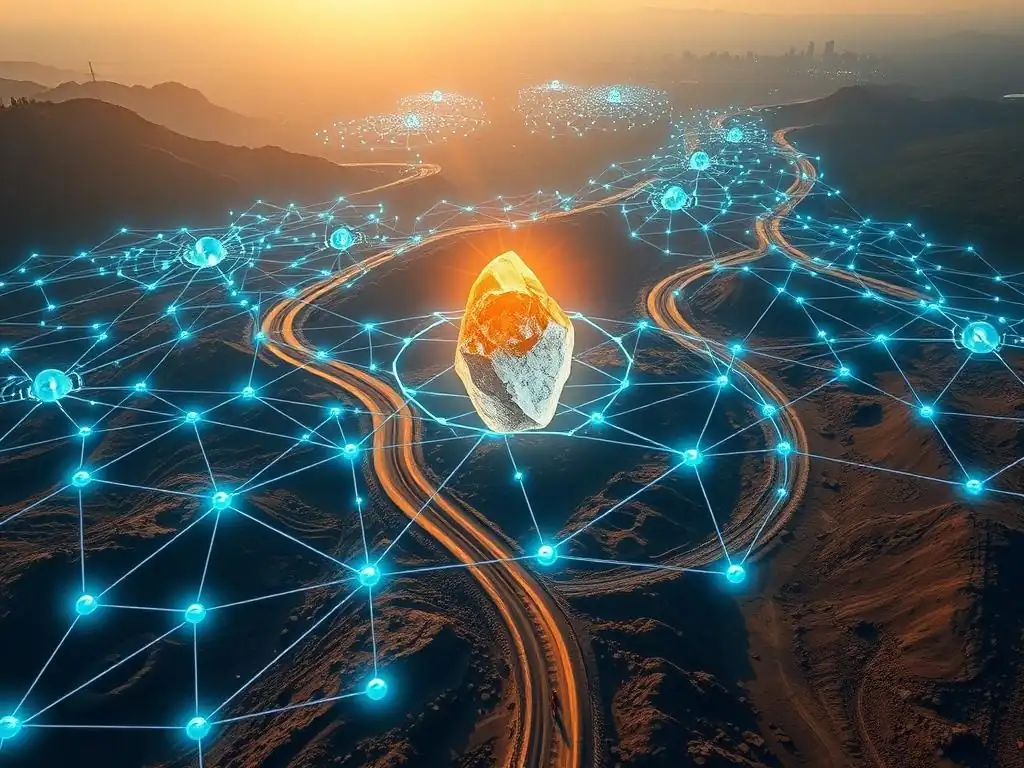
Welcome to Blockchain Trends, your guide to understanding the revolutionary impact of blockchain beyond the hype. Are you ready to delve into how this groundbreaking technology is reshaping industries and fostering transparency?
This article explores a critical application: Blockchain supply chain conflict minerals. Discover how blockchain's inherent immutability and transparency can be leveraged to combat unethical sourcing practices and ensure a more responsible future for the global supply chain. What if we could truly know the origin of the materials in our everyday products? Read on to find out.
Blockchain and Supply Chain Traceability for Conflict Minerals: Promoting Ethical Sourcing
- Introduction: The Challenge of Conflict Minerals and Ethical Sourcing
- Blockchain Technology: A Solution for Traceability
- Implementing Blockchain for Conflict Mineral Traceability
- Benefits of Blockchain in Tackling Conflict Minerals
- Challenges and Considerations for Blockchain Adoption
- Case Studies: Blockchain Success Stories in Mineral Sourcing
- The Future of Blockchain and Ethical Mineral Sourcing
- Overcoming Barriers to Widespread Adoption
- Conclusion: Blockchain as a Catalyst for Ethical Mineral Sourcing
-
Frequently Asked Questions
- What are conflict minerals and why is their sourcing a problem?
- How can blockchain technology improve the traceability of conflict minerals?
- What are the key benefits of using a blockchain for conflict mineral supply chain management?
- What are some of the challenges in implementing a blockchain-based solution for conflict minerals?
- What is the future outlook for blockchain technology in tracing conflict minerals and promoting ethical sourcing?
- Final Reflection: Forging a Chain of Ethical Accountability
- Empower Ethical Sourcing: Take Action Now!
Introduction: The Challenge of Conflict Minerals and Ethical Sourcing
Understanding Conflict Minerals: Origins and Impact
Conflict minerals refer to specific raw materials mined in areas where armed conflict is occurring and where the profits from their sale contribute to funding or perpetuating that conflict. The most commonly cited conflict minerals are tin, tantalum, tungsten, and gold – often referred to as the "3Ts and Gold."
These minerals are essential components in many modern technologies, including smartphones, laptops, and vehicles. The Democratic Republic of Congo (DRC) and surrounding countries in the Great Lakes region of Africa have been particularly affected by the trade in conflict minerals, with various armed groups controlling mines and exploiting local populations.
The impact of conflict minerals is devastating. The trade fuels violence, human rights abuses, forced labor, and environmental degradation in mining regions. It is estimated that billions of dollars flow into the hands of armed groups annually from the illicit trade of these minerals.
For instance, reports from the United Nations and NGOs have consistently highlighted how groups like the FDLR or Mai-Mai militias in eastern DRC derive significant income from taxing or controlling mining sites, perpetuating instability and hindering development. Addressing the source and flow of these minerals through intricate global supply chains is a significant challenge for companies and regulators alike, demanding robust traceability mechanisms.
The Need for Transparency in the Mineral Supply Chain
Ensuring transparency in the supply chain for minerals, especially those originating from conflict-affected or high-risk areas, is paramount for ethical sourcing. The journey of a mineral from mine to finished product is often complex, involving multiple intermediaries such as local traders, exporters, smelters, refiners, component manufacturers, and product assemblers. At each step, the origin and chain of custody can become obscured, making it difficult to verify that the minerals were sourced responsibly and did not contribute to conflict or human rights violations.
Current methods for tracking minerals, such as paper-based documentation, spreadsheets, or centralized databases, are often vulnerable to fraud, errors, and manipulation. This lack of verifiable transparency creates blind spots for companies trying to comply with regulations like the U.S. Dodd-Frank Act Section 1502 or the EU Conflict Minerals Regulation, which require due diligence on mineral sourcing. Without a reliable system to trace minerals from their point of origin through smelting and refining to the final product, companies cannot confidently assure their stakeholders or consumers that their products are free from conflict minerals, underscoring the critical need for enhanced traceability.
Blockchain Technology: A Solution for Traceability
How Blockchain Enhances Supply Chain Visibility
Blockchain technology offers a novel approach to enhancing visibility within complex supply chains, including those for conflict minerals. At its core, a blockchain is a distributed, immutable ledger that records transactions across multiple computers. In the context of a supply chain, each transaction represents a transfer of ownership, a change in location, or the addition of relevant data (like assay reports or ethical certifications) for a specific batch of minerals. Once a transaction is recorded on the blockchain, it is grouped into a block, cryptographically linked to the previous block, forming a chain that is incredibly difficult to alter.
This distributed and linked structure means that all authorized participants in the supply chain network – from the mine operator to the final manufacturer – can access a shared, real-time view of the mineral's journey. Instead of relying on siloed, easily manipulated records, participants can trace the mineral's path step-by-step, verifying its origin and handling at each stage. This inherent transparency and shared data source drastically improve visibility compared to traditional methods, providing a clearer picture of where minerals come from and how they are processed, which is vital for effective blockchain supply chain conflict minerals initiatives.
Key Features of Blockchain for Ethical Sourcing: Immutability and Transparency
Two fundamental features of blockchain technology make it particularly well-suited for promoting ethical sourcing and improving blockchain supply chain conflict minerals traceability: immutability and transparency. Immutability means that once data is added to the blockchain, it cannot be changed or deleted. This creates a tamper-proof record of every transaction and data point associated with a batch of minerals. If a mineral shipment's origin is recorded on the blockchain, that record is permanent and verifiable by all network participants, significantly reducing the risk of fraudulent claims about sourcing or origin washing.
Transparency, in the context of a permissioned blockchain often used in enterprise supply chains, means that authorized participants have access to the relevant data on the ledger. While not necessarily open to everyone globally (as in public blockchains like Bitcoin), this shared access among supply chain partners allows for unprecedented collaboration and verification. Participants can audit the chain of custody records independently, ensuring that due diligence steps are being followed and that minerals are indeed flowing from validated, conflict-free sources. This combination of an unalterable history and shared visibility builds trust and accountability throughout the often-opaque mineral supply chain.
Implementing Blockchain for Conflict Mineral Traceability
Building a Blockchain-Based Tracking System for Minerals
Implementing a blockchain-based tracking system for conflict minerals involves several key steps, starting with establishing a consortium of stakeholders. This typically includes miners, aggregators, smelters, refiners, component manufacturers, and potentially regulators or third-party auditors. A suitable blockchain platform (e.g., Hyperledger Fabric, Ethereum-based platforms, or others designed for enterprise use) is selected, and the system is designed to capture essential data points at each handover or processing stage. These data points might include the mineral's weight, volume, purity, location, time stamp, unique identifiers (like batch or container IDs), and associated certifications (e.g., Responsible Minerals Initiative - RMI audits).
The process usually begins at the mine site, where minerals are extracted, weighed, and tagged with unique digital identities, often linked to physical markers or secure containers. As the minerals move through the supply chain – from local collection points to export hubs, then to smelters and refiners, and finally to manufacturers – each transaction or transformation is recorded on the blockchain ledger.
Smart contracts can be used to automate verification processes, such as ensuring a smelter is certified or that due diligence documentation is attached to a shipment before it can proceed to the next stage. This creates a continuous, verifiable digital thread from the point of extraction to integration into a finished product, providing unprecedented detail for blockchain supply chain conflict minerals verification.
Data Security and Integrity in the Blockchain Supply Chain
Ensuring data security and integrity is paramount when implementing blockchain for conflict mineral traceability. While the inherent cryptographic nature of blockchain makes the ledger itself highly secure against tampering, the points where data enters the system are critical. Data must be accurately captured at source – whether at a remote mine site or a large refining facility – and securely uploaded to the blockchain network. This often involves using trusted data input mechanisms, potentially including IoT devices like weight sensors or GPS trackers, though manual input by trained personnel is also common, requiring strict protocols and verification.
In a permissioned blockchain network used for enterprise supply chains, access controls and identity management are key to security. Participants are granted specific permissions, ensuring they can only view or add data relevant to their role in the supply chain. Cryptographic keys protect individual transactions and identities.
Furthermore, the distributed nature of the ledger means that even if one node in the network is compromised, the integrity of the overall chain is maintained by the majority of participants. Regular audits, both automated via smart contracts and manual by third parties, can further verify the accuracy and integrity of the data recorded on the blockchain, reinforcing trust in the blockchain supply chain conflict minerals tracking system.
Circulor: Blockchain for Responsible Sourcing
Circulor is a notable example of a company providing blockchain-based traceability solutions specifically for raw materials, including conflict minerals and other ethically sensitive materials like cobalt and mica. Founded in 2017, Circulor's platform enables businesses to track materials from their origin through complex supply chains, providing transparency and assurance regarding responsible sourcing practices. Their solution leverages blockchain technology to create a digital identity for materials, recording their journey and associated data on an immutable ledger accessible to authorized participants.
The company works with various industries, including automotive, electronics, and aerospace, helping manufacturers trace materials like cobalt from mines, often in regions like the DRC, through refiners and battery manufacturers. Circulor's system integrates with on-the-ground verification processes and can incorporate data from audits and certifications. By providing this level of visibility, Circulor helps companies comply with regulations, prove ethical sourcing claims, and gain insights into potential risks within their supply chains. Their work demonstrates the practical application of blockchain supply chain conflict minerals traceability solutions in real-world scenarios.
Benefits of Blockchain in Tackling Conflict Minerals
Enhanced Transparency and Accountability
One of the most significant benefits of using blockchain for conflict mineral traceability is the dramatic enhancement of transparency and accountability throughout the supply chain. Traditional systems often suffer from opacity, with information silos between different actors. A blockchain ledger, shared among authorized participants, provides a single, verifiable source of truth for the mineral's journey. Every transfer of ownership, processing step, and associated document (like origin certificates or assay reports) can be recorded and viewed by relevant parties.
This level of transparency makes it significantly harder for illicitly sourced minerals to enter the legitimate supply chain undetected. If a batch of minerals lacks the proper blockchain record from its verified origin, it raises an immediate red flag. Furthermore, the immutable nature of the ledger means that once a record is made, it cannot be altered, preventing retrospective manipulation of origin data. This shared, unchangeable history holds each participant in the supply chain accountable for their part in handling the minerals, fostering a culture of responsibility and greatly improving blockchain supply chain conflict minerals integrity.
Improved Compliance with Regulations and Standards
Governments and international bodies have established regulations and standards aimed at preventing companies from inadvertently funding conflict through their mineral purchases. Examples include the U.S. Dodd-Frank Act Section 1502, the EU Conflict Minerals Regulation, and OECD Due Diligence Guidance. Complying with these requires companies to perform extensive due diligence on their supply chains, identifying risks and reporting on their sourcing practices. Traditionally, gathering and verifying the necessary information across multi-tiered supply chains has been a complex and resource-intensive task.
Blockchain technology streamlines the compliance process by providing a robust, verifiable audit trail for conflict minerals. The immutable ledger serves as a reliable repository of origin data, chain of custody information, and due diligence records. Companies can use the blockchain data to demonstrate that they have performed their due diligence and that their minerals originate from conflict-free or responsibly managed sources. This makes reporting to regulators easier and more accurate, reducing the compliance burden and mitigating legal and reputational risks associated with non-compliance, effectively strengthening blockchain supply chain conflict minerals frameworks.
Reducing Risks of Funding Armed Conflicts
A primary goal of conflict minerals initiatives is to break the link between mineral extraction and the funding of armed groups. By providing a transparent and verifiable chain of custody, blockchain technology significantly reduces the risk that companies' mineral purchases inadvertently finance conflict. The ability to trace minerals back to validated, conflict-free mine sites and track them through certified smelters and refiners ensures that payments flow to legitimate actors rather than illicit groups.
When every transaction and transfer of ownership is recorded on an immutable ledger, it becomes exceedingly difficult for conflict minerals to be laundered into the legitimate supply chain. Any batch of minerals without a verifiable digital history linking it to a responsible source is immediately suspect. This enhanced scrutiny and traceability act as a deterrent to the trade of conflict minerals, helping to starve armed groups of a critical funding source and contributing to peace and stability in mining regions. Implementing blockchain supply chain conflict minerals solutions directly supports global efforts to promote ethical trade.
Strengthening Brand Reputation and Consumer Trust
In today's market, consumers and stakeholders are increasingly demanding that companies demonstrate ethical and sustainable practices, including responsible sourcing of raw materials. Companies that can credibly prove that their products do not contain conflict minerals gain a significant advantage in terms of brand reputation and consumer trust. However, making such claims without verifiable evidence can lead to accusations of "greenwashing" or "ethics-washing."
Blockchain provides the transparent and immutable evidence needed to back up claims of ethical sourcing. By allowing stakeholders (potentially even consumers, depending on the system design) to verify the journey of minerals within a product, companies can build confidence in their supply chain practices. Communicating the use of blockchain technology for conflict mineral traceability signals a strong commitment to corporate social responsibility. This transparency fosters trust among consumers, investors, and partners, enhancing brand loyalty and demonstrating leadership in ethical business practices within the complex landscape of blockchain supply chain conflict minerals.
Challenges and Considerations for Blockchain Adoption
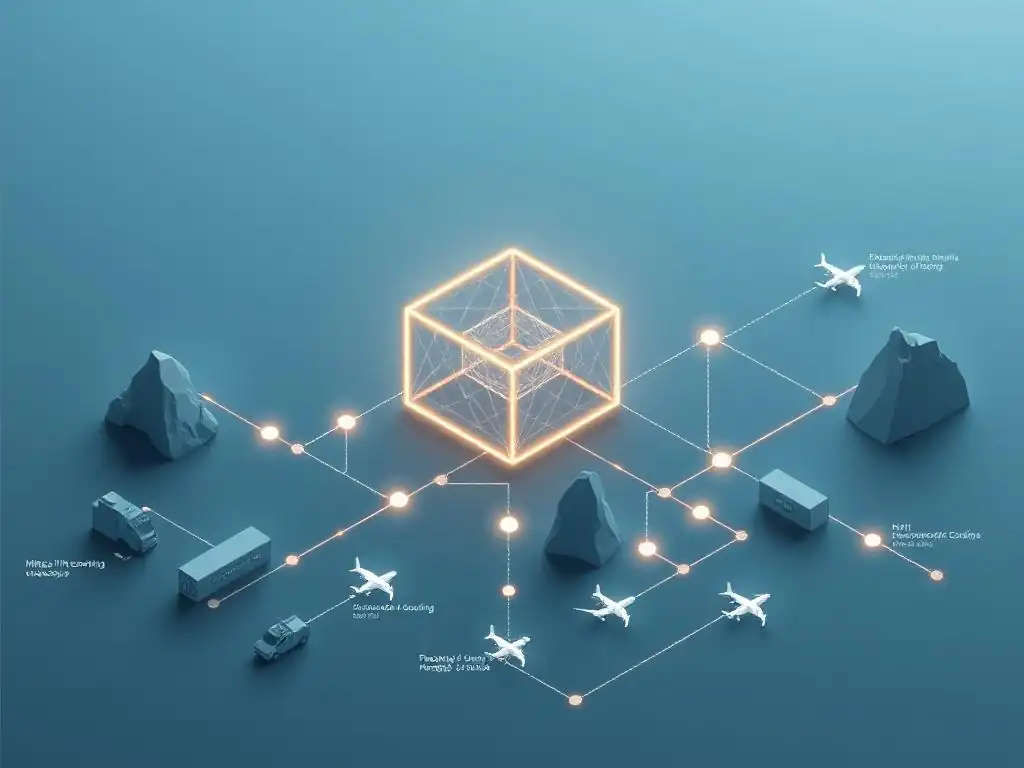
Scalability and Interoperability of Blockchain Solutions
While promising, the adoption of blockchain for conflict mineral traceability faces challenges, including scalability and interoperability. Mineral supply chains are vast and involve countless transactions and participants globally. Ensuring a blockchain network can handle the immense volume of data generated by tracking every batch of minerals from mine to product is a significant technical hurdle. Public blockchains can face throughput limitations and high transaction costs, while private or permissioned blockchains require careful design to ensure they remain truly decentralized among participants and avoid becoming centralized databases in disguise.
Furthermore, interoperability between different blockchain platforms and legacy systems within companies and across the supply chain is crucial. A miner might use one blockchain system, a smelter another, and a manufacturer a third, or rely on older databases. For seamless tracking, these systems must be able to communicate and share data securely and efficiently. Establishing common data standards and protocols is essential to ensure that data recorded at one stage of the supply chain is understandable and verifiable at the next, promoting effective blockchain supply chain conflict minerals tracking across disparate systems.
Data Privacy and Security Concerns
Despite the inherent security features of blockchain, data privacy remains a concern, particularly in permissioned networks. While the ledger is shared among authorized participants, sensitive business information, such as pricing, specific transaction volumes, or proprietary processing techniques, might be recorded alongside traceability data. Companies are often hesitant to share such competitive information with their supply chain partners, even on a secure ledger.
Designing the blockchain system to protect sensitive data while maintaining necessary transparency is critical. Techniques like zero-knowledge proofs, data hashing, or storing sensitive data off-chain with only cryptographic proofs on the ledger can help. Deciding what data is essential for traceability and what can remain private requires careful consideration and agreement among consortium members. Balancing the need for transparency to verify ethical sourcing with the need for business confidentiality is a key challenge in implementing blockchain supply chain conflict minerals solutions.
Initial Investment and Ongoing Maintenance Costs
Implementing a blockchain-based supply chain traceability system requires a significant initial investment. This includes the costs associated with developing or licensing the software platform, integrating it with existing enterprise resource planning (ERP) and supply chain management systems, and potentially investing in new hardware (like IoT sensors or secure tagging equipment) and network infrastructure. Furthermore, training personnel across the supply chain to use the new system effectively is essential but adds to the cost.
Beyond the initial setup, there are ongoing maintenance costs, including network operation fees (depending on the platform), system updates, security monitoring, and continued support for participants. For small-scale miners or traders in remote areas, the cost and technological requirements of participating in a blockchain network might be prohibitive, potentially excluding them from the ethical supply chain unless solutions are designed to be accessible and affordable. The total cost of ownership is a major factor companies consider when evaluating blockchain supply chain conflict minerals initiatives.
Collaboration and Standardization Across the Supply Chain
Effective blockchain supply chain conflict minerals traceability requires widespread adoption and collaboration among numerous, often competing, actors across the value chain – from small artisanal miners to large multinational corporations. Convincing all necessary parties, who may have different technological capabilities, resources, and incentives, to join and actively participate in a shared blockchain network is a considerable challenge. Establishing trust and agreement on the governance model for the network is crucial.
Furthermore, the lack of universally accepted standards for blockchain in supply chain contexts can hinder adoption. Agreement is needed on data formats, protocols for recording transactions, identity verification methods, and how different blockchain networks will interact. Without standardization, the potential for fragmentation increases, limiting interoperability and the overall effectiveness of traceability efforts. Industry-wide collaboration and the development of common standards are essential for the successful and widespread implementation of blockchain for conflict mineral traceability.
Case Studies: Blockchain Success Stories in Mineral Sourcing
Volkswagen's Use of Blockchain for Cobalt Traceability
Volkswagen Group has been a pioneer in exploring the use of blockchain technology to improve the traceability of raw materials critical to their electric vehicle production, particularly cobalt. Cobalt is a key component in lithium-ion batteries, and a significant portion of the world's supply originates from the Democratic Republic of Congo, a region associated with conflict and child labor concerns. To address these risks and enhance the visibility of their cobalt supply chain, Volkswagen partnered with Circulor, the blockchain traceability company.
Their pilot project, launched around 2019/2020, focused on tracing cobalt from mines in the DRC through smelters and refiners to battery manufacturers supplying Volkswagen. The initiative aimed to demonstrate that cobalt could be traced effectively using a blockchain ledger, providing immutable records of origin, weight, purity, and chain of custody at each stage. By integrating data from on-the-ground audits and linking physical material to its digital twin on the blockchain, Volkswagen sought to gain confidence that their cobalt was sourced responsibly and ethically. This case highlights the practical application of blockchain supply chain conflict minerals solutions by major manufacturers.
LuNa Smelter's Implementation of Blockchain for Tantalum
LuNa Smelter, a tantalum processing facility based in Rwanda, has also implemented blockchain technology to enhance the traceability and transparency of the tantalum they process. Tantalum (often derived from coltan) is another 3T mineral frequently sourced from conflict-affected regions, including neighboring DRC. As a processor of these minerals, LuNa Smelter is a critical choke point in the supply chain where traceability can be verified.
In collaboration with partners like RCS Global Group and leveraging platforms based on Hyperledger Fabric, LuNa Smelter implemented a blockchain system to track tantalum concentrates from validated mine sites through their smelting process. The system records details about the mineral batch, its origin, weight, and responsible sourcing certifications.
This allows LuNa Smelter to provide verifiable data on the provenance of the tantalum they sell, demonstrating their commitment to processing conflict-free minerals. This initiative serves as an example of how actors at the smelting stage can use blockchain to build trust and provide assurance within the blockchain supply chain conflict minerals ecosystem.
The Future of Blockchain and Ethical Mineral Sourcing
Emerging Trends in Blockchain Supply Chain Management
The future of blockchain in supply chain management, particularly for ethical sourcing of minerals, points towards greater integration, increased sophistication, and wider adoption. We can expect to see more industry-wide consortia forming to establish shared blockchain networks for specific minerals or regions, moving beyond individual company pilots. There is an emerging trend towards developing interoperability standards and protocols to allow different blockchain platforms to communicate, creating more seamless end-to-end traceability across complex global networks.
Furthermore, blockchain platforms are becoming more user-friendly and accessible, with interfaces designed for various stakeholders, including those in remote mining locations. The focus is shifting from just recording transactions to leveraging the data on the blockchain for deeper insights, risk analysis, and automated compliance checks via smart contracts. As understanding and trust in the technology grow, blockchain supply chain conflict minerals solutions are likely to become a standard requirement rather than a competitive advantage.
The Role of Blockchain in Promoting Sustainable Mining Practices
Beyond simply tracking origin to avoid conflict minerals, blockchain technology is poised to play a significant role in promoting broader sustainable mining practices. The same principles of immutable data recording and transparency can be applied to track environmental impacts (e.g., water usage, energy consumption, land remediation efforts), labor conditions (e.g., verified worker identities, working hours, safety training), and community benefits associated with mining operations.
By recording verifiable data on environmental and social metrics on the blockchain, companies can provide credible proof of their sustainability efforts. This allows for auditable claims about responsible mining, going beyond self-reported data. Integrating certifications like the Initiative for Responsible Mining Assurance (IRMA) or others directly onto the blockchain ledger associated with mineral batches can provide real-time verification. This expanded application of blockchain supply chain conflict minerals frameworks can drive improvements in the environmental and social footprint of mineral extraction globally.
Potential for Integration with Other Technologies (IoT, AI)
The true power of blockchain for supply chain traceability is unlocked when integrated with other complementary technologies, particularly the Internet of Things (IoT) and Artificial Intelligence (AI). IoT devices, such as smart tags, GPS trackers, weight sensors, and environmental monitors, can automatically capture data about mineral shipments or mining conditions at the source or at various points along the supply chain. This data can then be fed directly onto the blockchain, reducing the reliance on manual data entry, which is prone to errors or manipulation.
AI can be used to analyze the vast amounts of data collected on the blockchain. By identifying patterns, anomalies, or deviations from expected norms (e.g., unusual shipment routes, inconsistencies in weight data, or delays), AI can help flag potential risks, including the possible introduction of conflict minerals or breaches of ethical protocols. This integration creates a more automated, accurate, and intelligent traceability system, enhancing the effectiveness of blockchain supply chain conflict minerals monitoring and due diligence.
Overcoming Barriers to Widespread Adoption
Addressing Technical Challenges and Infrastructure Needs
Widespread adoption of blockchain for conflict minerals requires addressing existing technical challenges and infrastructure needs, especially in remote mining regions. Reliable internet connectivity, access to affordable and appropriate hardware (smartphones, scanners, sensors), and a stable energy supply are fundamental requirements that are not always present in areas where conflict minerals originate. Solutions need to be designed with these constraints in mind, perhaps incorporating offline data capture capabilities that sync when connectivity is available.
Furthermore, developing user-friendly interfaces and providing adequate technical support and training are crucial. The technology must be accessible and manageable for all participants, regardless of their technical sophistication. Ongoing research and development are needed to improve the scalability and efficiency of blockchain platforms for high-volume supply chain applications, while also exploring lightweight implementations suitable for low-resource environments. Overcoming these technical hurdles is key to unlocking the full potential of blockchain supply chain conflict minerals solutions.
Fostering Collaboration among Stakeholders
Effective blockchain supply chain conflict minerals traceability is inherently a collaborative endeavor. No single company or entity can implement a comprehensive system alone; it requires participation and agreement from actors across the entire value chain, including governments and civil society organizations. Fostering trust and encouraging collaboration among these diverse stakeholders is a significant challenge.
Establishing multi-stakeholder platforms or consortia is essential. These groups can define the network's governance rules, agree on data standards, share best practices, and collectively invest in the necessary infrastructure. Neutral, trusted third parties can play a crucial role in facilitating these collaborations and ensuring that the interests of all participants, including vulnerable groups like artisanal miners, are considered. Building a shared vision and commitment to ethical sourcing through blockchain is vital for overcoming fragmentation and achieving widespread adoption.
Developing Clear Regulatory Frameworks
Clear and consistent regulatory frameworks are essential to drive the widespread adoption of blockchain for conflict mineral traceability. While existing regulations like Dodd-Frank and the EU Regulation provide the impetus for due diligence, they typically do not mandate specific technologies. Clear guidelines or recognition from regulatory bodies regarding how blockchain-based systems can meet due diligence requirements would provide significant validation and encouragement for companies to invest in and adopt the technology.
Regulations could potentially define minimum standards for blockchain platforms used in mineral traceability, specify required data fields, and outline how blockchain records can be used as verifiable evidence of compliance. International cooperation among regulatory bodies is also important to ensure consistency across different jurisdictions, simplifying compliance for companies operating globally. Supportive regulatory environments will accelerate the acceptance and integration of blockchain supply chain conflict minerals solutions into standard business practices.
Conclusion: Blockchain as a Catalyst for Ethical Mineral Sourcing
The Transformative Potential of Blockchain in Supply Chain Transparency
Blockchain technology holds transformative potential for enhancing transparency and traceability in mineral supply chains, particularly those involving conflict minerals. By providing a distributed, immutable, and shared ledger, it creates an unprecedented level of visibility into the journey of minerals from their point of extraction to the final product. This transparency makes it significantly harder for illicitly sourced minerals to enter the legitimate supply chain, directly addressing a core challenge in the fight against conflict minerals.
The verifiable audit trail provided by blockchain empowers companies to conduct more effective due diligence, comply with stringent regulations, and confidently make claims about ethical sourcing. It shifts the paradigm from relying on opaque, easily manipulated records to leveraging a secure, transparent system that holds all participants accountable. This capability is a game-changer for industries reliant on minerals from high-risk regions, enabling a move towards truly responsible sourcing. The application of blockchain supply chain conflict minerals solutions is proving to be a powerful catalyst for change.
Moving Towards a More Responsible and Sustainable Future
The implementation of blockchain technology in mineral supply chains is a crucial step towards building a more responsible and sustainable future for global trade. By enabling verifiable ethical sourcing of conflict minerals, blockchain helps sever the financial link between mineral wealth and armed conflict, contributing to peace and stability in affected regions. Furthermore, its potential to track environmental and social metrics expands its role beyond conflict minerals to promoting broader sustainability in mining practices.
While challenges related to scalability, cost, interoperability, and collaboration remain, ongoing developments and successful pilot projects demonstrate the viability of blockchain solutions. Overcoming these barriers through continued innovation, industry-wide collaboration, and supportive regulatory frameworks will pave the way for wider adoption. Ultimately, blockchain technology is not just a tool for traceability; it is a catalyst for driving systemic change, fostering greater accountability, and ensuring that the minerals powering our modern world are sourced in a way that benefits communities and protects human rights, leading towards a genuinely ethical blockchain supply chain conflict minerals ecosystem.
Frequently Asked Questions
What are conflict minerals and why is their sourcing a problem?
Conflict minerals are natural resources extracted in a conflict zone and sold to perpetuate fighting. Their sourcing is problematic because it fuels violence, human rights abuses, and instability in affected regions.
How can blockchain technology improve the traceability of conflict minerals?
Blockchain provides an immutable and transparent ledger to track minerals throughout the supply chain. This helps ensure ethical sourcing and avoids funding armed groups.
What are the key benefits of using a blockchain for conflict mineral supply chain management?
Key benefits include increased transparency, improved accountability, and enhanced consumer trust. It also allows for efficient auditing and verification of mineral origin.
What are some of the challenges in implementing a blockchain-based solution for conflict minerals?
Challenges include the complexity of existing supply chains, lack of standardization, and the need for industry-wide collaboration. Ensuring data accuracy and integrity is also crucial.
What is the future outlook for blockchain technology in tracing conflict minerals and promoting ethical sourcing?
The future looks promising, with increasing adoption driving greater transparency and accountability. Further development and refinement of blockchain solutions will enhance their effectiveness in combating unethical practices.
Final Reflection: Forging a Chain of Ethical Accountability
The journey of conflict minerals, often shrouded in darkness and exploitation, demands a new era of transparency. Blockchain technology offers a powerful tool to illuminate these supply chains, fostering accountability and promoting ethical sourcing practices. The potential to disrupt the status quo and empower marginalized communities is immense, making this intersection of technology and ethics profoundly relevant in today's interconnected world.
The promise of blockchain in tracing conflict minerals extends beyond mere efficiency; it represents a fundamental shift in how we value human dignity and environmental sustainability. This pursuit of ethical sourcing resonates deeply, reminding us that our consumption choices have far-reaching consequences. The ultimate measure of a man is not where he stands in moments of comfort and convenience, but where he stands at times of challenge and controversy.
- Martin Luther King, Jr. This quote underscores the moral imperative to confront the complexities of conflict minerals and actively contribute to a more just and equitable world.
Now, consider the power you hold as an informed consumer and a potential advocate for change. Reflect on the products you purchase and the companies you support. Ask yourself: Are these goods ethically sourced? Demand transparency, support initiatives that leverage blockchain for supply chain traceability, and become a part of the solution. The future of ethical sourcing lies in our collective commitment to building a world where technology empowers justice and protects vulnerable communities.
Empower Ethical Sourcing: Take Action Now!
Thank you for exploring how blockchain technology can transform ethical sourcing within the conflict minerals supply chain. We hope you've gained valuable insights into creating a more transparent and responsible industry. Now, it's time to turn that knowledge into action!
- Demand Transparency: Contact your elected representatives and encourage them to support legislation that mandates blockchain-based traceability for conflict minerals. This is one of the most effective steps you can take!
- Research Responsible Companies: Identify organizations committed to ethical sourcing and make purchasing decisions that support their efforts.
- Raise Awareness: Share this article with your network and start conversations about the vital role blockchain can play in promoting ethical mineral sourcing.
What specific actions will you take to advocate for a more ethical and transparent conflict mineral supply chain? Share your ideas in the comments below!
Leave a Reply