
The Economic Impact of Verifiable Credentials and Blockchain on Digital Identity


Welcome to Blockchain Trends, your source for in-depth analysis of blockchain's revolutionary impact beyond the crypto sphere!
Imagine a world where your identity is secure, portable, and entirely under your control. Our latest article delves into the economic impact of blockchain verifiable credentials on digital identity, exploring how this technology is poised to reshape industries and empower individuals. But how exactly do these credentials work, and what are the real-world applications that will drive this change? Dive in to uncover the answers and discover the future of decentralized identity!
The Economic Impact of Verifiable Credentials on Digital Identity
- Introduction: Verifiable Credentials and the Future of Digital Identity
- Analyzing the Current State of Digital Identity and its Limitations
- How Verifiable Credentials Enhance Digital Identity
- The Economic Advantages of Verifiable Credentials
- Verifiable Credentials in Specific Industries: Economic Opportunities
- Digital Identity: Fostering Innovation and New Business Models
- Overcoming Challenges and Promoting Adoption of VCs
- Case Studies: Real-World Economic Impact of Digital Identity
- The Future of Digital Identity: Predictions and Trends
- Conclusion: Realizing the Economic Potential of Verifiable Credentials for Digital Identity
-
Frequently Asked Questions
- How do blockchain verifiable credentials enhance digital identity and what are the primary economic benefits?
- What role does blockchain technology play in securing and managing digital identities, and how does this impact the broader economy?
- How can digital identity solutions powered by blockchain and verifiable credentials contribute to economic inclusion, particularly for underserved populations?
- What are the key regulatory considerations and challenges associated with the adoption of blockchain verifiable credentials for digital identity, and how might these impact economic growth?
- Beyond individual users, how can businesses leverage blockchain verifiable credentials to improve their operations and create new economic opportunities?
- Final Reflection: Embracing the Verifiable Future
- Unlock the Future: Start Building Your Decentralized Identity Today!
Introduction: Verifiable Credentials and the Future of Digital Identity
Understanding Verifiable Credentials
Verifiable credentials (VCs) represent a significant evolution in how we manage and assert claims about ourselves and others in the digital realm. At their core, VCs are tamper-evident digital documents that contain assertions about an individual or entity, issued by a trusted party (the issuer), and held by the subject (the holder), who can then present them to a verifier.
Unlike traditional digital identity systems where data is often centralized and controlled by third parties, VCs enable a decentralized approach. This shift is fundamental, moving control of identity data from institutions back to the individual, fostering greater privacy and security.
The architecture supporting verifiable credentials often leverages decentralized identifiers (DIDs) and blockchain technology. DIDs provide a persistent, globally unique identifier that is cryptographically rooted, allowing subjects to control their identity without relying on a central registry. Blockchain provides an immutable ledger for registering DID documents and potentially anchoring schemas or revocation lists, ensuring the integrity and trustworthiness of the system.
This combination creates a robust framework for issuing, holding, and verifying digital credentials in a way that minimizes reliance on central authorities and enhances trust through cryptographic proof. The concept of Blockchain verifiable credentials digital identity is therefore intrinsically linked to this decentralized paradigm.
Why Digital Identity Matters for Economic Growth
A robust and reliable digital identity infrastructure is not merely a technical convenience; it is a critical enabler of economic activity in the modern world. It underpins countless transactions, interactions, and services, from opening bank accounts and accessing healthcare to securing online communications and participating in e-commerce. The ability to confidently verify who you are dealing with in the digital space reduces friction, lowers transaction costs, and builds trust, which are all essential components of a thriving economy.
Inefficient or insecure digital identity systems can stifle economic growth by increasing the risk of fraud, complicating compliance processes, and creating barriers to entry for individuals and businesses. For example, cumbersome Know Your Customer (KYC) and Anti-Money Laundering (AML) procedures, often reliant on manual processes and document handling, cost financial institutions billions annually.
The World Economic Forum estimated that improving digital identity verification could unlock significant economic value, potentially adding 3% to global GDP by 2030 by increasing participation in the formal economy and enabling new digital services. Investing in more efficient, secure, and privacy-preserving digital identity solutions is thus an investment in future economic prosperity.
Analyzing the Current State of Digital Identity and its Limitations
The Challenges of Centralized Identity Systems
The prevailing model for digital identity today is largely centralized, relying on large databases held by governments, corporations, or service providers. While these systems are widespread, they present significant challenges. A primary concern is security; these centralized databases are attractive targets for cybercriminals, leading to massive data breaches that compromise millions of identities. High-profile breaches involving hundreds of millions of records, such as those at Equifax or Yahoo, highlight the vulnerability of this model and the immense financial and personal costs associated with identity theft and subsequent recovery efforts.
Beyond security, centralized systems often lead to a fragmented digital identity landscape. Individuals typically have numerous digital identities tied to different service providers, each with its own login credentials and data stores. This fragmentation is inconvenient for users and inefficient for businesses that must manage multiple identity verification processes. Furthermore, it gives users limited control over their own data, making it difficult to understand who holds their information and how it is being used. This lack of user agency and the inherent security risks represent significant limitations of the current centralized approach to digital identity.
Economic Costs Associated with Inefficient Identity Verification
Inefficient digital identity verification processes impose substantial economic costs across various sectors. Businesses spend considerable resources on manually verifying documents, conducting background checks, and managing identity-related compliance requirements. For instance, customer onboarding processes, particularly in regulated industries like finance, can take days or even weeks, creating significant friction and potential customer drop-off. The cost of onboarding a new customer in financial services can range from tens to hundreds of dollars, a cost largely driven by identity verification steps.
The economic burden also includes the direct costs of fraud and identity theft resulting from inadequate verification. The U.S. Federal Trade Commission reported that consumers lost billions of dollars to fraud in recent years, with identity theft being a major component. Businesses also incur costs related to chargebacks, remediation, and reputational damage stemming from fraudulent transactions enabled by weak identity verification. The cumulative effect of these inefficiencies and costs represents a drag on the digital economy, hindering seamless online interactions and transactions.
How Verifiable Credentials Enhance Digital Identity
Defining Verifiable Credentials (VCs)
Verifiable Credentials, as defined by standards organizations like the W3C, are a specific data model and set of protocols designed for the secure, privacy-preserving, and tamper-evident exchange of digital credentials. A VC consists of several key components: the issuer (the entity making the claim, e.g., a university issuing a diploma), the holder (the entity the claim is about, e.g., a student), the verifier (the entity requesting proof of the claim, e.g., an employer), and the credential itself (containing the claim, validity dates, issuer information, and cryptographic proofs).
The cryptographic proofs, often implemented using digital signatures and anchored to a trust registry like a blockchain, ensure that the credential has not been altered since it was issued and that it originated from the purported issuer.
The power of VCs lies in their structure and the underlying decentralized infrastructure. Unlike a scanned PDF or a simple digital certificate, a VC is designed to be machine-readable, cryptographically verifiable, and privacy-preserving. The holder has control over which credentials they share and with whom, often able to present only the specific pieces of information required (selective disclosure) rather than sharing an entire document. This granular control and inherent verifiability, often leveraging Blockchain verifiable credentials digital identity architectures, represent a fundamental shift towards a user-centric model of digital identity.
Core Benefits of VCs for Individuals and Organizations
Verifiable credentials offer a multitude of benefits for both individuals and organizations, fundamentally improving the digital identity experience. For individuals, VCs provide enhanced control, privacy, and security over their personal data. They can manage their credentials in a digital wallet, choose which information to share, and trust that the credentials are authentic and verifiable. This reduces the burden of repeatedly proving identity and qualifications, whether applying for a job, opening a bank account, or accessing services.
For organizations, the benefits include reduced costs, increased efficiency, and improved trust and security. VCs streamline verification processes, moving away from manual checks and paper documents towards automated, cryptographically secure verification. This can significantly cut down on administrative overhead and processing times. Furthermore, VCs reduce the risk of accepting fraudulent credentials, mitigating financial losses and reputational damage. By adopting Blockchain verifiable credentials digital identity solutions, organizations can build more trustworthy and efficient digital interactions with their customers and partners.
The Economic Advantages of Verifiable Credentials
Reduced Fraud and Identity Theft through VCs
One of the most significant economic advantages of verifiable credentials is their potential to dramatically reduce fraud and identity theft. Current systems are susceptible to forged documents, impersonation, and data breaches that expose sensitive information. VCs, built on cryptographic proof and often anchored to decentralized ledgers like blockchain, make credentials inherently tamper-evident and their origin verifiable. A verifier can cryptographically confirm that a credential was issued by a trusted entity and has not been altered, making it far more difficult to use or create fraudulent identities.
The economic impact of this reduction in fraud is substantial. According to various reports, identity fraud costs consumers and businesses billions of dollars annually. For example, in 2022, identity fraud losses in the U.S. reached approximately $43 billion. By mitigating the use of fake identities for opening fraudulent accounts, applying for loans, or making unauthorized purchases, VCs can directly prevent these losses. The enhanced security provided by Blockchain verifiable credentials digital identity solutions offers a powerful defense against sophisticated fraud schemes.
Lower Verification Costs with Decentralized Identity Solutions
Traditional identity verification processes are often costly and labor-intensive. Organizations typically pay third-party identity verification services, bear the internal costs of manual checks, and incur expenses related to storing and securing sensitive personal data. Verifiable credentials, particularly when part of a decentralized identity framework, shift the cost burden and process flow. The verifier receives the credential directly from the holder and uses automated, cryptographic methods to check its validity against the issuer's public key and potentially a public ledger or revocation list.
This automated, decentralized verification process can lead to significant cost reductions. Instead of paying per verification to a central provider or dedicating staff to manual checks, organizations can perform verification programmatically at a lower cost per transaction. Pilot programs and early deployments suggest that the cost per verification could drop by orders of magnitude compared to traditional methods. This efficiency gain, driven by streamlined Blockchain verifiable credentials digital identity interactions, frees up resources that can be reinvested elsewhere, boosting overall economic productivity.
Increased Efficiency in Onboarding and Compliance Processes
Cumbersome onboarding and compliance procedures, particularly in regulated industries, are major sources of inefficiency and cost. Gathering, submitting, and verifying identity documents for KYC/AML checks can take days or weeks, frustrating customers and delaying revenue generation for businesses. Verifiable credentials offer a path to significantly accelerate these processes. An individual could obtain a verifiable "KYC approved" credential from a trusted identity verification service once and then reuse it across multiple financial institutions or service providers.
This reusability and instant verifiability dramatically reduce the time and effort required for onboarding. What once took days could potentially be completed in minutes. Similarly, ongoing compliance checks could be simplified by requesting updated credentials rather than re-collecting and verifying documents. A study by the consulting firm McKinsey suggested that digital identity solutions could reduce customer onboarding times by up to 90%. The efficiency gains from streamlined Blockchain verifiable credentials digital identity processes translate directly into economic benefits through faster service delivery and reduced operational costs.
Verifiable Credentials in Specific Industries: Economic Opportunities
Financial Services: Streamlining KYC/AML with VCs
The financial services sector is heavily burdened by Know Your Customer (KYC) and Anti-Money Laundering (AML) regulations, which require extensive identity verification. These processes are costly, slow, and often involve handling sensitive personal data, creating security risks. Implementing verifiable credentials offers a transformative solution. A customer could obtain a verifiable 'Identity Verification' credential from a certified provider or even a government agency. This credential, stored securely in their digital wallet, could contain cryptographically signed assertions that they have met the necessary identity verification standards.
Financial institutions could then accept this verifiable credential, instantly confirming the customer's verified status without needing to recollect and process primary identity documents themselves. This not only speeds up onboarding but also reduces the financial institution's burden of storing large amounts of sensitive data, mitigating breach risks and associated costs. Estimates suggest that improving digital identity verification could save financial institutions billions globally in compliance costs and fraud prevention. The adoption of Blockchain verifiable credentials digital identity solutions is poised to revolutionize compliance in this sector.
Healthcare: Secure and Interoperable Patient Data Management
In healthcare, managing patient identity and accessing medical records securely and interoperably is a persistent challenge. Patients often need to provide identification and medical history repeatedly across different providers, and sharing records between systems is complex due to privacy regulations like HIPAA and technical incompatibilities. Verifiable credentials can facilitate a patient-centric model where individuals hold verifiable credentials related to their identity, insurance status, vaccination records, test results, and even specific health conditions.
A patient could present a verifiable credential of their insurance status to a new clinic, or share a specific verifiable lab result with a specialist, all while maintaining control over their data. This improves efficiency in patient registration, billing, and care coordination. Moreover, it enhances privacy by allowing selective disclosure of only necessary information.
The ability to securely and efficiently share verifiable health data could reduce administrative costs, improve patient outcomes through better-informed care, and unlock opportunities for telemedicine and remote health monitoring. While precise global figures are hard to pin down, administrative waste in healthcare is estimated to be substantial, and better identity and data management through Blockchain verifiable credentials digital identity could address a portion of this.
Supply Chain: Enhanced Traceability and Transparency
Supply chains are complex networks where verifying the identity and provenance of goods, participants, and certifications is crucial but often difficult. Counterfeiting, fraud, and lack of transparency plague many industries, leading to significant economic losses and risks to consumer safety. Verifiable credentials can be used to create a digital trail of verifiable assertions about products and participants throughout the supply chain. For example, a product could carry a verifiable credential asserting its origin, a component could have a verifiable credential of its quality testing, and a supplier could have a verifiable credential of their organic certification.
Participants in the supply chain, from manufacturers to logistics providers to retailers, could issue and verify these credentials. This enhances transparency and trust, allowing stakeholders to verify the authenticity and characteristics of goods and partners at each step. It helps combat counterfeiting, simplifies audits, and enables faster recalls if issues arise.
Industries like luxury goods, pharmaceuticals, and food are exploring these applications to protect brand value and ensure product integrity. The economic benefits include reduced losses from counterfeits, improved efficiency in tracking and verification, and increased consumer trust, all enabled by Blockchain verifiable credentials digital identity in a supply chain context.
Education: Verifiable Diplomas and Credentials for Enhanced Mobility
The education sector faces challenges with credential fraud and the cumbersome process of verifying academic achievements for employment or further study. Issuing paper diplomas and transcripts, or relying on centralized databases that are slow to respond to verification requests, creates friction for graduates and employers alike. Verifiable credentials offer a secure and efficient way to issue and manage academic records. Universities can issue verifiable diplomas, degrees, and transcripts directly to graduates' digital wallets.
Graduates can then share these verifiable credentials instantly with potential employers or other educational institutions, who can verify their authenticity cryptographically. This eliminates the need for manual verification requests, reduces the risk of credential fraud, and significantly speeds up the hiring and application processes. Several universities and educational consortiums globally are piloting or implementing verifiable credential systems for diplomas. This enhances the mobility of talent and reduces administrative overhead for educational institutions and employers, demonstrating a clear economic benefit derived from applying Blockchain verifiable credentials digital identity in education.
Digital Identity: Fostering Innovation and New Business Models
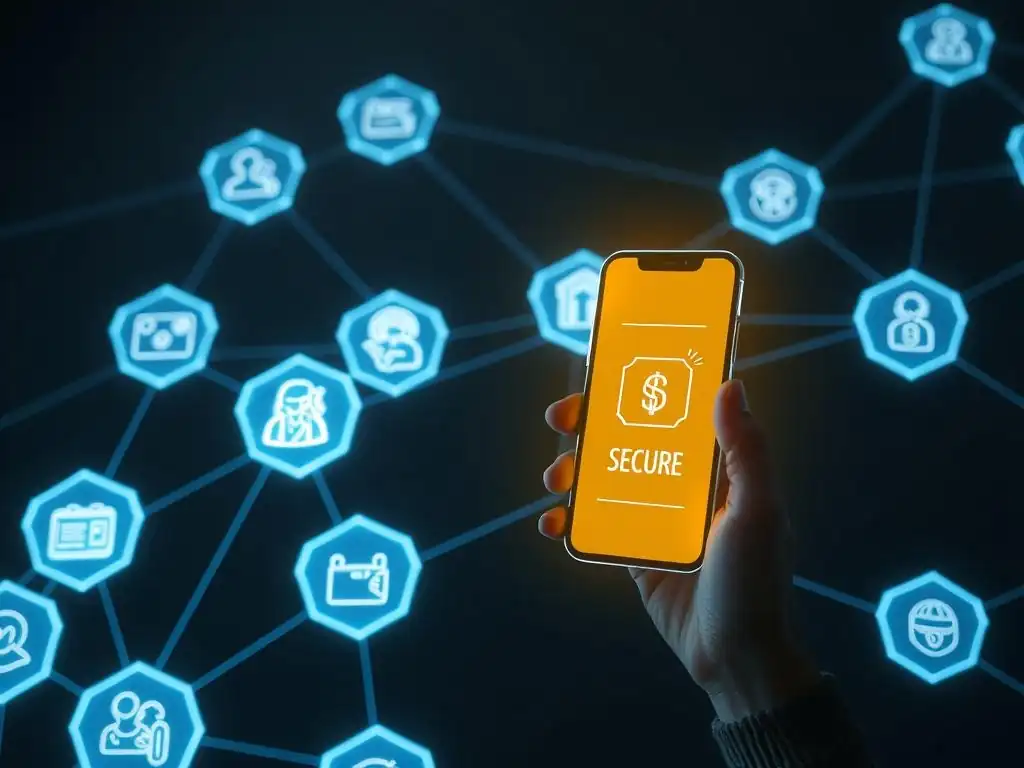
Enabling Self-Sovereign Identity (SSI) and User Empowerment
Verifiable credentials are a cornerstone technology for enabling Self-Sovereign Identity (SSI), a paradigm where individuals have full control and ownership over their digital identity. In an SSI model, users manage their identifiers (DIDs) and credentials, choosing what information to share, with whom, and when, without relying on central authorities as intermediaries. This empowerment fundamentally shifts the dynamics of digital interactions, moving away from data silos and towards a user-centric ecosystem.
Economically, SSI unlocks new possibilities by reducing the reliance on costly third-party identity providers and giving users the ability to leverage their verified attributes across multiple services seamlessly. It reduces friction in online interactions, encourages greater participation in the digital economy, and fosters trust by putting the individual in control. This shift towards user-controlled Blockchain verifiable credentials digital identity is not just about privacy; it's about creating a more efficient and equitable digital marketplace.
Creating New Marketplaces for Digital Credentials and Reputation
The widespread adoption of verifiable credentials could lead to the emergence of new marketplaces centered around digital credentials and verified reputation. Imagine a future where individuals can curate a portfolio of verifiable credentials – academic degrees, professional certifications, employment history, reputation scores from online platforms, health records, and more – all held securely in their digital wallet.
These verified credentials could be selectively shared with businesses, platforms, or other individuals, creating a portable and trustworthy digital reputation. This could facilitate new forms of online work, lending, and social interaction. Businesses could rely on verified credentials instead of building proprietary reputation systems, reducing costs and increasing trust. This ecosystem of verifiable credentials, potentially underpinned by Blockchain verifiable credentials digital identity infrastructure, creates opportunities for new services related to credential issuance, verification, management, and exchange, opening up entirely new economic avenues.
Supporting the Growth of the Decentralized Economy
The rise of decentralized technologies, including decentralized finance (DeFi), decentralized autonomous organizations (DAOs), and Web3 applications, necessitates a corresponding evolution in digital identity. Traditional identity systems are incompatible with the ethos and technical requirements of decentralization, which aims to reduce reliance on central authorities and intermediaries. Verifiable credentials provide a native identity layer for this emerging decentralized economy.
By enabling individuals and entities to prove attributes about themselves in a decentralized manner, VCs facilitate trust and participation in decentralized applications without requiring disclosure of unnecessary personal information. This is crucial for applications like decentralized lending (proving creditworthiness without sharing bank statements), decentralized governance (proving eligibility to vote based on verified membership), or accessing decentralized services. The economic growth of the decentralized web is intrinsically linked to the development of a robust, privacy-preserving identity layer, where Blockchain verifiable credentials digital identity plays a foundational role.
Overcoming Challenges and Promoting Adoption of VCs
Addressing Scalability and Interoperability Concerns
While the potential of verifiable credentials is clear, widespread adoption faces technical challenges, particularly around scalability and interoperability. The underlying decentralized infrastructure, such as blockchain networks used for anchoring DIDs or credential schemas, must be able to handle a massive volume of transactions as VCs become ubiquitous. While public blockchains like Bitcoin and Ethereum face scalability limitations, newer layer 2 solutions and purpose-built blockchain networks are being developed to address these issues, aiming to process millions of transactions per second.
Furthermore, for VCs to be truly effective, different systems and wallets must be able to interoperate seamlessly. Credentials issued by one entity using a specific framework must be verifiable by another entity using potentially different software. Significant effort is being dedicated to developing and promoting open standards, such as those by the W3C and the Decentralized Identity Foundation (DIF), to ensure interoperability. Establishing common data models, protocols, and trust registries is essential for building a cohesive ecosystem where Blockchain verifiable credentials digital identity solutions can flourish across different platforms and industries.
The introduction of a new paradigm for digital identity inevitably intersects with existing regulatory landscapes designed for traditional identity systems. Regulations like GDPR, CCPA, and industry-specific rules (e.g., KYC/AML in finance, HIPAA in healthcare) impose requirements on how identity data is collected, stored, processed, and protected. Integrating verifiable credentials into existing workflows requires careful consideration of how they meet these compliance obligations.
While VCs offer enhanced privacy features like selective disclosure, their decentralized nature and the use of technologies like blockchain raise new questions for regulators. Clarity is needed on issues such as data deletion (the "right to be forgotten" in a system anchored by immutable ledgers), regulatory access to verifiable information for oversight, and the legal status of digital credentials.
Engaging with regulators and developing frameworks that demonstrate how Blockchain verifiable credentials digital identity solutions can enhance, rather than hinder, compliance is crucial for promoting adoption. Several jurisdictions are actively exploring or piloting the use of VCs, indicating a growing regulatory interest.
Fostering Collaboration and Standardization
Promoting the widespread adoption of verifiable credentials requires significant collaboration across diverse stakeholders, including governments, businesses, technology providers, and users. Building a trusted ecosystem necessitates agreement on standards, governance frameworks, and best practices for issuing, holding, and verifying credentials. Without common standards, the ecosystem risks fragmentation, with incompatible systems hindering interoperability and limiting the network effect necessary for broad adoption.
Organizations like the W3C, DIF, and others are leading efforts to develop open standards and specifications for VCs and DIDs. Industry consortiums and alliances are forming to pilot and implement these standards in specific sectors. Governments are also playing a role by exploring the use of VCs for digital government services and potentially acting as trusted issuers. Continued collaboration and commitment to open standards are vital for overcoming technical and organizational hurdles and accelerating the realization of the economic potential of Blockchain verifiable credentials digital identity.
Case Studies: Real-World Economic Impact of Digital Identity
Streamlining Cross-Border Payments with Verifiable Credentials
Cross-border payments often involve complex identity verification processes for both individuals and businesses due to differing regulations and compliance requirements across jurisdictions. This friction adds costs and delays. Several initiatives are exploring how verifiable credentials can streamline this. For example, pilot programs involving financial institutions in different countries are testing the use of verifiable credentials to share verified identity attributes and regulatory compliance status.
Instead of each bank performing redundant KYC checks based on disparate national requirements, a customer or business could obtain a verifiable credential asserting their verified status according to a set of agreed-upon standards. This credential could then be presented to a bank in another country, significantly reducing the time and cost associated with onboarding and transaction verification.
While specific large-scale deployments are still emerging, early results from pilots indicate the potential to reduce transaction times from days to minutes and cut verification costs by a considerable margin, demonstrating the tangible economic impact of Blockchain verifiable credentials digital identity in global finance.
Reducing Healthcare Administrative Costs with Digital Identity
Inefficient identity and data management contribute significantly to administrative costs in healthcare systems globally. Manual patient registration, verifying insurance eligibility, and securely sharing patient records are time-consuming and error-prone processes. Pilot programs leveraging digital identity solutions, including verifiable credentials, are showing promising results in reducing these costs.
For instance, a project in Canada explored using verifiable credentials for patient identity and insurance verification. By allowing patients to present a verifiable credential of their provincial health insurance coverage, clinics could instantly verify eligibility without manual checks or phone calls to insurers.
This not only speeds up patient intake but also reduces administrative burden on clinic staff. While comprehensive data on the overall cost savings is still being compiled, estimates suggest that streamlining administrative tasks through improved digital identity, including the use of Blockchain verifiable credentials digital identity, could save healthcare systems billions annually by reducing processing time and errors.
The Future of Digital Identity: Predictions and Trends
The Role of VCs in Shaping the Next Generation of Identity Systems
Verifiable credentials are not just an improvement on existing digital identity systems; they are a fundamental building block for the next generation of identity. They represent a shift towards decentralized, user-centric identity management, moving away from the current model of fragmented, institution-controlled identities. In the future, we can expect VCs to become the standard way individuals and organizations prove claims about themselves in the digital world.
This will involve a broader range of credentials beyond basic identity – including professional licenses, certifications, reputation scores, ownership of digital assets, and even biometric confirmations, all issued as verifiable credentials. The integration of VCs with decentralized identifiers (DIDs) and potentially blockchain as a trust anchor will form the backbone of this new identity layer. The trend is clear: future digital identity systems will prioritize user control, privacy, and cryptographic verifiability, with Blockchain verifiable credentials digital identity leading the way.
The Potential for Widespread Adoption of Verifiable Credentials
While still in the relatively early stages of broad deployment, the potential for widespread adoption of verifiable credentials is immense. Several factors are driving this potential. Governments in various countries are exploring or actively piloting the use of VCs for national digital identity schemes, citizen services, and verifiable educational credentials. Industry consortiums in finance, healthcare, and supply chain are developing specific use cases and standards. Technology giants and startups are building infrastructure and applications that support VCs and DIDs.
As the benefits become more apparent – reduced fraud, lower costs, increased efficiency, and enhanced privacy – and as the underlying technology matures and standards solidify, the adoption curve is expected to steepen. The network effect of more issuers, holders, and verifiers participating in the ecosystem will further accelerate adoption.
Predictions vary, but some market analysts anticipate that the verifiable credentials market will grow significantly over the next decade, becoming a core component of the global digital economy. The convergence of regulatory push, technological readiness, and clear economic benefits points towards a future where Blockchain verifiable credentials digital identity is commonplace.
Emerging Technologies Complementing Digital Identity Solutions
The evolution of digital identity is also being shaped by and is shaping other emerging technologies. Biometrics, for example, can be used as a secure method for unlocking digital wallets containing VCs or as a verifiable claim within a credential itself (e.g., a verified biometric identifier linked to a government ID credential). Artificial intelligence (AI) can play a role in verifying the authenticity of physical documents before issuing a digital credential or in detecting patterns of fraudulent credential use.
Furthermore, advancements in cryptography, such as zero-knowledge proofs (ZKPs), are highly complementary to VCs. ZKPs allow a holder to prove a statement is true (e.g., "I am over 18") without revealing any information beyond the validity of the statement itself (e.g., not revealing their date of birth). This enhances the privacy-preserving capabilities of VCs even further. The synergy between Blockchain verifiable credentials digital identity and these complementary technologies will lead to increasingly secure, efficient, and privacy-respecting identity solutions in the future.
Conclusion: Realizing the Economic Potential of Verifiable Credentials for Digital Identity
Key Takeaways on the Economic Benefits of VCs
The economic case for adopting verifiable credentials for digital identity is compelling and multifaceted. The benefits span across cost reduction, revenue generation, risk mitigation, and the creation of new economic opportunities. Key takeaways include:
- Reduced Fraud: VCs significantly enhance security, leading to substantial savings by preventing identity theft and fraudulent transactions.
- Lower Operational Costs: Automated, reusable verification processes drastically cut down on the expense and effort associated with traditional identity checks and compliance.
- Increased Efficiency: Streamlined onboarding and verification accelerate business processes, improving customer experience and speeding up revenue cycles.
- Enhanced Trust: Cryptographically verifiable credentials build trust in digital interactions, essential for economic activity.
- New Markets: VCs enable the creation of new services and business models centered around verified digital credentials and reputation.
- Support for Decentralization: VCs provide a critical identity layer for the burgeoning decentralized economy.
These economic advantages are applicable across numerous sectors, from finance and healthcare to education and supply chain, making Blockchain verifiable credentials digital identity a technology with widespread potential impact.
Call to Action: Embracing Solutions for a More Secure and Efficient Digital Future
The transition to a digital-first world necessitates a fundamental rethinking of how we manage identity. The current centralized and inefficient systems are costly, insecure, and limit potential. Verifiable credentials, often leveraging blockchain technology, offer a path towards a more secure, private, efficient, and user-centric digital identity future.
Organizations and governments should actively explore and pilot verifiable credential solutions within their specific contexts. Investing in the infrastructure, standards, and skilled personnel required to implement Blockchain verifiable credentials digital identity systems is not just a technological upgrade; it's a strategic move to unlock significant economic value, reduce risks, and build a more trustworthy and dynamic digital economy for everyone. Embracing this shift is crucial for staying competitive and secure in the rapidly evolving digital landscape.
Frequently Asked Questions
How do blockchain verifiable credentials enhance digital identity and what are the primary economic benefits?
Blockchain verifiable credentials offer a secure and tamper-proof way to represent digital identities. This leads to reduced fraud, streamlined onboarding processes, and increased trust in online transactions, creating significant economic value.
What role does blockchain technology play in securing and managing digital identities, and how does this impact the broader economy?
Blockchain provides a decentralized and immutable ledger for managing digital identities. This increases security, reduces reliance on centralized authorities, and fosters greater efficiency in identity management, which positively impacts various sectors.
How can digital identity solutions powered by blockchain and verifiable credentials contribute to economic inclusion, particularly for underserved populations?
Blockchain-based digital identities can provide individuals with portable and self-sovereign identity, enabling access to essential services like banking and healthcare. This promotes economic empowerment and inclusion for marginalized communities.
What are the key regulatory considerations and challenges associated with the adoption of blockchain verifiable credentials for digital identity, and how might these impact economic growth?
Regulation surrounding data privacy, security, and cross-border recognition of digital identities is crucial. Clear and harmonized regulations can foster innovation and adoption, while ambiguous or restrictive policies may hinder economic growth.
Beyond individual users, how can businesses leverage blockchain verifiable credentials to improve their operations and create new economic opportunities?
Businesses can use verifiable credentials to streamline supply chains, verify customer identities, and automate compliance processes. This leads to reduced costs, increased efficiency, and the creation of new revenue streams through innovative services.
Okay, here's a final reflection designed to close your article on the economic impact of verifiable credentials and blockchain on digital identity, optimized for the keyword "Blockchain verifiable credentials digital identity":
Final Reflection: Embracing the Verifiable Future
The exploration of blockchain verifiable credentials and digital identity reveals not just a technological advancement, but a fundamental shift in how we interact with trust and data in the digital age. The potential for economic growth, streamlined processes, and enhanced security outlined throughout this article underscores the immediate relevance of these technologies in shaping a more efficient and equitable future for individuals and organizations alike.
The ongoing evolution of blockchain verifiable credentials is profoundly influencing the cultural and social landscape, moving us closer to a world where identity is self-sovereign and data breaches become relics of the past. This journey towards decentralized trust is not merely a technological trend, but a paradigm shift that empowers individuals and fosters greater transparency. Identity is the new perimeter of security, and verifiable credentials are the keys to unlocking a safer and more trustworthy digital world.
This quote encapsulates the transformative power of these technologies, highlighting their potential to reshape our understanding of identity and security in the digital realm.
As we stand on the cusp of this verifiable future, consider the profound implications of these technologies for your own life and work. How can you leverage the power of blockchain verifiable credentials to enhance your own security, streamline your operations, or contribute to a more trustworthy digital ecosystem? The future of digital identity is being written now, and your active participation is essential in shaping a future where trust is verifiable, and opportunity is accessible to all.
Unlock the Future: Start Building Your Decentralized Identity Today!
Thank you for exploring the economic potential of verifiable credentials and blockchain in shaping digital identity. We hope you now have a clearer understanding of how this technology is set to revolutionize trust and efficiency. Are you ready to take the next step?
Here are some practical ways to embrace this transformative technology:
- Begin exploring decentralized identity wallets. Download a compatible wallet and learn how they work. This is your first step toward owning and managing your digital identity.
- Share this article with colleagues and friends who are interested in blockchain, digital identity, or the future of the internet. Let’s start a meaningful conversation!
- Consider participating in or contributing to open-source projects focused on verifiable credentials. Even small contributions can help shape the future of this innovative technology.
What specific use case for verifiable credentials excites you the most, and how do you envision it impacting your industry or personal life? Share your thoughts in the comments below!
Leave a Reply