
The Future of Decentralized Finance (DeFi): Platforms to Watch in 2024 and Beyond


Welcome to Blockchain Trends, your compass in navigating the ever-evolving landscape of decentralized technology. Beyond the headlines of cryptocurrencies, we delve into the real-world applications and transformative power of blockchain. Intrigued by the potential of decentralized finance? Discover the key DeFi platforms poised for explosive growth in 2024 and how they're reshaping the financial world. Prepare to explore the innovations that are driving the future of finance.
The Future of Decentralized Finance (DeFi): Platforms to Watch in 2024 and Beyond
- Introduction: The DeFi Landscape in 2024 and Beyond
- Top DeFi Platforms Poised for Growth in 2024
- Analyzing DeFi Platforms 2024 Growth Drivers
- Challenges and Opportunities in the Future of DeFi
- The Long-Term Vision for Decentralized Finance
- Conclusion: Investing in the Future of DeFi Platforms
-
Frequently Asked Questions
- What are the key drivers of DeFi platforms 2024 growth?
- How is blockchain technology used in DeFi platforms beyond cryptocurrencies?
- What are the main challenges facing the future development of DeFi platforms?
- What types of DeFi platforms are expected to see significant growth in 2024?
- How might government regulation impact the DeFi platforms 2024 growth?
- Final Reflection: Embracing the Decentralized Dawn
- Dive Deeper: Shape the Future of DeFi!
Introduction: The DeFi Landscape in 2024 and Beyond
Understanding Decentralized Finance (DeFi) and its Growing Importance
Decentralized Finance (DeFi) represents a paradigm shift in how financial services are delivered and accessed. At its core, DeFi leverages blockchain technology to recreate traditional financial instruments in a decentralized manner, removing intermediaries like banks and brokers. This is achieved through smart contracts, self-executing agreements written in code, that automate financial processes such as lending, borrowing, trading, and asset management.
The importance of DeFi stems from its potential to democratize finance, offering greater transparency, accessibility, and control to users globally. By circumventing traditional gatekeepers, DeFi aims to create a more inclusive and efficient financial system accessible to anyone with an internet connection, regardless of their geographical location or socioeconomic status.
The growing importance of DeFi is evident in its rapid expansion and the increasing volume of assets locked within its protocols. From humble beginnings, the total value locked (TVL) in DeFi protocols has surged dramatically over the past few years, demonstrating significant user adoption and confidence. This growth is not merely speculative; it reflects a genuine demand for alternative financial solutions that offer greater autonomy and potentially higher yields compared to traditional systems.
Moreover, the open-source nature of many DeFi projects fosters innovation and collaboration, leading to continuous development and refinement of financial instruments and services. As traditional financial institutions begin to explore and integrate with DeFi, its importance in the broader financial landscape is only set to amplify.
The Trajectory of DeFi: From Inception to Mainstream Adoption
The journey of DeFi from a niche concept to a burgeoning sector has been marked by significant milestones and rapid evolution. Its inception can be traced back to the emergence of early decentralized exchanges (DEXs) and lending protocols built on the Ethereum blockchain. These initial projects showcased the potential of smart contracts to automate financial transactions and create permissionless financial systems.
Early adopters, primarily within the cryptocurrency community, were drawn to the promise of greater control over their assets and the potential for higher returns through yield farming and liquidity provision. The "DeFi Summer" of 2020 marked a pivotal moment, witnessing an explosion of new protocols, innovative financial instruments, and a surge in user adoption. This period solidified DeFi's position as a serious contender in the financial technology space.
The trajectory of DeFi towards mainstream adoption is becoming increasingly clear. While still facing challenges related to regulation, security, and user experience, the sector has demonstrated remarkable resilience and continuous innovation. The entry of institutional investors, albeit cautiously, signals a growing recognition of DeFi's long-term potential.
Furthermore, advancements in layer-2 scaling solutions are addressing network congestion and high transaction fees, making DeFi more accessible to a wider audience. As regulatory frameworks become clearer and user-friendly interfaces are developed, DeFi is poised to move beyond early adopters and capture a significant share of the global financial market, potentially reshaping traditional finance as we know it.
Key Trends Shaping the Future of DeFi Platforms
Several key trends are currently shaping the future trajectory of DeFi platforms and influencing their development in 2024 and beyond. One prominent trend is the increasing focus on interoperability. Early DeFi ecosystems were largely siloed within individual blockchains, limiting the flow of assets and information. However, the emergence of cross-chain bridges and interoperability protocols is enabling seamless interaction between different blockchains, fostering a more connected and efficient DeFi ecosystem. This trend is crucial for unlocking greater liquidity and expanding the range of financial services available across various blockchain networks.
Another significant trend is the rise of Real World Asset (RWA) tokenization. DeFi's initial focus was primarily on digital assets, but the tokenization of real-world assets like stocks, bonds, and real estate is gaining momentum. This trend has the potential to bring trillions of dollars of real-world value into the DeFi space, significantly expanding its market size and use cases.
Tokenized RWAs can offer increased liquidity, fractional ownership, and greater accessibility to traditionally illiquid assets. Furthermore, the development of more sophisticated risk management tools and insurance mechanisms is crucial for attracting institutional capital and fostering wider adoption of DeFi platforms. Finally, the evolution of decentralized governance models and the increasing emphasis on community participation are shaping the long-term sustainability and resilience of DeFi platforms, ensuring they remain truly decentralized and user-centric.
Top DeFi Platforms Poised for Growth in 2024
Uniswap - Revolutionizing Decentralized Exchange
Key Features and Innovations of Uniswap
Uniswap stands as a cornerstone of the DeFi ecosystem, revolutionizing decentralized exchange with its innovative Automated Market Maker (AMM) model. Unlike traditional exchanges that rely on order books and centralized intermediaries, Uniswap utilizes smart contracts to create liquidity pools where users can directly trade cryptocurrencies. Its key innovation lies in the constant product formula (x*y=k), which algorithmically determines the price of assets based on the ratio of tokens within the liquidity pool.
This eliminates the need for order books and matching engines, enabling permissionless and automated trading. Uniswap's simplicity and efficiency have made it a leading DEX, attracting a vast user base and facilitating billions of dollars in trading volume.
Beyond its core AMM functionality, Uniswap has continuously innovated to enhance its platform and user experience. The introduction of Uniswap V2 brought improvements in capital efficiency and new pool types, while Uniswap V3 introduced concentrated liquidity, allowing liquidity providers to allocate capital within specific price ranges, significantly increasing capital utilization and trading efficiency.
This constant evolution and commitment to innovation have solidified Uniswap's position as a leader in the DEX space and a platform poised for continued growth. Its user-friendly interface and robust infrastructure have lowered the barrier to entry for decentralized trading, contributing significantly to the overall expansion of the DeFi ecosystem.
Uniswap's Tokenomics and Governance Model
Uniswap's UNI token plays a crucial role in its ecosystem, serving as both a governance token and a mechanism for incentivizing participation. UNI holders have the power to govern the Uniswap protocol, proposing and voting on protocol upgrades, fee changes, and other important decisions. This decentralized governance model ensures that the platform evolves in a community-driven manner, aligning with the principles of decentralization and user empowerment. The distribution of UNI tokens to early users and liquidity providers further incentivized participation and fostered a strong community around the platform.
The tokenomics of UNI are designed to promote long-term sustainability and decentralization. A significant portion of the initial UNI supply was allocated to the community, with vesting schedules to ensure gradual distribution and prevent concentration of power. The governance model allows UNI holders to actively shape the future of Uniswap, contributing to its resilience and adaptability in the rapidly evolving DeFi landscape. As Uniswap continues to grow and evolve, its tokenomics and governance model will remain crucial factors in its long-term success and its ability to maintain its position as a leading DeFi platform.
Potential Challenges and Mitigation Strategies for Uniswap
Despite its success, Uniswap faces potential challenges that could impact its future growth. One significant challenge is the increasing competition from other DEXs and the emergence of new AMM models. Platforms offering lower fees, faster transaction speeds, or specialized features could potentially attract users away from Uniswap. To mitigate this, Uniswap needs to continue innovating and enhancing its platform, potentially exploring layer-2 scaling solutions to reduce fees and improve transaction throughput, and expanding its feature set to cater to evolving user needs.
Another challenge is regulatory uncertainty. As DeFi gains mainstream attention, regulatory scrutiny is likely to increase. Uniswap, like other DeFi platforms, needs to proactively address regulatory concerns and ensure compliance to avoid potential legal challenges. This may involve implementing KYC/AML measures or adapting its operations to comply with evolving regulatory frameworks in different jurisdictions.
Furthermore, security risks remain a constant concern in the DeFi space. Smart contract vulnerabilities and potential exploits could lead to loss of user funds and damage to Uniswap's reputation. Robust security audits, bug bounty programs, and ongoing security monitoring are crucial mitigation strategies to protect the platform and its users from potential threats.
Aave - Innovating in Lending and Borrowing
How Aave Addresses Current DeFi Limitations
Aave has emerged as a leading DeFi lending and borrowing platform, addressing several limitations inherent in early DeFi lending protocols. One key innovation is Aave's introduction of flash loans, uncollateralized loans that are borrowed and repaid within the same transaction block. This unique feature enables sophisticated trading strategies and arbitrage opportunities, expanding the possibilities within the DeFi ecosystem. Furthermore, Aave offers a wider range of collateral options compared to many early lending platforms, allowing users to borrow against a more diverse portfolio of assets.
Aave also addresses the volatility risks associated with crypto lending through its variable and stable interest rate models. Variable rates adjust dynamically based on supply and demand, while stable rates offer more predictable borrowing costs, catering to different user preferences and risk appetites. Moreover, Aave's focus on user experience and security has contributed to its widespread adoption.
The platform's user-friendly interface and robust security measures have instilled confidence in users, making it a preferred choice for decentralized lending and borrowing activities. By addressing these limitations and continuously innovating, Aave has solidified its position as a key player in the DeFi lending space.
Security and Scalability Considerations for Aave
Security and scalability are paramount considerations for Aave, given its role as a major lending and borrowing platform handling significant amounts of user funds. Aave prioritizes security through rigorous smart contract audits conducted by reputable security firms. These audits help identify and mitigate potential vulnerabilities in the platform's code, minimizing the risk of exploits and hacks. Furthermore, Aave employs various security measures, including bug bounty programs and continuous monitoring, to proactively address potential threats and maintain the integrity of the platform.
Scalability is another crucial aspect for Aave's long-term growth. As DeFi adoption increases, platforms like Aave need to be able to handle a growing number of users and transactions without compromising performance or increasing transaction costs. Aave is actively exploring layer-2 scaling solutions to improve transaction throughput and reduce gas fees. Integration with layer-2 networks like Polygon and Optimism allows Aave to offer faster and cheaper transactions, making it more accessible and user-friendly. Addressing both security and scalability concerns is essential for Aave to maintain its leadership position and accommodate the growing demand for decentralized lending and borrowing services.
Aave's Impact on the Broader DeFi Ecosystem
Aave's impact extends beyond its own platform, significantly contributing to the growth and sophistication of the broader DeFi ecosystem. Its innovative features, such as flash loans and variable interest rates, have become influential models for other DeFi protocols. Aave's success has demonstrated the viability and potential of decentralized lending and borrowing, attracting more users and developers to the DeFi space. Moreover, Aave's integration with other DeFi protocols and platforms fosters interoperability and composability within the ecosystem, creating a more interconnected and efficient DeFi landscape.
Aave's commitment to security and user experience has also set a high standard for other DeFi projects. Its robust security practices and user-friendly interface serve as benchmarks for the industry, encouraging other platforms to prioritize these aspects. Furthermore, Aave's community-driven governance model empowers users and fosters a decentralized and collaborative environment. By pushing the boundaries of decentralized finance and setting high standards for security, innovation, and user experience, Aave plays a vital role in shaping the future of the DeFi ecosystem and driving its continued growth and adoption.
Chainlink - Focusing on Decentralized Oracle Networks
The Role of Chainlink in Providing Reliable Off-Chain Data
Chainlink plays a critical, yet often unseen, role in the DeFi ecosystem by providing decentralized oracle networks that securely and reliably connect smart contracts with real-world data. Smart contracts, by their nature, operate within the blockchain environment and lack inherent access to external data sources.
Chainlink bridges this gap by acting as a decentralized intermediary, fetching data from off-chain sources and delivering it to smart contracts in a tamper-proof and reliable manner. This capability is essential for a wide range of DeFi applications that rely on external data, such as price feeds for lending protocols, stablecoin pegs, and insurance products.
The reliability of Chainlink's oracle networks is paramount for the security and functionality of DeFi platforms. By decentralizing the data retrieval process across multiple independent node operators and employing various security mechanisms, Chainlink minimizes the risk of data manipulation and single points of failure. This ensures that smart contracts receive accurate and trustworthy data, enabling them to function as intended and maintain the integrity of DeFi applications. Without reliable oracle networks like Chainlink, many DeFi use cases would be impossible to implement securely and effectively.
User Experience and Accessibility of Chainlink
While Chainlink operates behind the scenes for most DeFi users, its accessibility and ease of integration are crucial for developers building DeFi applications. Chainlink provides developers with a comprehensive suite of tools and resources to easily integrate its oracle networks into their smart contracts. Its developer documentation, libraries, and support channels simplify the process of accessing and utilizing Chainlink's services. This accessibility lowers the barrier to entry for developers and encourages the widespread adoption of Chainlink oracles across the DeFi ecosystem.
Chainlink's focus on user experience extends to its data providers and node operators as well. The platform provides incentives and tools for data providers to reliably and securely deliver data to the network, and for node operators to contribute to the decentralization and security of the oracle network. By making its services accessible and user-friendly for all stakeholders, Chainlink fosters a vibrant and thriving ecosystem around its decentralized oracle networks. This ease of use and accessibility are key factors in Chainlink's widespread adoption and its critical role in the growth of DeFi.
Chainlink's Competitive Advantage in the DeFi Market
Chainlink has established a significant competitive advantage in the DeFi oracle market through its robust technology, established network effects, and strong partnerships. Its decentralized oracle networks are widely recognized for their reliability, security, and accuracy, making Chainlink the preferred oracle solution for many leading DeFi platforms. The network effect of Chainlink's widespread adoption further strengthens its competitive advantage. As more DeFi projects integrate Chainlink oracles, the network becomes more valuable and attractive to new projects, creating a positive feedback loop.
Chainlink has also forged strategic partnerships with numerous blockchain projects, data providers, and enterprises, expanding its reach and solidifying its position in the market. These partnerships enhance Chainlink's data coverage, network security, and overall ecosystem. Furthermore, Chainlink is continuously innovating and expanding its services beyond price feeds, including verifiable randomness function (VRF), proof of reserve, and cross-chain interoperability protocol (CCIP). This proactive approach to innovation and its established market leadership position Chainlink for continued growth and dominance in the DeFi oracle space, making it a key platform to watch in 2024 and beyond.
Analyzing DeFi Platforms 2024 Growth Drivers
Regulatory Landscape and its Impact on DeFi Adoption
The evolving regulatory landscape is a significant factor influencing the growth trajectory of DeFi platforms in 2024 and beyond. Globally, regulators are increasingly paying attention to the DeFi sector, grappling with how to classify and regulate these decentralized and often borderless technologies. The lack of clear regulatory frameworks in many jurisdictions creates both uncertainty and opportunities for DeFi.
On one hand, regulatory uncertainty can stifle innovation and deter institutional investment due to compliance risks. On the other hand, proactive and sensible regulation could provide a framework for responsible growth and foster wider adoption by legitimizing the sector and providing clarity for both users and developers.
The impact of regulation will vary depending on the specific jurisdiction and the approach taken by regulators. Some regions may adopt a more permissive and innovation-friendly approach, while others may take a more restrictive stance. The key for DeFi platforms is to proactively engage with regulators, advocate for sensible regulations, and demonstrate a commitment to compliance and user protection. Clarity and consistency in regulatory frameworks are crucial for fostering sustainable growth and attracting mainstream adoption of DeFi. The regulatory landscape will undoubtedly be a major driver, either positively or negatively, for DeFi platforms 2024 growth and beyond.
Technological Advancements Fueling DeFi Expansion (e.g., Layer-2 Solutions)
Technological advancements are playing a pivotal role in fueling the expansion of DeFi platforms, particularly the development and adoption of layer-2 scaling solutions. Early DeFi platforms built on Ethereum faced scalability challenges, resulting in network congestion and high transaction fees, hindering wider adoption. Layer-2 solutions, such as rollups (Optimistic and ZK-Rollups) and sidechains, address these limitations by processing transactions off the main Ethereum chain while inheriting its security. These solutions significantly increase transaction throughput and reduce gas fees, making DeFi more accessible and affordable for a broader user base.
The increasing adoption of layer-2 solutions is unlocking new possibilities for DeFi platforms. Lower transaction costs enable more frequent and smaller transactions, facilitating use cases like micro-lending, high-frequency trading, and play-to-earn gaming integrated with DeFi. Furthermore, layer-2 scaling allows for the development of more complex and sophisticated DeFi applications that were previously impractical due to scalability constraints.
As layer-2 technologies mature and become more widely adopted, they will continue to be a major driver of DeFi expansion, enabling platforms to scale, improve user experience, and reach a larger global audience. The ongoing technological advancements in blockchain scalability are directly correlated to DeFi platforms 2024 growth potential.
Institutional Interest and Involvement in DeFi
The growing institutional interest and involvement in DeFi is a significant catalyst for its continued growth and maturation. Initially, DeFi was primarily driven by retail investors and the cryptocurrency community. However, traditional financial institutions, including hedge funds, asset managers, and banks, are increasingly exploring and cautiously entering the DeFi space. This institutional interest is driven by the potential for higher yields, portfolio diversification, and access to innovative financial instruments offered by DeFi platforms.
Institutional involvement brings significant capital, expertise, and legitimacy to the DeFi sector. As institutions allocate capital to DeFi protocols and participate in governance, they contribute to increased liquidity, stability, and credibility of the market. Furthermore, institutional adoption can drive the development of more robust infrastructure, security standards, and regulatory compliance frameworks within DeFi.
While institutional adoption is still in its early stages, the growing trend indicates a significant shift towards mainstream acceptance of DeFi. This influx of institutional capital and expertise is expected to be a major driver of DeFi platforms 2024 growth and beyond, accelerating its evolution and integration with traditional finance.
The Role of Community and Governance in Platform Success
The role of community and governance is paramount to the success and long-term sustainability of DeFi platforms. Unlike traditional financial institutions, many DeFi platforms are governed by their communities through decentralized governance mechanisms. Token holders often have the right to vote on protocol upgrades, fee changes, and other important decisions, ensuring that the platform evolves in a community-driven and user-centric manner. This decentralized governance model aligns with the core principles of DeFi and fosters a sense of ownership and participation among users.
A strong and active community is essential for a DeFi platform's growth and resilience. Community members contribute to platform development, provide support to new users, and advocate for the platform's adoption. Effective governance mechanisms ensure that the community's voice is heard and that decisions are made transparently and democratically.
Platforms with strong community governance are often more adaptable to changing market conditions and better positioned to navigate challenges. The success of many leading DeFi platforms can be attributed in part to their vibrant communities and effective governance models, highlighting the crucial role of community and governance in driving DeFi platforms 2024 growth and long-term success.
Challenges and Opportunities in the Future of DeFi
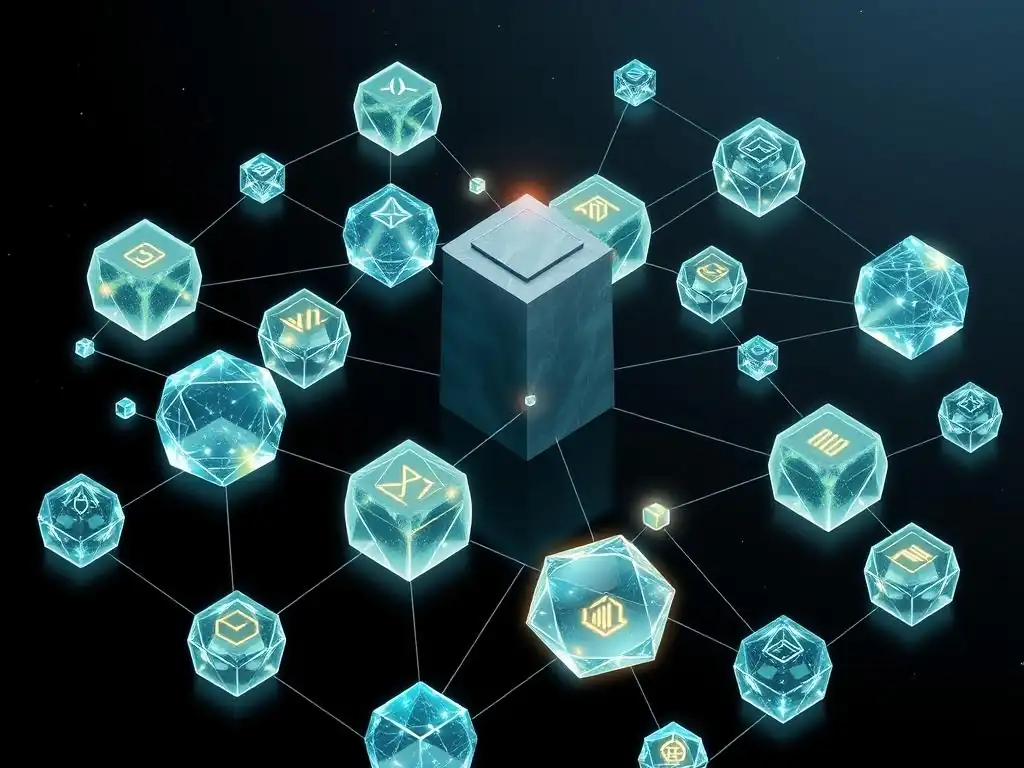
Addressing Security Concerns and Mitigating Risks in DeFi Platforms
Addressing security concerns and mitigating risks remains a critical challenge for the future of DeFi platforms. The nascent nature of DeFi technology and the complexity of smart contracts introduce inherent security risks. Smart contract vulnerabilities, hacks, and exploits have resulted in significant financial losses in the DeFi space, undermining user confidence and hindering wider adoption. Therefore, robust security measures are paramount for building trust and ensuring the long-term viability of DeFi platforms.
Mitigation strategies include rigorous smart contract audits conducted by reputable security firms, bug bounty programs to incentivize ethical hackers to identify vulnerabilities, and formal verification techniques to mathematically prove the correctness of smart contract code. Furthermore, insurance protocols and decentralized custody solutions are emerging to protect users against potential losses due to security breaches. Educating users about security best practices and promoting a culture of security awareness within the DeFi community are also crucial.
Addressing security concerns effectively is not only a challenge but also a significant opportunity for DeFi platforms to build trust, attract more users, and achieve mainstream adoption. Enhanced security directly impacts the DeFi platforms 2024 growth trajectory by fostering confidence and stability.
Overcoming Scalability Issues and Improving Transaction Throughput
Overcoming scalability issues and improving transaction throughput is an ongoing challenge and opportunity for DeFi platforms. As DeFi adoption grows, the underlying blockchain infrastructure, particularly Ethereum in its early stages, has faced limitations in handling the increasing transaction volume, leading to network congestion and high gas fees. These scalability bottlenecks hinder the user experience and limit the potential use cases of DeFi. Therefore, enhancing scalability is essential for DeFi to reach its full potential and cater to a mass market audience.
Layer-2 scaling solutions, as previously discussed, offer a promising path towards overcoming scalability limitations. Rollups, sidechains, and other layer-2 technologies are significantly increasing transaction throughput and reducing gas fees, making DeFi more accessible and affordable. Ongoing research and development in blockchain technology, including sharding and improvements to consensus mechanisms, are also contributing to scalability advancements.
Successfully addressing scalability issues will unlock new opportunities for DeFi platforms, enabling them to support a wider range of applications, accommodate a larger user base, and compete more effectively with traditional financial systems. Scalability is a key enabler for DeFi platforms 2024 growth and beyond.
Enhancing User Experience and Making DeFi More Accessible
Enhancing user experience (UX) and making DeFi more accessible to a wider audience is crucial for mainstream adoption. Currently, navigating the DeFi landscape can be complex and intimidating for users unfamiliar with blockchain technology and cryptocurrency. User interfaces are often technical and require a degree of crypto literacy. Improving UX is essential to lower the barrier to entry and attract users beyond the crypto-native community.
Simplifying user interfaces, providing educational resources, and offering user-friendly onboarding processes are key steps towards enhancing UX. Abstracting away technical complexities and focusing on intuitive design can make DeFi platforms more approachable and user-friendly. Mobile-first design and integration with familiar payment methods can further improve accessibility.
Moreover, addressing language barriers and providing localized support are important for reaching a global audience. Making DeFi more user-friendly and accessible is a significant opportunity to expand its user base, drive mainstream adoption, and realize its full potential as a democratized financial system. Improved user experience is a direct driver of DeFi platforms 2024 growth by attracting a broader user base.
Navigating regulatory uncertainty and ensuring compliance is a significant challenge and opportunity for DeFi platforms. The evolving regulatory landscape surrounding DeFi is complex and varies across jurisdictions. The lack of clear regulatory frameworks creates uncertainty and potential risks for DeFi platforms. However, proactive engagement with regulators and a commitment to compliance can also create opportunities for platforms to gain legitimacy and attract institutional investment.
DeFi platforms need to monitor regulatory developments closely, engage in constructive dialogue with regulators, and adapt their operations to comply with evolving regulations. This may involve implementing KYC/AML procedures, developing robust compliance frameworks, and working towards greater transparency. Proactive compliance can build trust with regulators and users, fostering a more sustainable and regulated DeFi ecosystem. Navigating regulatory uncertainty effectively and demonstrating a commitment to compliance are crucial for DeFi platforms to achieve long-term growth and mainstream acceptance. Clarity and proactive compliance regarding regulation are essential for sustainable DeFi platforms 2024 growth.
The Long-Term Vision for Decentralized Finance
DeFi's Potential to Disrupt Traditional Finance
DeFi possesses the transformative potential to fundamentally disrupt traditional finance (TradFi) by offering a more transparent, accessible, and efficient alternative. Traditional financial systems are often characterized by intermediaries, high fees, and limited accessibility, particularly for underserved populations. DeFi aims to address these shortcomings by leveraging blockchain technology to create a permissionless and decentralized financial ecosystem. By removing intermediaries and automating financial processes through smart contracts, DeFi can potentially reduce costs, increase efficiency, and expand financial inclusion globally.
DeFi's potential to disrupt TradFi extends across various financial services, including lending, borrowing, trading, payments, and asset management. Decentralized exchanges (DEXs) offer an alternative to centralized exchanges, providing users with greater control over their assets. Decentralized lending platforms can offer more competitive interest rates and greater accessibility to credit.
Stablecoins provide a digital alternative to traditional fiat currencies, facilitating faster and cheaper cross-border payments. As DeFi continues to mature and innovate, its potential to challenge and disrupt TradFi is becoming increasingly evident, paving the way for a more decentralized and equitable financial future. This disruption is a long-term vision, but the seeds are being sown for significant changes in the financial landscape beyond DeFi platforms 2024 growth.
The Convergence of DeFi and CeFi (Centralized Finance)
The future of finance is likely to involve a convergence of DeFi and Centralized Finance (CeFi), rather than a complete replacement of one by the other. While DeFi offers numerous advantages in terms of decentralization, transparency, and accessibility, CeFi still plays a crucial role in the current financial system, providing regulatory oversight, established infrastructure, and user-friendly interfaces. A convergence of DeFi and CeFi could potentially combine the strengths of both systems, creating a more robust and efficient financial ecosystem.
CeFi platforms are increasingly exploring ways to integrate with DeFi, offering users access to DeFi products and services through centralized interfaces. This can bridge the gap between the complexity of DeFi and the user-friendliness of CeFi, making DeFi more accessible to a wider audience. Conversely, DeFi platforms can benefit from the regulatory compliance and established infrastructure of CeFi, facilitating institutional adoption and mainstream acceptance.
This convergence could lead to hybrid financial models that leverage the best of both worlds, creating a more inclusive and efficient financial system that caters to a diverse range of users and needs. The synergy between DeFi and CeFi will likely shape the future of finance beyond the immediate scope of DeFi platforms 2024 growth.
The Future of DeFi Beyond Financial Applications
While DeFi's current focus is primarily on financial applications, its underlying principles and technologies have the potential to extend far beyond the realm of finance. The decentralized, transparent, and automated nature of DeFi can be applied to various other sectors, creating new opportunities and disrupting traditional industries. Decentralized governance models, for example, can be applied to organizations and communities beyond finance, fostering greater transparency and participation.
Decentralized identity solutions, built on blockchain technology, can empower individuals with greater control over their personal data and digital identities. Decentralized autonomous organizations (DAOs) can revolutionize organizational structures and decision-making processes. Supply chain management, voting systems, and intellectual property rights management are just a few examples of sectors that could be transformed by DeFi principles and technologies.
The future of DeFi extends beyond financial applications, encompassing a broader vision of decentralized systems that empower individuals, enhance transparency, and foster greater efficiency across various aspects of society. While DeFi platforms 2024 growth is focused on finance, the long-term vision encompasses a much wider range of applications.
Conclusion: Investing in the Future of DeFi Platforms
Key Takeaways and Predictions for the DeFi Market in 2024 and Beyond
The DeFi market is poised for continued growth and evolution in 2024 and beyond, driven by technological advancements, increasing institutional interest, and a growing demand for decentralized financial solutions. Key takeaways include the increasing importance of layer-2 scaling solutions for improving scalability and user experience, the growing convergence of DeFi and CeFi, and the expanding applications of DeFi principles beyond finance. Predictions for the DeFi market include further maturation of DeFi infrastructure, increased regulatory clarity in certain jurisdictions, and wider adoption by both retail and institutional investors.
The platforms highlighted – Uniswap, Aave, and Chainlink – are well-positioned to remain leaders in their respective niches and capitalize on the growth of the DeFi market. Uniswap's continuous innovation in decentralized exchange, Aave's leadership in lending and borrowing, and Chainlink's crucial role in providing oracle services will continue to be essential components of the DeFi ecosystem.
However, the DeFi landscape is dynamic and competitive, and new platforms and innovations will undoubtedly emerge, challenging existing leaders and shaping the future of decentralized finance. Therefore, while DeFi platforms 2024 growth is anticipated to be strong, the market will remain fluid and subject to change.
The Importance of Due Diligence When Exploring DeFi Platforms
Investing in DeFi platforms offers significant potential, but it also involves inherent risks. Due diligence is paramount when exploring and investing in DeFi platforms to mitigate these risks. Users should thoroughly research the platform's technology, security measures, team, community, and governance model before committing funds. Understanding the platform's tokenomics, smart contract code, and audit history is crucial for assessing its legitimacy and security.
Furthermore, users should be aware of the risks associated with impermanent loss in liquidity pools, smart contract vulnerabilities, and regulatory uncertainty. Diversification, risk management strategies, and staying informed about the evolving DeFi landscape are essential for responsible participation in the DeFi market. While the potential rewards of investing in DeFi platforms are substantial, thorough due diligence is non-negotiable for navigating the complexities and mitigating the risks inherent in this nascent and rapidly evolving sector. Prioritizing due diligence is crucial for anyone seeking to benefit from DeFi platforms 2024 growth and beyond.
Final Thoughts on the Transformative Potential of DeFi
Decentralized Finance represents a paradigm shift with the potential to transform the global financial system and beyond. By leveraging blockchain technology, DeFi aims to create a more transparent, accessible, and efficient financial ecosystem that empowers individuals and fosters greater financial inclusion. While challenges remain in terms of security, scalability, and regulation, the progress and innovation within the DeFi space are undeniable. The platforms discussed, and many others within the ecosystem, are at the forefront of this revolution, driving the development and adoption of decentralized financial solutions.
As DeFi continues to mature and evolve, its transformative potential is likely to extend beyond finance, impacting various sectors and aspects of society. The principles of decentralization, transparency, and community governance, at the heart of DeFi, hold promise for creating more equitable and efficient systems across diverse domains.
The future of finance, and potentially many other industries, is increasingly intertwined with the continued development and responsible adoption of Decentralized Finance. The journey of DeFi is just beginning, and its long-term impact on the world remains to be fully realized, promising a future shaped by the principles of decentralization and empowerment, far beyond just DeFi platforms 2024 growth.
Frequently Asked Questions
What are the key drivers of DeFi platforms 2024 growth?
The growth is primarily driven by increasing adoption of decentralized applications (dApps), the continuous development of innovative financial instruments, and a growing interest in yield farming and staking opportunities.
How is blockchain technology used in DeFi platforms beyond cryptocurrencies?
Beyond cryptocurrencies, blockchain facilitates secure and transparent transactions, enables smart contracts for automated agreements, and provides the infrastructure for decentralized governance within DeFi ecosystems.
What are the main challenges facing the future development of DeFi platforms?
Major challenges include regulatory uncertainty, scalability issues hindering transaction throughput, and concerns about security vulnerabilities that can lead to exploits and financial losses.
What types of DeFi platforms are expected to see significant growth in 2024?
Platforms focusing on real-world asset (RWA) tokenization, those offering cross-chain interoperability, and those innovating in areas like decentralized insurance are poised for substantial growth.
How might government regulation impact the DeFi platforms 2024 growth?
Government regulation could either foster growth by providing clarity and legitimacy or stifle it by imposing restrictive rules and compliance burdens, depending on the approach taken by different jurisdictions.
Final Reflection: Embracing the Decentralized Dawn
The exploration of Decentralized Finance (DeFi) platforms poised for growth in 2024 and beyond reveals more than just technological advancements; it highlights a fundamental shift in how we perceive and interact with financial systems. The promise of democratized access, increased transparency, and innovative financial instruments is no longer a distant dream but a rapidly unfolding reality, reshaping the landscape of global finance and empowering individuals in unprecedented ways.
The impact of DeFi extends far beyond the realm of cryptocurrency enthusiasts. It touches upon core principles of financial inclusion and control, challenging traditional institutions and fostering a more equitable economic environment. Witnessing this evolution firsthand underscores the profound potential of decentralized technologies to reshape our world, offering a glimpse into a future where financial power is distributed rather than concentrated. The future of finance is decentralized, and it's happening now.
- Chris Dixon.
As we stand on the cusp of this decentralized dawn, let us not be passive observers. Let us actively engage with these emerging technologies, educate ourselves about their potential and risks, and contribute to building a more inclusive and transparent financial future for all. The power to shape this future lies within each of us; let us embrace it with wisdom, responsibility, and a unwavering commitment to a more equitable world.
Dive Deeper: Shape the Future of DeFi!
Thank you for exploring the cutting edge of Decentralized Finance with us! You've now gained valuable insights into the leading platforms shaping the financial landscape. Don't just observe the revolution; become a part of it.
Here's how you can take your DeFi journey to the next level:
- Start Small, Learn Big: Experiment with a small amount on one of the platforms discussed, like Aave or Compound, to get hands-on experience with lending or borrowing. This will solidify your understanding and build confidence.
- Share Your Insights: Spread the word about these groundbreaking platforms! Discuss your favorite DeFi projects on social media using #DeFiRevolution and tag @BlockchainTrendsOrg (hypothetical Twitter handle).
- Explore the Unexplored: Research less-known DeFi projects! You might discover the next hidden gem that pushes the boundaries of decentralized finance.
Which DeFi platform are you most excited to explore first, and what innovative use case do you think DeFi will unlock in the next five years? Share your thoughts below!
Leave a Reply