
Legal Considerations for NFT Art: Ownership, Royalties, and Regulations Explained

Welcome to Blockchain Trends, your guide to understanding the revolutionary impact of blockchain technology beyond the hype.
Delve into the future of decentralized systems as we explore its vast applications, from DeFi to enterprise solutions. Ever wondered about the legal landscape surrounding the burgeoning world of digital art? Our latest article tackles the crucial topic of NFT art legal regulations, unpacking the complexities of ownership, royalties, and the evolving regulatory framework. Intrigued? Discover how these legal considerations are shaping the future of digital art and what it means for creators and collectors alike. Read on to learn more!
Legal Considerations for NFT Art: Ownership, Royalties, and Regulations Explained
- Understanding NFT Art Legal Regulations: An Introduction
- NFT Art Ownership Rights: Who Really Owns the Artwork?
- Royalties and Resale Rights for NFT Art: Protecting Artists' Interests
- NFT Art Copyright Infringement: Risks and Protections
- Regulatory Landscape for NFT Art: A Global Perspective
- Smart Contracts and Legal Enforceability in the NFT Art World
- Legal Due Diligence for Buying and Selling NFT Art
- The Future of NFT Art Legal Regulations: Challenges and Opportunities
-
Frequently Asked Questions
- What are the primary legal considerations surrounding the ownership of NFT art?
- How are royalties typically handled in the context of NFT art transactions?
- What kind of regulations are currently being developed to govern the NFT art market?
- How does decentralization impact the legal landscape of NFT art, particularly regarding dispute resolution?
- What are the potential legal risks for artists and collectors involved in NFT art transactions?
- Final Reflection: Navigating the Evolving Landscape of NFT Art
- Secure Your Creative Future: Navigate the NFT Legal Landscape!
Understanding NFT Art Legal Regulations: An Introduction
The Growing Importance of Legal Frameworks for NFT Art
The emergence of Non-Fungible Tokens (NFTs) has revolutionized the digital art world, providing artists with new avenues for monetization and collectors with unique digital assets. However, this burgeoning space operates within a complex and often unclear legal landscape. As NFT art gains mainstream traction, the need for robust legal frameworks becomes increasingly critical.
Without clear regulations, issues related to ownership, copyright, royalties, and fraud can stifle the growth and legitimacy of the NFT art market. Artists, collectors, marketplaces, and regulators are all grappling with these novel legal challenges, seeking to establish a stable and legally sound environment for digital art NFTs to flourish.
The rapid expansion of the NFT market has outpaced the development of specific legal guidelines. This regulatory vacuum creates uncertainty and risk for all participants. For instance, the lack of standardized legal definitions for NFTs and digital art can lead to disputes over ownership and intellectual property rights.
Furthermore, the cross-border nature of blockchain technology and online art marketplaces complicates the application of traditional legal principles. Therefore, the development of clear, adaptable, and internationally harmonized legal frameworks is paramount to ensure the long-term viability and integrity of the NFT art ecosystem. These frameworks must address the unique characteristics of NFTs while providing legal certainty and protection for all stakeholders in the digital art world.
Navigating the legal landscape of digital art NFTs requires a multifaceted understanding of various legal domains, including intellectual property law, contract law, and potentially securities law, depending on the jurisdiction and the specific characteristics of the NFT. Currently, there is no single, unified legal framework specifically designed for NFTs. Instead, existing legal principles are being applied and interpreted in the context of this new technology. This necessitates careful consideration of how traditional legal concepts, such as copyright and ownership, translate into the digital realm of NFTs.
Artists and collectors must be proactive in understanding and mitigating legal risks. This includes conducting due diligence on NFT marketplaces, ensuring clear and comprehensive smart contracts are in place, and seeking legal advice when necessary. For artists, protecting their intellectual property rights is crucial, particularly in preventing unauthorized minting and sale of their work as NFTs.
Collectors, on the other hand, need to understand the scope of their ownership rights when purchasing an NFT, which often differs from traditional art ownership. The legal landscape is still evolving, and staying informed about emerging regulations and legal precedents is essential for all participants in the NFT art market.
NFT Art Ownership Rights: Who Really Owns the Artwork?
Defining Ownership in the NFT Art Space
Defining ownership in the NFT art space is not as straightforward as in the traditional art world. When you purchase an NFT artwork, you are not typically buying the copyright to the underlying digital art itself. Instead, you are acquiring ownership of a unique digital token on the blockchain that represents that artwork. This token acts as a certificate of authenticity and ownership, verifiable on a public ledger. The NFT essentially links ownership to a specific digital asset, but the rights associated with that ownership can vary significantly.
The key distinction lies between owning the NFT and owning the copyright to the artwork. In most cases, the artist retains the copyright to their work, even after selling an NFT representing it. The NFT owner typically gains the right to display the artwork, and potentially resell or transfer the NFT, but not necessarily the right to reproduce it commercially or create derivative works. Understanding this separation between NFT ownership and copyright is crucial for both creators and collectors to avoid legal misunderstandings and disputes regarding the scope of their rights and obligations in the NFT art market.
Copyright Considerations for NFT Art Creators and Buyers
Copyright law plays a pivotal role in the NFT art ecosystem, dictating the rights of both creators and buyers. For NFT art creators, copyright protection is paramount. Artists automatically hold copyright to their original artworks from the moment of creation. When minting an NFT, artists are essentially tokenizing their copyrighted work. It's crucial for creators to understand that minting an NFT itself does not transfer copyright unless explicitly stated in a separate agreement or license. Therefore, artists must carefully consider the terms of use and licenses associated with their NFTs to ensure they retain control over their intellectual property.
For NFT art buyers, understanding the scope of copyright is equally important. Purchasing an NFT generally grants limited rights, primarily the right to possess and display the digital artwork. Unless explicitly transferred, copyright remains with the original artist.
Buyers should be aware that they typically cannot commercially exploit the artwork, such as reproducing it for merchandise or creating derivative works, without obtaining permission from the copyright holder. This distinction is often overlooked, leading to potential copyright infringement issues and legal disputes. Buyers should always review the terms of sale and any accompanying licenses to understand the specific rights they are acquiring alongside the NFT.
Transfer of Ownership and Licensing Agreements for NFTs
The transfer of ownership of NFT art is facilitated through blockchain technology, making it transparent and verifiable. When an NFT is sold or transferred, the transaction is recorded on the blockchain, providing a clear and immutable record of ownership history. However, the legal implications of this transfer extend beyond simply changing the owner of the token. It is crucial to consider the associated rights and obligations that are transferred along with the NFT.
Licensing agreements are increasingly important in the NFT art space to clearly define the scope of rights granted to NFT buyers. These agreements can specify whether the buyer receives a limited license to display the artwork, a broader license to create derivative works, or even a full transfer of copyright. Smart contracts embedded within NFTs can automate certain aspects of these licenses, such as royalty payments.
However, the enforceability and interpretation of these smart contract terms within existing legal frameworks are still being tested. Both artists and collectors should carefully consider and document the intended transfer of rights through clear and legally sound licensing agreements to avoid ambiguity and potential legal disputes regarding the scope of ownership and usage rights associated with NFT art.
Royalties and Resale Rights for NFT Art: Protecting Artists' Interests
How NFT Smart Contracts Enable Royalty Payments
One of the most revolutionary aspects of NFT art is the ability to embed royalty clauses directly into smart contracts. Traditional art markets often lack transparency and mechanisms for artists to consistently benefit from the resale of their work. NFT smart contracts offer a solution by automatically triggering royalty payments to the original creator each time their NFT artwork is resold on a compatible marketplace. This is typically programmed as a percentage of the resale price, ensuring artists receive ongoing compensation for the secondary market success of their digital art.
The implementation of royalty payments via smart contracts is a significant advancement for artist rights in the digital age. For example, if an artist sets a 10% royalty on their NFT, every subsequent sale of that NFT will automatically send 10% of the transaction value back to the artist's designated wallet address. This process is transparent, automated, and immutable, as it is coded into the blockchain itself. This mechanism not only provides a new revenue stream for artists but also fosters a more equitable and sustainable ecosystem for digital art creation and trading.
Challenges in Enforcing Royalty Rights for Digital Art
Despite the potential of smart contracts to automate royalty payments, challenges remain in fully enforcing these rights across the entire NFT ecosystem. One primary challenge is the lack of standardization across NFT marketplaces. While many platforms support royalty enforcement, not all marketplaces are compatible with or choose to honor royalty clauses embedded in smart contracts. This fragmentation can lead to artists missing out on royalties if their NFTs are resold on platforms that do not recognize or enforce these terms.
Another challenge arises from the jurisdictional complexities of enforcing smart contract terms legally. While smart contracts automate the payment process, legal recourse may be necessary if a marketplace or buyer circumvents royalty obligations. The legal enforceability of smart contract clauses, particularly in cross-border transactions, is still being tested in various jurisdictions.
Furthermore, "royalty-free" NFTs, which intentionally waive resale royalties, are also becoming more prevalent, adding another layer of complexity to the landscape of artist compensation and resale rights in the NFT art market. Artists need to be aware of these challenges and carefully choose marketplaces and contract terms to maximize their royalty protection.
Strategies for Artists to Maximize Royalty Income from NFT Sales
To maximize royalty income from NFT sales, artists should adopt proactive strategies and make informed decisions throughout the minting and sales process. Firstly, choosing NFT marketplaces that explicitly support and enforce royalty payments is crucial. Researching marketplace policies and opting for platforms with a proven track record of royalty enforcement is a key step. Secondly, artists should clearly specify the royalty percentage in their smart contracts during the NFT minting process. A reasonable and competitive royalty rate, typically ranging from 5% to 10%, is generally accepted in the NFT art community.
Furthermore, artists should actively promote their NFTs on platforms and in communities that value and understand the importance of artist royalties. Educating collectors about the royalty mechanism and its significance in supporting artists can also foster a culture of respect for artist rights. Exploring legal options to reinforce royalty rights, such as incorporating explicit royalty clauses in separate legal agreements alongside smart contracts, can also provide an additional layer of protection. By combining technological solutions with strategic marketplace selection and proactive communication, artists can enhance their ability to generate sustainable royalty income from their NFT art creations.
NFT Art Copyright Infringement: Risks and Protections
Identifying and Preventing Copyright Infringement in the NFT Ecosystem
Copyright infringement is a significant risk in the NFT art ecosystem, given the ease with which digital content can be copied and repurposed online. Identifying infringement can be challenging, as unauthorized NFTs may be minted and sold on various platforms without the original artist's knowledge or consent. Technological tools, such as reverse image search engines and NFT tracking platforms, can assist in monitoring for unauthorized uses of artwork. Regularly checking NFT marketplaces and social media for potential instances of copyright infringement is a proactive step for artists.
Preventing copyright infringement requires a multi-pronged approach. Artists should clearly assert their copyright ownership by including copyright notices on their websites and social media profiles. Watermarking digital artworks before sharing them online, although not foolproof, can deter unauthorized minting. Utilizing takedown notice procedures provided by NFT marketplaces when infringement is detected is crucial for prompt removal of infringing NFTs. Educating the NFT community about copyright law and the importance of respecting artists' intellectual property rights is also essential in fostering a culture of ethical NFT creation and trading.
Legal Recourse for Artists Whose Work is Minted as NFTs Without Permission
Artists whose work is minted as NFTs without their permission have several potential avenues for legal recourse. The first step is often to issue a takedown notice to the NFT marketplace hosting the infringing NFT. Most reputable marketplaces have established procedures for handling copyright infringement claims and will typically remove NFTs upon valid notice. If the marketplace is unresponsive or uncooperative, artists can consider sending a cease and desist letter directly to the infringing party, demanding the removal of the NFT and potentially seeking damages for copyright infringement.
In more serious cases of widespread or willful copyright infringement, artists may pursue legal action in court. Copyright law provides legal remedies for infringement, including injunctive relief to stop further infringement and monetary damages to compensate for losses. However, legal action can be costly and time-consuming, especially in cross-border disputes. Documenting evidence of copyright ownership and the infringement is crucial for building a strong legal case. Exploring alternative dispute resolution mechanisms, such as mediation or arbitration, may also be a more efficient and cost-effective way to resolve copyright disputes in the NFT space.
The Role of Marketplaces in Policing Copyright Violations
NFT marketplaces have a crucial role to play in policing copyright violations within the NFT ecosystem. As platforms facilitating the minting and trading of NFTs, marketplaces have a responsibility to implement measures to prevent and address copyright infringement. This includes establishing clear policies against copyright infringement, providing accessible takedown notice procedures, and proactively monitoring for potentially infringing content. Some marketplaces are employing automated tools to detect and flag potentially infringing NFTs based on image recognition and metadata analysis.
However, the effectiveness of marketplace policing varies significantly. Some platforms are more proactive and responsive to copyright concerns than others. The decentralized nature of some NFT platforms also presents challenges for centralized enforcement. Ultimately, a collaborative approach involving marketplaces, artists, and the NFT community is necessary to effectively combat copyright infringement. Marketplaces should strive to create a safe and legally compliant environment for NFT trading, while artists need to actively monitor and report potential violations. Stricter regulations and industry-wide best practices may be needed to further enhance copyright protection within the evolving NFT art market.
Regulatory Landscape for NFT Art: A Global Perspective
Current Legal and Regulatory Approaches to NFTs Worldwide
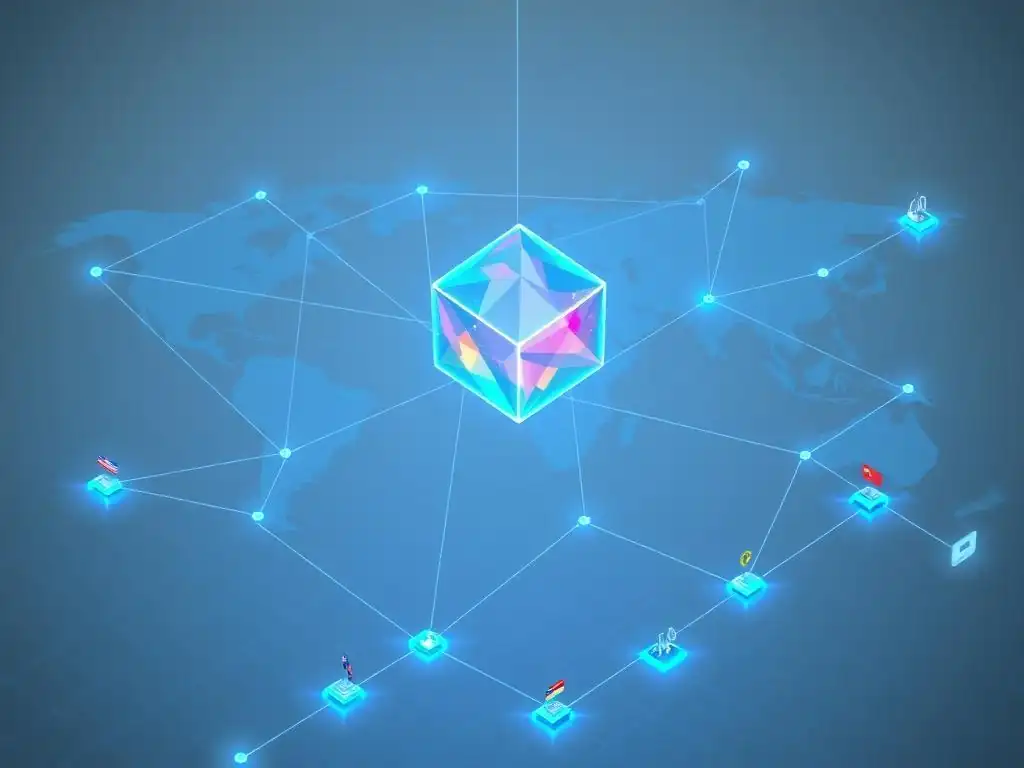
The regulatory landscape for NFTs, including NFT art, is currently fragmented and evolving globally. Different jurisdictions are taking varying approaches, ranging from adapting existing regulations to developing new frameworks specifically for digital assets. In the United States, regulatory bodies like the Securities and Exchange Commission (SEC) are examining whether certain NFTs could be classified as securities, particularly those offering fractional ownership or investment-like characteristics. The application of existing securities laws to NFTs remains a subject of ongoing debate and legal interpretation.
In Europe, the Markets in Crypto-Assets (MiCA) regulation is a comprehensive framework aiming to regulate crypto-assets, including certain types of NFTs. However, MiCA explicitly exempts unique and non-fungible digital collectibles, potentially excluding many NFT artworks from its scope. Other jurisdictions, such as Singapore and Switzerland, are taking a more progressive approach, seeking to foster innovation in the crypto space while implementing anti-money laundering (AML) and consumer protection measures. The lack of international harmonization in NFT regulations creates complexity for businesses and individuals operating in the global NFT art market, requiring careful consideration of jurisdictional differences and compliance requirements.
Potential Impact of Securities Laws on NFT Art Sales
The potential application of securities laws to NFT art sales is a significant concern for the industry. If certain NFTs are deemed to be securities, they would be subject to stricter regulatory requirements, including registration with securities regulators and compliance with disclosure obligations. This could significantly impact the way NFT art is sold and traded, potentially increasing compliance costs and limiting accessibility for smaller artists and collectors. The key factor in determining whether an NFT is a security often hinges on whether it represents an investment contract, where buyers expect to profit from the efforts of others.
NFTs that are marketed primarily as collectibles or digital art, with no explicit promise of financial return, are less likely to be classified as securities. However, NFTs with features such as fractional ownership, profit-sharing mechanisms, or explicit investment pitches may fall under securities regulations.
The SEC and other regulatory bodies are actively scrutinizing the NFT market, and the legal classification of NFTs is likely to be further clarified through enforcement actions and regulatory guidance. Artists, marketplaces, and investors in NFT art need to be aware of the potential implications of securities laws and seek legal counsel to ensure compliance and mitigate regulatory risks.
Taxation of NFT Art: A Global Overview
Taxation of NFT art is another complex and evolving area, with diverse approaches across different countries. Generally, NFTs are treated as property for tax purposes, but the specific tax implications can vary based on the jurisdiction and the nature of the NFT transaction. In many countries, the sale of NFT art may be subject to capital gains tax, similar to the sale of traditional artwork or other assets. The tax rate and rules for calculating capital gains can vary significantly depending on the holding period and the individual's tax bracket.
Value-added tax (VAT) or sales tax may also apply to NFT art transactions, depending on the jurisdiction and whether the transaction is considered a supply of goods or services. The location of the artist, buyer, and marketplace can also influence the applicable tax rules. Furthermore, income tax may be applicable to artists from the initial sale of their NFTs and potentially from royalty income.
The lack of clear and consistent tax guidelines for NFTs globally creates challenges for tax compliance. Artists and collectors should consult with tax advisors in their respective jurisdictions to understand their tax obligations related to NFT art transactions and ensure compliance with applicable tax laws.
Smart Contracts and Legal Enforceability in the NFT Art World
The Role of Smart Contracts in Defining Legal Terms for NFTs
Smart contracts are self-executing code embedded within NFTs that can automate and enforce certain terms and conditions related to the digital artwork. They play a crucial role in defining legal terms in the NFT art world, such as royalty payments, ownership transfers, and usage rights. By encoding these terms directly into the NFT's smart contract, artists can ensure that these conditions are automatically executed whenever the NFT is traded or used, enhancing transparency and trust in NFT transactions.
For example, a smart contract can automatically distribute royalty payments to the artist upon each resale of the NFT, as previously discussed. It can also define the scope of usage rights granted to the NFT owner, specifying whether they have the right to display, reproduce, or commercially exploit the artwork. Smart contracts can also facilitate fractional ownership of NFTs by dividing ownership rights among multiple token holders. However, the legal enforceability of these smart contract terms within traditional legal frameworks remains a critical consideration.
Limitations of Smart Contracts in Resolving Legal Disputes
While smart contracts offer automation and efficiency, they have limitations in resolving complex legal disputes in the NFT art world. Smart contracts are essentially code and can only enforce pre-defined conditions. They are not capable of interpreting ambiguous language, addressing unforeseen circumstances, or resolving disputes that require subjective judgment or human intervention. For instance, if a dispute arises over copyright infringement or the interpretation of a licensing agreement, a smart contract alone cannot resolve the issue.
Legal disputes often involve complex factual and legal questions that require human interpretation and adjudication. Smart contracts are best suited for automating simple, clearly defined transactions and conditions. They are not a substitute for traditional legal contracts or dispute resolution mechanisms when complex legal issues arise. Relying solely on smart contracts without considering the broader legal framework can lead to limitations in resolving disputes and enforcing rights in the NFT art space.
Dispute Resolution Mechanisms for Smart Contract Disputes
Given the limitations of smart contracts in resolving complex legal disputes, alternative dispute resolution (ADR) mechanisms are increasingly relevant in the NFT art world. ADR methods, such as mediation and arbitration, offer more flexible and efficient ways to resolve disputes compared to traditional litigation. Mediation involves a neutral third party facilitating negotiations between disputing parties to reach a mutually agreeable settlement. Arbitration involves a neutral arbitrator hearing evidence and rendering a binding decision, similar to a court judgment but typically faster and less formal.
Integrating ADR clauses into smart contracts or associated legal agreements can provide a pre-agreed framework for resolving disputes. These clauses can specify the chosen ADR method, the governing law, and the location of dispute resolution proceedings. Online dispute resolution (ODR) platforms are also emerging as a viable option for resolving NFT-related disputes, leveraging technology to facilitate remote mediation and arbitration. Combining the automation of smart contracts with flexible ADR mechanisms can create a more robust and efficient system for managing and resolving legal disputes in the evolving NFT art ecosystem.
Legal Due Diligence for Buying and Selling NFT Art
Verifying the Authenticity and Provenance of NFTs
Legal due diligence is crucial for both buyers and sellers of NFT art to mitigate risks and ensure legitimate transactions. Verifying the authenticity and provenance of NFTs is a primary aspect of due diligence. Buyers should carefully examine the NFT's metadata, including the artist's identity, creation date, and transaction history on the blockchain. Utilizing NFT provenance tracking tools and platforms can help trace the NFT's ownership history back to its origin, verifying its legitimacy and reducing the risk of purchasing counterfeit or stolen NFTs.
Sellers should also be prepared to provide evidence of authenticity and provenance to potential buyers. This may include documentation of the artwork's creation process, proof of copyright ownership, and a clear transaction history on the blockchain. Reputable NFT marketplaces often implement verification processes to authenticate artists and NFTs, providing an additional layer of security and trust. However, buyers should always conduct their own independent due diligence to verify authenticity and provenance before making a purchase, as marketplace verification processes may not be foolproof.
Understanding the Terms and Conditions of NFT Marketplaces
Thoroughly understanding the terms and conditions of NFT marketplaces is another essential aspect of legal due diligence. Marketplace terms of service govern the rights and obligations of buyers and sellers on the platform, including fees, dispute resolution procedures, intellectual property policies, and liability limitations. Buyers should carefully review the marketplace terms to understand their rights regarding NFT ownership, resale royalties, and recourse in case of disputes or fraudulent transactions.
Sellers should also pay close attention to marketplace terms related to listing fees, transaction fees, royalty percentages, and payout procedures. Understanding the marketplace's policies on copyright infringement and takedown notices is crucial for protecting artists' intellectual property rights. Some marketplace terms may contain clauses that limit the platform's liability or impose specific legal obligations on users. Reviewing and understanding these terms before engaging in NFT transactions on a particular marketplace is essential for making informed decisions and mitigating potential legal risks.
Insurance Options for NFT Art Collectors
As the value of NFT art increases, insurance options are becoming increasingly relevant for collectors seeking to protect their digital assets. Traditional art insurance policies may not automatically cover NFTs, as they are a relatively new asset class. However, specialized insurance providers are emerging that offer coverage specifically for NFTs, including NFT art. These policies may cover risks such as theft, hacking, loss of access to digital wallets, and potentially even smart contract failures.
Insurance for NFT art is still a developing area, and the scope of coverage and premiums can vary significantly. Collectors should carefully review the terms of NFT insurance policies to understand what risks are covered and what exclusions apply. Factors such as the value of the NFT collection, the security measures employed by the collector, and the jurisdiction of the insurance provider can influence the cost and availability of coverage. Exploring insurance options can provide NFT art collectors with an additional layer of financial protection and peace of mind in the evolving digital asset landscape.
The Future of NFT Art Legal Regulations: Challenges and Opportunities
The Need for Clear and Consistent Legal Frameworks
The future of NFT art legal regulations hinges on the development of clear, consistent, and adaptable legal frameworks that address the unique characteristics of this emerging art form. The current fragmented regulatory landscape creates uncertainty and hinders the growth and mainstream adoption of NFT art. Harmonized international standards and guidelines are needed to provide legal clarity and certainty for artists, collectors, marketplaces, and regulators worldwide. These frameworks should address key legal issues, including ownership rights, copyright protection, royalty enforcement, taxation, and consumer protection in the NFT art space.
Clear legal frameworks will foster greater trust and confidence in the NFT art market, encouraging wider participation and investment. They will also provide a level playing field for artists and marketplaces, ensuring fair competition and protecting against illicit activities. Balancing innovation with regulation is crucial to create a sustainable and thriving ecosystem for NFT art. The legal frameworks of the future should be flexible enough to adapt to the rapidly evolving technological landscape of blockchain and digital art, while providing sufficient legal certainty and protection for all stakeholders.
Balancing Innovation and Regulation in the NFT Art Space
Balancing innovation and regulation is a critical challenge in shaping the future of NFT art legal regulations. Overly restrictive or premature regulations could stifle innovation and hinder the growth of this nascent market. Conversely, a complete lack of regulation could lead to increased risks of fraud, copyright infringement, and other illicit activities, undermining the long-term sustainability of the NFT art ecosystem. The ideal approach is to adopt a balanced regulatory framework that encourages innovation while mitigating risks and protecting stakeholders.
This requires a nuanced and adaptive regulatory approach that considers the unique characteristics of NFTs and the specific needs of the NFT art community. Regulators should engage in dialogue with industry stakeholders, including artists, marketplaces, legal experts, and technology developers, to develop informed and effective regulations. Sandbox environments and regulatory experimentation can be valuable tools for testing and refining regulatory approaches before broad implementation. The goal is to create a regulatory environment that fosters responsible innovation, protects consumers and artists, and enables the continued growth and evolution of the NFT art market.
The Role of DAOs in NFT Art Governance
Decentralized Autonomous Organizations (DAOs) are emerging as potentially significant players in the future governance of NFT art ecosystems. DAOs are community-led organizations governed by rules encoded in smart contracts, enabling decentralized decision-making and collective ownership. In the context of NFT art, DAOs can be used to govern NFT marketplaces, manage community art collections, and establish decentralized standards for NFT art creation and trading. DAOs offer a novel approach to governance that aligns with the decentralized ethos of blockchain technology.
DAOs can empower artists and collectors by giving them more control over NFT platforms and ecosystems. They can facilitate community-driven curation, dispute resolution, and resource allocation within the NFT art space. However, the legal status and regulatory implications of DAOs are still evolving. The enforceability of DAO governance structures and the liability of DAO members are legal questions that need further clarification. Despite these challenges, DAOs hold significant potential to shape the future of NFT art governance by fostering decentralization, community participation, and transparency in the digital art world.
Frequently Asked Questions
What are the primary legal considerations surrounding the ownership of NFT art?
The main legal concerns revolve around proving genuine ownership of the digital asset and the underlying artwork. Issues of copyright infringement and authenticity are also critical.
How are royalties typically handled in the context of NFT art transactions?
Royalties are often programmed into the smart contract of the NFT, ensuring creators receive a percentage of future sales. However, enforcement and international legal variations can be challenging.
What kind of regulations are currently being developed to govern the NFT art market?
Governments are exploring regulations concerning money laundering, securities laws, and consumer protection. These rules aim to provide clarity and prevent illicit activities.
How does decentralization impact the legal landscape of NFT art, particularly regarding dispute resolution?
Decentralization introduces complexities in determining jurisdiction and enforcing legal rights. Traditional legal systems struggle to adapt to the borderless nature of blockchain.
What are the potential legal risks for artists and collectors involved in NFT art transactions?
Risks include copyright claims, fraudulent NFTs, and the evolving regulatory environment. Thorough due diligence is essential for both artists and collectors.
The complexities surrounding NFT art legal regulations are no longer a distant concern for artists and collectors; they are the very foundation upon which the future of digital art will be built. As we've explored the intricacies of ownership, royalties, and the nascent regulatory frameworks, it becomes clear that understanding these legal considerations is paramount for anyone participating in this rapidly evolving space. Ignorance is no longer an option; informed participation is the key to sustainable growth and artistic freedom.
The rise of NFT art has undeniably reshaped the cultural landscape, offering artists unprecedented opportunities while simultaneously raising critical questions about copyright, authenticity, and the very definition of ownership. My own exploration of this field has underscored the urgent need for clear and consistent legal guidelines to protect both creators and collectors. This is not simply about legal compliance; it's about fostering a thriving ecosystem where innovation can flourish without fear of exploitation. The law has to be stable and yet it cannot stand still.
- Roscoe Pound. This quote perfectly encapsulates the challenge we face in adapting existing legal frameworks to the unique characteristics of NFT art.
As you navigate the exciting world of NFT art, remember that knowledge is your most powerful tool. Take the time to understand the legal implications of your actions, whether you're creating, collecting, or simply exploring this new frontier. Let us all contribute to shaping a future where creativity is celebrated, artists are empowered, and the legal framework supports the continued evolution of this groundbreaking art form.
Okay, here's a Call to Action crafted based on your specifications for the article "Legal Considerations for NFT Art: Ownership, Royalties, and Regulations Explained," targeting Blockchain Trends readers:
Thank you for exploring the legal complexities surrounding NFT art. Now that you're equipped with valuable insights into ownership, royalties, and regulations, it's time to put that knowledge into action and protect your creations.
Here are a few steps you can take right now:
- Document every transaction and agreement. Meticulous record-keeping is your shield in the ever-evolving world of NFT law.
- Explore different smart contract options to tailor royalty agreements specifically to your needs. Don't settle for generic terms!
- Join the Blockchain Trends legal forum and share your experiences or ask questions. Building a community understanding is crucial for navigating this new frontier.
What specific legal challenge are you facing in the NFT space, and how can we, as a community, help you overcome it?
Leave a Reply