
Renewable Energy and Blockchain: A Synergistic Solution for Sustainability?


Welcome to Blockchain Trends, your gateway to understanding the revolutionary impact of blockchain technology beyond the hype. Are you ready to explore how this powerful tool is reshaping industries and redefining possibilities?
Dive into our latest analysis and discover the surprising ways blockchain renewable energy integration benefits are paving the way for a more sustainable future. Uncover the synergistic potential of these technologies and how they are working together to create a greener, more efficient world. What if the key to unlocking a truly sustainable energy future lies within the decentralized ledger? Read on to find out!
Renewable Energy and Blockchain: A Synergistic Solution for Sustainability?
- Introduction: The Convergence of Renewable Energy and Blockchain Technology
- Challenges in Existing Renewable Energy Infrastructure
- Blockchain's Benefits for Renewable Energy Integration
- Use Cases: Real-World Blockchain Applications in Renewable Energy
- Blockchain for Enhanced Energy Consumption Monitoring and Control
- Addressing the Challenges of Blockchain Implementation in Energy
- The Future Landscape: Blockchain and Renewable Energy Integration
- Conclusion: Blockchain as a Catalyst for a Sustainable Energy Future
-
Frequently Asked Questions
- What are the key blockchain renewable energy integration benefits?
- How can blockchain help overcome challenges in renewable energy microgrids?
- What role does DeFi (Decentralized Finance) play in promoting renewable energy adoption through blockchain?
- How can blockchain technology improve the transparency of renewable energy supply chains?
- What are the potential regulatory hurdles for widespread adoption of blockchain renewable energy integration?
- Final Reflection: Empowering a Sustainable Future Through Innovation
- Fuel a Greener Future: Get Involved Now!
Introduction: The Convergence of Renewable Energy and Blockchain Technology
The global energy landscape is undergoing a profound transformation, driven by the urgent need to transition towards sustainable sources and address climate change. Simultaneously, blockchain technology, initially known for its role in cryptocurrencies, is emerging as a powerful tool with the potential to reshape various industries, including energy. This convergence offers promising avenues for enhancing the efficiency, transparency, and accessibility of renewable energy systems, highlighting significant blockchain renewable energy integration benefits.
The Urgent Need for Sustainable Energy Transition
The imperative to shift away from fossil fuels towards renewable energy sources like solar, wind, and hydro is undeniable. Global average temperatures have risen by approximately 1.1°C since the pre-industrial era, primarily due to greenhouse gas emissions from burning fossil fuels, according to the IPCC. This warming trend is driving more frequent and intense extreme weather events, posing significant risks to ecosystems and human societies.
Achieving ambitious climate goals, such as limiting global warming to well below 2°C, necessitates a rapid and substantial increase in renewable energy deployment. Current projections indicate that renewables need to constitute a much larger share of the global energy mix – potentially exceeding 80% by 2050 in some scenarios – to meet these targets. This scale of transition requires not just technological advancements in generation but also fundamental changes in how energy is managed, distributed, and financed.
Blockchain Technology: Foundations and Relevance to Energy
Blockchain technology provides a decentralized, immutable ledger that can record transactions transparently and securely across a network of computers. Its core features – decentralization, transparency, security through cryptography, and immutability – make it highly relevant to the energy sector, particularly for managing complex, distributed systems like those powered by renewables.
In the energy context, blockchain can facilitate peer-to-peer energy trading, automate transactions via smart contracts, enhance the tracking of energy origin (like renewable energy certificates), and improve the efficiency of grid management. These capabilities offer a compelling set of blockchain renewable energy integration benefits, promising to unlock new levels of efficiency and participation in the energy market for prosumers and consumers alike.
Challenges in Existing Renewable Energy Infrastructure
Despite the rapid growth of renewable energy capacity, significant challenges persist within the existing infrastructure that hinder a smooth and efficient transition. These include technical issues related to integrating intermittent sources, lack of transparency in energy attribute tracking, and difficulties in mobilizing sufficient capital for widespread development.
Grid Integration Issues and Renewable Energy Curtailment
Integrating variable renewable sources like solar and wind into the traditional grid presents considerable technical challenges. The intermittent nature of these sources – power generation depends on weather conditions – can lead to grid instability if not managed effectively. When generation exceeds demand and grid capacity, renewable energy sources may be curtailed, meaning their output is deliberately reduced or shut off.
Data from various grid operators indicates that significant amounts of potential renewable energy are curtailed annually. For example, in parts of the United States, curtailment rates for wind and solar can sometimes reach over 5% of potential generation, particularly in areas with high renewable penetration and limited transmission infrastructure. This represents a substantial loss of clean energy that could otherwise displace fossil fuels, highlighting a critical area where improved management and coordination are needed, potentially through blockchain solutions.
Opacity and Verification Problems in Renewable Energy Certificates
Renewable Energy Certificates (RECs) or Guarantees of Origin (GOs) are crucial instruments for tracking and verifying the origin of renewable energy. However, traditional REC systems often suffer from issues of opacity, potential for double-counting, and cumbersome administrative processes. The lack of a single, transparent, and tamper-proof ledger makes it difficult for consumers and corporations to have complete confidence in the authenticity and uniqueness of the RECs they purchase.
Studies and market reports frequently point to inefficiencies and fraud risks within legacy REC tracking systems. The manual processes involved in certificate issuance, transfer, and retirement can be slow and costly. This opacity undermines trust in the market for green attributes, potentially slowing investment in new renewable capacity, and represents a key area where the transparency and immutability of blockchain technology could offer significant blockchain renewable energy integration benefits.
Access to Capital for Renewable Energy Development
Financing large-scale renewable energy projects often requires significant capital investment, typically raised through complex financial structures involving banks, investors, and government incentives. While large utility-scale projects have established financing pathways, smaller community-based projects or residential installations can face higher transaction costs and less access to traditional funding mechanisms.
Mobilizing sufficient capital globally to meet climate goals requires innovative financing models. Estimates suggest that trillions of dollars in investment are needed in renewable energy infrastructure over the next few decades. The complexity and perceived risk of smaller projects can deter investors, creating a bottleneck in the transition. Exploring alternative financing methods that can lower costs and broaden access to capital, such as tokenization facilitated by blockchain, is essential.
Blockchain's Benefits for Renewable Energy Integration
Blockchain technology offers a suite of features that directly address many of the challenges faced by the renewable energy sector. By providing a secure, transparent, and decentralized platform, blockchain can enhance various aspects of renewable energy systems, from tracking and trading to grid management and financing. These capabilities represent core blockchain renewable energy integration benefits.
Enhanced Transparency and Trust in Renewable Energy Systems
One of the most significant blockchain renewable energy integration benefits is the enhanced transparency and trust it brings to energy transactions and data. A blockchain ledger provides a tamper-proof record of energy generation, consumption, and trading activities. This allows all participants in the network – generators, consumers, grid operators, and regulators – to access and verify transaction data in near real-time, provided they have the necessary permissions.
For example, tracking the origin of renewable energy becomes significantly more reliable. A blockchain can record the generation of each unit of clean energy at its source, creating a unique digital token or certificate. This token can then be tracked as it is traded or consumed, ensuring that it is not double-counted and providing verifiable proof of renewable energy use. This level of transparency builds trust among market participants and instills confidence in the integrity of green claims.
Streamlined Renewable Energy Trading and Distribution
Blockchain enables the creation of decentralized, peer-to-peer (P2P) energy trading platforms. These platforms allow individuals and businesses with rooftop solar panels or other distributed renewable energy sources to sell excess power directly to their neighbors or other consumers on the grid, bypassing traditional intermediaries. This peer-to-peer model can lead to more efficient price discovery and potentially lower energy costs for consumers.
Several pilot projects around the world have demonstrated the feasibility of P2P energy trading using blockchain. Projects like Power Ledger in Australia or Brooklyn Microgrid in the US have facilitated thousands of energy transactions between prosumers and consumers. These platforms typically use smart contracts to automate the buying and selling process based on predefined rules and real-time energy data, significantly streamlining the trading and distribution of locally generated renewable energy.
Automated Energy Management through Blockchain-Based Smart Contracts
Smart contracts, self-executing contracts with the terms of the agreement directly written into code, are a powerful application of blockchain technology for energy management. These contracts can automate complex processes based on triggers from energy data, such as settling P2P energy trades, managing grid services, or executing demand response programs.
For instance, a smart contract could automatically compensate a building owner for reducing their energy consumption during peak demand periods, based on data received from a smart meter and recorded on the blockchain. Another example involves automating payments for grid services provided by distributed energy resources, such as frequency regulation or voltage support. This automation reduces administrative overhead, minimizes potential for disputes, and enables more dynamic and responsive energy management.
Use Cases: Real-World Blockchain Applications in Renewable Energy
The theoretical blockchain renewable energy integration benefits are being demonstrated through various real-world use cases and pilot projects across the globe. These applications range from local energy markets and certificate management to financing and microgrid operation.
Local Energy Markets: Peer-to-Peer Trading via Blockchain
Local energy markets utilizing blockchain technology are emerging as a viable model for distributing renewable energy more efficiently within communities. Platforms facilitate direct trading of excess solar or wind energy between producers (prosumers) and consumers. This model empowers individuals, allowing them to both generate and trade energy, fostering a sense of energy independence and community.
A notable example is the aforementioned Brooklyn Microgrid pilot, which explored P2P energy sales between residents using a blockchain platform. While initial volumes were modest, the project demonstrated the technical feasibility and community interest in such models. Similarly, projects in Europe and Asia are testing various blockchain platforms for local energy trading, showing potential for optimized local consumption of renewables and reduced reliance on grid transmission.
Renewable Energy Certificate Management and Auditing on Blockchain
Managing Renewable Energy Certificates (RECs) or similar energy attribute certificates is a prime application for blockchain due to its transparency and immutability features. Blockchain platforms can issue, track, and retire these certificates in a way that significantly reduces the risk of double-counting and provides a clear audit trail for regulators and consumers.
Companies like Energy Web Foundation and others are developing enterprise-grade blockchain solutions specifically for tracking energy attributes. These platforms can automate the issuance of certificates based on verified renewable energy generation data, providing a cryptographically secure and transparent record of ownership and transfer. This enhanced system builds greater confidence in the environmental claims associated with renewable energy purchases, streamlining compliance and auditing processes.
Blockchain-Enabled Decentralized Microgrids for Energy Independence
Blockchain technology is also being applied to manage decentralized microgrids, which are small, localized energy systems that can operate independently from the main grid. In a microgrid powered by renewables (like solar panels on buildings within the microgrid), blockchain can manage energy flow, facilitate internal energy trading among participants, and automate balancing services.
Consider a community microgrid in a remote area or one designed for resilience during grid outages. Blockchain can record each participant's energy generation and consumption, manage a shared battery storage system, and execute smart contracts for energy balancing within the microgrid. This decentralized management enhances the microgrid's autonomy and efficiency, providing energy independence and resilience, particularly valuable in areas prone to grid instability or natural disasters.
Improved Access to Financing for Renewable Energy Projects
Blockchain can potentially democratize investment in renewable energy projects through tokenization. Project developers can issue digital tokens representing fractional ownership or future revenue streams of a solar farm or wind project. These tokens can then be sold to a wider range of investors, including smaller accredited investors who might otherwise be excluded from large-scale project financing.
While still an emerging area, security token offerings (STOs) or similar tokenization models for renewable assets could lower the barrier to entry for investors and provide developers with new avenues for raising capital. This approach could unlock funding for projects that are too small or complex for traditional financing, accelerating the deployment of distributed renewable energy infrastructure and highlighting blockchain renewable energy integration benefits for project finance.
Blockchain for Enhanced Energy Consumption Monitoring and Control
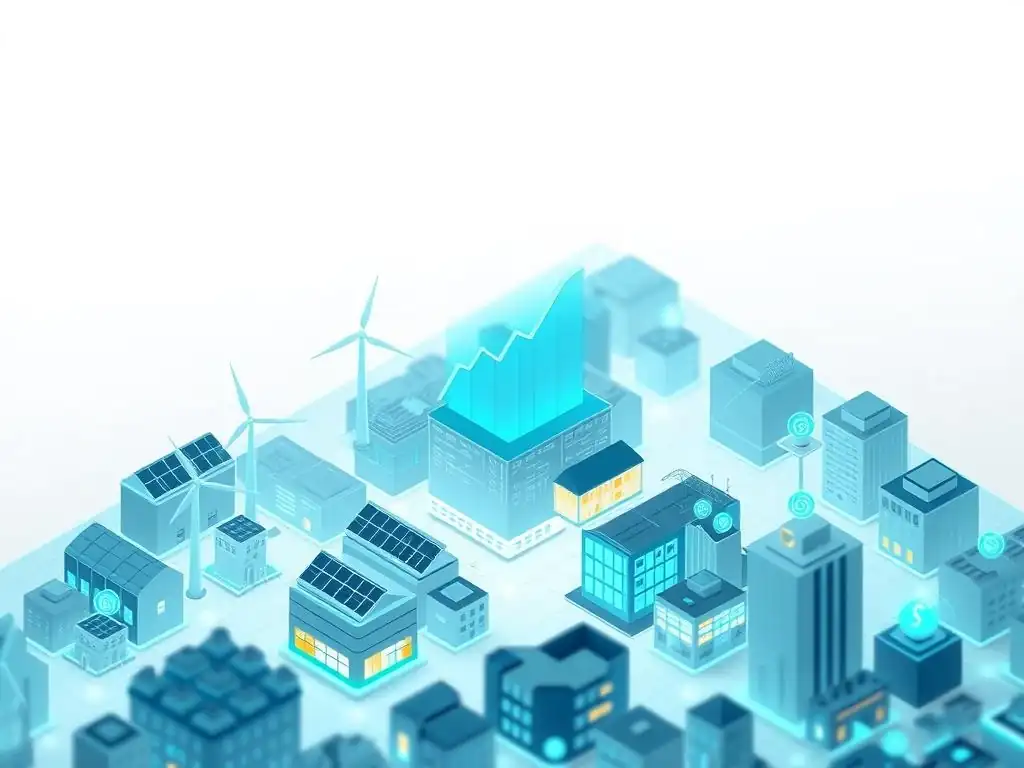
Beyond generation and trading, blockchain technology also offers significant advantages for monitoring and controlling energy consumption, promoting efficiency and demand-side management.
Real-Time Energy Data Management with Blockchain
Accurate, real-time data on energy generation and consumption is critical for efficient grid management and market operations. Blockchain can provide a secure and transparent platform for recording and sharing this data from smart meters and other sensors. The immutable nature of the blockchain ensures data integrity, making it a reliable source for billing, grid balancing, and regulatory compliance.
By timestamping and hashing energy data onto a distributed ledger, blockchain creates an auditable trail of energy flow. This allows grid operators to have a more accurate and timely picture of supply and demand, enabling better forecasting and resource allocation. For consumers, access to verified, real-time data about their own consumption can empower them to make more informed decisions about energy use and potentially participate in demand response programs.
Secure Smart Meter Communication and Data Integrity using Blockchain
Smart meters are essential for collecting granular energy consumption data, but ensuring the security and integrity of the data transmitted from these devices is paramount. Blockchain can enhance the security of smart meter communications by providing a decentralized and encrypted channel for data transmission and storage. Each data point can be validated and recorded on the ledger, making it extremely difficult to tamper with or falsify consumption records.
Some pilot projects have integrated smart meters directly with blockchain networks to automatically record energy usage and even trigger payments via smart contracts. This approach not only secures the data but also streamlines processes like billing and settlement, reducing the potential for errors or fraud. The robust security features of blockchain are a key component of its blockchain renewable energy integration benefits for the distribution edge.
Blockchain-Based Incentive Programs for Energy Efficiency
Blockchain and smart contracts can facilitate the implementation of dynamic and transparent incentive programs aimed at promoting energy efficiency and demand reduction. By using smart meters to record verified energy savings or reductions in consumption during peak times, smart contracts can automatically issue rewards or credits to participating consumers.
For example, a utility or grid operator could launch a program where consumers earn tokens or receive bill credits for reducing electricity usage when the grid is stressed. The smart contract, triggered by verified data on the blockchain, would automatically calculate and distribute the incentives. This creates a more efficient, transparent, and potentially more effective mechanism for encouraging energy-saving behaviors compared to traditional, often manual, incentive schemes.
Addressing the Challenges of Blockchain Implementation in Energy
While the blockchain renewable energy integration benefits are substantial, deploying blockchain technology in the complex and highly regulated energy sector is not without its challenges. These hurdles span regulatory, technical, and environmental considerations.
Regulatory Frameworks and Standardization Needs
The energy sector is heavily regulated, and existing regulations were designed for a centralized, traditional grid model. Integrating decentralized blockchain applications, such as P2P trading or tokenized assets, requires adapting or creating new regulatory frameworks. Uncertainty in regulation can slow down innovation and deployment of blockchain solutions.
Furthermore, standardization is needed across different blockchain platforms and energy systems to ensure interoperability. Lack of common standards for data formats, smart contract protocols, and network interfaces can create silos and hinder the seamless exchange of information and value across the energy ecosystem. Collaborative efforts between regulators, industry players, and technology providers are crucial to establish clear guidelines and standards.
Scalability and Performance of Blockchain Networks in Energy
Energy markets involve massive volumes of transactions and data, particularly at the distribution edge with millions of smart meters. Public blockchains, while decentralized, have historically faced challenges with scalability, leading to slow transaction speeds and high costs (e.g., gas fees on some networks). While newer blockchain architectures and layer-2 solutions are improving performance, ensuring a network can handle the real-time demands of grid operations or high-frequency trading remains a challenge.
For instance, managing billions of smart meter readings daily or facilitating millions of P2P trades requires a blockchain infrastructure capable of processing a very high throughput of transactions quickly and reliably. The performance requirements for mission-critical energy infrastructure are stringent, and potential blockchain solutions must demonstrate their ability to meet these demands at scale before widespread adoption is feasible.
Interoperability Between Blockchain Platforms and Existing Systems
The energy sector relies on a vast network of legacy systems, including SCADA systems for grid control, billing systems, and market platforms. For blockchain solutions to be effective, they must be able to seamlessly communicate and interoperate with this existing infrastructure. Integrating decentralized blockchain ledgers with centralized legacy databases and operational technology presents significant technical complexity.
Developing robust APIs and middleware that can translate data and commands between blockchain networks and existing systems is essential. Ensuring data security and integrity during these interactions is also critical. The challenge lies in creating a bridge between the innovative, decentralized world of blockchain and the established, often proprietary, systems that currently manage the grid and energy markets.
Energy Consumption and Environmental Impact of Blockchain Technology
A significant concern often raised about blockchain is its own energy consumption, particularly for networks using Proof-of-Work (PoW) consensus mechanisms (like Bitcoin). The high energy use of PoW conflicts with the goal of promoting sustainable energy. While many newer blockchain platforms and those being developed for enterprise use employ more energy-efficient consensus mechanisms like Proof-of-Stake (PoS) or Proof-of-Authority (PoA), the perception and reality of blockchain's energy footprint remain a challenge for its adoption in the energy sector, especially when promoting blockchain renewable energy integration benefits.
It is crucial for blockchain solutions aimed at the energy sector to utilize or transition to energy-efficient consensus methods. Quantifying the energy consumption of specific blockchain implementations and demonstrating that the energy savings and efficiency gains facilitated by the blockchain application outweigh its own energy use is vital for addressing this concern and ensuring that blockchain truly contributes to sustainability goals.
The Future Landscape: Blockchain and Renewable Energy Integration
Despite the challenges, the trajectory for blockchain and renewable energy integration appears promising. The potential benefits for efficiency, transparency, and market participation align well with the evolving needs of a decentralized, renewable-centric energy system.
Projections for the Growth of Blockchain-Driven Renewable Energy
Market analysis reports project significant growth in the adoption of blockchain technology within the energy sector, specifically driven by renewable energy applications. Some reports estimate the global blockchain in the energy market size, currently in the hundreds of millions of dollars, could grow into a multi-billion dollar industry within the next five to ten years. This growth is expected to be fueled by increasing investments in distributed energy resources, the need for smarter grid management, and the demand for transparent energy attribute tracking.
Specific areas like peer-to-peer energy trading, electric vehicle charging management, and carbon credit markets on the blockchain are anticipated to see substantial development. These projections underscore the perceived value and potential of blockchain technology as a key enabler for the future of renewable energy.
Potential for Contributing to Global Climate Change Goals
The effective integration of blockchain in renewable energy systems has the potential to significantly contribute to global climate change mitigation efforts. By improving the efficiency of renewable energy markets, reducing curtailment, enabling smarter grid management, and facilitating investment, blockchain can help accelerate the transition away from fossil fuels.
For instance, by enabling more efficient local energy trading, blockchain can increase the consumption of locally generated renewable energy, reducing reliance on centralized, often fossil-fuel-based, power generation. By providing transparent and reliable tracking of renewable energy attributes, it can boost confidence in green investments and corporate sustainability claims. While blockchain is not a silver bullet, its capabilities offer powerful tools to help achieve ambitious decarbonization targets.
Blockchain's Role in a Distributed and Resilient Energy System
The future energy system is likely to be more distributed, with a significant portion of generation coming from residential solar, community wind farms, and other decentralized sources. This shift requires a more flexible, resilient, and intelligent grid. Blockchain technology is well-suited to play a crucial role in managing such a system.
By enabling decentralized control, automated transactions, and transparent data sharing among distributed energy resources (DERs), blockchain can enhance grid stability and resilience. It can facilitate the coordination of DERs for grid services, manage energy storage systems more effectively, and enable microgrids to operate autonomously. In essence, blockchain can act as the operating system for a highly distributed and decentralized energy network, maximizing the benefits of renewable energy integration.
Conclusion: Blockchain as a Catalyst for a Sustainable Energy Future
The journey towards a fully sustainable energy future is complex, requiring innovation across technology, markets, and policy. Blockchain technology presents a compelling opportunity to act as a catalyst in this transition, offering solutions to long-standing challenges in renewable energy integration and management.
Key Advantages: Blockchain's Impact on Renewable Energy Innovation
The core blockchain renewable energy integration benefits lie in its ability to provide unprecedented transparency, security, and automation. It facilitates efficient peer-to-peer markets, creates trustworthy systems for tracking renewable energy attributes, enables automated energy management via smart contracts, and opens up new avenues for financing renewable projects. These advantages are not merely incremental improvements but represent potentially transformative shifts in how renewable energy is generated, traded, and consumed.
The technology empowers prosumers, streamlines complex processes, and builds trust among stakeholders in a distributed energy landscape. As the technology matures and regulatory clarity improves, these blockchain-enabled innovations are poised to accelerate the deployment and effective utilization of renewable energy sources globally.
A Call to Action: Fostering Blockchain Adoption for a Sustainable Future
Realizing the full potential of blockchain for a sustainable energy future requires concerted effort from various stakeholders. Energy companies, technology developers, regulators, and consumers must collaborate to build the necessary infrastructure, develop appropriate standards, and create supportive policy environments. Investing in pilot projects, fostering education, and addressing the remaining challenges, such as scalability and energy consumption (by favoring efficient networks), are critical next steps.
By embracing the innovative capabilities of blockchain technology, the energy sector can overcome key hurdles in the transition to renewables, build a more efficient and resilient grid, and ultimately contribute significantly to global sustainability goals. The synergistic potential of renewable energy and blockchain offers a powerful pathway towards a cleaner planet.
Frequently Asked Questions
What are the key blockchain renewable energy integration benefits?
Blockchain offers improved transparency and traceability in renewable energy markets. This allows for better verification of renewable energy certificates and promotes trust among stakeholders. It also enables peer-to-peer energy trading.
How can blockchain help overcome challenges in renewable energy microgrids?
Blockchain facilitates decentralized energy trading within microgrids, allowing for efficient distribution and consumption. It also provides a secure and transparent platform for managing energy transactions and payments. This reduces reliance on centralized grid infrastructure.
What role does DeFi (Decentralized Finance) play in promoting renewable energy adoption through blockchain?
DeFi platforms can provide innovative financing mechanisms for renewable energy projects, such as tokenized assets and crowdfunding. This allows for easier access to capital for renewable energy developers and incentivizes investment. It democratizes access to green finance.
How can blockchain technology improve the transparency of renewable energy supply chains?
Blockchain enables tracking and verification of renewable energy sources throughout the supply chain, from generation to consumption. This ensures the authenticity and origin of renewable energy and prevents greenwashing. It promotes accountability and sustainability.
What are the potential regulatory hurdles for widespread adoption of blockchain renewable energy integration?
Regulatory frameworks need to adapt to the decentralized nature of blockchain and address issues like smart contract legality and data privacy. Clear guidelines are needed to foster innovation and ensure consumer protection. Interoperability standards are also crucial for scalability.
Final Reflection: Empowering a Sustainable Future Through Innovation
The exploration of blockchain renewable energy integration benefits reveals a powerful synergy poised to reshape our energy landscape. It's no longer a question of if these technologies can work together, but how quickly we can implement them to address the urgent need for sustainable energy solutions and transparent energy markets. The potential for decentralized energy trading, enhanced grid security, and increased consumer participation is not just theoretical; it's a tangible pathway towards a cleaner, more equitable energy future.
This convergence of blockchain and renewable energy is more than just a technological advancement; it's a cultural shift towards greater transparency and accountability in the energy sector. Witnessing the growing interest and investment in this space fills me with hope, knowing that we are actively building a future where energy production and consumption are aligned with environmental responsibility. The best way to predict the future is to create it.
- Peter Drucker. This quote perfectly encapsulates the spirit of innovation driving the blockchain renewable energy revolution.
Now, I invite you to consider your own role in this transformative journey. How can you support the adoption of blockchain-based renewable energy solutions in your community or industry? What steps can you take to advocate for policies that encourage innovation and investment in this vital sector? The future of energy is not predetermined; it is shaped by the choices we make today. Embrace the power of innovation, champion sustainability, and become an active participant in building a brighter, greener tomorrow.
Fuel a Greener Future: Get Involved Now!
Thank you for exploring how blockchain technology can transform renewable energy and contribute to a more sustainable future. Now that you understand the potential, it's time to take action.
Here’s how you can make a difference:
- Research and Support Projects: Look into blockchain initiatives focused on renewable energy, such as energy trading platforms or carbon offset programs. Choose one that resonates with you and learn how you can support or get involved.
- Share Knowledge: Help raise awareness by sharing this article or the projects you've discovered with your network on social media, using relevant hashtags to amplify the message.
- Engage and Brainstorm: Discuss with friends, family, or colleagues about innovative ways blockchain could address energy challenges in your community. Think about specific problems that could be solved through these technologies.
Are you ready to become a catalyst for positive change in renewable energy and blockchain? Share your ideas and experiences in the comments below!
Leave a Reply