
NFT Art and the Future of Galleries: Digital Exhibitions and Online Art Worlds Explored

Welcome to Blockchain Trends, your guide to understanding the revolutionary world of blockchain technology beyond the hype!
Are you ready to explore how blockchain is reshaping the art world? Dive into our latest feature, " NFT Art and the Future of Galleries: Digital Exhibitions and Online Art Worlds Explored," where we uncover the burgeoning NFT art gallery trends and how they're disrupting traditional art spaces. Discover the possibilities of digital exhibitions, the impact on artists, and the future of art collecting in a decentralized world. Intrigued? Let's delve into the vibrant landscape of digital art!
- The Evolution of Art Galleries: From Physical Spaces to Digital Realms
- Understanding NFT Art Galleries: A New Paradigm for Art Display
- NFT Art Gallery Trends: Shaping the Future of Art Presentation
- The Benefits of NFT Art Galleries for Artists and Collectors
- Challenges and Considerations for NFT Art Galleries
- The Impact of Blockchain Technology on the Art World
- The Future of Art: A Hybrid Approach to Galleries and Exhibitions
- Conclusion: Embracing the Digital Revolution in the Art World
-
Frequently Asked Questions
- How are NFT art galleries changing the traditional art world?
- What are some current NFT art gallery trends?
- What role does blockchain technology play in NFT art galleries?
- What are the regulatory challenges facing NFT art galleries?
- How can artists and collectors participate in the NFT art gallery ecosystem?
- Final Reflection: Embracing the Digital Canvas
- Unleash Your Inner Digital Art Pioneer!
The Evolution of Art Galleries: From Physical Spaces to Digital Realms
The Traditional Art Gallery Model: Limitations and Opportunities
For centuries, the traditional art gallery has served as the primary gateway between artists and the public, a physical space where art is curated, exhibited, and sold. These institutions, ranging from grand museums to smaller commercial galleries, have played a crucial role in shaping art history and culture. However, the traditional model also presents inherent limitations.
Geographic constraints are paramount; physical galleries are bound by location, restricting accessibility for both artists and viewers to specific regions or cities. Costs associated with maintaining a physical space, including rent, staffing, insurance, and security, can be substantial, creating barriers to entry, particularly for emerging artists and smaller galleries. Opening hours are also limited, restricting when the public can engage with the artwork.
Despite these limitations, traditional art galleries offer unique opportunities. The tangible experience of viewing art in person, engaging with its texture, scale, and presence, is irreplaceable for many art enthusiasts. Physical galleries provide a curated environment, often accompanied by expert knowledge and contextual information, enhancing the viewer's understanding and appreciation. They also foster a sense of community and social interaction, serving as meeting places for artists, collectors, and art lovers. The established reputation and credibility of traditional galleries can lend legitimacy and value to the artists they represent, influencing market perception and collector confidence.
The Rise of Digital Art and the Need for New Exhibition Spaces
The advent of digital art forms, including generative art, video art, and interactive installations, presented a challenge to the traditional gallery model. These art forms often exist natively in digital formats, making physical display less straightforward and sometimes conceptually incongruous. Furthermore, the internet revolution democratized art creation and distribution, allowing artists to bypass traditional gatekeepers and reach global audiences directly. This shift created a need for new exhibition spaces that could accommodate digital art natively and leverage the internet's reach.
The rise of NFTs (Non-Fungible Tokens) as a mechanism for establishing ownership and provenance of digital art further accelerated this need. NFTs provided a way to collect and trade digital art in a verifiable and secure manner, opening up new avenues for artists to monetize their digital creations.
This burgeoning NFT art market demanded new types of galleries – digital spaces designed specifically for the display, sale, and experience of NFT art. The limitations of physical galleries in showcasing purely digital assets, combined with the global and decentralized nature of the NFT ecosystem, paved the way for the emergence of NFT art galleries, representing a significant evolution in how art is presented and accessed.
Understanding NFT Art Galleries: A New Paradigm for Art Display
What is an NFT Art Gallery? Defining the Digital Art Space
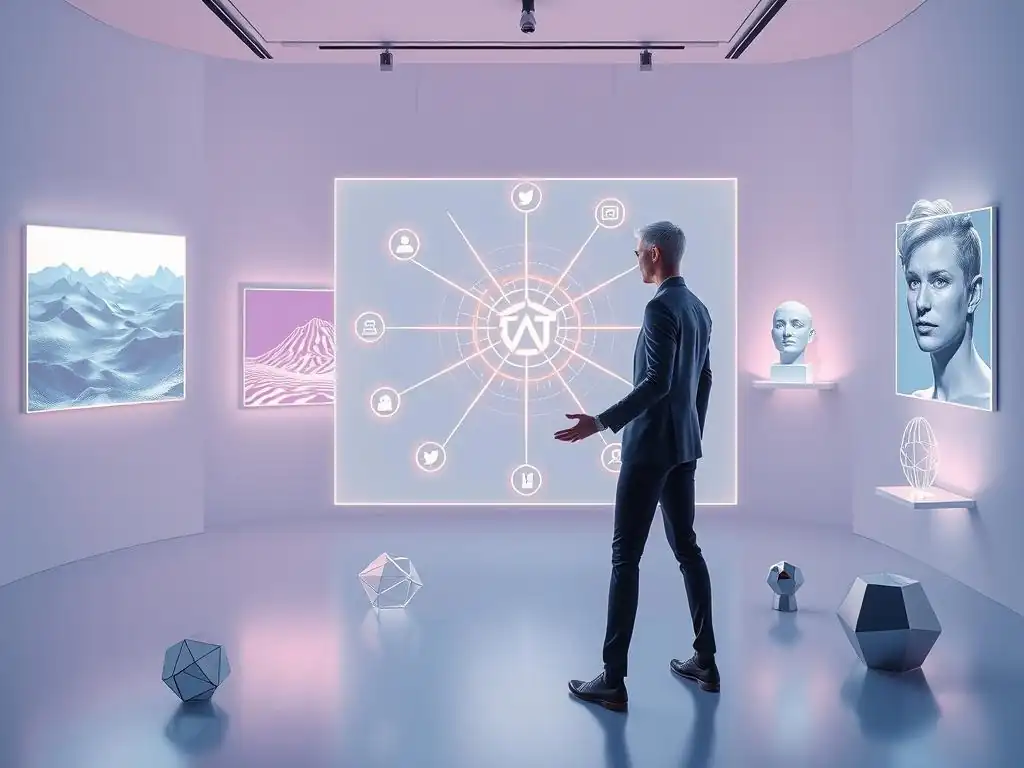
An NFT art gallery is a virtual platform or space designed to showcase and exhibit NFT-based artworks. Unlike traditional galleries confined by physical walls, NFT art galleries exist in the digital realm, accessible globally via the internet. These galleries can take various forms, from simple online marketplaces with curated collections to immersive virtual reality environments that mimic the experience of walking through a physical gallery. At their core, NFT art galleries serve as a bridge between artists creating NFT art and collectors seeking to discover and acquire these digital assets.
NFT art galleries are not merely online marketplaces; they aim to create a curated and engaging experience for viewers. They often feature thematic exhibitions, artist spotlights, and virtual events, mirroring the activities of physical galleries. The key difference lies in the medium and the underlying technology. NFT art galleries leverage blockchain technology to verify the authenticity and ownership of the displayed artworks, providing a layer of trust and transparency that is crucial in the digital art space. They represent a fundamental shift in the art world, moving away from geographically bound spaces to globally accessible digital platforms.
Key Features of NFT Art Galleries: Accessibility, Ownership, and Community
NFT art galleries are characterized by several key features that distinguish them from their traditional counterparts. Accessibility is paramount; these galleries are open 24/7 to a global audience, removing geographical barriers and time zone limitations. Anyone with an internet connection can visit an NFT art gallery, democratizing access to art discovery and appreciation. This expanded accessibility benefits both artists, who can reach a wider collector base, and collectors, who can explore art from around the world without physical travel.
Ownership and provenance are central to the concept of NFT art galleries. Every artwork displayed is verifiably linked to its NFT, ensuring authenticity and tracing its ownership history on the blockchain. This transparency addresses a long-standing challenge in the art world regarding provenance and forgery. Furthermore, many NFT art galleries foster a strong sense of community.
They often incorporate social features, allowing visitors to interact with each other, discuss artworks, and participate in virtual events. This community aspect is crucial in the burgeoning NFT art space, creating a sense of belonging and shared passion among artists and collectors. The combination of global accessibility, verifiable ownership, and community building defines the core value proposition of NFT art galleries.
NFT Art Gallery Trends: Shaping the Future of Art Presentation
Trend 1: Immersive Virtual Reality (VR) Art Galleries
Exploring VR Art Spaces: Enhanced Engagement and Accessibility
One of the most prominent NFT art gallery trends is the adoption of Virtual Reality (VR) technology to create immersive and engaging exhibition spaces. VR art galleries move beyond the limitations of flat, two-dimensional websites, offering visitors a sense of presence and spatial immersion akin to visiting a physical gallery. Utilizing VR headsets, users can navigate 3D virtual environments, walk through gallery rooms, and interact with NFT artworks displayed as if they were physically present. This enhanced level of immersion can significantly heighten the viewing experience, allowing for a more profound connection with the art.
VR art galleries also further enhance accessibility. While physical galleries might require travel and incur costs, VR galleries can be accessed from anywhere in the world with a VR headset and internet connection. This opens up art experiences to individuals who might otherwise be unable to visit physical galleries due to geographical location, physical limitations, or financial constraints.
Moreover, VR spaces can be customized and expanded in ways that are impossible in the physical world. Galleries can be designed with fantastical architectures, incorporate interactive elements, and host virtual events that transcend the limitations of real-world spaces. The immersive nature and enhanced accessibility of VR are making it a significant trend in the evolution of NFT art galleries.
Examples of Successful VR NFT Art Galleries
Several platforms are pioneering the VR NFT art gallery trend, showcasing the potential of this technology. Spatial, for example, is a platform that allows users to create and customize their own virtual spaces, including art galleries, and display NFTs. Artists and collectors can host exhibitions in Spatial, inviting others to experience their curated collections in a 3D environment. Oncyber is another prominent example, offering pre-designed and customizable virtual gallery templates specifically for showcasing NFT art. These platforms often integrate features like voice chat and avatar customization, further enhancing the social and interactive aspects of the VR gallery experience.
ArtGate VR is another noteworthy example, focusing specifically on creating high-fidelity VR art experiences. They have hosted exhibitions featuring renowned NFT artists and collections, demonstrating the potential of VR to create truly immersive and museum-quality digital art spaces. While still relatively nascent, the VR NFT art gallery sector is experiencing rapid growth, with increasing numbers of artists, collectors, and platforms embracing this technology. The success of these early examples demonstrates the appeal of VR in providing a more engaging and accessible way to experience NFT art, solidifying its position as a key trend in the space.
Trend 2: Augmented Reality (AR) Art Experiences for NFT Art
Bringing NFT Art to the Real World: AR Applications for Collectors
Augmented Reality (AR) represents another exciting trend in NFT art presentation, offering a contrasting yet complementary approach to VR. Instead of immersing viewers in a completely virtual world, AR overlays digital content onto the real world through devices like smartphones and tablets. In the context of NFT art, AR allows collectors to bring their digital artworks into their physical environments, blurring the lines between the digital and physical art worlds.
Imagine displaying a valuable NFT artwork on your living room wall, visible through your phone screen as if it were a physical painting. This is the essence of AR NFT art experiences.
AR applications for NFT art enhance the experience of ownership and display for collectors. Instead of solely viewing their digital art on screens, collectors can use AR apps to project their NFTs onto any surface in their real-world surroundings. This creates a personalized and dynamic way to interact with their digital collections, showcasing them to friends and family in a more tangible and engaging manner.
AR also offers artists new possibilities for creating interactive and site-specific digital artworks that respond to the viewer's physical environment. The integration of AR is transforming how NFT art is experienced beyond the confines of digital screens, making it a compelling trend for collectors and artists alike.
AR Art Gallery Concepts
While dedicated AR NFT art "galleries" in the traditional sense are still developing, the concept is manifesting through various innovative applications. Several platforms and apps are emerging that allow NFT collectors to display their digital art in AR. For example, some apps enable users to import their NFTs and then "place" them virtually in their real-world space using their phone's camera. The NFT appears anchored to a specific location in the user's view, creating the illusion of a physical artwork hanging on a wall or standing on a pedestal.
Furthermore, artists are beginning to explore creating NFTs specifically designed for AR experiences. These could be 3D sculptures, interactive animations, or even virtual portals that, when viewed through AR, open up to reveal hidden digital worlds or experiences. While not yet widespread, the potential of AR to create personalized and location-aware NFT art experiences is significant. As AR technology becomes more accessible and sophisticated, we can expect to see more dedicated AR NFT gallery concepts emerge, further expanding the ways in which digital art can be displayed and enjoyed in the real world.
Trend 3: Metaverse Art Galleries: Integrating Art into Virtual Worlds
NFT Art in Metaverse Environments: Ownership and Display
The rise of the metaverse, persistent shared virtual worlds, is creating another significant trend for NFT art galleries. Metaverse platforms offer expansive and interactive digital environments where users can socialize, play games, attend events, and, importantly, showcase and experience art. NFTs play a crucial role in the metaverse, enabling ownership of digital assets, including virtual land, avatars, and, of course, art. Metaverse art galleries are emerging within these virtual worlds, providing spaces for users to display their NFT art collections and engage with art in a social and interactive context.
In metaverse environments, owning an NFT artwork translates to true digital ownership within that virtual world. Users can purchase virtual land in platforms like Decentraland or The Sandbox and build their own galleries to showcase their NFT collections. These galleries can be customized to reflect the owner's taste and style, creating personalized virtual art spaces.
Visitors to these metaverse galleries can explore the art, interact with other users, and even purchase NFTs directly within the virtual environment. The integration of NFT art into metaverse platforms is creating a vibrant and dynamic ecosystem for digital art, fostering new forms of art appreciation and community engagement.
Metaverse Art Platforms
Several metaverse platforms are becoming hubs for NFT art and gallery experiences. Decentraland and The Sandbox are leading examples, offering decentralized virtual worlds where users can own land and build experiences, including art galleries. Within these platforms, dedicated districts and communities are forming around art and NFTs, hosting virtual art exhibitions, auctions, and events. Users can visit these galleries using their avatars, explore the art on display, and interact with other art enthusiasts.
Platforms like Cryptovoxels also provide voxel-based virtual worlds specifically designed for displaying and trading NFTs. These platforms offer tools for users to easily build and customize their own galleries, making it accessible for artists and collectors to create their own metaverse art spaces. The metaverse NFT art gallery trend is still evolving, but it represents a significant shift towards integrating art into broader virtual social experiences. As metaverses become more mainstream, they are poised to become increasingly important venues for NFT art exhibition and engagement, further blurring the lines between the digital and physical art worlds.
Trend 4: Decentralized Autonomous Organizations (DAOs) and Community-Curated Galleries
The Power of Collective Curation: DAOs in the NFT Art World
Decentralized Autonomous Organizations (DAOs) are emerging as a powerful force in the NFT art world, including the curation and operation of NFT art galleries. DAOs are community-led organizations governed by rules encoded on a blockchain, enabling collective decision-making and transparent operations. In the context of NFT art galleries, DAOs allow for decentralized and community-driven curation, challenging the traditional top-down approach of centralized art institutions. DAO-led NFT galleries empower communities to collectively decide which artists and artworks are showcased, fostering a more democratic and inclusive art ecosystem.
The power of collective curation through DAOs lies in its ability to tap into the diverse perspectives and expertise of a community. DAO members, who often hold tokens granting voting rights, can propose artists and artworks for exhibition, vote on selections, and participate in the overall governance of the gallery.
This decentralized curation process can lead to the discovery of emerging artists and underrepresented voices that might be overlooked by traditional institutions. DAOs can also facilitate community ownership of NFT art galleries, distributing profits and decision-making power among members, creating a more equitable and sustainable model for art exhibition and patronage.
Examples of DAO-Led NFT Galleries
Several DAOs are pioneering the concept of community-curated NFT galleries, demonstrating the potential of this decentralized model. Flamingo DAO, for example, is a well-known DAO focused on collecting and curating culturally significant NFTs. While not solely operating a gallery in the traditional sense, Flamingo DAO's collection functions as a de facto digital art collection curated by its community members. They have acquired significant NFTs and actively participate in shaping the narrative around digital art.
PleasrDAO is another prominent example, initially formed to purchase the Edward Snowden NFT. PleasrDAO has since evolved into a broader collective focused on acquiring and exhibiting culturally significant digital art. These DAOs often exhibit their collections through virtual exhibitions and partnerships, showcasing the power of community-driven curation in the NFT art space. The rise of DAO-led NFT galleries represents a significant trend towards decentralization and community empowerment in the art world, potentially reshaping how art is curated, exhibited, and valued in the digital age.
The Benefits of NFT Art Galleries for Artists and Collectors
Expanding Artist Reach and Visibility Through Digital Exhibitions
NFT art galleries offer significant benefits for artists, primarily by expanding their reach and visibility. Unlike traditional galleries with limited physical space and regional audiences, NFT art galleries are inherently global and accessible to anyone with an internet connection. This expanded reach allows artists to showcase their work to a potentially worldwide audience, breaking down geographical barriers and connecting with collectors and art enthusiasts from across the globe. Digital exhibitions in NFT art galleries can significantly increase an artist's exposure, leading to greater recognition and opportunities.
Furthermore, NFT art galleries often leverage online marketing and social media to promote exhibitions and artists, further amplifying their visibility. Digital platforms can track viewership and engagement metrics, providing artists with valuable data on audience reach and interest in their work. This data-driven approach can help artists understand their audience and tailor their future creations and marketing efforts. For emerging artists, in particular, NFT art galleries provide a powerful platform to gain exposure and build a collector base without the traditional gatekeeping and geographical limitations of the physical art world.
Democratizing Art Ownership: Making Art More Accessible to Collectors
NFT art galleries play a crucial role in democratizing art ownership and making art more accessible to a wider range of collectors. Traditional art galleries often cater to a select group of established collectors, with high prices and exclusive access.
NFT art galleries, on the other hand, often feature a wider range of price points, including more affordable options, making it possible for new and emerging collectors to participate in the art market. The fractional ownership capabilities of NFTs can further democratize art ownership, allowing multiple individuals to collectively own a single high-value artwork, lowering the barrier to entry for art investment.
The accessibility of NFT art galleries also extends to information and education. Many platforms provide detailed information about the artists and artworks, fostering transparency and empowering collectors to make informed decisions. Online communities and social features within NFT art galleries further enhance accessibility by connecting collectors with each other and with artists, facilitating knowledge sharing and community building. By lowering financial barriers, increasing transparency, and fostering community, NFT art galleries are contributing to a more democratic and inclusive art market, making art ownership accessible to a broader audience.
Creating New Revenue Streams for Artists: NFT Sales and Royalties
NFT art galleries are instrumental in creating new and sustainable revenue streams for artists in the digital age. Through the sale of NFTs, artists can directly monetize their digital creations, bypassing traditional intermediaries and retaining a larger share of the revenue. NFT platforms often facilitate primary sales, where artists initially list their work, and secondary sales, where collectors can trade artworks amongst themselves.
Artists can earn royalties on secondary sales, ensuring they continue to benefit from the appreciation of their work over time. This royalty mechanism is a significant innovation enabled by blockchain technology, providing artists with a passive income stream and incentivizing long-term value creation.
Moreover, NFT art galleries can host virtual exhibitions and events, creating additional revenue opportunities for artists through commissions, sponsorships, and virtual ticket sales. The transparency of blockchain technology also ensures that artists are properly credited and compensated for their work, addressing issues of copyright and attribution that have plagued the digital art world. By providing direct sales channels, secondary market royalties, and new avenues for virtual events and collaborations, NFT art galleries are empowering artists to thrive in the digital economy and build sustainable careers around their digital creations.
Challenges and Considerations for NFT Art Galleries
Addressing Copyright and Authenticity Concerns in the Digital Art Space
While NFT technology provides a mechanism for verifying ownership and authenticity, copyright and broader intellectual property concerns remain significant challenges for NFT art galleries. Minting an NFT does not automatically grant copyright ownership; it primarily establishes ownership of a specific digital token representing an artwork.
Issues can arise if an artist mints an NFT of an artwork they do not have the copyright to, or if unauthorized copies of digital artworks are minted and sold as NFTs. NFT art galleries need to implement robust verification processes to ensure that artists listing NFTs on their platforms have the legitimate rights to their work.
Furthermore, the decentralized and borderless nature of the internet makes enforcing copyright in the digital space complex. While blockchain provides a transparent record of ownership, it does not prevent unauthorized copying and distribution of digital artworks. NFT art galleries need to educate artists and collectors about copyright best practices and implement measures to mitigate copyright infringement, such as content moderation and takedown policies. Addressing these copyright and authenticity concerns is crucial for building trust and legitimacy in the NFT art market and ensuring the protection of artists' intellectual property rights.
Overcoming Technical Barriers to Entry for Artists and Collectors
Despite the increasing accessibility of NFT art galleries, technical barriers to entry still exist for both artists and collectors. Creating and minting NFTs involves navigating blockchain technology, cryptocurrency wallets, and often complex platform interfaces. For artists who are not tech-savvy, the process of creating and listing NFTs can be daunting and time-consuming. Similarly, for new collectors, understanding cryptocurrency, setting up wallets, and navigating NFT marketplaces can be technically challenging, potentially deterring wider adoption.
NFT art galleries and platforms need to prioritize user-friendliness and simplify the onboarding process for both artists and collectors. This includes providing clear and accessible tutorials, user-friendly interfaces, and support resources to guide users through the technical aspects of NFTs and blockchain. Lowering these technical barriers is essential for broadening participation in the NFT art space and making it accessible to a more diverse range of artists and collectors, beyond those with specialized technical knowledge.
Ensuring Sustainability and Scalability of NFT Art Platforms
Sustainability and scalability are critical considerations for the long-term viability of NFT art platforms and galleries. Many NFT platforms currently operate on blockchains that utilize energy-intensive proof-of-work consensus mechanisms, raising concerns about their environmental impact. As the NFT art market grows, the energy consumption of these platforms could become a significant issue. NFT art galleries need to prioritize platforms that are transitioning to more energy-efficient consensus mechanisms, such as proof-of-stake, or exploring layer-2 scaling solutions to reduce their carbon footprint.
Scalability is also crucial to handle the increasing volume of transactions and users as the NFT art market expands. Platforms need to ensure their infrastructure can support growing demand without compromising performance or increasing transaction fees. Exploring scalable blockchain solutions and optimizing platform architecture are essential for ensuring the long-term sustainability and usability of NFT art galleries. Addressing these sustainability and scalability challenges is vital for the continued growth and mainstream adoption of NFT art and the platforms that support it.
The Impact of Blockchain Technology on the Art World
Blockchain and Provenance: Verifying the Authenticity of NFT Art
Blockchain technology is revolutionizing the art world by providing a powerful tool for establishing provenance and verifying the authenticity of artworks, particularly in the digital realm of NFT art. Traditional art provenance relies on paper-based records, certificates of authenticity, and expert opinions, which can be susceptible to fraud, loss, and manipulation. Blockchain offers a transparent, immutable, and auditable record of ownership and transaction history for NFTs, providing a verifiable and tamper-proof provenance trail for digital artworks.
Each NFT contains metadata that can include information about the artwork, its creator, and its ownership history, all recorded on the blockchain. This information is publicly accessible and cannot be altered, creating a permanent and reliable record of provenance. NFT art galleries leverage this blockchain-based provenance to assure collectors of the authenticity and origin of the digital artworks they acquire. This enhanced provenance significantly reduces the risk of forgery and fraud in the digital art market, fostering greater trust and confidence among collectors and artists.
Smart Contracts and Automated Royalties for NFT Artists
Smart contracts, self-executing contracts with the terms of the agreement directly written into code, are another transformative application of blockchain technology in the art world. NFTs often utilize smart contracts to automate various aspects of art transactions, including sales, royalties, and artist attribution.
Smart contracts can automatically distribute royalties to artists on secondary sales of their NFTs, ensuring they receive a percentage of each subsequent transaction. This automated royalty mechanism is a game-changer for artists, providing a continuous revenue stream and addressing the historical issue of artists not benefiting from the resale value of their work in the traditional art market.
Smart contracts can also automate other aspects of NFT art transactions, such as fractional ownership, escrow services, and conditional sales. They streamline processes, reduce the need for intermediaries, and enhance transparency and efficiency in art transactions. The use of smart contracts in NFT art galleries is empowering artists, protecting their rights, and creating a more equitable and efficient ecosystem for digital art creation and exchange.
The Future of Art: A Hybrid Approach to Galleries and Exhibitions
Combining Physical and Digital Experiences: The "Phygital" Art Gallery
The future of art galleries is likely to be characterized by a hybrid "phygital" approach, blending the strengths of both physical and digital experiences. Traditional physical galleries can incorporate digital elements to enhance visitor engagement and expand their reach, while NFT art galleries can explore ways to create more tangible and immersive experiences. "Phygital" art galleries might feature physical exhibitions alongside virtual online components, allowing visitors to experience art in person and also access digital extensions, such as AR overlays, interactive installations, or virtual tours.
For example, a physical gallery could host an exhibition of NFT art, displaying digital artworks on screens or projectors within the physical space, while also providing visitors with QR codes to access the NFTs and learn more about their provenance and ownership. Conversely, NFT art galleries could organize physical pop-up exhibitions or events, bringing digital art into the real world and creating opportunities for in-person interaction and community building. This hybrid approach can cater to a wider range of audiences and preferences, maximizing the benefits of both physical and digital art experiences.
Predictions for the Evolution of NFT Art Galleries in the Coming Years
The evolution of NFT art galleries is expected to continue at a rapid pace in the coming years, driven by technological advancements and evolving user preferences. We can anticipate further integration of VR and AR technologies, leading to even more immersive and interactive digital art experiences. Metaverse art galleries are likely to become increasingly sophisticated and integrated into broader virtual social platforms, blurring the lines between art, gaming, and social interaction. DAO-led NFT galleries may become more prevalent, fostering community-driven curation and ownership in the art world.
Furthermore, we can expect to see advancements in blockchain technology that address sustainability and scalability concerns, making NFT art platforms more environmentally friendly and efficient. User interfaces and onboarding processes will likely become more streamlined and user-friendly, lowering technical barriers to entry for both artists and collectors. The future of NFT art galleries is poised to be dynamic and innovative, continuing to reshape how art is created, exhibited, experienced, and valued in the digital age.
Conclusion: Embracing the Digital Revolution in the Art World
The Transformative Potential of NFT Art Galleries for the Art Ecosystem
NFT art galleries represent a transformative force in the art ecosystem, disrupting traditional models and opening up new possibilities for artists, collectors, and art enthusiasts. They democratize access to art, expand artist reach, create new revenue streams, and leverage blockchain technology to enhance provenance and authenticity. NFT art galleries are not merely a replacement for physical galleries but rather a complementary and evolving form of art exhibition that caters to the unique characteristics of digital art and the demands of a digital-native audience.
The trends shaping NFT art galleries, including VR, AR, metaverse integration, and DAO-led curation, demonstrate the dynamism and innovation within this space. While challenges remain, such as copyright concerns and technical barriers, the potential benefits of NFT art galleries for the art world are undeniable. Embracing this digital revolution is crucial for the art ecosystem to adapt to the changing landscape and thrive in the digital age.
The Role of Blockchain Trends in Shaping the Future of Art
Blockchain Trends, as a platform exploring the transformative potential of blockchain technology, plays a vital role in understanding and shaping the future of art. By covering topics like NFT art galleries, DeFi in the art world, and the broader impact of blockchain on content creation and media, Blockchain Trends contributes to educating and informing the art community about these emerging technologies. Understanding these trends is essential for artists, collectors, institutions, and policymakers to navigate the evolving art landscape and harness the power of blockchain to foster a more accessible, equitable, and sustainable art ecosystem for the future.
Frequently Asked Questions
How are NFT art galleries changing the traditional art world?
NFT art galleries are democratizing access to art and expanding the reach of artists. They offer new revenue streams and challenge the traditional gatekeeping of the art market.
What are some current NFT art gallery trends?
Current trends include the rise of phygital experiences, integrating physical and digital art, the increasing use of VR and AR technology to enhance immersion, and the focus on community building within NFT art spaces.
What role does blockchain technology play in NFT art galleries?
Blockchain technology provides the underlying infrastructure for NFTs, ensuring provenance and authenticity. It also enables secure transactions and fractional ownership of digital art.
What are the regulatory challenges facing NFT art galleries?
Regulatory challenges include defining the legal status of NFTs, addressing copyright infringement issues, and tackling concerns around money laundering and fraud.
How can artists and collectors participate in the NFT art gallery ecosystem?
Artists can tokenize their artwork and list it on NFT marketplaces. Collectors can purchase and trade NFTs on these platforms, supporting artists directly and building their digital art collections.
Final Reflection: Embracing the Digital Canvas
The exploration of NFT art gallery trends reveals more than just a shift in artistic mediums; it underscores a fundamental transformation in how we experience and value art in the digital age. The convergence of technology and creativity has birthed a new frontier, challenging traditional notions of ownership, accessibility, and the very definition of a gallery space. This is not merely a fleeting trend, but a profound evolution reshaping the art world as we know it.
The rise of NFT art and digital exhibitions has undeniably influenced the cultural landscape, democratizing access to art and empowering artists in unprecedented ways. This shift resonates deeply, reminding us that innovation often stems from challenging established norms and embracing the unknown. The purpose of art is washing the dust of daily life off our souls.
- Pablo Picasso. This quote encapsulates the power of art to transcend boundaries, and NFTs are simply a new vehicle for that transcendence, allowing art to reach new audiences and spark new conversations.
As we navigate this evolving landscape, let us embrace the possibilities that NFT art galleries offer. Consider how you can actively participate in this digital renaissance, whether as an artist, a collector, or simply an engaged observer. Explore the virtual galleries, support the creators, and reflect on the profound impact of this technological revolution on the future of art. The canvas is digital, the possibilities are limitless, and the future of art is being painted right now.
Unleash Your Inner Digital Art Pioneer!
Thank you for exploring the dynamic world of NFT art and digital galleries. We hope this article sparked your imagination and provided valuable insights into the future of art. Now, it's time to take the next step and become part of this exciting revolution.
Here's how you can dive deeper:
- Create your own digital art collection! Explore platforms like OpenSea or Rarible and curate a selection that reflects your unique taste.
- Join the community on social media to share your favorite NFT artists and discuss the latest trends.
- Surprise a friend! Introduce someone new to the world of NFT art and help them discover its innovative possibilities.
What unexpected digital masterpiece will you discover next? Share your thoughts in the comments below!
Leave a Reply