
The Future of Healthcare Supply Chain Visibility: Blockchain for RealTime Tracking


Welcome to Blockchain Trends, your trusted source for dissecting the real-world impact of blockchain technology.
Are you ready to uncover how blockchain is revolutionizing industries beyond cryptocurrency? Dive into our latest article to discover how blockchain healthcare supply chain tracking is poised to transform patient safety and operational efficiency. Explore the potential, challenges, and future implications of this groundbreaking application and see how a decentralized ledger can bring unprecedented transparency to the critical path of healthcare delivery.
Enhancing Pharmaceutical Supply Chain Security: Blockchain for Real-Time Tracking
- Introduction: Transforming Pharmaceutical Logistics with Blockchain Technology
- Understanding the Current State of Pharmaceutical Supply Chains
- Blockchain for Pharmaceutical Supply Chain Tracking: A Deep Dive
- Benefits of Blockchain-Based Pharmaceutical Supply Chain Visibility
- Implementing Blockchain Solutions for Pharmaceutical Supply Chains
- Real-World Applications and Use Cases of Blockchain in Pharmaceuticals
- The Future of Blockchain in Pharmaceutical Supply Chain Management
- Overcoming Obstacles to Widespread Adoption
- Conclusion: Blockchain as the Cornerstone of a Transparent and Secure Pharmaceutical Supply Chain
-
Frequently Asked Questions
- How can blockchain technology improve the healthcare supply chain?
- What are the main benefits of using blockchain for healthcare supply chain tracking?
- What challenges exist in implementing blockchain in the healthcare supply chain?
- How does blockchain help combat counterfeit drugs in the healthcare supply chain?
- What is the future outlook for blockchain adoption in the healthcare supply chain?
- Final Reflection: Embracing Transparency in Healthcare
- Unlock the Power of Transparency: Implement Blockchain in Your Healthcare Supply Chain!
Introduction: Transforming Pharmaceutical Logistics with Blockchain Technology
The Critical Need for Enhanced Visibility in Pharmaceutical Supply Chains
The pharmaceutical supply chain is arguably one of the most complex and critical logistics networks globally. It involves a convoluted journey from raw material suppliers, manufacturers, distributors, wholesalers, pharmacies, and ultimately, patients. A lack of end-to-end visibility in this intricate network creates significant vulnerabilities, leading to issues such as counterfeit drugs entering the legitimate supply chain, product diversion, expiry of sensitive medications due to improper handling or delays, and inefficiencies that drive up costs.
Reports suggest that the global market for counterfeit drugs is a multi-billion dollar problem, potentially reaching hundreds of billions annually, posing a direct threat to patient health and safety worldwide. Without robust visibility, tracking a specific batch of medication from its point of origin to the patient's hand in real-time becomes a near-impossible task, hindering effective recalls and increasing the risk of substandard or falsified products reaching vulnerable populations.
Furthermore, the increasing globalization of pharmaceutical manufacturing and distribution introduces additional layers of complexity. Products often cross multiple international borders, handled by various intermediaries, each adding potential points of failure or compromise. The traditional paper-based or disparate electronic systems used for tracking and tracing are often siloed, lack interoperability, and are susceptible to tampering.
This fragmented data landscape makes it difficult to establish a clear, unbroken chain of custody. For instance, tracking a specific vial of vaccine might involve reconciling data from numerous spreadsheets and databases that do not communicate seamlessly, making real-time monitoring and rapid response to issues like temperature excursions during transit extremely challenging. The imperative for enhanced visibility isn't just about efficiency; it's fundamentally about safeguarding public health and maintaining trust in the pharmaceutical ecosystem.
How Blockchain Addresses the Challenges of Traditional Systems
Blockchain technology offers a revolutionary approach to addressing the systemic weaknesses inherent in conventional pharmaceutical supply chains by providing a shared, immutable, and transparent ledger. Unlike traditional databases where data is stored centrally and controlled by a single entity, a blockchain is a distributed ledger replicated across multiple nodes in a network.
When a transaction occurs – such as a drug batch moving from manufacturer to distributor – it is recorded as a block, cryptographically linked to the previous block, forming a chain. This structure makes it virtually impossible to alter past records without the consensus of the network participants, ensuring data integrity and trust among disparate parties who may not inherently trust each other.
The core features of blockchain – immutability, transparency (to authorized participants), and decentralization – directly counter the vulnerabilities of existing systems. For example, the immutability of records means that once a transaction (like a transfer of ownership or a change in location) is recorded, it cannot be retrospectively altered or deleted without detection, preventing data manipulation that could hide illicit activities like diversion or the introduction of counterfeits. Transparency allows authorized stakeholders, from manufacturers to regulators and even potentially patients, to verify the provenance and journey of a specific product, fostering accountability.
Decentralization removes reliance on a single point of control or failure, making the system more resilient. By implementing blockchain healthcare supply chain tracking, stakeholders can establish a verifiable digital history for every pharmaceutical product, enabling real-time monitoring and significantly improving security and efficiency from production to patient.
Understanding the Current State of Pharmaceutical Supply Chains
Inefficiencies and Vulnerabilities in Existing Tracking Methods
Current pharmaceutical supply chain tracking methods often rely on a patchwork of legacy systems, including paper trails, spreadsheets, and disparate electronic databases managed by individual companies. This results in significant data silos, where information about a product's journey is fragmented across different organizations.
For instance, a manufacturer might use one system, a wholesaler another, and a pharmacy yet another, with limited or no real-time data exchange between them. This lack of interoperability makes it incredibly difficult to piece together a complete, end-to-end view of a product's path.
A study might show that reconciling shipment data across just two or three parties in the chain can take days or even weeks, delaying critical processes like payment reconciliation or recall management. Furthermore, manual data entry remains prevalent in many parts of the world, increasing the likelihood of errors and providing opportunities for malicious actors to tamper with records without leaving a readily detectable trace.
These inefficiencies contribute directly to various vulnerabilities. Without a unified, real-time view, detecting discrepancies, identifying bottlenecks, or pinpointing the source of a problem (like a damaged shipment or a suspected counterfeit) becomes a slow and arduous process. For example, tracking a specific batch number might require contacting multiple intermediaries, each with their own record-keeping system and data format. This delays response times during critical events, such as a product recall, where every hour matters for patient safety.
Moreover, the lack of secure, tamper-proof records makes it easier for counterfeit products to infiltrate the legitimate supply chain. Criminals can forge documents or manipulate records in isolated systems, making their illicit goods appear genuine. The sheer volume and complexity of transactions, coupled with outdated tracking technologies, create fertile ground for fraud and error, undermining the integrity of the entire supply chain.
The Impact of Counterfeit Drugs and Supply Chain Disruptions on Patient Safety
The infiltration of counterfeit and substandard drugs into the pharmaceutical supply chain is a grave global public health crisis with devastating consequences for patient safety. These illicit products may contain incorrect ingredients, insufficient or excessive dosages, or even toxic substances, leading to treatment failure, adverse drug reactions, prolonged illness, disability, or even death. The World Health Organization (WHO) estimates that 1 in 10 medical products in low- and middle-income countries are substandard or falsified, though the problem also exists in high-income countries.
The economic impact is also significant, estimated to be tens of billions of dollars annually, including lost revenue for legitimate manufacturers and costs associated with treating patients harmed by fake drugs. Beyond the immediate health risks, the presence of counterfeits erodes patient trust in healthcare systems and legitimate pharmaceutical products, potentially leading individuals to forgo necessary treatments.
Beyond counterfeits, various supply chain disruptions also pose serious threats to patient safety. Natural disasters, political instability, manufacturing issues, or even logistical failures can lead to drug shortages, preventing patients from accessing life-saving medications.
The COVID-19 pandemic starkly highlighted these vulnerabilities, disrupting global manufacturing and transportation networks and leading to critical shortages of essential medicines, vaccines, and medical supplies. Traditional tracking systems often lack the agility and real-time visibility needed to identify potential disruptions early, reroute shipments effectively, or provide accurate information about product availability.
For instance, if a crucial shipment of a life-saving drug is delayed at a port due to unforeseen circumstances, traditional systems might not flag this issue until it's too late, leaving pharmacies and hospitals without stock. Effective blockchain healthcare supply chain tracking offers the potential to mitigate these risks by providing real-time visibility into the location, status, and condition of pharmaceuticals, enabling faster responses to disruptions and helping to ensure that legitimate, high-quality drugs reach patients safely and reliably.
Blockchain for Pharmaceutical Supply Chain Tracking: A Deep Dive
What is Blockchain Technology and How Does it Work?
At its core, blockchain technology is a distributed, decentralized ledger that records transactions across many computers. Instead of having a single database controlled by one entity, a blockchain network consists of multiple participants (nodes), each holding a copy of the entire ledger. When a new transaction occurs – for example, a pharmaceutical company shipping a batch of drugs to a distributor – it is broadcast to the network.
This transaction is then grouped with other recent transactions into a 'block'. Before the block is added to the chain, it must be validated by the network participants through a consensus mechanism, which is a set of rules that all nodes agree upon to validate transactions and maintain the integrity of the ledger. Once validated, the new block is cryptographically linked to the previous block using a unique digital signature (a hash), creating an immutable chain of blocks.
This process ensures that once data is recorded on the blockchain, it is extremely difficult, if not impossible, to alter or delete it without the consensus of the majority of the network participants. Each block contains a hash of the previous block, meaning that if any data in a past block were tampered with, the hash would change, breaking the chain and immediately alerting the network to the attempted alteration. This inherent security feature makes the blockchain ledger highly resistant to fraud and manipulation. Furthermore, the distributed nature means there is no single point of failure; even if some nodes go offline, the ledger remains accessible and operational through the remaining nodes. This architecture is fundamentally different from traditional centralized databases and is particularly well-suited for applications requiring trust and transparency among multiple stakeholders who may not fully trust each other, such as participants in a complex healthcare supply chain.
Key Features of Blockchain: Immutability, Transparency, and Security
The power of blockchain for pharmaceutical supply chain tracking stems from its foundational characteristics: immutability, transparency, and security. Immutability ensures that once a transaction is recorded on the blockchain and added to a block, it cannot be changed or deleted. This creates a permanent, tamper-proof audit trail of every event in a product's journey, from manufacturing date and location to handling conditions, ownership transfers, and dispensing details.
For pharmaceutical products, this means a verifiable history that is resistant to fraud or error, providing a high degree of assurance about the product's provenance and integrity. If a record shows a drug batch was shipped on a certain date, that record is fixed and cannot be altered later to hide delays or diversions.
Transparency, within the context of a permissioned blockchain often used in enterprise settings like healthcare, means that authorized participants in the network can view the transactions relevant to them, or even the entire ledger, depending on the network's design and access controls. This shared visibility allows different parties in the supply chain – manufacturers, distributors, pharmacists, and potentially regulators – to access the same trusted source of truth about a product's status and history.
This eliminates data silos and provides real-time insights into the movement and handling of goods. For instance, a distributor can verify the authenticity of a shipment received from a manufacturer by checking its history on the blockchain, or a regulator can audit the entire supply chain history of a specific drug batch for compliance purposes.
The cryptographic security underpinning blockchain, using complex algorithms to secure transactions and link blocks, further protects the data from unauthorized access and tampering, making it a robust foundation for building a secure and transparent blockchain healthcare supply chain tracking system.
Applying Blockchain to Track Pharmaceuticals from Manufacturing to Dispensing
Implementing blockchain for pharmaceutical supply chain tracking involves creating a digital identity for each unit or batch of medication and recording key events related to its lifecycle on the distributed ledger. The process typically begins at the manufacturing stage. When a batch of drugs is produced, unique identifiers, such as serial numbers or GS1 Global Trade Item Numbers (GTINs), are generated and associated with a corresponding record on the blockchain.
This initial block might contain information like the manufacturing date, location, batch number, expiry date, and details about the active pharmaceutical ingredients (APIs) and raw materials used, potentially linking to their own provenance records. This establishes the birth certificate of the drug on the blockchain.
As the product moves through the supply chain – from manufacturer to wholesaler, then to a pharmacy or hospital – each significant handoff or event is recorded as a new transaction on the blockchain. This includes details about the transfer of ownership, shipment routes, dates and times of transit, and handling conditions (like temperature data from IoT sensors).
Smart contracts, self-executing contracts with the terms of the agreement directly written into code, can automate certain processes, such as triggering payment upon successful receipt and verification of goods recorded on the blockchain. When the medication is ultimately dispensed to a patient, this final transaction can also be recorded, completing the track-and-trace history.
This continuous recording creates an immutable, transparent ledger of the product's journey, enabling real-time visibility and verification at every step. For example, a pharmacist receiving a shipment can scan the product identifier, query the blockchain, and instantly verify its authenticity, origin, and complete handling history before dispensing it, significantly enhancing the security and reliability of the pharmaceutical supply chain and improving blockchain healthcare supply chain tracking capabilities.
Benefits of Blockchain-Based Pharmaceutical Supply Chain Visibility
Enhanced Transparency and Traceability of Products
One of the most significant benefits of using blockchain for pharmaceutical supply chain tracking is the dramatic enhancement of transparency and traceability. By recording every transaction and movement on a shared, immutable ledger accessible to authorized participants, blockchain creates a single source of truth about a product's journey. This eliminates the data silos and information asymmetry common in traditional systems.
Stakeholders, from manufacturers to regulators, can gain unprecedented visibility into the location, ownership, and handling history of specific drug batches in near real-time. For example, a manufacturer can track exactly when a shipment left their facility, when it arrived at a distributor, and when it was subsequently shipped to pharmacies, all verifiable on the blockchain.
This heightened transparency makes it far easier to trace a product backward to its origin or forward to its current location. If a problem arises, such as a report of an adverse event linked to a specific batch, regulators or manufacturers can quickly query the blockchain to identify all parties who handled that batch and where it was distributed. This accelerates investigations and enables rapid, targeted product recalls, minimizing the potential harm to patients.
For instance, a recall that might have taken days or weeks to execute using traditional manual or disparate electronic methods could potentially be completed in hours or minutes with a blockchain-based system, thanks to the readily available, verifiable trace data. This level of traceability is crucial for ensuring accountability and building trust across the complex pharmaceutical ecosystem.
Improved Security and Prevention of Counterfeit Goods
Blockchain's inherent security features, particularly immutability and cryptography, offer a powerful defense against the infiltration of counterfeit drugs and other forms of supply chain fraud. Because every transaction recorded on the blockchain is cryptographically linked to the previous one and distributed across the network, altering a record without detection is practically impossible.
This means that the digital history of a genuine drug product on the blockchain serves as a tamper-proof certificate of authenticity. When a product arrives at a checkpoint (e.g., a pharmacy or a distributor), its unique identifier can be scanned, and its recorded history on the blockchain can be instantly verified against the physical product and the expected transaction path.
If a counterfeit product, lacking a legitimate blockchain record or presenting a history that doesn't match the expected journey, enters the supply chain, it can be quickly identified and flagged. For example, if a batch number scanned at a pharmacy doesn't exist on the blockchain, or if its recorded history shows it took an unexpected route or was handled by unauthorized parties, it raises a red flag indicating a potential counterfeit or diverted product.
Furthermore, blockchain can secure the data about product origin, ingredients, and manufacturing conditions, making it harder for criminals to replicate genuine products accurately. By providing a secure, verifiable chain of custody, blockchain technology significantly raises the barrier for counterfeiters and enhances the overall security of the pharmaceutical supply chain, directly contributing to patient safety by reducing exposure to harmful fake medications through improved blockchain healthcare supply chain tracking.
Real-Time Tracking and Monitoring of Inventory
Traditional inventory management in the pharmaceutical supply chain often relies on periodic physical counts or updates from disparate systems, leading to delays and inaccuracies. Blockchain technology, especially when integrated with IoT devices and sensors, enables near real-time tracking and monitoring of pharmaceutical products and inventory levels throughout the supply chain. As products move between locations, each handoff recorded on the blockchain provides an immediate update on their status and location. Furthermore, sensors attached to shipments can continuously record environmental conditions like temperature, humidity, and light exposure, with this data being fed directly onto the blockchain.
This real-time data stream provides unprecedented visibility into the movement and condition of goods. For instance, a pharmaceutical company can monitor the precise location and temperature of a shipment of temperature-sensitive vaccines as it travels across continents. If a temperature excursion occurs outside the acceptable range, the system can trigger an immediate alert via a smart contract, allowing for swift intervention before the product's integrity is compromised.
This level of real-time monitoring enables more proactive inventory management, reduces waste due to spoilage or expiry, and ensures that critical medications are stored and transported under the correct conditions. By providing accurate, up-to-the-minute information on product location and status, blockchain healthcare supply chain tracking significantly improves operational efficiency and product quality control.
Streamlined Processes and Reduced Costs
The enhanced transparency, automation capabilities (via smart contracts), and improved data accuracy offered by blockchain technology can significantly streamline processes within the pharmaceutical supply chain, leading to substantial cost reductions. Manual data entry, reconciliation of disparate records, and lengthy verification processes contribute significantly to operational overheads.
By providing a single, shared source of truth, blockchain reduces the need for intermediaries to maintain separate records and spend time reconciling discrepancies between systems. For example, verifying the authenticity and shipment details of a product batch could become an automated process triggered by scanning a QR code, rather than requiring phone calls or emails between parties.
Smart contracts can automate payments upon verifiable delivery, manage consignment inventory based on real-time consumption data, or automate compliance reporting by accessing immutable transaction records on the blockchain. This reduces administrative burdens, minimizes delays in payments, and frees up resources previously spent on manual tracking and verification tasks.
While initial implementation costs for blockchain solutions can be significant, the long-term savings from reduced fraud, less waste from expired or spoiled goods, faster recalls, and streamlined operations are projected to be substantial. Estimates vary, but some industry analyses suggest potential supply chain cost reductions of 10-20% or more over time through the adoption of blockchain and related digital technologies.
Increased Patient Safety and Trust
Ultimately, all the benefits of blockchain in the pharmaceutical supply chain converge to the critical goal of increasing patient safety and trust. By ensuring that only authentic, properly handled, and verified medications reach patients, blockchain directly mitigates the risks associated with counterfeit drugs, product diversion, and compromised product quality due to improper storage or transit conditions.
The ability to trace a product's journey from manufacturer to patient with high confidence provides a level of assurance that is currently difficult to achieve. Patients and healthcare providers can have greater trust in the medications they receive, knowing that their history is verifiable and tamper-proof.
Furthermore, in the event of a recall or safety alert, the ability to quickly and accurately identify affected product batches and their locations enables faster removal from the market, minimizing potential exposure to harmful products. The transparency offered by blockchain can also empower patients, potentially allowing them (through secure interfaces) to verify the authenticity and history of the medications they are prescribed, further building confidence in the healthcare system.
By building a more secure, transparent, and efficient pharmaceutical supply chain through robust blockchain healthcare supply chain tracking, the technology plays a vital role in protecting public health and enhancing the fundamental trust between patients and the pharmaceutical industry.
Implementing Blockchain Solutions for Pharmaceutical Supply Chains
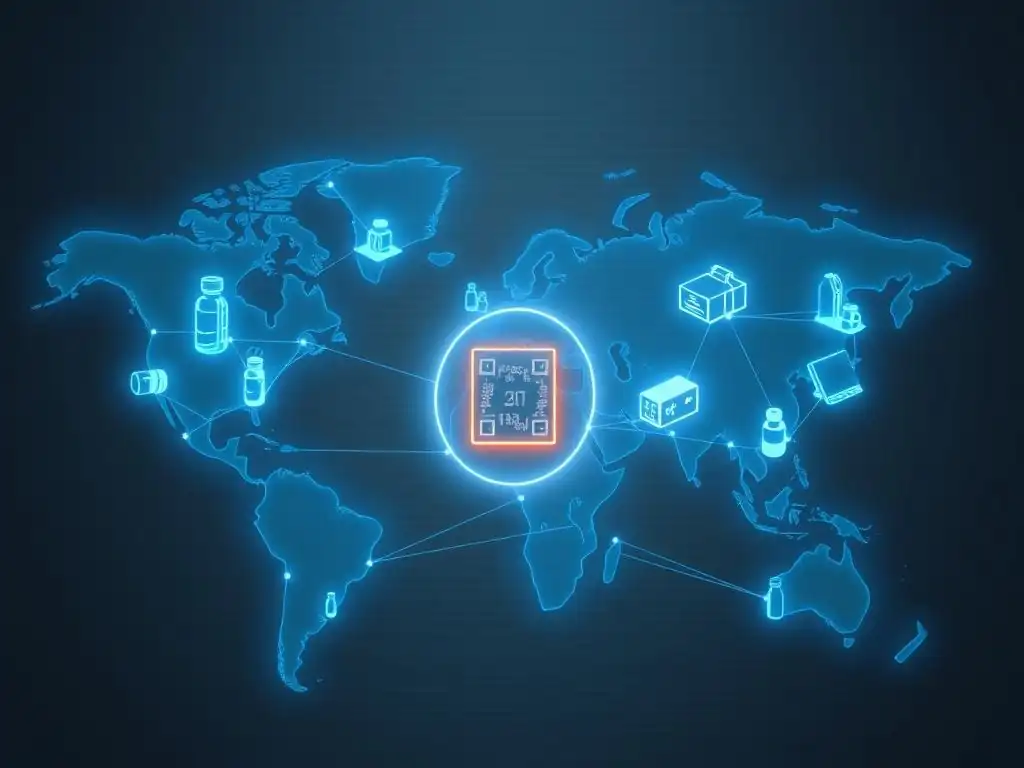
Challenges and Considerations for Adoption
Implementing blockchain solutions in the complex pharmaceutical supply chain is not without its challenges. One major hurdle is the inherent complexity and fragmentation of the existing ecosystem. Numerous stakeholders, each with their own legacy systems, business processes, and varying levels of technological readiness, must be brought together to participate in a shared blockchain network.
Achieving interoperability between different blockchain platforms or integrating blockchain solutions with existing enterprise resource planning (ERP) and warehouse management systems (WMS) requires significant technical effort and standardization. A large pharmaceutical manufacturer might interact with hundreds of distributors and thousands of pharmacies globally, each potentially requiring onboarding and technical integration.
Another significant consideration is the cost of implementation and integration. Developing and deploying a robust, scalable blockchain network, integrating it with existing IT infrastructure, and training personnel requires substantial investment. Furthermore, defining the appropriate governance model for the blockchain network – determining who can participate, who validates transactions, and how disputes are resolved – is crucial and can be complex, requiring consensus among competing business interests.
Data privacy is also a critical concern; while blockchain is transparent, sensitive commercial data or patient information must be protected, often requiring the use of permissioned networks and privacy-enhancing technologies like zero-knowledge proofs to ensure compliance with regulations like GDPR or HIPAA. These challenges necessitate careful planning, phased implementation, and strong collaboration among industry participants and technology providers.
MediLedger: A Blockchain Network for Pharmaceutical Traceability
One prominent example of a real-world blockchain network being implemented for pharmaceutical traceability in the United States is MediLedger. Developed by Chronicled, MediLedger is a permissioned blockchain network designed specifically to meet the requirements of the U.S. Drug Supply Chain Security Act (DSCSA).
The DSCSA mandates that by November 2023, stakeholders in the U.S. pharmaceutical supply chain must be able to achieve unit-level traceability, allowing for the electronic tracing of prescription drug products at the package level. MediLedger provides a decentralized network where trading partners (manufacturers, wholesalers, dispensers) can securely exchange transaction data, verify product identifiers, and handle exceptions like suspect or illegitimate products.
Instead of relying on a central database or point-to-point connections between every trading partner, MediLedger leverages blockchain to provide a shared, immutable record of product movements between authorized participants. When a manufacturer sells products to a distributor, the transaction data (including unique product identifiers) is recorded on the MediLedger network. The distributor can then cryptographically verify that the product identifiers received match the transaction data recorded by the manufacturer on the blockchain.
This process helps ensure the authenticity of the product and the legitimacy of the transaction. While specific participation numbers fluctuate, major pharmaceutical companies and distributors have actively engaged in pilot programs and are onboarding onto the network to prepare for full DSCSA compliance, demonstrating a tangible application of blockchain healthcare supply chain tracking in practice.
Overcoming Regulatory Hurdles and Compliance Requirements (DSCSA)
Navigating the complex landscape of pharmaceutical regulations, such as the U.S. Drug Supply Chain Security Act (DSCSA), is a critical aspect of implementing blockchain solutions. The DSCSA outlines specific requirements for tracing prescription drugs, including the need for an interoperable electronic system by November 2023 that can identify and trace certain prescription drugs at the package level.
Blockchain technology is well-suited to meet many of these requirements, particularly regarding secure data exchange, verification of product identifiers, and maintaining an immutable history of product ownership and handling. However, implementing a blockchain solution requires careful consideration of how it aligns with the specific mandates of the regulation.
Compliance involves more than just implementing the technology; it also requires defining processes and data standards that meet regulatory expectations. For instance, the DSCSA requires the exchange of Transaction Information (TI), Transaction History (TH), and a Transaction Statement (TS) for each product transaction. A blockchain system must be designed to capture and make accessible the necessary data elements that constitute TI, TH, and TS in a compliant format.
Furthermore, regulators need to have confidence in the technology and the data it provides. Initiatives like the MediLedger network are specifically built around DSCSA requirements, demonstrating how blockchain can be tailored to meet regulatory needs. Collaborating with regulatory bodies and participating in industry-wide initiatives are crucial steps in ensuring that blockchain implementations not only improve supply chain efficiency and security but also fulfill critical compliance obligations, paving the way for widespread blockchain healthcare supply chain tracking.
Real-World Applications and Use Cases of Blockchain in Pharmaceuticals
Tracking and Verifying the Origin of Pharmaceuticals
One fundamental application of blockchain in the pharmaceutical supply chain is establishing and verifying the origin of drugs and their components. Counterfeiters often introduce fake products at various points in the chain, sometimes even mimicking packaging and documentation.
By assigning a unique digital identity to each drug package or batch at the point of manufacture and recording this origin data on the blockchain, a verifiable 'birth certificate' is created. This initial record can include details about the manufacturing site, date, batch number, and even potentially link to the source of active pharmaceutical ingredients (APIs) if those are also tracked on a related blockchain or system.
As the product moves through the chain, every transfer of ownership or location change is recorded, creating a continuous, immutable history. At any point downstream – whether at a distribution center, a pharmacy, or even potentially by a patient using a verification app – the unique identifier can be scanned, and its history queried on the blockchain. This allows parties to verify that the product originated from a legitimate manufacturer and has followed an expected path through authorized distributors.
If the scanned product's history doesn't match the expected origin or path, it can be flagged as suspect. Pilot programs have demonstrated the ability to trace product journeys from manufacturing sites in one country through distribution networks in another, verifying each step on the blockchain, thereby significantly enhancing the ability to combat counterfeit drugs and enabling robust blockchain healthcare supply chain tracking.
Managing Temperature-Sensitive Drug Shipments
Many pharmaceutical products, such as vaccines, insulin, and certain biologics, are temperature-sensitive and require strict cold chain management. Failure to maintain the correct temperature range during storage and transit can degrade the product's efficacy or even render it harmful. Traditionally, monitoring cold chain integrity has involved manual checks, data loggers downloaded at intervals, or separate monitoring systems that are not integrated with the product's overall tracking history. This often results in discovering temperature excursions only after the product has reached its destination, potentially leading to wasted inventory and delayed patient access.
Integrating Internet of Things (IoT) sensors with blockchain technology offers a powerful solution for real-time monitoring of temperature-sensitive shipments. IoT sensors placed with the shipment can continuously record temperature data. This data can be securely transmitted and written onto the blockchain, linked to the specific product batch or container.
Smart contracts can be programmed to automatically trigger alerts if the temperature goes outside the acceptable range, notifying relevant parties instantly. Furthermore, the immutable record of temperature data on the blockchain provides a verifiable history of the cold chain conditions throughout the entire journey.
This allows stakeholders to confirm that the product maintained the required temperature range, ensuring its quality and safety before it reaches the patient, and improving overall blockchain healthcare supply chain tracking for critical medications. Companies have piloted solutions showing temperature data being recorded on the blockchain every few minutes during transit, providing granular visibility that was previously unavailable.
Ensuring the Integrity of Clinical Trial Medications
Clinical trials are a critical step in drug development, and ensuring the integrity and proper handling of investigational medicinal products (IMPs) used in these trials is paramount for the validity of the trial results and patient safety. IMPs often require strict storage conditions, precise dosing, and meticulous tracking to ensure they are administered correctly to the right patients at the right time. Traditional methods for tracking IMPs can be manual, prone to errors, and lack the real-time visibility needed to monitor shipments across multiple trial sites globally.
Blockchain can be used to create a secure, immutable record of the entire lifecycle of IMPs, from manufacturing and packaging to shipment, storage at clinical sites, and dispensing to trial participants. Each vial or package can be serialized and tracked on the blockchain. Records can include manufacturing details, shipment information, storage conditions at the trial site (potentially linked to IoT sensors), and dispensing logs.
This provides a verifiable audit trail that ensures IMPs are handled correctly, stored under the right conditions, and accounted for at every step. This enhanced tracking and verification reduce the risk of errors, diversion, or compromise of the IMPs, thereby protecting the integrity of the clinical trial data and the safety of the participants. Some pharmaceutical companies are exploring blockchain solutions to improve transparency and traceability in their global clinical trial supply chains.
Tracking Vaccine Distribution During Pandemics
The rapid and secure distribution of vaccines, particularly during global health crises like pandemics, presents enormous logistical challenges. Ensuring that vaccines are authentic, kept at the correct temperature, and delivered to the right locations efficiently and equitably is critical. Traditional supply chains often struggle to provide the necessary speed, transparency, and security required for such a large-scale, urgent operation.
Blockchain technology can play a crucial role in tracking vaccine distribution. By serializing each vaccine dose or vial and recording its journey on a blockchain, authorities and logistics providers can gain real-time visibility into the location and status of vaccine shipments. This includes tracking from the manufacturing plant, through storage hubs, transportation networks, and finally to vaccination sites.
Integration with temperature sensors (as discussed above) is particularly vital for many vaccines requiring ultra-cold or cold storage. The immutable ledger ensures that records of handling and temperature are trustworthy. Furthermore, blockchain can help manage allocation and distribution by providing accurate, real-time data on inventory levels at different locations, helping to prevent shortages or oversupply in specific areas.
This enhanced blockchain healthcare supply chain tracking capability is essential for ensuring the integrity and efficient delivery of life-saving vaccines, contributing significantly to public health efforts during emergencies. Several pilot programs and discussions around using blockchain for COVID-19 vaccine tracking have taken place globally.
The Future of Blockchain in Pharmaceutical Supply Chain Management
Integration with IoT Devices and Sensor Technology
The future of blockchain healthcare supply chain tracking is inextricably linked with the integration of Internet of Things (IoT) devices and sensor technology. While blockchain provides the secure, immutable ledger for recording data, IoT sensors are the eyes and ears of the physical supply chain, collecting real-time information about the location, condition, and environment of pharmaceutical products. Sensors for temperature, humidity, light, shock, and GPS location can be attached to individual packages, pallets, or shipping containers.
As these sensors collect data, they can automatically transmit it to the blockchain network. Smart contracts can be configured to receive this sensor data and trigger actions based on predefined conditions. For example, if a temperature sensor reports a reading outside the acceptable range for a specific drug, a smart contract could automatically create an alert on the blockchain, notify relevant parties via integrated systems, and even potentially initiate a protocol for quality assessment upon arrival.
This seamless flow of real-time, verifiable data from the physical world onto the digital ledger provides unprecedented visibility and control over the supply chain, enabling proactive intervention and ensuring product integrity. The convergence of IoT and blockchain creates a powerful system for continuous, automated monitoring and verification, moving beyond periodic checks to genuine real-time blockchain healthcare supply chain tracking.
The Role of AI and Machine Learning in Optimizing Blockchain Solutions
Artificial Intelligence (AI) and Machine Learning (ML) have a significant role to play in enhancing the capabilities and efficiency of blockchain-based pharmaceutical supply chain solutions. While blockchain provides the secure data foundation, AI and ML can analyze the vast amounts of data collected on the ledger to extract insights, predict potential issues, and optimize operations. For instance, AI algorithms can analyze historical tracking data on the blockchain to identify patterns that predict potential delays or bottlenecks in specific routes or distribution centers. This predictive analysis allows companies to take proactive measures to mitigate risks before they impact deliveries.
ML models can also be trained on the immutable data from the blockchain and integrated IoT sensors to identify anomalies that might indicate fraudulent activity or product compromise. For example, ML can detect unusual patterns in shipment routes, unexpected stops, or deviations in handling times that might not be immediately obvious through simple tracking, flagging them for human investigation.
Furthermore, AI can optimize inventory management by analyzing real-time sales and tracking data from the blockchain to forecast demand more accurately and manage stock levels across the network. By applying AI and ML to the secure, transparent data provided by blockchain, the pharmaceutical supply chain can become not only more secure and transparent but also significantly more intelligent and efficient, further refining blockchain healthcare supply chain tracking capabilities.
Potential for Interoperability and Data Sharing Between Healthcare Providers
A key challenge in the broader healthcare ecosystem is the lack of seamless interoperability and data sharing between different healthcare providers, such as hospitals, clinics, pharmacies, and laboratories. This fragmentation can hinder coordinated patient care and create inefficiencies. While blockchain in the pharmaceutical supply chain primarily focuses on product tracking, the underlying technology holds potential for broader interoperability and data sharing across healthcare.
A blockchain network could potentially serve as a secure, permissioned platform for sharing certain types of data among authorized healthcare entities. For example, dispensing data recorded on the pharmaceutical supply chain blockchain could potentially be shared with electronic health record (EHR) systems (with appropriate patient consent and privacy safeguards) to create a more complete picture of a patient's medication history. While full patient health records on a public blockchain raise significant privacy concerns, permissioned blockchains or layers built on top could facilitate the secure exchange of specific, relevant data points.
This could lead to better medication reconciliation, reduced errors, and more coordinated care. The potential for blockchain to act as an interoperable layer that connects different data sources within the healthcare ecosystem is a significant area of future development, extending the impact beyond just blockchain healthcare supply chain tracking to broader healthcare data management.
Overcoming Obstacles to Widespread Adoption
Addressing Scalability and Performance Concerns
Scalability and performance are significant technical challenges that need to be addressed for widespread adoption of blockchain in the pharmaceutical supply chain. Tracking millions, or even billions, of individual drug packages globally generates an enormous volume of transaction data. Public blockchains like Bitcoin or Ethereum, in their current forms, can face limitations in transaction speed and throughput, which might not be sufficient for the high volume and velocity of transactions required in a global pharmaceutical supply chain. Transaction costs on some public blockchains can also be unpredictable.
Enterprise blockchain platforms are being developed specifically to address these scalability concerns. These platforms often use different consensus mechanisms (like Proof-of-Authority or Proof-of-Stake variants) that can process transactions much faster and handle a higher volume than public proof-of-work chains. Permissioned networks, where participation is restricted to known entities, can also improve performance by reducing the number of nodes required for consensus.
Techniques like sharding, off-chain transactions for high-volume data (like sensor readings), and optimized data structures are being explored and implemented to ensure that blockchain solutions can scale to meet the demands of a global pharmaceutical tracking system. Demonstrating proven scalability in real-world pilots is crucial for building confidence among potential adopters and facilitating widespread blockchain healthcare supply chain tracking.
Ensuring Data Privacy and Security
While blockchain is inherently secure regarding data immutability and tamper resistance, ensuring data privacy, particularly for sensitive commercial information and patient data, is paramount. In a permissioned network, access controls can limit who can view specific transactions or data fields. However, the transparency of the ledger means that all participants can potentially see the record of transactions, even if the details are encrypted or obfuscated. Sharing commercially sensitive data, such as pricing information or specific shipment volumes between competitors in the supply chain, requires careful consideration.
Techniques such as zero-knowledge proofs (ZKPs) can be used to allow participants to verify the validity of a transaction or a piece of data without revealing the underlying sensitive information. For example, a ZKP could allow a distributor to prove to a regulator that they received a certain quantity of a drug without revealing who they purchased it from or the exact price paid.
Storing sensitive data off-chain in secure databases and using the blockchain only to store hashes or references to that data is another common approach. Furthermore, compliance with regulations like HIPAA (Health Insurance Portability and Accountability Act) in the US, which protects patient health information, and GDPR (General Data Protection Regulation) in Europe, which regulates personal data, must be ensured.
Blockchain solutions must be designed with privacy by design principles, implementing robust access controls, encryption, and data governance policies to protect sensitive information while maintaining the necessary transparency for tracking and verification, thereby building trust in blockchain healthcare supply chain tracking solutions.
Promoting Collaboration and Standardization
The successful widespread adoption of blockchain in the pharmaceutical supply chain requires unprecedented levels of collaboration and standardization among numerous stakeholders. Manufacturers, wholesalers, distributors, pharmacies, hospitals, regulators, and technology providers must work together to agree on common standards for data formats, protocols, and network governance. Without standardization, different companies might implement incompatible blockchain solutions, recreating the same data silo problems that exist with current legacy systems.
Industry consortia and initiatives, such as the MediLedger project, play a vital role in bringing stakeholders together to develop and agree upon these standards. Collaboration is needed to define things like:
- Common data models for product identifiers, transaction information, and location data.
- Interoperability protocols to allow different blockchain networks or systems to exchange data.
- Governance frameworks for operating the shared ledger, including rules for adding participants, resolving disputes, and managing network upgrades.
- Security best practices and compliance requirements.
Promoting a collaborative environment where competitors can work together on foundational infrastructure is challenging but essential. Regulatory bodies also play a crucial role by providing clarity on compliance requirements and potentially endorsing or facilitating the adoption of agreed-upon standards. Overcoming the inertia of established practices and fostering a spirit of shared benefit are critical steps towards realizing the full potential of blockchain for global blockchain healthcare supply chain tracking.
Conclusion: Blockchain as the Cornerstone of a Transparent and Secure Pharmaceutical Supply Chain
The Transformative Potential of Blockchain for Patient Safety and Supply Chain Efficiency
Blockchain technology holds immense transformative potential for the pharmaceutical supply chain, offering a paradigm shift from fragmented, opaque systems to a transparent, secure, and highly efficient network. By providing an immutable, shared ledger for tracking pharmaceutical products from their origin to the point of dispensing, blockchain directly addresses critical vulnerabilities that have plagued the industry for decades, most notably the proliferation of counterfeit drugs and the lack of real-time visibility.
The inherent trust and security built into blockchain architecture ensure the integrity and authenticity of tracking data, creating a verifiable history for every product unit. This capability is not just an incremental improvement; it is foundational to building a truly secure and reliable supply chain.
The benefits extend beyond security to significant gains in efficiency. Real-time tracking enabled by blockchain, especially when integrated with IoT sensors, allows for proactive management of logistics, reduces waste from spoilage or expiry, and streamlines processes like recalls and audits. The automation potential offered by smart contracts further reduces administrative burdens and operational costs. Ultimately, these improvements converge to the most critical outcome: enhanced patient safety.
By ensuring that only legitimate, high-quality, and properly handled medications reach patients, blockchain technology protects public health and rebuilds trust in the pharmaceutical ecosystem. The journey towards full adoption involves overcoming technical, regulatory, and collaborative hurdles, but the demonstrable benefits make it a compelling future for pharmaceutical logistics. Blockchain healthcare supply chain tracking is poised to become an indispensable component of a modern, resilient healthcare system.
Call to Action: Embracing Blockchain for a Healthier Future
The evidence is clear: blockchain technology offers a robust solution to many of the long-standing challenges in the pharmaceutical supply chain. As regulatory mandates like the DSCSA come into full effect and the industry seeks innovative ways to combat counterfeiting, improve efficiency, and protect patients, embracing blockchain is becoming increasingly necessary. While the path to widespread adoption requires investment, collaboration, and a commitment to standardization, the potential rewards – a more secure supply chain, reduced costs, and ultimately, a healthier future for patients – are substantial.
Pharmaceutical manufacturers, distributors, wholesalers, pharmacies, and technology providers should actively engage in exploring, piloting, and implementing blockchain solutions. Participation in industry consortia and working groups is vital to shape standards and best practices. Investing in pilot programs and phased rollouts can provide valuable insights and demonstrate the technology's capabilities in real-world scenarios.
Regulators should continue to work with the industry to understand the technology and facilitate its compliant adoption. The time to move beyond exploration to action is now. By collectively embracing blockchain healthcare supply chain tracking, the pharmaceutical industry can build a supply chain that is not only compliant and efficient but fundamentally safer and more trustworthy for everyone.
Frequently Asked Questions
How can blockchain technology improve the healthcare supply chain?
Blockchain offers enhanced transparency and traceability by creating an immutable record of each transaction. This allows for real-time tracking of products, reducing counterfeiting and improving efficiency.
What are the main benefits of using blockchain for healthcare supply chain tracking?
The primary benefits include improved security, reduced costs, and increased accountability. This leads to a more reliable and efficient supply chain, ultimately benefiting patients.
What challenges exist in implementing blockchain in the healthcare supply chain?
Challenges include interoperability between different systems, data privacy concerns (HIPAA compliance), and the need for industry-wide standardization and adoption.
How does blockchain help combat counterfeit drugs in the healthcare supply chain?
Blockchain's immutable ledger provides a verifiable chain of custody, making it difficult for counterfeit drugs to enter the supply chain. Each transaction is recorded and timestamped, preventing fraud.
What is the future outlook for blockchain adoption in the healthcare supply chain?
The future looks promising, with increasing interest and investment in blockchain solutions. We can expect to see wider adoption and integration as the technology matures and regulatory frameworks evolve, leading to greater efficiency and security in the supply chain.
Final Reflection: Embracing Transparency in Healthcare
The journey we've explored through the intricacies of blockchain technology and its potential to revolutionize healthcare supply chain visibility culminates in a single, undeniable truth: real-time tracking is no longer a luxury, but a necessity for patient safety and operational efficiency. The vulnerabilities exposed in traditional systems demand a more secure, transparent, and accountable approach, and blockchain offers a compelling solution.
This shift towards enhanced visibility isn't just about optimizing logistics; it's about fundamentally changing the relationship between patients, providers, and the pharmaceutical industry. The ability to trace the provenance of medications and medical devices, ensuring authenticity and preventing counterfeiting, directly impacts the trust and confidence patients place in the healthcare system. The best way to predict the future is to create it.
- Peter Drucker. This quote resonates deeply as we consider the proactive role blockchain can play in shaping a safer and more reliable healthcare landscape.
As we look ahead, let us not simply observe the evolution of blockchain in healthcare, but actively participate in its development. Consider the implications of enhanced transparency for your own health, your community, and the future of medicine. What steps can you take to advocate for greater accountability and security in the supply chain? The power to shape a healthier future lies within our collective commitment to embracing innovation and demanding transparency.
Unlock the Power of Transparency: Implement Blockchain in Your Healthcare Supply Chain!
Thank you for exploring how blockchain can revolutionize healthcare supply chain visibility. You've gained valuable insights into real-time tracking and improved efficiency. Now, let's turn that knowledge into action!
Ready to take the next step? Here are some immediate actions you can take:
- Initiate a pilot project to track a specific pharmaceutical product from manufacturer to patient using a blockchain-based platform. This is the most impactful way to experience the benefits firsthand.
- Research and share examples of successful blockchain implementations in healthcare supply chains with your professional network.
- Join the discussion on our Blockchain Trends forum and suggest a surprising application of blockchain in combating counterfeit medicines.
What innovative blockchain solutions could you envision implementing to enhance trust and security within the healthcare ecosystem? Share your thoughts below!
Leave a Reply