
The Social Impact of Decentralized Metaverses: Connecting People in New Ways


Welcome to Blockchain Trends, your guide to understanding the revolutionary power of blockchain technology!
Delve into the fascinating world where blockchain transcends cryptocurrency. Are you ready to explore the unexpected ways blockchain is shaping our future? Today, we're focusing on a groundbreaking intersection: the decentralized metaverse social impact. Discover how these emerging platforms are not just about gaming and entertainment, but are forging new connections and redefining social interaction. Intrigued? Let's unravel the potential together...
- Introduction: Understanding Decentralized Metaverses and Their Potential Social Influence
- How Decentralized Metaverses are Shaping Social Interaction
- The Positive Social Impacts of Decentralized Metaverse Platforms
- Addressing the Challenges of Decentralized Metaverse Social Interaction
- The Future of Social Connection in Decentralized Metaverses
- Decentralized Metaverse Social Impact: Use Cases and Real-World Examples
- Decentralized Metaverse vs. Centralized Platforms: A Social Comparison
- Conclusion: The Transformative Potential of Decentralized Metaverse Social Impact
-
Frequently Asked Questions
- What is a decentralized metaverse, and how does it differ from traditional metaverses?
- How can decentralized metaverses create positive social impact?
- What are some real-world examples of decentralized metaverse projects focused on social impact?
- What regulatory challenges do decentralized metaverses face regarding social impact initiatives?
- What is the long-term vision for the social impact of decentralized metaverses?
- Final Reflection: Embracing the Decentralized Future
- Ignite Your Metaverse Journey!
Defining Decentralized Metaverses: Beyond Centralized Virtual Worlds
Decentralized metaverses represent a significant evolution from traditional, centralized virtual worlds. Unlike platforms controlled by a single entity, decentralized metaverses leverage blockchain technology to distribute ownership and control among users. This fundamental shift means that assets, data, and governance are not held by a central authority but are distributed across a network, typically through the use of NFTs (Non-Fungible Tokens) and decentralized autonomous organizations (DAOs). This architecture fosters a more democratic and user-centric experience, moving away from the walled gardens of Web2 virtual environments to a more open and interoperable Web3 vision.
The core difference lies in the power dynamic. In centralized platforms, users are essentially renters, subject to the platform's rules and decisions. In contrast, decentralized metaverses aim to empower users with true digital ownership. Imagine owning virtual land as an NFT, having a say in the platform's development through DAO participation, and freely trading in-world assets without platform-imposed restrictions. This fundamental change in ownership and control has profound implications for the social dynamics and interactions within these virtual spaces, influencing everything from community building to economic models.
Social interaction is the lifeblood of any metaverse, whether centralized or decentralized. Humans are inherently social beings, and the allure of virtual worlds is significantly enhanced by the ability to connect, collaborate, and build relationships with others in shared digital spaces. From gaming and virtual events to virtual workplaces and social gatherings, the metaverse's value proposition is deeply intertwined with its capacity to facilitate meaningful social experiences. As metaverse technologies mature and become more immersive, the importance of social interaction will only continue to grow.
The desire for connection is a primary driver of metaverse adoption. Users are drawn to these platforms not just for individual entertainment or utility, but for the opportunity to forge new relationships, participate in communities, and express themselves socially in novel ways. Metaverses offer a sense of presence and shared experience that transcends geographical boundaries, enabling people from all over the world to interact in real-time. The quality and nature of these social interactions will ultimately determine the success and long-term viability of any metaverse platform, making social impact a crucial consideration.
The shift towards decentralized metaverses is poised to create a new paradigm for social connection online, moving beyond the limitations of current social media platforms and centralized virtual worlds. Decentralization can fundamentally alter how people interact, build communities, and express their identities in digital spaces. By empowering users with ownership and control, decentralized metaverses can foster more equitable, transparent, and user-driven social environments. This new paradigm offers the potential to address some of the shortcomings of existing online social platforms, such as data privacy concerns, algorithmic bias, and centralized control over content and user experiences.
The decentralized metaverse social impact extends to various aspects of online interaction. It can lead to the formation of stronger, more resilient online communities based on shared ownership and governance. It can empower creators and individuals by enabling new economic models where value is directly exchanged between participants, rather than being extracted by centralized platforms. Furthermore, decentralized metaverses have the potential to promote inclusivity and accessibility, creating virtual spaces that are more welcoming and representative of diverse global communities. This evolving landscape promises a more user-centric and socially rich metaverse experience compared to its centralized predecessors.
Decentralized metaverses fundamentally shift user agency and control over social experiences. In centralized platforms, users are often subject to algorithmic curation, content moderation policies dictated by the platform, and limited control over their data and digital assets. Decentralized metaverses, in contrast, aim to place users at the center, granting them greater autonomy in shaping their social interactions. This is achieved through mechanisms like self-sovereign identity, where users control their digital identities and data; community governance, where users can participate in decision-making processes; and ownership of virtual assets, which empowers users to freely transact and utilize their digital possessions.
This enhanced agency translates into a more personalized and user-driven social experience. Individuals can choose which communities to join, how their data is used, and what content they engage with, free from the constraints of centralized algorithms and platform biases. For example, in a decentralized metaverse, a user might have complete control over their avatar's appearance and how it represents them socially, without fear of platform censorship or limitations. This increased control fosters a sense of empowerment and ownership over one's digital social life, leading to more authentic and meaningful interactions.
Fostering Community Ownership and Governance in Virtual Spaces
Decentralized metaverses are fostering a new era of community ownership and governance in virtual spaces. Through the use of DAOs and tokenized governance mechanisms, communities within these platforms can collectively make decisions about the platform's direction, rules, and development. This contrasts sharply with centralized platforms where governance is typically top-down, with users having little to no say in platform policies. Community ownership cultivates a stronger sense of belonging and investment among users, as they become active participants in shaping the virtual environments they inhabit.
This model of community governance can lead to more democratic and equitable virtual worlds. Decisions are made through collective consensus, often involving voting mechanisms where token holders have a say proportional to their stake in the platform. This empowers communities to self-regulate, address issues collaboratively, and ensure that the metaverse evolves in a way that reflects the collective will of its users. For instance, a DAO in a decentralized metaverse could vote on land allocation policies, content moderation guidelines, or even the development roadmap for new features, ensuring that the community's voice is directly reflected in the platform's evolution.
Decentralized metaverses are enabling the emergence of new and diverse forms of digital identity and social expression. The freedom from centralized control and the emphasis on user ownership allow for greater creativity and experimentation in how individuals present themselves and interact socially in virtual spaces. Users can leverage NFTs to create unique avatars, digital wearables, and virtual possessions that reflect their personality and style, moving beyond the often-limited customization options of centralized platforms.
Furthermore, decentralized metaverses are fostering a culture of self-expression and digital artistry. Creators can build and showcase their digital art, fashion, and experiences directly to the community, often leveraging blockchain-based marketplaces and platforms to monetize their creations. This empowers individuals to express their identities in novel ways, build social capital through their digital creations, and contribute to the rich tapestry of social interactions within the metaverse. The result is a more vibrant and diverse social landscape where digital identity is fluid, user-defined, and deeply integrated with the decentralized ethos of the platform.
Decentralized metaverses possess the potential to build stronger and more resilient online communities through shared ownership. When users have a stake in the platform, whether through token ownership, land ownership, or participation in governance, they are more invested in its success and longevity. This shared ownership fosters a sense of collective responsibility and encourages active participation in community building and maintenance. Unlike transient online communities that can easily dissolve or be shut down by centralized entities, decentralized metaverse communities can be more enduring and self-sustaining due to their distributed nature and user-driven governance.
This sense of shared ownership can also lead to greater levels of trust and collaboration within communities. Users are more likely to engage positively and constructively with others when they feel they are part of a shared ecosystem where their contributions are valued and their voices are heard. For example, in decentralized virtual worlds like Decentraland, landowners are incentivized to contribute to the overall appeal and vibrancy of the platform, as their individual success is intertwined with the success of the broader community. This interconnectedness fosters a stronger sense of community spirit and collective purpose.
Empowering Creators and Individuals Through Decentralized Economies
Decentralized metaverses are empowering creators and individuals by establishing decentralized economies that prioritize direct value exchange and reduce reliance on intermediaries. Through blockchain technology and NFTs, creators can directly monetize their digital creations, whether they are virtual art, in-world experiences, or digital wearables, without relying on centralized marketplaces or platforms that take a significant cut of their earnings. This shift towards decentralized economies allows creators to retain more of the value they generate and build direct relationships with their audiences.
This empowerment extends beyond just creators. Individuals participating in decentralized metaverse economies can earn and trade digital assets, engage in play-to-earn models, and participate in decentralized autonomous organizations, creating new economic opportunities and pathways to digital entrepreneurship. For example, users in some decentralized metaverses can earn cryptocurrency by participating in events, creating content, or even simply by owning virtual land that appreciates in value. This decentralized economic model distributes wealth and opportunity more broadly within the metaverse ecosystem, fostering a more equitable and sustainable digital economy.
Promoting Inclusivity and Accessibility in Virtual Worlds
Decentralized metaverses hold the promise of promoting greater inclusivity and accessibility in virtual worlds. By breaking down centralized control and fostering user-driven governance, these platforms can be designed to be more welcoming and representative of diverse communities and perspectives. Decentralization can facilitate the creation of virtual spaces that are more culturally diverse, linguistically inclusive, and accessible to individuals with disabilities.
Furthermore, the open and permissionless nature of many decentralized metaverse platforms can lower barriers to entry for users from diverse backgrounds. Unlike centralized platforms that may impose restrictions or gatekeeping mechanisms, decentralized metaverses often strive for open access and participation, allowing individuals from around the globe to connect and contribute. This emphasis on inclusivity and accessibility can lead to richer and more vibrant social experiences that reflect the diversity of the global online community, making the metaverse a more welcoming and equitable space for all.
Fostering Global Collaboration and Cross-Cultural Understanding in Decentralized Metaverses
Decentralized metaverses can serve as powerful platforms for fostering global collaboration and cross-cultural understanding. These virtual worlds transcend geographical boundaries, enabling individuals from different countries and cultures to interact, collaborate, and learn from one another in shared digital spaces. The immersive nature of the metaverse can facilitate deeper levels of connection and empathy compared to traditional online communication channels, fostering a greater sense of global community.
Through shared experiences in decentralized metaverses, individuals can engage in cross-cultural exchange, participate in global virtual events, and collaborate on projects that span continents. This can lead to increased understanding and appreciation of different cultures, breaking down stereotypes and fostering a more interconnected and collaborative global society. For instance, decentralized metaverses can host virtual cultural festivals, language exchange events, and international collaborations, creating unique opportunities for cross-cultural interaction and understanding that are difficult to replicate in the physical world.
Mitigating Risks of Misinformation and Harmful Content
While decentralized metaverses offer numerous social benefits, they also present challenges, particularly in mitigating the risks of misinformation and harmful content. The decentralized nature, while empowering, can also make content moderation more complex compared to centralized platforms. Without a central authority to enforce content policies, decentralized metaverses need to develop robust community-driven mechanisms for identifying and addressing misinformation, hate speech, and other forms of harmful content.
Strategies for mitigation often involve a combination of community moderation, decentralized reputation systems, and potentially AI-powered tools adapted for decentralized environments. Community moderation relies on users to flag inappropriate content and participate in decision-making processes regarding content removal or restrictions. Decentralized reputation systems can help identify and downrank malicious actors or sources of misinformation based on community feedback and verifiable data. Developing effective and scalable solutions for content moderation remains a critical challenge to ensure that decentralized metaverses are safe and positive social spaces.
Ensuring User Safety and Privacy in Decentralized Environments
Ensuring user safety and privacy is paramount in decentralized metaverse environments. While decentralization can offer greater user control over data, it also introduces new challenges related to security and privacy. Users need to be empowered with tools and knowledge to protect their digital identities, assets, and personal information within these platforms. Decentralized metaverses must prioritize security best practices, implement robust encryption, and provide users with transparent and understandable privacy policies.
Furthermore, issues like harassment, scams, and illicit activities can still occur in decentralized spaces. Developing effective mechanisms for reporting and addressing these issues, while respecting user privacy and decentralization principles, requires careful consideration. Solutions may involve decentralized dispute resolution systems, community-led safety initiatives, and educational resources to empower users to navigate the metaverse safely and responsibly. Striking a balance between user empowerment, decentralization, and robust safety and privacy measures is crucial for the long-term success and social acceptance of decentralized metaverses.
Establishing effective governance mechanisms for social behavior within decentralized metaverses is a complex but essential undertaking. Unlike centralized platforms with top-down rule enforcement, decentralized metaverses rely on community-driven governance to define and enforce social norms and rules of conduct. This requires developing clear and transparent governance frameworks, empowering communities to participate in decision-making, and establishing mechanisms for dispute resolution and accountability.
Effective governance mechanisms may involve a combination of on-chain and off-chain processes. On-chain governance, often through DAOs, can handle platform-level decisions and rule changes. Off-chain governance may involve community forums, working groups, and dispute resolution processes to address specific behavioral issues or conflicts within the metaverse. Finding the right balance between community autonomy and effective governance is crucial to ensure that decentralized metaverses are not only empowering but also well-regulated and socially responsible environments.
Overcoming Technical Barriers to Widespread Adoption
Despite the promising social impacts, decentralized metaverses still face technical barriers to widespread adoption. Issues such as scalability, interoperability, user experience, and accessibility need to be addressed to make these platforms more user-friendly and accessible to a broader audience. Scalability challenges relate to the ability of blockchain networks to handle large numbers of users and transactions without performance degradation. Interoperability challenges hinder the seamless movement of assets and identities between different decentralized metaverses.
User experience improvements are needed to make decentralized metaverse platforms more intuitive and user-friendly, particularly for users who are not familiar with blockchain technology. Accessibility considerations include ensuring that these platforms are accessible to users with varying levels of technical expertise and diverse internet connectivity. Overcoming these technical barriers is crucial to unlock the full social potential of decentralized metaverses and pave the way for mainstream adoption and widespread social impact.
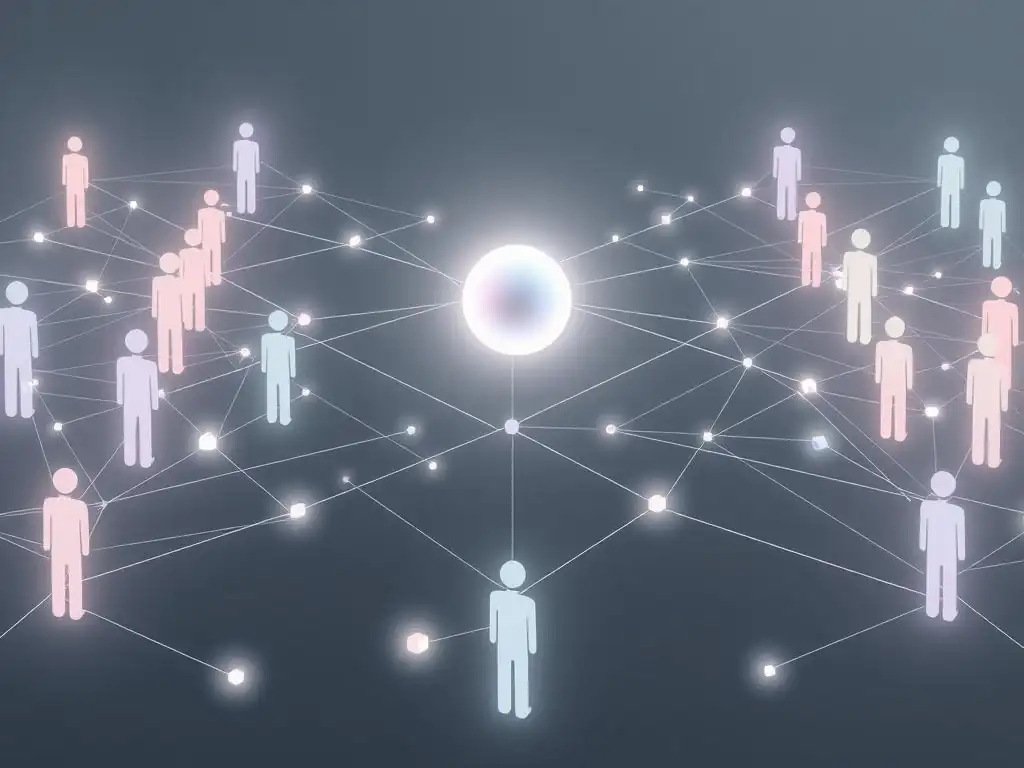
Social norms and interactions in decentralized metaverses are still in their nascent stages and are expected to evolve significantly as these platforms mature and adoption grows. As virtual worlds become more integral to our social lives, we can anticipate the emergence of new social etiquette, communication styles, and forms of digital culture specific to decentralized metaverse environments. These norms will likely be shaped by the unique characteristics of decentralization, including user ownership, community governance, and the emphasis on digital identity.
The evolution of social norms will also be influenced by the diverse communities that populate decentralized metaverses. Different communities may develop their own unique social customs, languages, and forms of expression within their virtual spaces. Understanding and adapting to these evolving social norms will be crucial for navigating the social landscape of decentralized metaverses and fostering positive and inclusive interactions. Observing and participating in the early stages of these virtual social ecosystems will provide valuable insights into the future of social connection in digital spaces.
The Role of Decentralized Metaverses in Shaping the Future of Work and Education
Decentralized metaverses are poised to play a significant role in shaping the future of work and education. These platforms offer immersive and collaborative environments that can transform remote work, online learning, and professional networking. Decentralized metaverse workspaces can provide more engaging and interactive alternatives to traditional video conferencing, fostering stronger team collaboration and a greater sense of presence among remote workers.
In education, decentralized metaverses can create immersive learning experiences, virtual classrooms, and collaborative learning environments that enhance student engagement and knowledge retention. Furthermore, decentralized metaverse platforms can facilitate new forms of professional development, skill-building, and networking, connecting individuals with global opportunities and resources. The integration of decentralized technologies into work and education within the metaverse can lead to more flexible, accessible, and engaging learning and working environments for individuals around the world.
The social applications and use cases of decentralized metaverses are rapidly expanding beyond gaming and virtual events. We are witnessing the emergence of new social applications focused on virtual collaboration, digital identity management, decentralized social networking, and community building. Decentralized metaverses are being explored for applications in virtual tourism, digital art and culture, social activism, and even decentralized governance and civic engagement.
Emerging use cases include decentralized social media platforms built within metaverses, virtual spaces for community organizing and social movements, and metaverse-based platforms for decentralized governance and voting. As the technology matures and adoption grows, we can expect to see even more innovative social applications emerge, leveraging the unique capabilities of decentralized metaverses to create new forms of social connection, collaboration, and community engagement. The potential for decentralized metaverse social impact is vast and largely untapped, promising a future where virtual worlds play an increasingly significant role in our social lives.
Case Study 1: Decentraland - Community Building and Digital Ownership
Decentraland stands as a prominent example of a decentralized metaverse platform showcasing the power of community building and digital ownership. Built on the Ethereum blockchain, Decentraland allows users to purchase, develop, and monetize virtual land parcels represented as NFTs. This ownership model has fostered a vibrant community of creators, landowners, and users who are actively shaping the platform's development and social landscape.
Within Decentraland, communities have formed around shared interests, virtual neighborhoods, and events. Users organize virtual gatherings, concerts, art exhibitions, and social games, leveraging the platform's open and decentralized nature to create diverse and engaging social experiences. The platform's DAO also empowers the community to vote on important governance decisions, demonstrating a real-world example of community-driven governance in a decentralized metaverse. Decentraland exemplifies how digital ownership can be a catalyst for strong community bonds and user-led social innovation.
Somnium Space is another leading decentralized metaverse platform that emphasizes virtual land ownership and social events. Built on blockchain technology, Somnium Space offers users the ability to own, trade, and develop virtual land parcels as NFTs. The platform is known for its immersive VR compatibility and focus on creating realistic and engaging virtual environments for social interaction.
Somnium Space hosts a variety of social events, including virtual concerts, art exhibitions, and community gatherings. Users can build virtual homes, businesses, and social spaces on their land parcels, contributing to the platform's diverse and user-generated social landscape. The platform's emphasis on VR integration further enhances the sense of presence and social immersion, creating a compelling example of how decentralized metaverses can facilitate rich and engaging social experiences centered around virtual land ownership and community-driven events.
Cryptovoxels is a browser-based decentralized metaverse platform known for its user-friendly interface and focus on user-created galleries and social spaces. Built on the Ethereum blockchain, Cryptovoxels allows users to purchase virtual land parcels and build upon them using simple, intuitive tools. The platform has become particularly popular among digital artists and creators who use it to showcase their work in virtual galleries and host social events.
Cryptovoxels is characterized by its accessible and user-friendly nature, making it easier for individuals to create and participate in virtual social experiences. The platform hosts a wide range of user-generated content, from art galleries and virtual shops to social gathering spaces and community hubs. Cryptovoxels demonstrates how decentralized metaverses can empower individuals to easily create and share their digital creations and social spaces, fostering a vibrant and accessible virtual social ecosystem focused on user-generated content and community interaction.
The social dynamics within decentralized metaverses differ significantly from those in centralized platforms. Centralized platforms often exhibit social dynamics shaped by algorithmic curation, platform-driven moderation policies, and a hierarchical user structure where the platform owner has ultimate control. This can lead to filter bubbles, echo chambers, and a sense of user disempowerment. Decentralized metaverses, in contrast, aim to foster more democratic, user-centric social dynamics.
In decentralized metaverses, social interactions are often characterized by greater user autonomy, community-driven governance, and a stronger sense of shared ownership. Users have more control over their social experiences, can participate in shaping platform policies, and are less subject to centralized algorithmic manipulation. This can lead to more authentic and diverse social interactions, stronger community bonds, and a greater sense of user agency and empowerment compared to centralized platforms. However, decentralized systems also require effective community moderation and governance mechanisms to mitigate potential risks and ensure positive social dynamics.
User Empowerment and Control: A Key Differentiator
User empowerment and control are key differentiators between decentralized and centralized metaverses, significantly impacting the social experience. Centralized platforms often prioritize platform control and data extraction, limiting user autonomy and agency. Users are often treated as data points rather than active participants in shaping the social environment. Decentralized metaverses, on the other hand, prioritize user empowerment and control as core principles.
In decentralized metaverses, users are empowered with digital ownership, self-sovereign identity, and the ability to participate in governance. This empowers them to shape their social experiences, control their data, and contribute to the platform's direction. This fundamental shift in power dynamics leads to a more user-centric social experience where individuals are treated as active stakeholders and contributors, fostering a greater sense of ownership, responsibility, and engagement within the metaverse community.
Centralized platforms have played a significant role in shaping online social interactions, both positively and negatively. While they have facilitated global connectivity and enabled new forms of social communication, they have also been criticized for issues such as data privacy violations, algorithmic bias, censorship, and the amplification of harmful content. Centralized control over social platforms can lead to echo chambers, filter bubbles, and a lack of transparency in content moderation and algorithmic curation.
The rise of decentralized metaverses represents a reaction to some of these limitations and challenges of centralized platforms. By distributing power and control to users, decentralized metaverses aim to create more equitable, transparent, and user-driven social environments. Examining the historical role of centralized platforms in shaping social interactions highlights the potential benefits and challenges of decentralized alternatives and underscores the importance of responsible development and governance in shaping the future of social connection in virtual worlds.
Decentralized metaverses have the potential to be a catalyst for positive social change by reshaping how we connect, interact, and build communities online. By empowering users with ownership, control, and agency, these platforms can foster more equitable, transparent, and user-driven social environments. They offer the promise of stronger online communities, new economic opportunities for creators and individuals, and more inclusive and accessible virtual worlds.
The decentralized metaverse social impact extends to various aspects of online life, from social networking and community building to work, education, and creative expression. By addressing some of the limitations of centralized platforms and prioritizing user empowerment, decentralized metaverses can pave the way for a more positive and socially enriching digital future. The transformative potential lies in the shift from platform-centric to user-centric social experiences, fostering a more democratic and participatory internet.
The Importance of Responsible Development and Governance
Realizing the positive social impact of decentralized metaverses hinges on responsible development and effective governance. While decentralization offers numerous benefits, it also presents challenges related to content moderation, user safety, and the potential for misuse. Developing robust community-driven governance mechanisms, implementing effective content moderation strategies, and prioritizing user privacy and security are crucial for mitigating risks and ensuring that decentralized metaverses are safe and positive social spaces.
Responsible development also involves addressing issues of accessibility, inclusivity, and digital equity. Efforts should be made to ensure that decentralized metaverses are accessible to users from diverse backgrounds and that they contribute to a more equitable and inclusive digital world. Ethical considerations and responsible innovation are paramount to harnessing the transformative potential of decentralized metaverses for positive social change.
Encouraging Exploration and Engagement with Decentralized Metaverse Platforms
Encouraging exploration and engagement with decentralized metaverse platforms is essential to understanding their social impact and shaping their future development. As these platforms are still evolving, active participation and experimentation are crucial for identifying best practices, addressing challenges, and realizing their full social potential. Users, creators, developers, and policymakers all have a role to play in shaping the future of decentralized metaverses and ensuring that they contribute to a more positive and socially connected digital world.
By actively engaging with decentralized metaverse platforms, we can gain firsthand insights into their social dynamics, identify opportunities for improvement, and contribute to the development of responsible and user-centric virtual environments. This exploration and engagement will be instrumental in unlocking the transformative potential of decentralized metaverses and realizing their vision of a more open, equitable, and socially enriching digital future.
Frequently Asked Questions
What is a decentralized metaverse, and how does it differ from traditional metaverses?
A decentralized metaverse is built on blockchain technology, giving users greater control over their data and assets. Unlike traditional metaverses, it's not controlled by a single entity, promoting user autonomy and ownership.
Decentralized metaverses can foster greater inclusivity and accessibility, allowing marginalized communities to connect and participate in new ways. They can also empower creators through direct monetization and ownership of their digital creations. This can lead to economic empowerment.
Several projects are emerging, focusing on areas like virtual education, accessible healthcare, and community building for specific social groups. These platforms often utilize DAOs (Decentralized Autonomous Organizations) to govern and ensure fair and transparent decision-making.
Current regulations often struggle to address the unique characteristics of decentralized systems, particularly concerning data privacy, intellectual property rights, and user safety. Establishing clear and adaptable frameworks is crucial for fostering responsible innovation and protecting users.
The vision is to create a more equitable and accessible digital world, where individuals can connect, collaborate, and thrive in ways that were previously impossible. This includes fostering decentralized governance and empowering communities to shape their own digital futures, thereby democratizing the internet.
Final Reflection: Embracing the Decentralized Future
The exploration of decentralized metaverses and their social impact reveals a profound shift in how we connect, interact, and build communities online. This nascent technology promises a future where digital ownership and user agency are paramount, potentially reshaping the very fabric of our social interactions. The implications are far-reaching, touching everything from economic empowerment to the creation of truly democratic digital spaces.
The decentralized metaverse isn't just about technology; it's about reimagining social structures and empowering individuals within digital realms. It challenges the centralized control that has long defined the internet, offering a glimpse into a future where users are not just consumers but active participants in shaping their digital experiences. The metaverse is coming, and it will touch every product you build, every company you invest in, every person you interact with.
- Matthew Ball. This quote underscores the transformative potential that lies within these decentralized worlds and the urgent need to understand their social impact.
As we stand on the cusp of this new era, let us consider the responsibility that comes with building these decentralized metaverses. What kind of communities do we want to foster? How can we ensure inclusivity and accessibility for all? Let us strive to create digital spaces that are not just technologically advanced, but also ethically grounded, empowering individuals and fostering genuine connection in ways never before imagined. The future of the decentralized metaverse social impact is in our hands; let's build it wisely and with intention.
Ignite Your Metaverse Journey!
Thank you for exploring the exciting world of decentralized metaverses and their social impact! We hope you've gained valuable insights into how these platforms are bringing people together in innovative ways. Now, it's time to take that knowledge and put it into action.
Here are some ways you can further discover the potential of decentralized metaverses:
- Experience a decentralized virtual world firsthand! Explore platforms like Decentraland or The Sandbox to see how these digital environments foster community and connection.
- Share this article with your network to start a conversation about the future of social interaction in virtual spaces. Let's learn together!
- Discover lesser-known metaverse communities. Find smaller, niche platforms focused on specific interests—you might find your new community!
What is a memorable social connection you've made in a virtual world that surprised you? Share your story in the comments below!
Leave a Reply