
Are DeFi Derivatives a Threat to Traditional Finance? Or a Partner?

Welcome to Blockchain Trends, your compass navigating the ever-evolving landscape of decentralized technology. Delve into the transformative power of blockchain, far beyond the realm of cryptocurrencies. In this issue, we're tackling a critical question at the heart of decentralized finance: Are DeFi derivatives poised to disrupt traditional finance, or can they forge a powerful partnership? Get ready for an in-depth DeFi derivatives impact analysis that unravels the potential benefits, risks, and future trajectory of these innovative financial instruments. Curious to know if DeFi is a revolutionary force or a complementary evolution? Read on to discover the answer.
Are DeFi Derivatives a Threat to Traditional Finance?
- Introduction: DeFi Derivatives - Disrupting or Complementing Traditional Finance?
- DeFi Derivatives: A Deep Dive into the Potential Risks
- Traditional Finance's Perspective on DeFi Derivatives
- DeFi Derivatives Impact Analysis: A Comparative Overview
- DeFi Derivatives as a Partner: Opportunities for Collaboration
- The Future of DeFi Derivatives: Trends and Predictions
- Conclusion: Navigating the DeFi Derivatives Landscape - Threat or Opportunity?
-
Frequently Asked Questions
- What are DeFi derivatives, and how do they differ from traditional derivatives?
- What is the potential impact of DeFi derivatives on the traditional financial system?
- What are the key benefits of using DeFi derivatives compared to traditional derivatives?
- What regulatory challenges do DeFi derivatives present?
- How can a "DeFi derivatives impact analysis" help assess the future of these instruments?
- Final Reflection: Navigating the DeFi Derivative Frontier
- Ignite Your DeFi Journey: Step Into the Future of Finance!
Introduction: DeFi Derivatives - Disrupting or Complementing Traditional Finance?
Understanding the Rise of DeFi Derivatives
Decentralized Finance (DeFi) derivatives have emerged as a rapidly expanding sector within the cryptocurrency ecosystem, challenging the established norms of traditional financial markets. Their growth is fueled by the inherent advantages of blockchain technology: transparency, accessibility, and reduced intermediary involvement. Unlike traditional derivatives markets, which are often opaque and dominated by large financial institutions, DeFi derivatives platforms operate on decentralized networks, making them permissionless and theoretically accessible to anyone with an internet connection and a cryptocurrency wallet. This democratization of access to sophisticated financial instruments is a key driver behind the increasing popularity of DeFi derivatives.
The surge in interest in DeFi derivatives can also be attributed to the limitations of centralized cryptocurrency exchanges. While these exchanges offer basic spot trading and some centralized derivatives products, they often lack the transparency and control sought by many crypto users. DeFi derivatives platforms offer an alternative, allowing users to engage in complex trading strategies, such as perpetual swaps, options, and synthetic assets, directly from their wallets, without relying on intermediaries. This self-custodial nature is particularly appealing to users who prioritize security and control over their assets, contributing significantly to the growth of the DeFi derivatives market.
The Core Functionality of Decentralized Derivatives Platforms
Decentralized derivatives platforms leverage smart contracts to automate the creation, execution, and settlement of derivative agreements. These smart contracts, self-executing code on a blockchain, eliminate the need for traditional intermediaries like brokers and clearinghouses. Users interact directly with these contracts to trade, provide liquidity, or participate in governance. A common mechanism employed is the use of over-collateralization, where users must deposit collateral exceeding the value of their derivative position to mitigate counterparty risk. This mechanism, while capital-inefficient compared to traditional finance, is crucial in the trustless environment of DeFi.
Many DeFi derivatives platforms operate using Automated Market Makers (AMMs), adapting the successful model from decentralized exchanges (DEXs). AMMs use algorithms to determine prices based on liquidity pools, rather than relying on order books.
This allows for continuous trading and liquidity even in less liquid markets, a significant advantage over traditional order book-based exchanges, especially in the nascent stages of new derivative products. Examples include platforms offering perpetual futures contracts, which are derivatives without an expiry date, and options protocols that allow users to trade the right, but not the obligation, to buy or sell an asset at a predetermined price.
DeFi Derivatives: A Deep Dive into the Potential Risks
Regulatory Uncertainty Surrounding DeFi Derivatives
One of the most significant challenges facing DeFi derivatives is the lack of clear regulatory frameworks. Jurisdictions worldwide are grappling with how to classify and regulate these novel financial instruments. This uncertainty creates risks for both users and developers. For users, the lack of regulatory oversight means limited investor protection and potential exposure to scams or unregulated platforms. For developers, the ambiguity can stifle innovation and create legal risks, potentially hindering the long-term growth and adoption of DeFi derivatives.
The global nature of DeFi further complicates regulatory efforts. Traditional financial regulations are often geographically bound, but DeFi platforms can be accessed from anywhere in the world. This jurisdictional complexity makes it difficult for regulators to enforce rules and address illicit activities effectively. Different countries are taking varying approaches, from outright bans to cautious observation, leading to a fragmented regulatory landscape. This patchwork of regulations creates operational challenges for DeFi platforms aiming for wider adoption and integration with traditional financial systems.
Smart Contract Vulnerabilities and Security Concerns in DeFi Derivatives
Smart contracts, while automating processes, are not immune to vulnerabilities. The code, once deployed on the blockchain, is immutable, meaning bugs or security flaws can be exploited if discovered. Several high-profile incidents in DeFi have demonstrated the real-world risks of smart contract vulnerabilities, resulting in significant financial losses for users. For instance, in 2021, the Cream Finance exploit resulted in the loss of over \$19 million due to a flash loan attack exploiting a vulnerability in their smart contracts.
The complexity of DeFi derivatives protocols, often involving multiple interacting smart contracts, increases the attack surface. Audits by security firms are crucial, but they are not foolproof. Furthermore, the rapid pace of innovation in DeFi means new protocols and features are constantly being deployed, potentially introducing new vulnerabilities. The open-source nature of DeFi code, while promoting transparency, also means that malicious actors can scrutinize the code for weaknesses. This necessitates continuous monitoring, rigorous testing, and proactive security measures to mitigate smart contract risks in DeFi derivatives.
Liquidity Fragmentation and Market Manipulation Risks in DeFi Derivatives
Liquidity fragmentation is a significant concern in the current DeFi derivatives landscape. With numerous platforms emerging, liquidity is spread across different protocols and blockchains, leading to thinner order books and increased price slippage, especially for larger trades. This fragmented liquidity can make DeFi derivatives markets more volatile and susceptible to manipulation. Compared to highly liquid traditional derivatives markets, DeFi derivatives are still relatively nascent and prone to price swings.
The anonymity and permissionless nature of DeFi also create opportunities for market manipulation. Practices like wash trading, where traders artificially inflate trading volumes, or front-running, where malicious actors exploit information about pending transactions, are harder to detect and prevent in decentralized environments. The lack of robust surveillance mechanisms, common in regulated traditional markets, further exacerbates these risks. While some DeFi platforms are implementing measures to combat manipulation, such as transaction monitoring and anomaly detection, these efforts are still evolving, and market manipulation remains a potential threat to the integrity of DeFi derivatives markets.
Traditional Finance's Perspective on DeFi Derivatives
Initial Skepticism and Concerns from Traditional Financial Institutions
Traditional financial institutions initially viewed DeFi and DeFi derivatives with considerable skepticism and concern. This stemmed from several factors, including the lack of regulatory clarity, the perceived risks associated with smart contract vulnerabilities and market manipulation, and the decentralized, often anonymous, nature of DeFi protocols. Established financial players, accustomed to highly regulated and centralized environments, struggled to understand and trust the nascent DeFi ecosystem. Concerns about compliance with existing regulations, such as KYC/AML requirements, and the potential for systemic risk were also prominent.
Furthermore, the volatility and speculative nature of the cryptocurrency market, which underpins DeFi, fueled skepticism. Traditional institutions, responsible for managing large sums of capital and adhering to strict risk management frameworks, were hesitant to engage with assets perceived as highly volatile and unregulated. The early narratives around DeFi as a "Wild West" of finance, while attracting some, also reinforced the cautious stance of traditional financial institutions. This initial skepticism created a significant barrier to entry and collaboration between traditional finance and the emerging DeFi derivatives space.
Exploring Potential Synergies: How Traditional Finance Can Benefit from DeFi Derivatives
Despite initial skepticism, traditional financial institutions are increasingly recognizing the potential synergies and benefits of DeFi derivatives. The efficiency and transparency offered by blockchain technology can address some of the inefficiencies and opacity inherent in traditional derivatives markets. For example, DeFi derivatives platforms can streamline settlement processes, reduce counterparty risk through over-collateralization, and lower operational costs by automating processes via smart contracts. These efficiencies can translate into cost savings and improved operational performance for traditional institutions.
Moreover, DeFi derivatives can offer traditional finance access to new markets and asset classes. The ability to create and trade synthetic assets representing a wide range of underlying instruments, including traditional stocks, commodities, and even real estate, can expand investment opportunities. DeFi's permissionless nature can also democratize access to derivatives trading, potentially attracting a new segment of investors currently underserved by traditional financial markets. As traditional finance seeks to innovate and adapt to evolving technological landscapes, exploring the potential of DeFi derivatives becomes increasingly strategic.
Goldman Sachs' Exploration of DeFi for Tokenized Assets
A concrete example of traditional finance exploring the potential of DeFi is Goldman Sachs' foray into tokenized assets and DeFi. In 2022, Goldman Sachs executed its first over-the-counter crypto trade, a Bitcoin options trade facilitated by Galaxy Digital. This move signaled a growing interest from major financial institutions in utilizing digital assets and the infrastructure underpinning DeFi. Furthermore, Goldman Sachs has been actively involved in exploring the potential of blockchain technology for tokenizing traditional assets, such as stocks and bonds.
While not directly focused on DeFi derivatives initially, Goldman Sachs' exploration of tokenized assets is a crucial step towards bridging traditional finance and DeFi. Tokenization, the process of representing real-world assets on a blockchain, can pave the way for integrating traditional assets into DeFi protocols, including DeFi derivatives platforms. By exploring the infrastructure and capabilities of DeFi, institutions like Goldman Sachs are laying the groundwork for potential future collaborations and the development of hybrid financial models that combine the strengths of both traditional finance and DeFi.
DeFi Derivatives Impact Analysis: A Comparative Overview
Comparing Risk Management Strategies in DeFi vs. TradFi Derivatives
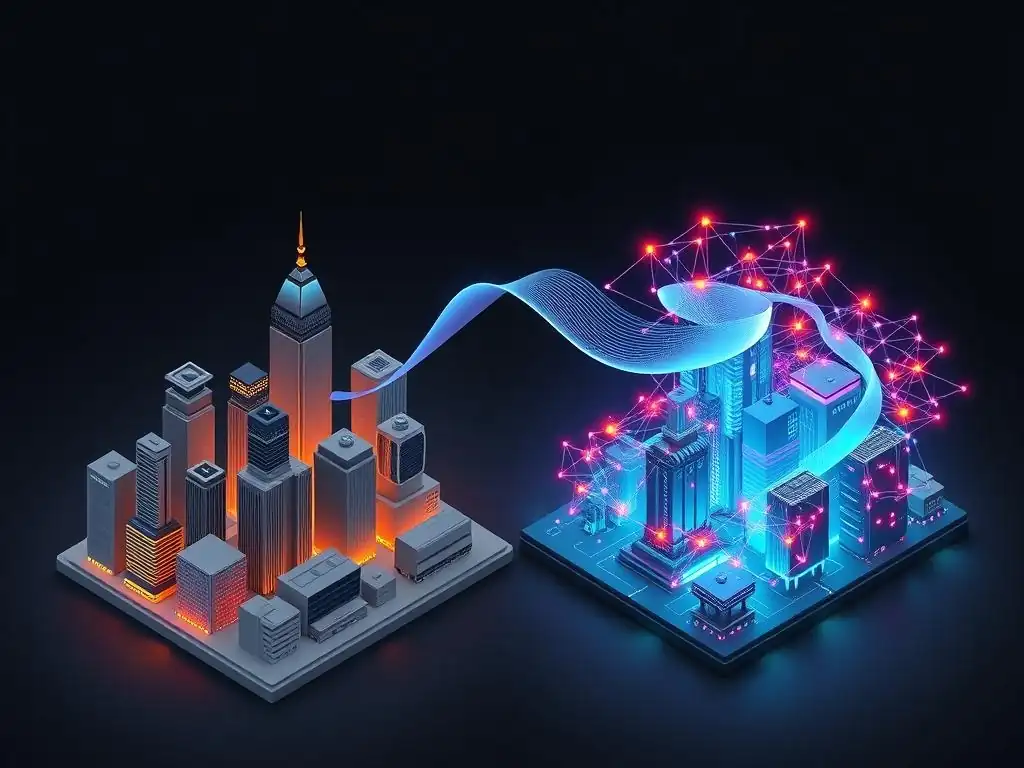
Risk management in DeFi derivatives differs significantly from traditional finance (TradFi) derivatives due to the underlying architecture and operational mechanisms. TradFi derivatives rely on centralized clearinghouses, margin calls, and legal frameworks to manage counterparty risk. DeFi derivatives, conversely, primarily depend on over-collateralization and automated liquidation mechanisms embedded in smart contracts. While over-collateralization reduces counterparty risk in DeFi, it is less capital-efficient than the margin systems used in TradFi. For instance, a DeFi user might need to deposit \$150 of collateral for a \$100 derivative position, whereas in TradFi, the margin requirement could be significantly lower.
Furthermore, regulatory oversight and legal recourse are key risk management tools in TradFi derivatives. In case of disputes or defaults, legal frameworks and regulatory bodies provide mechanisms for resolution. DeFi derivatives, operating in a largely unregulated space, lack these established recourse mechanisms. This absence of regulatory backstops and the reliance on code as law introduce a different set of risks. While smart contracts aim to automate risk management, their effectiveness is contingent on the robustness and security of the code, highlighting the critical importance of smart contract audits and security best practices in DeFi derivatives.
Examining the Efficiency of Price Discovery in DeFi Derivatives Markets
Price discovery in DeFi derivatives markets presents a mixed picture compared to TradFi. On one hand, the 24/7 trading and global accessibility of DeFi markets can contribute to more efficient price discovery by incorporating information from a wider range of participants. The transparency of blockchain transactions also allows for greater visibility into market activity, potentially reducing information asymmetry. However, the fragmented liquidity and nascent stage of DeFi derivatives markets can also hinder efficient price discovery.
The reliance on AMMs in many DeFi derivatives platforms, while providing continuous liquidity, can also impact price discovery. AMMs, especially in times of high volatility, can exhibit price slippage and may not always reflect the true market price as efficiently as order book-based exchanges. Moreover, the potential for market manipulation, as previously discussed, can distort price discovery and reduce market efficiency. While DeFi derivatives have the potential for efficient price discovery due to their open and accessible nature, current challenges related to liquidity, market maturity, and manipulation need to be addressed to fully realize this potential.
Analyzing the Accessibility and Inclusivity of DeFi Derivatives for Retail Investors
DeFi derivatives offer significantly enhanced accessibility and inclusivity for retail investors compared to TradFi derivatives. Traditional derivatives markets are often complex, heavily regulated, and primarily accessible to institutional investors or high-net-worth individuals. High minimum investment requirements, complex account opening procedures, and regulatory restrictions often exclude retail investors from participating in these markets. DeFi derivatives, in contrast, are permissionless and require only a cryptocurrency wallet and internet access, drastically lowering the barriers to entry.
This accessibility democratizes access to sophisticated financial instruments, allowing retail investors to participate in derivatives trading with relatively small amounts of capital. The fractionalization of assets and the lower transaction costs in some DeFi platforms further enhance inclusivity. However, it's crucial to acknowledge that this increased accessibility also comes with heightened risks for retail investors. The complexity of DeFi derivatives products, the lack of investor protection, and the potential for scams require users to exercise caution and conduct thorough due diligence. Financial literacy and risk awareness are paramount for retail investors venturing into DeFi derivatives.
DeFi Derivatives as a Partner: Opportunities for Collaboration
Institutional Adoption of DeFi Derivatives: A Bridge Between Worlds
Institutional adoption of DeFi derivatives can serve as a crucial bridge between the traditional financial system and the burgeoning DeFi ecosystem. As institutions become more comfortable with the technology and regulatory landscape evolves, their involvement can bring much-needed capital, legitimacy, and sophistication to DeFi derivatives markets. Institutional participation can address the liquidity fragmentation issue by injecting significant capital into DeFi protocols, leading to deeper order books and reduced volatility. Furthermore, institutional expertise in risk management and compliance can help mature the DeFi derivatives space and make it more robust and secure.
Several factors are driving increasing institutional interest in DeFi. The search for yield in a low-interest rate environment, the potential for portfolio diversification, and the technological advancements in blockchain and smart contracts are all contributing to this trend. As regulatory clarity improves and institutional-grade infrastructure for DeFi develops, we can expect to see greater participation from traditional financial institutions in DeFi derivatives, fostering collaboration and integration between the two worlds.
Innovative Financial Products Enabled by DeFi Derivatives
DeFi derivatives are not just replicating traditional financial products in a decentralized manner; they are also enabling entirely new and innovative financial instruments. The composability of DeFi protocols, where different applications can seamlessly interact with each other, allows for the creation of complex and customized derivative products that were previously impractical or impossible in traditional finance. For example, DeFi platforms are pioneering novel synthetic assets that track the performance of diverse assets, including indices, commodities, and even real-world data feeds.
Furthermore, DeFi derivatives are fostering innovation in areas like decentralized insurance and prediction markets. Derivatives can be used to hedge against risks in the DeFi ecosystem itself, such as smart contract failures or impermanent loss in liquidity pools. Prediction markets built on DeFi platforms allow for decentralized forecasting and information aggregation, with potential applications ranging from financial markets to political events. These innovations demonstrate the transformative potential of DeFi derivatives to create entirely new financial products and markets beyond the scope of traditional finance.
Maple Finance and Institutional Lending in DeFi
Maple Finance provides a real-world example of how DeFi platforms are facilitating institutional lending and bridging the gap between traditional finance and DeFi derivatives. Maple Finance is a decentralized corporate credit marketplace that connects institutional lenders with borrowers in the crypto space. It utilizes DeFi infrastructure to streamline the lending process, offering transparency and efficiency compared to traditional corporate lending. Maple Finance allows institutions to lend capital to crypto-native companies and DAOs, earning yield on their assets in a DeFi environment.
This platform exemplifies the growing trend of institutional adoption in DeFi and showcases how DeFi can cater to the specific needs of institutional investors. By providing a compliant and transparent lending platform, Maple Finance attracts capital from traditional institutions and channels it into the DeFi ecosystem. This type of institutional-focused DeFi platform is crucial for fostering collaboration and building a more integrated financial landscape where traditional finance and DeFi derivatives can coexist and complement each other.
The Future of DeFi Derivatives: Trends and Predictions
The Evolution of Regulatory Frameworks for DeFi Derivatives
The future of DeFi derivatives hinges significantly on the evolution of regulatory frameworks. As the market matures and attracts greater attention from regulators, we can expect to see more clarity and potentially more tailored regulations specifically designed for DeFi. The current uncertainty is likely to diminish as jurisdictions worldwide develop their approaches to regulating digital assets and DeFi. This could involve adapting existing financial regulations to the decentralized context or creating new regulatory frameworks specifically for DeFi.
A balanced regulatory approach is crucial. Overly restrictive regulations could stifle innovation and push DeFi activity underground, while insufficient regulation could lead to increased risks for users and the broader financial system. The ideal scenario involves regulations that promote responsible innovation, protect users, and mitigate systemic risks, while still allowing the DeFi ecosystem to flourish. International collaboration and harmonization of regulatory standards will also be essential to address the global nature of DeFi derivatives.
The Role of Oracles in Enhancing the Reliability of DeFi Derivatives
Oracles, which are services that provide real-world data to smart contracts, will play an increasingly critical role in enhancing the reliability and functionality of DeFi derivatives. DeFi derivatives rely on accurate and timely data feeds for pricing, settlement, and risk management. Oracles bridge the gap between the blockchain and the external world, providing the necessary data for smart contracts to function correctly. However, oracle reliability and security are paramount, as compromised or manipulated oracles can lead to inaccurate pricing, market manipulation, and protocol failures.
The future will likely see advancements in oracle technology, including decentralized oracle networks that enhance security and resilience by aggregating data from multiple sources. Innovations in oracle design, such as zero-knowledge proofs and trusted execution environments, can further improve data integrity and security. As DeFi derivatives become more sophisticated and integrate with real-world assets, the robustness and reliability of oracles will be essential for ensuring the stability and trustworthiness of the entire ecosystem.
Delphi Digital's Analysis on the Growth Potential of DeFi Derivatives
Delphi Digital, a prominent research firm in the crypto space, has conducted extensive analysis on the growth potential of DeFi derivatives. Their reports consistently highlight the significant untapped market opportunity for decentralized derivatives. Delphi Digital projects substantial growth in the DeFi derivatives market, driven by factors such as increasing institutional adoption, the expansion of synthetic assets, and the development of more user-friendly and secure platforms. They estimate that the DeFi derivatives market could capture a significant share of the overall derivatives market in the long term.
Delphi Digital's analysis emphasizes that while challenges remain, the fundamental advantages of DeFi derivatives – transparency, accessibility, and efficiency – position them for significant growth. They point to the ongoing innovation in DeFi protocols, the increasing sophistication of DeFi users, and the growing interest from traditional financial institutions as key drivers of this growth. While the exact pace and trajectory of growth are uncertain, Delphi Digital's research underscores the long-term potential of DeFi derivatives to transform the financial landscape.
Summarizing the Potential Benefits and Risks of DeFi Derivatives
DeFi derivatives present a complex landscape characterized by both significant potential benefits and inherent risks. On the benefit side, they offer enhanced transparency, accessibility, and efficiency compared to traditional derivatives markets. They democratize access to sophisticated financial instruments, foster innovation in financial product design, and have the potential to reduce systemic risk through over-collateralization and automated processes. However, DeFi derivatives also come with risks, including regulatory uncertainty, smart contract vulnerabilities, liquidity fragmentation, and market manipulation potential. These risks need to be carefully managed and mitigated to ensure the sustainable growth and responsible development of the DeFi derivatives ecosystem.
The DeFi derivatives impact analysis reveals a nuanced picture. They are not simply a threat to traditional finance but rather a disruptive force with the potential to reshape the financial landscape. Whether they ultimately become a partner or remain a perceived threat depends on how the industry addresses the inherent risks, collaborates with regulators, and fosters responsible innovation.
The Importance of Responsible Innovation and Regulatory Clarity
Responsible innovation and regulatory clarity are paramount for the future success and integration of DeFi derivatives with the broader financial system. Developers, platforms, and users must prioritize security, transparency, and ethical practices to build trust and mitigate risks. This includes rigorous smart contract audits, robust risk management frameworks, and proactive measures to combat market manipulation. Simultaneously, regulators need to develop clear and balanced frameworks that foster innovation while protecting users and maintaining financial stability. Constructive dialogue and collaboration between the DeFi industry and regulators are essential to navigate the evolving landscape effectively.
The DeFi derivatives impact analysis highlights the need for a collaborative approach. Responsible innovation from within the DeFi space, coupled with sensible and adaptive regulation, will be crucial in unlocking the full potential of DeFi derivatives while mitigating their risks.
Final Thoughts on the Future of Finance and DeFi Derivatives
The emergence of DeFi derivatives marks a significant evolution in the financial industry. While challenges and uncertainties remain, the underlying technology and the potential benefits are undeniable. DeFi derivatives are not necessarily a replacement for traditional finance, but rather a complementary system with the potential to enhance and expand the financial landscape. The future of finance likely involves a hybrid model, where traditional institutions and DeFi protocols coexist and collaborate, leveraging the strengths of both systems.
The DeFi derivatives impact analysis suggests a future where finance is more accessible, transparent, and efficient, thanks to the integration of decentralized technologies. Whether DeFi derivatives ultimately become a trusted partner or a perceived threat will depend on the collective efforts of developers, regulators, and traditional financial institutions to navigate this evolving landscape responsibly and collaboratively.
Frequently Asked Questions
What are DeFi derivatives, and how do they differ from traditional derivatives?
DeFi derivatives are financial contracts built on decentralized blockchains, offering similar functionalities to traditional derivatives but with potentially greater accessibility and transparency.
What is the potential impact of DeFi derivatives on the traditional financial system?
DeFi derivatives could pose a competitive threat by offering alternative investment options, or they could become a complementary asset class, enhancing efficiency and innovation in finance.
What are the key benefits of using DeFi derivatives compared to traditional derivatives?
Benefits include reduced counterparty risk due to smart contract execution, increased transparency via the blockchain, and potentially lower fees compared to traditional intermediaries.
What regulatory challenges do DeFi derivatives present?
The decentralized nature of DeFi derivatives raises complex regulatory questions regarding jurisdiction, investor protection, and compliance with existing financial laws.
How can a "DeFi derivatives impact analysis" help assess the future of these instruments?
An impact analysis can provide insights into the potential risks and rewards of DeFi derivatives, guiding policy decisions, investment strategies, and innovation in the field.
The exploration of DeFi derivatives and their potential impact, as outlined in this analysis, reveals a landscape ripe with both opportunity and risk. The convergence of decentralized finance and derivative instruments is no longer a hypothetical scenario but a rapidly evolving reality demanding careful consideration and proactive engagement from both traditional finance and the burgeoning DeFi ecosystem. The question is not simply whether DeFi derivatives pose a threat, but rather how we can harness their innovative potential while mitigating potential systemic risks.
The rise of DeFi derivatives has profoundly influenced the financial landscape, challenging established norms and forcing a re-evaluation of traditional financial models. Witnessing this evolution firsthand underscores the importance of adaptability and a willingness to embrace innovation, even when it disrupts the status quo. The future is already here – it's just not evenly distributed.
- William Gibson. This quote resonates deeply when considering DeFi derivatives, as their transformative potential is undeniable, yet their accessibility and understanding remain unevenly distributed across the financial world.
As we stand at this pivotal juncture, I invite you to reflect on your own role in shaping the future of finance. Consider how you can contribute to a more informed, responsible, and inclusive DeFi ecosystem. Whether you are a seasoned investor, a curious observer, or a future innovator, your understanding and engagement are crucial. Let us collectively strive to navigate the DeFi derivative frontier with wisdom, foresight, and a commitment to building a more resilient and equitable financial future for all.
Ignite Your DeFi Journey: Step Into the Future of Finance!
Thank you for diving into the world of DeFi derivatives! We hope you now have a better understanding of their potential impact on traditional finance, whether as a threat or a valuable partner. Ready to take the next step?
Here's how you can further explore this exciting area:
- Delve deeper by researching one specific DeFi derivative protocol, such as Synthetix or dYdX, to understand its mechanics and potential. Consider creating a demo account to get hands-on experience!
- Share this article with a friend or colleague interested in finance and technology. Spark a conversation about the future of DeFi and its role in shaping the financial landscape.
- Uncover hidden gems by exploring less-known DeFi communities on platforms like Discord or Telegram. You might find insights and connections that lead to unexpected opportunities.
What's one DeFi derivative application you're most excited to see developed and why? Share your thoughts in the comments below!
Leave a Reply