
Beyond Cryptocurrency: The Transformative Power of Blockchain in Enterprise Supply Chains

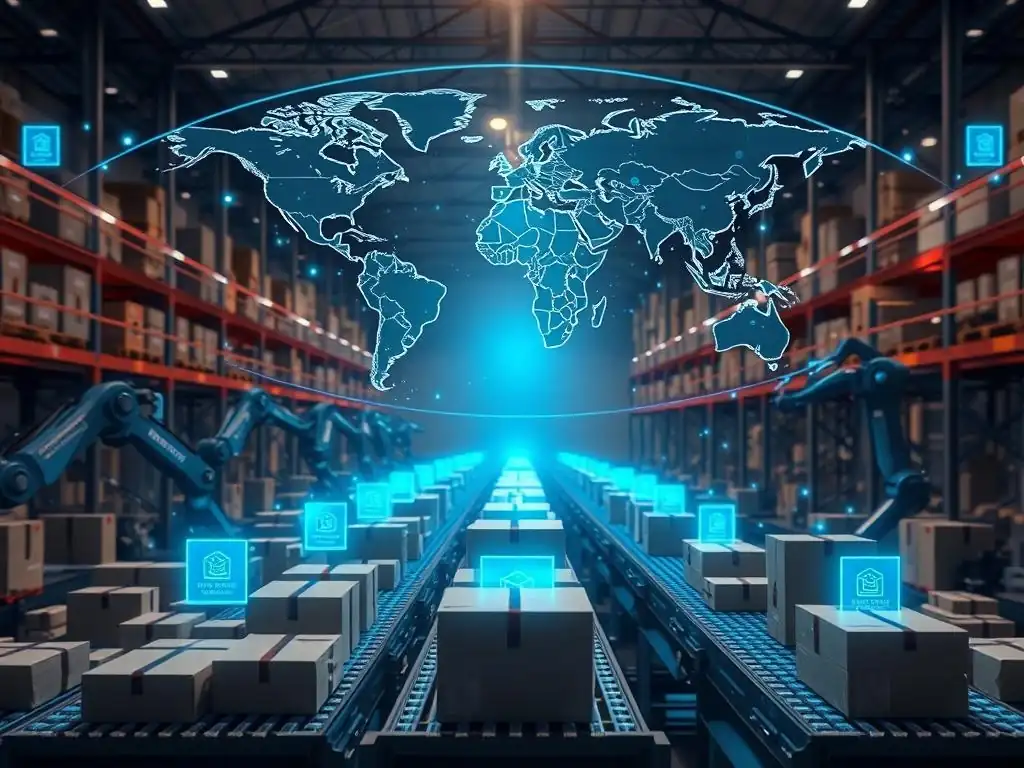
Welcome to Blockchain Trends, your compass in the rapidly evolving world of decentralized technology. Intrigued by how blockchain is revolutionizing industries beyond cryptocurrency? Dive in to discover how blockchain supply chain enterprise solutions are reshaping operations, enhancing transparency, and driving unprecedented efficiency. Explore the possibilities, understand the challenges, and unlock the future of decentralized enterprise.
Beyond Cryptocurrency: The Transformative Power of Blockchain in Enterprise Supply Chains
- Introduction: Blockchain's Evolution Beyond Digital Currency
- The Challenges of Traditional Supply Chains and How Blockchain Addresses Them
- Blockchain Supply Chain Enterprise Solutions: Key Benefits and Applications
- Use Cases: Real-World Examples of Blockchain in Supply Chain Optimization
- Implementing Blockchain for Enterprise Supply Chains: Key Considerations
- Overcoming Barriers to Blockchain Adoption in Enterprise Supply Chains
- The Future of Blockchain in Enterprise Supply Chains: Trends and Predictions
- Conclusion: Embracing Blockchain for a More Efficient and Transparent Future in Enterprise Supply Chains
-
Frequently Asked Questions
- How can blockchain improve supply chain visibility for enterprises?
- What are some examples of Blockchain supply chain enterprise solutions currently being used?
- What role does decentralization play in enhancing supply chain security with blockchain?
- How does blockchain help with regulatory compliance in supply chains?
- What are the key challenges to implementing Blockchain supply chain enterprise solutions?
- Final Reflection: Embracing Transparency and Trust
- Unlock the Future: Revolutionize Your Supply Chain Today!
Introduction: Blockchain's Evolution Beyond Digital Currency
Understanding the Core Principles of Blockchain Technology
At its heart, blockchain is a distributed, immutable ledger that records transactions across many computers. Unlike traditional databases where data is stored centrally, a blockchain distributes copies of the ledger to all participants in the network. This decentralized nature makes it incredibly difficult to alter or tamper with past records, as a change would need to be agreed upon by a majority of the network participants through a consensus mechanism. Each block of transactions is cryptographically linked to the previous one, forming a chain, hence the name "blockchain."
The fundamental principles driving blockchain's utility are transparency, security, immutability, and decentralization. Transactions are typically visible to all network participants (or authorized participants in a private network), creating a shared, single source of truth. Cryptographic hashing secures the data within each block, and the linked structure ensures that any modification to a past transaction would break the chain, immediately alerting others. This architecture moves away from reliance on a single trusted authority, distributing trust across the network.
The Untapped Potential of Blockchain in Enterprise Applications
While blockchain first gained prominence as the technology underpinning Bitcoin, its potential extends far beyond digital currencies. Enterprises are increasingly exploring blockchain's capabilities to solve long-standing business challenges, particularly in areas requiring trust, transparency, and secure data sharing among multiple parties who may not fully trust each other. Supply chains, with their complex web of suppliers, manufacturers, distributors, logistics providers, and retailers, are a prime example of where these capabilities offer significant value.
Implementing Blockchain supply chain enterprise solutions can address critical pain points like lack of visibility, inefficient processes, and difficulties in verifying product authenticity. By providing a shared, immutable record of goods as they move through the supply chain, blockchain technology enables stakeholders to track provenance, verify compliance, automate payments through smart contracts, and gain unprecedented insight into their operations. This shift from siloed systems to a collaborative, transparent ledger represents a fundamental transformation in how goods and information flow across global networks.
The Challenges of Traditional Supply Chains and How Blockchain Addresses Them
Inefficiencies and Lack of Transparency in Current Supply Chain Models
Traditional supply chains are often characterized by fragmentation and a lack of end-to-end visibility. Information is typically stored in disparate systems belonging to different entities—suppliers, manufacturers, logistics companies, and retailers—creating data silos. This leads to delays, errors, and manual reconciliation processes as data is transferred between parties, often using outdated methods like faxes or emails alongside electronic systems. The inability to quickly access accurate, real-time information across the entire chain makes it difficult to manage inventory effectively, predict disruptions, and respond rapidly to unexpected events.
The opacity inherent in these traditional models makes it challenging to pinpoint the origin of issues, such as contaminated goods or delays. When a problem occurs, tracing the source can take days or even weeks, involving extensive manual investigation and communication across numerous intermediaries. This lack of transparency not only impacts operational efficiency but also erodes consumer trust and complicates compliance with increasingly stringent regulations regarding sourcing and product safety.
Counterfeit Goods and Product Provenance Issues: A Major Concern
The global market for counterfeit goods is vast and poses significant risks to businesses and consumers alike. Estimates suggest that the value of international trade in counterfeit and pirated goods could reach hundreds of billions of dollars annually, impacting industries from luxury goods and pharmaceuticals to electronics and auto parts. Counterfeits not only cause financial losses for legitimate businesses but also pose serious health and safety risks, particularly in sectors like medicine and food.
Proving the authentic origin and journey of a product through the supply chain is a complex task in traditional systems. Paper-based records can be forged, and electronic records in isolated databases can be manipulated or lack sufficient detail. This makes it difficult for consumers and even businesses downstream to verify provenance definitively. Without a robust, tamper-proof method for tracking goods from their source, supply chains remain vulnerable to infiltration by counterfeit products, damaging brand reputation and jeopardizing consumer safety.
How Blockchain-Based Supply Chain Solutions Enhance Traceability and Security
Blockchain supply chain enterprise solutions tackle these challenges by creating a shared, immutable ledger accessible to authorized participants. Every significant event in a product's journey—from raw material sourcing and manufacturing to shipping and delivery—can be recorded as a transaction on the blockchain. Each transaction is timestamped, cryptographically secured, and linked to the previous one, creating an unbroken, transparent audit trail that is virtually impossible to alter retroactively.
This distributed ledger provides a single, trusted source of truth about a product's history. Stakeholders can instantly access information about origin, handling, location, and ownership changes, drastically improving traceability. For example, if a batch of products is recalled, tracing its path back to the source becomes significantly faster and more precise, potentially reducing recall times from weeks to mere minutes in some pilot programs. The inherent security features of blockchain, combined with cryptographic signatures, also help verify the identity of participants and the integrity of the recorded data, making it much harder to introduce counterfeit goods or falsify records.
Blockchain Supply Chain Enterprise Solutions: Key Benefits and Applications
Enhanced Transparency and Visibility Across the Supply Chain
One of the most significant benefits of implementing Blockchain supply chain enterprise solutions is the dramatic increase in transparency and visibility. By providing a shared, real-time view of transactions and events across the network, all authorized participants—from suppliers to end customers—can access the same verified information. This eliminates information silos and the need for intermediaries solely for data verification.
Consider a complex global supply chain involving numerous handoffs. With a blockchain solution, every transfer of ownership, location update, or quality check can be recorded on the ledger. This creates a comprehensive, end-to-end history that stakeholders can query instantly. This enhanced visibility allows businesses to better manage inventory, optimize logistics routes, identify bottlenecks, and quickly verify compliance at each step, fostering greater trust and collaboration among supply chain partners.
Improved Traceability and Provenance Tracking with Blockchain
Blockchain's immutable ledger is ideally suited for tracking the origin and journey of goods. Each product or batch can be assigned a unique digital identity recorded on the blockchain. As the product moves through the supply chain, relevant data points—such as manufacturing date, location scans, temperature readings during transport, and quality inspection results—are added as transactions linked to that identity.
This creates a verifiable and tamper-proof history for every item. For high-value goods, pharmaceuticals, or food products, this level of detailed, secure traceability is invaluable. It allows businesses and consumers to verify provenance, confirm ethical sourcing, and ensure product authenticity. In the event of a quality issue or recall, precise identification of affected items and their path through the supply chain is possible in near real-time, minimizing the scope and impact of the issue compared to traditional methods that rely on aggregated or incomplete data.
Increased Efficiency and Reduced Costs Through Automation
Blockchain supply chain enterprise solutions can significantly enhance efficiency and reduce operational costs, primarily through automation enabled by smart contracts. Smart contracts are self-executing contracts with the terms of the agreement directly written into code. They automatically trigger actions, such as payments or status updates, when predefined conditions are met and verified on the blockchain.
For example, a smart contract could automatically release payment to a supplier once a shipment is verified as received and accepted by the buyer on the blockchain. This eliminates manual invoicing, reconciliation, and payment processing, reducing administrative overhead, potential disputes, and payment delays. Automating these processes streamlines operations, reduces the risk of human error, and frees up resources, leading to more agile and cost-effective supply chain management.
Enhanced Security and Data Integrity in Supply Chain Management
The distributed and cryptographic nature of blockchain inherently enhances security and data integrity within the supply chain. Data recorded on the blockchain is immutable; once a transaction is added to a block and confirmed by the network, it cannot be altered or deleted without the consensus of a majority of participants, which is practically impossible on a well-designed network.
Furthermore, cryptographic techniques ensure that data is secured and the identity of participants is verified. Each transaction is signed using private keys, ensuring authenticity. This security model protects sensitive supply chain data from unauthorized access and manipulation, providing a higher level of trust in the accuracy and reliability of the information shared across the network compared to centralized databases which are more vulnerable to single points of failure and cyberattacks.
Use Cases: Real-World Examples of Blockchain in Supply Chain Optimization
Tracking Pharmaceutical Products: Combating Counterfeiting with Blockchain
The pharmaceutical supply chain is particularly vulnerable to counterfeiting, posing severe health risks. Blockchain supply chain enterprise solutions offer a powerful tool to combat this. By serializing individual drug packages and recording their movement and ownership changes on a blockchain, companies can create a secure, verifiable history for each item. This allows distributors, pharmacies, and even patients to scan a product's code and instantly verify its authenticity and provenance.
Several initiatives and pilots are underway globally. For instance, systems are being developed to comply with regulations like the U.S. Drug Supply Chain Security Act (DSCSA), which mandates electronic, interoperable tracing of prescription drugs. While full implementation is complex, blockchain is seen as a potential technology to create the necessary secure and transparent network. By providing an immutable record from manufacturer to dispenser, blockchain significantly increases the difficulty for counterfeit products to infiltrate the legitimate supply chain and provides a rapid way to identify and remove them if they do.
Food Supply Chain Traceability: Ensuring Safety and Transparency from Farm to Table
Ensuring the safety and quality of food products is paramount, and rapid traceability is critical during outbreaks of foodborne illness. Blockchain solutions enable end-to-end traceability in the food supply chain, linking data points from farm cultivation or harvest, processing, packaging, shipping, and retail. Information such as farm location, harvest date, processing facility, temperature logs during transit, and retail destination can all be recorded on the blockchain.
Walmart famously piloted a Blockchain supply chain enterprise solution for tracking produce, demonstrating a dramatic reduction in the time required to trace a product back to its farm of origin. What previously took days or weeks using traditional methods could be accomplished in mere seconds with the blockchain system. This capability is vital for quickly identifying the source of contamination during a recall, limiting the scope of the recall, and protecting public health. Consumers can also potentially access this information to verify the origin and journey of the food they purchase.
Streamlining Logistics and Shipping with Blockchain Technology
Logistics and shipping involve complex interactions between carriers, freight forwarders, customs authorities, ports, and shippers. Documentation is often paper-intensive, prone to errors, and requires significant manual processing. Blockchain supply chain enterprise solutions can streamline these processes by creating a shared, digital ledger for tracking shipments and managing associated documentation like bills of lading or customs forms.
By recording shipment milestones, location data, and document exchanges on a blockchain, all relevant parties gain access to real-time, verified information. This reduces delays caused by manual data entry or missing paperwork, improves coordination between stakeholders, and provides greater transparency into the movement of goods. Smart contracts can also automate payments upon verified delivery or customs clearance, further accelerating the process and reducing administrative burdens. While widespread adoption is still developing, pilots have shown potential for significant efficiency gains in international shipping.
De Beers' Tracr: Diamond Provenance and Authenticity Verification
The diamond industry faces challenges related to proving the ethical sourcing and authenticity of stones. De Beers, a leading diamond company, developed the Tracr platform, a blockchain-based system designed to track diamonds throughout their value chain, from mine to retailer. Each diamond is registered on the platform with a unique ID, and its journey and characteristics are recorded at every step.
Tracr aims to provide immutable proof of a diamond's origin, cut, polish, and certification. This Blockchain supply chain enterprise solution enhances transparency, builds consumer trust by verifying ethical sourcing (combating the issue of "blood diamonds"), and prevents the introduction of synthetic or undocumented stones into the supply chain. By creating a secure, digital record of each diamond's history, De Beers provides verifiable assurance to jewelers and customers about the authenticity and provenance of the stones they trade and purchase.
Implementing Blockchain for Enterprise Supply Chains: Key Considerations
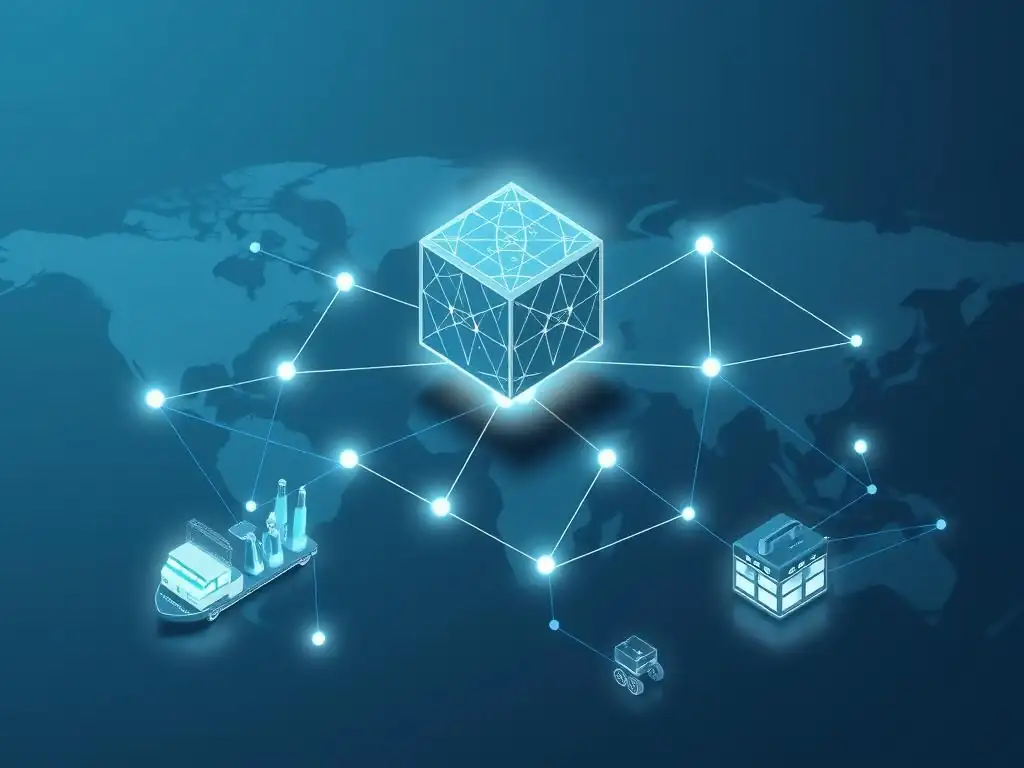
Choosing the Right Blockchain Platform for Your Supply Chain Needs
Selecting the appropriate blockchain platform is a critical first step for enterprises looking to implement Blockchain supply chain enterprise solutions. Several platforms exist, each with different characteristics regarding consensus mechanisms, privacy features, scalability, and governance models. Public blockchains (like Ethereum or Bitcoin) offer high decentralization and transparency but may struggle with transaction throughput and data privacy requirements for sensitive business information.
For enterprise supply chains, private or consortium blockchains (like Hyperledger Fabric, R3 Corda, or Quorum) are often more suitable. These platforms allow for permissioned access, meaning only authorized participants can join the network and view specific data, addressing privacy concerns. They also typically offer higher transaction speeds and lower costs compared to public chains. The choice depends on factors like the number of participants, required transaction volume, data privacy needs, regulatory compliance, and the level of decentralization desired among partners. Thorough evaluation and potentially pilot testing on different platforms are essential.
Integrating Blockchain with Existing Enterprise Systems (ERP, CRM)
Implementing a blockchain solution in a large enterprise environment necessitates seamless integration with existing legacy systems, such as Enterprise Resource Planning (ERP), Customer Relationship Management (CRM), Warehouse Management Systems (WMS), and transportation management systems (TMS). Blockchain is not typically a standalone replacement for these systems but rather an overlay or complementary technology that provides a shared, immutable layer for specific data and transactions relevant to the supply chain network.
Integration requires robust Application Programming Interfaces (APIs) and middleware to ensure data flows accurately and efficiently between the blockchain ledger and the enterprise's internal systems. Data from ERP systems (e.g., purchase orders, inventory levels) might trigger transactions on the blockchain, while data recorded on the blockchain (e.g., shipment status, proof of delivery) might update records in the CRM or WMS. This integration complexity is significant and often requires careful planning, development expertise, and potentially the use of integration platforms to bridge the gap between traditional databases and the distributed ledger.
Data Privacy and Security Considerations in Blockchain Implementations
While blockchain offers inherent security features like immutability and cryptography, implementing Blockchain supply chain enterprise solutions also introduces unique data privacy and security considerations. For instance, public blockchains are transparent, meaning transaction details are visible to everyone, which is often unacceptable for proprietary business data. Private or consortium blockchains address this with permissioned access, but careful design is still needed to determine which data is shared and with whom.
Specific mechanisms like private data channels (as in Hyperledger Fabric) or zero-knowledge proofs can be employed to share transaction details without revealing sensitive information to all network participants. Furthermore, the data stored on the blockchain should be carefully considered; often, it's better to store hashes of large documents or sensitive data on the chain while keeping the actual data off-chain in secure storage, with access controlled via the blockchain.
Compliance with data protection regulations like GDPR must also be ensured, particularly concerning the "right to be forgotten," which clashes with blockchain's immutability; solutions might involve storing references to data that can be updated or deleted off-chain.
Scalability and Performance Challenges of Blockchain Supply Chain Solutions
Scalability remains a significant challenge for many blockchain platforms, particularly public ones, which can process a limited number of transactions per second compared to traditional centralized databases (e.g., Bitcoin handles about 7 transactions per second, Ethereum around 15-30, while Visa processes thousands). Enterprise supply chains, especially those handling high volumes of goods or requiring rapid updates, demand high transaction throughput and low latency.
While private and consortium blockchains generally offer much higher performance (potentially thousands of transactions per second), they still face scalability limitations as the number of participants and transaction volume grow. The consensus mechanism chosen significantly impacts performance. Developers of Blockchain supply chain enterprise solutions must carefully evaluate the platform's ability to handle the required transaction load. Ongoing research and development into scaling solutions, such as sharding, layer-2 protocols, and more efficient consensus algorithms, are crucial for enabling widespread adoption in high-volume enterprise environments.
Overcoming Barriers to Blockchain Adoption in Enterprise Supply Chains
Regulatory and Compliance Issues in Blockchain-Based Supply Chains
Implementing Blockchain supply chain enterprise solutions involves navigating a complex and evolving regulatory landscape. Different jurisdictions have varying laws regarding data privacy, digital signatures, electronic records, and the legal status of smart contracts. For global supply chains, ensuring compliance across multiple countries with potentially conflicting regulations is a significant hurdle.
For example, regulations like the U.S. DSCSA mandate specific electronic data exchange standards, and fitting a blockchain solution within these existing frameworks requires careful consideration. Furthermore, the immutability of blockchain can clash with regulations granting individuals the right to request deletion of their data (e.g., GDPR). Addressing these issues requires legal expertise, careful system design (e.g., storing sensitive personal data off-chain), and potentially engaging with regulators to help shape future policies that accommodate blockchain technology.
Building Trust and Collaboration Among Supply Chain Stakeholders
A fundamental aspect of successful blockchain deployment in supply chains is fostering trust and collaboration among disparate stakeholders who may have previously operated in silos or even viewed each other as competitors. A blockchain network functions best when participants agree on the rules, data standards, and governance model. Without this collective buy-in, the network cannot achieve critical mass or unlock its full potential.
Establishing a clear governance framework is crucial. This includes defining membership criteria, roles and permissions, rules for adding data, handling disputes, and updating the network protocol. Building trust requires transparent communication, demonstrating the benefits to all parties, and ensuring that the solution addresses the needs and concerns of each participant, from small suppliers to large retailers. This often involves pilots with a limited set of trusted partners before expanding the network.
Addressing the Skills Gap and Training Requirements for Blockchain Implementation
The successful implementation and management of Blockchain supply chain enterprise solutions require specialized skills that are currently in high demand but short supply. Expertise is needed in blockchain protocol development, smart contract programming, distributed system architecture, cryptography, and integrating blockchain with existing enterprise systems. Finding and retaining talent with these skills is a significant challenge for many companies.
Furthermore, widespread adoption requires training existing staff across the supply chain ecosystem—from IT departments and logistics managers to partner companies—on how to interact with the new blockchain-based systems, understand the data, and leverage the new capabilities. Companies must invest in training programs or partner with external experts to bridge this skills gap and ensure that the technology is not only implemented correctly but also effectively utilized by all participants in the supply chain network.
The Future of Blockchain in Enterprise Supply Chains: Trends and Predictions
The Rise of Interoperable Blockchain Networks for Supply Chain Management
Currently, many blockchain initiatives in supply chain operate in isolated networks or platforms. However, real-world supply chains are interconnected, involving participants who may be part of multiple different blockchain networks or still rely on legacy systems. The future of Blockchain supply chain enterprise solutions will likely involve increasing interoperability between different blockchain platforms and traditional systems.
Developing standards and protocols that allow different blockchains to communicate and share data securely will be essential. This could involve cross-chain bridges, atomic swaps, or standardized APIs. Achieving interoperability will enable more seamless end-to-end tracking across complex, multi-network supply chains, allowing businesses to leverage the benefits of blockchain even when their partners are on different platforms or haven't fully migrated their data. This trend is crucial for scaling blockchain adoption beyond single-consortium or single-platform solutions.
The Impact of IoT and AI on Blockchain-Enabled Supply Chains
The convergence of blockchain with other emerging technologies like the Internet of Things (IoT) and Artificial Intelligence (AI) is set to further transform supply chain management. IoT devices, such as sensors tracking temperature, humidity, or location, can automatically record real-time data directly onto the blockchain ledger. This provides highly accurate, tamper-proof data about the condition and location of goods as they move through the chain, enhancing the reliability of the blockchain record.
AI can then analyze this rich, reliable data stream from IoT sensors recorded on the blockchain. AI algorithms can identify patterns, predict potential disruptions (e.g., temperature excursions that might spoil goods), optimize routes, forecast demand more accurately based on real-time supply chain data, and even detect fraudulent activities by analyzing transaction anomalies on the ledger. The combination of IoT for data collection, blockchain for secure and transparent data recording, and AI for data analysis creates a powerful synergy for building intelligent, highly efficient, and resilient supply chains.
Blockchain as a Catalyst for Sustainable and Ethical Supply Chains
Increasing consumer and regulatory demand for sustainability and ethical sourcing is driving businesses to seek more transparent supply chain practices. Blockchain supply chain enterprise solutions are uniquely positioned to act as a catalyst for achieving these goals. By providing an immutable record of a product's journey and the conditions under which it was produced and transported, blockchain can verify claims related to sustainability and ethics.
Businesses can record data points such as carbon emissions at each stage of transport, energy consumption in manufacturing, fair labor practices certifications, or verification of responsible sourcing of raw materials directly on the blockchain. This creates a verifiable audit trail that can be shared with consumers and regulators, proving compliance with sustainability standards or ethical guidelines. This transparency helps combat greenwashing and provides consumers with the information they need to make informed choices, fostering trust and encouraging more responsible practices throughout the supply chain.
Conclusion: Embracing Blockchain for a More Efficient and Transparent Future in Enterprise Supply Chains
The Long-Term Value of Blockchain Supply Chain Enterprise Solutions
The adoption of Blockchain supply chain enterprise solutions represents a significant evolution from traditional, fragmented systems. The long-term value lies in creating a foundation of trust and transparency across complex networks of trading partners. By providing an immutable, shared ledger, blockchain eliminates data silos, reduces reliance on intermediaries for verification, and significantly enhances visibility and traceability from the origin of raw materials to the delivery of the final product.
This leads to tangible benefits including reduced operational costs through automation, improved efficiency by streamlining processes, mitigated risks associated with counterfeiting and fraud, and faster, more accurate responses to disruptions or quality issues. Ultimately, blockchain enables businesses to build more resilient, reliable, and responsive supply chains that can adapt quickly to changing market conditions and consumer demands while fostering stronger, more collaborative relationships with partners.
Preparing Your Business for the Blockchain Revolution in Supply Chain Management
Embracing the potential of blockchain requires strategic planning and investment. Businesses should start by identifying specific pain points in their current supply chain that blockchain is best suited to address, such as traceability for high-value goods, combating counterfeiting, or improving payment processes. Education is key; stakeholders across the organization need to understand the capabilities and limitations of blockchain technology.
Piloting a Blockchain supply chain enterprise solution with a limited set of partners and use cases is often a prudent approach to gain experience and demonstrate value before scaling. This involves selecting the right platform, addressing integration challenges with existing systems, and establishing clear governance rules with participating partners. While the path to widespread adoption has challenges, early movers who strategically leverage blockchain are positioning themselves for a more efficient, transparent, and competitive future in enterprise supply chain management.
Frequently Asked Questions
How can blockchain improve supply chain visibility for enterprises?
Blockchain provides an immutable and transparent ledger, allowing all participants to track goods in real-time. This enhanced visibility reduces fraud and improves efficiency.
What are some examples of Blockchain supply chain enterprise solutions currently being used?
Examples include tracking pharmaceuticals, verifying the origin of food products, and managing asset tracking across complex global supply chains. These improve traceability and accountability.
What role does decentralization play in enhancing supply chain security with blockchain?
Decentralization eliminates a single point of failure, making the system more resistant to hacking and data manipulation. This enhanced security protects sensitive supply chain data.
How does blockchain help with regulatory compliance in supply chains?
The immutability and transparency of blockchain data simplify audits and ensure compliance with regulations. It creates a verifiable record of all transactions.
What are the key challenges to implementing Blockchain supply chain enterprise solutions?
Challenges include the lack of standardization, the need for interoperability between different systems, and the initial investment required to deploy the technology.
Final Reflection: Embracing Transparency and Trust
The journey from speculative cryptocurrency to practical blockchain applications in enterprise supply chains highlights a profound shift. The true power of blockchain lies not in digital currencies, but in its ability to revolutionize how businesses operate, fostering unprecedented transparency and trust across complex networks. This is no longer a futuristic concept; it's a present-day reality reshaping industries and redefining the very nature of commerce.
The impact of blockchain on supply chains is already being felt, streamlining processes, reducing fraud, and ultimately, building stronger, more resilient global economies. Witnessing this evolution firsthand underscores the critical importance of embracing innovation and adapting to the changing landscape. The future of supply chain isn't about predicting disruptions, it's about building systems that can adapt and overcome them.
This quote perfectly encapsulates the proactive approach that blockchain enables, moving us from reactive problem-solving to preventative resilience.
As we stand at the cusp of this technological revolution, I invite you to consider the implications of blockchain for your own endeavors. How can you leverage its transformative power to build more transparent, efficient, and trustworthy systems? The future belongs to those who embrace innovation and dare to reimagine the possibilities. Let us collectively strive to build a world where trust is not just an aspiration, but a fundamental building block of our interconnected global economy.
Unlock the Future: Revolutionize Your Supply Chain Today!
Thank you for exploring the exciting potential of blockchain technology in transforming enterprise supply chains. We hope this article has highlighted how blockchain can go beyond cryptocurrency to create more transparent, efficient, and resilient supply networks. Now, it’s time to turn insights into action!
Here are some steps you can take to get started:
- Identify a specific challenge in your supply chain that blockchain could help solve. Consider issues related to transparency, traceability, or operational efficiency.
- Download our comprehensive whitepaper on successful blockchain implementations in supply chain management. Discover valuable insights and best practices to inform your strategy.
- Share this article with your colleagues and spark a discussion. Together, we can build a more resilient and transparent supply chain ecosystem.
What is the biggest challenge your supply chain currently faces, and how do you think blockchain might provide a solution? Share your thoughts in the comments below!
Leave a Reply