
Trust Wallet Unveiled: Is This Mobile Wallet the King of Simplicity and Security?

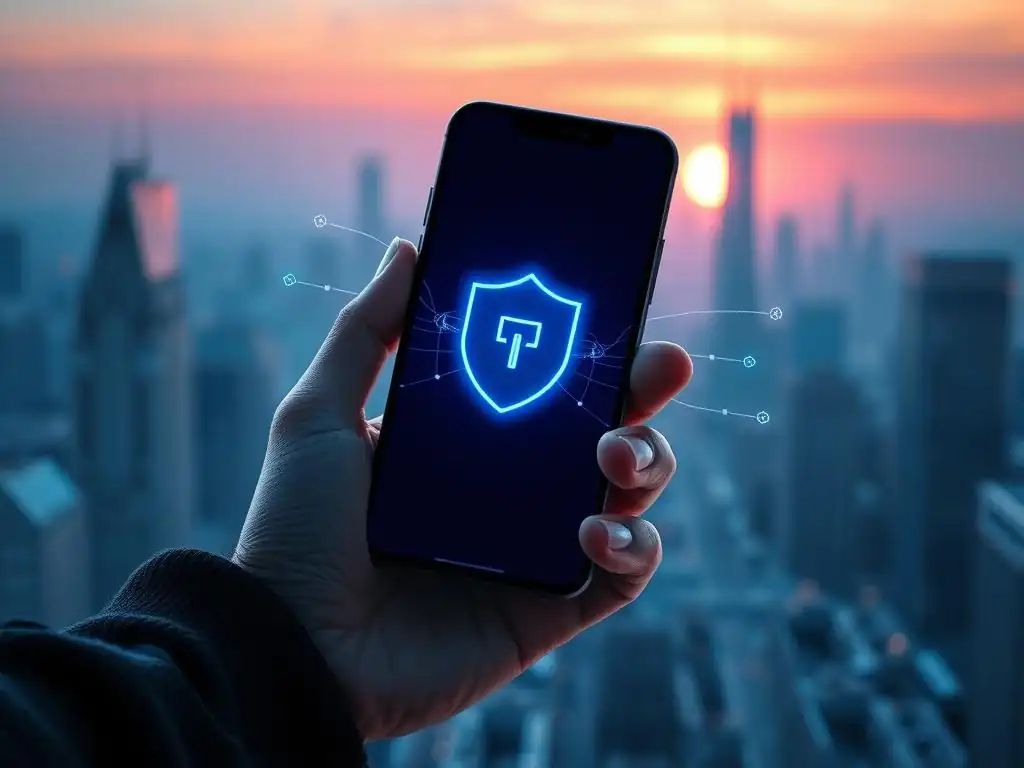
Welcome to Blockchain Trends, your compass in the ever-evolving world of decentralized technology. Beyond the hype, blockchain is reshaping industries, and we're here to guide you through it all.
Intrigued by the promise of secure crypto storage? Today, we delve into the heart of mobile wallet security with an in-depth look at Trust Wallet security features. But is simplicity truly compatible with robust protection? Join us as we unravel the layers and reveal whether this popular wallet lives up to its name, leaving you with the knowledge to navigate the crypto landscape with confidence. Let's explore!
-
Trust Wallet Unveiled: The King of Simplicity and Security in Mobile Crypto Wallets
- Understanding Trust Wallet: A Brief Overview
- Trust Wallet Security Features: A Detailed Examination
- Comparing Trust Wallet to Other Mobile Wallets
- The Importance of User-Friendly Design in Crypto Wallets
- Real-World Applications of Trust Wallet Security Features
- Recommendations for Maximizing Security in Trust Wallet
- Conclusion: Is Trust Wallet the Ultimate Mobile Wallet?
-
Frequently Asked Questions
- What are the key Trust Wallet security features that protect user funds?
- How does Trust Wallet ensure user privacy while using the application?
- Can Trust Wallet be used for more than just storing cryptocurrencies, and if so, what other blockchain applications does it support?
- What are the potential risks associated with using mobile cryptocurrency wallets like Trust Wallet, and how can users mitigate these risks?
- How does the simplicity of Trust Wallet impact its security and accessibility for new cryptocurrency users?
- Final Reflection: Navigating the Future of Digital Trust
- Ignite Your Crypto Journey: Start Securely Managing Your Assets!
Trust Wallet Unveiled: The King of Simplicity and Security in Mobile Crypto Wallets
Understanding Trust Wallet: A Brief Overview
Trust Wallet emerged as a prominent mobile cryptocurrency wallet designed to provide users with a simple and secure way to manage a wide array of digital assets. Launched in 2017 and acquired by Binance in 2018, it quickly positioned itself as a leading non-custodial wallet solution.
This means users retain full control over their private keys, a fundamental principle of cryptocurrency ownership and a key aspect of Trust Wallet security. The wallet supports a vast number of cryptocurrencies and tokens across numerous blockchain networks, including Bitcoin, Ethereum, BNB Chain, Solana, and many others, making it a versatile tool for crypto enthusiasts and investors.
The rise of Trust Wallet in the crypto wallet landscape can be attributed to its combination of broad asset support, user-friendly design, and robust Trust Wallet security features. Its integration with the Binance ecosystem initially boosted its visibility, but its non-custodial nature and commitment to security have been crucial for sustained growth.
With millions of active users globally, Trust Wallet has become a go-to mobile wallet for interacting with decentralized applications (DApps), participating in DeFi protocols, and simply storing digital wealth. Its accessibility on both iOS and Android platforms further contributes to its widespread adoption, solidifying its position as a major player in the mobile crypto wallet space.
Trust Wallet Security Features: A Detailed Examination
Trust Wallet prioritizes user safety through several layers of protection, focusing heavily on user control and data isolation. The core tenet of Trust Wallet security features is that users, not the platform, hold the keys to their funds. This non-custodial approach is a significant differentiator compared to custodial solutions offered by many centralized exchanges. The wallet implements industry-standard cryptographic techniques to safeguard private keys and transactions, ensuring that sensitive information remains protected on the user's device.
A key element of the security features of Trust Wallet is its commitment to keeping private keys on the user's device, encrypted. When you create a wallet, a unique set of private and public keys is generated locally. The private key, which is the ultimate proof of ownership and required to authorize transactions, is encrypted and never leaves your device.
Trust Wallet does not store a copy of your private key on its servers, nor does it have the ability to access your funds. This architecture significantly reduces the risk of large-scale hacks affecting user funds, as an attacker would need to compromise individual devices rather than a central database.
- End-to-End Encryption: While not end-to-end encryption in the traditional communication sense, Trust Wallet uses encryption to protect the private keys stored on the user's device. The wallet data, including encrypted keys, is stored locally. Access requires device-level security and the wallet's own security measures. The communication with blockchain nodes is secured via standard network protocols (like HTTPS), but the critical encryption happens on the device to protect the private key itself.
- User-Controlled Private Keys: This is perhaps the most critical of the Trust Wallet security features. When a wallet is created, a 12-word recovery phrase (or seed phrase) is generated. This phrase is a human-readable representation of your private key. Trust Wallet requires the user to write this down and store it safely offline. The wallet itself does not store this phrase online. This decentralized control means that while Trust Wallet facilitates interaction with blockchains, the user retains sovereign ownership. Losing this phrase means losing access to funds; sharing it means giving others full control. This places the responsibility squarely on the user, highlighting the importance of secure storage of the recovery phrase.
- Biometric Authentication: To prevent unauthorized access to the wallet interface on the device, Trust Wallet integrates with the device's native biometric security features, such as fingerprint scanning (Touch ID) or face recognition (Face ID). Users can enable this option, requiring biometric verification or a passcode each time the app is opened or before sensitive actions like sending funds. While this doesn't protect the private key directly (which is encrypted), it adds a crucial layer of security against someone physically accessing and attempting to use the unlocked device. This feature significantly enhances the day-to-day Trust Wallet security.
- Backup and Recovery Options: The 12-word recovery phrase serves as the primary backup mechanism. If a user loses their device or deletes the app, they can restore their wallet and access their funds on a new device using this phrase. Trust Wallet provides clear instructions on how to back up this phrase during wallet creation and emphasizes its importance. There are no centralized recovery options; the phrase is the only way to restore access. This underscores the non-custodial nature and reinforces the user's responsibility for safeguarding their recovery phrase to maintain the Trust Wallet security of their assets.
Comparing Trust Wallet to Other Mobile Wallets
Comparing mobile crypto wallets often boils down to a trade-off between ease of use, supported assets, and the specific Trust Wallet security features offered versus alternatives. While many wallets offer similar core functionalities, their implementation of security and user experience can differ significantly. Examining how Trust Wallet stacks up against popular competitors provides valuable context.
- Trust Wallet vs. Coinbase Wallet: Coinbase Wallet is another widely used non-custodial mobile wallet, distinct from Coinbase's custodial exchange wallet. Both offer broad asset support and DApp browsing capabilities. In terms of Trust Wallet security features compared to Coinbase Wallet, both rely on the user controlling private keys via a recovery phrase stored on the device. Coinbase Wallet also offers similar local encryption and biometric security options. The primary differences often lie in the range of supported networks (Trust Wallet generally supports more chains out-of-the-box), specific DApp browser integrations, and user interface preferences. Security architecture at the core non-custodial level is quite similar, emphasizing user responsibility for the seed phrase.
- Trust Wallet vs. MetaMask: MetaMask is perhaps the most ubiquitous wallet for interacting with the Ethereum ecosystem and EVM-compatible chains, available as a browser extension and mobile app. While MetaMask is excellent for DApp interaction, some users find Trust Wallet's interface slightly simpler for basic sending/receiving and viewing a wide variety of non-EVM assets. Regarding Trust Wallet security features versus MetaMask's, both are non-custodial and rely on seed phrases. MetaMask also offers hardware wallet compatibility (via browser extension primarily, less so on mobile directly for signing), which is an advanced security option not natively integrated into the Trust Wallet mobile app for transaction signing. However, for pure mobile-based security of the private key itself, their core non-custodial models are comparable, focusing on local storage and encryption.
- Trust Wallet vs. Exodus Wallet: Exodus is known for its visually appealing desktop and mobile interfaces, supporting a wide range of assets. Like Trust Wallet, Exodus is non-custodial and provides a 12-word recovery phrase. Exodus also offers integration with hardware wallets like Trezor and Ledger for enhanced security of larger holdings, a feature Trust Wallet mobile lacks for direct transaction signing (though you can send to a hardware wallet address). While both offer local encryption and password/biometric protection, Exodus often bundles other features like portfolio tracking and built-in exchange services more prominently. The core Trust Wallet security features focused on private key control and local encryption are mirrored in Exodus, with Exodus adding hardware wallet support as a key differentiator for maximum security.
The Importance of User-Friendly Design in Crypto Wallets
The design of a cryptocurrency wallet plays a critical role not only in user adoption but also, indirectly, in security. A complex or confusing interface can lead to user errors, such as sending funds to the wrong address, falling for phishing scams displayed poorly, or mishandling recovery phrases. Simplicity is paramount for mass adoption, making crypto accessible to individuals who are not blockchain experts. An intuitive design lowers the barrier to entry, encouraging more people to participate in the decentralized economy.
Trust Wallet has largely succeeded in creating an intuitive interface. The process of setting up a wallet, sending and receiving funds, and viewing transaction history is streamlined. The DApp browser is integrated cleanly, allowing users to connect to decentralized applications with relative ease. This focus on usability is a significant factor in its popularity. For example, sending assets typically involves just a few taps: selecting the asset, entering the recipient address (often with QR code scanning), and specifying the amount. This simplicity minimizes potential points of confusion and error for everyday transactions.
The challenge lies in finding the right balance between simplicity and robust Trust Wallet security features. Over-simplification could potentially hide important security details or warnings from the user. Trust Wallet attempts this balance by making core functions easy while still requiring explicit user actions for security-critical steps, such as confirming transaction details, approving DApp connections, and, most importantly, backing up and confirming the recovery phrase.
While the interface is simple, the underlying security architecture is complex and relies heavily on the user understanding the importance of the recovery phrase and device security. Trust Wallet generally strikes a good balance, making basic usage easy while still implementing essential security protocols that are visible and require user interaction.
Real-World Applications of Trust Wallet Security Features

While specific, publicly verified instances of Trust Wallet security features preventing hacks for individual users are difficult to track due to privacy, the design principles behind Trust Wallet security are directly applicable to mitigating common threats in the crypto space. For example, during periods of exchange hacks or centralized platform failures, users holding assets in non-custodial wallets like Trust Wallet, where they control the private keys, are inherently safer from such events.
If a major exchange holding user funds is compromised, those funds on the exchange are at risk. Assets held in a Trust Wallet, separate from the exchange, remain under the user's control and are unaffected by the exchange's security breach.
Consider the types of threats Trust Wallet's architecture is designed to counter. Phishing attacks often aim to trick users into revealing their private keys or recovery phrases. Trust Wallet's design, which emphasizes that the phrase never needs to be entered anywhere except during initial setup or recovery on a trusted device, helps users identify potential scams.
If a website or application asks for the recovery phrase, a user familiar with Trust Wallet security features knows this is a major red flag. Similarly, the local encryption of private keys protects against malware attempting to scan a device for easily accessible wallet files – the keys are encrypted and require the user's password or biometric unlock to access, adding significant hurdles for attackers.
Trust Wallet plays a crucial role in decentralized finance (DeFi) and allows connections to various DApps. The Trust Wallet security features are paramount in this environment. When interacting with a DeFi protocol, users connect their wallet, granting the DApp permission to propose transactions (like swapping tokens or providing liquidity).
The security of this interaction relies on the wallet accurately displaying the transaction details for user confirmation and ensuring the private key used for signing remains secure. Trust Wallet's clear transaction summaries and secure signing process, protected by local encryption and potentially biometrics, help users verify they are approving the intended action and that their private key is not exposed to the DApp itself. While the security of the DApp protocol is separate, Trust Wallet provides a secure interface for interaction, a vital component for safe DeFi participation.
Recommendations for Maximizing Security in Trust Wallet
While Trust Wallet offers robust Trust Wallet security features, the ultimate security of your digital assets depends heavily on user behavior. Adhering to best practices is essential to minimize risk. The most critical step is the secure handling of your 12-word recovery phrase. Write it down on paper, make multiple copies, and store them in separate, secure physical locations (e.g., a home safe, a safety deposit box). Never store it digitally (in photos, cloud storage, emails, or notes apps) and never share it with anyone. Trust Wallet will never ask for your recovery phrase.
To further enhance Trust Wallet security, enable all available security layers within the app and on your device.
- Best practices for securing your Trust Wallet:
- Write down your recovery phrase and store it offline in multiple secure locations.
- Enable Passcode and Biometric Authentication (Fingerprint/Face ID) within the Trust Wallet app settings.
- Be cautious of phishing attempts; never enter your recovery phrase or private key anywhere online or share it with anyone.
- Only download Trust Wallet from the official App Store or Google Play Store.
- Keep your mobile device's operating system updated to patch security vulnerabilities.
- Use a strong, unique password for your device.
- Be extremely cautious when connecting your wallet to new or unverified DApps. Always double-check the URL.
- Review transaction details carefully before confirming, especially the recipient address and the amount.
- Recommended security tools to enhance Trust Wallet protection: While Trust Wallet is a mobile-first software wallet and doesn't directly integrate with hardware wallets for signing on the mobile app, you can enhance overall security by segregating funds. For large amounts of crypto intended for long-term holding, consider storing them on a hardware wallet (like Ledger or Trezor) and using your Trust Wallet for smaller amounts or active DApp interaction. Ensure your mobile device itself is secure by using reputable antivirus/anti-malware software (though their effectiveness against crypto-specific threats on mobile can be limited, general device hygiene is important) and avoiding public Wi-Fi for sensitive transactions.
- When to use Trust Wallet for different types of transactions: Trust Wallet is ideal for managing a diverse portfolio of altcoins, interacting with DApps across various blockchains, and performing frequent, smaller transactions. Its ease of use makes it convenient for daily crypto activity. For storing significant amounts of value, while Trust Wallet's non-custodial Trust Wallet security features are strong, the added layer of security provided by a hardware wallet, where the private key is isolated from any internet-connected device, is often recommended by security experts for cold storage. Use Trust Wallet for what it's best at: convenient, secure mobile access and DApp interaction.
Conclusion: Is Trust Wallet the Ultimate Mobile Wallet?
Trust Wallet stands out in the crowded mobile crypto wallet market due to its exceptional balance of broad asset support, user-friendly design, and robust Trust Wallet security features. By adhering to the core principle of non-custodial ownership, it empowers users with full control over their private keys, a critical factor for security in the decentralized world. The implementation of local encryption, biometric authentication, and reliance on the user's secure handling of the recovery phrase provides strong defenses against many common threats, from centralized exchange hacks to phishing attempts targeting private keys.
While no wallet can offer absolute security (as much depends on user behavior and the security of the underlying device and network), Trust Wallet provides a highly secure foundation for managing digital assets on the go. Its intuitive interface makes it accessible to newcomers, while its extensive DApp support caters to experienced users engaging with DeFi and other decentralized applications.
For users prioritizing control, versatility across numerous blockchains, and a strong set of Trust Wallet security features within a mobile application, Trust Wallet is undoubtedly a top contender. It is particularly well-suited for individuals who want easy access to a wide range of cryptocurrencies and DApps without the complexities or custodial risks associated with centralized platforms, provided they diligently follow best practices for securing their recovery phrase and device.
Frequently Asked Questions
What are the key Trust Wallet security features that protect user funds?
Trust Wallet employs several features including private key encryption, biometric authentication, and open-source code auditing to ensure user assets are secure. These measures help prevent unauthorized access and safeguard against potential vulnerabilities.
How does Trust Wallet ensure user privacy while using the application?
Trust Wallet is a non-custodial wallet, meaning users retain full control of their private keys. It doesn't collect personal data, ensuring transactions remain private and untraceable to the wallet provider.
Can Trust Wallet be used for more than just storing cryptocurrencies, and if so, what other blockchain applications does it support?
Yes, Trust Wallet supports a wide range of blockchain applications beyond simple cryptocurrency storage. It integrates with Decentralized Finance (DeFi) platforms and allows interaction with various Decentralized Applications (dApps).
What are the potential risks associated with using mobile cryptocurrency wallets like Trust Wallet, and how can users mitigate these risks?
Mobile wallets, including Trust Wallet, are susceptible to device compromise and phishing attacks. Users should enable two-factor authentication, keep their software updated, and be wary of suspicious links to mitigate these risks.
How does the simplicity of Trust Wallet impact its security and accessibility for new cryptocurrency users?
Trust Wallet's intuitive interface makes it accessible to beginners, but simplicity shouldn't compromise security. The wallet emphasizes user-friendly security settings and clear instructions to ensure even new users can protect their assets effectively.
The exploration of Trust Wallet's security features underscores a crucial point in today's digital landscape: the responsibility of securing our digital assets rests increasingly on our own shoulders. As cryptocurrency adoption continues to surge, understanding the intricacies of wallet security is no longer optional, but a fundamental requirement for participation in this evolving financial ecosystem.
The ongoing influence of Trust Wallet, and wallets like it, highlights a shift towards user empowerment and self-custody. This trend, while liberating, demands a heightened awareness of potential vulnerabilities and a commitment to best security practices. The future of decentralized finance hinges on our ability to navigate these complexities with informed diligence. Security is not a product, but a process.
- Bruce Schneier
As you navigate the world of cryptocurrency, remember that knowledge is your strongest defense. Take the time to understand the security features of your chosen wallet, implement robust security measures, and stay informed about emerging threats. The power to protect your digital wealth lies within your grasp. Embrace it, learn from it, and build a future where digital trust is not just a concept, but a reality.
Ignite Your Crypto Journey: Start Securely Managing Your Assets!
Thanks for delving into the world of Trust Wallet with us! We hope you found insightful information about its security and simplicity, giving you a better understanding of how to manage your crypto assets on the go. Now, let's put that knowledge into action:
- Download Trust Wallet today and explore its intuitive interface firsthand! Experience its ease of use and robust security features.
- Share this article with your crypto-curious friends who are looking for a beginner-friendly mobile wallet. Help them navigate the exciting world of blockchain!
- Join our Blockchain Trends community forum and share your first impressions of Trust Wallet or ask any burning questions.
Ready to take control of your crypto and experience the freedom of mobile asset management?
Leave a Reply