
Social Impact DAOs vs. NGOs: A Deep Dive into Efficiency and Comparative Impact

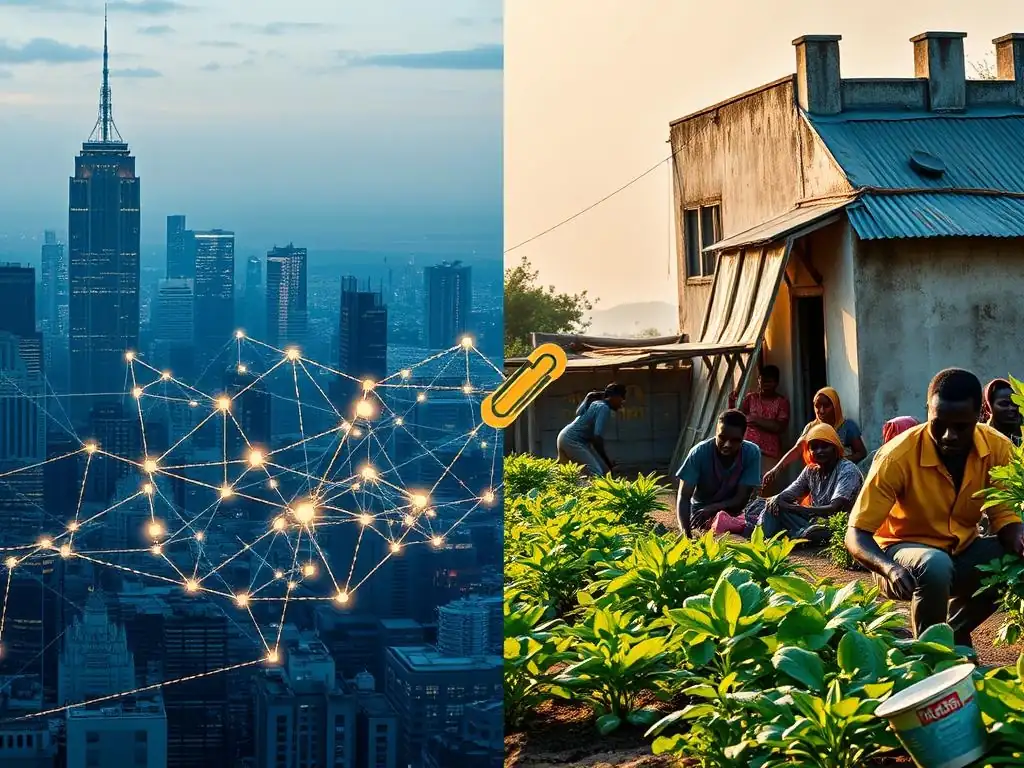
Welcome to Blockchain Trends, your guide to the revolutionary world beyond Bitcoin! Intrigued by how blockchain is reshaping more than just finance? We delve into its transformative potential across various sectors, from decentralized finance (DeFi) to enterprise applications.
Today, we're exploring a fascinating intersection of technology and social good. Can a Blockchain social impact DAO NGO revolutionize how charities operate? Prepare for a deep dive into the efficiency and comparative impact of Social Impact DAOs versus traditional NGOs, and discover how this technology is empowering a new era of social change. What if the future of charitable giving was transparent, immutable, and truly decentralized? Let's explore!
- Blockchain Social Impact DAOs vs. Charities: Efficiency and Impact Analysis
- Introducing Social Impact DAOs: A New Paradigm
- Charities: The Traditional Approach to Social Impact
-
Social Impact DAOs vs. Charities: A Comparative Analysis
- Decentralization and Governance: DAO vs. Charity
- Transparency and Accountability: Blockchain's Advantage
- Efficiency and Cost-Effectiveness: Comparing Resource Allocation
- Community Engagement and Participation: DAO-Driven vs. Traditional Approaches
- Scalability and Global Reach: Assessing the Potential of Each Model
- Impact Measurement and Evaluation: DAOs and Charities
- Case Studies: Real-World Examples of Social Impact DAOs and Charities
- Overcoming Challenges and Maximizing the Potential of Social Impact DAOs
- The Future of Social Impact: Integrating DAOs and Charities
- Conclusion: Blockchain Social Impact DAOs and Charities - Shaping a Better Future
-
Frequently Asked Questions
- What are the key differences between Social Impact DAOs and traditional NGOs?
- How can blockchain technology, specifically DAOs, enhance the efficiency of social impact initiatives?
- What are some potential challenges in implementing Social Impact DAOs, particularly in developing countries?
- How do Social Impact DAOs ensure accountability and transparency in their operations compared to NGOs?
- What is the role of regulation in the future development and adoption of Social Impact DAOs, and how might it impact NGOs?
- Final Reflection: Embracing Decentralized Social Good
- Ignite Change: Join the Social Impact Revolution!
The landscape of social impact initiatives is undergoing a significant transformation, driven in part by the emergence of decentralized technologies. Historically, addressing global challenges like poverty, inequality, and environmental degradation has primarily fallen to traditional non-governmental organizations (NGOs) and charities. These entities operate within established legal and operational frameworks, often relying on centralized governance structures and traditional fundraising methods.
However, the inherent limitations of these models—such as high overhead costs, transparency deficits, and challenges in global coordination—have paved the way for exploring alternative approaches. The rise of blockchain technology, initially known for cryptocurrencies, has introduced the concept of decentralized autonomous organizations (DAOs), presenting a compelling new paradigm for organizing collective action towards social good.
This shift towards decentralization in the social sector reflects a growing demand for more transparent, efficient, and community-driven approaches. Traditional aid distribution, for instance, can suffer from significant leakage, with estimates suggesting that sometimes less than 50% of donated funds reach the intended beneficiaries due to administrative costs, corruption, or inefficient logistics.
Blockchain social impact DAO initiatives aim to mitigate these issues by leveraging distributed ledgers to ensure greater accountability and directness in resource allocation. The potential for these technologies to disrupt traditional models is substantial, offering a glimpse into a future where social impact efforts are more globally connected, resistant to censorship, and directly controlled by stakeholders.
Exploring the Potential of Blockchain for Societal Change
Blockchain technology offers several features that hold immense potential for driving positive societal change. Its core principles of immutability, transparency, and decentralization can address some of the most persistent challenges faced by social impact organizations. For instance, tracking the flow of donations from donor to beneficiary can be made entirely transparent on a public or permissioned blockchain, allowing anyone to verify that funds are being used as intended. This level of accountability can significantly rebuild trust, which is often eroded by scandals or perceived inefficiencies in traditional charitable operations.
Beyond financial transparency, blockchain can facilitate secure and verifiable identity management for vulnerable populations, enabling access to services or aid without traditional documentation. Supply chains for aid or essential goods can be tracked on a blockchain to prevent diversion or ensure ethical sourcing.
Furthermore, tokenization can create new funding mechanisms, allowing for fractional ownership of social projects or enabling micro-donations that were previously impractical. A Blockchain social impact DAO NGO could potentially integrate these features to create a more robust and verifiable system for delivering aid and managing projects, moving beyond the limitations of current systems and fostering greater participation from global communities.
Social Impact DAOs represent a specialized application of the DAO model, specifically designed to address social and environmental challenges. At their core, they are organizations governed by rules encoded as smart contracts on a blockchain, rather than by a central authority or board of directors.
Decisions within a Social Impact DAO are typically made through proposals and voting mechanisms, where token holders (often stakeholders or contributors) have a say in the organization's direction, funding allocation, and project execution. This decentralized governance structure aims to distribute power and ownership among a wider community, fostering inclusivity and resilience against single points of failure or corruption.
Unlike for-profit DAOs focused on investment or product development, Social Impact DAOs prioritize measurable positive outcomes for society or the environment. Their mission is explicitly aligned with addressing specific global issues, such as climate change, poverty alleviation, education, or healthcare access.
The operational rules embedded in the smart contracts ensure that funds are disbursed automatically upon meeting predefined conditions (e.g., project milestones verified by oracles or community consensus), reducing the need for intermediaries and minimizing administrative overhead. This focus on automated, transparent execution distinguishes them significantly from the hierarchical and often bureaucracy-laden structures of traditional non-profits, positioning the Blockchain social impact DAO as a potentially more agile and trustworthy entity for social good.
Social Impact DAOs possess several distinguishing features that stem from their blockchain-native nature. A primary characteristic is transparent and immutable record-keeping; all transactions, proposals, and voting outcomes are recorded on the blockchain, accessible for public verification. This contrasts sharply with the often opaque financial reporting of traditional organizations, where detailed expenditure breakdowns might not be readily available or easily audited by the public. Another key feature is permissionless or permissioned participation, depending on the DAO's design, allowing individuals from anywhere in the world to contribute, propose projects, or vote, breaking down geographical barriers inherent in traditional organizational structures.
Governance in Social Impact DAOs is programmatically enforced through smart contracts. This means that the rules for decision-making are transparent and automatically executed, reducing reliance on human discretion which can be prone to bias or error. Funding mechanisms are also often innovative, utilizing cryptocurrencies or stablecoins for donations and disbursements, which can lower transaction fees, especially for international transfers, compared to traditional banking systems.
For example, sending $100 internationally via traditional methods can incur fees ranging from 5% to 10% or more, while crypto transactions can sometimes cost fractions of a cent, although volatility remains a factor for some assets. These characteristics collectively contribute to the potential for increased efficiency, accountability, and global reach for a Blockchain social impact DAO NGO collaboration or independent DAO operation.
The decentralized nature of Social Impact DAOs offers several distinct advantages when tackling complex social challenges. Firstly, they can foster unprecedented levels of transparency and accountability. Every donation, expense, and decision is recorded on a public ledger, allowing donors and beneficiaries alike to track fund flows and project progress in real-time.
This built-in audit trail can significantly enhance trust and encourage greater donor confidence compared to traditional models where financial reporting might be annual and less granular. For instance, a donor contributing to a clean water project through a DAO could potentially see the exact transaction sending funds to a contractor upon verified completion of a well, rather than just seeing a line item in an annual report.
Secondly, DAOs can enable more direct and efficient resource allocation. By minimizing intermediaries and automating fund disbursement through smart contracts, a larger percentage of donated funds can potentially reach the intended beneficiaries. While traditional charities often have administrative overheads ranging from 10% to 30% (or even higher), a well-designed Social Impact DAO could theoretically operate with significantly lower overhead, focusing resources more directly on program delivery.
This efficiency gain means that every dollar donated has a potentially greater impact on the ground. Furthermore, the community-driven governance model allows stakeholders, including beneficiaries, to have a voice in project selection and management, ensuring that initiatives are more aligned with the actual needs of the communities they serve, thus enhancing the effectiveness of the Blockchain social impact DAO.
The Established Framework of Charitable Organizations
Charitable organizations, or non-governmental organizations (NGOs), represent the long-standing and widely recognized framework for addressing social and environmental issues. These entities are typically legally registered non-profits, governed by a board of directors and managed by professional staff. Their operations are structured around traditional hierarchies, with defined roles for fundraising, program management, finance, and administration. Funding primarily comes from individual donations, corporate sponsorships, government grants, and foundation support. This established structure provides a familiar and often trusted pathway for individuals and institutions wanting to contribute to social good.
The operational framework of charities involves a cycle of fundraising, program planning and execution, and reporting. They maintain physical offices, employ staff, and adhere to national and international regulations regarding non-profit status, financial reporting, and governance. While this structure has enabled significant global impact over decades, it also comes with inherent complexities and costs.
Navigating diverse legal systems, managing large workforces, and maintaining extensive physical infrastructure contribute to the operational expenses that are a necessary part of the traditional charity model. This established framework provides a contrast point when evaluating the efficiency and impact potential of a Blockchain social impact DAO NGO comparison.
Strengths and Limitations of the Charity Model
Traditional charities possess significant strengths that have allowed them to be the cornerstone of social impact for generations. They have established legal recognition and public trust, built over years of operation and demonstrated impact. Their organizational structures allow for large-scale coordination of complex projects, often involving extensive on-the-ground presence and engagement with local communities and governments. Experienced staff bring valuable expertise in areas like project management, fundraising, and navigating challenging operational environments. Furthermore, traditional charities have access to large pools of institutional funding, including major grants and corporate partnerships, which are often less accessible to nascent decentralized organizations.
However, the charity model also faces notable limitations. High administrative overheads are a common challenge; reports from various charity watchdogs often show that administrative and fundraising costs can consume 15-30% or even more of total expenditure, leaving a smaller portion for direct program delivery. Transparency can be limited, with donors often receiving only high-level reports rather than detailed, real-time information on fund usage.
Centralized governance structures, while providing clear decision-making lines, can also be slow, bureaucratic, and less responsive to rapidly changing needs or community input. Issues of potential corruption or mismanagement, though not universal, can erode public trust. These limitations highlight areas where a Blockchain social impact DAO could potentially offer improvements.
Funding and Operational Structures of Charities
The funding models for traditional charities are diverse but generally rely on centralized collection and distribution. Donations are received through various channels like online platforms, mail, events, and payroll deductions, typically in fiat currency. These funds are pooled and managed by the organization's finance department, overseen by the board. Grant applications to foundations and government agencies are a significant source of income for many larger NGOs, often requiring detailed proposals and stringent reporting requirements. Corporate social responsibility initiatives also provide substantial funding and in-kind support.
Operationally, charities are structured hierarchically. A board of directors sets strategic direction and ensures legal compliance. Executive leadership manages day-to-day operations, overseeing departments such as programs, fundraising, finance, communications, and human resources. Program delivery involves staff working directly or indirectly with beneficiaries, managing projects, and monitoring progress.
This structure necessitates significant operational costs, including salaries, office rent, travel, and administrative expenses. For a large international NGO, annual operational budgets can run into hundreds of millions or even billions of dollars, supporting thousands of staff globally. Understanding this established, centralized model is crucial for a meaningful comparison with the decentralized and potentially more cost-efficient structure of a Blockchain social impact DAO.
Decentralization and Governance: DAO vs. Charity
The fundamental difference between Social Impact DAOs and charities lies in their governance structures. Charities operate under a centralized, hierarchical model where decisions are made by a board and executive leadership. While boards are often composed of diverse individuals, ultimate authority rests with this relatively small group. Decision-making processes can be formal and time-consuming, involving meetings, proposals, and approvals that filter down through the organization. This structure provides clear lines of authority and accountability within the legal framework of a registered non-profit.
In contrast, Social Impact DAOs are designed to be decentralized. Governance rules are encoded in smart contracts, and decisions are typically made through token-based voting by the DAO's community members. This distributes decision-making power among a potentially much larger and more diverse group of stakeholders, which could include donors, volunteers, beneficiaries, or project participants.
Proposals for new projects, funding allocations, or rule changes are submitted and voted upon on the blockchain. This model aims for greater inclusivity and resilience against single points of failure or control, representing a significant paradigm shift in organizational governance when considering the future of Blockchain social impact DAO NGO collaboration.
Transparency and Accountability: Blockchain's Advantage
Transparency is a key area where Social Impact DAOs, leveraging blockchain technology, offer a significant advantage over traditional charities. In a DAO, financial transactions, governance proposals, and voting results are typically recorded on a public or permissioned blockchain, making them immutable and verifiable by anyone. This provides an unprecedented level of transparency regarding how funds are raised, allocated, and spent. Donors can track their contributions directly to specific projects or outcomes, fostering a high degree of trust and confidence.
Traditional charities are required to provide financial reports, often annually, to regulatory bodies and the public. However, these reports are usually high-level summaries and may not provide granular detail on specific expenditures or project-level fund flows. While audits by independent firms provide a layer of verification, they are periodic snapshots rather than real-time, publicly accessible data streams. The inherent transparency of blockchain technology in a Blockchain social impact DAO model directly addresses concerns about fund misuse or inefficiency that can sometimes plague traditional non-profits, offering a potentially higher standard of accountability.
Efficiency and Cost-Effectiveness: Comparing Resource Allocation
Efficiency and cost-effectiveness are critical factors in maximizing social impact. Traditional charities incur significant operational costs associated with maintaining physical offices, employing staff, fundraising campaigns, legal compliance, and administrative overhead. While essential for their operations, these costs mean that a portion of every dollar donated is consumed before reaching the intended program or beneficiary. Estimates vary widely depending on the organization's size and mission, but administrative and fundraising costs commonly range from 10% to 30% of total expenses.
Social Impact DAOs have the potential to operate with significantly lower overheads. Many functions traditionally performed by paid staff (like governance, fund management, and reporting) can be automated or streamlined through smart contracts and decentralized participation. Fundraising can leverage crypto-native methods which may have lower transaction fees, particularly for international donations.
While DAOs still incur costs (e.g., smart contract development, audits, community management), a leanly run Blockchain social impact DAO could potentially direct a much higher percentage of funds directly to program delivery compared to a traditional charity of similar scope. For example, a DAO focused on direct cash transfers to beneficiaries in a specific region could potentially disburse 95%+ of funds, minimizing the layers of intermediaries.
Community Engagement and Participation: DAO-Driven vs. Traditional Approaches
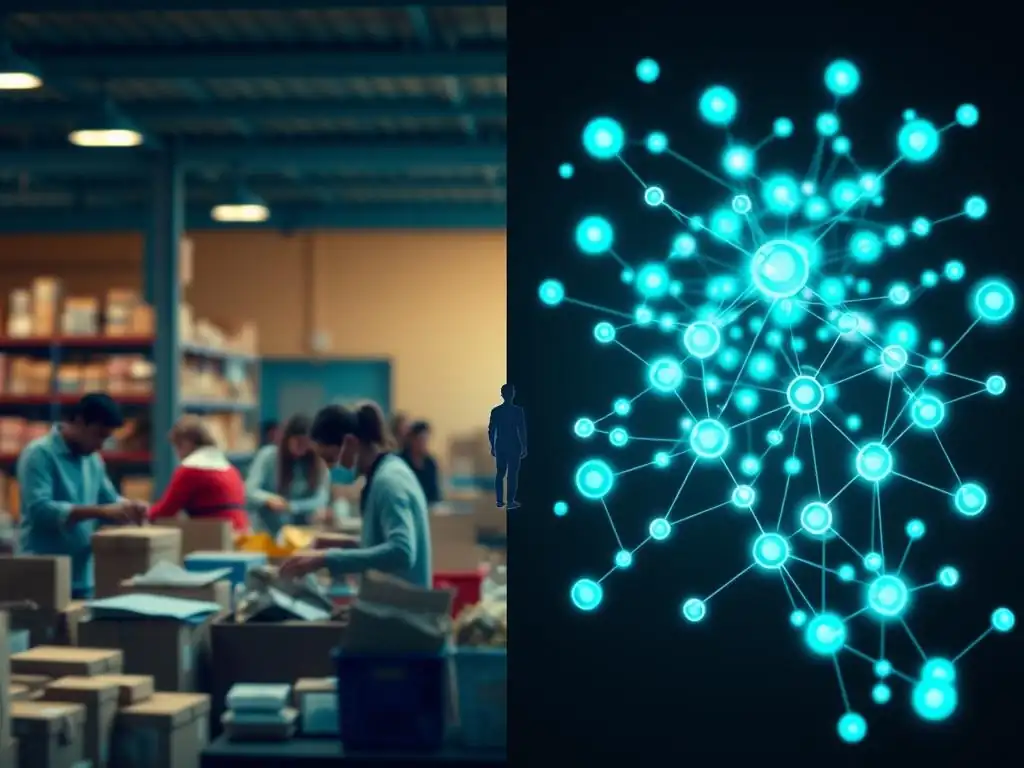
Community engagement is vital for the sustainability and effectiveness of social impact initiatives. Traditional charities engage communities through volunteer programs, local staff recruitment, beneficiary consultations, and public awareness campaigns. Decision-making, however, typically remains centralized within the organization's leadership and board, even if community feedback is solicited. Participation is often limited to donating, volunteering, or being a beneficiary.
Social Impact DAOs offer a model for deeper and more direct community participation. Token holders, who can represent various stakeholders including beneficiaries and donors, have a direct voice in governance through voting on proposals. This allows communities to actively participate in deciding which projects are funded, how funds are allocated, and even proposing new initiatives relevant to their specific needs.
This bottom-up approach can foster greater ownership, relevance, and trust within the communities being served. For instance, a DAO aimed at funding educational projects in a specific region could grant voting tokens to local teachers or parents, giving them direct influence over curriculum or resource allocation decisions, thereby making the Blockchain social impact DAO more responsive and impactful.
Scalability and Global Reach: Assessing the Potential of Each Model
Scalability and global reach are crucial for addressing widespread social issues. Traditional international charities have developed sophisticated infrastructure and networks to operate across borders, establishing country offices and navigating complex logistical and regulatory environments. Scaling often involves setting up new legal entities, hiring local staff, and building relationships with local governments and partners, which can be a time-consuming and resource-intensive process. While effective, this expansion model can be slow and costly.
Social Impact DAOs, being digital-native organizations, potentially offer faster and more seamless global scalability. Their operations are not tied to physical locations in the same way as traditional charities. Participation and governance can occur online from anywhere in the world.
Funding can be received globally with fewer barriers than traditional banking. Deploying a new project might involve launching a new smart contract or allocating funds via a community vote, which can be significantly faster than establishing a new country office for a traditional NGO. While on-the-ground project execution still requires local coordination (potentially managed by local partners or DAO-funded teams), the organizational and financial infrastructure of a Blockchain social impact DAO is inherently more globally accessible and potentially faster to scale its operational framework, though not necessarily its physical project implementation.
Impact Measurement and Evaluation: DAOs and Charities
Measuring social impact is challenging for any organization, traditional or decentralized. It requires defining clear objectives and establishing Key Performance Indicators (KPIs) that accurately reflect positive change. Traditional charities use a range of KPIs depending on their mission, such as the number of people served, number of wells dug, literacy rates improved, acres of forest conserved, or amount of aid delivered. Data collection often involves surveys, field reports, expert assessments, and sometimes third-party evaluations. The focus is typically on outputs and outcomes, striving to quantify the difference made in beneficiaries' lives or the environment.
Defining and tracking relevant KPIs for a Blockchain social impact DAO requires similar rigor but can potentially leverage technology in unique ways. While the ultimate impact (e.g., lives improved) is the same goal, DAOs can track operational KPIs with high transparency, such as the volume and velocity of funds disbursed, the number of successful project milestones verified on-chain, or the participation rate in governance votes. The challenge remains in linking these on-chain metrics to real-world outcomes, which often requires integrating off-chain data and verification mechanisms.
Blockchain-Based Impact Tracking and Reporting
Blockchain technology offers innovative possibilities for tracking and reporting social impact, particularly concerning the flow of resources and the verification of activities. Smart contracts can be programmed to release funds automatically upon verification of specific milestones, recorded on-chain. For example, a smart contract could hold funds for building a school and release payments to contractors only after third-party oracles (data feeds) verify construction progress against predefined metrics, with these verification steps recorded on the blockchain. This creates an immutable and publicly auditable record of how funds were tied to specific project deliverables.
Furthermore, some initiatives are exploring the use of tokens to represent specific units of impact (e.g., a "liter of clean water" token) or to track participation in impact-generating activities. While still nascent, the idea is to create a more verifiable and potentially incentivized system for achieving and reporting impact. A Blockchain social impact DAO could implement such systems to provide granular, real-time reporting on the deployment of funds and the achievement of verifiable outputs, offering a level of detail and trustworthiness in reporting that is difficult to match with traditional manual processes and periodic reporting cycles.
Despite the potential for enhanced transparency, evaluating the true effectiveness and impact of social initiatives, whether run by DAOs or charities, remains complex. Measuring outcomes (the changes in people's lives or the environment) is more difficult than measuring outputs (the services delivered). Establishing causality – proving that the intervention caused the observed change – requires rigorous methodologies like randomized controlled trials or detailed impact assessments, which are costly and complex regardless of the organizational structure.
For DAOs, additional challenges exist in integrating off-chain reality with on-chain data. How can a blockchain reliably verify that a teacher was paid and actually delivered lessons, or that a water pump is functioning correctly? This often requires trusted oracles, third-party verification partners, or robust reporting mechanisms from project implementers, which reintroduces elements of centralization and trust outside the core blockchain protocol. While a Blockchain social impact DAO can excel at transparently tracking fund flows and verifiable milestones, measuring the deep, long-term societal change achieved still requires traditional impact evaluation methods alongside blockchain-based tracking.
WaterDAO: Providing Clean Water Access via Blockchain
WaterDAO is an example of a Social Impact DAO focused on addressing the global water crisis. While specific operational details and scale vary as the model evolves, the concept typically involves pooling funds (often in crypto) from a global community of donors. The DAO's governance process allows community members to propose and vote on clean water projects in specific regions, such as drilling wells, installing filtration systems, or repairing infrastructure. Funds are then allocated and potentially disbursed via smart contracts tied to project milestones.
The aim is to increase transparency by recording all transactions on the blockchain and potentially involving local stakeholders in the governance process. By minimizing traditional administrative layers, WaterDAO seeks to ensure a higher percentage of donations directly funds water projects. While quantitative impact data is still emerging for many such initiatives compared to established charities, the model demonstrates the potential for a Blockchain social impact DAO to mobilize resources and manage projects in a decentralized, transparent manner, directly connecting donors to specific interventions.
Charity: Water: Traditional Charity Model for Clean Water
Charity: Water is a prominent and highly regarded traditional charity dedicated to bringing clean and safe drinking water to people in developing countries. Founded in 2006, it operates through a centralized structure with a board, staff, and established partnerships with local implementing organizations. Charity: Water is known for its strong emphasis on transparency within the traditional framework, promising that 100% of public donations go directly to water projects, with separate funding covering operational costs. They provide donors with GPS coordinates and photos of the projects they funded, offering a degree of traceability rare among traditional charities.
Over its operational history, Charity: Water has funded thousands of water projects globally, serving millions of people. For instance, by 2023, they had funded over 140,000 water projects in 29 countries, serving more than 17 million people. Their model relies on traditional fundraising, rigorous vetting of local partners, and robust reporting mechanisms, demonstrating the significant scale and impact achievable through the established charity framework. This provides a strong benchmark for comparison when evaluating the potential impact of a nascent Blockchain social impact DAO NGO alternative or collaborator.
Comparing the Outcomes and Lessons Learned
Comparing the outcomes of a project like WaterDAO (as a representative Social Impact DAO concept) with Charity: Water highlights the different strengths and challenges of each model. Charity: Water demonstrates proven, large-scale impact achieved through a well-established, centrally managed operational structure, extensive partnerships, and effective traditional fundraising and reporting. Their success is built on decades of experience, trust cultivated with donors and partners, and the ability to navigate complex on-the-ground realities.
Social Impact DAOs like WaterDAO, while still relatively new and often operating at a smaller scale, showcase the potential for increased financial transparency and community governance enabled by blockchain. They offer a glimpse into a future where donors have more direct visibility into fund usage and stakeholders have a greater say in project selection.
However, they face challenges in achieving the same level of on-the-ground execution capacity, navigating regulatory uncertainty, and building widespread trust and adoption among diverse stakeholders compared to established NGOs. The key lesson is that while the Blockchain social impact DAO model offers exciting possibilities for efficiency and transparency, the traditional charity model provides proven pathways for large-scale, complex project implementation and trust-building.
Addressing Governance and Security Concerns in DAOs
While decentralized governance is a core feature of DAOs, it also presents challenges, particularly regarding security and effective decision-making. Poorly designed smart contracts can be vulnerable to hacks, potentially leading to the loss of funds, as seen in various incidents in the broader crypto space where millions of dollars were lost due to code exploits. Furthermore, governance mechanisms themselves can be susceptible to attacks (e.g., 51% attacks if token distribution is too concentrated) or simply lead to voter apathy and inefficient decision-making processes, known as "governance fatigue."
Addressing these concerns requires rigorous smart contract auditing by multiple reputable firms before deployment. Implementing robust security protocols, including multi-signature wallets and bug bounties, is crucial. Governance mechanisms need to be carefully designed to balance inclusivity with efficient decision-making, potentially incorporating delegation, representative models, or minimum quorum requirements. Ensuring token distribution is broad and representative of stakeholders can mitigate centralization risks. For a Blockchain social impact DAO to gain trust and operate effectively, prioritizing security and designing resilient governance structures are paramount.
Ensuring Inclusivity and Accessibility in DAO Participation
A potential pitfall of DAO governance is that it can inadvertently exclude individuals who lack technical literacy, internet access, or the specific tokens required for voting. This digital divide can mean that the very communities intended to benefit from Social Impact DAOs are excluded from participating in their governance, undermining the goal of decentralized, community-driven decision-making. Relying solely on on-chain voting mechanisms can create a barrier to entry for many potential stakeholders, including beneficiaries in low-resource environments.
Maximizing the potential of a Blockchain social impact DAO requires actively working to ensure inclusivity and accessibility. This might involve developing user-friendly interfaces that abstract away technical complexities, providing education and support for participants, and exploring alternative or hybrid governance models that incorporate off-chain participation or representation for those who cannot directly engage on-chain. Partnering with trusted local organizations (potentially traditional NGOs) who have existing relationships and infrastructure in target communities can help bridge the gap between the digital DAO structure and the physical reality of project implementation and community engagement.
The regulatory environment for blockchain technology and cryptocurrencies is still evolving and varies significantly across jurisdictions. This uncertainty poses a significant challenge for Social Impact DAOs, particularly those operating internationally. Questions around their legal status (Are they organizations? Partnerships? Securities? ), tax obligations, compliance with anti-money laundering (AML) and know-your-customer (KYC) regulations, and consumer protection laws are often unclear. This ambiguity can hinder their ability to operate legally, open bank accounts (even for off-ramping crypto to pay for local expenses), or partner with traditional entities.
Navigating these complex landscapes requires careful legal consideration from the outset. Some Social Impact DAOs are exploring hybrid legal wrappers, establishing a traditional non-profit entity or foundation in a favorable jurisdiction to handle legal and regulatory compliance while using the DAO structure for transparent governance and fund management.
Engaging with policymakers and contributing to the development of clear, supportive regulations for blockchain social impact initiatives is also crucial for their long-term viability and ability to integrate effectively within the global framework of social good efforts, potentially fostering a future where Blockchain social impact DAO NGO collaboration is commonplace and legally sound.
Exploring Synergies and Collaboration Opportunities
Instead of viewing Social Impact DAOs and traditional charities as mutually exclusive entities, there are significant opportunities for synergy and collaboration. Traditional NGOs possess invaluable assets: established trust, on-the-ground networks, deep expertise in specific sectors (e.g., healthcare, education), and experience navigating complex local contexts and regulations. Social Impact DAOs bring strengths in transparency, efficient fund management, global community engagement, and innovative governance models.
Collaborations could take many forms. A traditional NGO could use a DAO to manage a specific project fund, leveraging blockchain for transparent tracking of donations and expenditures for that initiative, while the NGO handles the on-the-ground implementation. A DAO could partner with an NGO to utilize its established infrastructure for project delivery in a specific region.
NGOs could adopt blockchain technology for parts of their operations, such as supply chain tracking for aid distribution or creating tokenized systems for verifiable impact reporting, without necessarily becoming full DAOs. Such collaborations could combine the proven capacity and trust of traditional organizations with the technological advantages of decentralization, maximizing the potential for a Blockchain social impact DAO NGO partnership to achieve greater impact.
Hybrid Models: Combining the Strengths of Both Approaches
The most likely future for social impact leveraging blockchain technology involves the development of hybrid models that combine the best aspects of DAOs and traditional charities. These models could involve a legally registered non-profit entity that acts as the "face" and legal wrapper for the organization, handling compliance, traditional fundraising (if desired), and formal partnerships. This entity could then utilize a DAO for specific functions, such as transparently managing a pool of crypto donations, allowing the global community to vote on project proposals, or using smart contracts for automated, verifiable fund disbursements based on project milestones.
For example, a hybrid organization might receive a large grant (traditional funding), convert it to stablecoins, and then manage its allocation to various projects through a DAO governance process involving both donors and local project leaders. The legal entity provides stability and regulatory adherence, while the DAO provides transparency and decentralized input. This approach mitigates some of the legal and operational risks faced by pure DAOs while injecting blockchain's benefits into the established framework of social impact work, creating a robust Blockchain social impact DAO NGO hybrid.
Ultimately, blockchain technology, whether through pure DAOs, hybrid models, or integration into existing structures, has the potential to empower social change agents at all levels. It can provide individuals and small groups with tools to mobilize resources and organize collective action outside traditional institutional gatekeepers. Smart contracts can enable direct peer-to-peer aid or funding for grassroots projects with minimal intermediaries. Transparent ledgers can build trust and hold organizations accountable.
By lowering barriers to participation and increasing transparency, blockchain can democratize philanthropy and social activism. It allows a global community to directly support projects and have a voice in how resources are used, potentially activating new pools of donors and volunteers who are drawn to the transparency and directness of the model. As the technology matures and becomes more accessible, its role in empowering individuals and communities to drive positive change will likely grow, complementing and enhancing the vital work already being done by traditional charities and shaping the future landscape of Blockchain social impact DAO NGO initiatives.
Frequently Asked Questions
Social Impact DAOs leverage blockchain technology to create transparent and efficient governance models. NGOs often rely on hierarchical structures and may face challenges related to accountability and transparency. DAOs provide more decentralized control.
DAOs automate processes through smart contracts, reducing administrative overhead and ensuring faster fund disbursement. This contrasts with traditional NGOs, which can experience delays due to bureaucratic procedures. Therefore, efficiency is increased.
Challenges include limited internet access, low digital literacy, and regulatory uncertainties surrounding blockchain technology. NGOs may have established relationships and understand the local context better. Overcoming the digital divide is crucial.
DAOs utilize transparent blockchain ledgers, allowing stakeholders to track transactions and decision-making processes. NGOs rely on audits and reporting, which can be susceptible to manipulation or bias. Blockchain fosters greater trust.
Clear and supportive regulations are crucial for mainstream adoption of DAOs. Overly restrictive regulations could stifle innovation. NGOs may need to adapt to new regulatory landscapes to remain competitive. The impact depends on the region and specific regulations.
The exploration of Social Impact DAOs and NGOs reveals a critical juncture in how we approach global challenges. The potential for DAOs to revolutionize social impact through enhanced transparency, efficiency, and community ownership is undeniable, especially when contrasted with the traditional structures of NGOs. Understanding these differences is not merely academic; it's a vital step towards building a more equitable and effective future for social change.
The rise of blockchain technology and decentralized governance has profoundly influenced the landscape of social impact. Witnessing the evolution from traditional hierarchical structures to more participatory and transparent models has been inspiring, highlighting the potential for technology to empower communities and drive meaningful change. Never doubt that a small group of thoughtful, committed citizens can change the world; indeed, it's the only thing that ever has.
- Margaret Mead. This quote resonates deeply as we consider the potential of DAOs to amplify the voices and actions of individuals committed to social good.
As you reflect on the potential of Blockchain Social Impact DAOs and NGOs, consider how you can contribute to this evolving landscape. Whether through direct participation, supporting innovative projects, or simply advocating for more transparent and accountable systems, your actions can help shape a future where technology empowers us to address the world's most pressing challenges more effectively. Let us embrace the potential of decentralized social good and work together to build a more just and sustainable world.
Thank you for exploring the fascinating intersection of DAOs and NGOs and their potential to revolutionize social impact. You've gained valuable insights into their comparative efficiency and impact. Now it's time to put that knowledge into action!
Here are a few steps you can take to continue this journey:
- Dive deeper! Identify one social cause you are passionate about and research existing DAOs supporting that cause. Explore their governance models and projects.
- Share this article with your network to spark conversation and encourage broader awareness of DAOs' potential for social good.
- Brainstorm innovative ways DAOs can be used to address challenges in your local community. Could a DAO help solve a local problem more effectively than existing methods?
What unique social issue could you envision a DAO tackling, and what innovative features would it need to succeed?
Leave a Reply