
Virtual Art NFTs: Collecting Masterpieces in the Digital Realm

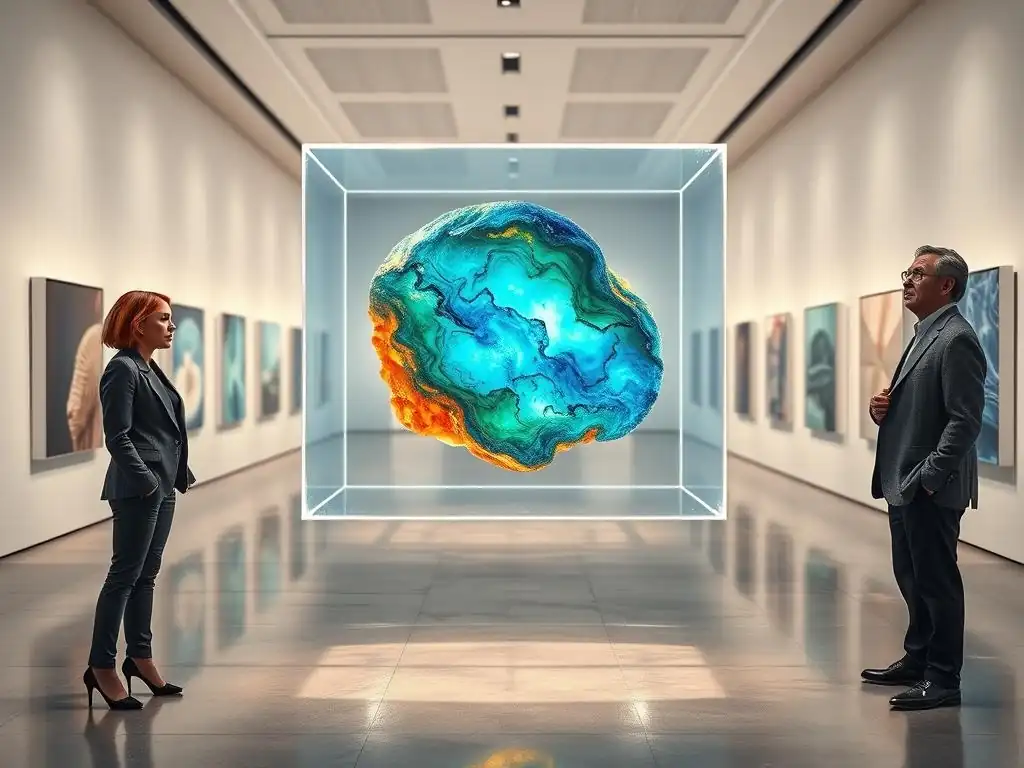
Welcome to Blockchain Trends, your guide to navigating the evolving world of decentralized technology! Dive into the transformative power of blockchain, moving beyond cryptocurrencies to explore its vast potential. Are you ready to discover the cutting-edge applications reshaping industries? This week, we unlock the secrets of Digital Art NFT Collecting. What makes a virtual masterpiece truly valuable, and how can you participate in this revolutionary art market? Read on to find out!
Virtual Art NFTs: Collecting Masterpieces in the Digital Realm
- Understanding Digital Art NFTs and Blockchain Technology
- The Appeal of Collecting Virtual Art NFTs
- Exploring Different Types of Digital Art NFTs
- Platforms for Buying and Selling Virtual Art NFTs
- Strategies for Successful Digital Art NFT Collecting
- The Future of Digital Art NFT Collecting
- Risks and Considerations in Digital Art NFT Investment
- Conclusion: Embracing the Digital Art Revolution with NFTs
-
Frequently Asked Questions
- What exactly are Virtual Art NFTs?
- How is digital art NFT collecting different from collecting physical art?
- What are the benefits of digital art NFT collecting for artists?
- What are some potential risks associated with digital art NFT collecting?
- How does blockchain technology support digital art NFT collecting?
- Final Reflection: Embracing the Digital Canvas
- Unlock Your Digital Art Portfolio Today!
Understanding Digital Art NFTs and Blockchain Technology
What are Non-Fungible Tokens (NFTs)? A Beginner's Guide
Non-Fungible Tokens, or NFTs, are unique digital assets representing ownership of a specific item or piece of content. Unlike cryptocurrencies like Bitcoin, which are fungible – meaning one Bitcoin is interchangeable with another – NFTs are distinct and cannot be replicated. Think of them as digital certificates of authenticity and ownership, akin to a unique trading card or a limited-edition print in the physical world.
In the context of digital art NFT collecting, each NFT represents a specific artwork, ensuring its uniqueness and verifiable scarcity in the digital realm. This digital scarcity is a cornerstone of their value and appeal to collectors.
For newcomers to the world of digital art NFT collecting, understanding the concept of non-fungibility is crucial. Imagine owning a digital painting. Without NFTs, this digital file can be easily copied and shared infinitely, diluting the concept of ownership and originality. NFTs solve this problem by assigning a unique and verifiable token to the digital artwork. This token, recorded on a blockchain, proves the artwork's authenticity and your ownership, making it a collectible digital asset with intrinsic value and provenance. This fundamental concept underpins the entire digital art NFT collecting phenomenon.
The Role of Blockchain in Securing Digital Art Ownership
Blockchain technology is the foundation upon which digital art NFT collecting is built. It serves as a decentralized and immutable ledger that records every transaction and ownership transfer of an NFT. When a digital artwork is "minted" as an NFT, its information, including creator details, creation timestamp, and a unique identifier, is permanently inscribed onto the blockchain. This process ensures transparency and traceability, allowing anyone to verify the artwork's origin and ownership history with complete certainty.
The immutability of blockchain is paramount for securing digital art ownership. Once an NFT transaction is recorded on the blockchain, it cannot be altered or deleted. This provides a robust and tamper-proof record of ownership, addressing a critical challenge in the digital world where copying and manipulation are easily achievable. For digital art NFT collecting, this means collectors can confidently acquire and hold digital artworks, knowing their ownership is securely registered and verifiable on a public and decentralized network, enhancing trust and confidence in the digital art market.
Digital Art NFT Collecting: Defining the New Art Market
Digital art NFT collecting is not merely a trend; it represents a paradigm shift in the art market. It has democratized art collecting by lowering entry barriers and expanding the reach of digital artists globally. Traditional art markets often involve intermediaries like galleries and auction houses, which can be exclusive and geographically limited. Digital art NFTs, on the other hand, can be bought and sold directly between creators and collectors through online marketplaces, accessible to anyone with an internet connection and a cryptocurrency wallet.
This new art market, driven by digital art NFT collecting, is characterized by its global nature and its focus on digital native art forms. Artists who primarily work in digital mediums, such as generative art, digital painting, and 3D sculpting, now have a direct avenue to monetize their creations and connect with a global audience of collectors. The emergence of digital art NFT collecting has not only created new revenue streams for artists but also expanded the definition of art itself, embracing digital creativity and fostering a more inclusive and dynamic art ecosystem.
The Appeal of Collecting Virtual Art NFTs
Investing in Unique Digital Creations: Beyond Traditional Art
The appeal of digital art NFT collecting extends beyond mere aesthetics; it presents a novel investment opportunity in unique digital creations. Unlike traditional art forms, which are often constrained by physical limitations and geographical boundaries, digital art NFTs exist in a global, borderless market. This accessibility broadens the potential collector base and can drive appreciation in value as digital ownership becomes increasingly recognized and sought after.
Investing in digital art NFT collecting offers diversification beyond conventional asset classes. While traditional art investments require significant capital and specialized storage, digital art NFTs can be acquired and managed with relative ease using cryptocurrency wallets. Furthermore, the inherent programmability of NFTs opens up possibilities for future utility and integration within virtual worlds and metaverse experiences, potentially enhancing their long-term value and making digital art NFT collecting an attractive proposition for forward-thinking investors.
Accessibility and Democratization of Art Collecting via NFTs
Digital art NFT collecting has democratized the art world, making it more accessible to a wider range of collectors and artists. Historically, art collecting was often perceived as an exclusive domain for the wealthy elite, with high entry costs and complex acquisition processes. NFT marketplaces have lowered these barriers, allowing individuals with varying budgets to participate in digital art NFT collecting and discover emerging artists from around the globe.
This democratization extends to artists as well. Digital art NFT collecting platforms empower artists to bypass traditional gatekeepers and directly connect with their audience. They can mint their digital creations as NFTs and sell them directly to collectors, retaining a larger share of the proceeds and fostering a more direct and transparent relationship with their patrons. This shift is particularly empowering for digital artists who may have previously struggled to gain recognition and monetization in the traditional art world, making digital art NFT collecting a truly transformative force.
Supporting Digital Artists and the Creative Economy
Digital art NFT collecting directly supports digital artists and contributes to the growth of the creative economy. By purchasing digital art NFTs, collectors are directly funding artists and enabling them to sustain their creative endeavors. This direct support is particularly crucial for digital artists, who often rely on online platforms and digital sales for their livelihoods. The NFT model allows artists to receive royalties on secondary sales, ensuring they continue to benefit from the appreciation of their work over time, fostering a more sustainable and equitable creative ecosystem.
Furthermore, digital art NFT collecting fosters innovation and experimentation within the creative economy. The emergence of NFTs has incentivized artists to explore new digital art forms and push the boundaries of creative expression. The accessibility of NFT platforms and the global reach of the digital art market encourage artists to experiment with different styles, mediums, and interactive elements, contributing to a vibrant and evolving digital art landscape. This support for digital artists and creative innovation is a significant benefit of digital art NFT collecting.
Exploring Different Types of Digital Art NFTs
Generative Art NFTs: Algorithms as Artists
Generative art NFTs represent a fascinating intersection of art and technology, where algorithms and code become the artists. These artworks are created using computer programs that generate unique and often unpredictable visual outputs based on pre-defined parameters and algorithms. Each piece within a generative art NFT collection is typically unique, even though they are all based on the same underlying code, showcasing the emergent and unpredictable nature of algorithmic art.
Popular examples of generative art NFT collections include projects like Art Blocks and Fidenza by Tyler Hobbs. Fidenza, for instance, utilizes a flow field algorithm to create mesmerizing and diverse abstract patterns. The beauty of generative art NFT collecting lies in the surprise and uniqueness of each generated piece. Collectors are not just acquiring an artwork; they are acquiring a unique output from a carefully crafted algorithm, appreciating both the artistic vision of the creator and the emergent beauty of the code itself.
Digital Paintings and Illustrations: Preserving Artistic Vision
Digital paintings and illustrations, created using software like Photoshop or Procreate, are a significant category within digital art NFT collecting. These artworks mirror traditional paintings and illustrations but exist purely in the digital realm. NFTs provide a mechanism to authenticate and preserve the originality and ownership of these digital creations, which were previously easily replicable and difficult to monetize as unique artworks.
Many established and emerging artists are now embracing digital art NFT collecting to showcase and sell their digital paintings and illustrations. For example, artists like Beeple have gained immense recognition and value for their digital paintings sold as NFTs. Digital art NFT collecting allows artists to directly share their artistic vision with a global audience and collectors to acquire unique digital pieces that reflect the artist's individual style and creative expression, effectively preserving and valorizing digital artistic vision.
3D Art and Sculptures: Immersive Digital Experiences
3D art and sculptures represent another exciting frontier in digital art NFT collecting, offering immersive and interactive digital experiences. These artworks, created using 3D modeling software, transcend the limitations of traditional 2D art forms and allow for the creation of complex and dynamic virtual objects. NFTs enable the ownership and trade of these digital sculptures and 3D environments, opening up new possibilities for artistic expression and collector engagement.
Platforms like SuperRare and Nifty Gateway feature numerous artists creating and selling 3D art NFTs. These can range from abstract digital sculptures to intricate virtual environments. Digital art NFT collecting of 3D art allows collectors to own and showcase these immersive digital creations, often within virtual worlds or augmented reality applications, offering a more dynamic and engaging art collecting experience compared to traditional static artworks.
Photography NFTs: Capturing Moments on the Blockchain
Photography NFTs are revolutionizing the way photographers share and monetize their work, bringing the art of photography into the realm of digital art NFT collecting. NFTs provide photographers with a way to authenticate and sell their digital photographs as unique collectibles, addressing copyright and ownership concerns in the digital age. This is particularly impactful for photographers as it allows them to directly connect with collectors and control the distribution and value of their photographic work.
Platforms dedicated to photography NFTs, like Quantum Art and Foundation, showcase the diverse range of photographic styles being tokenized. From fine art photography to documentary and street photography, NFTs are enabling photographers to establish provenance and scarcity for their digital images. Digital art NFT collecting of photography offers a new avenue for photographers to earn a living from their craft and for collectors to support and own unique moments captured on the blockchain.
CryptoPunks-Inspired Art: Pixelated Pioneers
CryptoPunks, one of the earliest NFT projects, has profoundly influenced the digital art NFT collecting landscape, particularly inspiring pixelated art styles. CryptoPunks are 10,000 unique pixel art characters, and their success demonstrated the potential of NFTs as digital collectibles and paved the way for numerous other pixel art NFT projects. The simple yet distinctive pixelated aesthetic became a recognizable and influential style within the digital art NFT collecting community.
Inspired by CryptoPunks, numerous artists have created pixelated avatars, characters, and artworks that are traded as NFTs. Projects like Meebits and other pixel art collections have emerged, capitalizing on the aesthetic and collectible appeal pioneered by CryptoPunks. Digital art NFT collecting of CryptoPunks-inspired art often emphasizes community, nostalgia for early internet culture, and the inherent charm of pixelated visuals, highlighting the lasting impact of CryptoPunks on the digital art and NFT space.
Platforms for Buying and Selling Virtual Art NFTs
NFT Marketplaces: A Comparison of Leading Platforms
The digital art NFT collecting market thrives on a variety of online marketplaces, each catering to different segments and offering unique features. OpenSea is arguably the largest and most well-known general NFT marketplace, offering a vast selection of NFTs, including digital art, collectibles, and more. It supports multiple blockchains and offers a user-friendly interface, making it a popular starting point for many entering digital art NFT collecting.
Rarible is another prominent marketplace known for its community-centric approach and support for creators. It allows artists to mint NFTs and offers features like royalty enforcement and community governance. Foundation is a curated platform focusing on higher-quality digital art NFTs, often featuring established and emerging artists in the digital art space. Nifty Gateway is known for its "drops" of limited-edition NFTs from prominent artists and brands, attracting collectors seeking exclusive and high-value digital art. Each platform presents different advantages for both buyers and sellers in the digital art NFT collecting world.
Curated NFT Platforms: Focusing on High-Quality Digital Art
Curated NFT platforms play a crucial role in the digital art NFT collecting ecosystem by focusing on showcasing and selling high-quality digital art. These platforms often have a more selective approach to the artists and artworks they feature, aiming to elevate the quality and prestige of the digital art available. Platforms like SuperRare and MakersPlace are examples of curated marketplaces known for their focus on fine art digital NFTs.
SuperRare, for instance, positions itself as a marketplace for "digital art originals," emphasizing the uniqueness and artistic merit of the NFTs listed. MakersPlace also focuses on authentic and rare digital artworks, collaborating with established artists and galleries to bring high-quality digital art NFT collecting to a discerning audience. These curated platforms provide a valuable service by filtering the vast NFT landscape and offering collectors access to carefully selected and vetted digital artworks, enhancing trust and quality within the digital art NFT collecting market.
Considerations When Choosing an NFT Marketplace
Choosing the right NFT marketplace is a crucial decision for both buyers and sellers in digital art NFT collecting. Several factors should be considered when selecting a platform. Fees are a significant consideration, as marketplaces charge different transaction fees, listing fees, and commission rates. The type of art and artists featured on the platform is also important; some platforms specialize in specific art styles or genres, while others offer a broader range.
The platform's user interface and user experience are also critical for ease of navigation and transaction. Security features and reputation of the marketplace are paramount to ensure safe and secure digital art NFT collecting. Consider the blockchain supported by the platform, as this can impact transaction costs and compatibility with your cryptocurrency wallet. Finally, the community and social features of the marketplace can enhance the overall digital art NFT collecting experience, fostering interaction and engagement with other collectors and artists.
Strategies for Successful Digital Art NFT Collecting
Researching Artists and Projects: Due Diligence in the NFT Space
Successful digital art NFT collecting requires diligent research into artists and projects before making any purchases. The NFT space is rapidly evolving, and thorough research is essential to identify promising artists and avoid scams or overvalued projects. Begin by researching the artist's background, previous works, and online presence. Look for artists with a consistent style, a strong portfolio, and a genuine connection to their art.
For NFT projects, examine the project's roadmap, team, and community. Understand the utility or purpose of the NFTs beyond just being digital art. Analyze the project's social media presence and community engagement to gauge its legitimacy and long-term potential. Utilize NFT analytics tools and resources to track sales history, floor prices, and market trends for specific artists and collections. This thorough due diligence is fundamental for making informed decisions in digital art NFT collecting and mitigating risks.
Understanding Rarity and Scarcity in Digital Art NFTs
Rarity and scarcity are key drivers of value in digital art NFT collecting. Understanding how rarity is defined and perceived within different NFT projects is crucial for making informed collecting decisions. NFT projects often employ various rarity traits, such as specific attributes, visual elements, or edition sizes, to differentiate NFTs within a collection. These rarity traits are often publicly accessible on platforms like Rarity Tools or Trait Sniper, allowing collectors to assess the relative scarcity of individual NFTs.
Scarcity, in the context of digital art NFT collecting, is often determined by the total supply of NFTs in a collection and the number of editions per artwork. Limited edition NFTs, with smaller supply, are generally considered more valuable than open edition NFTs. However, perceived rarity is also influenced by community sentiment and demand. Understanding both technical rarity traits and market perception of scarcity is essential for strategically navigating digital art NFT collecting and identifying potentially valuable pieces.
Building a Diverse and Valuable NFT Collection
Building a diverse and valuable digital art NFT collection involves strategic diversification across artists, art styles, and NFT projects. Diversification helps to mitigate risk and potentially maximize returns in the volatile NFT market. Consider collecting works from both established and emerging artists to balance stability and growth potential within your collection.
Explore different genres and styles of digital art NFT collecting, such as generative art, digital paintings, 3D art, and photography NFTs. Diversifying across different NFT projects and collections can also reduce exposure to the risks associated with any single project. Think about collecting NFTs with varying levels of rarity and price points to create a well-rounded and potentially appreciating digital art NFT collection. A diverse portfolio is a hallmark of sophisticated digital art NFT collecting.
Analyzing On-Chain Data to Identify Emerging Artists
Analyzing on-chain data provides valuable insights for identifying emerging artists and trends in digital art NFT collecting. Blockchain explorers and NFT analytics platforms offer tools to track transaction history, sales volumes, and ownership patterns for NFTs. By monitoring on-chain data, collectors can identify artists and collections that are gaining traction and experiencing increasing demand.
Look for artists who are consistently selling their NFTs and experiencing rising floor prices for their works. Analyze transaction volumes and sales activity to gauge the market interest in specific artists and collections. Track wallet addresses associated with successful NFT collectors and observe their buying patterns to identify potentially undervalued artists and projects. Utilizing on-chain data analysis is a sophisticated strategy for proactive and informed digital art NFT collecting, allowing collectors to discover promising artists before they become widely recognized.
The Future of Digital Art NFT Collecting
The Metaverse and the Integration of Virtual Art
The metaverse is poised to significantly impact the future of digital art NFT collecting, offering new avenues for displaying, interacting with, and utilizing virtual art. As metaverse platforms evolve and become more immersive, digital art NFTs will play a crucial role in populating these virtual worlds. Imagine displaying your digital art NFT collection within your virtual home or gallery in the metaverse, showcasing your digital masterpieces to visitors and fellow collectors.
Virtual art NFTs are becoming increasingly integrated into metaverse experiences. Platforms like Decentraland and The Sandbox already allow users to display and interact with NFTs within their virtual spaces. The metaverse provides a natural environment for digital art NFT collecting, offering new use cases and enhancing the utility of digital art beyond just being collectible items. This integration is likely to drive further growth and adoption of digital art NFT collecting as the metaverse expands.
The Evolution of Digital Art Ownership and Provenance
The concept of digital art ownership and provenance is continuously evolving, with NFTs playing a central role in establishing verifiable and transparent ownership in the digital realm. As the digital art NFT collecting market matures, expect to see further advancements in how ownership is managed, transferred, and verified. Standards for metadata and provenance tracking are likely to become more refined, enhancing the reliability and trustworthiness of NFT ownership records.
Smart contracts associated with NFTs can automate royalty payments to artists on secondary sales and enforce copyright terms, further solidifying digital art ownership rights. The evolution of blockchain technology itself, with advancements in scalability and interoperability, will also contribute to more efficient and seamless digital art NFT collecting and ownership management. These developments will solidify the role of NFTs as the definitive mechanism for digital art ownership and provenance in the future.
Challenges and Opportunities in the Expanding Digital Art Market
The expanding digital art market, fueled by digital art NFT collecting, presents both challenges and opportunities. One challenge is market volatility, as the NFT market can experience rapid price fluctuations. Collectors need to be aware of these risks and manage their investments accordingly. Another challenge is the environmental impact of some blockchain technologies, although more energy-efficient alternatives are emerging.
However, the opportunities within the digital art NFT collecting market are substantial. The market is still relatively nascent, offering significant growth potential as digital art becomes increasingly mainstream and metaverse adoption expands. New art forms and creative applications of NFTs are constantly emerging, creating exciting opportunities for both artists and collectors. The digital art NFT collecting market is poised for continued innovation and expansion, offering a dynamic and evolving landscape for participants.
Increasing Focus on Utility and Community in NFT Projects
The future of digital art NFT collecting is likely to see an increasing focus on utility and community beyond just the collectible aspect of digital art. NFT projects are increasingly incorporating utility, such as access to exclusive communities, events, or virtual experiences, to enhance the value proposition for NFT holders. Community building is becoming a central focus for many NFT projects, fostering engagement and loyalty among collectors.
Digital art NFTs may evolve to serve as keys to unlock exclusive content, grant membership to online communities, or provide access to virtual events and experiences within the metaverse. This shift towards utility and community adds another layer of value to digital art NFT collecting, making NFTs not just digital artworks but also access passes and community tokens. This evolution is likely to shape the future of digital art NFT collecting, making it more interactive, engaging, and community-driven.
Risks and Considerations in Digital Art NFT Investment
Volatility in the NFT Market: Managing Investment Risks
Volatility is a significant characteristic of the NFT market, including digital art NFT collecting. NFT prices can experience substantial fluctuations, and the market can be influenced by trends, hype cycles, and broader cryptocurrency market movements. Understanding and managing these investment risks is crucial for anyone participating in digital art NFT collecting.
Diversification, as mentioned earlier, is one strategy to mitigate risk. Investing in a variety of artists and projects can help to reduce exposure to the volatility of any single NFT. Conduct thorough research and due diligence before making any purchases, and avoid investing more than you can afford to lose. Consider a long-term investment horizon, as the digital art NFT collecting market is still developing, and long-term value appreciation may be more relevant than short-term gains. Risk management is paramount in navigating the volatile landscape of digital art NFT collecting.
Security Concerns and Best Practices for NFT Storage
Security is a critical concern in digital art NFT collecting. NFTs are digital assets, and like any digital asset, they are susceptible to theft and scams if not properly secured. Protecting your NFTs requires adopting best practices for NFT storage and security. Use reputable and secure cryptocurrency wallets to store your NFTs, preferably hardware wallets, which offer offline storage and enhanced security.
Be cautious of phishing scams and fake NFT marketplaces. Always verify the authenticity of NFT marketplaces and projects before interacting with them. Never share your wallet private keys or seed phrases with anyone. Regularly review your wallet security settings and keep your software updated. Implementing robust security measures is essential for safeguarding your digital art NFT collecting investments and preventing loss due to theft or scams.
Intellectual Property and Copyright Issues in the Digital Art Space
Intellectual property and copyright issues are complex considerations in the digital art NFT collecting space. While purchasing an NFT typically grants ownership of the token itself, it does not automatically grant copyright ownership of the underlying artwork. Understanding the terms of service and licensing agreements associated with specific NFT projects is crucial to clarify the scope of ownership and usage rights.
Copyright infringement can be a concern in the digital art NFT space. Ensure that you are purchasing NFTs from legitimate creators or authorized platforms to avoid acquiring NFTs that may infringe on someone else's copyright. For artists minting their own digital art NFTs, it's essential to understand copyright law and properly protect their intellectual property. Navigating intellectual property and copyright issues requires diligence and awareness in digital art NFT collecting to ensure legal compliance and protect both creators and collectors.
Conclusion: Embracing the Digital Art Revolution with NFTs
Digital art NFT collecting represents a revolutionary shift in the art world, offering new possibilities for artists, collectors, and the creative economy as a whole. NFTs have democratized art collecting, empowered digital artists, and created a vibrant new market for digital creations. While the market is still evolving and presents certain risks, the opportunities for innovation, creativity, and investment are undeniable.
Embracing the digital art revolution with NFTs requires informed participation, diligent research, and a forward-thinking approach to art collecting in the digital age. As technology advances and the metaverse expands, digital art NFT collecting is poised to play an increasingly significant role in shaping the future of art and culture.
Frequently Asked Questions
What exactly are Virtual Art NFTs?
Virtual Art NFTs are unique, non-fungible tokens representing ownership of digital artworks. These tokens are secured on a blockchain, providing proof of authenticity and scarcity. They allow for digital art NFT collecting in a verifiable way.
How is digital art NFT collecting different from collecting physical art?
Unlike physical art, digital art NFT collecting involves owning a digital token that verifies ownership of the artwork. This means no physical storage is needed, and authenticity is provable through the blockchain's immutable ledger.
What are the benefits of digital art NFT collecting for artists?
NFTs enable artists to directly connect with collectors, bypassing traditional intermediaries. They can also embed royalty clauses into the smart contract, ensuring they receive a percentage of future sales.
What are some potential risks associated with digital art NFT collecting?
Risks include market volatility, the potential for fraudulent NFTs, and concerns surrounding the environmental impact of certain blockchains. Research and due diligence are crucial.
How does blockchain technology support digital art NFT collecting?
Blockchain provides the infrastructure for creating, transferring, and verifying ownership of NFTs. Its decentralized and transparent nature ensures the provenance and authenticity of the digital artwork.
Final Reflection: Embracing the Digital Canvas
The journey through the world of Virtual Art NFTs reveals a landscape far more profound than mere digital ownership. The convergence of art, technology, and investment is reshaping our understanding of value and creativity itself, and its impact is already being felt across the art world, from established galleries to emerging digital artists.
The rise of Digital Art NFT collecting isn't just a trend; it's a fundamental shift in how we perceive and interact with art. This movement democratizes access, empowers creators, and challenges traditional gatekeepers, fostering a more inclusive and dynamic artistic ecosystem. The purpose of art is washing the dust of daily life off our souls.
- Pablo Picasso. This quote resonates deeply as NFTs offer a new way to experience art, free from the constraints of physical space and traditional ownership models.
As we stand at the precipice of this digital art revolution, I invite you to reflect on your own relationship with art and technology. Consider how you can engage with this evolving landscape, support digital artists, and perhaps even become a collector yourself. Embrace the possibilities that Digital Art NFTs offer, and let us collectively shape a future where art is accessible, innovative, and truly transformative.
Unlock Your Digital Art Portfolio Today!
Thank you for exploring the exciting world of virtual art NFTs with us! We hope you've gained a clearer understanding of how to collect and appreciate these digital masterpieces. Now, it's time to take your newfound knowledge and put it into action.
Ready to dive in? Here are a few steps to get you started:
- Begin curating your own digital gallery by exploring available NFT art marketplaces—find a piece that resonates with you and make your first purchase.
- Discover the artists shaping the NFT art scene; learn about their backgrounds and influences to deepen your appreciation for their work.
- Share your favorite virtual art discoveries with fellow enthusiasts on social media using hashtags like #NFTArt or #VirtualArtCollection—let's build a community around these digital treasures!
What fascinating virtual artwork will you add to your collection first? Share your thoughts in the comments below!
Leave a Reply