
OnChain Governance Models: Voting and DecisionMaking in DAOs

Welcome to Blockchain Trends, your compass in the rapidly evolving world of decentralized technologies!
Ever wondered how decisions are made in the digital organizations of the future? Dive into our exploration of OnChain Governance Models, and discover the intricacies of DAO voting mechanisms implementation. Uncover the strategies, challenges, and future potential of these groundbreaking systems, and learn how they are shaping the landscape of decentralized governance. Ready to understand how DAOs truly function? Let's begin!
OnChain Governance Models: Voting and Decision-Making in DAOs
- Understanding OnChain Governance in Decentralized Autonomous Organizations (DAOs)
- Core Principles of DAO Voting Mechanisms Implementation
- Exploring Different DAO Voting Models and Their Implementation
- Implementing DAO Voting Mechanisms: A Technical Overview
- Analyzing the Advantages and Disadvantages of Various DAO Voting Models
- Best Practices for Designing and Implementing Effective DAO Governance
- The Future of OnChain Governance and DAO Voting
-
Frequently Asked Questions
- How does on-chain governance, particularly DAO voting mechanisms, differ from traditional corporate governance?
- What are some of the most common DAO voting mechanisms currently in use?
- What are the key challenges associated with implementing DAO voting mechanisms?
- How can DAOs ensure fair and representative governance through their voting mechanisms?
- What is the future of DAO voting mechanisms implementation, and how might it evolve?
- Final Reflection: Shaping the Future of Decentralized Collaboration
- Shape the Future: Dive Deeper into DAO Governance!
Understanding OnChain Governance in Decentralized Autonomous Organizations (DAOs)
What is OnChain Governance and Why is it Important?
OnChain governance refers to a system where the rules and processes of a Decentralized Autonomous Organization (DAO) are encoded into smart contracts and executed directly on a blockchain. This means that proposals, voting, and the implementation of decisions all occur transparently and immutably on the blockchain, contrasting with traditional off-chain governance which relies on forums, informal discussions, and centralized execution.
The importance of on-chain governance lies in its ability to foster trust and transparency within the DAO. By making governance processes auditable and verifiable on a public ledger, it minimizes the potential for manipulation or opaque decision-making, which are common concerns in traditional organizations.
Furthermore, on-chain governance is critical for the autonomous nature of DAOs. Unlike traditional organizations where changes to rules or operations might require lengthy bureaucratic processes and approvals from central authorities, DAOs with on-chain governance can adapt and evolve based on the collective will of their members, expressed through codified voting mechanisms. This allows for more agile and responsive decision-making, aligning the organization's trajectory with the desires of its community and stakeholders in a demonstrably fair and predictable manner. The very concept of DAO voting mechanisms implementation hinges on the principles of on-chain governance to ensure legitimacy and effectiveness.
The Role of DAOs in Decentralized Decision-Making
Decentralized Autonomous Organizations (DAOs) are at the forefront of a paradigm shift in organizational structures, moving away from hierarchical models towards distributed decision-making. DAOs leverage blockchain technology to create communities governed by code and consensus, empowering members to collectively make decisions that shape the organization's direction. This decentralized approach is crucial because it distributes power away from central entities, mitigating single points of failure and fostering greater resilience and inclusivity. Through the use of smart contracts and cryptographic security, DAOs ensure that decision-making processes are transparent, auditable, and resistant to censorship.
The role of DAOs in decentralized decision-making is multifaceted. They provide a framework for managing shared resources, allocating funds, and governing digital assets in a transparent and community-driven way. For instance, consider a DAO managing a decentralized finance (DeFi) protocol.
Decisions regarding protocol upgrades, fee adjustments, or the addition of new features are not made by a central team but rather through proposals and votes by token holders within the DAO. This participatory model not only enhances fairness but also leverages the collective intelligence of the community, potentially leading to more robust and innovative outcomes compared to decisions made in isolation by a small group. The effective implementation of DAO voting mechanisms is therefore paramount to realizing the full potential of decentralized decision-making.
Core Principles of DAO Voting Mechanisms Implementation
Transparency and Immutability in OnChain Voting
Transparency and immutability are foundational pillars of on-chain voting within DAOs. Blockchain technology inherently provides a transparent and immutable ledger, ensuring that every vote, proposal, and decision is recorded permanently and publicly accessible. This level of transparency is unparalleled in traditional governance systems and is crucial for building trust and accountability within DAO communities. Anyone can audit the entire voting history, verify vote counts, and track the decision-making process, reducing the potential for hidden agendas or manipulation.
Immutability, guaranteed by the cryptographic nature of blockchain, ensures that once a vote or decision is recorded on the chain, it cannot be altered or reversed. This provides a strong guarantee of fairness and prevents retroactive changes to voting outcomes. For example, in a traditional online voting system, there is always a risk of database tampering or vote manipulation by administrators.
In contrast, on-chain voting, secured by blockchain's immutability, eliminates this risk, offering a significantly more secure and trustworthy system. This inherent characteristic of blockchain underpins the reliability and integrity of DAO voting mechanisms implementation, making it a cornerstone of decentralized governance.
Community Participation and Engagement in DAO Governance
The success of any DAO hinges on active community participation and engagement in its governance processes. Effective DAO voting mechanisms are designed to encourage broad participation, ensuring that decisions reflect the collective will of the community rather than just a select few. High participation rates lead to more legitimate and representative outcomes, strengthening the DAO's legitimacy and fostering a sense of ownership among its members. Conversely, low participation can lead to decisions being made by a small minority, potentially undermining the principles of decentralization and community governance.
To foster participation, DAOs employ various strategies, such as user-friendly voting interfaces, clear communication channels for proposals and discussions, and mechanisms that incentivize participation. For example, some DAOs utilize token rewards or reputation systems to recognize and incentivize active participation in governance. Furthermore, minimizing barriers to entry, such as high token requirements for voting, is crucial to ensure inclusivity and encourage broader community involvement. The design and implementation of DAO voting mechanisms must prioritize accessibility and engagement to cultivate a vibrant and participatory governance ecosystem.
Ensuring Security and Preventing Manipulation in DAO Voting Processes
Security and the prevention of manipulation are paramount considerations in the design and implementation of DAO voting mechanisms. Given the potential financial and operational impact of DAO decisions, robust security measures are essential to protect against malicious actors attempting to influence or corrupt the voting process. Various attack vectors can target DAO voting, including Sybil attacks (creating multiple fake identities to gain undue voting power), governance attacks (exploiting vulnerabilities in voting smart contracts), and bribery or collusion among voters.
To mitigate these risks, DAOs employ a range of security measures. Sybil resistance mechanisms, such as proof-of-personhood or stake-weighted voting, are used to limit the influence of single entities controlling multiple identities. Rigorous smart contract audits by reputable security firms are crucial to identify and rectify potential vulnerabilities in the voting code.
Furthermore, mechanisms like timelocks for proposal execution and decentralized oracle systems to verify off-chain data inputs are implemented to enhance security and prevent manipulation. A multi-layered security approach is critical to ensure the integrity and trustworthiness of DAO voting mechanisms implementation and protect the DAO from malicious interference.
Exploring Different DAO Voting Models and Their Implementation
Token-Based Voting: A Common DAO Governance Approach
Token-based voting is arguably the most prevalent governance model employed by DAOs. In this system, users who hold the DAO's native tokens are granted voting rights, with the weight of their vote typically proportional to the amount of tokens they possess. This model aligns governance power with economic stake in the DAO, as token holders are incentivized to act in the best interest of the DAO's long-term success, given their financial exposure. Token-based voting is relatively straightforward to implement using smart contracts, making it a popular choice for many DAOs, particularly in the DeFi space.
However, token-based voting is not without its limitations. It can lead to plutocracy, where entities with large token holdings wield disproportionate influence, potentially marginalizing smaller token holders and leading to governance decisions that favor whales. This concentration of power can undermine the principles of decentralization and community governance that DAOs strive to uphold. Despite these challenges, token-based voting remains a foundational approach in DAO governance, and various modifications and refinements are employed to address its inherent limitations and improve the fairness and representativeness of DAO voting mechanisms implementation.
Weighted Voting based on Token Holdings
Weighted voting, based on token holdings, is a fundamental aspect of many token-based DAO governance models. In this approach, the voting power of each participant is directly proportional to the number of governance tokens they hold. For instance, if a DAO has 1 million governance tokens in circulation and a user holds 10,000 tokens, they would have 1% of the voting power. This system is simple to implement and understand, and it directly links economic stake with governance influence, theoretically incentivizing token holders to make decisions that enhance the value of their holdings and the DAO as a whole.
While straightforward and widely adopted, weighted voting based on token holdings can concentrate power in the hands of a few large token holders, often referred to as "whales." Data from Snapshot, a popular off-chain voting platform for DAOs, shows that in many DAOs utilizing weighted token voting, a small percentage of token holders control a significant majority of the voting power. For example, in some cases, less than 1% of token holders may possess over 80% of the voting rights.
This concentration can lead to concerns about centralization and the potential for governance capture, where decisions are driven by the interests of a small elite rather than the broader community. Addressing this inherent power imbalance is a critical challenge in refining DAO voting mechanisms implementation.
Quadratic Voting: Balancing Power in DAO Decision-Making
Quadratic Voting (QV) is an alternative voting mechanism designed to mitigate the power concentration issues inherent in simple weighted token voting. QV aims to balance the influence of large token holders by making it progressively more expensive to cast additional votes. Instead of a linear relationship between token holdings and voting power, QV introduces a quadratic relationship.
Specifically, the cost of n votes is proportional to n squared. This means that while larger token holders can still cast more votes, the cost increases exponentially, making it significantly more expensive for them to dominate voting outcomes compared to linear weighted voting.
The theoretical underpinning of QV is to better reflect the intensity of voter preferences. It assumes that while a large token holder may have a strong financial interest, numerous smaller token holders collectively expressing a strong preference on an issue should have a comparable influence. For example, if voter A wants to cast 10 votes and voter B wants to cast 1 vote, with QV, voter A would pay 100 units of "voice credit" while voter B would pay 1 unit.
This mechanism empowers a larger number of less wealthy voters to collectively have a stronger voice than in a purely weighted voting system. While still under experimentation in real-world DAO voting mechanisms implementation, QV offers a promising approach to achieving a more balanced and representative governance structure.
Reputation-Based Voting: Rewarding Contributions and Expertise
Reputation-based voting moves beyond purely economic stake to incorporate contributions and expertise into the governance process. In this model, voting power is not solely determined by token holdings but also by a reputation score or system that reflects a member's past contributions, engagement, and expertise within the DAO.
This approach aims to recognize and empower active and valuable community members who may not necessarily be the largest token holders but possess crucial knowledge and insights relevant to DAO governance. Reputation can be earned through various activities, such as contributing to development, participating in discussions, proposing and implementing successful proposals, or providing valuable community support.
Reputation-based systems seek to address the limitations of purely token-weighted voting by diversifying governance power and incentivizing valuable contributions beyond mere capital investment. They can foster a more meritocratic governance environment where expertise and active participation are valued alongside economic stake. However, designing and implementing effective reputation systems is challenging. Subjectivity in defining and measuring "reputation," potential biases in reputation scoring algorithms, and the risk of reputation farming are all considerations that need careful attention in DAO voting mechanisms implementation leveraging reputation-based models.
Soulbound Tokens (SBTs) and their Influence on DAO Governance
Soulbound Tokens (SBTs) represent a novel approach to reputation and identity within DAOs and potentially transformative for reputation-based voting. SBTs, a concept popularized by Ethereum co-founder Vitalik Buterin, are non-transferable tokens permanently linked to a specific wallet address, representing credentials, affiliations, or achievements. In the context of DAO governance, SBTs can be used to represent a member's reputation, expertise, and contributions in a verifiable and tamper-proof manner. For instance, SBTs could be issued to recognize participation in specific DAO projects, completion of tasks, or attainment of certain skill levels.
The influence of SBTs on DAO governance is potentially significant. By anchoring reputation to non-transferable tokens, SBTs can create a more robust and persistent representation of a member's standing within the DAO, less susceptible to manipulation or gaming compared to purely token-based reputation systems.
SBTs could be used to augment or even partially replace token-based voting, giving more weight to the votes of individuals with proven track records of contribution and expertise, as evidenced by their SBT holdings. While still in early stages of exploration, SBTs offer a promising pathway to enhance the sophistication and effectiveness of DAO voting mechanisms implementation, particularly in fostering more meritocratic and expertise-driven governance.
Delegated Voting: Representing Community Interests Effectively
Delegated voting, also known as liquid democracy, provides a mechanism for token holders who lack the time or expertise to actively participate in governance decisions to delegate their voting power to trusted representatives. In this model, token holders can choose to delegate their votes to other community members, often referred to as delegates, who they believe are more knowledgeable or have a better understanding of specific issues. Delegates then vote on proposals on behalf of their delegators, aggregating voting power and potentially leading to more informed and efficient decision-making processes.
Delegated voting aims to improve voter participation and expertise in DAO governance. It allows individuals to remain engaged in governance indirectly, even if they cannot dedicate significant time to researching every proposal. Delegates, who are typically more active and informed community members, can specialize in specific areas of governance and make voting decisions based on their expertise and understanding of the issues. This mechanism can enhance the quality of governance decisions and improve the overall representativeness of DAO voting mechanisms implementation by channeling collective knowledge and expertise through trusted representatives.
Liquid Democracy and its Application in DAO Voting
Liquid democracy is a core principle underlying delegated voting in DAOs. It combines elements of both direct and representative democracy, allowing voters to either vote directly on proposals themselves or delegate their votes to representatives. The "liquid" aspect refers to the dynamic nature of delegation; voters can change their delegates at any time or choose to vote directly on specific issues where they have a strong opinion or expertise. This flexibility aims to empower individual voters while also enabling efficient decision-making by leveraging the expertise of delegates.
In the context of DAO voting mechanisms implementation, liquid democracy offers a potential solution to address voter apathy and improve the quality of governance. It empowers token holders to participate in governance in a way that suits their individual circumstances and expertise levels. Those who are deeply engaged and knowledgeable can become delegates, while others can benefit from their expertise by delegating their votes.
The dynamic and flexible nature of liquid democracy can lead to a more responsive and representative governance system, adapting to the evolving needs and expertise within the DAO community. Platforms like Aragon and Snapshot support delegated voting functionalities, showcasing its growing adoption in the DAO ecosystem.
Other Emerging DAO Voting Mechanisms
Conviction Voting: Gauging Community Sentiment Over Time
Conviction voting is an innovative voting mechanism designed to gauge community sentiment and prioritize proposals based on the sustained conviction of voters over time, rather than simply the number of votes cast at a specific moment. In conviction voting, voters "stake" their voting power on proposals they support. The longer a voter stakes their power on a proposal, the more "conviction" that proposal accumulates. Proposals that accumulate sufficient conviction over time are considered to have strong community support and are prioritized for implementation.
Conviction voting addresses some limitations of traditional snapshot voting, which can be susceptible to short-term fluctuations in sentiment or manipulation. By measuring sustained conviction over time, it aims to identify proposals that reflect deeper, more enduring community preferences. This mechanism can be particularly useful for funding decisions or resource allocation within DAOs, allowing for a more nuanced and dynamic prioritization of projects based on evolving community sentiment. While more complex to implement than simple snapshot voting, conviction voting offers a potentially more robust and representative approach to DAO voting mechanisms implementation, particularly for long-term decision-making processes.
Futarchy: Using Prediction Markets for Governance Decisions
Futarchy is a radical governance model that leverages prediction markets to guide organizational decisions. Proposed by economist Robin Hanson, futarchy aims to make decisions based on "what is most likely to increase the value of [a measurable metric]." In a futarchy system, instead of voting directly on proposals, voters participate in prediction markets that forecast the outcome of different policy choices on a defined metric, such as token price or project success. The policy choice that prediction markets indicate is most likely to improve the chosen metric is then automatically implemented.
Futarchy is based on the idea that prediction markets can aggregate dispersed information and expertise to make more accurate forecasts than traditional voting methods. By focusing on measurable outcomes and utilizing the collective intelligence of prediction markets, futarchy aims to make more data-driven and efficient governance decisions.
While conceptually intriguing, futarchy is complex to implement in practice and raises challenges related to defining appropriate metrics, ensuring market integrity, and addressing potential manipulation of prediction markets. Despite these challenges, futarchy represents a cutting-edge approach to DAO voting mechanisms implementation, pushing the boundaries of decentralized governance and exploring the potential of prediction markets for collective decision-making.
Implementing DAO Voting Mechanisms: A Technical Overview
Smart Contracts for OnChain Voting
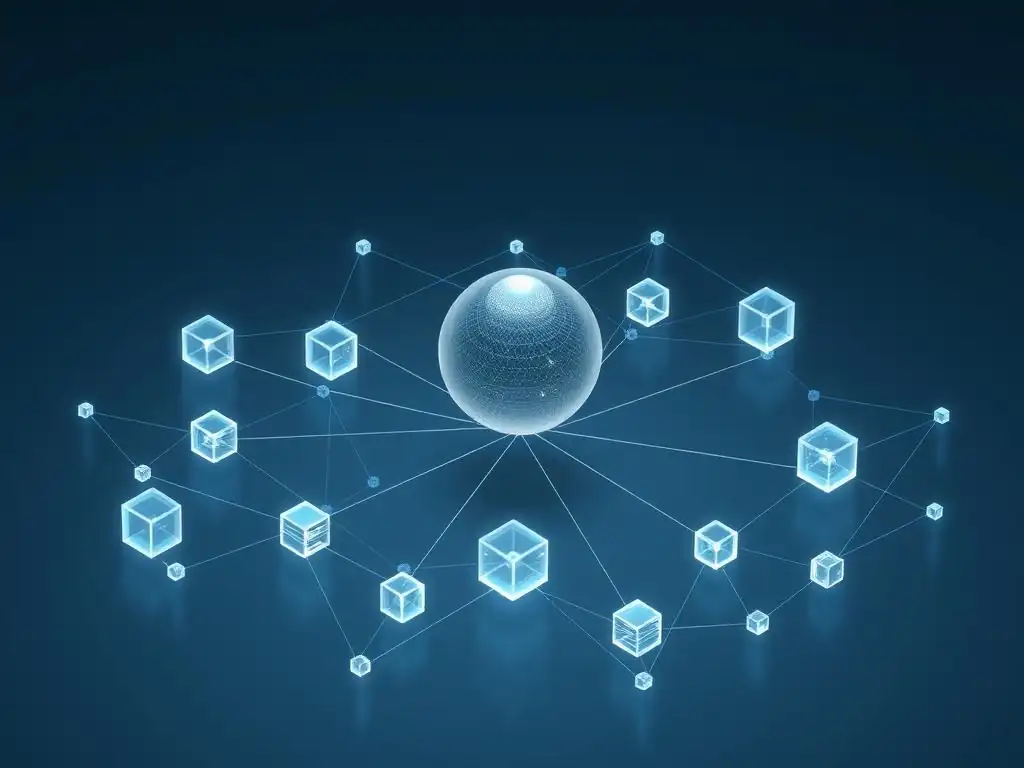
Smart contracts are the technological foundation for implementing on-chain voting mechanisms in DAOs. These self-executing contracts, written in languages like Solidity or Vyper and deployed on blockchains like Ethereum, automate the entire voting process, from proposal submission and vote casting to vote counting and outcome execution. Smart contracts ensure that voting rules are enforced transparently and immutably, eliminating the need for intermediaries and reducing the potential for manipulation or censorship. They define the logic of the voting system, including parameters like voting periods, quorum requirements, and the mechanisms for calculating voting power.
The implementation of smart contracts for on-chain voting involves several key components. Proposal contracts manage the submission and lifecycle of governance proposals. Voting contracts handle vote casting, ensuring that only authorized token holders can vote and that votes are recorded accurately. Tallying contracts aggregate votes and determine the outcome based on predefined voting rules. Execution contracts automatically implement the outcome of successful proposals, executing actions like transferring funds, updating protocol parameters, or modifying contract code. The careful design, development, and rigorous auditing of these smart contracts are crucial for the security and reliability of DAO voting mechanisms implementation.
Challenges and Considerations in Smart Contract Development for DAOs
Developing smart contracts for DAO voting mechanisms presents significant technical challenges and requires careful consideration of various factors. Security is paramount, as vulnerabilities in voting smart contracts can have severe consequences, potentially leading to governance attacks or loss of funds. Smart contract developers must adhere to secure coding practices, conduct thorough testing, and engage in independent security audits to minimize risks. Gas optimization is another crucial consideration, particularly on blockchains like Ethereum where transaction costs can be high. Efficient smart contract code reduces gas consumption, making voting more affordable and accessible to community members.
Scalability is also a growing concern as DAOs grow in size and activity. Voting smart contracts need to be designed to handle a large number of voters and proposals without becoming congested or prohibitively expensive to operate. Furthermore, upgradability and flexibility are important considerations.
DAOs evolve over time, and their governance mechanisms may need to adapt to changing needs or emerging best practices. Designing smart contracts that can be upgraded or modified in a secure and transparent manner is essential for the long-term viability of DAO voting mechanisms implementation. The complexity of these challenges underscores the need for specialized expertise in smart contract development and blockchain security for DAOs.
Tools and Platforms for DAO Governance and Voting
A growing ecosystem of tools and platforms is emerging to facilitate DAO governance and voting, simplifying the process for DAOs to implement and manage their on-chain governance mechanisms. These tools provide user-friendly interfaces for proposal creation, voting, and governance participation, abstracting away some of the technical complexities of interacting directly with smart contracts. Platforms like Aragon, Snapshot, and Tally offer comprehensive suites of governance tools, including voting modules, proposal management systems, and analytics dashboards.
Aragon provides a platform for creating and managing DAOs, offering a range of governance modules, including token voting, membership management, and dispute resolution mechanisms. Snapshot is a widely used off-chain voting platform that integrates with various blockchains and DAOs, providing a gas-less voting solution based on message signing.
Tally focuses on on-chain governance analytics and voting interfaces, offering tools to track governance participation, analyze voting trends, and simplify the voting process for token holders. These tools and platforms significantly lower the barrier to entry for DAOs seeking to implement robust and user-friendly DAO voting mechanisms implementation, contributing to the broader adoption and accessibility of decentralized governance.
Analyzing the Advantages and Disadvantages of Various DAO Voting Models
Trade-offs Between Efficiency and Decentralization in DAO Voting
Different DAO voting models inherently involve trade-offs between efficiency and decentralization. More centralized voting models, where a smaller group or a weighted majority holds significant power, can lead to faster and more efficient decision-making processes. Decisions can be made quickly and decisively without the need for extensive community consensus. However, this efficiency often comes at the cost of decentralization, potentially undermining the core principles of DAOs and leading to governance capture or decisions that do not represent the broader community.
On the other hand, more decentralized voting models, which aim for broader participation and more balanced power distribution, can be slower and less efficient in decision-making. Achieving consensus among a large and diverse community can be time-consuming and require extensive deliberation and negotiation. However, these models prioritize decentralization and inclusivity, leading to more legitimate and representative governance outcomes.
For example, quadratic voting, while aiming for greater fairness, can be more complex to implement and may still face challenges in achieving truly efficient decision-making compared to simple token-weighted voting. The optimal choice of DAO voting mechanisms implementation often involves carefully balancing these trade-offs between efficiency and decentralization based on the specific goals and context of the DAO.
The Importance of Adaptability in DAO Governance Systems
Adaptability is a crucial characteristic of effective DAO governance systems. The blockchain and DAO landscape is rapidly evolving, and governance models need to be flexible and adaptable to respond to new challenges, opportunities, and community needs. A rigid and inflexible governance system can become outdated or ineffective over time, hindering the DAO's ability to innovate and thrive. DAOs should be designed with mechanisms for governance evolution, allowing for adjustments to voting rules, proposal processes, or even the underlying governance model itself as needed.
Adaptability can be built into DAO governance systems in various ways. Time-based voting parameters, such as voting periods or quorum requirements, can be adjusted through governance proposals to optimize decision-making processes. Mechanisms for amending the DAO's constitution or governance framework can be implemented to allow for more fundamental changes to the governance structure. Furthermore, continuous monitoring and analysis of governance participation, voting outcomes, and community feedback are essential for identifying areas for improvement and adapting the DAO voting mechanisms implementation to ensure long-term effectiveness and responsiveness to the community.
Case Studies: Examining MakerDAO, Compound, and Aragon Voting Mechanisms
Examining the voting mechanisms of established DAOs like MakerDAO, Compound, and Aragon provides valuable insights into real-world implementations and their practical implications. MakerDAO, governing the DAI stablecoin, utilizes token-weighted voting for MKR token holders to make decisions related to risk parameters, stability fees, and protocol upgrades. Compound, a DeFi lending protocol, also employs token-weighted voting for COMP token holders, focusing on protocol upgrades and parameter adjustments. Both MakerDAO and Compound showcase the widespread adoption and practical application of token-weighted voting in large-scale DeFi DAOs.
Aragon, a platform for creating and managing DAOs, utilizes a more complex governance system, incorporating token-weighted voting with delegated voting and dispute resolution mechanisms. Aragon's governance model demonstrates a more sophisticated approach, aiming to balance token holder power with mechanisms for delegation and conflict resolution. These case studies highlight the diversity of DAO voting mechanisms implementation in practice, ranging from simple token-weighted models to more elaborate systems incorporating delegation, reputation, and other innovative approaches. Analyzing the successes and challenges faced by these DAOs provides valuable lessons for designing and refining future DAO governance models.
Best Practices for Designing and Implementing Effective DAO Governance
Defining Clear Governance Rules and Processes
Establishing clear and well-defined governance rules and processes is fundamental to effective DAO governance. Ambiguity or vagueness in governance rules can lead to confusion, disputes, and ultimately undermine the legitimacy and effectiveness of the DAO. Governance rules should be documented transparently and readily accessible to all community members, outlining procedures for proposal submission, voting processes, quorum requirements, decision-making timelines, and mechanisms for resolving disputes.
Clear governance processes should specify each step involved in the decision-making lifecycle, from idea generation and proposal drafting to voting, implementation, and monitoring of outcomes. Defining roles and responsibilities within the governance process can also enhance clarity and accountability. For example, specifying who is responsible for drafting proposals, moderating discussions, or executing voting outcomes. Well-defined governance rules and processes provide a framework for fair, predictable, and efficient decision-making, fostering trust and confidence within the DAO community and contributing to successful DAO voting mechanisms implementation.
Fostering a Culture of Collaboration and Open Communication
A thriving culture of collaboration and open communication is essential for healthy DAO governance. DAOs are inherently community-driven organizations, and effective governance relies on active participation, constructive dialogue, and a shared commitment to the DAO's success. Fostering open communication channels, such as forums, chat platforms, and governance calls, encourages transparency and allows community members to voice their opinions, share ideas, and engage in constructive debates about governance proposals.
Collaboration among community members with diverse skills and perspectives is crucial for informed decision-making. DAOs should encourage cross-functional collaboration and create opportunities for members to contribute their expertise to governance processes. A culture of respect, inclusivity, and active listening is vital for fostering a positive and productive governance environment. By prioritizing collaboration and open communication, DAOs can harness the collective intelligence of their communities and build stronger, more resilient, and effective DAO voting mechanisms implementation.
Continuous Improvement and Iteration of DAO Governance Models
DAO governance is not a static process; it requires continuous improvement and iteration to adapt to evolving needs and challenges. No governance model is perfect, and DAOs should embrace a mindset of continuous learning and refinement. Regularly reviewing governance processes, analyzing voting data, and soliciting community feedback are essential for identifying areas for improvement and adapting governance mechanisms over time.
Iteration in DAO governance can involve incremental adjustments to existing rules or more significant changes to the underlying governance model. Experimentation with different voting mechanisms, proposal processes, or community engagement strategies can help DAOs discover more effective approaches to governance. Embracing a data-driven and iterative approach to governance allows DAOs to learn from their experiences, adapt to changing circumstances, and continuously optimize their DAO voting mechanisms implementation to achieve greater efficiency, representativeness, and long-term sustainability.
The Future of OnChain Governance and DAO Voting
Evolving Trends in DAO Governance
The landscape of DAO governance is rapidly evolving, with several key trends shaping its future trajectory. One prominent trend is the increasing sophistication of voting mechanisms, moving beyond simple token-weighted voting towards more nuanced approaches like quadratic voting, conviction voting, and reputation-based systems. These emerging models aim to address the limitations of earlier voting mechanisms and create more balanced, representative, and effective governance systems. Another trend is the growing emphasis on modular and customizable governance frameworks, allowing DAOs to tailor their governance mechanisms to their specific needs and contexts.
Furthermore, the integration of off-chain tools and on-chain execution is becoming increasingly common, leveraging the strengths of both approaches. Off-chain platforms like Snapshot facilitate gas-less voting and community discussions, while on-chain smart contracts ensure transparent and immutable execution of governance decisions. The development of cross-chain governance solutions is also gaining momentum, enabling DAOs to govern assets and operations across multiple blockchains. These evolving trends point towards a future of more sophisticated, flexible, and interoperable DAO governance and voting mechanisms implementation.
The Impact of Regulation on DAO Voting Mechanisms
The evolving regulatory landscape surrounding DAOs and blockchain technology will significantly impact DAO voting mechanisms in the future. As DAOs become more prevalent and manage larger pools of assets, regulatory scrutiny is likely to increase. Regulations related to securities laws, money transmission, and taxation could directly affect DAO governance structures and voting processes. Compliance with regulatory requirements may necessitate adjustments to DAO voting mechanisms, potentially impacting decentralization and community participation.
For example, regulations aimed at preventing money laundering or terrorist financing could require DAOs to implement stricter identity verification or KYC (Know Your Customer) procedures for governance participants, potentially impacting anonymity and privacy within DAOs. Securities regulations could influence the design of governance tokens and voting rights, potentially requiring DAOs to register as securities or comply with specific disclosure requirements. Navigating this evolving regulatory landscape will be a critical challenge for DAOs, requiring careful consideration of legal and compliance implications in the design and implementation of DAO voting mechanisms.
The Potential of DAOs to Transform Organizations and Communities
DAOs hold immense potential to transform not only organizations but also communities by enabling new forms of decentralized coordination, governance, and value creation. Beyond cryptocurrencies and DeFi, DAOs are increasingly being explored for a wide range of applications, including decentralized media platforms, community-owned social networks, and collaborative research organizations. The ability of DAOs to facilitate transparent, community-driven decision-making can empower individuals and communities to collectively manage resources, make decisions, and build shared value in a more equitable and efficient manner compared to traditional hierarchical structures.
The potential of DAOs extends to various sectors, from supply chain management and decentralized marketplaces to online education and charitable organizations. By leveraging blockchain technology and on-chain governance, DAOs can foster greater transparency, accountability, and participation in organizational and community processes. As DAO technology matures and adoption expands, the transformative potential of DAOs to reshape how organizations and communities operate and interact is likely to become increasingly apparent, with DAO voting mechanisms implementation playing a central role in realizing this decentralized future.
Frequently Asked Questions
How does on-chain governance, particularly DAO voting mechanisms, differ from traditional corporate governance?
On-chain governance, enabled by DAO voting mechanisms, utilizes blockchain technology to ensure transparency and immutability. Unlike traditional corporate governance, it often involves a broader range of stakeholders in decision-making processes.
What are some of the most common DAO voting mechanisms currently in use?
Common DAO voting mechanisms include token-weighted voting, quadratic voting, and reputation-based voting. Each mechanism utilizes different criteria to determine voting power, impacting decision-making outcomes.
What are the key challenges associated with implementing DAO voting mechanisms?
Key challenges include voter apathy, Sybil attacks (creating multiple fake identities to influence votes), and the potential for "whale" dominance, where large token holders disproportionately control outcomes.
How can DAOs ensure fair and representative governance through their voting mechanisms?
DAOs can employ strategies like quadratic voting, delegated voting, and reputation systems to mitigate whale dominance and encourage broader participation. These mechanisms help ensure more equitable representation.
What is the future of DAO voting mechanisms implementation, and how might it evolve?
The future likely involves more sophisticated voting mechanisms incorporating AI and machine learning for improved security and analysis. Expect further development of decentralized identity solutions to combat Sybil attacks and promote more efficient governance.
Final Reflection: Shaping the Future of Decentralized Collaboration
The exploration of on-chain governance models, particularly in the context of DAO voting mechanisms implementation, reveals that the future of organizational decision-making is being actively rewritten. What was once a theoretical concept is now a tangible reality, shaping how communities and organizations operate in a transparent and decentralized manner, and the choices we make now will define the landscape of collaborative innovation for years to come.
This journey into DAO voting mechanisms has profoundly impacted my understanding of collective action and its potential. Witnessing the evolution of these systems firsthand underscores the importance of thoughtful design and continuous adaptation. The challenges and triumphs of various DAO voting models highlight the delicate balance between efficiency, inclusivity, and security. The best argument against democracy is a five-minute conversation with the average voter.
- Winston Churchill. This quote, while not directly about DAOs, reminds us that effective governance, even in decentralized systems, requires informed participation and robust mechanisms to mitigate potential pitfalls.
As we stand at the cusp of a decentralized future, let us not merely observe, but actively participate in shaping the evolution of DAO governance. Consider how you can contribute to building more equitable, efficient, and resilient systems. Explore the DAOs that resonate with your values, engage in their governance processes, and advocate for improvements. The power to redefine how we collaborate and make decisions lies within each of us. Embrace it, and let us collectively build a future where decentralized governance empowers individuals and unlocks unprecedented levels of innovation.
Shape the Future: Dive Deeper into DAO Governance!
Thank you for exploring the fascinating world of on-chain governance! You now have a solid understanding of how DAOs make decisions. Are you ready to put that knowledge into action?
Here's how you can get involved:
- Actively participate in a DAO's governance proposals. Find a DAO aligned with your interests, and make your voice heard through voting!
- Explore alternative voting mechanisms. Research methods like quadratic voting or conviction voting to see how these approaches could enhance DAO decision-making.
- Share this article with fellow blockchain enthusiasts to encourage a broader discussion about effective DAO governance strategies.
What innovative governance models do you think will shape the future of DAOs? Share your thoughts in the comments below!
Leave a Reply