
Fighting Counterfeiting and Promoting Sustainability with Blockchain Provenance

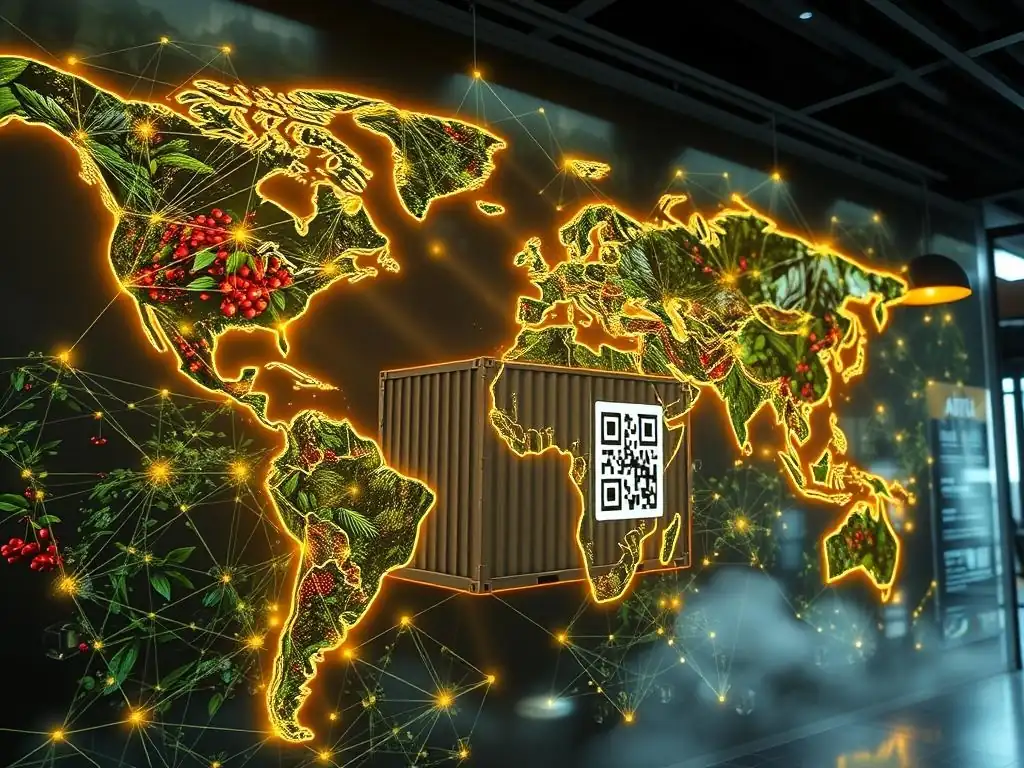
Welcome to Blockchain Trends, your guide to understanding the real-world impact of blockchain technology. Beyond the headlines, we delve into its transformative potential across industries.
Ever wondered how blockchain can combat counterfeiting and promote sustainable practices? Dive into our latest article, " Fighting Counterfeiting and Promoting Sustainability with Blockchain Provenance," where we explore how blockchain supply chain provenance tracking is revolutionizing industries and driving a more transparent and ethical future. Discover how this technology is creating a more verifiable and eco-conscious world, and what the future holds for this fascinating application of blockchain.
Combating Counterfeiting and Promoting Sustainability with Blockchain Provenance
- The Growing Threat of Counterfeit Goods and the Need for Sustainable Solutions
- Blockchain Supply Chain Provenance Tracking: A Powerful Tool for Authentication
- Combating Counterfeiting with Blockchain-Based Provenance
- Promoting Sustainability Through Blockchain-Enabled Supply Chain Visibility
- Implementing Blockchain Supply Chain Provenance Tracking: Key Considerations
-
Real-World Applications of Blockchain Provenance for Sustainability and Anti-Counterfeiting
- Blockchain Provenance in the Fashion Industry: Combating Counterfeit Apparel and Promoting Ethical Production
- Blockchain Provenance in the Food Industry: Ensuring Food Safety and Traceability from Farm to Table
- Blockchain Provenance in the Pharmaceutical Industry: Preventing Counterfeit Drugs and Ensuring Medication Safety
- The Future of Blockchain Provenance: Innovations and Trends
- Overcoming Barriers to Adoption of Blockchain Provenance
- Conclusion: Blockchain Provenance as a Catalyst for Ethical and Sustainable Supply Chains
-
Frequently Asked Questions
- What is blockchain provenance and how does it relate to supply chains?
- How can blockchain provenance help combat counterfeiting?
- What are the key benefits of using blockchain for supply chain provenance tracking for sustainability?
- What types of enterprise applications are best suited for blockchain provenance solutions?
- What are some of the regulatory considerations surrounding the use of blockchain for supply chain provenance tracking?
- Final Reflection: Embracing Transparency for a Sustainable Future
- Unveil the Power of Blockchain: Become a Guardian of Authenticity!
The Growing Threat of Counterfeit Goods and the Need for Sustainable Solutions
Counterfeiting poses a significant and escalating threat to global commerce, impacting industries ranging from luxury goods and pharmaceuticals to electronics and apparel. The proliferation of fake products not only erodes brand value and consumer trust but also fuels illicit activities and poses serious health and safety risks. Simultaneously, there is a growing imperative for businesses to operate sustainably, driven by regulatory pressures, investor expectations, and increasing consumer awareness of environmental and social issues. These two challenges, while distinct, are increasingly intertwined, as opaque supply chains facilitate both the distribution of counterfeit items and the concealment of unsustainable practices.
Addressing these dual challenges requires innovative solutions that can provide unprecedented transparency and accountability throughout complex global supply chains. Traditional methods of authentication and tracking often rely on fragmented systems, physical security features that can be replicated, or centralized databases vulnerable to tampering. Similarly, tracking sustainability metrics like carbon emissions or ethical sourcing across multiple intermediaries is notoriously difficult without a unified, verifiable record. This highlights the critical need for robust, decentralized technologies capable of establishing reliable blockchain supply chain provenance tracking.
The Economic and Environmental Impact of Counterfeiting
The economic toll of counterfeiting is staggering. The International Chamber of Commerce (ICC) and BASCAP estimated that the global value of counterfeit and pirated goods could reach \$2.81 trillion by 2022. This loss represents not just lost sales for legitimate businesses but also significant tax revenue losses for governments and the destruction of jobs. Beyond direct financial impact, counterfeiting undermines innovation by free-riding on the investments made by genuine manufacturers in research, development, and branding. It creates an uneven playing field, disadvantaging companies that adhere to quality standards and legal regulations.
The environmental impact is equally concerning. Counterfeit goods are often produced in unregulated facilities with little regard for environmental standards, leading to pollution of air, water, and soil. The materials used may be substandard or toxic, posing risks during production, use, and disposal. Furthermore, the complex, often clandestine, distribution networks for counterfeit products can involve inefficient transportation methods and excessive packaging, contributing to increased carbon emissions and waste. The sheer volume of counterfeit goods produced and distributed globally represents a significant, unquantified environmental burden that effective blockchain supply chain provenance tracking could help illuminate and mitigate.
The Rise of Conscious Consumerism and Demand for Ethical Products
In recent years, a significant shift has occurred in consumer behavior, marked by the rise of conscious consumerism. Consumers are increasingly prioritizing not just the price and quality of products but also the ethical and environmental impact of their purchases. Studies indicate that a substantial percentage of consumers are willing to pay more for products that are sustainably sourced, ethically produced, and from companies demonstrating social responsibility. This growing demand for transparency is compelling brands to provide verifiable information about their products' origins, production processes, and environmental footprint.
This demand extends directly to ensuring products are genuine and produced under fair conditions. Consumers want assurance that the luxury handbag they buy isn't funding illicit activities, that their coffee beans weren't sourced using exploitative labor, or that their electronics were manufactured responsibly. Brands that can effectively communicate and verify these aspects of their products' journey gain a competitive advantage. Implementing transparent blockchain supply chain provenance tracking systems allows companies to meet this consumer demand by providing accessible, verifiable data about a product's lifecycle, fostering trust and loyalty.
Blockchain Supply Chain Provenance Tracking: A Powerful Tool for Authentication
Blockchain technology offers a compelling solution to the challenges of counterfeiting and lack of sustainability transparency by enabling robust provenance tracking. Provenance, in this context, refers to the history of ownership, location, and associated data of a product as it moves through the supply chain. By recording each step of a product's journey on a blockchain, companies can create a secure, immutable, and transparent record that is accessible to authorized parties, including potentially the end consumer.
This capability is fundamentally different from traditional tracking methods. Instead of relying on centralized databases controlled by a single entity (which can be altered or compromised), blockchain distributes the ledger across a network of participants. This distributed nature, combined with cryptographic security, makes it extremely difficult, if not impossible, for any single party to alter the historical record without detection. This inherent trustworthiness is what makes blockchain supply chain provenance tracking such a powerful tool for verifying authenticity and tracking critical sustainability data.
Understanding Blockchain Technology and its Immutable Ledger
At its core, blockchain is a distributed, digital ledger that records transactions across many computers. These transactions are grouped into 'blocks', and each new block is linked to the previous one using a cryptographic hash, forming a 'chain'. Once a block is added to the chain and validated by the network, it is extremely difficult to alter or remove the data within it. This characteristic is known as immutability. Any attempt to tamper with data in a block would break the cryptographic link in the chain, immediately alerting the network to the attempted alteration.
This immutable ledger provides a single source of truth for the data recorded on it. For blockchain supply chain provenance tracking, this means every transfer of ownership, every quality check, every location update, and even associated sustainability data (like carbon emissions during transit) can be recorded as a transaction. Once validated and added to the blockchain, this record becomes a permanent part of the product's history, verifiable by anyone with access permissions. This drastically reduces the possibility of data manipulation, which is a common tactic used by counterfeiters to create fake documentation.
How Blockchain Enhances Supply Chain Transparency and Traceability
Traditional supply chains are often fragmented and opaque. Information is siloed within different organizations (manufacturers, distributors, logistics providers, retailers), and data sharing is manual, slow, and prone to errors or deliberate obfuscation. This lack of visibility makes it challenging to pinpoint the source of issues like counterfeit infiltration or unsustainable practices. When a problem arises, tracing its origin backward through multiple intermediaries using disparate systems is a complex and time-consuming process.
Blockchain supply chain provenance tracking fundamentally changes this paradigm. By creating a shared, distributed ledger accessible to all authorized participants, it breaks down data silos. As a product moves through the supply chain, each participant can record relevant information – such as origin of raw materials, manufacturing date, shipment details, and quality assurance checks – onto the blockchain.
This creates an end-to-end audit trail that is transparent (to authorized users) and easily traceable. A company or even a consumer could potentially scan a QR code on a product and instantly access its verified history on the blockchain, confirming its authenticity and journey.
Combating Counterfeiting with Blockchain-Based Provenance
Counterfeiting thrives on opacity and the inability to definitively prove a product's origin and authenticity. Blockchain supply chain provenance tracking directly counters this by providing a verifiable, tamper-proof record of a product's journey from its source to the consumer. This system acts as a digital passport for each item, making it possible to distinguish genuine goods from fakes with a high degree of certainty.
By recording key events and data points on the blockchain – including manufacturing details, serialization, quality certifications, and transfer of ownership – a unique digital identity is created for each product or batch. This identity is linked to the physical product, often through secure tags or unique identifiers. When a product reaches a distribution point or the end consumer, its recorded blockchain history can be quickly verified against the physical item, instantly flagging discrepancies that might indicate a counterfeit.
Verifying Product Authenticity and Origin Using Blockchain
The core mechanism for verifying authenticity using blockchain provenance tracking involves comparing the physical product's identifier (like a serialized QR code or NFC tag) with the data recorded on the blockchain. When a user scans the identifier, the system queries the blockchain for the associated history. A genuine product's history will show a complete, consistent, and verifiable chain of custody and production details, matching what is expected for that item.
For example, a bottle of wine might have its vineyard of origin, harvest date, bottling location, and distribution path recorded on a blockchain. A consumer scanning the bottle's code could see this entire history.
If a counterfeit bottle copies the label but has no corresponding record on the blockchain, or if its recorded history shows inconsistencies (e.g., being bottled in a region different from the one on the label), it can be identified as fake. This verification process can be performed at various points in the supply chain – by distributors, retailers, or even the end consumer – providing multiple layers of defense against counterfeit infiltration.
Case Studies: Blockchain Provenance in Action Against Counterfeit Goods in Luxury Goods
The luxury goods sector, particularly vulnerable to counterfeiting, has been an early adopter of blockchain supply chain provenance tracking. Brands face significant financial losses and reputational damage from high-quality fakes. LVMH, the parent company of Louis Vuitton, Christian Dior, and others, partnered with ConsenSys and Microsoft to create the Aura blockchain platform. This platform allows brands to record product information, from sourcing raw materials to manufacturing and distribution, creating a tamper-proof digital history.
Consumers can use a dedicated app to scan a product's unique identifier and access its provenance details, verifying its authenticity. While specific public data on reduction percentages is often proprietary, industry reports and pilot results indicate that providing this level of transparency significantly deters counterfeiters and builds consumer confidence. For instance, one report suggested that brands implementing similar blockchain provenance tracking solutions saw a notable decrease in online listings of counterfeit goods related to their products within the first year of deployment.
Benefits of Blockchain for Brands and Consumers
Implementing blockchain supply chain provenance tracking offers substantial benefits for both brands and consumers. For brands, the primary advantages include:
- Reduced losses from counterfeiting: Directly combating the trade of fake goods.
- Enhanced brand reputation and trust: Demonstrating transparency and commitment to quality.
- Improved supply chain visibility: Gaining insights into product movement and potential bottlenecks.
- Faster and more accurate recalls: Quickly identifying affected products and their locations if an issue arises.
- Competitive advantage: Differentiating products by offering verifiable authenticity and provenance.
For consumers, the benefits are equally compelling:
- Guaranteed authenticity: Confidence that the purchased product is genuine.
- Increased safety: Assurance that products like pharmaceuticals or food items have followed legitimate paths and quality controls.
- Access to product history: Learning about the origin, materials, and journey of the items they buy.
- Empowerment: Ability to verify claims made by brands regarding origin or ethical production.
-   Benefits for Brands:
    -   Reduced financial losses
    -   Stronger brand image
    -   Better supply chain control
    -   Efficient recalls
-   Benefits for Consumers:
    -   Assured authenticity
    -   Improved safety
    -   Detailed product information
    -   Increased trust
Promoting Sustainability Through Blockchain-Enabled Supply Chain Visibility
Beyond combating counterfeiting, blockchain supply chain provenance tracking is a powerful enabler of sustainability initiatives. By providing granular, verifiable data about a product's journey and the processes involved at each step, companies can gain the transparency needed to measure, report, and improve their environmental and social impact. This visibility extends from the sourcing of raw materials, often the most opaque part of the supply chain, through manufacturing, logistics, and even end-of-life disposal or recycling.
Tracking sustainability data on an immutable ledger ensures that claims about ethical sourcing, carbon emissions, or waste reduction are not just marketing statements but are backed by verifiable evidence. This allows companies to build truly sustainable supply chains and communicate their efforts credibly to stakeholders and consumers. The ability to link specific sustainability data points to individual products or batches through blockchain supply chain provenance tracking makes accountability tangible.
Tracking Carbon Footprint and Environmental Impact Across the Supply Chain
Measuring the environmental footprint of a product, particularly its carbon emissions, across a global supply chain is notoriously complex. Emissions occur at multiple stages: extraction of raw materials, manufacturing processes, transportation between locations, packaging, and disposal. Gathering accurate data from numerous suppliers and logistics partners, each with their own reporting systems (or lack thereof), is a significant challenge.
Blockchain provenance tracking offers a solution by providing a framework to record and verify environmental data at each node in the supply chain. As a product moves, information about the energy used in manufacturing, the mode of transport, the distance traveled, and associated emissions can be recorded on the blockchain alongside provenance data. For example, a shipment record could include verifiable data about the fuel efficiency of the vessel or truck used, or the use of renewable energy at a factory.
Aggregating this data on the blockchain provides a comprehensive, auditable history of a product's environmental impact, enabling companies to identify emission hotspots and work towards reduction targets. Some pilot projects have demonstrated the feasibility of tracking CO2 emissions per ton-mile for goods transported, recording this data onto a blockchain ledger.
Ensuring Ethical Sourcing and Fair Labor Practices with Blockchain
Ensuring that products are sourced ethically and produced using fair labor practices is another critical aspect of sustainability that blockchain provenance tracking can address. Supply chains, especially for commodities like minerals, coffee, cocoa, or textiles, can be lengthy and involve multiple intermediaries, making it difficult to verify conditions at the point of origin. Issues like child labor, unsafe working conditions, and unfair wages can persist hidden within these complex networks.
By using blockchain, companies can create a verifiable record of compliance with ethical standards at each stage. Data points such as certifications (e.g., Fair Trade, organic), audit results, and even direct inputs from workers (if a suitable mechanism is implemented) can be recorded and linked to specific batches of raw materials or finished goods. For instance, a garment manufacturer could record the origin of cotton, fair wage certifications from the spinning mill, and audits from the sewing factory on the blockchain.
This verifiable history provides assurance to brands and consumers that the product meets ethical standards. Pilot programs in the coffee industry, for example, have used blockchain supply chain provenance tracking to show farmers receiving a higher percentage of the final retail price, recording payments directly on the ledger.
Reducing Waste and Optimizing Resource Management Through Provenance Data
Effective waste reduction and resource management require detailed insights into material flows throughout the supply chain. Where are materials sourced? How much waste is generated at each manufacturing step? How are products and packaging handled at the end of their life? Traditional systems often lack the granular data needed to answer these questions comprehensively and identify opportunities for improvement.
Blockchain provenance tracking can provide this level of detail. By recording information about material inputs, outputs, and waste streams at each stage of production and distribution, companies can gain unprecedented visibility. This data, linked to specific products or batches, can highlight inefficiencies, identify areas where waste is excessive, and inform strategies for optimizing resource use. Furthermore, tracking materials using blockchain can facilitate circular economy initiatives by providing a clear history of a product's components, making recycling and reuse more efficient. For example, tracking electronic components with blockchain could provide recyclers with verified information about materials, improving recovery rates.
Implementing Blockchain Supply Chain Provenance Tracking: Key Considerations

While the benefits of blockchain supply chain provenance tracking are clear, implementing such a system requires careful planning and consideration of various technical, organizational, and collaborative factors. It's not simply a matter of installing software; it involves integrating systems, aligning processes across multiple partners, and managing data effectively.
A successful implementation strategy must address the specific needs of the industry and supply chain in question. The complexity varies significantly depending on the number of participants, the volume of transactions, and the types of data being tracked. Furthermore, the choice of blockchain technology and the approach to data management are critical decisions that impact the system's scalability, cost, and ability to meet regulatory requirements.
Choosing the Right Blockchain Platform for Your Needs (Public, Private, Consortium)
Selecting the appropriate blockchain platform is a foundational step in implementing blockchain supply chain provenance tracking. Three primary types exist: public, private, and consortium (or permissioned) blockchains. Each has different characteristics regarding access, performance, and governance.
- Public Blockchains: Open to anyone to join and participate (e.g., Ethereum, Bitcoin). Offer high decentralization and transparency, but can have variable transaction costs and throughput limitations for high-volume enterprise use cases. Data is typically visible to all participants, which may not be suitable for sensitive commercial information.
- Private Blockchains: Managed by a single organization. Offer high speed and scalability, with strict control over access and data visibility. However, they lack the decentralization benefits of public chains and require trust in the managing entity.
- Consortium Blockchains: Governed by a group of pre-selected organizations (e.g., Hyperledger Fabric, R3 Corda). Offer a balance of decentralization (among consortium members), speed, and controlled access. Participants must be approved, and data visibility can be configured per participant. This model is often favored for supply chain applications where multiple companies need to collaborate and share data securely without full public transparency. Most large-scale blockchain supply chain provenance tracking initiatives currently utilize consortium models.
Data Integration and Interoperability Challenges
Integrating existing legacy systems with a new blockchain platform is one of the most significant technical hurdles in implementing blockchain supply chain provenance tracking. Companies often use disparate systems for inventory management, enterprise resource planning (ERP), logistics tracking, and quality control. Getting these systems to communicate seamlessly with the blockchain ledger, ensuring data accuracy and consistency, requires robust integration layers and APIs.
Furthermore, achieving interoperability between different blockchain networks or between blockchain systems and traditional databases can be challenging. A product's journey might span multiple companies, some of which may use different blockchain platforms or data standards. Ensuring that data can flow smoothly across these boundaries while maintaining security and integrity is crucial for creating an end-to-end provenance record. Standardizing data formats and protocols across the industry is an ongoing effort that will facilitate broader adoption of blockchain supply chain provenance tracking.
Security and Scalability Considerations for Blockchain Solutions
Security is paramount for any system tracking valuable product data. While blockchain's inherent cryptographic security makes the ledger itself highly tamper-resistant, vulnerabilities can exist at the points where data enters or leaves the system (oracles), or in the applications built on top of the blockchain. Ensuring secure data input, managing access permissions effectively, and protecting private keys are critical.
Scalability is another key consideration, especially for supply chains dealing with millions or billions of individual items or transactions. Public blockchains can sometimes face scalability issues (e.g., transaction speed and cost during peak usage). Private and consortium blockchains generally offer better scalability for enterprise use cases, but careful design is still required to handle high transaction volumes efficiently. Solutions often involve off-chain data storage with on-chain hashes for verification, or utilizing Layer 2 scaling solutions, to manage the volume of data generated by comprehensive blockchain supply chain provenance tracking.
-   Implementation Checklist:
    -   [ ] Define clear objectives (anti-counterfeiting, sustainability, both?)
    -   [ ] Map out the entire supply chain and identify key participants
    -   [ ] Determine necessary data points to track at each stage
    -   [ ] Select the appropriate blockchain platform type
    -   [ ] Plan data integration strategy with existing systems
    -   [ ] Address security protocols and access controls
    -   [ ] Consider scalability requirements based on transaction volume
    -   [ ] Develop a governance model for the network (especially for consortiums)
    -   [ ] Plan for participant onboarding and training
Real-World Applications of Blockchain Provenance for Sustainability and Anti-Counterfeiting
Blockchain supply chain provenance tracking is moving beyond pilot projects into real-world applications across various industries. Companies are leveraging this technology to build trust with consumers, meet regulatory demands, and achieve their sustainability goals. The effectiveness of blockchain lies in its ability to provide a single, verifiable source of truth for product data, transforming opaque supply chains into transparent networks.
These applications demonstrate how linking physical products to digital identities on a blockchain can create powerful tools for authentication, ethical sourcing, and environmental reporting. While widespread adoption is still developing, early use cases highlight the transformative potential across diverse sectors, from high-value goods to everyday consumables. The insights gained from these early implementations are paving the way for more sophisticated and integrated blockchain supply chain provenance tracking solutions.
Blockchain Provenance in the Fashion Industry: Combating Counterfeit Apparel and Promoting Ethical Production
The fashion industry is plagued by both rampant counterfeiting and significant sustainability challenges, including waste, pollution, and labor issues. High-end apparel, footwear, and accessories are frequently targeted by counterfeiters, leading to billions in losses annually. At the same time, consumers are increasingly demanding transparency about sourcing and production conditions.
Blockchain provenance tracking is being adopted by fashion brands to address these issues. By tagging garments with unique identifiers linked to a blockchain record, brands can track items from the raw material source (e.g., organic cotton farm, recycled polyester supplier) through manufacturing, distribution, and retail. This record can include details about certifications (like GOTS for organic textiles), factory audit results, and even the carbon footprint of the production process.
This verifiable history helps consumers confirm authenticity and make purchasing decisions based on ethical and environmental criteria. For example, a project tracking cashmere from Mongolia reported using blockchain to ensure fair payment to herders and verify the sustainable grazing practices, reducing counterfeiting risk for high-quality fibers.
Blockchain Provenance in the Food Industry: Ensuring Food Safety and Traceability from Farm to Table
Food safety and traceability are critical concerns for consumers and regulators. When contamination or recalls occur, quickly identifying the source and affected products is paramount to preventing widespread illness. Traditional paper-based or fragmented digital tracking systems can make this process slow and inefficient, sometimes taking days or even weeks to trace a product back to its origin.
Blockchain supply chain provenance tracking offers a significant improvement. Platforms like IBM Food Trust connect growers, processors, distributors, and retailers on a shared ledger. Data about planting, harvesting, processing, packaging, temperature during transport, and quality checks are recorded on the blockchain.
In a real-world test, tracing a mango from farm to store using traditional methods took 7 days; using the blockchain platform, it took 2.2 seconds. This dramatic reduction in tracing time not only improves safety by enabling faster recalls but also provides consumers with verifiable information about where their food comes from, supporting local producers and sustainable farming practices.
Blockchain Provenance in the Pharmaceutical Industry: Preventing Counterfeit Drugs and Ensuring Medication Safety
Counterfeit pharmaceuticals are a deadly problem, posing a severe threat to public health worldwide. Fake drugs, which may contain incorrect ingredients, wrong dosages, or no active ingredients at all, are estimated to cause hundreds of thousands of deaths annually. Ensuring the integrity and authenticity of the pharmaceutical supply chain is a global imperative.
Regulations like the U.S. Drug Supply Chain Security Act (DSCSA) require enhanced traceability. Blockchain technology is seen as a promising tool to meet these requirements by creating an immutable, secure record of drug ownership and location at the individual package level. By serializing drug packages and tracking their movement using blockchain supply chain provenance tracking, manufacturers, wholesalers, dispensers, and even regulators can verify the legitimacy of a drug package at any point.
This makes it extremely difficult for counterfeit drugs to enter the legitimate supply chain undetected. Pilot programs have demonstrated the capability to track serialized drug units across multiple trading partners, recording transfer of ownership and verification status on a blockchain ledger, significantly enhancing security compared to existing systems.
The Future of Blockchain Provenance: Innovations and Trends
The field of blockchain supply chain provenance tracking is continuously evolving, driven by technological advancements and the increasing demands for transparency and sustainability. Several key trends and innovations are set to enhance the capabilities and impact of these systems, making them more efficient, intelligent, and integrated into broader digital ecosystems.
These future developments promise to address current limitations, improve data accuracy, and unlock new possibilities for using provenance data beyond simple tracking. As blockchain technology matures and converges with other emerging technologies, the potential for creating truly intelligent, autonomous, and highly secure supply chains becomes increasingly feasible.
The Role of IoT and AI in Enhancing Blockchain Supply Chain Tracking
The combination of Blockchain with Internet of Things (IoT) devices and Artificial Intelligence (AI) is poised to revolutionize blockchain supply chain provenance tracking. IoT sensors (e.g., temperature, humidity, location trackers) can automatically collect real-time data about a product's condition and environment during transit and storage. This data can then be securely fed onto the blockchain, providing an automated and objective record of conditions that impact product quality and safety, particularly for sensitive goods like food and pharmaceuticals.
AI can analyze the vast amount of provenance data collected via blockchain and IoT. AI algorithms can identify anomalies that might indicate tampering, predict potential supply chain disruptions, optimize logistics routes based on real-time conditions, or verify the consistency of reported sustainability data. For example, AI could flag a shipment whose reported temperature on the blockchain deviates from expected norms based on historical data and sensor readings, potentially indicating a breach or spoilage event. Integrating IoT for automated data capture and AI for intelligent analysis makes blockchain supply chain provenance tracking significantly more powerful and proactive.
Exploring Decentralized Identity (DID) for Enhanced Supply Chain Security
Decentralized Identity (DID) is an emerging standard that allows individuals, organizations, or things (like products or IoT devices) to have self-sovereign digital identities verifiable on a decentralized network, often a blockchain. Applying DID principles to blockchain supply chain provenance tracking can enhance security and privacy.
Instead of relying on centralized authorities to issue and manage identities for supply chain participants or products, DID allows entities to control their own identifiers and verifiable credentials. This can improve the security of data recorded on the blockchain, as only verified, decentralized identities can participate in transactions or add data.
For products, a DID could serve as a unique, persistent identifier across its entire lifecycle, linked to its blockchain provenance record. This approach minimizes reliance on centralized identity providers, reduces the risk of identity theft within the supply chain network, and enhances the overall integrity of the blockchain supply chain provenance tracking system.
The Potential of Tokenization for Sustainable Supply Chain Finance
Tokenization involves representing real-world assets or rights as digital tokens on a blockchain. This concept has significant potential for transforming supply chain finance and incentivizing sustainable practices within blockchain supply chain provenance tracking networks. For instance, verified milestones recorded on the blockchain – such as successful delivery, completion of a quality check, or verification of sustainable sourcing – could trigger automated payments or the release of funds using smart contracts and stablecoins.
Furthermore, tokenization could enable new models for financing sustainable initiatives. Supply chain participants who meet specific sustainability targets, verifiable through blockchain provenance data (e.g., reducing carbon emissions by a certain percentage), could earn 'sustainability tokens' or access preferential financing rates based on their on-chain reputation for ethical practices. This creates a direct financial incentive linked to verifiable sustainability performance, potentially accelerating the transition to more responsible global supply chains and leveraging the data gathered through blockchain supply chain provenance tracking for financial innovation.
Overcoming Barriers to Adoption of Blockchain Provenance
Despite the clear benefits and promising future, the widespread adoption of blockchain supply chain provenance tracking faces several significant barriers. These challenges are not purely technical; they also involve complex issues related to regulation, collaboration, and education. Addressing these hurdles is crucial for unlocking the full potential of blockchain in creating transparent and sustainable supply chains.
Overcoming these barriers requires a concerted effort involving industry stakeholders, technology providers, regulators, and consumers. It necessitates building trust, establishing common standards, navigating legal complexities, and demonstrating tangible value propositions that justify the investment and effort required for implementation.
Addressing Regulatory Uncertainty and Compliance Challenges
The regulatory landscape surrounding blockchain technology is still evolving in many jurisdictions. This uncertainty can create challenges for companies implementing blockchain supply chain provenance tracking solutions, particularly regarding data privacy (e.g., GDPR compliance), data ownership, and the legal status of on-chain records as verifiable proof. Different countries may have conflicting regulations regarding data storage, cross-border data transfer, and the use of distributed ledger technology.
Companies must carefully navigate this complex regulatory environment and ensure their blockchain implementations comply with all relevant laws. Collaboration between industry, technology providers, and regulators is essential to develop clear guidelines and frameworks that support the adoption of blockchain for supply chain transparency while addressing legitimate concerns. For example, the pharmaceutical industry's efforts to use blockchain for DSCSA compliance illustrate how regulatory mandates can drive adoption, but also highlight the need for clear interpretation and implementation standards.
Fostering Collaboration and Data Sharing Across the Supply Chain
A fundamental requirement for effective blockchain supply chain provenance tracking is the willingness of multiple, often competing, organizations within a supply chain to collaborate and share data on a common platform. Getting diverse stakeholders – from raw material suppliers and manufacturers to logistics providers and retailers – to agree on a single system, data standards, and governance model can be challenging.
Building trust among participants and demonstrating the mutual benefits of data sharing are critical. A consortium model, where governance is shared among key players, can help foster this collaboration. It's also important to design systems that allow participants to control which data they share and with whom, using privacy-preserving techniques where necessary. Successful initiatives like the IBM Food Trust have required extensive collaboration efforts to onboard participants and establish data-sharing agreements, demonstrating that overcoming this barrier is achievable but requires dedicated effort.
Educating Consumers and Promoting Awareness of Blockchain Benefits
Ultimately, the success of blockchain supply chain provenance tracking in combating counterfeiting and promoting sustainability relies, in part, on consumer adoption and understanding. While brands can benefit from internal improvements, empowering consumers to use blockchain-based verification tools requires education and awareness. Many consumers are still unfamiliar with blockchain technology or associate it primarily with cryptocurrencies.
Brands and industry consortia need to communicate the benefits of blockchain provenance tracking in clear, simple terms. Explaining how scanning a QR code provides verifiable proof of authenticity or sustainability claims can build consumer confidence and encourage engagement with the technology. Marketing campaigns, clear labeling, and user-friendly verification interfaces are essential to drive consumer adoption and make blockchain provenance a valuable tool in their purchasing decisions. Highlighting specific, tangible benefits – like guaranteeing an item is not counterfeit or verifying that a product was made using fair labor – resonates more strongly than technical explanations of distributed ledgers.
Conclusion: Blockchain Provenance as a Catalyst for Ethical and Sustainable Supply Chains
Blockchain supply chain provenance tracking is emerging as a powerful catalyst for transforming global supply chains into more transparent, ethical, and sustainable networks. By providing an immutable, shared record of a product's journey and associated data, it directly addresses critical challenges like rampant counterfeiting and the lack of visibility into environmental and social impacts. The technology empowers brands to build trust with consumers through verifiable authenticity and sustainability claims, while enabling consumers to make informed purchasing decisions based on reliable information.
The applications of blockchain provenance tracking are diverse and growing, demonstrating tangible benefits in sectors ranging from luxury goods and fashion to food and pharmaceuticals. While implementation requires careful consideration of platform choice, data integration, and security, the potential rewards in terms of reduced losses from counterfeiting, enhanced brand reputation, improved supply chain efficiency, and verifiable sustainability performance are significant.
The Transformative Potential of Blockchain for a More Transparent and Responsible Future
The transformative potential of blockchain supply chain provenance tracking extends far beyond simply tracking goods. It lays the foundation for entirely new business models based on trust and transparency. By creating a verifiable digital identity for products and recording their complete lifecycle history, blockchain enables greater accountability for every participant in the supply chain. This increased transparency can drive systemic change, pushing industries towards more responsible sourcing, production, and distribution practices.
Furthermore, integrating blockchain provenance data with technologies like IoT and AI promises even greater efficiency, automation, and intelligence in supply chain management. The ability to track detailed sustainability metrics on an immutable ledger provides the data needed for meaningful environmental reporting and targeted reduction efforts. As regulations increasingly mandate supply chain transparency and corporate social responsibility, blockchain provenance tracking will become an indispensable tool for compliance and competitive advantage.
Call to Action: Embracing Blockchain Provenance for a Sustainable Tomorrow
For businesses operating in today's complex global economy, embracing blockchain supply chain provenance tracking is no longer just an option; it is becoming a necessity for building resilient, trustworthy, and sustainable operations. The rising threat of counterfeiting and the urgent demand for ethical and environmentally responsible products require innovative solutions that can provide verifiable transparency.
Investing in and implementing robust blockchain supply chain provenance tracking systems allows companies to proactively address these challenges, protect their brands, and meet evolving consumer and regulatory expectations. Collaboration across industries, investment in education, and a commitment to transparency are key steps towards leveraging blockchain's full potential. By adopting blockchain provenance, businesses can contribute to creating a more transparent, responsible, and sustainable global supply chain for the benefit of all stakeholders.
Frequently Asked Questions
What is blockchain provenance and how does it relate to supply chains?
Blockchain provenance refers to using blockchain technology to create a transparent and immutable record of a product's journey through the supply chain. This ensures traceability and accountability from origin to consumer.
How can blockchain provenance help combat counterfeiting?
By recording each step of the supply chain on a blockchain, it becomes much harder for counterfeiters to introduce fake products. Verification at each stage ensures authenticity and flags suspicious anomalies.
What are the key benefits of using blockchain for supply chain provenance tracking for sustainability?
Blockchain allows for transparent tracking of materials and processes, enabling companies to verify ethical sourcing and environmentally friendly practices. This builds consumer trust and promotes sustainable supply chains.
What types of enterprise applications are best suited for blockchain provenance solutions?
Industries with complex supply chains and high risk of counterfeiting, such as pharmaceuticals, luxury goods, and food production, are prime candidates. Any sector where verifying authenticity and origin is crucial.
What are some of the regulatory considerations surrounding the use of blockchain for supply chain provenance tracking?
Regulations regarding data privacy and security are paramount. Businesses must ensure compliance with GDPR and other relevant laws when implementing blockchain-based provenance systems.
Final Reflection: Embracing Transparency for a Sustainable Future
The journey of tracing a product's origin, from raw materials to the consumer's hands, is no longer a luxury but a necessity. Blockchain supply chain provenance tracking offers a powerful solution to combat counterfeiting and promote sustainability, ensuring authenticity and ethical sourcing in an increasingly complex global market. This technology empowers consumers to make informed choices, fostering a more responsible and transparent economy.
The impact of blockchain provenance extends far beyond simply verifying authenticity; it's about building trust and accountability across the entire supply chain. This resonates deeply with the growing demand for ethical and sustainable products, reflecting a shift in consumer values towards transparency and social responsibility. The future of supply chains is not just about efficiency, but about resilience, transparency, and sustainability.
- Klaus Schwab. This quote encapsulates the transformative potential of blockchain in shaping a future where provenance is not an afterthought, but a fundamental principle.
As we move forward, let us embrace the power of blockchain to create a more sustainable and equitable world. Consider how you can support businesses that prioritize transparency and ethical practices. By demanding provenance and authenticity, you can contribute to a future where counterfeiting is minimized, and sustainability is not just a buzzword, but a lived reality. Choose wisely, choose consciously, and choose to be a part of the solution.
Unveil the Power of Blockchain: Become a Guardian of Authenticity!
Thank you for exploring how blockchain provenance can revolutionize the fight against counterfeiting and champion sustainability. Now that you've seen the potential, it's time to put your knowledge into action and contribute to a more transparent and ethical world.
Here's how you can get involved:
- Research and support brands that are actively using blockchain to verify their supply chains and prevent counterfeit products. This is the most impactful step you can take!
- Share this article with your network to raise awareness about the power of blockchain in promoting sustainability and combating counterfeit goods. Let's amplify the message!
- Explore smaller, local businesses implementing blockchain for transparency. Discover how they're making a difference and consider supporting their efforts.
Ready to start identifying and supporting brands leading the way in fighting counterfeiting and promoting sustainable practices?
Leave a Reply