
Beyond Gaming: Unexpected Uses of NFTs in Virtual Worlds

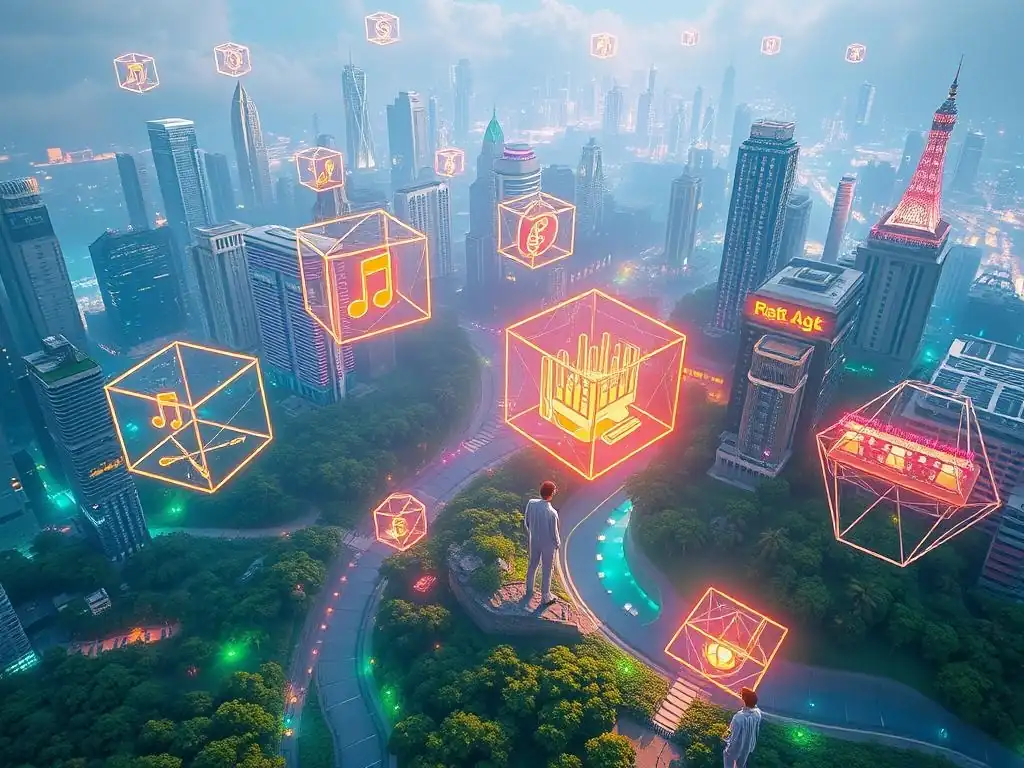
Welcome to Blockchain Trends, your compass in the ever-evolving landscape of decentralized innovation.
Imagine a world where digital ownership transcends mere collectibles and unlocks unprecedented possibilities within virtual realms. In our latest deep dive, we venture beyond the hype to uncover the unexpected uses of NFTs in virtual world applications. Prepare to be surprised by the transformative power of blockchain beyond cryptocurrency, and discover how NFTs are reshaping everything from digital identity to immersive experiences. Intrigued? Let's explore the future, together.
Beyond Gaming: Unexpected Uses of NFTs in Virtual Worlds
- Introduction: NFTs Evolving Beyond Digital Collectibles in Virtual Realms
- NFTs for Virtual Land Ownership and Real Estate
- NFTs Enabling Virtual Identities and Avatars
- NFTs Powering Virtual Events and Ticketing
- NFTs Facilitating Virtual Commerce and Retail
- NFTs for Virtual Art and Cultural Heritage
- NFTs and the Future of Virtual World Experiences
- Conclusion: The Expanding Universe of NFTs Virtual World Applications
-
Frequently Asked Questions
- How are NFTs being used to represent ownership in virtual worlds beyond just in-game items?
- What are some examples of non-gaming applications of NFTs in virtual worlds?
- How can NFTs contribute to the development of decentralized virtual worlds?
- What are the potential regulatory challenges associated with using NFTs in virtual worlds?
- How might the use of NFTs in virtual worlds evolve in the future?
- Final Reflection: Embracing the NFT Revolution in Virtual Worlds
- Reimagine Your Virtual Existence!
Introduction: NFTs Evolving Beyond Digital Collectibles in Virtual Realms
The Rise of NFTs in Virtual Worlds: A Brief Overview
Non-Fungible Tokens (NFTs) initially surged into the public consciousness primarily as digital collectibles and artwork, particularly within the gaming sphere. Early applications prominently featured in-game assets, allowing players to own unique items, characters, or virtual land within games like CryptoKitties and Decentraland. This initial wave established the concept of digital scarcity and ownership, leveraging blockchain technology to authenticate and trade these unique digital assets. The inherent properties of NFTs – their uniqueness, indivisibility, and verifiable ownership – made them a natural fit for representing digital items within virtual environments, providing a new paradigm for digital ownership and asset management.
The early success of NFTs in gaming laid the groundwork for their expansion into broader virtual world applications. As virtual worlds and metaverse platforms matured, the potential of NFTs to represent a much wider range of digital assets became increasingly apparent.
Beyond simple collectibles, NFTs offered a mechanism to establish ownership and manage digital rights for various virtual world elements, from virtual real estate and identities to event tickets and even virtual fashion. This evolution marked a significant shift, moving NFTs from niche gaming tokens to versatile tools with the potential to reshape how we interact and transact within digital realms.
Shifting Perspectives: From Gaming Assets to Multifaceted Virtual Applications
The perception of NFTs is rapidly evolving from being solely associated with digital art and in-game items to recognizing their potential as fundamental building blocks for the metaverse and virtual worlds. While gaming remains a significant use case, the versatility of NFTs is now being explored across diverse sectors within these digital environments. This expansion is fueled by the increasing sophistication of virtual world platforms and a growing understanding of how NFTs can solve real-world problems in digital spaces, such as proving ownership, managing digital identities, and facilitating secure transactions.
This shift in perspective is driven by the inherent capabilities of NFTs to create verifiable scarcity and ownership in a digital context. Consider the challenges of establishing and proving digital ownership before NFTs. Duplication was rampant, and true ownership was often ambiguous and controlled by centralized platforms.
NFTs address these challenges by providing a transparent and immutable record of ownership on a blockchain, empowering users with genuine control over their digital assets. This fundamental capability is now being leveraged to unlock a multitude of unexpected applications in virtual worlds, moving far beyond the initial focus on gaming collectibles and paving the way for a more robust and user-centric digital future.
NFTs for Virtual Land Ownership and Real Estate
Tokenized Land: Securing Ownership in the Metaverse
One of the most prominent applications of NFTs in virtual worlds is revolutionizing land ownership. In platforms like Decentraland and The Sandbox, virtual land is represented by NFTs, allowing users to purchase, own, and develop digital parcels of land as unique assets. This tokenization of virtual land provides a clear and immutable record of ownership, secured by the blockchain.
Unlike traditional digital assets controlled by centralized platforms, NFT-based land ownership grants users genuine control and autonomy over their virtual property. This ownership extends beyond mere possession; it empowers users to build, monetize, and govern their virtual land parcels according to their own vision.
The impact of tokenized land is profound. It creates a digital real estate market within virtual worlds, mirroring aspects of the physical real estate market. For instance, in Decentraland, land parcels have sold for significant amounts, sometimes exceeding the price of real-world properties in certain locations.
This market activity demonstrates the perceived value and growing demand for digital land ownership. Furthermore, NFT-based land ownership facilitates transparent and efficient transactions, eliminating intermediaries and reducing the complexities often associated with traditional real estate deals. This streamlined process encourages investment and development within these virtual environments, fostering the growth of vibrant digital economies.
Virtual Real Estate Development and NFT-Based Construction
NFTs are not only transforming virtual land ownership but also enabling innovative approaches to virtual real estate development and construction. Within platforms that utilize NFT-based land, users can leverage other NFTs to represent virtual buildings, structures, and even individual components within those structures. Imagine owning an NFT that represents a virtual skyscraper on your digital land parcel, or NFTs for each apartment unit within that building. This granular approach to virtual asset ownership allows for complex and dynamic virtual world development.
Furthermore, NFTs can streamline the process of virtual construction and development. Smart contracts associated with NFTs can automate aspects of development, such as verifying building permits (represented as NFTs themselves) or managing the transfer of ownership upon completion of construction phases. This automation can lead to more efficient and transparent virtual real estate development cycles. Projects like "Everyrealm" are actively exploring these possibilities, creating entire virtual cities and communities built on NFT-based land and assets, showcasing the potential for NFTs to power sophisticated and user-owned virtual environments.
NFTs as Proof of Ownership for Digital Properties
Beyond land and buildings, NFTs serve as robust proof of ownership for a wide range of digital properties within virtual worlds. This is crucial in establishing trust and security within these digital economies. Whether it's a virtual store, a digital art gallery, or a unique in-world experience, representing these as NFTs provides verifiable and transferable proof of ownership. This is a significant departure from traditional virtual world models where ownership was often platform-dependent and less transparent.
The utility of NFTs as proof of ownership extends to resolving disputes and facilitating transactions. If a user claims ownership of a virtual property, they can easily demonstrate this by presenting the corresponding NFT, publicly verifiable on the blockchain. This eliminates ambiguity and provides a clear mechanism for establishing digital property rights. Moreover, the ability to easily transfer NFT ownership simplifies the buying, selling, and leasing of virtual properties, creating a more fluid and dynamic digital marketplace. This fundamental function of NFTs as verifiable ownership tokens is critical for building trust and fostering economic activity within virtual worlds.
NFTs Enabling Virtual Identities and Avatars
Customizable Avatars: Expressing Individuality with NFT-Based Skins
Avatars are central to the virtual world experience, serving as our digital representations and allowing us to express our individuality. NFTs are revolutionizing avatar customization by enabling the creation and ownership of unique and verifiable digital skins, clothing, and accessories. Instead of relying on platform-limited customization options, users can now acquire and own NFT-based avatar elements, granting them true control over their digital appearance. This extends beyond simple cosmetic changes; it allows for the creation of highly personalized and expressive digital identities.
The market for NFT-based avatar customization is already thriving. Projects like RTFKT Studios, now part of Nike, have created highly sought-after NFT sneakers for avatars, demonstrating the demand for unique and high-fashion digital wearables. These NFTs are not just digital collectibles; they are tools for self-expression and identity creation within virtual worlds. The scarcity and verifiable ownership of these NFT avatar components add a layer of exclusivity and prestige, further enhancing the value and desirability of personalized digital identities.
Verifiable Credentials: Using NFTs for Identity Management in Virtual Environments
Beyond aesthetics, NFTs are being explored for their potential in verifiable credential management within virtual environments. Imagine using an NFT to represent your professional qualifications, educational achievements, or membership in a virtual community. These NFT-based credentials offer a secure and tamper-proof way to verify identity and qualifications within virtual worlds, moving beyond simple usernames and passwords.
This application of NFTs could streamline access to virtual events, gated communities, or professional networks within the metaverse. For example, an NFT could serve as proof of attendance at a virtual conference, granting access to exclusive post-event content or networking opportunities. Similarly, educational institutions could issue NFT-based diplomas or certifications, providing verifiable digital credentials that are easily shared and authenticated within virtual professional spaces. This use of NFTs for identity management enhances security, reduces fraud, and creates more trusted virtual environments.
Cross-Platform Avatar Compatibility: The Future of NFT-Based Identities
A significant challenge in the current metaverse landscape is the lack of interoperability between different virtual worlds. Avatars and digital assets created in one platform are often locked within that ecosystem. NFT-based identities offer a potential solution by enabling cross-platform avatar compatibility. If avatar components and identities are represented as NFTs, they can theoretically be recognized and utilized across different virtual world platforms that support NFT standards.
This vision of cross-platform avatar compatibility is still under development, but the potential benefits are immense. Imagine owning a unique NFT avatar that you can use seamlessly across various virtual worlds, maintaining your digital identity and personality regardless of the platform you are in. This interoperability would break down platform silos and create a more unified and user-centric metaverse experience. Projects focused on avatar standards and cross-chain NFT compatibility are working towards making this vision a reality, paving the way for a truly interconnected digital future.
NFTs Powering Virtual Events and Ticketing
NFT Tickets: Secure and Authentic Access to Virtual Concerts and Conferences
Virtual events, from concerts to conferences, are becoming increasingly prevalent, and NFTs are emerging as a powerful tool for ticketing in these digital spaces. NFT tickets offer a secure and authentic way to grant access to virtual events, replacing traditional digital tickets that are often susceptible to fraud and counterfeiting. Each NFT ticket is unique and verifiable on the blockchain, ensuring authenticity and preventing duplication. This enhanced security provides peace of mind for both event organizers and attendees.
The use of NFT tickets also streamlines the ticketing process. NFT tickets can be easily distributed, transferred, and resold through blockchain-based marketplaces, eliminating the need for centralized ticketing platforms and reducing transaction fees. Furthermore, NFT tickets can be programmed with additional functionalities, such as automated entry to virtual venues upon verification of ownership, enhancing the overall event experience and simplifying logistics for organizers.
Exclusive Content and Experiences: Rewarding NFT Holders at Virtual Events
NFT tickets can go beyond simply granting access; they can also unlock exclusive content and experiences for holders at virtual events. Event organizers can program NFT tickets to provide access to VIP areas, exclusive Q&A sessions, or limited-edition digital merchandise within the virtual event environment. This creates added value for NFT ticket holders and incentivizes engagement with the event.
For example, attendees with specific NFT tickets could gain access to a backstage virtual area after a concert to interact with the performers in a metaverse setting. Or, conference organizers could offer NFT ticket holders access to exclusive workshops or networking sessions not available to general attendees. These exclusive experiences, linked directly to the NFT ticket, enhance the value proposition of virtual event attendance and create a more rewarding experience for participants.
Combating Ticket Scalping: Utilizing NFTs for Fairer Virtual Event Access
Ticket scalping is a persistent problem in both physical and virtual events, often driving up prices and making events inaccessible to genuine fans. NFT tickets offer a potential solution to combat scalping in the virtual realm. Due to their verifiable and traceable nature on the blockchain, NFT tickets can be programmed with mechanisms to limit resale prices or implement royalty structures that benefit event organizers and artists on secondary market transactions.
Smart contracts associated with NFT tickets can enforce rules around ticket resale, such as setting maximum resale markups or automatically distributing a percentage of resale revenue back to the event creators. This can help to curb excessive price gouging and ensure fairer access to virtual events for fans. By implementing these mechanisms, NFT tickets can contribute to a more equitable and fan-friendly virtual event ticketing ecosystem.
NFTs Facilitating Virtual Commerce and Retail

NFT-Backed Products: Linking Physical Goods to Virtual Experiences
NFTs are bridging the gap between the physical and virtual worlds by enabling NFT-backed products. This innovative application links the ownership of a physical item to a corresponding NFT, which can unlock exclusive virtual experiences, content, or digital twins within virtual worlds. Imagine purchasing a limited-edition physical sneaker that comes with an NFT granting access to a virtual world where you can equip your avatar with the same digital sneaker and participate in exclusive brand events.
This concept is being adopted by various industries, from fashion and collectibles to luxury goods. Brands are using NFTs to enhance the value and appeal of physical products by adding a digital dimension and creating deeper engagement with customers in virtual environments. NFT-backed products offer a novel way to blend physical and digital experiences, creating new avenues for brand engagement and customer loyalty.
Virtual Storefronts and NFT-Based Inventory Management
NFTs are also transforming virtual commerce within virtual worlds themselves. Virtual storefronts can utilize NFTs to represent digital inventory, enabling more transparent and efficient inventory management and sales. Instead of relying on centralized databases, virtual stores can manage their product catalog as a collection of NFTs on a blockchain. This offers greater transparency and control over digital inventory for virtual retailers.
Furthermore, NFT-based inventory can facilitate peer-to-peer transactions within virtual worlds. Users can directly buy, sell, and trade NFT-represented virtual goods with each other, bypassing traditional marketplace intermediaries. This decentralized approach to virtual commerce empowers users and creates more dynamic and user-driven virtual economies. Projects are emerging that focus on building NFT-based virtual marketplaces and storefront solutions, demonstrating the growing interest in this application.
Fractional Ownership of Virtual Assets via NFTs: Investing in Digital Collectibles Together
NFTs, while inherently unique, can also be fractionalized, allowing for shared ownership of high-value virtual assets. Fractional NFTs (f-NFTs) divide ownership of a single NFT into multiple smaller, tradable tokens. This opens up new possibilities for collective investment and ownership of valuable digital collectibles, virtual real estate, or even virtual art within virtual worlds.
Fractional ownership makes previously inaccessible high-value NFTs more attainable to a wider range of users. Imagine a group of individuals collectively owning a rare digital artwork represented by an f-NFT, each holding a fraction of the ownership and sharing in the potential appreciation of its value. This concept democratizes access to valuable virtual assets and enables new forms of collaborative investment and community ownership within virtual worlds. Platforms are emerging that specialize in fractionalizing NFTs, facilitating this new form of digital asset ownership.
NFTs for Virtual Art and Cultural Heritage
Digital Art Galleries and NFT-Based Exhibitions
NFTs have revolutionized the digital art world, providing a mechanism for artists to monetize their digital creations and for collectors to own and trade unique digital artworks. Virtual art galleries and exhibitions, built within virtual worlds, are leveraging NFTs to showcase and sell digital art in immersive and interactive environments. These virtual galleries can host exhibitions of NFT-based artworks, allowing visitors to experience and purchase digital art directly within the metaverse.
Virtual art galleries offer a unique and accessible way to experience digital art, transcending geographical limitations and physical gallery constraints. Artists can reach a global audience, and collectors can explore and acquire digital art from anywhere in the world. The use of NFTs ensures the authenticity and provenance of the digital artworks displayed and sold within these virtual galleries, fostering trust and transparency in the digital art market.
Preserving Cultural Heritage: Tokenizing Historical Artifacts in Virtual Museums
Beyond contemporary art, NFTs are being explored for their potential in preserving and showcasing cultural heritage within virtual museums. Historical artifacts, monuments, and cultural treasures can be digitally replicated and represented as NFTs, creating digital twins that can be displayed and preserved in virtual museums within the metaverse. This tokenization of cultural heritage offers a new way to make historical artifacts accessible to a global audience and ensure their preservation for future generations.
Virtual museums can host NFT-based digital replicas of historical artifacts, allowing visitors to explore and interact with them in immersive virtual environments. This digital preservation is particularly valuable for artifacts that are fragile, geographically remote, or at risk of damage or loss. NFTs provide a secure and immutable record of these digital artifacts, ensuring their authenticity and long-term preservation.
Supporting Artists and Creators: NFTs as a Funding Mechanism in the Metaverse
NFTs provide new funding mechanisms for artists and creators within the metaverse. By creating and selling their digital creations as NFTs, artists can directly monetize their work and retain a larger share of the revenue compared to traditional art market models. The ability to program royalties into NFT smart contracts also ensures that artists receive a percentage of secondary market sales, creating a more sustainable income stream for digital creators.
Furthermore, NFTs can facilitate new forms of patronage and community support for artists within virtual worlds. Fans and collectors can directly support their favorite artists by purchasing their NFTs, contributing to their financial sustainability and enabling them to continue creating and innovating. This direct artist-to-fan connection, facilitated by NFTs, empowers creators and fosters a more vibrant and sustainable digital creative ecosystem within the metaverse.
NFTs and the Future of Virtual World Experiences
Interoperability and the Metaverse: NFTs as Universal Assets
The future of virtual worlds and the metaverse hinges on interoperability – the ability for users and assets to seamlessly move between different virtual platforms. NFTs are poised to play a crucial role in enabling this interoperability by acting as universal digital assets. If NFTs are adopted as a standard for representing digital ownership across different virtual worlds, they can become portable assets that users can utilize and trade across various platforms.
Imagine owning an NFT avatar or a virtual item that you can use in multiple different virtual worlds. This vision of interoperability is being actively pursued by projects focused on cross-chain NFT standards and metaverse interoperability protocols. By establishing common standards and frameworks for NFTs, the metaverse can evolve from siloed platforms to a more interconnected and user-centric digital universe, with NFTs acting as the key to unlocking asset portability and cross-platform experiences.
Decentralized Governance: DAOs and NFT-Based Voting in Virtual Communities
Decentralized Autonomous Organizations (DAOs) are emerging as a new model for community governance in virtual worlds, and NFTs are playing a key role in enabling decentralized decision-making. NFTs can be used as voting tokens within DAOs, granting voting rights to NFT holders and empowering communities to collectively govern virtual world platforms and assets. This NFT-based governance model promotes decentralization and user participation in shaping the future of virtual worlds.
For example, a virtual land DAO could use NFTs to represent land ownership and grant voting rights to landowners, allowing them to collectively decide on development policies, community initiatives, and the overall direction of the virtual land ecosystem. This decentralized governance model empowers users, reduces reliance on centralized authorities, and fosters more democratic and community-driven virtual world experiences.
Enhanced User Experiences: Personalized and Immersive Virtual Worlds
Ultimately, the diverse applications of NFTs in virtual worlds are contributing to enhanced user experiences. NFTs empower users with greater ownership, control, and personalization within these digital environments. From customizable avatars and verifiable identities to ownership of virtual land and access to exclusive events, NFTs are creating more immersive, engaging, and user-centric virtual world experiences.
As virtual worlds continue to evolve and integrate NFTs into their core infrastructure, we can expect to see even more innovative and unexpected applications emerge. The future of virtual world experiences is being shaped by the transformative potential of NFTs, paving the way for a more open, user-owned, and interconnected metaverse.
Conclusion: The Expanding Universe of NFTs Virtual World Applications
The Transformative Potential of NFTs Beyond Gaming
NFTs have demonstrably moved beyond their initial association with gaming and digital collectibles, showcasing a transformative potential that extends across various sectors within virtual worlds. From revolutionizing digital ownership and identity management to powering virtual commerce and cultural preservation, NFTs are unlocking unexpected applications and reshaping the digital landscape. Their ability to create verifiable scarcity, establish ownership, and facilitate secure transactions is proving invaluable in building robust and user-centric virtual environments.
The versatility of NFTs is driving innovation and opening up new possibilities for how we interact, transact, and experience virtual worlds. As the metaverse continues to develop, NFTs are poised to play an increasingly central role, becoming a foundational technology for the future of digital ownership and online interactions. The initial focus on gaming was just the starting point; the true potential of NFTs is now being realized in a much broader and more impactful context.
Exploring NFT Opportunities in the Metaverse
The expanding universe of NFTs in virtual world applications presents a wealth of opportunities for creators, developers, businesses, and users alike. For creators, NFTs offer new avenues for monetization and direct engagement with their audience. For developers, NFTs provide tools to build more robust and user-owned virtual experiences. For businesses, NFTs enable innovative marketing strategies and new forms of customer engagement in the metaverse. And for users, NFTs empower them with greater control over their digital assets and identities, creating more immersive and personalized virtual world experiences.
Exploring these NFT opportunities in the metaverse is crucial for understanding the future trajectory of digital ownership and virtual interactions. As the technology matures and adoption grows, the unexpected uses of NFTs in virtual worlds will continue to expand, shaping a more decentralized, user-centric, and interconnected digital future. The journey beyond gaming is just beginning, and the potential of NFTs to transform virtual world experiences is vast and largely untapped.
Frequently Asked Questions
How are NFTs being used to represent ownership in virtual worlds beyond just in-game items?
NFTs are now used to represent virtual land, digital identities, and ownership of virtual assets like artwork or buildings. This allows for verifiable scarcity and trading of these assets outside the game's ecosystem.
What are some examples of non-gaming applications of NFTs in virtual worlds?
Examples include virtual real estate investments, digital art galleries, and virtual events where NFT tickets grant access. These applications extend beyond gaming and offer new economic opportunities.
How can NFTs contribute to the development of decentralized virtual worlds?
NFTs facilitate user ownership and control over their digital assets and identities, contributing to a more decentralized and democratic virtual world. This shifts power away from centralized game developers.
What are the potential regulatory challenges associated with using NFTs in virtual worlds?
Regulatory challenges include clarifying property rights, addressing fraud and scams, and ensuring compliance with existing financial regulations. This is a rapidly evolving area requiring careful consideration.
How might the use of NFTs in virtual worlds evolve in the future?
Future evolution might involve more seamless integration with real-world systems, enhanced interoperability between different virtual worlds, and new forms of digital ownership that we cannot yet imagine.
Final Reflection: Embracing the NFT Revolution in Virtual Worlds
The exploration of NFTs beyond their initial gaming applications reveals a vibrant tapestry of possibilities within virtual worlds, highlighting the transformative power of digital ownership. What began as a niche market for in-game assets is now blossoming into a fundamental building block for decentralized economies, artistic expression, and novel forms of community engagement, demonstrating the enduring relevance of NFTs in shaping the future of the metaverse.
The rise of NFTs in virtual worlds has profoundly impacted how we perceive digital value and identity. This shift towards user-owned assets is not just a technological advancement, but a cultural one, empowering creators and users alike in ways previously unimaginable. The metaverse is not just a place to play games; it's a place to build economies, express creativity, and forge new connections based on shared ownership and decentralized governance.
This quote encapsulates the potential for NFTs to redefine our relationship with the digital realm.
As we stand at the cusp of this digital revolution, let us embrace the possibilities that NFTs unlock within virtual worlds. Consider how you can leverage these technologies to express your creativity, build communities, and participate in the emerging decentralized economies. The future of the metaverse is being written now, and your contribution, however small, can help shape a more equitable and engaging digital landscape for all.
Reimagine Your Virtual Existence!
Thanks for exploring the exciting world of NFTs and their potential beyond just gaming! You've uncovered how these unique digital assets are transforming virtual experiences, offering new opportunities for ownership, creativity, and community engagement. Now, let's put that knowledge into action.
Here are a few ways you can further explore the potential of NFTs:
- Dive into the metaverse! Start by acquiring a virtual land NFT or a distinctive avatar from a platform discussed in the article to actively participate in these innovative digital economies. This is your primary entry point.
- Explore niche NFT communities. Find creators and projects focusing on your other interests such as art, music, or writing, and see how they leverage NFTs to connect with fans in new ways. This could be an unexpected area!
- Share this article with fellow enthusiasts and discuss how NFTs might reshape industries beyond gaming. Let's start a conversation!
What unexpected NFT application are you most excited to explore in the virtual world? Share your thoughts in the comments below!
Leave a Reply