
Can Blockchain Prevent Extinction? Exploring its Potential in Species Conservation

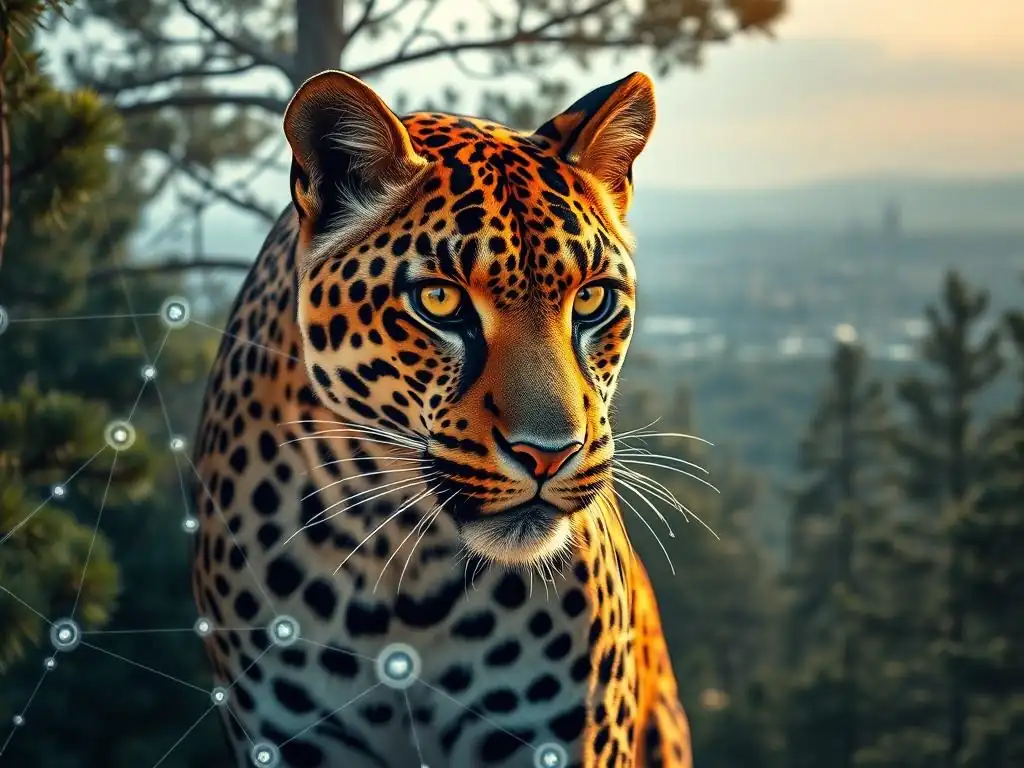
Welcome to Blockchain Trends, your go-to source for understanding the profound impact of blockchain technology beyond the hype. Ever wondered how this revolutionary technology could help save endangered species? In this article, we delve into fascinating blockchain biodiversity conservation strategies, exploring how its transparency and immutability can be leveraged to protect our planet's precious ecosystems. Discover how blockchain is being used to combat illegal wildlife trade, track conservation efforts, and create innovative funding mechanisms. Is this the key to preventing extinction? Let's find out...
Can Blockchain Prevent Extinction? Exploring its Potential in Species Conservation
- Introduction: The Urgent Need for Innovative Biodiversity Conservation Strategies
- Blockchain's Core Capabilities and Their Relevance to Species Conservation
- Blockchain Biodiversity Conservation Strategies: Real-World Applications
- Overcoming Challenges and Limitations in Blockchain-Based Conservation
- The Future of Blockchain in Species Conservation: Towards a Sustainable Ecosystem
- Conclusion: Blockchain's Potential to Revolutionize Biodiversity Conservation
-
Frequently Asked Questions
- How can blockchain technology be used for biodiversity conservation?
- What are some potential applications of blockchain in combating wildlife trafficking?
- How can blockchain help improve the effectiveness of conservation funding?
- What are the challenges to implementing blockchain solutions for species conservation?
- What role does regulation play in the adoption of blockchain for biodiversity conservation?
- Final Reflection: Securing Life's Tapestry with Blockchain
- Ignite Change: Become a Guardian of Endangered Species!
Introduction: The Urgent Need for Innovative Biodiversity Conservation Strategies
The Biodiversity Crisis: A Call for Action
The planet is facing an unprecedented biodiversity crisis, with species extinction rates estimated to be tens to hundreds of times higher than the average over the past 10 million years. According to the IPBES Global Assessment Report on Biodiversity and Ecosystem Services from 2019, around one million animal and plant species are now threatened with extinction, many within decades, more than ever before in human history.
This alarming decline is primarily driven by habitat loss and degradation, direct exploitation of organisms, climate change, pollution, and invasive alien species. The interconnectedness of ecosystems means that the loss of even a single species can have cascading effects, disrupting ecological balance and threatening essential services like pollination, clean water, and climate regulation that underpin human well-being and economic stability.
Traditional conservation methods, while vital, often face significant challenges, including limited funding, lack of transparency in resource allocation, difficulty in tracking illegal activities across complex supply chains, and insufficient data sharing among stakeholders. The sheer scale and complexity of the biodiversity crisis necessitate the exploration and adoption of innovative approaches that can enhance efficiency, accountability, and public engagement in conservation efforts. Addressing this crisis effectively requires leveraging new technologies and collaborative frameworks to protect vulnerable species and their habitats more effectively than ever before.
Introducing Blockchain Technology: A Potential Game Changer for Environmental Protection
Blockchain technology, renowned for its decentralized, transparent, and immutable ledger system, is emerging as a promising tool with the potential to revolutionize various sectors, including environmental conservation. While its origins are in finance with cryptocurrencies, the underlying technology offers capabilities directly applicable to overcoming some of the persistent hurdles in protecting endangered species and preserving ecosystems. The core features of blockchain, such as enhanced traceability, secure data management, and the facilitation of peer-to-peer transactions, present unique opportunities to build more robust and trustworthy systems for conservation.
Exploring blockchain biodiversity conservation strategies involves applying these technological capabilities to address issues like illegal wildlife trade, deforestation monitoring, funding transparency for conservation projects, and incentivizing sustainable practices. By creating a shared, verifiable record of transactions and data, blockchain can help track the movement of goods potentially linked to endangered species, ensure that donations reach their intended projects, and provide a secure platform for collecting and sharing critical ecological data. This exploration aims to move beyond theoretical potential and identify concrete applications that can yield tangible positive impacts on biodiversity protection efforts worldwide.
Blockchain's Core Capabilities and Their Relevance to Species Conservation
Transparency and Traceability: Enhancing Accountability in Conservation Efforts
One of the most compelling aspects of blockchain technology for species conservation is its ability to provide unparalleled transparency and traceability within complex systems. Every transaction or data entry recorded on a public or permissioned blockchain is timestamped, cryptographically secured, and immutable, meaning it cannot be altered or deleted once added to the chain.
This creates a verifiable audit trail that can be accessed by authorized parties, offering a level of accountability often missing in traditional conservation funding and supply chains related to natural resources or wildlife products. For instance, tracking funds donated to a conservation project from the donor's wallet to the specific activities on the ground can be made transparent, ensuring that resources are used effectively and as intended, thereby building trust with donors and stakeholders.
Furthermore, applying blockchain biodiversity conservation strategies means leveraging this traceability to monitor the movement of goods that could be linked to illegal wildlife trade or unsustainable resource extraction. By tokenizing assets or recording key events in a product's journey – from origin to final sale – on a blockchain, it becomes significantly harder for illicit items to enter legitimate supply chains undetected.
This can help consumers, regulators, and conservationists verify the provenance of wood products, seafood, or even tourist souvenirs, making it easier to identify and disrupt illegal activities that threaten biodiversity, estimated to be a multi-billion dollar global industry annually, often ranking among the largest transnational organized crimes.
Secure Data Storage and Sharing: Protecting Sensitive Species Information
Conservation efforts rely heavily on vast amounts of data, including species locations, population counts, habitat conditions, and genetic information. This data is often sensitive, requiring secure storage and controlled sharing among various stakeholders, including researchers, government agencies, NGOs, and local communities. Traditional centralized databases can be vulnerable to cyber attacks, data breaches, or unauthorized alterations, which could compromise the effectiveness of conservation strategies or even endanger the very species they aim to protect if location data falls into the wrong hands.
Blockchain technology offers a decentralized and cryptographically secure method for storing and sharing this critical information. While storing large datasets directly on the blockchain might be impractical due to storage limitations and costs, hashes (unique digital fingerprints) of datasets can be stored on the ledger, providing an immutable record of when data was collected or updated.
The actual data can reside in secure, off-chain databases, with access permissions managed via smart contracts or private keys recorded on the blockchain. This approach ensures data integrity and allows for granular control over who can access specific types of information, facilitating secure collaboration among conservation partners while protecting sensitive details about vulnerable species, a key component of effective blockchain biodiversity conservation strategies.
Decentralized Funding Mechanisms: Empowering Conservation Projects
Securing consistent and adequate funding is a perpetual challenge for conservation organizations. Traditional fundraising often involves intermediaries, transaction fees, and delays, and donors may lack visibility into how their contributions are utilized. Decentralized funding mechanisms facilitated by blockchain, such as tokenization and decentralized autonomous organizations (DAOs), offer innovative ways to finance conservation projects directly and efficiently. Projects can issue tokens representing a stake in the project's success or specific outcomes (e.g., hectares of forest preserved), allowing anyone globally to contribute and potentially benefit from conservation achievements.
Smart contracts can automate the distribution of funds based on predefined conditions, such as reaching specific project milestones verified by oracles (data feeds from the real world), ensuring accountability and reducing administrative overhead. This direct connection between donors and projects, bypassing traditional financial institutions, can potentially unlock new sources of funding, including small contributions from a global community passionate about environmental protection.
Furthermore, DAOs can enable more democratic decision-making processes regarding fund allocation and project management, empowering stakeholders, including local communities involved in conservation efforts, to have a direct say in how resources are used, thereby strengthening blockchain biodiversity conservation strategies from the ground up.
Blockchain Biodiversity Conservation Strategies: Real-World Applications
Wildlife Tracking and Anti-Poaching: Combating Illegal Activities with Blockchain
The illegal wildlife trade is a major driver of species decline, estimated to be worth billions of dollars annually. Tracking the movement of animal products, such as ivory, rhino horn, or pangolin scales, from source to market is incredibly difficult using traditional methods due to complex, often clandestine, supply chains that span multiple countries and jurisdictions.
Blockchain's ability to create an immutable, transparent ledger can be applied to enhance traceability and combat this illicit trade, forming critical blockchain biodiversity conservation strategies. By tagging products (e.g., with NFC chips or QR codes linked to blockchain entries) and recording key events like collection, processing, and transportation on the blockchain, it becomes possible to verify the provenance of items and flag suspicious activities.
For example, a government agency or conservation group could register legally sourced animal products on a blockchain upon collection or seizure. Subsequent transactions involving these registered items would also be recorded. This creates a clear digital history that can be audited by anyone with permission, making it significantly harder for illegally obtained products to be laundered into legitimate markets. Consumers, retailers, and law enforcement can scan tags and check the blockchain record to verify authenticity and legal origin, adding a powerful layer of defense against poaching and trafficking.
Using Blockchain for Supply Chain Transparency in Wildlife Products
Implementing blockchain for supply chain transparency in wildlife products involves creating a digital passport for items. When a product enters the legal market – for instance, legally harvested timber or sustainably sourced seafood – a unique identifier is created on the blockchain. Each step in the supply chain, from initial processing to shipping, export, import, and retail, is recorded as a transaction on this ledger.
This process allows stakeholders at any point in the chain, as well as external auditors or consumers, to trace the product's journey back to its origin. If an item appears in the supply chain without a corresponding blockchain record, or if its recorded history doesn't match its physical attributes or location, it can be flagged as potentially illegal. This level of verifiable transparency is crucial for dismantling the complex networks that facilitate the illegal wildlife trade and supports effective blockchain biodiversity conservation strategies.
Case Study: Connecting Elephant Ivory Sales to Poaching Incidents Using Blockchain Forensics
While a perfect, end-to-end blockchain system for ivory tracking is still under development, hypothetical scenarios and pilot projects illustrate its potential. Imagine a system where legally held ivory stockpiles are tokenized and every piece is forensically marked (e.g., DNA sampling) and registered on a blockchain. Any legal sale or movement of this ivory would require a corresponding, verified transaction on the ledger.
Now, consider an illegal ivory shipment seized in a foreign country. Forensic analysis of the seized ivory could potentially link it to a specific region or even individual elephants if a comprehensive DNA database exists. By cross-referencing this forensic data with blockchain records of legal ivory movements and sales, investigators could look for discrepancies.
For example, if a large quantity of ivory appears on the market in a region far from any recorded legal stockpile movements, or if the volume of ivory seized exceeds the total recorded legal supply from that area, the blockchain provides verifiable evidence of potentially illegal activity. Furthermore, analyzing the network of transactions on the blockchain, even of related legal goods or permits, could reveal patterns or connections between entities involved in both legal and illegal trade, aiding in the identification and prosecution of poaching syndicates, a powerful application of blockchain biodiversity conservation strategies.
Habitat Preservation and Reforestation: Incentivizing Sustainable Land Management with Blockchain
Protecting and restoring habitats is fundamental to preventing species extinction. However, incentivizing local communities and landowners to adopt sustainable land management practices, such as reforestation or avoiding deforestation, can be challenging due to economic pressures and lack of clear benefits. Blockchain technology, particularly through tokenization and smart contracts, offers innovative mechanisms to create financial incentives linked directly to conservation outcomes. This forms a key pillar of blockchain biodiversity conservation strategies focused on land use.
For instance, initiatives can issue tokens representing the ecological value generated by conservation activities, such as carbon sequestration from planting trees or maintaining forest cover. These "conservation tokens" can then be traded, providing a direct economic return to those engaged in sustainable practices. Smart contracts can automate payments or rewards based on verifiable data about conservation activities, such as satellite imagery confirming reforestation progress or sensor data monitoring ecosystem health. This creates a transparent and efficient system for channeling funds and rewards, encouraging long-term commitment to habitat preservation.
Carbon Credit Tokenization: Linking Reforestation Efforts to Financial Rewards
Carbon credit markets are designed to incentivize reductions in greenhouse gas emissions, including those from deforestation and forest degradation (REDD+). Traditionally, these markets can be complex, opaque, and prone to issues like double-counting or lack of verification. Tokenizing carbon credits on a blockchain can significantly improve transparency and accessibility.
Under a tokenized system, each carbon credit, representing one ton of CO2 removed or avoided, is issued as a unique digital token on a blockchain. The process of generating these credits – for example, through a verified reforestation project – is recorded on the ledger, ensuring that the project meets established standards (like Verra or Gold Standard). Once issued, these tokens can be easily tracked and traded on decentralized exchanges.
This makes the market more liquid and accessible to a wider range of investors, including individuals, potentially driving more capital towards reforestation and forest conservation projects globally. A project that plants 100 hectares of native forest might generate thousands of carbon credits over its lifetime, each represented by a token, providing a tangible, tradable asset directly linked to the environmental service provided.
Smart Contracts for Land Ownership and Conservation Agreements
Smart contracts, self-executing contracts with the terms of the agreement directly written into code, can be used to enforce conservation agreements and manage land rights. In regions where land ownership records are informal or disputed, blockchain can provide an immutable and transparent ledger for recording land titles and boundaries, reducing conflicts and providing security for landowners engaged in conservation.
Conservation agreements, such as easements or payment-for-ecosystem-services schemes, can be coded into smart contracts. For example, a smart contract could automatically release payments to a landowner based on verified data (e.g., from satellite monitoring or on-the-ground sensors) confirming that a specific area of forest has been maintained over a defined period. This automates the process, reduces administrative costs, and ensures that payments are made reliably upon fulfillment of the conservation conditions, making such agreements more attractive and reliable tools for habitat protection within blockchain biodiversity conservation strategies.
Citizen Science and Data Collection: Empowering Communities to Contribute to Conservation
Citizen science plays a crucial role in collecting vast amounts of data on species distribution, behavior, and habitat conditions across wide geographic areas. However, managing, verifying, and integrating data from numerous sources can be challenging. Furthermore, motivating and retaining citizen scientists often requires tangible recognition or rewards for their contributions. Blockchain technology can address these issues by providing a decentralized platform for data collection and verification, and by enabling token-based reward systems.
Decentralized data platforms built on blockchain can allow citizen scientists to submit observations directly to a shared, immutable ledger. Data can potentially be verified by a network of peers or experts before being permanently added to the chain, ensuring data quality. This creates a transparent and accessible repository of biodiversity data that can be used by researchers and conservationists worldwide.
Decentralized Data Platforms for Biodiversity Monitoring
Creating a decentralized data platform using blockchain involves building an application where citizen scientists can record their biodiversity observations. For example, users could log sightings of specific species, record habitat conditions, or report instances of environmental damage via a mobile app. Each submission, potentially including photos, timestamps, and GPS coordinates, would be recorded on a blockchain.
To ensure data accuracy, such platforms could incorporate verification mechanisms. This might involve a consensus mechanism where a certain number of other users or verified experts need to validate an observation before it is permanently added to the immutable ledger. This shared, verifiable database of biodiversity information provides a rich resource for monitoring species populations, tracking changes in ecosystems, and identifying areas in need of urgent conservation action, forming a robust part of blockchain biodiversity conservation strategies.
Rewarding Citizen Scientists with Cryptocurrency for Verified Data
To incentivize participation and maintain data flow, citizen scientists can be rewarded with cryptocurrency tokens for submitting valuable and verified data. When an observation is submitted and successfully verified on the decentralized platform, the contributor automatically receives a predefined number of tokens to their digital wallet via a smart contract.
These tokens could have various uses: they might be exchangeable for fiat currency or other cryptocurrencies on an exchange, or they could grant the holder certain privileges within the conservation network, such as voting rights on project proposals or access to exclusive content. This token-based reward system creates a direct economic incentive for individuals to contribute to biodiversity data collection, turning a voluntary activity into a potentially rewarding endeavor and significantly scaling up data gathering efforts critical for effective blockchain biodiversity conservation strategies.
Overcoming Challenges and Limitations in Blockchain-Based Conservation
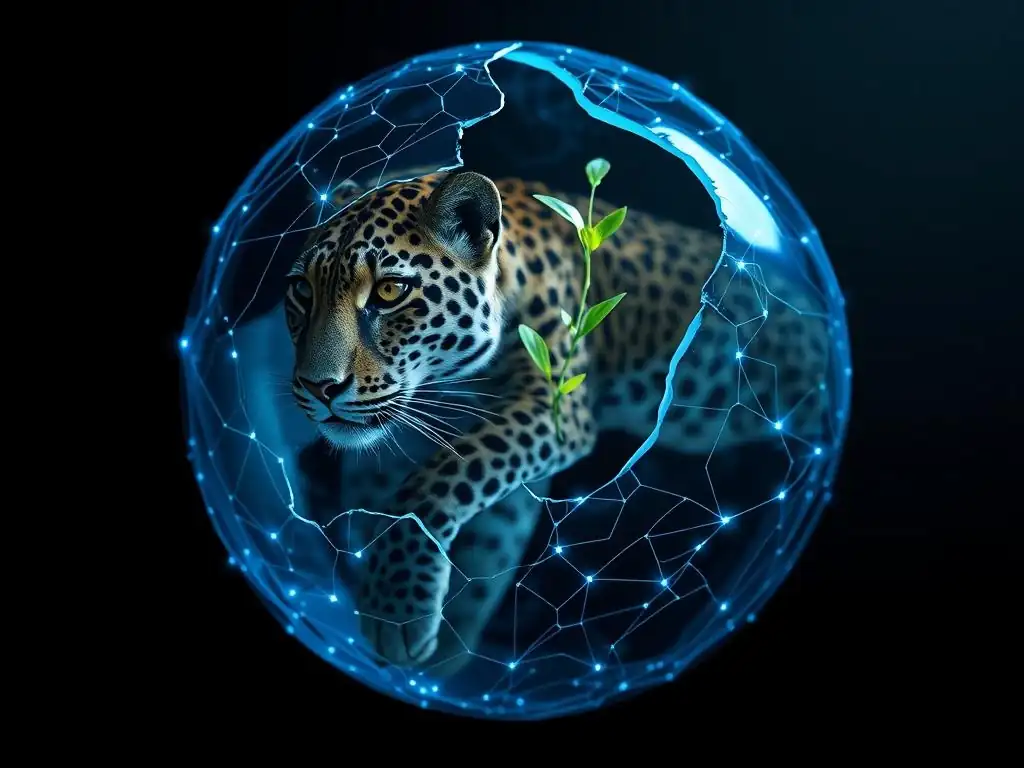
Scalability and Energy Consumption: Addressing Environmental Concerns of Blockchain Technology
While blockchain offers significant potential for conservation, it also faces notable challenges. Scalability is a major concern for many public blockchains, particularly those using Proof-of-Work (PoW) consensus mechanisms, like early versions of Bitcoin. PoW requires significant computational power and thus high energy consumption, which seems counterintuitive for an environmental tool. As the number of transactions and data points increases in conservation applications, the underlying blockchain must be able to handle the volume efficiently without becoming prohibitively slow or expensive.
However, newer blockchain technologies and consensus mechanisms, such as Proof-of-Stake (PoS) and its variations, consume vastly less energy than PoW. Projects building blockchain biodiversity conservation strategies can choose more energy-efficient platforms or explore Layer 2 scaling solutions that process transactions off-chain before settling them on the main chain.
Furthermore, the environmental impact of blockchain should be weighed against the potential environmental benefits derived from its application in conservation, such as preventing illegal logging or reducing carbon emissions through transparent carbon markets. Many in the blockchain space are actively working on increasing efficiency and reducing the ecological footprint of the technology.
Data Privacy and Security: Ensuring the Protection of Sensitive Species Information
While blockchain provides secure data integrity and immutability, the inherent transparency of some public blockchains can pose risks when dealing with sensitive conservation data, such as the precise locations of endangered species or vulnerable habitats. Making such information publicly available could potentially expose these areas to poachers or illegal exploiters. Therefore, careful consideration of data privacy is paramount when designing blockchain biodiversity conservation strategies.
Using permissioned or private blockchains, where access is restricted to authorized participants, is one approach to address this. Alternatively, hybrid models can be employed, where only hashes of sensitive data are stored on a public chain for verification purposes, while the actual detailed data is kept in secure, off-chain databases with access controlled via cryptographic keys managed on the blockchain.
Zero-Knowledge Proofs (ZKPs) are another advanced cryptographic technique that can allow verification of data validity without revealing the underlying information itself. Implementing robust access controls and privacy-preserving techniques is essential to leverage blockchain's security benefits without compromising the safety of species and ecosystems.
The regulatory landscape surrounding blockchain and cryptocurrencies is still evolving globally, creating uncertainty for organizations seeking to implement blockchain biodiversity conservation strategies. Legal frameworks regarding tokenization, smart contracts, and data ownership on a decentralized ledger vary significantly between jurisdictions. This can pose challenges for international conservation efforts that operate across multiple countries with differing regulations.
Furthermore, the adoption of blockchain technology in conservation faces barriers related to technical complexity, lack of understanding among conservation professionals, and the need for significant initial investment in infrastructure and training. Building trust and encouraging collaboration among diverse stakeholders – including government agencies, NGOs, local communities, and technology providers – is crucial for successful implementation. Overcoming these hurdles requires clear communication, pilot projects to demonstrate feasibility and impact, capacity building within conservation organizations, and proactive engagement with policymakers to develop supportive regulatory environments for blockchain-based environmental initiatives.
The Future of Blockchain in Species Conservation: Towards a Sustainable Ecosystem
Integrating Blockchain with Other Emerging Technologies: IoT, AI, and Big Data
The true transformative potential of blockchain biodiversity conservation strategies lies in their integration with other cutting-edge technologies. The Internet of Things (IoT), for example, can provide real-time data from remote sensors deployed in habitats – monitoring temperature, humidity, animal movements, or detecting illegal intrusions. This data can be securely recorded on a blockchain, providing a verifiable and immutable record of environmental conditions or threats.
Artificial Intelligence (AI) can analyze the vast datasets collected via IoT and citizen science platforms (secured on blockchain) to identify patterns, predict poaching hotspots, or monitor ecosystem health more effectively. Big Data analytics can process the combined information from these sources to inform conservation strategies and resource allocation. Blockchain acts as a trust layer, ensuring the integrity and provenance of the data flowing between these technologies, making the overall system more reliable and powerful for monitoring and protecting biodiversity.
Building a Decentralized Conservation Network: Connecting Stakeholders and Fostering Collaboration
Blockchain technology can facilitate the creation of decentralized conservation networks that connect disparate stakeholders globally. Currently, conservation efforts are often fragmented, with limited coordination between different organizations, researchers, government bodies, and local communities. A blockchain-based platform could provide a shared, transparent, and trustworthy infrastructure for these groups to collaborate, share data securely, coordinate actions, and manage resources.
Such a network could enable token-based governance models where stakeholders have a voice in decision-making processes related to conservation priorities or project funding. It could also facilitate peer-to-peer interactions, allowing researchers to share findings directly, conservationists to solicit specific types of data from citizen scientists, or donors to directly fund projects they care about. Building this kind of interconnected, decentralized ecosystem can significantly enhance the efficiency and collective impact of blockchain biodiversity conservation strategies worldwide.
The application of blockchain in species conservation directly contributes to achieving several United Nations Sustainable Development Goals (SDGs), particularly SDG 14 (Life Below Water) and SDG 15 (Life on Land), which aim to conserve and sustainably use oceans, seas, and marine resources, and protect, restore, and promote sustainable use of terrestrial ecosystems, sustainably manage forests, combat desertification, halt and reverse land degradation, and halt biodiversity loss.
By enhancing transparency and accountability in conservation funding, combating illegal wildlife trade, incentivizing sustainable land use, and empowering local communities through decentralized platforms, blockchain can accelerate progress towards these critical global targets. It provides innovative tools to address root causes of biodiversity loss, mobilize resources more effectively, and build more inclusive and equitable conservation initiatives. The integration of blockchain biodiversity conservation strategies into broader sustainable development frameworks can amplify their impact and foster a more sustainable future for both people and nature.
Conclusion: Blockchain's Potential to Revolutionize Biodiversity Conservation
Summarizing the Benefits of Blockchain for Protecting Endangered Species
Blockchain technology offers a suite of powerful capabilities that can significantly enhance efforts to protect endangered species and preserve biodiversity. Its core features – transparency, immutability, security, and decentralization – address many of the persistent challenges faced by traditional conservation methods. By providing verifiable traceability, blockchain can help combat the illegal wildlife trade and ensure sustainable supply chains.
Secure, decentralized data storage facilitates better data sharing and analysis while protecting sensitive information. Decentralized funding mechanisms open up new avenues for financing conservation projects and ensure accountability in resource allocation. These integrated blockchain biodiversity conservation strategies represent a significant step forward.
Moreover, blockchain can empower citizen scientists, incentivize sustainable land management through tokenization and smart contracts, and build collaborative networks among diverse stakeholders. While challenges related to scalability, energy consumption, data privacy, and regulation exist, ongoing technological advancements and careful implementation strategies can mitigate these concerns. The potential benefits in terms of increased effectiveness, trust, and engagement in conservation efforts make blockchain a technology worth serious exploration and investment in the fight against extinction.
Call to Action: Encouraging Collaboration and Innovation in Blockchain-Based Conservation Initiatives
Realizing the full potential of blockchain in species conservation requires concerted effort and collaboration across various sectors. Conservation organizations, technology developers, governments, researchers, funders, and local communities must work together to design, pilot, and scale effective blockchain biodiversity conservation strategies. This involves investing in research and development, building capacity within conservation teams, developing user-friendly platforms, and establishing clear governance frameworks.
We encourage stakeholders to explore potential applications, participate in pilot projects, and share lessons learned. Funding bodies should consider supporting innovative blockchain-based conservation initiatives. Policymakers should engage with experts to develop supportive and clear regulations. By fostering collaboration and embracing technological innovation responsibly, we can leverage the power of blockchain to create more effective, transparent, and sustainable approaches to protecting the planet's invaluable biodiversity for future generations.
Frequently Asked Questions
How can blockchain technology be used for biodiversity conservation?
Blockchain can provide transparent and immutable records of conservation efforts, track the origin of wildlife products, and facilitate secure and transparent funding for conservation projects.
What are some potential applications of blockchain in combating wildlife trafficking?
Blockchain can be used to create a secure and transparent supply chain for wildlife products, making it easier to track and trace their origin and prevent illegal trade by ensuring verifiable provenance.
How can blockchain help improve the effectiveness of conservation funding?
Blockchain can ensure that funds are used as intended by providing transparent tracking of transactions and reducing the risk of corruption or mismanagement, leading to improved accountability.
What are the challenges to implementing blockchain solutions for species conservation?
Challenges include the technical complexity of implementing blockchain, the need for collaboration among diverse stakeholders, and the potential for data privacy concerns.
What role does regulation play in the adoption of blockchain for biodiversity conservation?
Clear and supportive regulations can foster trust and encourage investment in blockchain-based conservation solutions, while poorly designed regulations could hinder innovation and adoption.
Final Reflection: Securing Life's Tapestry with Blockchain
The exploration of blockchain's potential in biodiversity conservation, as detailed throughout this article, is not merely a theoretical exercise; it's a critical imperative in our rapidly changing world. The challenges facing species extinction are immense, and traditional conservation methods often fall short. Blockchain technology, with its inherent transparency, security, and decentralization, offers a powerful new toolkit for safeguarding our planet's precious biodiversity.
The promise of blockchain in this arena extends far beyond simple data storage. It's about fostering trust, incentivizing conservation efforts, and empowering local communities to become active stewards of their environments. Witnessing the potential of this technology to revolutionize conservation efforts fills me with a sense of hope and responsibility. The earth is what we all have in common.
- Wendell Berry. This quote underscores the shared responsibility we all bear in protecting our planet's biodiversity, and blockchain offers a tangible way to translate that responsibility into action.
Now, consider how you can contribute to this vital movement. Reflect on the potential applications of blockchain in your own community or field of expertise. Are there opportunities to leverage this technology to improve transparency in supply chains, track conservation funding, or empower local communities to protect endangered species? The future of biodiversity conservation hinges on our collective willingness to embrace innovative solutions and work together to secure a thriving planet for generations to come.
Ignite Change: Become a Guardian of Endangered Species!
Thank you for exploring how blockchain technology can transform efforts to protect endangered species. We hope this insight into innovative environmental solutions has inspired you. Now, let's turn this knowledge into action!
Here are a few ways you can participate:
- Invest in a conservation-focused NFT project to support habitat preservation and anti-poaching initiatives. This is a meaningful way to contribute to conservation efforts through cutting-edge blockchain technology.
- Join an online community dedicated to blockchain and wildlife conservation to exchange ideas, collaborate on projects, and connect with fellow advocates.
- Share this article on social media to raise awareness about the potential of blockchain in safeguarding our planet’s biodiversity.
What innovative blockchain solutions for conservation can you imagine today? Share your ideas in the comments below!
Leave a Reply