
The Environmental Impact: Comparing the Energy Efficiency of Ethereum, Polkadot, and Cosmos


Welcome to Blockchain Trends, your compass in the rapidly evolving world of decentralized technologies. Are you ready to look beyond the headlines and delve into the real impact of blockchain? We're not just talking about hype; we're exploring the transformative potential of blockchain across industries.
In this article, we tackle a crucial question: how sustainable are the leading blockchain platforms? Join us as we conduct an Ethereum energy efficiency comparison, pitting it against Polkadot and Cosmos. Discover which platform is leading the charge towards a greener, more sustainable future and why it matters for the long-term adoption of blockchain technology. Let's dive in and uncover the facts!
The Environmental Impact: Comparing the Energy Efficiency of Ethereum, Polkadot, and Cosmos
- Introduction: Assessing Blockchain Energy Consumption and Sustainability
- Understanding Ethereum's Energy Consumption
- Polkadot's Energy-Efficient Design: A Deep Dive
- Cosmos' Approach to Energy Conservation
- Ethereum vs. Polkadot vs. Cosmos: A Direct Energy Efficiency Comparison
- The Environmental Impact Beyond Energy Consumption
- The Future of Sustainable Blockchain Technologies
- Conclusion: Choosing an Environmentally Conscious Blockchain Platform
-
Frequently Asked Questions
- How does Ethereum's energy consumption compare to Polkadot and Cosmos before the Merge?
- What is the "Merge" and how did it affect Ethereum's energy efficiency?
- Are Polkadot and Cosmos inherently more environmentally friendly than Ethereum after the Merge?
- What factors besides the consensus mechanism influence the overall environmental impact of these blockchains?
- How can users and developers contribute to a more sustainable blockchain ecosystem regarding Ethereum, Polkadot, and Cosmos?
- Final Reflection: Embracing Sustainable Blockchain Futures
- Ignite Change: Discover Your Eco-Friendly Blockchain Path!
Introduction: Assessing Blockchain Energy Consumption and Sustainability
The Growing Concerns About Blockchain's Carbon Footprint
Blockchain technology, while revolutionary in its potential to decentralize and secure digital interactions, has faced increasing scrutiny regarding its environmental impact. The initial iterations of blockchain, particularly those employing Proof-of-Work (PoW) consensus mechanisms, are notoriously energy-intensive. This high energy consumption translates directly into a significant carbon footprint, raising alarms among environmentalists and policymakers alike.
Concerns range from the sheer volume of electricity required to power these networks to the sources of that electricity, often reliant on fossil fuels, further exacerbating climate change. As blockchain adoption expands across various sectors, understanding and mitigating its environmental consequences becomes paramount for ensuring its long-term viability and societal acceptance.
Ethereum, Polkadot, and Cosmos: A Comparative Analysis of Energy Efficiency
In response to the environmental concerns, the blockchain space has witnessed a shift towards more sustainable consensus mechanisms and network architectures. Ethereum, Polkadot, and Cosmos represent three prominent blockchain platforms that have taken different approaches to address energy efficiency. Ethereum, originally built on PoW, underwent a significant transformation with its transition to Proof-of-Stake (PoS), aiming to drastically reduce its energy consumption.
Polkadot and Cosmos, designed from the outset with scalability and interoperability in mind, utilize alternative consensus mechanisms that are inherently less energy-intensive than PoW. This article delves into a comparative analysis of the energy efficiency of these three platforms, examining their consensus mechanisms, network architectures, and overall environmental footprints to provide a clearer understanding of their sustainability profiles.
Understanding Ethereum's Energy Consumption
Ethereum's Transition to Proof-of-Stake (PoS) and its Impact on Energy Usage
Ethereum's move to Proof-of-Stake (PoS), finalized with the Merge in September 2022, marked a pivotal moment in the blockchain industry's quest for sustainability. The transition replaced the energy-intensive Proof-of-Work (PoW) mechanism with PoS, where network participants, known as validators, stake ETH to validate transactions and secure the network. This fundamental shift drastically alters the energy consumption profile of Ethereum. PoS eliminates the need for energy-guzzling mining hardware and the associated computational races that characterized PoW. Instead, energy expenditure is significantly reduced, primarily focused on running validator nodes, which require considerably less power compared to mining farms.
Pre-Merge Ethereum: High Energy Demands of Proof-of-Work (PoW)
Before the Merge, Ethereum, like Bitcoin, relied on Proof-of-Work (PoW). This mechanism required miners to solve complex cryptographic puzzles to validate transactions and add new blocks to the blockchain. The computational intensity of these puzzles necessitates vast amounts of energy.
Estimates prior to the Merge indicated that Ethereum's annual energy consumption was comparable to that of entire countries like Kazakhstan or Portugal, reaching upwards of 70-90 terawatt-hours per year. This immense energy demand stemmed from the global network of miners competing to solve these puzzles, leading to a significant carbon footprint associated with each transaction processed on the Ethereum network. The environmental cost of PoW Ethereum was a major point of contention and a driving force behind the push for a more sustainable alternative.
Post-Merge Ethereum: Quantifying the Reduction in Energy Consumption
The shift to Proof-of-Stake (PoS) has resulted in a dramatic reduction in Ethereum's energy consumption. Immediately following the Merge, the Ethereum Foundation reported a decrease of approximately 99.95% in energy usage. Independent analyses have largely corroborated these figures, highlighting the transformative impact of PoS on Ethereum's environmental footprint.
Instead of consuming terawatt-hours annually, post-Merge Ethereum's energy consumption is estimated to be in the gigawatt-hour range, a level comparable to running a relatively small data center. This reduction not only addresses environmental concerns but also enhances the long-term scalability and economic viability of the Ethereum network by significantly lowering operational costs associated with network security.
Polkadot's Energy-Efficient Design: A Deep Dive
Polkadot's Nominated Proof-of-Stake (NPoS) Consensus Mechanism
Polkadot was designed from its inception with energy efficiency in mind, employing a Nominated Proof-of-Stake (NPoS) consensus mechanism. NPoS is a variation of PoS that further optimizes energy usage by introducing the concept of nominators. In Polkadot, validators are responsible for producing new blocks and validating transactions, while nominators stake their DOT tokens to back validators they trust.
This system allows for a larger pool of DOT holders to participate in network security without requiring everyone to run a validator node. NPoS efficiently selects a relatively small set of active validators, typically in the hundreds, to participate in consensus at any given time, minimizing the overall energy expenditure of the network while maintaining a high level of security.
Energy Efficiency Advantages of Polkadot's Parachain Architecture
Polkadot's parachain architecture further contributes to its energy efficiency. Parachains are independent blockchains that connect to and are secured by the Polkadot Relay Chain. This architecture allows for parallel processing of transactions across parachains, increasing overall throughput and efficiency. Instead of a single, monolithic blockchain processing all transactions sequentially, Polkadot distributes the workload across multiple parachains. This parallel processing reduces congestion and improves transaction speeds, while also optimizing energy usage. Each parachain can also be optimized for specific use cases and energy efficiency, further contributing to the overall sustainability of the Polkadot ecosystem.
Polkadot's Carbon Footprint: Metrics and Analysis
Polkadot's energy-efficient design translates to a significantly lower carbon footprint compared to Proof-of-Work blockchains. While precise, real-time energy consumption data for Polkadot can fluctuate, studies and estimations consistently place its energy usage considerably below that of pre-Merge Ethereum and Bitcoin. For instance, reports have indicated that the entire Polkadot network consumes less energy annually than a small town.
This low energy consumption is a direct result of its NPoS consensus and parachain architecture. Although the network's footprint will scale with increased activity, the inherent efficiency of its design provides a strong foundation for sustainable growth and positions Polkadot as an environmentally conscious blockchain platform.
Cosmos' Approach to Energy Conservation
The Tendermint Byzantine Fault Tolerance (BFT) Consensus Algorithm
Cosmos employs the Tendermint Byzantine Fault Tolerance (BFT) consensus algorithm, which is known for its speed and energy efficiency. Tendermint BFT is a Proof-of-Stake based algorithm that relies on a set of validators to reach consensus on new blocks. Unlike Proof-of-Work, it does not require computationally intensive mining. Instead, validators take turns proposing and voting on blocks, reaching agreement through a deterministic process. This algorithm is designed to be highly efficient, requiring minimal energy to operate. The focus is on communication and coordination among validators rather than brute-force computation, making it significantly less energy-intensive than PoW.
Cosmos' Inter-Blockchain Communication (IBC) Protocol and Energy Implications
Cosmos' Inter-Blockchain Communication (IBC) protocol also plays a role in its overall energy efficiency. IBC enables different blockchains within the Cosmos ecosystem, known as zones, to communicate and transact with each other. This interoperability allows for specialization and optimization among different blockchains. Instead of replicating functionalities across multiple chains, zones can focus on specific tasks, potentially leading to greater resource efficiency. Furthermore, IBC promotes a network of interconnected blockchains, reducing the need for massive, monolithic chains that consume vast amounts of energy. By fostering a modular and interconnected ecosystem, Cosmos aims to enhance scalability and sustainability.
Cosmos Hub Energy Consumption: Data and Insights
The Cosmos Hub, the central blockchain in the Cosmos network, demonstrates the energy efficiency of the Tendermint BFT consensus algorithm. While precise, publicly available real-time energy consumption data for the Cosmos Hub is not as readily accessible as for some other blockchains, estimations and analyses point to a relatively low energy footprint. Given the nature of Tendermint BFT and the operational requirements of validator nodes, the Cosmos Hub's energy consumption is expected to be significantly lower than that of PoW-based systems.
The focus on validator coordination and deterministic consensus minimizes the energy overhead, contributing to Cosmos' reputation as an environmentally conscious blockchain platform. The efficiency of the Cosmos Hub serves as a model for the sustainability of the broader Cosmos ecosystem.
Ethereum vs. Polkadot vs. Cosmos: A Direct Energy Efficiency Comparison
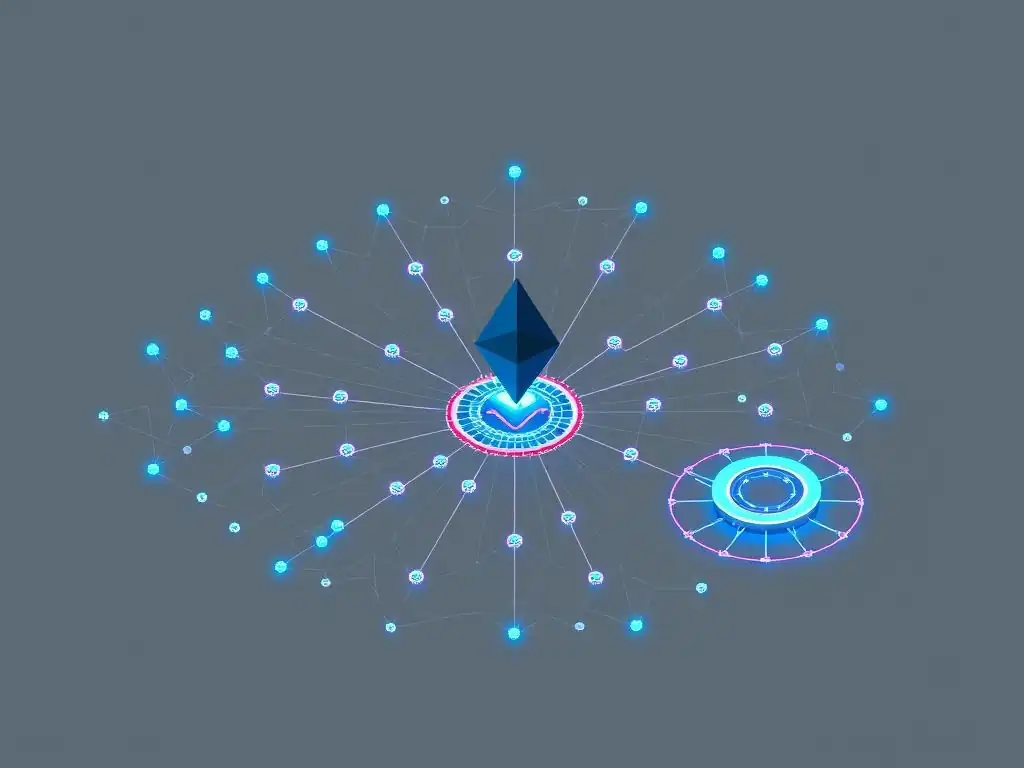
Comparing Consensus Mechanisms: PoS vs. NPoS vs. BFT
A direct comparison of the consensus mechanisms – PoS (Ethereum), NPoS (Polkadot), and BFT (Cosmos) – reveals their relative energy efficiency. Proof-of-Stake, as implemented by Ethereum post-Merge, represents a monumental improvement over Proof-of-Work in terms of energy consumption. Nominated Proof-of-Stake, used by Polkadot, builds upon PoS by further optimizing validator participation and resource utilization, potentially offering even greater efficiency.
Tendermint BFT, employed by Cosmos, is also a PoS-based algorithm known for its speed and energy efficiency, focusing on communication and coordination rather than heavy computation. All three mechanisms are significantly more energy-efficient than Proof-of-Work, but subtle differences in their design and implementation contribute to varying levels of environmental impact. PoS, NPoS, and BFT all represent a move towards more sustainable blockchain technologies compared to older, energy-intensive methods.
Transaction Throughput and Energy Usage: A Comparative View
When comparing transaction throughput and energy usage, it's crucial to consider the efficiency of each platform in processing transactions relative to its energy consumption. While pre-Merge Ethereum suffered from both high energy usage and relatively lower transaction throughput due to PoW, post-Merge Ethereum with PoS aims to improve both metrics. Polkadot's parachain architecture and NPoS consensus are designed for high throughput and energy efficiency, enabling it to process a large number of transactions with a relatively low energy footprint.
Cosmos, with its Tendermint BFT consensus and IBC, also emphasizes scalability and efficiency, allowing for fast transaction processing with minimal energy overhead. Therefore, both Polkadot and Cosmos are designed to handle higher transaction volumes per unit of energy consumed compared to pre-Merge Ethereum, and likely also offer advantages in this metric compared to post-Merge Ethereum, though direct empirical data is still emerging and evolving.
Scalability Solutions and Their Impact on Environmental Sustainability
Scalability solutions, such as Layer-2 networks, are crucial for enhancing the environmental sustainability of blockchain platforms. Layer-2 solutions, built on top of Layer-1 blockchains like Ethereum, Polkadot, and Cosmos, aim to increase transaction throughput and reduce fees without significantly increasing the energy burden on the main chain. For Ethereum, Layer-2 solutions like rollups bundle multiple transactions and process them off-chain before submitting a summary to the main Ethereum chain, drastically reducing the energy required per transaction.
Polkadot's parachain architecture itself can be considered a form of Layer-2 scaling, distributing workload and improving efficiency. Cosmos' IBC and zone architecture also promotes scalability by allowing for specialized and interconnected blockchains. The adoption and development of effective scalability solutions are essential for ensuring that blockchain technology can scale to meet global demands without exacerbating environmental concerns.
The Environmental Impact Beyond Energy Consumption
E-Waste Considerations in Blockchain Technology
Beyond direct energy consumption, e-waste is another significant environmental concern associated with blockchain technology, particularly in the context of Proof-of-Work mining. The rapid obsolescence of specialized mining hardware, such as ASICs (Application-Specific Integrated Circuits), contributes to a growing stream of electronic waste. ASICs designed for mining Bitcoin or pre-Merge Ethereum become outdated and inefficient relatively quickly, leading to their disposal and replacement with newer, more powerful hardware.
This cycle of hardware upgrades generates substantial e-waste, containing hazardous materials that require proper disposal and recycling. The transition to Proof-of-Stake, by eliminating the need for specialized mining hardware, directly addresses this e-waste issue, making PoS-based blockchains inherently more sustainable in terms of electronic waste generation.
The Role of Renewable Energy in Sustainable Blockchain Operations
The use of renewable energy sources is crucial for mitigating the carbon footprint of blockchain operations, regardless of the consensus mechanism. Even with energy-efficient consensus algorithms like PoS, NPoS, and BFT, the energy consumed still has an environmental impact if sourced from fossil fuels. Encouraging and incentivizing blockchain validators and node operators to utilize renewable energy sources, such as solar, wind, and hydro power, is essential for achieving truly sustainable blockchain networks.
Initiatives promoting the use of renewable energy for blockchain operations, along with transparency regarding energy sourcing, are vital steps towards reducing the overall environmental impact of the technology. The feasibility and adoption of renewable energy will play a significant role in determining the long-term sustainability of all blockchain platforms, including Ethereum, Polkadot, and Cosmos.
Carbon Offsetting Initiatives by Ethereum, Polkadot, and Cosmos
Carbon offsetting initiatives represent another approach to mitigating the environmental impact of blockchain technology. These initiatives involve investing in projects that remove or reduce carbon dioxide emissions from the atmosphere to compensate for the carbon footprint of blockchain operations. Ethereum, Polkadot, and Cosmos, along with their respective communities, have explored or implemented carbon offsetting programs to varying degrees.
These initiatives can range from purchasing carbon credits to supporting reforestation projects or investing in renewable energy infrastructure. While carbon offsetting is not a substitute for reducing energy consumption in the first place, it can serve as a valuable complementary strategy for achieving carbon neutrality or reducing the net environmental impact of blockchain platforms. The effectiveness and credibility of these offsetting initiatives depend on robust verification and transparency.
The Future of Sustainable Blockchain Technologies
Innovations in Energy-Efficient Consensus Algorithms
Ongoing research and development in consensus algorithms are continuously pushing the boundaries of energy efficiency in blockchain technology. Beyond Proof-of-Stake, various alternative consensus mechanisms are being explored, such as Proof-of-History, Proof-of-Authority, and Proof-of-Storage, each with its own trade-offs in terms of security, decentralization, and energy consumption.
These innovations aim to further reduce the energy footprint of blockchain networks while maintaining or enhancing their security and performance. The evolution of consensus algorithms is a key driver in the pursuit of more sustainable blockchain technologies, and future breakthroughs in this area hold significant promise for minimizing the environmental impact of the industry.
The Potential of Layer-2 Solutions for Reducing Energy Consumption
Layer-2 solutions are not only crucial for scalability but also hold immense potential for further reducing the energy consumption of blockchain applications. As Layer-2 technologies mature and become more widely adopted, they can offload a significant portion of transaction processing from the energy-intensive Layer-1 main chains. This shift towards Layer-2 scaling can lead to a substantial decrease in the overall energy footprint of the blockchain ecosystem.
Continued innovation and development in Layer-2 solutions, encompassing rollups, state channels, and sidechains, are essential for realizing the full potential of blockchain technology in an environmentally sustainable manner. The future of sustainable blockchain likely involves a multi-layered architecture where Layer-2 solutions play a central role in optimizing energy efficiency.
The Importance of Sustainable Blockchain Development Practices
Sustainable blockchain development practices are crucial for building environmentally conscious blockchain applications and ecosystems. This includes designing applications and protocols with energy efficiency in mind, optimizing code for minimal resource consumption, and promoting responsible resource management throughout the development lifecycle. Educating developers about sustainable development principles and providing tools and resources to build energy-efficient applications are vital steps. Furthermore, fostering a culture of environmental awareness within the blockchain community and encouraging developers to prioritize sustainability in their projects will contribute to the widespread adoption of green blockchain technologies.
Conclusion: Choosing an Environmentally Conscious Blockchain Platform
Key Takeaways from the Ethereum, Polkadot, and Cosmos Energy Efficiency Comparison
This comparison reveals that Ethereum, Polkadot, and Cosmos have all made significant strides in addressing the energy efficiency challenges associated with blockchain technology, albeit through different approaches. Ethereum's transition to Proof-of-Stake represents a major leap towards sustainability, drastically reducing its energy consumption. Polkadot and Cosmos, designed with energy efficiency in mind from the outset, utilize NPoS and Tendermint BFT respectively, offering inherently less energy-intensive alternatives to Proof-of-Work.
While post-Merge Ethereum has significantly improved its energy profile, Polkadot and Cosmos maintain their positions as platforms designed for energy efficiency through their core architectures and consensus mechanisms. The choice of platform depends on specific project requirements, but from an environmental perspective, all three represent significantly more sustainable options than legacy Proof-of-Work blockchains.
The Role of Developers and Users in Promoting Sustainable Blockchain Practices
Developers and users both play crucial roles in promoting sustainable blockchain practices. Developers have the responsibility to build energy-efficient applications and choose platforms that align with their sustainability goals. Users, by supporting and adopting environmentally conscious blockchain platforms and applications, can create market demand for sustainable solutions. This collective effort, from platform selection to application design and user adoption, is essential for driving the broader blockchain industry towards greater environmental responsibility. Promoting awareness, demanding transparency regarding energy consumption, and actively supporting sustainable initiatives are vital for fostering a greener blockchain future.
Emerging Trends in Green Blockchain Technology
The field of green blockchain technology is rapidly evolving, with emerging trends focused on further enhancing sustainability. These trends include the development of even more energy-efficient consensus algorithms, the increased adoption of renewable energy sources for blockchain operations, and the exploration of carbon-negative blockchain solutions.
Innovations in Layer-2 scaling, advancements in blockchain interoperability, and a growing emphasis on circular economy principles within the blockchain space are also contributing to a more sustainable future. The continued focus on environmental responsibility and technological innovation promises to further minimize the environmental impact of blockchain technology and unlock its transformative potential in a truly sustainable way.
Frequently Asked Questions
How does Ethereum's energy consumption compare to Polkadot and Cosmos before the Merge?
Prior to the Merge, Ethereum used a Proof-of-Work (PoW) consensus mechanism, which was significantly more energy-intensive than the Proof-of-Stake (PoS) systems used by Polkadot and Cosmos. This resulted in a much higher environmental impact.
What is the "Merge" and how did it affect Ethereum's energy efficiency?
The Merge refers to Ethereum's transition from a Proof-of-Work (PoW) to a Proof-of-Stake (PoS) consensus mechanism. This drastically reduced Ethereum's energy consumption by approximately 99.95%, making it far more energy-efficient.
Are Polkadot and Cosmos inherently more environmentally friendly than Ethereum after the Merge?
While Polkadot and Cosmos were designed with energy efficiency in mind from the outset, Ethereum's Merge has made it comparable or even more efficient than these networks in some aspects, depending on the specific metrics used. They all utilize Proof-of-Stake (PoS).
What factors besides the consensus mechanism influence the overall environmental impact of these blockchains?
Besides the consensus mechanism, factors like the hardware used by validators, the energy sources powering the network, and the transaction volume all contribute to the overall environmental footprint of these blockchains.
How can users and developers contribute to a more sustainable blockchain ecosystem regarding Ethereum, Polkadot, and Cosmos?
Users can choose to stake their tokens rather than mine (now irrelevant for Ethereum). Developers can build energy-efficient applications and advocate for sustainable practices within their respective blockchain communities.
Final Reflection: Embracing Sustainable Blockchain Futures
The exploration of Ethereum, Polkadot, and Cosmos' energy efficiency underscores a critical truth: sustainable blockchain technology is no longer a futuristic ideal, but a present-day necessity. As the digital landscape continues to expand and blockchain applications become increasingly integrated into our daily lives, the environmental footprint of these technologies demands immediate and thoughtful consideration. Ignoring this imperative risks undermining the very progress these innovations promise.
The ongoing debate surrounding blockchain's energy consumption has profoundly shaped the cultural perception of these technologies. It's become clear that the long-term viability of blockchain hinges on its ability to minimize its environmental impact, fostering a future where technological advancement and ecological responsibility coexist. We do not inherit the earth from our ancestors; we borrow it from our children.
This ancient proverb resonates deeply within the context of blockchain, reminding us that our choices today will determine the world we leave behind.
As you navigate the evolving world of blockchain, I invite you to consider the power of informed choices. Let the insights gained from this Ethereum energy efficiency comparison fuel your own commitment to sustainability. Seek out and support projects that prioritize environmental responsibility, and advocate for a future where innovation and ecological stewardship go hand in hand. The future of blockchain, and indeed, our planet, depends on it.
Ignite Change: Discover Your Eco-Friendly Blockchain Path!
Thank you for exploring the environmental impact of leading blockchain platforms. You've gained valuable insights into their energy efficiency. Are you ready to take action?
Here's how you can contribute to building a greener blockchain future:
- Make the Pledge: Support and promote eco-friendly blockchain initiatives. Share your commitment on social media using #GreenBlockchain.
- Explore: Investigate the energy consumption reports of your favorite blockchain networks to better understand their environmental impact. Advocate for transparency!
- Connect: Join or establish a community forum dedicated to discussing innovative solutions for reducing blockchain energy usage.
What small, impactful change will you implement today to promote a more sustainable blockchain world? Share your ideas in the comments!
Leave a Reply