
The LongTerm Sustainability of DeFi Protocols: Assessing Systemic Risks

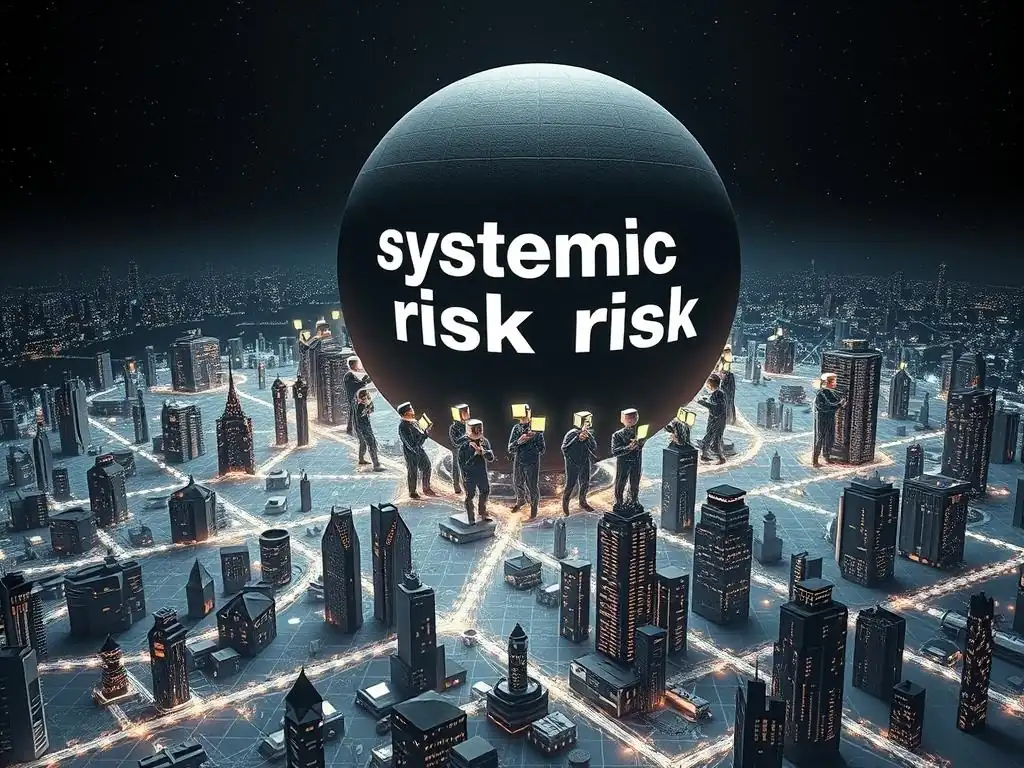
Welcome to Blockchain Trends, your compass in the rapidly evolving world of decentralized technology. Beyond the hype, we delve into the real-world applications and future possibilities of blockchain. Are you ready to look beyond the surface of Decentralized Finance? Today, we're tackling a critical question: what are the DeFi protocol systemic risks that could impact the long-term sustainability of this revolutionary financial landscape? Uncover the potential vulnerabilities and explore the strategies needed to build a more resilient and secure future. Dive in to learn more!
-
The Long-Term Sustainability of DeFi Protocols: Assessing Systemic Risks
- Introduction: Understanding the Critical Need for DeFi Risk Management
- Defining DeFi Protocol Systemic Risks: A Comprehensive Overview
- The Interconnectedness of DeFi: Cascading Failure Potential
- Identifying Key Sources of Systemic Risk in DeFi
- Quantifying and Measuring DeFi Protocol Systemic Risks
- Mitigation Strategies for DeFi Systemic Risks
- Case Studies: Examining Past DeFi Systemic Risk Events
- The Future of DeFi Risk Management: Towards Sustainable Protocols
- Conclusion: Building a More Resilient and Sustainable DeFi Ecosystem
-
Frequently Asked Questions
- How does blockchain technology extend beyond just cryptocurrencies?
- What are DeFi protocols and why are they gaining traction?
- What are the key systemic risks associated with DeFi protocols?
- What regulatory challenges does the growth of DeFi present?
- What does the future hold for decentralized systems and blockchain technology?
- Final Reflection: Navigating the Uncharted Waters of DeFi
- Fortify Your DeFi Future
The Long-Term Sustainability of DeFi Protocols: Assessing Systemic Risks
Introduction: Understanding the Critical Need for DeFi Risk Management
Decentralized Finance (DeFi) has emerged as a groundbreaking paradigm, promising to democratize financial services by leveraging blockchain technology. However, this nascent ecosystem, while brimming with innovation, faces significant challenges, particularly concerning risk management. Unlike traditional financial systems with established regulatory frameworks and risk mitigation mechanisms, DeFi protocols operate in a largely unregulated and highly volatile environment.
The absence of intermediaries, while a core tenet of DeFi, also removes established gatekeepers and safety nets, placing a greater emphasis on the inherent security and resilience of the protocols themselves. Therefore, understanding and effectively managing risks, especially systemic risks that can propagate across the entire DeFi landscape, is paramount for the long-term sustainability and mainstream adoption of these protocols.
The rapid growth and interconnectedness within DeFi have amplified the potential for systemic risks. Protocols are increasingly reliant on each other, creating complex webs of dependencies. A vulnerability or failure in one protocol can rapidly cascade, triggering a domino effect across the entire ecosystem.
This interconnectedness, coupled with the experimental nature of many DeFi protocols and the large sums of value locked within them, necessitates a proactive and comprehensive approach to risk management. Ignoring these systemic vulnerabilities could not only hinder the growth of DeFi but also erode trust in the technology, potentially reversing the progress made in establishing decentralized financial alternatives. A robust framework for identifying, quantifying, and mitigating DeFi protocol systemic risks is not merely desirable; it is a fundamental requirement for the sector's maturity and longevity.
Defining DeFi Protocol Systemic Risks: A Comprehensive Overview
Systemic risk in the context of DeFi protocols refers to the risk that the failure of one or more components within the decentralized financial ecosystem could trigger a widespread collapse or instability, impacting a significant portion of the DeFi landscape. This is analogous to systemic risk in traditional finance, where the failure of a major financial institution can lead to a broader financial crisis.
In DeFi, systemic risk is exacerbated by the inherent characteristics of blockchain and decentralized applications, including their permissionless nature, composability, and reliance on smart contracts. Unlike traditional systems, DeFi lacks centralized authorities to intervene and contain crises, making the potential for rapid and widespread contagion particularly concerning.
DeFi protocol systemic risks are not limited to individual protocol failures. They encompass a broader spectrum of vulnerabilities stemming from the interconnectedness of protocols, shared infrastructure, and market dynamics specific to the crypto-asset space. These risks can manifest from various sources, including smart contract vulnerabilities, economic exploits, governance failures, oracle malfunctions, and regulatory shocks.
The impact of systemic risk events in DeFi can range from significant financial losses for users to a loss of confidence in the entire ecosystem, hindering future development and adoption. Therefore, a comprehensive understanding of systemic risk in DeFi requires examining the specific factors that contribute to its emergence and propagation within this unique technological and financial environment.
The Interconnectedness of DeFi: Cascading Failure Potential
The DeFi ecosystem is characterized by a high degree of interconnectedness, often lauded as "composability" or "money legos." While this modularity fosters innovation and efficiency, it also creates pathways for systemic risks to propagate rapidly. Protocols are designed to interact seamlessly, with one protocol's output serving as input for another. This intricate web of dependencies means that a failure in a seemingly isolated protocol can have far-reaching consequences, triggering a cascade of failures across the network. Understanding the nuances of this interconnectedness is crucial to grasping the potential for systemic risk within DeFi.
Understanding DeFi Composability and its Risk Implications
DeFi composability, the ability of protocols to interact and build upon each other, is a double-edged sword. It allows for the creation of complex and innovative financial instruments but simultaneously amplifies systemic risk. Imagine a scenario where Protocol A relies on Protocol B for yield generation, and Protocol B, in turn, depends on Protocol C for liquidity.
If Protocol C experiences a critical failure, it can trigger a chain reaction: Protocol B's yield generation falters, causing users to withdraw funds from Protocol A, potentially leading to a liquidity crisis in Protocol A as well. This cascading effect can spread throughout the DeFi ecosystem, affecting multiple protocols and users who may have no direct interaction with the initially failing protocol.
Furthermore, the speed and automation inherent in DeFi protocols exacerbate the impact of composability-driven systemic risk. Smart contracts execute transactions automatically and instantaneously, meaning that cascading failures can unfold much faster than in traditional financial systems.
For example, if a vulnerability in a lending protocol is exploited, automated liquidations across multiple integrated protocols can occur within minutes, leading to rapid market destabilization and significant losses. The lack of human intervention to slow down or halt these processes in many DeFi protocols underscores the importance of robust risk management frameworks that account for the amplified risk propagation potential created by composability.
The Role of Stablecoins in Amplifying Systemic Risk
Stablecoins, designed to maintain a stable value, play a crucial role in the DeFi ecosystem by providing a bridge between traditional fiat currencies and the volatile world of cryptocurrencies. However, their widespread use and integration into numerous DeFi protocols also make them a significant source of systemic risk. Many DeFi protocols utilize stablecoins as collateral, trading pairs, or yield-bearing assets. If a major stablecoin were to de-peg significantly or collapse, it could trigger widespread liquidations, market turmoil, and a loss of confidence across the DeFi ecosystem.
The systemic risk associated with stablecoins is further amplified by the varying degrees of reserves and transparency backing different stablecoins. Algorithmic stablecoins, in particular, have demonstrated significant vulnerabilities, as seen with the TerraUSD (UST) collapse in May 2022. The de-pegging of UST triggered a massive market-wide sell-off and contagion, impacting numerous DeFi protocols that relied on UST or the broader Terra ecosystem.
Even centralized stablecoins, while often backed by reserves, are not immune to risks such as regulatory scrutiny, counterparty risk, and operational failures. The concentration of stablecoin usage within DeFi makes their stability paramount for the overall systemic health of the ecosystem, and any significant stablecoin event can quickly escalate into a broader crisis.
Liquidity Provider Concentration as a Systemic Vulnerability
Decentralized Exchanges (DEXs) are a cornerstone of DeFi, facilitating trading without intermediaries through Automated Market Makers (AMMs). These AMMs rely on Liquidity Providers (LPs) who deposit assets into liquidity pools to enable trading. However, a concentration of liquidity provision in the hands of a few large LPs introduces a significant systemic vulnerability. If a small number of LPs decide to withdraw their liquidity simultaneously, it can lead to a drastic reduction in liquidity on DEXs, causing price slippage, increased volatility, and potential market dislocations.
This concentration risk is particularly pronounced in newer or less liquid DeFi protocols, where a few whales can disproportionately influence the liquidity pools. Furthermore, the incentives for LPs to provide liquidity often depend on token rewards and yields, which can be unsustainable or subject to sudden changes. If these incentives decrease or the perceived risk of providing liquidity increases, large LPs may withdraw their funds, creating a "liquidity drain" scenario.
Such a drain can not only disrupt trading on DEXs but also impact protocols that rely on these DEXs for token swaps, price discovery, or collateral valuations, potentially triggering cascading liquidations and further destabilizing the DeFi ecosystem. Diversifying liquidity provision and mitigating the influence of concentrated LP positions are therefore crucial steps in reducing systemic risk within DeFi.
Identifying Key Sources of Systemic Risk in DeFi
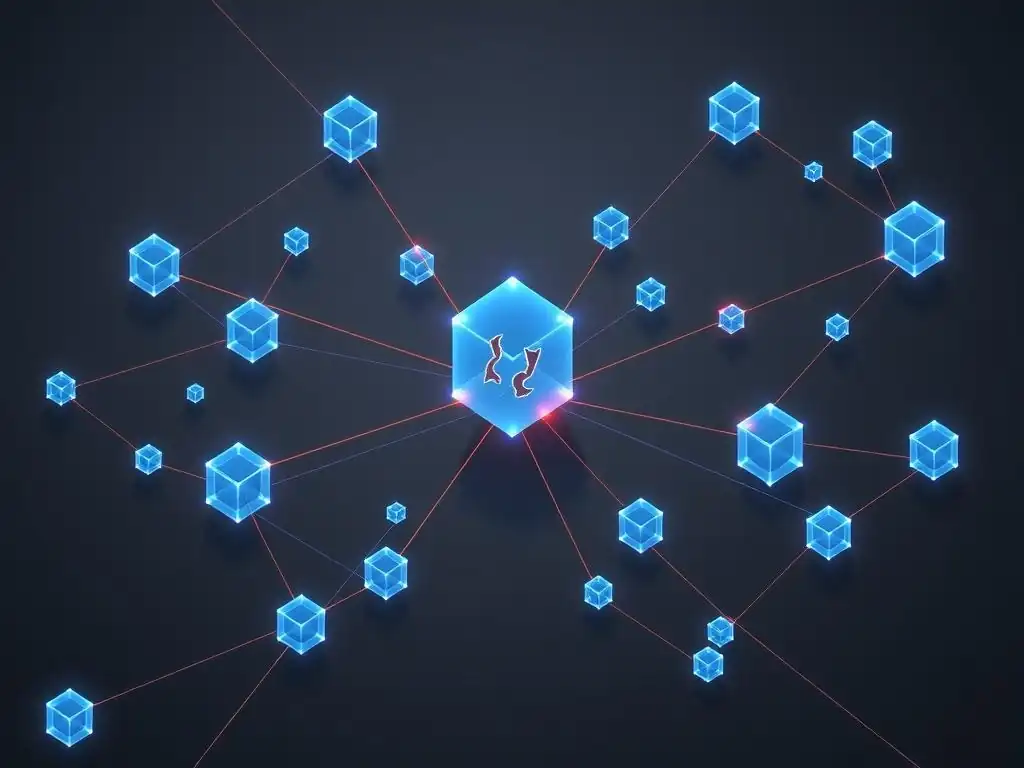
Beyond the interconnectedness of DeFi protocols, several specific sources contribute to systemic risk. These sources range from technical vulnerabilities within smart contracts to economic incentives that can be exploited and external factors like regulatory uncertainty. Identifying and understanding these key sources is essential for developing effective mitigation strategies and building a more resilient DeFi ecosystem.
Smart Contract Vulnerabilities and Their Impact
Smart contracts, the self-executing code that underpins DeFi protocols, are both the strength and a potential weakness of the ecosystem. While they enable automation and transparency, vulnerabilities in smart contracts can be exploited, leading to significant financial losses and systemic risk.
Bugs, coding errors, or unforeseen logic flaws in smart contracts can be targeted by malicious actors, resulting in theft of funds, protocol manipulation, or even complete protocol failure. The immutable nature of smart contracts on most blockchains means that once deployed with a vulnerability, it can be challenging or impossible to rectify without resorting to complex and potentially contentious hard forks or emergency governance actions.
The impact of smart contract vulnerabilities can be systemic due to the interconnectedness of DeFi. If a widely used protocol suffers a smart contract exploit, it can not only result in direct losses for users and the protocol itself but also trigger cascading effects on dependent protocols and the broader market sentiment.
For instance, exploits in lending protocols can lead to bad debt accumulation, impacting lenders and borrowers across multiple platforms. The frequency and severity of smart contract exploits in DeFi underscore the critical need for rigorous security audits, formal verification methods, and ongoing monitoring to identify and mitigate potential vulnerabilities before they can be exploited and contribute to systemic risk.
Oracle Manipulation and Data Integrity Concerns
Oracles are essential components of many DeFi protocols, providing off-chain data, such as price feeds, to smart contracts on the blockchain. However, oracles introduce a centralized point of failure and a potential source of manipulation, contributing to systemic risk. If oracles are compromised or manipulated, it can lead to inaccurate data being fed into DeFi protocols, resulting in incorrect execution of smart contract logic, such as faulty liquidations, incorrect interest rate calculations, or manipulation of governance decisions. The reliance on external data sources inherently introduces trust assumptions and potential vulnerabilities that are not present in purely on-chain operations.
Oracle manipulation can have systemic consequences, particularly in DeFi protocols that rely heavily on accurate price feeds for their core functionality, such as lending, borrowing, and derivatives platforms. For example, if an attacker manipulates the price feed of an asset used as collateral in a lending protocol, they could potentially trigger mass liquidations or borrow assets at artificially low collateral ratios.
The flash loan attack on Cream Finance in 2021, where attackers manipulated the price of CREAM tokens through flash loans and oracle manipulation to steal millions of dollars, is a stark example of the systemic risk posed by oracle vulnerabilities. Ensuring the security, reliability, and decentralization of oracles is therefore critical for mitigating systemic risk and maintaining the integrity of DeFi protocols that rely on external data.
Governance Attacks and Protocol Instability
Decentralized governance is a core principle of DeFi, aiming to distribute control and decision-making power among token holders rather than centralized entities. However, governance mechanisms themselves can be vulnerable to attacks and manipulation, posing a systemic risk to protocol stability. Governance attacks can take various forms, including the acquisition of a majority of governance tokens to push through malicious proposals, bribery of voters, or exploitation of flaws in the governance voting process. If governance is compromised, attackers can potentially alter protocol parameters, steal funds, or even shut down the protocol altogether.
The systemic implications of governance attacks arise from the fact that governance decisions often dictate critical protocol parameters that affect the entire ecosystem. For example, changes to interest rate models, collateral requirements, or upgrade procedures can have widespread consequences for users and dependent protocols. Furthermore, successful governance attacks can erode trust in the protocol and the broader DeFi ecosystem, potentially leading to capital flight and market instability. Strengthening governance mechanisms through measures such as quadratic voting, time-lock delays for critical changes, and robust community monitoring is crucial for preventing governance attacks and mitigating the associated systemic risks.
Regulatory Uncertainty and its Effects on DeFi Sustainability
Regulatory uncertainty poses a significant systemic risk to the long-term sustainability of DeFi protocols. The regulatory landscape for cryptocurrencies and DeFi is still evolving globally, with varying approaches and levels of clarity across jurisdictions. Uncertainty regarding future regulations can create significant challenges for DeFi protocols, impacting their operations, adoption, and overall viability. Potential regulatory actions, such as outright bans, stringent licensing requirements, or restrictions on certain DeFi activities, could severely disrupt the DeFi ecosystem and trigger systemic shocks.
The systemic nature of regulatory risk stems from the global and borderless nature of DeFi. Regulations in one jurisdiction can have ripple effects across the entire ecosystem, particularly if major regulatory bodies take a restrictive stance. For example, if a major jurisdiction were to ban or severely restrict the use of certain DeFi protocols or tokens, it could lead to a significant decrease in liquidity, user adoption, and overall market confidence.
Furthermore, regulatory uncertainty can stifle innovation and investment in the DeFi space, hindering its long-term growth and potential to provide decentralized financial alternatives. Active engagement with regulators, proactive compliance efforts, and the development of self-regulatory frameworks are crucial for navigating regulatory uncertainty and mitigating its potential systemic impact on DeFi.
Quantifying and Measuring DeFi Protocol Systemic Risks
To effectively manage DeFi protocol systemic risks, it is essential to develop methods for quantifying and measuring these risks. This involves creating relevant risk metrics, utilizing simulation and modeling techniques, and leveraging on-chain data analysis to identify potential vulnerabilities and assess the overall systemic risk level of the DeFi ecosystem. Quantifiable risk assessment is crucial for informed decision-making, risk mitigation strategy development, and building confidence in the sustainability of DeFi protocols.
Developing Risk Metrics for DeFi Protocols
Developing specific risk metrics tailored to DeFi protocols is crucial for quantifying and monitoring systemic risk. These metrics should go beyond traditional financial risk measures and capture the unique characteristics and vulnerabilities of DeFi.
Potential risk metrics could include: Interconnectedness metrics, quantifying the degree of dependency between protocols; Liquidity concentration metrics, measuring the distribution of liquidity providers and the potential for liquidity drain; Smart contract vulnerability metrics, tracking the number and severity of smart contract audits and known vulnerabilities; Governance decentralization metrics, assessing the distribution of governance power and the resilience of governance mechanisms; and Stablecoin dependency metrics, quantifying the reliance of protocols on specific stablecoins.
Furthermore, composite risk indices can be constructed by aggregating multiple individual risk metrics to provide an overall systemic risk score for a protocol or the entire DeFi ecosystem. These indices can be used to track changes in systemic risk over time, identify protocols or areas of concern, and inform risk mitigation strategies.
For example, a rising interconnectedness index combined with increasing liquidity concentration might signal a heightened level of systemic risk and the need for proactive measures to diversify liquidity sources or reduce protocol dependencies. The development and adoption of standardized and transparent DeFi risk metrics are essential for fostering a more risk-aware and sustainable ecosystem.
Utilizing Simulation and Modeling for Risk Assessment
Simulation and modeling techniques can be powerful tools for assessing DeFi protocol systemic risks. These techniques allow for the creation of virtual environments that mimic the behavior of DeFi protocols and the interactions between them.
By simulating various scenarios, such as smart contract exploits, oracle failures, or market shocks, it is possible to assess the potential impact on individual protocols and the broader ecosystem, identifying potential cascading effects and systemic vulnerabilities. Agent-based modeling, for instance, can simulate the behavior of different actors within the DeFi ecosystem, such as users, liquidity providers, and arbitrageurs, and analyze how their interactions contribute to systemic risk.
Stress testing is another valuable simulation technique that can be applied to DeFi protocols. By subjecting protocols to extreme market conditions, such as sudden price drops or spikes in volatility, it is possible to assess their resilience and identify potential breaking points or vulnerabilities that could lead to systemic failures.
For example, stress testing a lending protocol under extreme collateral price volatility can reveal whether its liquidation mechanisms are robust enough to prevent bad debt accumulation and systemic contagion. The use of simulation and modeling allows for proactive risk assessment and the identification of potential systemic vulnerabilities before they manifest in real-world events.
On-Chain Data Analysis for Identifying Potential Vulnerabilities
The transparent and auditable nature of blockchain data provides a unique opportunity for on-chain data analysis to identify potential DeFi protocol systemic risks. Analyzing transaction data, smart contract interactions, and liquidity flows on-chain can reveal patterns and indicators of emerging risks that might not be apparent through traditional risk assessment methods. For example, monitoring large token movements to and from specific protocols or addresses could signal potential market manipulation or insider activity.
Tracking liquidity concentration in DEX pools can identify protocols that are vulnerable to liquidity drain. Analyzing smart contract execution patterns can reveal anomalies or unusual activity that might indicate potential exploits or vulnerabilities.
Furthermore, network analysis techniques can be applied to on-chain data to map the interconnectedness of DeFi protocols and identify critical nodes or pathways for systemic risk propagation. By visualizing the network of dependencies between protocols, it becomes possible to assess the potential impact of failures in specific protocols and identify areas where risk mitigation efforts should be focused.
Real-time on-chain data monitoring and analysis dashboards can provide early warning signals of potential systemic risks, enabling proactive intervention and mitigation measures before they escalate into broader crises. Leveraging the transparency of blockchain data through sophisticated on-chain analysis is a powerful tool for enhancing DeFi systemic risk management.
Mitigation Strategies for DeFi Systemic Risks
Mitigating DeFi systemic risks requires a multi-faceted approach encompassing technical security enhancements, economic incentive design, robust governance frameworks, and proactive risk management practices. Implementing effective mitigation strategies is crucial for building a more resilient and sustainable DeFi ecosystem that can withstand shocks and maintain user confidence.
Enhanced Smart Contract Audits and Formal Verification
Enhanced smart contract audits and formal verification are essential for mitigating systemic risk arising from smart contract vulnerabilities. While traditional security audits play a crucial role in identifying potential bugs and vulnerabilities, they are often limited by the scope and depth of manual code review. Formal verification, a more rigorous approach, uses mathematical methods to prove the correctness of smart contract code and ensure that it behaves as intended under all possible conditions. Combining thorough security audits with formal verification techniques can significantly reduce the likelihood of exploitable vulnerabilities in smart contracts.
Furthermore, ongoing monitoring and continuous auditing of deployed smart contracts are crucial, especially as protocols evolve and are upgraded. Implementing bug bounty programs can incentivize white-hat hackers to identify and report vulnerabilities proactively, further strengthening the security posture of DeFi protocols. Promoting transparency and open-source code practices within the DeFi ecosystem also facilitates community review and collaborative security efforts, contributing to enhanced smart contract security and reduced systemic risk.
Decentralized Insurance and Risk Hedging Mechanisms
Decentralized insurance and risk hedging mechanisms are vital tools for mitigating the financial impact of DeFi systemic risk events. Insurance protocols can provide coverage against smart contract exploits, oracle failures, and other DeFi-specific risks, compensating users for losses incurred due to protocol failures. Risk hedging mechanisms, such as options and futures markets for DeFi assets, allow users to manage and transfer risk, reducing their exposure to potential systemic shocks. The development and adoption of robust and user-friendly decentralized insurance and hedging solutions are crucial for building a more resilient DeFi ecosystem and fostering wider adoption by risk-averse users.
However, decentralized insurance itself is not without challenges, including accurately pricing risk, ensuring sufficient capital reserves, and preventing fraudulent claims. Innovation in decentralized insurance models, such as parametric insurance that pays out based on predefined events rather than subjective claims assessments, and community-backed insurance pools, can help address these challenges and create more effective and scalable risk mitigation solutions for DeFi.
Implementing Robust Governance Structures and Emergency Response Protocols
Implementing robust governance structures and emergency response protocols is crucial for mitigating systemic risks arising from governance attacks and unexpected protocol failures. Decentralized governance should be designed to be resilient to manipulation and ensure that critical decisions are made in a transparent and accountable manner. Mechanisms such as quadratic voting, token-weighted voting with vesting schedules, and time-lock delays for critical changes can enhance governance security and prevent malicious actors from easily gaining control.
Furthermore, protocols should establish clear emergency response protocols to handle unexpected events, such as smart contract exploits or critical vulnerabilities. These protocols should define roles and responsibilities for incident response, communication channels, and procedures for pausing or mitigating protocol operations in emergency situations. Having well-defined emergency response plans and testing them regularly through simulations can significantly improve a protocol's ability to respond effectively to systemic risk events and minimize their impact.
Diversification of Collateral and Liquidity Sources
Diversification of collateral and liquidity sources is a fundamental strategy for mitigating systemic risk in DeFi protocols. Relying on a limited number of collateral types or liquidity providers concentrates risk and increases vulnerability to shocks. Protocols should strive to accept a diverse range of collateral assets, including both established cryptocurrencies and potentially real-world assets, to reduce dependence on any single asset class. Similarly, diversifying liquidity sources across multiple DEXs and liquidity pools reduces the risk of liquidity drain and market disruptions.
Encouraging participation from a wider range of liquidity providers, including smaller and more geographically diverse participants, can further enhance liquidity diversification and reduce concentration risk. Protocols can incentivize diversification through various mechanisms, such as differentiated reward structures for providing liquidity with less concentrated assets or on less liquid DEXs. Diversification of collateral and liquidity sources not only reduces systemic risk but also enhances the overall resilience and robustness of DeFi protocols.
Case Studies: Examining Past DeFi Systemic Risk Events
Analyzing past DeFi systemic risk events provides valuable lessons for understanding the sources of risk, their propagation mechanisms, and effective mitigation strategies. Examining specific case studies, such as the Iron Finance TITAN crash, the BadgerDAO front-end exploit, and the Cream Finance flash loan attack, offers concrete examples of how systemic risks can manifest in the DeFi ecosystem and the consequences they can have.
The Iron Finance TITAN Crash: Analysis of Algorithmic Stablecoin Vulnerability
The Iron Finance TITAN crash in June 2021 serves as a stark reminder of the systemic risks associated with algorithmic stablecoins and their potential to trigger wider market contagion. TITAN, the token associated with the Iron Finance partially collateralized stablecoin IRON, experienced a dramatic price collapse from a peak of over $60 to near zero within a single day. This collapse was triggered by a classic bank run scenario fueled by a flawed algorithmic design that relied on arbitrage incentives and lacked sufficient collateralization to withstand significant market downturns.
The TITAN crash had systemic implications beyond the Iron Finance ecosystem. It led to a significant loss of confidence in algorithmic stablecoins and contributed to broader market volatility in the crypto space. The event highlighted the inherent vulnerabilities of relying solely on algorithmic mechanisms for price stability and the potential for rapid and catastrophic failures in under-collateralized stablecoin designs. The lessons learned from the TITAN crash underscore the need for robust collateralization, stress testing, and transparency in stablecoin protocols to mitigate systemic risk.
The BadgerDAO Front-End Exploit: Lessons Learned from Compromised User Interfaces
The BadgerDAO front-end exploit in December 2021 demonstrated that systemic risk in DeFi is not limited to smart contract vulnerabilities but can also arise from weaknesses in user interfaces and related infrastructure. Attackers compromised the BadgerDAO website's front-end, injecting malicious code that allowed them to intercept and drain user funds when they interacted with the platform. This exploit resulted in the theft of over $120 million worth of cryptocurrency and highlighted the importance of securing all components of the DeFi ecosystem, including user-facing interfaces.
The BadgerDAO exploit had systemic implications by raising concerns about the security of DeFi platforms beyond just smart contracts. It demonstrated that even protocols with audited smart contracts can be vulnerable to attacks targeting other parts of their infrastructure. The event underscored the need for comprehensive security measures encompassing website security, browser extension security, and user education to prevent front-end exploits and mitigate the associated systemic risks. Multi-signature wallets, hardware wallets, and careful scrutiny of website interactions are crucial for users to protect themselves from such attacks.
The Cream Finance Flash Loan Attack: Mitigation Strategies to Prevent Economic Exploits
The Cream Finance flash loan attack in October 2021, one of several attacks targeting the protocol, exemplified the systemic risk posed by economic exploits in DeFi. Attackers utilized flash loans, uncollateralized loans borrowed and repaid within the same transaction, to manipulate market prices and exploit vulnerabilities in Cream Finance's lending protocol. These attacks resulted in the theft of millions of dollars and highlighted the need for robust economic modeling, careful parameter selection, and proactive mitigation strategies to prevent flash loan exploits and similar economic attacks.
The Cream Finance attacks had systemic implications by demonstrating the potential for sophisticated economic exploits to drain funds from DeFi protocols and destabilize the ecosystem. They underscored the importance of rigorous testing and simulation of protocol economics under various market conditions, including stress tests involving flash loans and other advanced financial instruments. Implementing circuit breakers, rate limits, and anomaly detection systems can help mitigate the impact of flash loan attacks and other economic exploits, reducing systemic risk and enhancing the resilience of DeFi protocols.
The Future of DeFi Risk Management: Towards Sustainable Protocols
The future of DeFi risk management hinges on continuous innovation, collaboration, and a proactive approach to addressing emerging systemic risks. As DeFi continues to evolve and attract greater institutional adoption, the focus must shift towards building more sustainable and resilient protocols that can withstand shocks and maintain long-term stability. Key areas for future development include the role of institutional adoption in mitigating risk, the evolution of DeFi insurance and risk management tools, and the importance of collaboration and information sharing within the DeFi ecosystem.
The Role of Institutional Adoption in Mitigating Risk
Institutional adoption of DeFi has the potential to both introduce new risks and contribute to mitigating existing systemic risks. On one hand, the influx of institutional capital could amplify market volatility and concentration risks if not managed carefully.
On the other hand, institutional players often bring with them more sophisticated risk management frameworks, compliance expertise, and a longer-term investment horizon, which could contribute to greater stability and maturity in the DeFi ecosystem. Encouraging responsible institutional participation, with appropriate regulatory oversight and risk management standards, could be a key factor in mitigating systemic risk and fostering the sustainable growth of DeFi.
Furthermore, the development of institutional-grade DeFi infrastructure, such as regulated custodians, compliant on-ramps and off-ramps, and institutional-focused DeFi protocols, can create a more robust and secure ecosystem that is better equipped to manage systemic risks. Bridging the gap between traditional finance and DeFi through responsible institutional adoption can contribute to a more balanced and sustainable DeFi landscape.
The Evolution of DeFi Insurance and Risk Management Tools
The evolution of DeFi insurance and risk management tools is crucial for building a more resilient and sustainable ecosystem. Current DeFi insurance solutions are still nascent and face challenges in terms of scalability, pricing accuracy, and claim processing efficiency.
Future innovations in DeFi insurance are likely to focus on more sophisticated risk assessment models, parametric insurance products, decentralized underwriting mechanisms, and more efficient claim settlement processes. Furthermore, the development of a wider range of risk management tools beyond insurance, such as advanced hedging instruments, risk aggregation platforms, and on-chain risk scoring systems, will be essential for providing users and protocols with comprehensive risk mitigation capabilities.
The integration of artificial intelligence and machine learning into DeFi risk management tools could also significantly enhance their effectiveness. AI-powered risk assessment models can analyze vast amounts of on-chain and off-chain data to identify emerging risks and predict potential systemic events. Machine learning algorithms can be used to optimize insurance pricing, detect fraudulent claims, and automate risk mitigation strategies, contributing to a more proactive and efficient approach to DeFi risk management.
The Importance of Collaboration and Information Sharing within the DeFi Ecosystem
Collaboration and information sharing are paramount for effectively addressing DeFi systemic risks. Given the interconnected nature of DeFi protocols, a coordinated and collaborative approach is essential for identifying, mitigating, and responding to systemic threats. Information sharing among protocols, security researchers, auditors, and the broader DeFi community is crucial for disseminating knowledge about vulnerabilities, exploits, and best practices for risk management. Establishing open communication channels, industry-wide security standards, and collaborative incident response frameworks can significantly enhance the collective ability to mitigate systemic risks and build a more resilient ecosystem.
Furthermore, fostering collaboration between DeFi projects and regulatory bodies is crucial for navigating regulatory uncertainty and developing appropriate regulatory frameworks that support innovation while mitigating systemic risks. Open dialogue and information sharing between DeFi developers and regulators can help bridge the knowledge gap and ensure that regulations are informed, proportionate, and effective in promoting the long-term sustainability of DeFi.
Conclusion: Building a More Resilient and Sustainable DeFi Ecosystem
The long-term sustainability of DeFi protocols hinges on effectively addressing systemic risks. While DeFi offers transformative potential for financial innovation and inclusion, its inherent interconnectedness and novel technological landscape create unique challenges for risk management. Understanding the sources of systemic risk, developing robust quantification and measurement methods, and implementing effective mitigation strategies are paramount for building a more resilient and sustainable DeFi ecosystem.
Moving forward, the DeFi community must prioritize proactive risk management, fostering collaboration, and continuous innovation in security, governance, and risk mitigation tools. By learning from past systemic risk events, embracing transparency and information sharing, and working together to build robust and resilient protocols, the DeFi ecosystem can realize its full potential and pave the way for a more decentralized, accessible, and sustainable financial future.
Frequently Asked Questions
How does blockchain technology extend beyond just cryptocurrencies?
Blockchain's utility transcends cryptocurrencies by enabling decentralized finance (DeFi), enhancing enterprise applications like supply chain management, and influencing areas such as data security and voting systems.
What are DeFi protocols and why are they gaining traction?
DeFi protocols are decentralized financial applications built on blockchain. They gain traction by offering transparency, accessibility, and efficiency compared to traditional financial systems, enabling services like lending and borrowing without intermediaries.
What are the key systemic risks associated with DeFi protocols?
Systemic risks in DeFi include smart contract vulnerabilities, liquidity crunches, and interconnectedness issues, where the failure of one protocol can trigger cascading failures across the entire ecosystem.
What regulatory challenges does the growth of DeFi present?
The decentralized and global nature of DeFi poses challenges for regulators, requiring them to balance innovation with consumer protection, address money laundering risks, and establish clear legal frameworks.
What does the future hold for decentralized systems and blockchain technology?
The future involves increased adoption across industries, improved scalability and interoperability, and a greater focus on building sustainable and resilient decentralized systems that are less susceptible to systemic risks.
The exploration of DeFi protocol systemic risks is not merely an academic exercise; it's a critical imperative for the future of decentralized finance. As we've seen, the interconnectedness and novel mechanisms within DeFi create vulnerabilities that, if left unaddressed, could undermine the entire ecosystem. Understanding and mitigating these risks is paramount to ensuring the long-term stability and trustworthiness of this revolutionary financial paradigm.
The rise of DeFi has undeniably reshaped the financial landscape, offering unprecedented access and innovation. However, this rapid growth necessitates a cautious and informed approach. The potential for systemic failures within DeFi protocols underscores the importance of continuous monitoring, robust risk management frameworks, and collaborative efforts to build a more resilient and secure ecosystem. The price of freedom is eternal vigilance.
This quote, often attributed to Thomas Jefferson, resonates deeply in the context of DeFi, reminding us that maintaining the integrity and sustainability of this decentralized world requires constant awareness and proactive measures.
Now, as you navigate the exciting, yet complex, world of DeFi, remember the lessons learned here. Consider how your own participation, whether as a developer, investor, or user, contributes to the overall health and stability of the ecosystem. Let us all strive to build a DeFi future that is not only innovative and accessible but also secure and sustainable for generations to come.
Fortify Your DeFi Future
Thank you for exploring the important topic of DeFi sustainability. You've gained a better understanding of the systemic risks that threaten these protocols. Now, let's turn that knowledge into action to build a more resilient decentralized finance ecosystem.
Here's how you can contribute:
- Participate actively in governance discussions of your favorite DeFi protocols. Your input helps shape a more sustainable future.
- Explore lesser-known DeFi projects that employ innovative risk management strategies. By diversifying your focus, you can help identify and support promising solutions.
- Share this article with your network to raise awareness about DeFi sustainability and promote informed engagement.
What innovative risk management strategies do you believe are most essential for the long-term health of DeFi, and how can we, as a community, encourage broader adoption?
Leave a Reply