
The Metaverse Unfolding: What to Expect from the Convergence of Blockchain and Virtual Worlds

Welcome to Blockchain Trends, your compass in the rapidly evolving world of decentralized technologies.
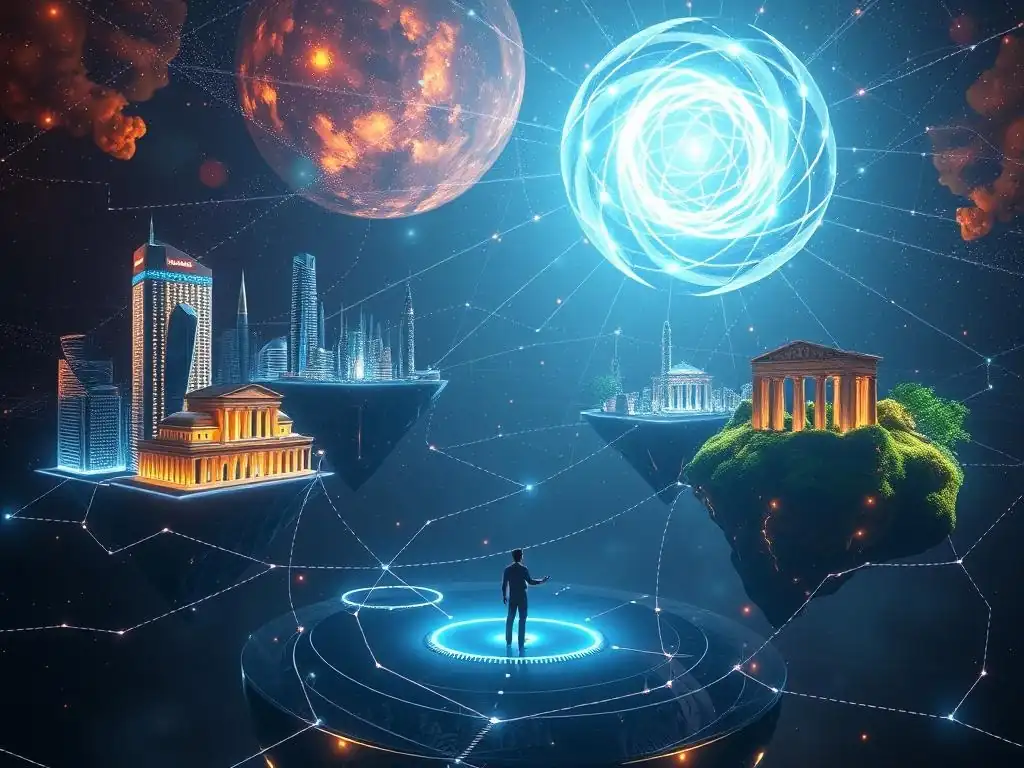
Imagine a future where virtual worlds are not just games, but thriving economies powered by blockchain. Are you ready to explore the blockchain metaverse convergence opportunities and unlock the potential of this groundbreaking synergy? Dive in to discover how blockchain is reshaping the metaverse, creating unprecedented possibilities for innovation, ownership, and immersive experiences, and what this means for the future of digital interaction. Let's begin!
The Metaverse Unfolding: What to Expect from the Convergence of Blockchain and Virtual Worlds
- Introduction: Understanding the Blockchain Metaverse Convergence
- Key Components of the Blockchain Metaverse
- Blockchain Metaverse Convergence: Unlocking New Opportunities
- Challenges and Considerations for the Blockchain Metaverse
- Real-World Applications of Blockchain Metaverse Convergence
- The Future of the Blockchain Metaverse: Trends and Predictions
- Conclusion: Embracing the Potential of Blockchain and the Metaverse
-
Frequently Asked Questions
- What are the key convergence opportunities between the blockchain and the metaverse?
- How does blockchain technology enhance the metaverse experience?
- What are the regulatory challenges surrounding the blockchain metaverse convergence?
- Beyond gaming, what are some potential enterprise applications of the blockchain metaverse?
- What is the future outlook for the "Blockchain metaverse convergence opportunities"?
- Final Reflection: Embracing the Metaverse Frontier
- Ignite Your Metaverse Journey!
Introduction: Understanding the Blockchain Metaverse Convergence
Defining the Metaverse and Its Evolution
The term "metaverse," initially coined by Neal Stephenson in his 1992 novel "Snow Crash," has evolved from a science fiction concept to a rapidly developing reality. At its core, the metaverse represents a persistent, shared, 3D virtual world or worlds, accessible via the internet. Early iterations of metaverse-like environments can be traced back to online gaming communities and virtual worlds like Second Life, which gained popularity in the early 2000s.
These platforms offered users avatars to socialize, create, and even conduct virtual businesses, laying the groundwork for what we understand as the metaverse today. However, these early examples were largely centralized and lacked true digital ownership for users.
The modern concept of the metaverse is significantly more ambitious, envisioning interconnected digital spaces that seamlessly blend virtual reality (VR), augmented reality (AR), and the physical world. This next-generation metaverse aims to be more immersive, interactive, and economically robust, moving beyond simple gaming or social platforms to encompass a wider range of activities, from work and education to commerce and entertainment.
The evolution is driven by advancements in technologies like VR/AR hardware, faster internet speeds, and, crucially, blockchain technology, which promises to address key limitations of previous virtual world iterations and unlock new possibilities for user ownership and decentralized governance.
The Role of Blockchain Technology in Shaping the Metaverse
Blockchain technology is emerging as a foundational pillar for the future metaverse, providing solutions to critical challenges inherent in centralized virtual environments. Its decentralized nature offers a stark contrast to the control exerted by single entities over traditional online platforms. Blockchain, with its distributed ledger system, ensures transparency and security, making it ideal for managing digital assets and transactions within virtual worlds. This is particularly relevant in the context of digital ownership, where blockchain-based Non-Fungible Tokens (NFTs) can represent unique virtual items, land, or avatars, granting users verifiable and immutable ownership rights.
Furthermore, blockchain facilitates the creation of open and interoperable metaverse platforms. Unlike walled-garden ecosystems, a blockchain-based metaverse can allow users to seamlessly move their digital assets and identities across different virtual worlds, fostering a more interconnected and user-centric experience. Smart contracts, another key feature of blockchain, enable the automation of agreements and processes within the metaverse, from in-world transactions to governance mechanisms. This combination of decentralization, security, digital ownership, and interoperability positions blockchain as a transformative force in shaping the metaverse's architecture and functionality, paving the way for novel blockchain metaverse convergence opportunities.
Exploring the Potential of Blockchain Metaverse Convergence
The convergence of blockchain and the metaverse unlocks a vast spectrum of potential applications and opportunities, extending far beyond entertainment and gaming. This synergy promises to revolutionize how we interact with digital spaces, conduct commerce, and even manage our identities online. Imagine a metaverse where users truly own their digital identities and assets, have a say in the governance of virtual platforms, and can seamlessly participate in a decentralized digital economy. This vision is becoming increasingly tangible thanks to blockchain's capabilities.
The potential for blockchain metaverse convergence opportunities is attracting significant attention from various industries. From creating new forms of digital commerce and virtual real estate markets to enabling decentralized autonomous organizations (DAOs) to govern metaverse platforms, the possibilities are immense. Businesses are exploring how blockchain can enhance user engagement, create new revenue streams, and build more transparent and secure virtual environments.
Moreover, the integration of DeFi (Decentralized Finance) principles into the metaverse opens up new avenues for financial interactions within virtual worlds, allowing for lending, borrowing, and yield generation using metaverse-native assets. This convergence is not just about building virtual worlds; it's about building a new digital economy and a more user-empowered internet.
Key Components of the Blockchain Metaverse
Blockchain Infrastructure for Virtual Worlds
Decentralized Identity and Ownership in the Metaverse
One of the most significant contributions of blockchain to the metaverse is the concept of decentralized identity and digital ownership. Traditional online platforms often control user data and digital assets, leaving users with limited control and ownership. Blockchain solves this by enabling self-sovereign identity, where users control their own digital identities and data. This can be achieved through blockchain-based identity solutions that allow users to manage their credentials and selectively share information without relying on centralized authorities. For instance, projects are emerging that leverage blockchain to create portable digital identities usable across various metaverse platforms.
Furthermore, blockchain-based NFTs are revolutionizing digital ownership within the metaverse. NFTs provide a verifiable and unique record of ownership for digital assets, whether they are virtual land, avatars, in-game items, or digital art. This scarcity and provable ownership create real value for digital assets, fueling the metaverse economy.
Consider the example of virtual land in platforms like Decentraland or The Sandbox, where land parcels are represented as NFTs. These NFTs can be bought, sold, and traded, giving users true ownership and control over their virtual properties. This fundamentally changes the dynamics of virtual worlds, empowering users with ownership and control previously unimaginable in centralized platforms.
Smart Contracts and Automation within Virtual Experiences
Smart contracts, self-executing contracts with the terms of the agreement directly written into code, are another crucial component of the blockchain metaverse infrastructure. They automate various processes and interactions within virtual worlds, eliminating the need for intermediaries and enhancing transparency and efficiency. In the metaverse, smart contracts can be used for a wide range of applications, from automating transactions in virtual marketplaces to governing in-world events and interactions.
For example, consider a metaverse concert where tickets are sold as NFTs. Smart contracts can automatically distribute royalties to artists based on ticket sales, manage access control to the virtual venue, and even facilitate secondary market trading of tickets. In metaverse gaming, smart contracts can automate reward distribution in play-to-earn (P2E) games, ensuring fair and transparent payouts to players based on their in-game achievements.
Moreover, smart contracts can be used to implement decentralized governance mechanisms within metaverse platforms, allowing users to participate in decision-making processes and shape the future development of these virtual worlds. This automation and transparency driven by smart contracts are essential for building trust and efficiency within the complex ecosystem of the blockchain metaverse.
Virtual Reality (VR) and Augmented Reality (AR) Integration
While blockchain provides the underlying infrastructure for ownership and decentralization, Virtual Reality (VR) and Augmented Reality (AR) technologies are critical for delivering immersive and engaging metaverse experiences. VR headsets transport users into fully simulated digital environments, offering a high degree of immersion and presence. Companies like Meta, HTC, and Sony continue to develop advanced VR headsets that are becoming more affordable and accessible, driving consumer adoption. Market research firm IDC projects that worldwide shipments of VR headsets will reach 15.6 million units in 2024, indicating strong growth and increasing consumer interest in VR experiences.
Augmented Reality (AR), on the other hand, overlays digital information onto the real world, enhancing our perception of our physical surroundings. AR applications in the metaverse context could range from overlaying virtual interfaces onto our physical workspaces to creating interactive AR experiences that bridge the gap between the physical and digital realms.
While VR currently dominates the metaverse conversation, AR is poised to play an increasingly significant role as AR glasses and mobile AR technologies become more sophisticated and widely adopted. The combination of VR and AR technologies is crucial for realizing the full potential of the metaverse, creating truly immersive and interactive virtual worlds that seamlessly integrate with our daily lives.
Digital Assets and NFTs: Fueling the Metaverse Economy
The Impact of NFTs on Metaverse Land Ownership
Non-Fungible Tokens (NFTs) are revolutionizing the concept of digital ownership, particularly within the metaverse, and their impact on virtual land ownership is profound. Traditionally, virtual land in online games or virtual worlds was controlled by the platform provider, with users often leasing or renting access rather than owning it outright. NFTs change this paradigm by representing virtual land as unique, indivisible tokens on a blockchain, granting verifiable and immutable ownership to the holder. This scarcity, coupled with provable ownership, has created a thriving market for metaverse land NFTs.
Platforms like Decentraland and The Sandbox have pioneered the concept of virtual land ownership through NFTs. In these platforms, users can purchase land parcels represented as NFTs, build virtual structures on them, and monetize their land in various ways, such as renting it out, hosting virtual events, or creating virtual businesses.
The value of metaverse land NFTs has seen significant fluctuations, but the underlying principle of digital scarcity and ownership remains a powerful driver of the metaverse economy. For instance, in 2021 and 2022, virtual land sales in platforms like Decentraland and The Sandbox reached hundreds of millions of dollars, demonstrating the strong demand for digital real estate within the metaverse.
Play-to-Earn (P2E) Gaming and the Metaverse
Play-to-Earn (P2E) gaming is a revolutionary model that leverages blockchain and NFTs to empower players with real economic opportunities within virtual worlds. Unlike traditional gaming models where players spend money on in-game items without gaining tangible financial returns, P2E games allow players to earn cryptocurrency and NFTs through gameplay, which they can then trade or sell for real-world value. This model has gained significant traction, particularly in regions where traditional income opportunities are limited, and has become a key driver of metaverse adoption.
Games like Axie Infinity, one of the early pioneers of the P2E model, demonstrated the potential of this concept. Players in Axie Infinity earn Smooth Love Potion (SLP) tokens and Axie NFTs through gameplay, which can be traded on cryptocurrency exchanges.
While the P2E gaming market has experienced volatility and challenges, the underlying principle of rewarding players for their time and skills within virtual worlds remains compelling. The convergence of P2E gaming and the metaverse is creating new economic models and opportunities, blurring the lines between entertainment and work and fostering a more engaged and economically empowered user base within virtual environments.
Blockchain Metaverse Convergence: Unlocking New Opportunities
Enhanced Security and Transparency in Virtual Worlds
Blockchain technology inherently offers enhanced security and transparency, which are crucial for building trust and fostering a thriving metaverse ecosystem. Traditional centralized virtual worlds often face security risks like data breaches, account hacking, and manipulation by platform operators. Blockchain's decentralized and distributed nature significantly mitigates these risks. Transactions and data recorded on a blockchain are immutable and transparent, meaning they cannot be easily altered or tampered with, and are publicly auditable.
This enhanced security is particularly important for protecting digital assets within the metaverse. When digital assets are represented as NFTs on a blockchain, their ownership and transaction history are securely recorded and verifiable. Smart contracts, as discussed earlier, further enhance security by automating processes and reducing the risk of fraud or manipulation.
Moreover, the transparency of blockchain allows users to track the provenance and authenticity of digital assets, building trust and confidence in the metaverse economy. For instance, users can easily verify the ownership history of a virtual land NFT or a rare in-game item, ensuring its legitimacy and value.
Creating Decentralized and User-Owned Metaverse Platforms
The vision of a decentralized and user-owned metaverse is a core promise of blockchain metaverse convergence. Traditional virtual worlds are typically controlled by centralized companies, giving them significant power over user data, platform governance, and economic models. Blockchain enables the creation of metaverse platforms that are governed by their users, fostering a more democratic and equitable digital environment. Decentralized Autonomous Organizations (DAOs) are emerging as a key mechanism for achieving user ownership and governance in the metaverse.
DAOs are community-led entities governed by rules encoded in smart contracts. In the context of the metaverse, DAOs can be used to manage platform development, allocate resources, and make decisions about platform policies, all in a transparent and decentralized manner. Users who hold governance tokens issued by a metaverse DAO can participate in voting and decision-making processes, giving them a direct say in the platform's future. This shift towards decentralized and user-owned metaverse platforms empowers users, reduces reliance on centralized intermediaries, and fosters a more collaborative and community-driven approach to metaverse development and governance.
New Economic Models Enabled by Blockchain
Metaverse Commerce and Digital Marketplaces
Blockchain is enabling entirely new economic models within the metaverse, transforming digital commerce and creating vibrant virtual marketplaces. Traditional online marketplaces often charge high fees and exert significant control over transactions. Blockchain-based metaverse marketplaces can operate in a more decentralized and efficient manner, reducing transaction costs and empowering creators and users. NFTs play a central role in metaverse commerce, representing a wide range of digital goods and services, from virtual fashion and avatars to digital art and in-game items.
These NFTs can be traded on decentralized marketplaces within the metaverse, often with lower fees and more transparent transaction processes compared to traditional platforms. For example, marketplaces like OpenSea and Rarible are increasingly facilitating the trading of metaverse-related NFTs, including virtual land, avatars, and digital collectibles. Moreover, blockchain enables new forms of digital commerce within virtual worlds, such as virtual storefronts selling NFT-based goods, in-world advertising spaces represented as NFTs, and virtual events with NFT-based tickets. This burgeoning metaverse commerce ecosystem is creating new economic opportunities for creators, businesses, and users alike.
Decentralized Finance (DeFi) Integration in the Metaverse
The integration of Decentralized Finance (DeFi) principles into the metaverse is opening up exciting new avenues for financial interactions and economic activity within virtual worlds. DeFi protocols, built on blockchain, offer a range of financial services without relying on traditional intermediaries like banks. In the metaverse, DeFi can be used to facilitate lending, borrowing, yield farming, and other financial activities using metaverse-native assets and cryptocurrencies.
For instance, users can use their virtual land NFTs as collateral to borrow cryptocurrency within the metaverse. DeFi platforms can offer yield farming opportunities where users can stake their metaverse assets to earn rewards. Virtual banks and financial institutions are emerging within the metaverse, leveraging DeFi to provide financial services to metaverse users.
This DeFi integration is creating a more robust and sophisticated metaverse economy, enabling users to engage in complex financial transactions and manage their digital wealth within virtual environments. The potential for DeFi to power the metaverse economy is vast, and we are only beginning to explore the full range of blockchain metaverse convergence opportunities in this space.
Interoperability and Cross-Platform Experiences
Bridging Different Metaverse Platforms with Blockchain
Interoperability is a crucial challenge and opportunity for the future of the metaverse. Currently, many virtual worlds operate as siloed ecosystems, with limited ability for users to move their avatars, assets, and identities between different platforms. Blockchain technology offers a potential solution to this interoperability challenge, enabling the creation of more interconnected and seamless metaverse experiences. By leveraging blockchain-based standards and protocols, different metaverse platforms can potentially interoperate, allowing users to move their digital assets and identities across virtual worlds.
For example, projects are exploring the use of universal avatar standards and NFT bridges to enable users to use the same avatar and digital assets across multiple metaverse platforms. Blockchain-based identity solutions can facilitate the creation of portable digital identities that are recognized across different virtual worlds. Achieving true metaverse interoperability is a complex undertaking, requiring collaboration across different platforms and standardization efforts. However, blockchain's potential to facilitate cross-platform asset transfer and identity management makes it a key enabler of a more open and interconnected metaverse, unlocking further blockchain metaverse convergence opportunities through seamless user experiences.
Challenges and Considerations for the Blockchain Metaverse
Scalability Issues and Potential Solutions
One of the primary challenges facing the blockchain metaverse is scalability. Many existing blockchain networks, particularly those used for NFTs and metaverse applications, face limitations in transaction throughput and speed. As the metaverse grows and user activity increases, these scalability issues can lead to network congestion, high transaction fees (gas fees), and slow transaction processing times, hindering user experience. For example, during periods of high NFT trading volume, Ethereum, a popular blockchain for metaverse projects, has experienced significant gas fee spikes.
Various solutions are being explored to address blockchain scalability challenges. Layer-2 scaling solutions, such as Polygon, Arbitrum, and Optimism, build on top of existing Layer-1 blockchains like Ethereum to increase transaction throughput and reduce fees. Sharding, another scaling technique, involves dividing a blockchain network into smaller, more manageable shards, allowing for parallel transaction processing. Furthermore, advancements in blockchain technology, such as the development of more efficient consensus mechanisms and optimized blockchain architectures, are continuously improving scalability. Addressing scalability is crucial for ensuring the blockchain metaverse can handle mass adoption and deliver seamless user experiences.
Regulatory Landscape and Legal Frameworks
The regulatory landscape surrounding the blockchain metaverse is still nascent and evolving, presenting both challenges and uncertainties. Governments and regulatory bodies worldwide are grappling with how to regulate cryptocurrencies, NFTs, and metaverse-related activities. Issues such as virtual asset ownership, taxation of virtual transactions, data privacy in virtual worlds, and cross-border legal frameworks are still being defined and debated. The lack of clear regulatory guidelines can create uncertainty for businesses and users operating in the blockchain metaverse.
For example, the legal status of virtual land NFTs and the rights associated with virtual property are not yet fully established in many jurisdictions. Regulations related to user data collection and privacy within metaverse platforms need to be clarified to ensure user protection. International cooperation and harmonization of regulatory frameworks will be crucial for fostering a healthy and sustainable blockchain metaverse ecosystem. Navigating the evolving regulatory landscape and working with policymakers to develop appropriate legal frameworks are essential for unlocking the full potential of blockchain metaverse convergence opportunities while mitigating potential risks.
User Adoption and Accessibility Concerns
While the blockchain metaverse holds immense promise, user adoption and accessibility remain key challenges. For many mainstream users, the concepts of blockchain, cryptocurrencies, and NFTs can be complex and intimidating. The technical complexities associated with setting up crypto wallets, managing private keys, and interacting with decentralized applications can create barriers to entry for non-technical users. Furthermore, accessibility issues related to VR/AR hardware and internet connectivity can limit participation in the metaverse for certain segments of the population.
Ensuring user-friendliness and improving accessibility are crucial for driving wider adoption of the blockchain metaverse. Simplifying user interfaces, developing intuitive onboarding processes, and providing educational resources can help bridge the knowledge gap and make the metaverse more accessible to a broader audience. Moreover, addressing the digital divide and ensuring affordable access to VR/AR hardware and reliable internet connectivity are essential for creating a truly inclusive and accessible metaverse for everyone.
Security Risks and Vulnerabilities
Despite the enhanced security offered by blockchain technology, the blockchain metaverse is not immune to security risks and vulnerabilities. Smart contract vulnerabilities, phishing scams targeting metaverse users, and hacks of metaverse platforms are potential threats. Smart contracts, while automating processes, can also contain bugs or vulnerabilities that can be exploited by malicious actors. Phishing scams and social engineering attacks can target users' crypto wallets and NFT assets within the metaverse. Furthermore, centralized components of some metaverse platforms may still be vulnerable to traditional cybersecurity threats.
Robust security measures, including thorough smart contract audits, user education on security best practices, and proactive security monitoring of metaverse platforms, are crucial for mitigating these risks. Developing secure and user-friendly wallet solutions, implementing multi-factor authentication, and promoting cybersecurity awareness among metaverse users are essential steps to protect users and build trust in the blockchain metaverse ecosystem. Addressing security risks proactively is paramount for ensuring the long-term viability and success of blockchain metaverse convergence opportunities.
Real-World Applications of Blockchain Metaverse Convergence
Gaming and Entertainment: A New Era of Immersive Experiences
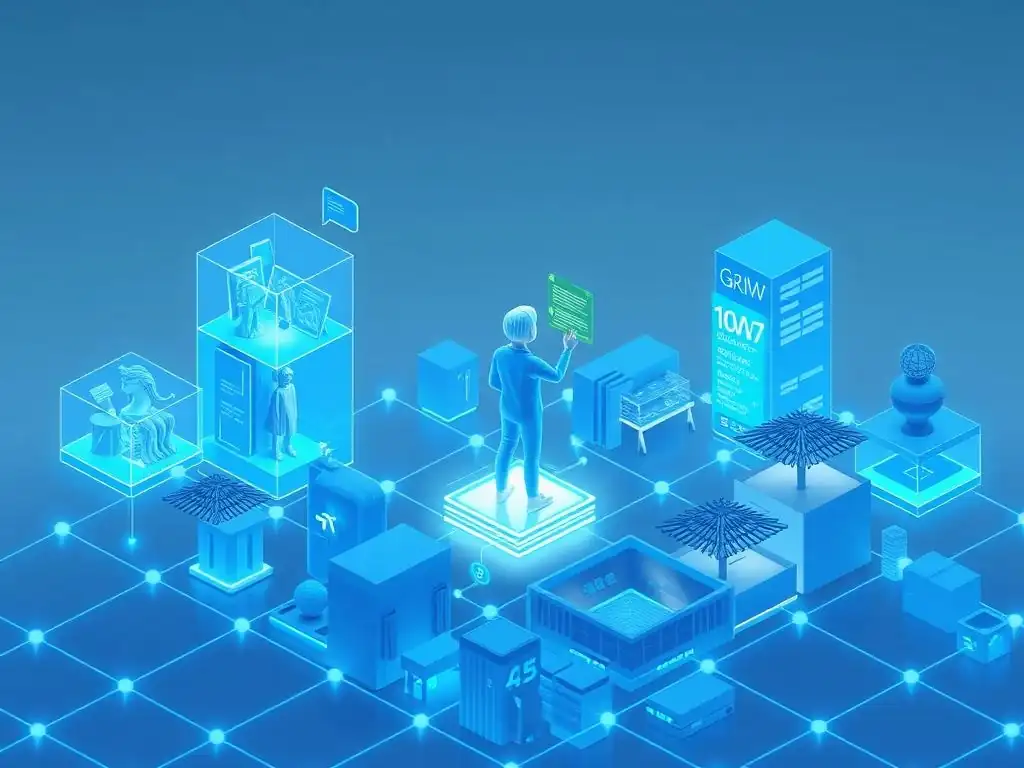
Gaming and entertainment are at the forefront of blockchain metaverse convergence, ushering in a new era of immersive and interactive experiences. Blockchain-based gaming platforms are leveraging NFTs and P2E models to create more engaging and economically rewarding gaming experiences for players. Metaverse environments are hosting virtual concerts, social events, and interactive entertainment experiences, blurring the lines between the physical and digital worlds. For instance, artists like Ariana Grande and Travis Scott have held virtual concerts within games like Fortnite, attracting millions of viewers.
The metaverse is also enabling new forms of social entertainment, with virtual spaces for socializing, attending virtual events, and building online communities. VR and AR technologies are enhancing the immersiveness of these experiences, making them more engaging and interactive. Blockchain's role in digital ownership and verifiable scarcity adds a new dimension to digital collectibles and in-game assets, creating new markets and opportunities for creators and players in the gaming and entertainment industries. The blockchain metaverse convergence opportunities in gaming and entertainment are vast, promising to revolutionize how we consume and interact with digital entertainment.
Education and Training in Virtual Environments
The blockchain metaverse is also finding applications in education and training, offering immersive and interactive learning environments. Virtual classrooms and training simulations in the metaverse can provide more engaging and effective learning experiences compared to traditional methods. VR and AR technologies can create realistic and interactive simulations for various training purposes, from medical training and engineering simulations to virtual field trips and historical recreations. For example, medical students can practice surgical procedures in a virtual operating room, or engineers can simulate complex machinery operations in a virtual environment.
Blockchain can enhance education and training in the metaverse by providing verifiable digital credentials and certificates. Educational achievements and training completions can be recorded as NFTs on a blockchain, providing tamper-proof and verifiable records of skills and qualifications. This can improve the credibility and portability of educational credentials in the digital age. The metaverse offers a cost-effective and scalable platform for delivering education and training, particularly for remote learning and workforce development. The blockchain metaverse convergence opportunities in education and training are significant, with the potential to transform learning and skill development across various sectors.
Healthcare and Remote Collaboration
Healthcare and remote collaboration are other areas where blockchain metaverse convergence is showing promising applications. Telemedicine and virtual consultations within the metaverse can improve access to healthcare, particularly for remote or underserved populations. VR-based therapy and rehabilitation programs can provide immersive and personalized treatment options for patients. For example, VR therapy is being used to treat phobias, PTSD, and chronic pain.
The metaverse can also facilitate remote collaboration and communication in healthcare settings. Virtual meeting spaces and collaborative platforms within the metaverse can enable healthcare professionals to collaborate remotely on patient care, share medical data securely, and conduct virtual medical simulations. Blockchain can enhance data security and privacy in healthcare metaverse applications, ensuring that sensitive patient data is protected and managed in a compliant manner. The potential for blockchain metaverse convergence opportunities in healthcare and remote collaboration is significant, offering innovative solutions to improve healthcare delivery and remote work environments.
Real Estate and Virtual Land Ownership
Real estate and virtual land ownership are becoming increasingly significant applications within the blockchain metaverse. As discussed earlier, NFTs are revolutionizing virtual land ownership, creating a market for digital real estate within virtual worlds. Users can purchase, sell, and trade virtual land NFTs, develop virtual properties, and monetize their virtual land in various ways. The value of virtual land NFTs can fluctuate significantly, but the underlying concept of digital scarcity and ownership is driving investment and development in virtual real estate.
Virtual real estate in the metaverse is not just about speculation; it's also about creating virtual spaces for businesses, communities, and social interactions. Companies are establishing virtual storefronts and headquarters in the metaverse, leveraging virtual land to build their digital presence. Virtual events, virtual art galleries, and virtual social spaces are being developed on virtual land parcels. The metaverse is creating a new frontier for real estate investment and development, with blockchain metaverse convergence opportunities shaping the future of virtual property ownership and digital economies.
Social interaction and community building are fundamental aspects of the metaverse, and blockchain is playing a role in shaping how communities form and interact within virtual worlds. Metaverse platforms are creating virtual spaces for social gatherings, virtual events, and online communities to thrive. Users can create avatars to represent themselves in the metaverse, socialize with others, and build relationships within virtual environments. Blockchain can enhance social interaction and community building in the metaverse by providing decentralized governance mechanisms and community-owned platforms.
DAOs, as discussed earlier, can be used to govern metaverse communities, allowing community members to participate in decision-making processes and shape the direction of their virtual communities. Blockchain-based social platforms can offer more user control over data and content moderation compared to traditional centralized social media platforms.
The metaverse has the potential to foster new forms of social interaction and community building, transcending geographical boundaries and creating inclusive and engaging virtual communities. The blockchain metaverse convergence opportunities in social interaction and community building are vast, with the potential to reshape how we connect and interact with each other in the digital age.
The Future of the Blockchain Metaverse: Trends and Predictions
Increased Adoption of Decentralized Metaverse Platforms
The future of the metaverse is likely to see increased adoption of decentralized platforms, driven by the desire for user ownership, data privacy, and community governance. Users are becoming increasingly aware of the limitations and risks associated with centralized platforms, and the demand for user-centric and decentralized alternatives is growing. Blockchain technology provides the foundation for building decentralized metaverse platforms that empower users and reduce reliance on centralized intermediaries.
Decentralized metaverse platforms, governed by DAOs and leveraging blockchain for digital ownership and security, are poised to gain traction as users seek more control and agency over their digital experiences. Projects focused on building open and interoperable metaverse ecosystems are likely to attract users who value freedom and portability across virtual worlds. The trend towards decentralization is expected to accelerate as the metaverse matures, shifting the power balance from platform providers to users and communities. The future will likely see a proliferation of blockchain metaverse convergence opportunities centered around decentralized and user-owned platforms.
The Rise of Metaverse Avatars and Digital Identities
Metaverse avatars and digital identities are expected to become increasingly sophisticated and personalized, playing a central role in user experience and self-expression within virtual worlds. Avatars will evolve beyond simple 3D representations to become dynamic and expressive digital personas, reflecting users' personalities, styles, and identities. Interoperable avatar systems that allow users to use the same avatar across different metaverse platforms are likely to emerge, creating a more consistent and portable digital identity.
Digital identity management in the metaverse will become more sophisticated, with blockchain-based solutions enabling users to control their digital credentials and selectively share information. Verifiable credentials and decentralized identifiers (DIDs) will play a crucial role in establishing trust and verifying identities within virtual worlds. The rise of sophisticated avatars and decentralized digital identities will enhance user agency and personalization within the metaverse, creating more immersive and user-centric experiences. The future of the metaverse is intertwined with the evolution of avatars and digital identities, creating further blockchain metaverse convergence opportunities in identity management and personalization.
The Evolution of Metaverse Economies and Digital Commerce
Metaverse economies and digital commerce are predicted to mature and become more integrated with the real world. The metaverse economy will expand beyond gaming and entertainment to encompass a wider range of industries and sectors, including commerce, education, healthcare, and real estate. Digital marketplaces within the metaverse will become more sophisticated and diverse, offering a wider range of goods and services, from virtual fashion and digital art to virtual experiences and metaverse-native businesses.
Cryptocurrencies and NFTs will continue to be the foundation of metaverse economies, facilitating transactions and digital ownership within virtual worlds. DeFi integration within the metaverse will expand, offering more sophisticated financial services and economic opportunities within virtual environments. The metaverse economy will become increasingly interconnected with the real-world economy, with virtual businesses and digital assets gaining real-world value and utility. The evolution of metaverse economies and digital commerce will create vast blockchain metaverse convergence opportunities, transforming how we work, consume, and interact economically in the digital age.
Focus on User Experience and Interface Design
As the metaverse matures, there will be an increasing focus on user experience (UX) and interface (UI) design to make metaverse platforms more user-friendly and accessible. Early metaverse experiences can be clunky and technically challenging for mainstream users. Improving UX and UI design is crucial for driving wider adoption and making the metaverse accessible to a broader audience. This includes simplifying onboarding processes, creating intuitive interfaces, and improving the overall user experience within virtual worlds.
VR and AR technologies will continue to improve, becoming more comfortable, accessible, and user-friendly. Haptic feedback and other sensory technologies will enhance the immersiveness of metaverse experiences. Voice interfaces and natural language processing will make interacting with the metaverse more intuitive and natural. The focus on UX and UI design will be paramount for bridging the gap between early adopters and mainstream users, unlocking the full potential of blockchain metaverse convergence opportunities by creating seamless and enjoyable metaverse experiences.
Integration of AI and Machine Learning
The integration of Artificial Intelligence (AI) and Machine Learning (ML) is expected to play a significant role in shaping the future of the blockchain metaverse. AI-powered avatars can become more intelligent and responsive, enhancing user interactions and creating more realistic virtual companions. AI can be used to personalize metaverse experiences, tailoring content and interactions to individual user preferences. ML algorithms can analyze user behavior within the metaverse to improve platform design, optimize content delivery, and enhance user engagement.
AI can also be used to automate tasks within the metaverse, such as virtual world creation, content generation, and customer support. AI-powered tools can assist creators in building more complex and dynamic virtual environments. ML algorithms can be used to detect and prevent fraud and malicious activity within the metaverse, enhancing security and trust. The integration of AI and ML will significantly enhance the capabilities and functionalities of the blockchain metaverse, creating new blockchain metaverse convergence opportunities through intelligent automation, personalization, and enhanced user experiences.
Conclusion: Embracing the Potential of Blockchain and the Metaverse
The Transformative Power of Blockchain Metaverse Convergence
The convergence of blockchain and the metaverse represents a transformative shift in the evolution of the internet and digital experiences. Blockchain provides the foundational infrastructure for decentralization, digital ownership, security, and transparency, addressing key limitations of previous virtual world iterations. The metaverse, powered by blockchain, offers a new paradigm for social interaction, commerce, entertainment, education, and work, blurring the lines between the physical and digital realms.
This convergence is unlocking a vast spectrum of new opportunities across various industries and sectors. From revolutionizing gaming and entertainment to transforming education, healthcare, and real estate, the potential applications of the blockchain metaverse are immense. The emergence of decentralized metaverse platforms, user-owned digital assets, and blockchain-based metaverse economies is creating a more user-centric and equitable digital future. The transformative power of blockchain metaverse convergence opportunities is undeniable, promising to reshape how we interact with technology and the digital world.
Navigating the future of virtual worlds and decentralized systems requires careful consideration of both the opportunities and challenges presented by blockchain metaverse convergence. Addressing scalability issues, navigating the evolving regulatory landscape, ensuring user adoption and accessibility, and mitigating security risks are crucial for realizing the full potential of this convergence. Collaboration across industries, governments, and communities is essential for building a responsible and sustainable blockchain metaverse ecosystem.
Embracing innovation while addressing ethical and societal considerations is paramount for shaping the future of virtual worlds in a positive and inclusive manner. Promoting user education, fostering responsible development practices, and engaging in open dialogue about the implications of the blockchain metaverse are crucial steps for navigating this evolving landscape. The future of virtual worlds and decentralized systems is being shaped by the ongoing blockchain metaverse convergence opportunities, and proactive navigation is key to harnessing its transformative power for good.
Seizing the Potential of Blockchain Metaverse Convergence
Seizing the potential of blockchain metaverse convergence opportunities requires proactive engagement and exploration across various stakeholders. Businesses, developers, creators, and users all have a role to play in shaping the future of the blockchain metaverse. Businesses can explore new revenue streams, enhance user engagement, and build innovative metaverse applications. Developers can contribute to building open and interoperable metaverse platforms and tools. Creators can leverage the metaverse to express their creativity and build new digital experiences. Users can actively participate in shaping metaverse communities and economies.
Embracing experimentation, fostering innovation, and collaborating across disciplines are essential for unlocking the full potential of blockchain metaverse convergence. Investing in research and development, supporting metaverse startups and projects, and promoting education and awareness about the metaverse are crucial steps for driving progress and realizing the transformative vision of a decentralized and user-empowered digital future. The time to seize the potential of blockchain metaverse convergence opportunities is now, as we stand at the cusp of a new era of virtual worlds and decentralized systems.
Frequently Asked Questions
What are the key convergence opportunities between the blockchain and the metaverse?
The primary opportunities lie in creating decentralized ownership of virtual assets (NFTs), enabling secure and transparent transactions within virtual worlds, and fostering new economic models through play-to-earn mechanics.
How does blockchain technology enhance the metaverse experience?
Blockchain provides verifiable scarcity and digital ownership for metaverse assets. It also enables interoperability between different virtual worlds, allowing users to bring their assets across platforms.
What are the regulatory challenges surrounding the blockchain metaverse convergence?
Regulatory challenges include defining legal ownership of virtual assets, addressing data privacy concerns within decentralized metaverse environments, and preventing fraudulent activities related to digital currencies and NFTs.
Beyond gaming, what are some potential enterprise applications of the blockchain metaverse?
Enterprise applications include virtual collaboration spaces built on blockchain for enhanced security, digital twins managed on decentralized ledgers for supply chain optimization, and immersive e-commerce experiences with verifiable product authenticity.
What is the future outlook for the "Blockchain metaverse convergence opportunities"?
The future involves increased adoption of blockchain-based virtual worlds, the development of more sophisticated decentralized applications, and the emergence of new economic paradigms driven by user-generated content and digital ownership.
Final Reflection: Embracing the Metaverse Frontier
The journey through the unfolding metaverse, as explored in this article, reveals that blockchain metaverse convergence opportunities are not just a futuristic fantasy, but a rapidly approaching reality. The potential for decentralized ownership, enhanced user experiences, and novel economic models within virtual worlds is no longer theoretical; it's actively being built and shaped by innovators across the globe. This convergence promises to redefine how we interact, create, and transact in the digital age, impacting everything from entertainment and education to commerce and social interaction.
The influence of this emerging landscape is already palpable, subtly shifting the cultural and social landscape. The very notion of identity and community is being reimagined within these immersive environments, prompting us to reconsider the boundaries between the physical and digital realms. The potential for both immense creativity and unforeseen challenges demands careful consideration and ethical development. As William Gibson famously stated: The future is already here – it's just not evenly distributed.
This quote perfectly encapsulates the current state of the blockchain metaverse; the seeds of its transformative power are sown, but its full impact remains to be seen.
Now, as you step away from this exploration of the metaverse, consider how you might engage with this evolving frontier. Reflect on the opportunities for innovation, collaboration, and personal growth that lie within these virtual worlds. The future of the metaverse is not predetermined; it is being co-created by each of us. Embrace the potential, navigate the challenges, and contribute to building a metaverse that is inclusive, equitable, and truly transformative for all.
Ignite Your Metaverse Journey!
Thank you for exploring the evolving landscape of the Metaverse and its connection to blockchain technology. We hope you've gained valuable insights into the opportunities that lie ahead. Now, it's time to turn knowledge into action and start shaping the future of virtual worlds.
Here are a few steps you can take today:
- Try out a popular Metaverse platform like Decentraland or The Sandbox and experiment with creating or purchasing digital assets. This hands-on experience will help you understand the potential and challenges firsthand.
- Join the conversation on our forum and share your thoughts and predictions about the future of the Metaverse.
- Explore emerging Metaverse platforms that focus on specific areas such as education or healthcare to discover innovative applications.
Which Metaverse project will you explore first? Share your plans in the comments below!
Leave a Reply