
CrossChain DeFi and Research & Development: Innovations on the Horizon


Welcome to Blockchain Trends, your trusted source for unraveling the transformative power of blockchain technology. Beyond the hype of cryptocurrencies, a new era of decentralized innovation is emerging. This week, we delve deep into the fascinating world of CrossChain DeFi innovation research, uncovering the cutting-edge advancements shaping the future of finance. Curious about how different blockchains are collaborating to unlock unprecedented opportunities in DeFi? Let's explore the horizon together...
- Introduction to Cross-Chain DeFi Innovation Research
- The Current State of Cross-Chain DeFi Technologies
- Emerging Trends in Cross-Chain DeFi Research
- Innovations Driving Cross-Chain DeFi Development
- The Future of Cross-Chain DeFi: A Research Perspective
- Challenges and Opportunities in Cross-Chain DeFi Innovation
- Case Studies: Successful Cross-Chain DeFi Projects
- Conclusion: The Path Forward for Cross-Chain DeFi Research & Development
-
Frequently Asked Questions
- What is CrossChain DeFi and why is it important?
- How does CrossChain DeFi innovation research contribute to the field?
- What are some of the key challenges in CrossChain DeFi development?
- What kind of enterprise applications can benefit from CrossChain DeFi?
- How is the regulation of CrossChain DeFi evolving?
- Final Reflection: Embracing the CrossChain DeFi Revolution
- Unleash the Future of DeFi: Your Next Steps
Introduction to Cross-Chain DeFi Innovation Research
Understanding the Fundamentals of Cross-Chain Decentralized Finance (DeFi)
Decentralized Finance (DeFi) has rapidly emerged as a transformative force within the financial landscape, leveraging blockchain technology to offer transparent, permissionless, and efficient alternatives to traditional financial services. Initially, much of DeFi activity was concentrated within single blockchain ecosystems, such as Ethereum. However, the inherent limitations of operating within isolated chains, including network congestion and scalability bottlenecks, quickly highlighted the need for interoperability.
This is where cross-chain DeFi comes into play, representing a paradigm shift that aims to connect disparate blockchain networks and enable seamless asset and data transfer between them. Cross-chain DeFi essentially breaks down the silos between blockchains, fostering a more interconnected and efficient DeFi ecosystem.
At its core, cross-chain DeFi innovation research focuses on developing technologies and methodologies that facilitate the interaction and communication between different blockchains. This involves exploring various technical solutions to bridge the gap between chains with differing consensus mechanisms, programming languages, and data structures. The fundamental goal is to allow users to leverage the unique strengths of different blockchains, such as the speed of Solana, the security of Bitcoin, or the robust smart contract capabilities of Ethereum, all within a unified DeFi experience. Understanding these fundamentals is crucial for appreciating the subsequent advancements and challenges in cross-chain DeFi innovation research.
The Growing Importance of Cross-Chain Interoperability in DeFi
The importance of cross-chain interoperability in DeFi stems from the inherent limitations and fragmentation that arise from isolated blockchain ecosystems. As DeFi evolved, various specialized blockchains emerged, each optimized for specific use cases or offering unique features. This proliferation of chains, while fostering innovation, inadvertently led to a fragmented landscape where liquidity and user activity became dispersed across multiple networks.
This fragmentation hinders the overall growth and efficiency of the DeFi space, creating barriers to entry and limiting the potential for network effects. Cross-chain interoperability is therefore not merely a technical advancement, but a crucial step towards realizing the full potential of DeFi.
The benefits of a truly interoperable DeFi ecosystem are manifold. Firstly, it unlocks greater capital efficiency by allowing users to access and utilize assets across different chains without cumbersome and costly bridging processes. Secondly, it fosters greater composability, enabling developers to build more complex and sophisticated DeFi applications that leverage the strengths of multiple blockchains.
For instance, a lending protocol could potentially source liquidity from one chain and offer lending services on another, optimizing for both capital availability and user accessibility. Furthermore, cross-chain interoperability can mitigate network congestion and reduce transaction fees by distributing activity across multiple chains, enhancing the user experience and making DeFi more accessible to a wider audience. The growing recognition of these advantages underscores the critical role of cross-chain innovation research in shaping the future of DeFi.
Scope of Research & Development in Cross-Chain DeFi
The scope of research and development within cross-chain DeFi is remarkably broad, encompassing a wide range of technical challenges and innovative solutions. Researchers and developers are actively exploring diverse areas, from enhancing the security and efficiency of cross-chain bridges to developing novel cross-chain consensus mechanisms and applications. This field is highly dynamic, driven by the rapid pace of innovation in blockchain technology and the evolving needs of the DeFi community. Cross-chain DeFi innovation research is not confined to a single area but rather spans across various layers of the DeFi stack, from infrastructure to application development.
Specifically, the research encompasses areas like developing more secure and efficient bridge technologies to facilitate asset transfers between chains. Current bridge solutions, while functional, often present security vulnerabilities and can be slow or expensive. Innovation is needed to address these limitations. Another key area is the exploration of cross-chain messaging protocols that enable seamless communication and data sharing between smart contracts on different blockchains.
This is crucial for building complex cross-chain applications. Furthermore, research is focusing on improving cross-chain governance mechanisms to ensure the decentralized and secure operation of interoperable DeFi systems. The development of interoperable stablecoins and cross-chain liquidity solutions are also critical research areas, aimed at enhancing capital efficiency and user experience in a multi-chain DeFi world. The breadth of these research areas highlights the comprehensive nature of cross-chain DeFi innovation research and its potential to fundamentally reshape the DeFi landscape.
The Current State of Cross-Chain DeFi Technologies
Existing Cross-Chain Protocols and Solutions: A Comparative Analysis
The current landscape of cross-chain DeFi is characterized by a diverse array of protocols and solutions, each with its own approach to achieving interoperability. These solutions can be broadly categorized into bridge technologies and cross-chain messaging protocols. Bridge technologies, such as Wormhole and LayerZero, are primarily focused on facilitating the transfer of assets between different blockchains. Cross-chain messaging protocols, like Chainlink CCIP and Axelar, aim to enable more generalized communication and data transfer between chains, going beyond simple asset bridging. Understanding the nuances of these different approaches is essential for navigating the current state of cross-chain DeFi.
A comparative analysis reveals significant differences in their architectures, security models, and functionalities. For instance, Wormhole operates as a multi-signature bridge relying on a network of guardians to validate cross-chain messages, while LayerZero employs an ultra-light node architecture that relies on oracles and relayer networks. Chainlink CCIP, leveraging Chainlink's established oracle network, focuses on secure and reliable messaging for smart contracts, while Axelar provides a more generalized messaging layer with a focus on cross-chain application development.
The choice of protocol often depends on the specific use case and priorities, such as security, speed, cost-effectiveness, and the level of programmability required. This comparative analysis is crucial for developers and users seeking to leverage cross-chain DeFi technologies effectively.
Bridge Technologies: Wormhole vs. LayerZero
Wormhole and LayerZero represent two prominent bridge technologies in the cross-chain DeFi space, each employing distinct architectural approaches to facilitate asset transfers between blockchains. Wormhole, known for its speed and broad chain support, utilizes a guardian network to validate cross-chain messages. This network, composed of validators, observes events on source chains and signs messages confirming asset transfers.
When a sufficient number of guardians have signed, the message is relayed to the destination chain, allowing for the minting or unlocking of the bridged asset. Wormhole’s architecture prioritizes speed and supports a wide array of blockchains, making it a popular choice for fast asset transfers across diverse ecosystems.
LayerZero, on the other hand, takes a different approach with its ultra-light node (ULN) architecture. Instead of relying on a centralized validator set, LayerZero uses a combination of oracles and relayers. An oracle fetches block headers from the source chain, and a relayer submits transaction proofs to the destination chain.
The key innovation of LayerZero lies in its configurable security, allowing developers to choose independent oracles and relayers for enhanced security or to opt for shared configurations for cost optimization. This architecture aims to balance security and cost-effectiveness, offering a more flexible approach to cross-chain bridging. While both Wormhole and LayerZero aim to achieve efficient cross-chain asset transfers, their underlying mechanisms and trade-offs differ significantly, impacting their suitability for various applications and security considerations.
Cross-Chain Messaging Protocols: Chainlink CCIP vs. Axelar
Chainlink Cross-Chain Interoperability Protocol (CCIP) and Axelar stand out as leading cross-chain messaging protocols, extending interoperability beyond simple asset transfers to enable more complex interactions between smart contracts across different blockchains. Chainlink CCIP leverages the robust and time-tested infrastructure of the Chainlink oracle network to provide secure and reliable messaging. CCIP focuses on ensuring the integrity and atomicity of cross-chain transactions, utilizing a decentralized oracle network (DON) and anti-fraud mechanisms to mitigate risks associated with cross-chain communication. Chainlink CCIP is designed for high-value and mission-critical cross-chain applications, emphasizing security and reliability above all else.
Axelar, in contrast, positions itself as a more generalized cross-chain communication layer, aiming to provide a universal infrastructure for connecting all blockchains. Axelar offers a decentralized network and a suite of tools that enable developers to build cross-chain applications with relative ease. It provides a more comprehensive approach to cross-chain communication, encompassing not only messaging but also cross-chain routing and execution capabilities.
Axelar focuses on enabling a wider range of cross-chain use cases, from simple token transfers to complex cross-chain smart contract interactions. While both CCIP and Axelar address the challenge of cross-chain messaging, they cater to slightly different needs and priorities, with CCIP emphasizing security and reliability for high-value applications, and Axelar aiming for broader applicability and developer accessibility.
Limitations of Current Cross-Chain DeFi Implementations
Despite the significant progress in cross-chain DeFi, current implementations still face several limitations that hinder their widespread adoption and full potential. These limitations primarily revolve around security risks, scalability challenges, and the persistent issue of liquidity fragmentation. Addressing these limitations is crucial for the continued evolution and maturation of cross-chain DeFi innovation research.
Security Risks and Vulnerabilities in Cross-Chain Bridges
Security remains a paramount concern in cross-chain DeFi, particularly concerning bridge technologies. Cross-chain bridges, by their nature, act as central points of vulnerability, holding large amounts of assets as custodians to facilitate cross-chain transfers. This concentration of assets makes them attractive targets for malicious actors.
History is replete with examples of bridge exploits resulting in substantial financial losses. For instance, the Wormhole bridge experienced a $325 million exploit in 2022, and the Ronin bridge suffered a staggering $625 million attack in the same year. These incidents underscore the inherent security risks associated with current bridge architectures and highlight the urgent need for more robust security measures.
The vulnerabilities often stem from weaknesses in the bridge's consensus mechanisms, smart contract code, or operational security practices. Multi-signature schemes, while intended to enhance security, can still be compromised if private keys are leaked or if a sufficient number of signers collude. Furthermore, the complexity of bridge smart contracts increases the potential for coding errors and unforeseen vulnerabilities.
Audits and formal verification are crucial, but they are not foolproof. Therefore, ongoing research and development are essential to explore and implement more secure bridge designs, potentially incorporating technologies like zero-knowledge proofs or secure multi-party computation to mitigate these inherent security risks in cross-chain DeFi.
Scalability Challenges in Cross-Chain DeFi Transactions
Scalability presents another significant hurdle for current cross-chain DeFi implementations. While individual blockchains may have their own scaling limitations, the act of bridging assets and executing cross-chain transactions often introduces additional latency and complexity, impacting overall scalability. Many cross-chain transactions involve multiple steps and confirmations across different chains, leading to slower transaction times compared to intra-chain transactions. This can be particularly problematic for high-frequency trading or applications requiring near-instantaneous finality.
Furthermore, the capacity of bridges themselves can become a bottleneck. If a bridge becomes congested due to high demand, transaction processing times can increase, and fees can rise. This scalability limitation can hinder the user experience and restrict the potential for mass adoption of cross-chain DeFi applications. Research into more efficient cross-chain communication protocols and bridge architectures is crucial to address these scalability challenges. Exploring layer-2 scaling solutions for cross-chain applications, as well as optimizing cross-chain consensus mechanisms, are key areas of focus to enhance the scalability of cross-chain DeFi and enable it to handle increasing transaction volumes.
Fragmentation of Liquidity across Different Chains
Liquidity fragmentation remains a persistent challenge in the cross-chain DeFi landscape. While cross-chain bridges aim to connect different ecosystems, they often inadvertently contribute to liquidity silos by creating wrapped versions of assets on different chains. For example, wrapped Bitcoin (wBTC) on Ethereum, Avalanche, and other chains represents fragmented Bitcoin liquidity, rather than unified access to the underlying Bitcoin network. This fragmentation makes it more challenging for users to access deep liquidity and can lead to price discrepancies and inefficiencies across different platforms.
The issue of liquidity fragmentation is further exacerbated by the diverse and often incompatible nature of different DeFi protocols and platforms operating on various chains. Each chain may have its own set of decentralized exchanges (DEXs), lending protocols, and yield aggregators, each with its own isolated pools of liquidity. This fragmented liquidity landscape reduces capital efficiency and makes it more difficult for users to find the best prices and yields across the entire DeFi ecosystem.
Addressing liquidity fragmentation requires innovative solutions, such as cross-chain liquidity aggregators and protocols that can seamlessly route orders and liquidity across multiple chains, creating a more unified and efficient DeFi market. Research into cross-chain liquidity solutions is crucial to overcome this fragmentation and unlock the full potential of cross-chain DeFi.
Emerging Trends in Cross-Chain DeFi Research
Advancements in Atomic Swaps and Cross-Chain Trading
Atomic swaps, the ability to exchange cryptocurrencies directly between different blockchains without intermediaries, represent a significant area of advancement in cross-chain DeFi research. Traditional cross-chain transfers often rely on bridges, which introduce custodial risks and potential vulnerabilities. Atomic swaps, in contrast, aim to facilitate trustless and secure cross-chain trading by utilizing cryptographic techniques to ensure that either both legs of the trade are executed, or neither occurs. This "all-or-nothing" execution eliminates counterparty risk and enhances the security of cross-chain transactions.
Recent research has focused on improving the efficiency and scalability of atomic swaps. Early atomic swap implementations were often complex and limited in the types of blockchains they could support. However, advancements in technologies like Hash Time-Locked Contracts (HTLCs) and Schnorr signatures are paving the way for more efficient and versatile atomic swap protocols.
Furthermore, research is exploring the integration of atomic swaps into decentralized exchanges (DEXs) to enable seamless cross-chain trading experiences directly within DeFi platforms. The development of user-friendly interfaces and robust infrastructure for atomic swaps is crucial for realizing their potential to revolutionize cross-chain trading and reduce reliance on potentially vulnerable bridge technologies.
Novel Approaches to Cross-Chain Consensus Mechanisms
Cross-chain consensus mechanisms are a critical area of ongoing research in cross-chain DeFi innovation research, aiming to ensure the security and consistency of cross-chain transactions. Traditional consensus mechanisms operate within the confines of a single blockchain. However, when dealing with multiple interconnected chains, new approaches are needed to coordinate consensus and prevent conflicting states or double-spending across chains. Current cross-chain solutions often rely on centralized or federated models for cross-chain consensus, which can introduce trust assumptions and potential points of failure.
Emerging research is exploring more decentralized and robust cross-chain consensus mechanisms. This includes investigating techniques like optimistic consensus, where cross-chain transactions are initially assumed to be valid and are only challenged if fraud is detected. Another area of research is focused on developing inter-blockchain communication protocols that enable different blockchains to securely and efficiently exchange consensus information, allowing for more decentralized and trustless cross-chain interactions.
Furthermore, research is exploring the use of zero-knowledge proofs (ZKPs) to enhance the privacy and efficiency of cross-chain consensus protocols. Advancements in cross-chain consensus mechanisms are crucial for building more secure, scalable, and decentralized cross-chain DeFi systems.
The Role of Zero-Knowledge Proofs (ZKPs) in Enhancing Cross-Chain DeFi Privacy
Zero-Knowledge Proofs (ZKPs) are emerging as a powerful cryptographic tool with significant potential to enhance privacy and security in cross-chain DeFi. ZKPs allow one party to prove to another party that a statement is true without revealing any information beyond the validity of the statement itself. In the context of cross-chain DeFi, ZKPs can be leveraged to enhance privacy in various ways, such as enabling private cross-chain transactions and protecting sensitive data during cross-chain interactions.
Research is actively exploring the application of ZKPs to cross-chain bridges and messaging protocols. For instance, ZKPs can be used to prove the validity of cross-chain messages or asset transfers without revealing the details of the transaction, such as the sender, receiver, or amount. This can significantly enhance user privacy and reduce the risk of information leakage in cross-chain DeFi applications.
Furthermore, ZKPs can be used to improve the efficiency and scalability of cross-chain operations by reducing the amount of data that needs to be transmitted and verified across chains. The ongoing advancements in ZKP technology and its integration into cross-chain DeFi protocols are expected to play a crucial role in shaping the future of privacy-preserving and secure cross-chain DeFi innovation research.
Innovations Driving Cross-Chain DeFi Development
Layer-2 Scaling Solutions for Cross-Chain Applications
Layer-2 scaling solutions, initially developed to address scalability limitations within single blockchains, are now being explored for their potential to enhance cross-chain applications. Layer-2 solutions like Plasma chains and Optimistic Rollups offer increased transaction throughput and reduced fees compared to layer-1 blockchains. Applying these technologies to cross-chain scenarios can significantly improve the scalability and efficiency of cross-chain DeFi transactions and applications. This integration of layer-2 scaling with cross-chain functionality represents a significant innovation driving cross-chain DeFi development.
Plasma Chains and Cross-Chain Transfers
Plasma chains, a type of layer-2 scaling solution, offer a framework for off-chain computation while retaining the security of the main chain. In the context of cross-chain DeFi, Plasma chains can be used to facilitate faster and cheaper cross-chain transfers. By processing transactions off-chain on a Plasma chain and periodically anchoring the state to the main chain, Plasma chains can significantly reduce the burden on the main chain and improve transaction speeds.
Research is exploring the use of Plasma chains to build dedicated cross-chain transfer networks or to enhance the scalability of existing cross-chain bridges. The potential of Plasma chains to improve the efficiency of cross-chain transfers makes them a valuable innovation in cross-chain DeFi development.
Optimistic Rollups and Cross-Chain Interoperability
Optimistic Rollups, another prominent layer-2 scaling solution, are also being investigated for their potential to enhance cross-chain interoperability. Optimistic Rollups work by "rolling up" multiple transactions into a single batch and submitting only the compressed transaction data and a state root to the main chain. This significantly reduces the gas costs and increases the transaction throughput.
In the cross-chain context, Optimistic Rollups can be used to create cross-chain bridges with higher throughput and lower fees. Furthermore, Optimistic Rollups can enable more complex cross-chain computations and smart contract interactions by executing them off-chain and verifying their validity on the main chain. The ability of Optimistic Rollups to improve both scalability and interoperability makes them a key innovation driving cross-chain DeFi development.
Cross-Chain Governance and DAO Integration
Cross-chain governance and Decentralized Autonomous Organization (DAO) integration are crucial for ensuring the decentralized and community-driven operation of cross-chain DeFi protocols. As cross-chain systems become more complex and interconnected, effective governance mechanisms are needed to manage upgrades, parameter adjustments, and dispute resolution across multiple chains. Traditional on-chain governance models, designed for single blockchains, may not be directly applicable to cross-chain scenarios. Therefore, innovation in cross-chain governance is essential for the long-term sustainability and decentralization of cross-chain DeFi.
Research is exploring various approaches to cross-chain governance, including the development of cross-chain voting mechanisms and the establishment of cross-chain DAOs. Cross-chain voting could allow token holders on different chains to participate in governance decisions affecting the entire cross-chain system. Cross-chain DAOs could be structured to manage and govern cross-chain protocols and applications in a decentralized and transparent manner.
Furthermore, the integration of DAOs with cross-chain infrastructure can empower communities to collectively manage and evolve cross-chain DeFi systems, fostering greater decentralization and resilience. Advancements in cross-chain governance and DAO integration are crucial for building truly decentralized and community-owned cross-chain DeFi ecosystems.
Interoperable Stablecoins and Cross-Chain Liquidity Provision
Interoperable stablecoins and cross-chain liquidity provision are vital for enhancing capital efficiency and user experience in a multi-chain DeFi world. Stablecoins, cryptocurrencies pegged to a stable asset like the US dollar, are essential building blocks for DeFi applications. However, the proliferation of stablecoins across different chains has contributed to liquidity fragmentation and inefficiencies. Developing interoperable stablecoins that can seamlessly move and function across different blockchains is crucial for creating a more unified and efficient DeFi ecosystem.
Research is focusing on creating stablecoin protocols that are natively cross-chain or that can be efficiently bridged and utilized across multiple chains without losing their peg stability or functionality. Furthermore, innovation in cross-chain liquidity provision is essential to address the challenge of fragmented liquidity.
This includes developing cross-chain liquidity aggregators and protocols that can seamlessly route liquidity across different chains, enabling users to access the best prices and yields regardless of the chain they are operating on. The development of interoperable stablecoins and efficient cross-chain liquidity solutions are key drivers for unlocking the full potential of cross-chain DeFi and creating a more seamless and user-friendly experience.
The Future of Cross-Chain DeFi: A Research Perspective
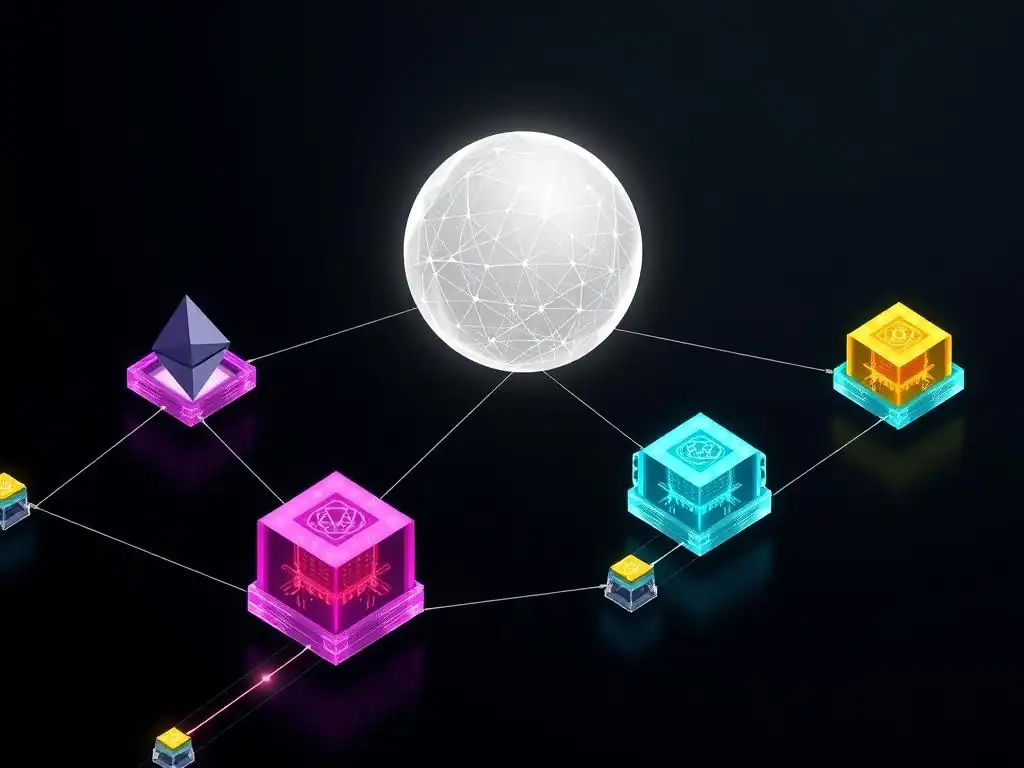
Predictions for the Evolution of Cross-Chain Technology
The future of cross-chain technology in DeFi is poised for significant evolution, driven by ongoing research and development efforts. Predictions point towards a future where cross-chain interoperability becomes increasingly seamless, secure, and efficient, fundamentally reshaping the DeFi landscape. We can anticipate advancements in bridge technologies, cross-chain messaging protocols, and cross-chain consensus mechanisms, leading to a more interconnected and integrated DeFi ecosystem.
One key prediction is the rise of more sophisticated and secure bridge technologies that mitigate current vulnerabilities. Research into zero-knowledge proofs and secure multi-party computation may lead to bridge architectures that are inherently more resistant to exploits. Another prediction is the proliferation of robust cross-chain messaging protocols that enable more complex and programmable cross-chain interactions, fostering the development of more sophisticated cross-chain applications.
Furthermore, advancements in cross-chain consensus mechanisms are expected to lead to more decentralized and trustless cross-chain systems. These evolutions in cross-chain technology are expected to pave the way for a more interconnected, efficient, and secure DeFi future.
The Impact of Cross-Chain DeFi on the Broader DeFi Ecosystem
Cross-chain DeFi is expected to have a profound impact on the broader DeFi ecosystem, transforming it from a collection of isolated blockchain islands into a more unified and interconnected financial landscape. The increased interoperability facilitated by cross-chain technologies will unlock greater capital efficiency, enhance composability, and foster innovation across the DeFi space. This impact will be felt across various aspects of DeFi, from lending and borrowing to trading and yield farming.
Cross-chain DeFi will likely lead to greater liquidity aggregation, as assets and liquidity can flow more freely between different chains. This will result in deeper liquidity pools and more efficient markets across the DeFi ecosystem. Furthermore, cross-chain composability will enable developers to build more complex and innovative DeFi applications that leverage the unique strengths of multiple blockchains.
For instance, we may see the emergence of cross-chain yield aggregators that automatically optimize yield across different chains, or cross-chain lending platforms that source liquidity from one chain and offer loans on another. The transformative impact of cross-chain DeFi is expected to reshape the DeFi ecosystem and accelerate its growth and adoption.
The Potential for Cross-Chain DeFi to Drive Mass Adoption
Cross-chain DeFi holds significant potential to drive mass adoption of decentralized finance by addressing key barriers to entry and enhancing the user experience. The current fragmented and complex DeFi landscape can be daunting for new users. Cross-chain technologies can simplify the user experience by providing a more unified and seamless access to DeFi services across different chains. This simplification can make DeFi more accessible to a wider audience, including those who are less technically savvy.
Furthermore, cross-chain DeFi can potentially reduce transaction fees and improve transaction speeds by distributing activity across multiple chains and leveraging layer-2 scaling solutions. Lower fees and faster transactions are crucial for attracting mainstream users to DeFi. By breaking down the silos between blockchains and creating a more user-friendly and efficient DeFi ecosystem, cross-chain innovation research can play a pivotal role in driving mass adoption of DeFi and realizing its full potential to democratize finance and empower individuals globally.
Challenges and Opportunities in Cross-Chain DeFi Innovation
Regulatory Considerations for Cross-Chain DeFi Protocols
Regulatory considerations pose significant challenges and opportunities for cross-chain DeFi protocols. The decentralized and borderless nature of cross-chain DeFi presents unique challenges for regulators, who are grappling with how to apply existing regulatory frameworks to these novel technologies. The lack of clear regulatory guidelines creates uncertainty and potential risks for both developers and users of cross-chain DeFi protocols.
Navigating the regulatory landscape requires careful consideration of various jurisdictions and regulatory approaches. Cross-chain protocols may need to comply with regulations in multiple countries, adding complexity and compliance costs. However, proactive engagement with regulators and the development of self-regulatory frameworks can help to create a more conducive regulatory environment for cross-chain DeFi innovation. Furthermore, regulatory clarity and well-defined rules can foster greater trust and confidence in cross-chain DeFi, attracting institutional adoption and mainstream users. Addressing regulatory challenges effectively is crucial for the sustainable growth and development of the cross-chain DeFi space.
Addressing the Complexity of Cross-Chain Smart Contracts
The complexity of developing and deploying cross-chain smart contracts presents a significant technical challenge in cross-chain DeFi innovation research. Cross-chain smart contracts need to interact with multiple blockchains, each with its own programming language, virtual machine, and consensus mechanism. This heterogeneity adds significant complexity to smart contract development, testing, and deployment. Ensuring the security and reliability of cross-chain smart contracts is paramount, as vulnerabilities can have far-reaching consequences across multiple chains.
Addressing this complexity requires the development of new programming tools, frameworks, and best practices for cross-chain smart contract development. Research is exploring abstraction layers and cross-chain development platforms that can simplify the process of building and deploying cross-chain applications. Furthermore, rigorous testing and formal verification methods are essential to ensure the security and correctness of cross-chain smart contracts. Overcoming the complexity of cross-chain smart contracts is crucial for unlocking the full potential of cross-chain DeFi and enabling the development of more sophisticated and robust cross-chain applications.
Fostering Collaboration and Open-Source Development in Cross-Chain DeFi
Fostering collaboration and open-source development is essential for accelerating innovation and addressing the challenges in cross-chain DeFi. The cross-chain space is inherently collaborative, requiring interoperability between different blockchain ecosystems and protocols. Open-source development principles can promote transparency, community involvement, and knowledge sharing, accelerating the pace of innovation and improving the security and robustness of cross-chain technologies.
Encouraging collaboration between different blockchain projects, research institutions, and development communities is crucial for addressing the complex challenges in cross-chain DeFi. Open-source initiatives can facilitate the sharing of code, research findings, and best practices, fostering a more collaborative and synergistic development environment. Furthermore, open-source development can enhance the security and auditability of cross-chain protocols, as code is publicly available for scrutiny and community review. Promoting collaboration and open-source development is vital for driving innovation and building a more robust and decentralized cross-chain DeFi ecosystem.
Case Studies: Successful Cross-Chain DeFi Projects
Synapse Protocol - Analyzing its Cross-Chain Architecture and Impact
Synapse Protocol stands out as a successful example of a cross-chain DeFi project, demonstrating the practical application of cross-chain bridging and its impact on the DeFi landscape. Synapse is a cross-chain asset bridge and smart contract platform that allows users to seamlessly transfer assets and execute smart contracts across multiple blockchains, including Ethereum, Avalanche, Polygon, and Arbitrum. Its architecture leverages a multi-party computation (MPC) network to secure cross-chain transactions, aiming to provide a more secure and efficient bridging solution compared to some earlier bridge designs.
Synapse's impact on the DeFi ecosystem is significant. It has facilitated substantial cross-chain asset transfers, enabling users to access DeFi opportunities across different chains with greater ease. By providing a relatively fast and user-friendly bridging experience, Synapse has contributed to reducing liquidity fragmentation and enhancing capital efficiency in the DeFi space. The protocol's success highlights the demand for cross-chain bridging solutions and demonstrates the potential for cross-chain DeFi to improve user experience and unlock new opportunities within the DeFi ecosystem. Analyzing Synapse's architecture and impact provides valuable insights into the practical implementation and benefits of cross-chain DeFi technologies.
Thorchain - Evaluating its Cross-Chain Functionality and User Adoption
Thorchain represents another noteworthy case study in cross-chain DeFi, taking a different approach to interoperability compared to traditional bridges. Thorchain is a decentralized cross-chain liquidity protocol that enables native asset swaps across different blockchains without the need for wrapped assets or centralized intermediaries. It achieves this through a unique continuous liquidity pool (CLP) model and a network of validators who secure the cross-chain transactions. Thorchain supports native asset swaps between blockchains like Bitcoin, Ethereum, and Binance Chain, offering a truly decentralized and non-custodial cross-chain trading experience.
Evaluating Thorchain's cross-chain functionality reveals its innovative approach to solving the challenges of cross-chain liquidity and trading. By enabling native asset swaps, Thorchain avoids the risks and complexities associated with wrapped assets and bridge technologies. User adoption of Thorchain, while still growing, demonstrates the appeal of its decentralized and non-custodial cross-chain trading capabilities. The protocol's success in facilitating native asset swaps across diverse blockchains highlights the potential for alternative cross-chain approaches beyond traditional bridging and provides valuable lessons for the future development of cross-chain DeFi innovation research.
Conclusion: The Path Forward for Cross-Chain DeFi Research & Development
Key Takeaways from the Latest Cross-Chain DeFi Innovations
The latest cross-chain DeFi innovations offer several key takeaways that are crucial for understanding the current state and future direction of this rapidly evolving field. Firstly, security remains paramount. The numerous bridge exploits underscore the need for more robust and secure cross-chain architectures, driving research towards solutions like ZKP-based bridges and more decentralized consensus mechanisms. Secondly, scalability and efficiency are critical.
Layer-2 scaling solutions and optimized cross-chain protocols are essential for improving transaction throughput and reducing costs, paving the way for mass adoption. Thirdly, user experience is key. Simplifying cross-chain interactions and reducing complexity is vital for attracting mainstream users to DeFi.
Furthermore, the emergence of cross-chain messaging protocols and cross-chain DAOs highlights the growing sophistication and decentralization of the cross-chain space. These innovations are enabling more complex cross-chain applications and fostering community-driven governance. Finally, the success of projects like Synapse and Thorchain demonstrates the practical viability and growing adoption of cross-chain DeFi solutions. These key takeaways underscore the dynamic nature of cross-chain DeFi innovation research and its potential to fundamentally transform the DeFi landscape.
The Importance of Continued Research and Development in the Cross-Chain Space
Continued research and development are of paramount importance for realizing the full potential of cross-chain DeFi. The cross-chain space is still in its nascent stages, with numerous technical challenges and opportunities for innovation remaining. Further research is needed to address security vulnerabilities, improve scalability, enhance user experience, and develop more sophisticated cross-chain applications. Investing in research and development is not merely about incremental improvements; it is about unlocking transformative advancements that can reshape the future of finance.
Ongoing research should focus on exploring novel cross-chain architectures, developing more secure and efficient consensus mechanisms, and creating user-friendly tools and frameworks for cross-chain development. Furthermore, interdisciplinary research, combining expertise from cryptography, distributed systems, game theory, and economics, is crucial for addressing the complex challenges in cross-chain DeFi. The continued dedication to research and development in the cross-chain space is essential for driving innovation, fostering adoption, and ultimately realizing the vision of a truly interconnected and decentralized financial future.
Frequently Asked Questions
What is CrossChain DeFi and why is it important?
CrossChain DeFi refers to decentralized finance (DeFi) applications that can operate across multiple blockchain networks. This interoperability is crucial for unlocking liquidity and creating more efficient financial systems.
How does CrossChain DeFi innovation research contribute to the field?
Research into CrossChain DeFi explores new mechanisms for bridging different blockchains, improving security, and enhancing user experience. This research drives the development of more robust and scalable DeFi solutions.
What are some of the key challenges in CrossChain DeFi development?
Some challenges include security vulnerabilities related to cross-chain bridges, high transaction costs, and the complexity of integrating different blockchain protocols.
What kind of enterprise applications can benefit from CrossChain DeFi?
Enterprises can leverage CrossChain DeFi for supply chain finance, cross-border payments, and tokenized asset management, enabling more efficient and transparent operations.
How is the regulation of CrossChain DeFi evolving?
Regulatory bodies are still grappling with the complexities of CrossChain DeFi, focusing on addressing risks related to security, compliance, and consumer protection. Clear guidelines are needed to foster responsible innovation.
Final Reflection: Embracing the CrossChain DeFi Revolution
The exploration of CrossChain DeFi innovations, as we've discussed, isn't just a theoretical exercise; it's a critical examination of the future of finance. The potential for seamless asset transfer and interoperability across different blockchains is no longer a distant dream, but a rapidly approaching reality that will reshape how we interact with decentralized finance.
The promise of CrossChain DeFi extends far beyond mere convenience; it's about democratizing access to financial services and fostering a more inclusive and efficient ecosystem. This resonates deeply with the core principles of decentralization, and it's a vision I believe is worth pursuing with unwavering dedication. The future of finance is decentralized, and the future of decentralization is cross-chain.
This sentiment encapsulates the transformative power of these innovations and their potential to unlock unprecedented opportunities.
As we stand on the cusp of this new era, I urge you to consider the implications of CrossChain DeFi in your own life. How can you leverage these emerging technologies to enhance your financial freedom and participate in a more equitable and interconnected world? The future of finance is being written now, and your understanding and engagement will shape its trajectory. Embrace the challenge, explore the possibilities, and become a part of the CrossChain DeFi revolution.
Unleash the Future of DeFi: Your Next Steps
Thank you for exploring the exciting world of cross-chain DeFi with us! We hope this article has highlighted the transformative potential of these innovations and inspired you to take action. Now, let’s look at how you can become part of this revolution.
Here are some steps you can take to advance your understanding:
- Explore: Start investigating the leading cross-chain DeFi protocols. Understanding their unique features and governance structures is essential for navigating this space.
- Participate: Engage in discussions. Share this article with your network and initiate conversations on platforms like Twitter and Reddit about the future of cross-chain technology and its impact on decentralized finance.
- Research: Investigate emerging cross-chain projects that are still in development. Review their roadmaps, white papers, and team backgrounds to assess their potential.
What innovative cross-chain DeFi projects are you most excited about? How do you envision them shaping the future of finance? Share your thoughts in the comments below!
Leave a Reply