
Embrace the Future: Why Blockchain Digital Identity is Not Just a Trend, But an Inevitability

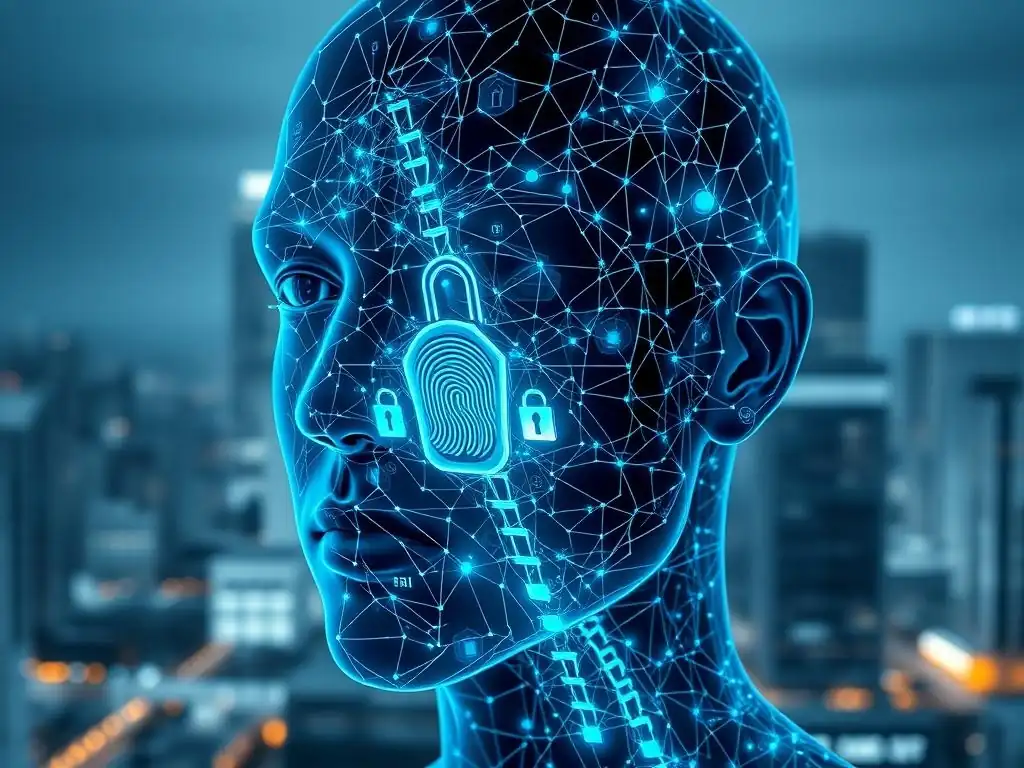
Welcome to Blockchain Trends, your compass navigating the ever-evolving landscape of blockchain technology. Beyond the hype surrounding cryptocurrencies, lies a transformative potential touching every facet of our digital lives.
Intrigued by the possibilities? Dive into our latest exploration of Blockchain Digital Identity Security and discover how this crucial application is poised to revolutionize everything from online transactions to personal data management. But is it truly secure? What are the challenges? Start reading to unravel the complexities and understand why it's not just a trend, but an inevitability.
Revolutionizing Identity: The Inevitability of Blockchain-Based Digital Identity
- Introduction: The Rise of Blockchain Digital Identity
- Challenges with Traditional Identity Systems
- Blockchain Digital Identity: A Secure and Decentralized Solution
- Key Benefits of Blockchain Digital Identity
- Use Cases: Real-World Applications
- Addressing Concerns and Overcoming Challenges
- The Future of Digital Identity
- Conclusion: Embracing the Future
-
Frequently Asked Questions
- How does blockchain technology enhance digital identity security compared to traditional methods?
- What are the primary benefits of using blockchain for digital identity management?
- In what ways can blockchain digital identity improve the user experience?
- What role does regulation play in the adoption of blockchain digital identity solutions?
- Beyond personal identity, where else can blockchain digital identity be applied?
- Final Reflection: Securing Our Digital Selves
- Uncover Your Blockchain Identity Potential Now!
Introduction: The Rise of Blockchain Digital Identity
Defining Blockchain Digital Identity
Blockchain digital identity represents a paradigm shift in how individuals and entities manage and control their digital credentials. At its core, it leverages the inherent security and decentralization of blockchain technology to create a more robust and user-centric identity system. Unlike traditional models where identity data is stored and managed by centralized authorities, blockchain digital identity distributes control across a network, enhancing security and reducing single points of failure.
This innovative approach uses cryptographic techniques to ensure the integrity and authenticity of digital identities, allowing individuals to prove their identity and verify information without relying on intermediaries. Essentially, blockchain digital identity is about putting individuals back in control of their personal data, fostering a more secure and transparent digital ecosystem.
Blockchain digital identity moves away from the conventional username and password paradigm. Instead, it often employs cryptographic keys and decentralized identifiers (DIDs). These DIDs are unique identifiers that enable verifiable, decentralized digital identity. Consider the analogy of a digital passport stored not in a central database, but across a distributed ledger. Each piece of identity information, or credential, can be selectively shared with different parties, granting users granular control over their data. This self-sovereign approach is a cornerstone of blockchain digital identity, promising a future where individuals own and manage their digital selves.
The Importance of Digital Identity in the Modern Era
In an increasingly digital world, digital identity has become indispensable. It is the cornerstone of online interactions, enabling access to services, conducting transactions, and participating in the global digital economy. From online banking and e-commerce to social media and government services, nearly every aspect of modern life relies on digital identity. The efficiency and security of these digital interactions are directly tied to the robustness of the underlying identity systems. A secure and reliable digital identity is not just a convenience; it is a fundamental requirement for trust and efficiency in the digital age.
The rise of remote work and globalized online services has further amplified the importance of digital identity. Verifying individuals' credentials and ensuring secure access to sensitive information across borders is critical for businesses and organizations worldwide. Furthermore, as societies become more reliant on online platforms for essential services, the need for inclusive and accessible digital identity solutions becomes paramount.
Without a secure and universally accepted digital identity, individuals can be excluded from participating fully in the digital world, hindering economic growth and social inclusion. Therefore, developing robust and accessible digital identity systems is not just a technological challenge but a societal imperative.
The Shift Towards Decentralized Identity Solutions
Traditional centralized identity systems, while widely adopted, are increasingly showing their limitations in the face of evolving digital threats and user expectations. These systems, where large databases of personal information are managed by single entities, are vulnerable to large-scale data breaches and offer limited control to individuals over their own data. This has led to a growing awareness of the need for more secure, private, and user-centric identity solutions. Blockchain technology, with its decentralized and cryptographic nature, presents a compelling alternative.
The shift towards decentralized identity solutions is driven by several factors, including increasing concerns about data privacy, the rising cost of data breaches, and the desire for greater user empowerment. Decentralized identity, often built on blockchain, aims to distribute control and ownership of identity data back to individuals.
This approach aligns with the principles of self-sovereign identity (SSI), where individuals have complete control over their digital identities and can selectively share their credentials without relying on intermediaries. The adoption of decentralized identity solutions represents a move towards a more secure, private, and equitable digital future, where individuals are empowered to manage their digital lives on their own terms.
Challenges with Traditional Identity Systems
Security Vulnerabilities of Centralized Systems
Centralized identity systems, by their very nature, present a significant security risk due to their concentration of sensitive data in a single location. These systems act as honeypots for cybercriminals, making them prime targets for large-scale data breaches. A successful attack on a centralized database can expose millions of individuals' personal information, leading to identity theft, financial fraud, and reputational damage. Examples of such breaches are numerous and have affected major corporations and government agencies alike.
The Equifax data breach in 2017, which compromised the sensitive data of approximately 147 million people, serves as a stark reminder of the vulnerabilities of centralized systems. Similarly, the Yahoo data breaches, revealed in 2013 and 2014, affected billions of user accounts. These incidents highlight the catastrophic consequences of relying solely on centralized systems for storing and managing digital identities. The concentration of data not only creates a single point of failure but also amplifies the impact of any successful security breach, making centralized systems inherently less secure than decentralized alternatives.
Privacy Concerns and Data Breaches
Beyond security vulnerabilities, centralized identity systems raise significant privacy concerns. Individuals often have little control over how their personal data is collected, stored, and used by centralized identity providers. Data breaches, even if not resulting in direct financial loss, can expose sensitive personal information to malicious actors, leading to potential privacy violations and misuse of data. The lack of transparency in how centralized systems handle user data further exacerbates these concerns, eroding trust and fostering a sense of powerlessness among individuals.
The Cambridge Analytica scandal, involving the unauthorized harvesting of data from millions of Facebook users, underscored the privacy risks associated with centralized data management. This incident demonstrated how personal information, collected by a centralized platform, could be misused for purposes beyond the users' initial consent.
Furthermore, the increasing use of personal data for targeted advertising and surveillance raises ethical questions about the balance between convenience and privacy in the digital age. The shift towards blockchain digital identity, with its emphasis on user control and data minimization, directly addresses these privacy concerns by offering a more privacy-preserving alternative to traditional systems.
Lack of User Control Over Personal Data
Traditional identity systems typically place users in a passive role, with limited control over their personal data. Individuals often have to rely on centralized providers to manage their identities, with little visibility into how their data is being used or shared. This lack of control can lead to a feeling of disempowerment and vulnerability, as users are essentially at the mercy of the identity providers. Furthermore, the process of updating or correcting personal information in centralized systems can be cumbersome and inefficient, further highlighting the limitations of these models.
In contrast, blockchain digital identity and self-sovereign identity (SSI) aim to put users back in control of their data. With SSI, individuals own and manage their own digital identities, deciding what information to share, with whom, and for how long. This user-centric approach empowers individuals to take ownership of their digital lives and reduces their reliance on centralized intermediaries. By shifting the control from centralized providers to individual users, blockchain digital identity promises a more equitable and empowering digital experience, where privacy and user autonomy are prioritized.
Blockchain Digital Identity: A Secure and Decentralized Solution
Enhanced Security Through Blockchain
Blockchain technology offers inherent security advantages that make it ideally suited for digital identity management. The decentralized nature of blockchain eliminates single points of failure, making it significantly more resilient to attacks compared to centralized systems. Data stored on a blockchain is distributed across a network of nodes, making it extremely difficult for malicious actors to tamper with or compromise the entire system. Furthermore, cryptographic techniques, such as hashing and digital signatures, are used to secure transactions and data integrity on the blockchain, ensuring that identities are tamper-proof and verifiable.
The use of cryptography in blockchain provides a strong foundation for blockchain digital identity security. Each transaction or update on the blockchain is cryptographically signed and linked to the previous block, creating an immutable and auditable record. This immutability ensures that once an identity is recorded on the blockchain, it cannot be altered or deleted without detection.
Moreover, the consensus mechanisms employed by blockchains, such as Proof-of-Work or Proof-of-Stake, require multiple nodes to verify transactions, further enhancing the security and reliability of the system. This combination of decentralization and cryptography makes blockchain a robust platform for building secure digital identity solutions.
Improved Privacy and Data Protection
Blockchain digital identity solutions are designed with privacy in mind, offering significant improvements over traditional centralized systems. By empowering users with self-sovereign identity (SSI), blockchain allows individuals to control what data they share and with whom. Instead of storing personal data in a centralized database, blockchain-based identities often rely on verifiable credentials, which are selectively disclosed by users as needed. This data minimization approach reduces the amount of personal information exposed and minimizes the risk of large-scale data breaches.
Furthermore, blockchain can facilitate privacy-enhancing technologies like zero-knowledge proofs, which allow individuals to prove certain facts about themselves without revealing the underlying data. For example, a user could prove they are over 18 years old without disclosing their actual date of birth. This selective disclosure and data minimization are key features of privacy-preserving blockchain digital identity security solutions. By giving users greater control over their data and employing privacy-enhancing technologies, blockchain digital identity offers a pathway to a more privacy-respecting digital future.
Empowering Users with Self-Sovereign Identity (SSI)
Self-Sovereign Identity (SSI) is a core concept underpinning blockchain digital identity. SSI empowers individuals to own and control their digital identities, rather than relying on centralized authorities or intermediaries. In an SSI model, individuals possess their own identity credentials and can selectively share them with verifiers as needed, without requiring permission from or dependence on identity providers. This shift in control fundamentally changes the power dynamics of digital identity, placing individuals at the center of the identity ecosystem.
Blockchain technology provides the infrastructure to realize the vision of SSI. Decentralized identifiers (DIDs) and verifiable credentials (VCs), often built on blockchain, are key components of SSI solutions. DIDs are unique, globally resolvable identifiers that are controlled by the identity owner, while VCs are digitally signed credentials that can be verified cryptographically. By using these technologies, individuals can create, manage, and control their own digital identities, enabling them to interact online with greater autonomy and privacy. The empowerment of users through SSI is a transformative aspect of blockchain digital identity, promising a more user-centric and equitable digital world.
Key Benefits of Blockchain Digital Identity
Increased Trust and Transparency
Blockchain's inherent transparency and immutability foster increased trust in digital identity systems. Every transaction and update on the blockchain is recorded in a transparent and auditable ledger, accessible to authorized participants. This transparency reduces opacity and allows for greater accountability in identity management processes. Users can have confidence that their identity data is being handled securely and in accordance with agreed-upon protocols, enhancing overall trust in the system.
The immutability of blockchain further strengthens trust by ensuring that identity records cannot be tampered with or altered retroactively. This creates a verifiable and reliable record of identity information, building confidence among users and relying parties alike. For example, in supply chain applications, blockchain digital identity security can be used to verify the authenticity of products and track their provenance, increasing trust and transparency throughout the supply chain. The combination of transparency and immutability makes blockchain a powerful tool for building trust in digital identity and related applications.
Reduced Identity Theft and Fraud
Blockchain digital identity has the potential to significantly reduce identity theft and fraud, which are major concerns in the digital age. By decentralizing identity data and empowering users with self-sovereign identity, blockchain minimizes the risk of large-scale data breaches that are common in centralized systems. Furthermore, the cryptographic security of blockchain makes it extremely difficult for fraudsters to impersonate individuals or create fake identities.
Verifiable credentials, a key component of blockchain digital identity, enhance blockchain digital identity security by enabling real-time verification of identity information. Relying parties can cryptographically verify the authenticity and validity of credentials directly from the issuer, reducing the reliance on potentially fraudulent physical documents or easily compromised centralized databases. For instance, in online banking, blockchain digital identity can be used to verify customers' identities securely and efficiently, reducing the risk of account takeovers and fraudulent transactions. By strengthening security and enhancing verification processes, blockchain digital identity offers a powerful defense against identity theft and fraud.
Streamlined KYC/AML Compliance
Know Your Customer (KYC) and Anti-Money Laundering (AML) compliance are critical but often cumbersome processes for financial institutions and other regulated industries. Blockchain digital identity can streamline KYC/AML compliance by providing a more efficient and secure way to verify customer identities. Verifiable credentials can be reused across multiple service providers, reducing the need for repeated identity verification processes and minimizing friction for users.
Blockchain digital identity security features, such as cryptographic verification and tamper-proof records, enhance the reliability and trustworthiness of KYC data. Financial institutions can rely on verifiable credentials issued by trusted authorities to onboard new customers more quickly and efficiently, while still meeting regulatory requirements. Furthermore, blockchain can facilitate secure data sharing and collaboration among regulated entities, improving AML compliance efforts and reducing the risk of financial crime. By streamlining KYC/AML processes and enhancing data security, blockchain digital identity can significantly benefit the financial industry and other regulated sectors.
Cost Savings and Efficiency
Implementing blockchain digital identity solutions can lead to significant cost savings and efficiency gains for organizations and individuals alike. Reducing reliance on paper-based processes and manual identity verification can lower administrative costs and accelerate transaction times. Streamlined KYC/AML compliance, as discussed earlier, can also result in substantial cost reductions for financial institutions.
For individuals, blockchain digital identity security and self-sovereign identity can reduce the time and effort required to manage multiple online identities and credentials. The ability to reuse verifiable credentials across different services eliminates the need to repeatedly provide personal information, saving time and improving user experience. Moreover, the increased security and reduced risk of identity theft associated with blockchain digital identity can lead to cost savings by mitigating the financial and reputational damage caused by data breaches and fraud. The combined benefits of reduced administrative overhead, streamlined processes, and enhanced security contribute to significant cost savings and efficiency improvements.
Enhanced User Experience
Blockchain digital identity has the potential to significantly enhance user experience by providing a more seamless, secure, and user-centric identity management system. Self-sovereign identity empowers users with greater control over their digital identities, allowing them to manage their credentials and share data on their own terms. This user-centric approach can lead to a more positive and empowering online experience.
The use of verifiable credentials simplifies online interactions by eliminating the need for cumbersome username and password logins. Users can present verifiable credentials to access services and conduct transactions seamlessly, reducing friction and improving convenience. Furthermore, the enhanced blockchain digital identity security and privacy features build user confidence and trust in online platforms. By prioritizing user control, simplifying interactions, and enhancing security, blockchain digital identity can create a more enjoyable and user-friendly digital experience overall.
Use Cases: Real-World Applications
Securing Online Voting
Online voting systems are often plagued by security concerns and allegations of fraud. Blockchain digital identity can provide a more secure and transparent solution for online voting, enhancing the integrity of electoral processes. By leveraging blockchain's immutability and cryptographic security, voting systems can be made more resistant to tampering and manipulation. Each vote can be recorded as a transaction on the blockchain, creating an auditable and verifiable record of the election.
Blockchain digital identity security plays a crucial role in ensuring voter authentication and preventing voter fraud. Using digital identities tied to verified individuals, blockchain-based voting systems can ensure that only eligible voters participate and that each voter can only vote once. Furthermore, the transparency of the blockchain allows for public auditing of the vote count, increasing trust in the election results. While challenges related to scalability and accessibility remain, blockchain digital identity holds significant promise for securing and modernizing online voting systems, potentially increasing voter participation and confidence in democratic processes.
Streamlining Healthcare Records
Healthcare records management is a complex and sensitive area where blockchain digital identity can offer significant improvements. Currently, patient records are often fragmented across different healthcare providers, leading to inefficiencies and potential errors. Blockchain can enable a more interoperable and patient-centric approach to healthcare records, giving patients greater control over their medical data and improving data sharing among healthcare professionals.
Using blockchain digital identity security, patients can securely access and manage their own healthcare records, granting permission to healthcare providers to view specific information as needed. This patient-controlled data sharing can improve care coordination and reduce medical errors. Furthermore, blockchain can enhance the security and privacy of sensitive healthcare data, protecting patient information from unauthorized access and breaches. Real-world examples include projects exploring blockchain for managing electronic health records (EHRs), demonstrating the potential to improve efficiency, security, and patient empowerment in healthcare.
Enabling Secure Supply Chain Tracking
Supply chain management relies heavily on accurate and transparent tracking of goods and materials. Blockchain digital identity can enhance supply chain security and traceability by providing a tamper-proof and auditable record of product provenance and ownership. Each product or component can be assigned a digital identity on the blockchain, allowing for real-time tracking throughout the supply chain, from origin to consumer.
Blockchain digital identity security helps combat counterfeiting and ensures product authenticity. Consumers can verify the provenance of products by scanning QR codes or using other mechanisms to access the blockchain record, confirming that they are purchasing genuine goods. Furthermore, blockchain-based supply chain tracking can improve efficiency and reduce costs by streamlining logistics and inventory management. Companies like Walmart and IBM have piloted blockchain-based supply chain solutions to track food products and pharmaceuticals, demonstrating the practical benefits of enhanced traceability and security in supply chain operations.
Improving Financial Inclusion
Financial inclusion remains a significant challenge globally, with billions of people lacking access to basic financial services. Blockchain digital identity can play a crucial role in improving financial inclusion by providing a secure and accessible means of identification for individuals who may lack traditional forms of ID. In many developing countries, millions of people lack birth certificates or other government-issued IDs, hindering their access to banking, credit, and other essential financial services.
Blockchain digital identity security can enable the creation of digital identities for underserved populations, facilitating access to financial services and promoting economic empowerment. Self-sovereign identity solutions can empower individuals to create and control their own digital identities, even without relying on centralized government systems. Organizations like the World Bank and UNHCR are exploring the use of blockchain digital identity to improve financial inclusion and provide humanitarian aid to refugees and displaced populations, demonstrating the potential to address real-world challenges and promote social good.
Digital Identity for Government Services
Governments worldwide are increasingly exploring digital transformation to improve efficiency and citizen services. Blockchain digital identity can be leveraged to streamline government services, enhance security, and improve citizen access to public services. Digital identities issued and verified using blockchain can simplify interactions between citizens and government agencies, reducing bureaucracy and improving service delivery.
Blockchain digital identity security can enhance the security of government systems and protect citizen data. Secure digital identities can be used for online access to government services, such as tax filing, social security benefits, and voting, reducing the need for physical visits and paper-based processes. Estonia, a leader in digital governance, has implemented digital identity solutions for various government services, demonstrating the potential for blockchain and similar technologies to transform public administration and improve citizen engagement. As governments increasingly embrace digital technologies, blockchain digital identity is poised to play a significant role in shaping the future of digital governance.
Addressing Concerns and Overcoming Challenges
Scalability Issues
Scalability remains a significant challenge for many blockchain technologies, including those used for digital identity. Traditional blockchains, like Bitcoin and Ethereum, have limitations in transaction throughput and processing speed, which can hinder their ability to handle large-scale digital identity systems with millions or billions of users. As adoption of blockchain digital identity grows, addressing scalability concerns is crucial for ensuring the performance and efficiency of these systems.
Layer-2 scaling solutions, such as state channels and rollups, are being developed to improve the scalability of blockchain platforms. These solutions aim to offload transaction processing from the main blockchain, increasing throughput and reducing transaction fees. Furthermore, newer blockchain architectures, such as directed acyclic graphs (DAGs) and sharding, are being explored to enhance scalability. Overcoming scalability challenges is essential for realizing the full potential of blockchain digital identity security and enabling widespread adoption in diverse applications.
Interoperability Challenges
Interoperability is another key challenge for blockchain digital identity. Different blockchain platforms and identity solutions may use different standards and protocols, making it difficult for them to communicate and interact with each other. Lack of interoperability can create silos and hinder the seamless exchange of identity information across different systems and applications. Achieving interoperability is crucial for creating a truly open and interconnected digital identity ecosystem.
Efforts are underway to develop open standards and protocols for blockchain digital identity to promote interoperability. Organizations like the Decentralized Identity Foundation (DIF) and the W3C Verifiable Credentials Working Group are working on standards for decentralized identifiers (DIDs) and verifiable credentials (VCs) to facilitate interoperability across different platforms. Adopting these standards and fostering collaboration among different blockchain identity initiatives are essential steps towards building a more interoperable and user-friendly digital identity landscape. Improved interoperability will enhance the usability and adoption of blockchain digital identity security solutions.
Regulatory Uncertainty
Regulatory uncertainty poses a significant challenge to the widespread adoption of blockchain digital identity. The legal and regulatory landscape for blockchain and digital identity is still evolving, and there is a lack of clarity in many jurisdictions regarding the legal status of digital identities, data privacy regulations, and cross-border data transfers. This regulatory uncertainty can create barriers to adoption and hinder investment in blockchain digital identity solutions.
Governments and regulatory bodies are increasingly paying attention to blockchain and digital identity, and efforts are underway to develop appropriate regulatory frameworks. Striking a balance between fostering innovation and addressing potential risks is crucial for creating a supportive regulatory environment for blockchain digital identity. Clear and consistent regulations that address data privacy, blockchain digital identity security, and consumer protection are essential for building trust and encouraging wider adoption of these technologies. Collaboration between industry stakeholders, regulators, and policymakers is needed to navigate the regulatory landscape and create a conducive environment for blockchain digital identity innovation.
User Adoption and Education
User adoption and education are critical factors for the success of blockchain digital identity. While blockchain offers significant benefits, it can be complex and unfamiliar to many users. Overcoming the knowledge gap and promoting user understanding of blockchain digital identity is essential for driving adoption. Educating users about the benefits of self-sovereign identity, data privacy, and enhanced security is crucial for encouraging them to embrace these new technologies.
User-friendly interfaces and intuitive user experiences are also essential for promoting adoption. Blockchain digital identity solutions need to be easy to use and accessible to individuals with varying levels of technical expertise. Furthermore, building trust in blockchain technology and addressing user concerns about security and privacy are important for fostering wider adoption. Investing in user education and creating user-friendly solutions are key steps towards realizing the full potential of blockchain digital identity security and achieving widespread user adoption.
The Future of Digital Identity
Predictions for Growth
The future of digital identity is undoubtedly intertwined with blockchain technology. Predictions for growth in the blockchain digital identity market are highly optimistic, with analysts forecasting significant expansion in the coming years. Market research reports project substantial growth in the global digital identity market, driven by increasing demand for secure and user-centric identity solutions, rising data breach incidents, and the growing adoption of blockchain technology across various industries.
Factors driving this growth include the increasing digitalization of economies, the rise of remote work and online services, and growing concerns about data privacy and security. The demand for self-sovereign identity solutions is expected to surge as individuals seek greater control over their personal data. Furthermore, government initiatives and regulatory developments are likely to further accelerate the adoption of blockchain digital identity security solutions. As blockchain technology matures and scalability challenges are addressed, the growth trajectory of blockchain digital identity is expected to continue upward, transforming how individuals and organizations manage digital identities in the future.
The Role in Shaping Governance
Blockchain digital identity has the potential to play a transformative role in shaping future governance models. Decentralized identity systems can enhance transparency, accountability, and citizen participation in governance processes. Secure and verifiable digital identities can facilitate online voting, citizen engagement platforms, and transparent government service delivery. Furthermore, blockchain can enable more secure and efficient management of government records and data.
Blockchain digital identity security can strengthen democratic processes by enhancing the integrity of elections and reducing the risk of voter fraud. Citizen-centric digital identities can empower individuals to interact with government agencies more efficiently and securely, improving access to public services and promoting civic participation. As governments increasingly embrace digital transformation, blockchain digital identity is likely to become a key enabler of more transparent, efficient, and citizen-centric governance models. The potential to reshape governance structures and enhance democratic processes is a significant aspect of the future impact of blockchain digital identity.
Transforming Industries with Self-Sovereign Identity
Self-Sovereign Identity (SSI), enabled by blockchain technology, has the potential to transform various industries beyond just governance and finance. The principles of user control, data privacy, and enhanced security inherent in SSI can revolutionize how identity is managed and used across diverse sectors. Industries ranging from healthcare and education to travel and e-commerce can benefit from the adoption of SSI.
In healthcare, SSI can empower patients with greater control over their medical records and facilitate secure data sharing among healthcare providers. In education, SSI can enable students to own and control their academic credentials, improving portability and reducing credential fraud. In the travel industry, SSI can streamline border crossings and enhance passenger verification processes.
In e-commerce, SSI can simplify customer onboarding and improve blockchain digital identity security for online transactions. The transformative potential of SSI extends across numerous industries, promising to create more efficient, secure, and user-centric ecosystems. As SSI adoption expands, it is poised to reshape industries and redefine how identity is managed in the digital age.
Conclusion: Embracing the Future
The Long-Term Vision
The long-term vision for blockchain digital identity is one of a more secure, private, and user-centric digital world. Imagine a future where individuals have complete control over their digital identities, seamlessly accessing services and conducting transactions online without compromising their privacy or security. This vision is underpinned by the principles of self-sovereign identity and the transformative power of blockchain technology. Blockchain digital identity security is not just a technological advancement; it represents a fundamental shift in how we think about and manage identity in the digital age.
This long-term vision extends beyond individual empowerment to encompass broader societal benefits. A secure and trustworthy digital identity infrastructure can foster greater trust in online interactions, facilitate economic growth, and promote social inclusion. By reducing identity theft and fraud, streamlining processes, and enhancing user experience, blockchain digital identity can create a more efficient and equitable digital ecosystem for everyone. The realization of this long-term vision requires continued innovation, collaboration, and a commitment to building a future where digital identity is truly empowering and secure.
Exploring Potential Applications
The potential applications of blockchain digital identity are vast and continue to expand as the technology matures. Beyond the use cases already discussed, numerous other areas are ripe for disruption by blockchain-based identity solutions. Consider the potential for digital identity in the Internet of Things (IoT), where secure device identification and data management are crucial. Blockchain can provide a foundation for securing IoT networks and managing the identities of billions of connected devices.
Another promising area is the metaverse, where digital identity will be essential for user authentication, asset ownership, and virtual interactions. Blockchain digital identity security can enable users to seamlessly navigate virtual worlds and maintain consistent identities across different metaverse platforms. Furthermore, the potential for blockchain digital identity in decentralized finance (DeFi) and other emerging technologies is immense. As innovation continues, exploring and developing these potential applications will be key to unlocking the full transformative power of blockchain digital identity.
The Transformative Impact
The transformative impact of blockchain digital identity extends far beyond technological innovation. It represents a paradigm shift in how we approach identity, security, and trust in the digital world. By placing individuals at the center of the identity ecosystem and empowering them with self-sovereign identity, blockchain digital identity has the potential to reshape the internet and the digital economy. The enhanced blockchain digital identity security and privacy features offer a compelling alternative to traditional centralized systems, addressing many of the limitations and vulnerabilities of current identity models.
The shift towards decentralized identity is not just a trend; it is an inevitable evolution driven by the increasing need for secure, private, and user-centric solutions in an increasingly digital world. Embracing blockchain digital identity is not just about adopting a new technology; it is about embracing a future where individuals have greater control over their digital lives, where online interactions are more secure and trustworthy, and where the digital economy is more inclusive and equitable.
The transformative impact of blockchain digital identity is poised to be profound, shaping the future of the internet and the digital society for generations to come.
Frequently Asked Questions
How does blockchain technology enhance digital identity security compared to traditional methods?
Blockchain offers enhanced security through its decentralized and immutable nature. This makes it significantly harder for hackers to tamper with identity data compared to centralized databases, reducing the risk of identity theft.
What are the primary benefits of using blockchain for digital identity management?
The benefits include increased data security, improved user control over their personal information, and reduced reliance on centralized authorities. This fosters greater trust and transparency in identity verification processes.
In what ways can blockchain digital identity improve the user experience?
Users gain greater control over their data, allowing them to selectively share information. This streamlines online interactions and reduces the need to repeatedly enter personal details, enhancing convenience.
What role does regulation play in the adoption of blockchain digital identity solutions?
Clear and supportive regulations are crucial for widespread adoption. They provide a legal framework for using blockchain-based identities, addressing concerns about data privacy and liability.
Beyond personal identity, where else can blockchain digital identity be applied?
Blockchain digital identity can be used for supply chain management, verifying the authenticity of products and materials. It can also be applied to access control systems and digital voting platforms, enhancing security and transparency.
Final Reflection: Securing Our Digital Selves
The journey through the potential of blockchain digital identity security culminates in a stark realization: the current centralized model of identity management is increasingly vulnerable and unsustainable. The vulnerabilities we've explored, from data breaches to identity theft, underscore the urgent need for a more secure and user-centric approach. Blockchain offers not just a technological solution, but a paradigm shift in how we own and control our digital lives.
The impact of blockchain digital identity extends far beyond mere convenience; it's about reclaiming agency and fostering trust in an increasingly digital world. The ability to verify credentials and control access to personal information is not just a technological advancement, but a fundamental human right in the digital age. Identity is the new perimeter of security,
a sentiment that perfectly encapsulates the shift from securing networks to securing individuals. This shift demands we embrace technologies that empower individuals and protect their digital sovereignty.
As we stand on the cusp of this digital revolution, I invite you to consider your own digital footprint. How much control do you truly have over your personal information? What steps can you take to advocate for and adopt blockchain-based solutions that prioritize security and privacy? The future of digital identity is not predetermined; it is shaped by the choices we make today. Let us choose a future where our digital selves are secure, sovereign, and truly our own.
Uncover Your Blockchain Identity Potential Now!
Thank you for exploring the transformative power of blockchain digital identity with Blockchain Trends. You've gained valuable insights into why this technology is poised to revolutionize how we manage our online lives. Now, it's time to take the next step and be part of the future.
Here's how you can get started:
- Claim your unique decentralized identifier (DID). Explore available platforms and begin understanding how to control your online identity.
- Delve deeper into the technical aspects of self-sovereign identity. Research different consensus mechanisms and how they impact identity verification.
- Share this article with your network! Let's spark a conversation about the importance of securing our digital future together.
What steps will you take today to secure your digital identity using blockchain technology? Let us know in the comments below!
Leave a Reply