
Interoperable Identity: Blockchain's Promise for a Seamless Digital Web

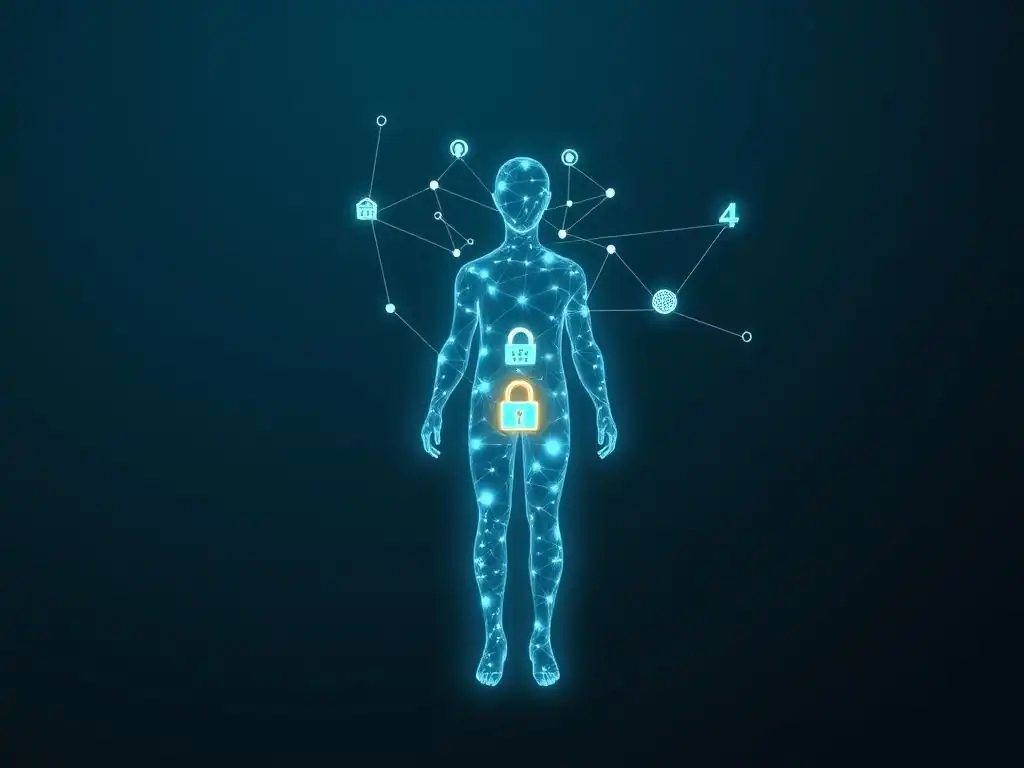
Welcome to Blockchain Trends, your guide to understanding the revolutionary impact of blockchain beyond the hype. Dive into the world of decentralized finance, enterprise applications, and the ever-evolving regulatory landscape. Curious about how blockchain can reshape digital identity? Explore the intriguing potential and tangible benefits of blockchain identity management solutions and discover how they're paving the way for a more seamless and secure digital future. Let's unravel the complexities and uncover the possibilities together.
Interoperable Identity: Blockchain's Promise for a Seamless Digital Web
- Introduction: The Need for Interoperable Digital Identity
- Understanding Interoperable Identity
- Blockchain Identity Management Solutions Benefits: A Deep Dive
- Blockchain Technologies Enabling Interoperable Identity
- Use Cases of Blockchain-Based Interoperable Identity
- Challenges and Considerations for Blockchain Identity Implementation
- The Future of Interoperable Identity: A Vision
- Conclusion: Embracing Blockchain for a Seamless Digital Future
-
Frequently Asked Questions
- How can blockchain technology improve digital identity management?
- What are the key benefits of using blockchain identity management solutions?
- How does blockchain enable interoperable identity in a digital web?
- What are some of the potential regulatory challenges associated with blockchain-based identity systems?
- Beyond personal identity, how can blockchain identity management solutions be applied in enterprise settings?
- Final Reflection: Embracing the Future of Seamless Identity
- Ignite Your Decentralized Future!
Introduction: The Need for Interoperable Digital Identity
The Fragmented Landscape of Current Digital Identity Systems
The current digital identity landscape is characterized by fragmentation and silos. Individuals often possess numerous digital identities, each tied to specific platforms or services. Think about the array of usernames and passwords required for online banking, social media, e-commerce sites, and various online services. This creates a disjointed user experience, forcing individuals to repeatedly prove their identity and manage a plethora of credentials.
Furthermore, these systems are often centralized, meaning user data is stored and controlled by individual organizations. This centralization presents significant security risks, making massive data breaches, like the Equifax breach affecting over 147 million people, a recurring threat. Each service operates independently, lacking a unified and user-centric approach to digital identity management.
This fragmented system not only inconveniences users but also hinders the development of a truly seamless digital web. Businesses face challenges in verifying user identities across different platforms, leading to inefficiencies and increased operational costs. For example, a customer might be verified by one online retailer but need to undergo the entire verification process again when interacting with a different retailer or even a different service within the same ecosystem.
This lack of interoperability creates friction in online interactions and limits the potential for innovation in digital services. The current model is clearly unsustainable and calls for a more unified, secure, and user-centric approach to digital identity.
Blockchain's Potential to Revolutionize Digital Identity Management
Blockchain technology offers a paradigm shift in how digital identity can be managed, promising to overcome the limitations of current fragmented systems. Its inherent characteristics, such as decentralization, immutability, and cryptographic security, make it uniquely suited to address the challenges of digital identity. Instead of relying on centralized authorities, blockchain enables the creation of self-sovereign identities, putting users in control of their own data. This means individuals can manage their digital identities independently, granting access to services selectively and without constant reliance on intermediaries.
Blockchain's potential extends beyond just user empowerment. It can foster interoperability by providing a common framework for identity verification and data sharing across different platforms and organizations. Imagine a scenario where your digital identity, securely stored on a blockchain, can be seamlessly used to access various services – from banking to healthcare to e-governance – without repeated verifications.
This vision of interoperable digital identity, powered by blockchain, promises to create a more efficient, secure, and user-friendly digital ecosystem, unlocking new possibilities for online interactions and digital services. This transformative potential is driving significant interest in blockchain identity management solutions benefits across various industries.
Understanding Interoperable Identity
Defining Interoperability in the Context of Digital Identity
Interoperability, in the realm of digital identity, refers to the ability of different identity systems, technologies, and platforms to seamlessly work together. It means that a digital identity created and managed within one system can be recognized, verified, and used across other disparate systems without requiring re-registration or repeated identity proofing. Think of it like universal compatibility for digital identities. Just as different computer systems can communicate using shared protocols, interoperable digital identity aims to establish common standards and frameworks that allow diverse identity solutions to interact effectively.
This goes beyond simply using the same login credentials across multiple websites (single sign-on). Interoperability implies a deeper level of integration, where identity attributes and verifiable credentials can be exchanged and validated across different ecosystems in a secure and privacy-preserving manner. For example, a professional license verified by a regulatory body could be instantly and automatically recognized by a potential employer or another relevant organization, regardless of the underlying identity management systems they employ. This seamless exchange of verified identity information is the core of interoperable identity, paving the way for a more connected and efficient digital world.
Key Components of an Interoperable Identity System
An interoperable identity system relies on several key components working in concert to achieve seamless and secure identity management. Firstly, Decentralized Identifiers (DIDs) serve as the foundation. DIDs are globally unique identifiers that are not controlled by any central authority. They are resolvable through decentralized systems, typically blockchains, allowing for persistent and verifiable identification of individuals, organizations, or even things. Secondly, Verifiable Credentials (VCs) are digitally signed attestations about an identity subject, issued by a trusted entity. These credentials can represent various attributes like age, qualifications, certifications, or permissions, and are cryptographically secured to prevent tampering and ensure authenticity.
Thirdly, Wallets act as secure containers for users to store and manage their DIDs and VCs. These wallets, often applications on smartphones or computers, empower users to control access to their identity data and selectively share credentials with verifiers. Fourthly, Identity Providers (IdPs) are entities that issue VCs, attesting to specific claims about an identity subject. These could be government agencies issuing birth certificates, universities granting degrees, or employers verifying employment history.
Finally, Verifiers are entities that rely on VCs to verify claims about an identity subject. For instance, an online service might verify a user's age using a VC issued by a government-approved IdP. The interplay of these components – DIDs, VCs, Wallets, IdPs, and Verifiers – forms the backbone of a robust and interoperable identity ecosystem.
Blockchain Identity Management Solutions Benefits: A Deep Dive
Enhanced Security and Privacy through Decentralization
One of the most significant blockchain identity management solutions benefits is the enhanced security and privacy afforded by decentralization. Traditional identity systems, being centralized, present single points of failure and honeypots for cyberattacks. Large databases storing sensitive personal information are attractive targets for hackers, as evidenced by numerous high-profile data breaches. Decentralized blockchain-based systems, however, distribute identity data across a network of nodes, making it significantly more resilient to attacks. There is no single central repository to compromise, drastically reducing the risk of mass data breaches.
Furthermore, decentralization empowers users with greater control over their personal data, enhancing privacy. In a self-sovereign identity model, individuals own and manage their identity information, choosing what data to share and with whom. Blockchain's cryptographic nature ensures that data is encrypted and tamper-proof. This contrasts sharply with centralized systems where user data is often collected, stored, and potentially monetized by organizations without explicit user consent or control. By shifting control to the user and distributing data across a secure network, blockchain identity management solutions offer a substantial improvement in both security and privacy compared to traditional centralized approaches.
Improved User Control and Data Ownership
Blockchain identity solutions champion the concept of self-sovereign identity, fundamentally shifting the power dynamic of data ownership. In the current digital landscape, individuals often relinquish control of their personal data to service providers in exchange for access to online services. This leads to a lack of transparency and agency over how personal information is collected, used, and shared.
Blockchain-based systems reverse this trend, placing users firmly in control of their digital identities and data. Users possess the private keys that control access to their identity information, enabling them to selectively disclose data only when necessary and to whom they choose.
This improved user control extends to data ownership. With self-sovereign identity, individuals own their identity data, not service providers. This ownership empowers users to decide how their data is used and prevents unauthorized access or exploitation. For example, instead of granting broad access to personal information to a social media platform, a user can selectively share only the necessary data, such as proof of age, without revealing other sensitive details. This granular control and data ownership are core tenets of blockchain identity management solutions, fostering a more user-centric and privacy-respecting digital environment.
Reduced Identity Theft and Fraud
Identity theft and fraud are pervasive problems in the digital age, costing individuals and businesses billions of dollars annually. Traditional identity systems, with their reliance on usernames, passwords, and centralized databases, are vulnerable to phishing attacks, data breaches, and social engineering. Blockchain identity management solutions offer robust mechanisms to significantly reduce these risks. The cryptographic security inherent in blockchain technology, coupled with the use of Decentralized Identifiers (DIDs) and Verifiable Credentials (VCs), makes it significantly harder for fraudsters to impersonate individuals or fabricate identities.
Verifiable Credentials, being digitally signed and tamper-proof, provide a high degree of assurance about the authenticity of identity claims. When combined with blockchain's immutability, it becomes extremely difficult to alter or forge identity information. Furthermore, the decentralized nature of blockchain reduces reliance on single points of failure that are often targeted in identity theft schemes.
By leveraging cryptography, decentralization, and verifiable credentials, blockchain identity management solutions create a more secure and trustworthy digital identity infrastructure, effectively mitigating identity theft and fraud risks. Industry estimates suggest that fraud losses in e-commerce alone exceed \$20 billion annually, highlighting the significant economic impact of these issues and the potential of blockchain solutions to address them.
Streamlined Verification Processes and Enhanced Efficiency
Traditional identity verification processes are often cumbersome, time-consuming, and inefficient. Think about the repetitive KYC (Know Your Customer) checks required when opening accounts with different financial institutions or the manual document verification processes involved in various online transactions. Blockchain identity management solutions, particularly those utilizing Verifiable Credentials, offer the potential to streamline these processes and significantly enhance efficiency. Once a user's identity is verified and attested to in the form of a VC by a trusted issuer, this credential can be reused across multiple services and platforms without requiring repeated verifications.
This "verify once, use many times" approach dramatically reduces redundancy and friction in identity verification. For example, a government-issued digital identity credential could be used to access various public services, open bank accounts, and verify eligibility for online services, all without needing to repeatedly submit documents or undergo lengthy verification procedures.
This streamlined process not only saves time and effort for users but also reduces operational costs for businesses and organizations that rely on identity verification. Studies have shown that digital identity solutions can reduce onboarding times for new customers by up to 80%, demonstrating the significant efficiency gains possible with blockchain-based systems.
Cost Savings Associated with Decentralized Identity Solutions
Implementing and maintaining traditional centralized identity systems can be expensive, involving significant infrastructure costs, ongoing maintenance, and security investments. Blockchain-based decentralized identity solutions offer the potential for substantial cost savings in several areas. Firstly, the decentralized nature of blockchain reduces the need for large, centralized databases and the associated infrastructure costs. The distributed ledger technology itself provides a secure and resilient infrastructure, potentially lowering IT overhead.
Secondly, streamlined verification processes, as discussed earlier, lead to operational cost reductions. Automated verification using Verifiable Credentials eliminates manual document review and reduces administrative burdens. For businesses, this translates to faster customer onboarding, reduced fraud losses, and lower operational expenses. Thirdly, reduced reliance on intermediaries can also contribute to cost savings.
In traditional identity models, third-party identity providers and verification services often charge fees for their services. Blockchain-based systems can enable peer-to-peer verification and reduce dependence on these intermediaries, potentially lowering transaction costs. While initial implementation costs for blockchain solutions may exist, the long-term operational efficiencies and reduced risks associated with decentralized identity can lead to significant cost savings for individuals, businesses, and governments.
Blockchain Technologies Enabling Interoperable Identity
Decentralized Identifiers (DIDs) and Verifiable Credentials (VCs)
Decentralized Identifiers (DIDs) and Verifiable Credentials (VCs) are foundational technologies enabling interoperable identity within blockchain ecosystems. DIDs, as defined by the World Wide Web Consortium (W3C), are a new type of identifier that enables verifiable, decentralized digital identity. Unlike traditional identifiers like usernames or email addresses controlled by centralized authorities, DIDs are user-controlled and globally unique. They are resolvable through decentralized ledger technologies, primarily blockchains, ensuring persistence and verifiability without reliance on central intermediaries. A DID essentially points to a DID Document, which contains public keys, service endpoints, and other metadata associated with the identity subject.
Verifiable Credentials (VCs), also standardized by the W3C, are digital representations of credentials, such as passports, diplomas, or licenses, issued in a secure and verifiable manner. VCs are cryptographically signed by an issuer, ensuring authenticity and preventing tampering. They allow holders to selectively disclose specific attributes of their identity to verifiers without revealing unnecessary personal information.
For instance, a university degree VC could be presented to a potential employer to verify educational qualifications without disclosing the holder's address or date of birth. The combination of DIDs and VCs provides a robust framework for self-sovereign identity and interoperable identity management, forming the building blocks for decentralized identity ecosystems.
Permissioned vs. Permissionless Blockchains for Identity Management
The choice between permissioned and permissionless blockchains for identity management depends on the specific use case and requirements. Permissionless blockchains, like Ethereum or Bitcoin, are public and open to anyone to participate in transaction validation and network governance. They offer high levels of transparency and decentralization, making them suitable for scenarios where trust is paramount and censorship resistance is critical. However, permissionless blockchains often face scalability challenges and may have lower transaction throughput compared to permissioned networks.
Permissioned blockchains, on the other hand, restrict network participation to authorized entities. They offer enhanced control over network governance, improved scalability, and often better performance in terms of transaction speed and throughput. Permissioned blockchains are typically favored in enterprise and consortium settings where privacy, regulatory compliance, and performance are key considerations.
For identity management, permissioned blockchains might be preferred for applications requiring strong regulatory oversight or involving sensitive personal data, such as national digital identity systems or enterprise identity solutions. Permissionless blockchains may be more suitable for use cases emphasizing user autonomy and censorship resistance, such as self-sovereign identity initiatives or decentralized identity networks spanning multiple organizations. Examples of permissioned blockchains being used for identity include Hyperledger Fabric and R3 Corda, while Sovrin Network is an example of a permissionless blockchain specifically designed for self-sovereign identity.
Layer-2 Scaling Solutions for Enhanced Performance
Scalability is a critical consideration for blockchain-based identity management solutions, especially as adoption grows and the number of transactions increases. Layer-1 blockchains, whether permissioned or permissionless, can face limitations in transaction throughput and processing speed, potentially hindering the performance of identity systems built directly on the main chain. Layer-2 scaling solutions are designed to address these limitations by processing transactions off-chain while still leveraging the security and finality of the underlying layer-1 blockchain.
Several layer-2 technologies are relevant for enhancing the performance of blockchain identity solutions. State channels allow for direct, off-chain communication and transaction processing between participants, with only the opening and closing states recorded on the main chain. This is suitable for scenarios involving frequent interactions between specific parties, such as ongoing identity verification processes.
Rollups bundle multiple transactions into a single batch and submit a cryptographic proof of their validity to the main chain. This significantly increases transaction throughput and reduces gas fees. Sidechains are independent blockchains that run parallel to the main chain and are interoperable with it.
They can be optimized for specific use cases, such as identity management, and handle a large volume of transactions without burdening the main chain. By employing layer-2 scaling solutions like state channels, rollups, or sidechains, blockchain identity systems can achieve the performance and scalability needed to support widespread adoption and handle the demands of a seamless digital web.
Use Cases of Blockchain-Based Interoperable Identity
Secure Cross-Border Transactions and KYC Compliance
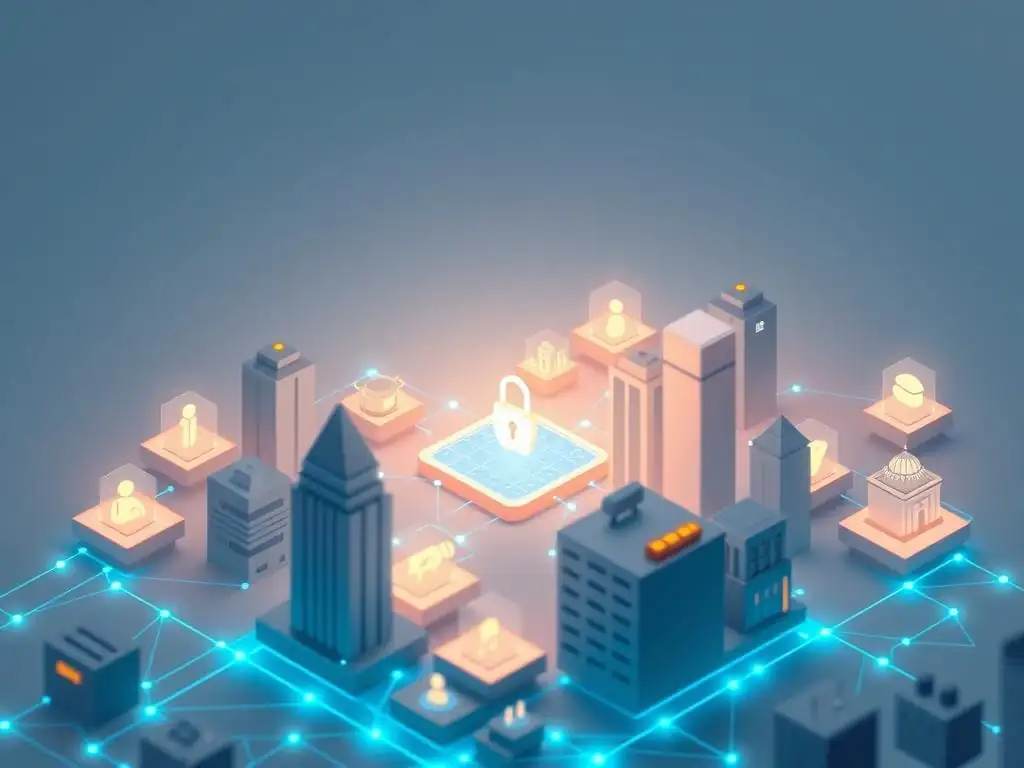
Blockchain-based interoperable identity has significant potential to streamline and secure cross-border transactions and enhance KYC (Know Your Customer) compliance in international finance. Currently, cross-border transactions often involve complex and time-consuming identity verification processes, requiring individuals to repeatedly prove their identity to different financial institutions and regulatory bodies in various jurisdictions. Blockchain identity solutions can simplify this by enabling the secure and verifiable sharing of identity information across borders.
Imagine a scenario where a traveler possesses a digital identity credential issued by their home country's government, securely stored in a blockchain wallet. Upon arriving in a foreign country and needing to open a bank account or conduct financial transactions, this credential can be presented and verified by local financial institutions. The verifiable nature of blockchain ensures the authenticity of the identity information, while interoperability standards allow for cross-border recognition of digital credentials.
This streamlines KYC processes, reduces friction in international transactions, and enhances security by minimizing the risk of identity fraud. Global initiatives are already exploring the use of blockchain for cross-border identity verification in financial services, aiming to create a more efficient and secure global financial ecosystem.
Streamlining Supply Chain Management with Verified Identities
Supply chain management relies heavily on trust and transparency, and blockchain-based interoperable identity can play a crucial role in enhancing both. In complex global supply chains, verifying the identities of participants and the authenticity of products is often challenging, leading to inefficiencies, fraud, and risks of counterfeit goods entering the market. Blockchain identity solutions can provide a secure and verifiable way to identify and track entities and products throughout the supply chain.
For example, manufacturers, distributors, retailers, and logistics providers can be issued digital identities anchored on a blockchain. These identities can be used to record and verify key events in the supply chain, such as product origin, manufacturing dates, and chain of custody. Verifiable Credentials can be used to attest to the authenticity of products and the compliance of supply chain actors with relevant standards and regulations.
Consumers can then use these verifiable identities and credentials to verify the provenance and authenticity of products they purchase, increasing trust and transparency in the supply chain. Companies like IBM and Walmart are already exploring blockchain solutions for supply chain tracking and traceability, demonstrating the growing recognition of the benefits of verified identities in this domain.
Enabling Self-Sovereign Identity for Healthcare Records
Healthcare is another sector where blockchain-based interoperable identity offers transformative potential, particularly in enabling patient-centric healthcare and empowering individuals with control over their medical records. Currently, patient medical records are often siloed within different healthcare providers, making it difficult for patients to access and manage their own health information. Blockchain-based self-sovereign identity can empower patients to own and control their digital health identities and medical records.
Patients can be issued DIDs and VCs representing their medical history, allergies, medications, and other relevant health information. These credentials can be securely stored in their blockchain wallets and selectively shared with healthcare providers as needed. This patient-centric approach to healthcare data management enhances privacy, improves data portability, and facilitates better coordination of care.
For instance, a patient could grant a new doctor access to their medical history VC, enabling the doctor to quickly and securely access relevant information without needing to request records from previous providers. Furthermore, interoperability standards can ensure that these digital health identities and credentials are recognized and usable across different healthcare systems and providers, creating a more seamless and patient-empowered healthcare ecosystem.
Enhancing Access Control and Security for IoT Devices
The proliferation of Internet of Things (IoT) devices presents significant security challenges, as these devices are often vulnerable to cyberattacks and can be exploited to compromise networks and data. Blockchain-based interoperable identity can enhance access control and security for IoT devices by providing a decentralized and secure way to manage device identities and permissions. Each IoT device can be assigned a DID, acting as its unique and verifiable digital identity.
These DIDs can be used to authenticate devices and authorize access to network resources and data. Verifiable Credentials can be issued to devices, granting them specific permissions and access rights. For example, a smart home device could be issued a VC allowing it to access the home's Wi-Fi network and interact with other authorized devices.
Blockchain's decentralized and secure nature makes it difficult for attackers to impersonate devices or compromise access control mechanisms. This is particularly crucial in industrial IoT settings where security breaches can have significant consequences. Companies are exploring blockchain-based identity solutions to secure IoT networks in various sectors, including manufacturing, energy, and transportation, aiming to create more resilient and secure IoT ecosystems.
Government Applications: Digital Identity for Citizens
Governments worldwide are increasingly exploring the potential of digital identity for citizens, and blockchain technology offers compelling benefits for government-issued digital identity systems. Traditional government identity systems often rely on centralized databases, which are vulnerable to breaches and can raise privacy concerns. Blockchain-based digital identity can provide a more secure, transparent, and citizen-centric approach to government identity management.
Governments can issue DIDs and VCs to citizens, representing their national identity, driver's licenses, passports, and other government-issued credentials. These digital identities can be securely stored in citizens' blockchain wallets and used to access government services, vote online, and verify eligibility for social programs. Blockchain's immutability and transparency enhance the integrity of government identity systems, while self-sovereign identity principles empower citizens with greater control over their personal data.
Estonia, for example, is a pioneer in digital governance and has explored blockchain applications for identity management and e-governance. Several other countries are also actively investigating and piloting blockchain-based digital identity solutions for citizen identification and service delivery, recognizing the potential to create more efficient, secure, and citizen-friendly government services.
Challenges and Considerations for Blockchain Identity Implementation
Scalability and Performance Limitations
While blockchain offers numerous advantages for identity management, scalability and performance limitations remain significant challenges for widespread adoption. Traditional blockchains, especially permissionless networks, can have limited transaction throughput and slower processing speeds compared to centralized databases. This can impact the performance of identity systems built directly on the main chain, particularly in scenarios requiring high transaction volumes or real-time verification.
While layer-2 scaling solutions offer promising approaches to address these limitations, they are still evolving and may introduce complexities in implementation and security. Ensuring that blockchain identity solutions can scale to handle the demands of large populations and high-volume transactions is crucial for their widespread adoption. Ongoing research and development in blockchain scalability, including advancements in layer-2 technologies and alternative consensus mechanisms, are essential to overcome these limitations and enable high-performance blockchain identity systems. Performance benchmarks and stress testing are critical to validate the scalability of blockchain identity solutions before large-scale deployments.
Regulatory Compliance and Data Privacy Concerns
Implementing blockchain identity solutions requires careful consideration of regulatory compliance and data privacy concerns. Regulations like GDPR (General Data Protection Regulation) in Europe and CCPA (California Consumer Privacy Act) in the United States impose strict requirements on the collection, processing, and storage of personal data. Blockchain's immutable nature and decentralized data storage can present challenges in complying with regulations that mandate data deletion or modification.
Furthermore, jurisdictional issues arise when dealing with cross-border identity management and data flows. Ensuring compliance with diverse and evolving regulatory frameworks across different countries is a complex undertaking. Blockchain identity solutions need to be designed with privacy by design principles, incorporating features like data minimization, selective disclosure, and pseudonymization to protect user privacy and comply with data protection regulations. Engaging with regulators and legal experts is crucial to navigate the complex regulatory landscape and ensure that blockchain identity implementations are legally compliant and respect user privacy rights.
User Adoption and Education
User adoption is a critical factor for the success of any new technology, and blockchain identity is no exception. The concept of self-sovereign identity and the use of blockchain wallets may be unfamiliar to many users, requiring significant user education and awareness efforts. User interfaces for blockchain identity solutions need to be intuitive and user-friendly to encourage adoption by non-technical users. Complex technical jargon and cumbersome user experiences can hinder adoption and create barriers to entry.
Building trust in blockchain technology and addressing user concerns about security and privacy are also essential. Users need to be educated about the benefits of self-sovereign identity and the security features of blockchain-based systems. Clear and accessible educational materials, user-friendly wallet applications, and robust user support are crucial to facilitate user adoption and overcome the learning curve associated with blockchain identity solutions. Pilot programs and real-world deployments can help demonstrate the value proposition of blockchain identity and build user confidence.
Interoperability Standards and Governance
True interoperability in digital identity requires the establishment of common standards and governance frameworks. While technologies like DIDs and VCs provide a foundation for interoperability, widespread adoption requires agreement on common protocols, data formats, and governance mechanisms across different identity systems and stakeholders. Without interoperability standards, blockchain identity solutions risk becoming fragmented and siloed, hindering the vision of a seamless digital web.
Industry consortia, standards bodies like the W3C and ISO, and government initiatives are crucial in developing and promoting interoperability standards for digital identity. Governance frameworks are needed to ensure the ongoing evolution and maintenance of these standards, as well as to address issues of trust, liability, and dispute resolution in interoperable identity ecosystems. Collaboration and cooperation among technology providers, industry players, governments, and standards organizations are essential to establish a robust and globally recognized interoperability framework for blockchain identity.
The Need for Secure Key Management
Secure key management is paramount in blockchain identity systems, as private keys are the gateway to controlling digital identities and accessing associated data and credentials. If private keys are lost, compromised, or stolen, users can lose access to their identities and be vulnerable to identity theft. Therefore, robust key management practices and technologies are essential for the security and usability of blockchain identity solutions.
Users need secure and user-friendly methods for generating, storing, and backing up their private keys. Hardware wallets, secure enclaves, and multi-signature schemes are examples of technologies that can enhance key security. Key recovery mechanisms are also important to mitigate the risk of key loss, but these need to be carefully designed to balance security and usability. Education and guidance on best practices for key management are crucial for users to protect their digital identities effectively. The security of key management infrastructure and practices is a fundamental consideration for the overall security and trustworthiness of blockchain identity systems.
The Future of Interoperable Identity: A Vision
Convergence with other Emerging Technologies
The future of interoperable identity is intrinsically linked to the convergence with other emerging technologies, such as Artificial Intelligence (AI), the Internet of Things (IoT), and Web3. AI can enhance identity verification processes, automate credential issuance, and improve fraud detection in blockchain identity systems. For instance, AI-powered biometric authentication can strengthen identity verification, while machine learning algorithms can analyze transaction patterns to identify and prevent fraudulent activities.
The integration of blockchain identity with IoT can create secure and verifiable identities for devices, enabling automated access control, secure data exchange, and trusted device-to-device communication in IoT networks. As discussed earlier, this is crucial for securing the rapidly expanding IoT landscape. Furthermore, interoperable identity is a foundational element of Web3, the vision of a decentralized and user-centric internet.
Blockchain-based self-sovereign identity empowers users to control their digital identities and data in Web3 applications, fostering a more privacy-preserving and user-empowered online experience. This convergence of blockchain identity with AI, IoT, and Web3 will drive innovation and unlock new possibilities for a more secure, efficient, and user-centric digital future.
The Role of Self-Sovereign Identity in the Metaverse
The metaverse, as an evolving immersive digital realm, presents unique challenges and opportunities for digital identity. As individuals spend increasing amounts of time and engage in various activities within virtual worlds, the need for persistent, portable, and self-sovereign digital identities becomes even more critical. Blockchain-based self-sovereign identity is ideally suited to address these needs in the metaverse.
Users can utilize their blockchain wallets to manage their metaverse identities, avatars, digital assets, and reputations across different virtual platforms. Interoperable identity solutions can enable seamless portability of identities and assets between various metaverse environments, preventing vendor lock-in and fostering a more open and interconnected metaverse ecosystem. Verifiable Credentials can be used to represent digital ownership, virtual qualifications, and reputation scores within the metaverse, creating a trusted and verifiable digital society within virtual worlds.
Self-sovereign identity empowers users to control their metaverse presence and data, fostering a more user-centric and privacy-respecting metaverse experience. As the metaverse evolves, blockchain identity will likely play a crucial role in shaping its identity infrastructure and user experience.
Building a Trustless and Decentralized Web with Blockchain Identity
The ultimate vision for interoperable identity is to contribute to building a trustless and decentralized web, often referred to as Web3. Traditional web infrastructure relies heavily on centralized intermediaries and trusted third parties, creating vulnerabilities, data silos, and power imbalances. Blockchain technology, with its decentralized and trustless nature, offers an alternative paradigm for building a more open, transparent, and user-centric internet.
Blockchain identity is a foundational component of this vision. By enabling self-sovereign identity and interoperable identity management, blockchain empowers users to control their digital identities and data, reducing reliance on centralized intermediaries. Verifiable Credentials facilitate trust and verifiability in online interactions, enabling peer-to-peer transactions and decentralized applications without requiring centralized authorities.
This shift towards a trustless and decentralized web, powered by blockchain identity, promises to create a more resilient, secure, and equitable digital ecosystem, where users have greater control, privacy, and agency over their online experiences. The journey towards this decentralized web is ongoing, but blockchain identity is a key enabler in realizing this transformative vision.
Conclusion: Embracing Blockchain for a Seamless Digital Future
The Transformative Impact of Interoperable Identity
Interoperable identity, powered by blockchain technology, represents a transformative shift in how digital identities are managed and utilized. It addresses the fragmentation and security vulnerabilities of current identity systems, empowering individuals with greater control over their personal data and fostering a more seamless and efficient digital web. The benefits of blockchain identity management solutions, including enhanced security and privacy, improved user control, reduced fraud, streamlined verification, and cost savings, are compelling and far-reaching.
From streamlining cross-border transactions and supply chain management to enabling patient-centric healthcare and securing IoT devices, the use cases for blockchain-based interoperable identity are diverse and impactful. While challenges remain in terms of scalability, regulatory compliance, user adoption, and interoperability standards, ongoing advancements and collaborations are paving the way for wider adoption. Embracing blockchain for identity management is not just about technological innovation; it is about building a more user-centric, secure, and equitable digital future, where individuals are empowered and trust is enhanced in online interactions.
Blockchain Trends in Digital Identity: Looking Ahead
Looking ahead, several key blockchain trends are shaping the future of digital identity. Firstly, the continued development and standardization of Decentralized Identifiers (DIDs) and Verifiable Credentials (VCs) are crucial for fostering interoperability and widespread adoption. Secondly, advancements in layer-2 scaling solutions will be essential to overcome scalability limitations and enable high-performance blockchain identity systems. Thirdly, increasing focus on privacy-preserving technologies and regulatory compliance will drive the development of privacy-centric blockchain identity solutions.
Furthermore, the convergence of blockchain identity with other emerging technologies like AI, IoT, and Web3 will unlock new use cases and drive innovation in the digital identity space. The growing recognition of self-sovereign identity principles and the increasing user demand for data privacy and control will further accelerate the adoption of blockchain identity solutions. As blockchain technology matures and interoperability standards solidify, we can expect to see wider deployment of blockchain-based identity systems across various sectors, paving the way for a truly seamless, secure, and user-empowered digital future.
Frequently Asked Questions
How can blockchain technology improve digital identity management?
Blockchain offers a decentralized and secure way to manage identities, reducing reliance on centralized authorities. This leads to increased user control and enhanced data privacy.
What are the key benefits of using blockchain identity management solutions?
Blockchain identity management solutions offer several benefits, including enhanced security, reduced fraud, and improved user experience through simplified authentication processes.
How does blockchain enable interoperable identity in a digital web?
Blockchain facilitates interoperability by creating a shared, immutable ledger where identity data can be verified across different platforms and systems. This allows for seamless data exchange and reduced reliance on intermediaries.
What are some of the potential regulatory challenges associated with blockchain-based identity systems?
Regulatory challenges include ensuring compliance with existing data privacy laws like GDPR, addressing concerns about data security and control, and establishing clear legal frameworks for cross-border identity verification.
Beyond personal identity, how can blockchain identity management solutions be applied in enterprise settings?
In enterprise settings, blockchain can streamline processes like supply chain management by verifying the identity and authenticity of participants. It can also enhance employee identity verification and data security, leading to improved operational efficiency.
Final Reflection: Embracing the Future of Seamless Identity
The exploration of blockchain identity management solutions benefits culminates in a powerful realization: the promise of interoperable identity is no longer a distant dream, but a tangible possibility reshaping our digital interactions. The fragmented and often frustrating experience of managing multiple online identities is poised for a radical transformation, driven by the secure and decentralized nature of blockchain technology.
This shift towards a user-centric identity paradigm has profoundly influenced, and continues to influence, the very fabric of our digital society. The ability to control our own data and seamlessly navigate the web with a single, verifiable identity is not just a matter of convenience; it's a fundamental step towards reclaiming our digital sovereignty. Identity is the new perimeter of security,
as Jeremy Grant aptly stated, highlighting the critical role of robust and user-controlled identity solutions in the modern digital landscape.
As we stand on the cusp of this new era, I invite you to reflect on the power of decentralized identity and its potential to unlock a more secure, efficient, and equitable digital future. Consider how you can champion the adoption of blockchain identity management solutions, not only for the benefits they offer, but for the fundamental right they represent: the right to own and control your digital self.
Ignite Your Decentralized Future!
Thank you for diving into the world of interoperable identity and blockchain! We hope this article has illuminated the path toward a more seamless and secure digital experience. Now, let's put that knowledge into action and shape the future of digital identity.
Here are a few steps you can take right now:
- Begin exploring verifiable credential wallets: Download a reputable wallet and start experimenting with managing your digital identity. This is your chance to truly own and control your data.
- Join the conversation: Share this article with your network and let's spark a wider discussion about the potential of decentralized identity!
- Contribute to the open-source community: Research open-source projects related to interoperable identity and see how you can get involved in building the future.
Ready to take the first step toward owning your digital identity? What verifiable credentials would you prioritize owning and managing in a decentralized wallet?
Leave a Reply