
RealTime Visibility: Blockchain's Power for EndtoEnd Supply Chain Tracking Case Studies

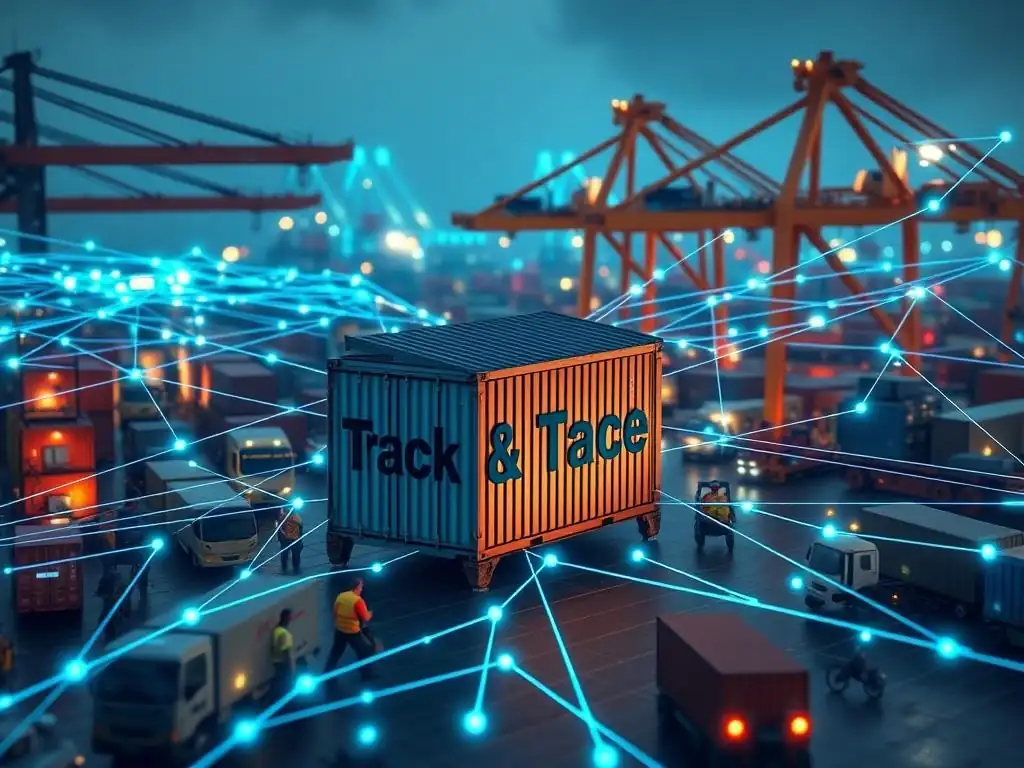
Welcome to Blockchain Trends, where we delve into the transformative potential of blockchain technology that extends far beyond the realm of cryptocurrencies. In this article, we invite you to explore real-time visibility through compelling case studies that showcase how blockchain is revolutionizing supply chain tracking. Discover the innovative applications of decentralized systems and their profound impact on transparency and efficiency. Are you ready to unlock the secrets of enhanced supply chain visibility? Let’s dive into the fascinating world of blockchain!
- Introduction to Blockchain Supply Chain Visibility Case Studies
- The Power of Blockchain for Real-Time Supply Chain Monitoring
-
Detailed Blockchain Supply Chain Visibility Case Studies
- Case Study 1: Enhancing Pharmaceutical Supply Chain Transparency with Blockchain
- Case Study 2: Food Safety and Traceability through Blockchain-Powered Tracking
- Case Study 3: Automotive Industry’s Use of Blockchain for Parts Authentication and Tracking
- Case Study 4: Retail Supply Chain Optimization Enabled by Blockchain Visibility Solutions
- Key Technologies Driving Blockchain-Based Supply Chain Visibility
- Challenges and Solutions in Implementing Blockchain for Supply Chain Transparency
- Measuring the Impact of Blockchain on Supply Chain Real-Time Visibility
- Future Trends in Blockchain Supply Chain Visibility and Tracking
- Conclusion: Insights from Blockchain Supply Chain Visibility Case Studies
-
Frequently Asked Questions
- How does blockchain enhance supply chain visibility?
- What are some key benefits of using blockchain for supply chain tracking?
- What are some real-world examples of blockchain being used for supply chain visibility?
- How does blockchain address the issue of data integrity in supply chains?
- What are some challenges to implementing blockchain for supply chain management?
- Final Reflection: Embracing Transparency in a Connected World
- Unlock Your Supply Chain's Potential: Start Tracking Smarter!
Introduction to Blockchain Supply Chain Visibility Case Studies
Understanding Real-Time Visibility in Supply Chain Management
Real-time visibility in supply chain management refers to the immediate and accurate tracking of goods, information, and finances as they move through the supply chain. This level of transparency allows businesses to know the status, location, and condition of products at any given moment, from raw material sourcing to final delivery to the consumer. Achieving true real-time visibility requires seamless data flow and integration across all participants in the supply chain, including suppliers, manufacturers, distributors, logistics providers, and retailers.
Lack of real-time visibility often leads to significant challenges such as delays, inefficiencies, increased costs, and difficulties in responding to disruptions. For instance, a study might show that companies with poor supply chain visibility experience up to 20% higher inventory costs and 15% longer lead times compared to those with high visibility. Understanding the current state of visibility is the first step towards identifying bottlenecks and areas for improvement, making the exploration of technologies like blockchain crucial for modernizing supply chain operations.
The Role of Blockchain Technology in Enhancing Supply Chain Transparency
Blockchain technology offers a decentralized, immutable ledger that can record every transaction or event in a supply chain with a timestamp and cryptographic signature. This inherent structure provides a single, shared source of truth that all authorized participants can access, significantly enhancing transparency. Unlike traditional centralized databases, where data can be altered or deleted, blockchain ensures that once data is recorded, it cannot be tampered with without leaving a visible trail, thereby building trust among disparate parties.
In the context of supply chains, this means every movement, handling, or status change of a product—from its origin to its destination—can be logged on the blockchain. This creates an unalterable history, or "digital twin," of the physical product's journey. For example, a container leaving a port can be logged, its temperature monitored via IoT sensors and recorded on the blockchain, and its arrival at a warehouse similarly noted. This detailed, transparent, and verifiable record is fundamental to improving Blockchain supply chain visibility case studies.
Importance of End-to-End Tracking for Modern Supply Chains
End-to-end tracking provides a comprehensive view of the entire supply chain process, covering every step from the initial sourcing of components or raw materials through manufacturing, assembly, distribution, and finally to the end consumer. This holistic perspective is vital for identifying inefficiencies, ensuring compliance with regulations, managing risks, and providing accurate information to customers. Without end-to-end tracking, companies operate with blind spots, making it difficult to pinpoint the source of issues like counterfeit goods, contamination, or delays.
Modern supply chains are increasingly complex, global, and interconnected. The ability to track products end-to-end is no longer just a competitive advantage but a necessity for resilience and accountability. For instance, in the food industry, end-to-end traceability is critical for rapid recall management during contamination events, potentially reducing the impact and cost of recalls by significant margins, sometimes estimated to be over 50% compared to traditional methods. Exploring Blockchain supply chain visibility case studies highlights how this technology specifically addresses the challenges of achieving reliable end-to-end tracking across complex networks.
The Power of Blockchain for Real-Time Supply Chain Monitoring
How Blockchain Enables Immutable and Transparent Data Sharing
At its core, blockchain technology enables immutable and transparent data sharing by creating a distributed ledger where data is grouped into blocks, and each new block is cryptographically linked to the previous one. This chain of blocks forms a chronological and tamper-evident record of all transactions.
When a transaction occurs in the supply chain – such as a product changing hands, undergoing a quality check, or reaching a new location – it is recorded as a transaction on the blockchain. This record is then validated by multiple participants in the network (depending on the blockchain type), and once confirmed, it is added to a new block and appended to the chain.
The decentralized nature means no single entity controls the data, and the cryptographic linking ensures that altering data in one block would require altering all subsequent blocks, a computationally infeasible task for public or large private blockchains. This inherent immutability provides a high level of trust in the data's integrity. Furthermore, transparency is achieved because all authorized network participants can view the same ledger, seeing the full history of transactions related to a specific product or shipment. This shared, unalterable record is fundamental to the insights derived from Blockchain supply chain visibility case studies.
Smart Contracts and Automation in Supply Chain Visibility
Smart contracts are self-executing contracts with the terms of the agreement directly written into lines of code. These contracts reside on the blockchain and automatically execute predefined actions when specific conditions are met. In a supply chain context, smart contracts can automate various processes based on the real-time data recorded on the blockchain. For example, a smart contract could automatically trigger payment to a supplier once a shipment is verified as received at a distribution center and its quality checked, with all these events being recorded on the ledger.
The automation provided by smart contracts reduces manual processes, minimizes errors, and accelerates transactions, leading to greater efficiency and reduced operational costs. They also enhance visibility by making the execution of contractual obligations transparent and predictable. When exploring Blockchain supply chain visibility case studies, the use of smart contracts often emerges as a key element enabling automated tracking updates, conditional payments, and streamlined workflows based on verified, real-time data from the blockchain.
Benefits of Decentralized Tracking Systems for Supply Chain Stakeholders
Decentralized tracking systems built on blockchain technology offer numerous benefits for all stakeholders involved in a supply chain. For manufacturers, it provides better oversight of raw material sourcing and production processes. Logistics providers gain clearer insights into shipment movements and can optimize routes and schedules. Retailers and distributors benefit from verified product authenticity and transparent provenance information. And ultimately, consumers can gain access to reliable information about the products they purchase, such as their origin, handling history, and ethical sourcing credentials.
Key benefits include increased trust among parties due to the shared, immutable ledger; improved efficiency through automated processes via smart contracts; enhanced security against fraud and counterfeiting; faster dispute resolution stemming from a single source of truth; and greater compliance with regulations requiring detailed record-keeping. These advantages are consistently highlighted in Blockchain supply chain visibility case studies, demonstrating how moving away from siloed, centralized systems to a decentralized model fosters collaboration and unlocks significant value across the entire network.
Detailed Blockchain Supply Chain Visibility Case Studies
Case Study 1: Enhancing Pharmaceutical Supply Chain Transparency with Blockchain
The pharmaceutical supply chain is particularly complex and critical, facing challenges like counterfeiting, regulatory compliance (e.g., drug traceability laws like the US Drug Supply Chain Security Act - DSCSA), and ensuring proper handling conditions (like temperature control). Blockchain technology has been explored and implemented by various pharmaceutical companies and consortiums to improve visibility and integrity. For instance, initiatives like the MediLedger Project have focused on creating an interoperable network to track prescription medicines.
This project aims to verify product identifiers at various points in the supply chain, preventing counterfeit drugs from entering the legitimate supply chain. By recording each transaction and change of ownership on a shared, immutable ledger, participants can verify the authenticity and history of a drug package.
Pilot programs have demonstrated the feasibility of using blockchain to meet DSCSA requirements for tracing drugs at the package level, showing potential reductions in the time and effort required for verification processes, sometimes cutting verification times from minutes or hours to seconds. These Blockchain supply chain visibility case studies in pharma underscore the technology's potential to save lives and billions lost to counterfeits.
Case Study 2: Food Safety and Traceability through Blockchain-Powered Tracking
Food safety and traceability are paramount concerns for consumers and regulators alike. Contamination outbreaks or recalls require rapid and accurate identification of the source and affected products. Traditional paper-based or siloed digital systems can make tracing a product back to its origin a process that takes days or even weeks. Blockchain offers a way to drastically reduce this time and improve accuracy.
A prominent example is Walmart's collaboration with IBM Food Trust. They piloted blockchain traceability for mangoes and pork, demonstrating that the time taken to trace a product from store shelf back to the farm could be reduced from approximately seven days to just a few seconds. This rapid traceability is critical for minimizing the impact of foodborne illness outbreaks, allowing for quicker recalls and reducing the amount of product that needs to be discarded. These Blockchain supply chain visibility case studies illustrate the tangible benefits of enhanced traceability for public health and supply chain efficiency.
Case Study 3: Automotive Industry’s Use of Blockchain for Parts Authentication and Tracking
The automotive industry relies on a vast and intricate global supply chain involving thousands of parts from numerous suppliers. Ensuring the authenticity of parts and tracking their origin and journey is crucial for quality control, safety, and combating the significant problem of counterfeit parts. Counterfeit automotive parts can pose serious safety risks and lead to substantial financial losses for manufacturers and consumers.
Companies like Ford, BMW, and Mercedes-Benz have explored or implemented blockchain solutions for various use cases, including tracking raw materials like cobalt for electric vehicle batteries, managing vehicle identity and history, and verifying the authenticity of spare parts. By creating a digital passport for each part on the blockchain, manufacturers can record its origin, manufacturing details, and every subsequent transaction or installation.
This immutable record makes it incredibly difficult to introduce fake parts into the supply chain and provides a reliable history for maintenance and warranty purposes. These Blockchain supply chain visibility case studies highlight the technology's role in enhancing product integrity and safety in complex manufacturing environments.
Case Study 4: Retail Supply Chain Optimization Enabled by Blockchain Visibility Solutions
Retail supply chains are characterized by high volume, diverse products, and the need for speed and responsiveness to consumer demand. Optimizing inventory management, reducing losses from counterfeiting or spoilage, and improving delivery times are key objectives. Blockchain visibility solutions can provide retailers with better insights into product flow, inventory levels across the network, and product authenticity.
For instance, companies in the luxury goods sector have used blockchain to provide customers with verifiable proof of authenticity and ownership, combating counterfeiting which costs the global economy billions annually. In general retail, blockchain can track goods from distribution centers to stores, providing real-time updates on location and estimated arrival times. This enhanced visibility allows retailers to optimize stocking, reduce stockouts or overstocking, and improve the efficiency of their logistics. Blockchain supply chain visibility case studies in retail demonstrate how improved data integrity and sharing can lead to significant operational efficiencies and enhanced customer trust.
Key Technologies Driving Blockchain-Based Supply Chain Visibility
Integration of IoT Devices with Blockchain for Real-Time Data Capture
The integration of Internet of Things (IoT) devices is fundamental to achieving real-time visibility in blockchain-powered supply chains. IoT sensors, such as GPS trackers, temperature sensors, humidity monitors, and accelerometers, can be attached to products, pallets, or containers to collect data about their location, condition, and environment in real-time. This data is then fed directly into the blockchain network.
When IoT data is recorded on the blockchain, it becomes part of the immutable ledger, providing objective, verifiable evidence of a product's journey and condition. For example, a temperature sensor in a refrigerated container can continuously log temperature readings onto the blockchain, proving that perishable goods were kept within the required range throughout transit. This integration ensures that the digital record on the blockchain accurately reflects the physical reality of the supply chain, making the Blockchain supply chain visibility case studies based on this synergy particularly powerful.
Role of Distributed Ledger Technology in Ensuring Data Integrity
Distributed Ledger Technology (DLT), of which blockchain is a type, plays a crucial role in ensuring data integrity within supply chain visibility solutions. Unlike traditional centralized databases, where data is stored and managed by a single entity, DLT distributes copies of the ledger across multiple nodes or participants in the network. Any new transaction must be validated by a consensus mechanism among these nodes before being added to the ledger.
This distributed and consensus-based approach makes the data highly resilient to tampering or single points of failure. If one copy of the ledger is compromised, the others remain intact, and the network can easily detect and reject fraudulent data. This inherent security and integrity are vital for building trust among diverse and sometimes competing parties in a supply chain. It ensures that the visibility provided by the system is based on reliable and verifiable information, a core strength highlighted in Blockchain supply chain visibility case studies.
Use of AI and Analytics in Blockchain Supply Chain Tracking Systems
While blockchain provides the secure and transparent data foundation, Artificial Intelligence (AI) and analytics are essential for extracting actionable insights from the vast amount of data recorded on the ledger. AI algorithms can analyze the historical and real-time data on the blockchain to identify patterns, predict potential disruptions, optimize routes, forecast demand, and detect anomalies such as potential fraud or deviations from standard operating procedures.
For example, AI can analyze the immutable records of shipment movements and historical delays to predict potential late deliveries with a high degree of accuracy. Analytics can provide dashboards and reports summarizing key metrics like transit times, compliance rates, and inventory levels based on the verified blockchain data. This combination of blockchain's data integrity with AI's analytical power transforms raw tracking data into strategic intelligence, enabling proactive decision-making and further optimizing supply chain operations, as demonstrated in advanced Blockchain supply chain visibility case studies.
Challenges and Solutions in Implementing Blockchain for Supply Chain Transparency
Overcoming Data Privacy and Security Concerns in Blockchain Networks
Implementing blockchain for supply chain visibility raises important data privacy and security concerns. While the ledger is transparent to authorized participants, not all information should be visible to everyone in the network. Sensitive commercial data, such as pricing, specific contract terms, or proprietary manufacturing processes, needs to be protected. Furthermore, ensuring the security of private keys and preventing unauthorized access to the network are critical.
Solutions include using permissioned blockchains, where participation is restricted to known and authorized entities, allowing for granular control over data access based on roles and permissions. Techniques like zero-knowledge proofs can allow parties to verify that a condition is met (e.g., a supplier meets a certain compliance standard) without revealing the underlying sensitive data. Strong encryption and robust identity management systems are also essential. These approaches help address privacy concerns while maintaining the benefits of transparency and immutability, lessons often learned and refined through various Blockchain supply chain visibility case studies.
Addressing Scalability and Interoperability Issues in Supply Chain Blockchain Solutions
Scalability is a significant challenge for many blockchain networks, particularly public ones, as the number of transactions per second can be limited compared to traditional databases. Supply chains can generate massive amounts of data, and the network needs to handle this volume efficiently. Interoperability is another hurdle, as different companies might use different blockchain platforms or legacy systems that need to interact seamlessly.
Solutions for scalability include utilizing private or consortium blockchains which can often handle higher transaction volumes than public chains. Off-chain transactions with on-chain verification, sidechains, and layer-2 scaling solutions are also being explored and implemented. Addressing interoperability requires developing industry standards, using middleware, or building bridges between different blockchain networks and existing enterprise systems (like ERP or WMS). Successful Blockchain supply chain visibility case studies often involve careful selection of a scalable platform and strategic planning for integration with existing IT infrastructure.
Strategies for Successful Blockchain Adoption and Stakeholder Collaboration
Successful adoption of blockchain for supply chain visibility requires more than just technical implementation; it necessitates significant collaboration and change management among all stakeholders. Getting multiple independent companies, sometimes competitors, to agree on a shared platform, data standards, and governance model is complex. Resistance to change, lack of understanding of the technology, and concerns about costs and benefits can hinder adoption.
Strategies for success include starting with pilot projects focused on a specific, high-value use case to demonstrate tangible benefits (like reduced tracing time or cost savings). Establishing clear governance frameworks and rules for the network is crucial. Providing education and training to potential participants helps build understanding and trust. Incentivizing participation, perhaps through shared cost savings or improved operational efficiency, can also drive adoption. Many Blockchain supply chain visibility case studies emphasize the importance of strong leadership, clear communication, and collaborative effort in overcoming these human and organizational challenges.
Measuring the Impact of Blockchain on Supply Chain Real-Time Visibility
Improvements in Traceability and Compliance through Blockchain Solutions
One of the most measurable impacts of blockchain on supply chain visibility is the dramatic improvement in traceability. As highlighted in various Blockchain supply chain visibility case studies, the time taken to trace a product back to its origin can be reduced from days or weeks to seconds or minutes. This rapid traceability is not only crucial for operational efficiency but also for meeting increasingly stringent regulatory compliance requirements across industries like pharmaceuticals, food, and conflict minerals.
By providing an immutable and easily auditable record of every transaction and event, blockchain simplifies the process of demonstrating compliance. Regulators can potentially gain authorized access to the ledger to verify adherence to standards, reducing the burden of manual reporting and audits. For instance, in the US pharma supply chain, blockchain is being explored specifically to meet the DSCSA's track-and-trace mandates, showing how the technology directly addresses compliance challenges by providing verifiable and comprehensive product histories.
Cost Reduction and Efficiency Gains Documented in Supply Chain Case Studies
While initial implementation costs can be significant, Blockchain supply chain visibility case studies often document substantial cost reductions and efficiency gains over time. These savings can come from various sources:
- Reduced administrative costs associated with manual data entry and reconciliation.
- Lower losses due to counterfeiting, fraud, or spoilage because of enhanced authenticity verification and condition monitoring.
- Decreased costs related to audits and compliance reporting.
- Improved inventory management leading to reduced carrying costs.
- Faster dispute resolution due to a single, trusted source of data.
- Optimized logistics and reduced delays stemming from better real-time information.
For example, studies or pilot outcomes might suggest potential savings ranging from a few percentage points to over 10-15% in specific operational areas like dispute resolution or administrative overhead when compared to legacy systems. The exact figures vary greatly depending on the industry, scale, and specific implementation, but the trend towards efficiency gains is consistently observed.
Enhancing Consumer Trust and Brand Reputation with Transparent Supply Chains
In an era where consumers are increasingly concerned about the origin, authenticity, and ethical sourcing of products, transparent supply chains built on blockchain can significantly enhance consumer trust and brand reputation. Providing consumers with access to verifiable information about a product's journey – perhaps through a QR code on the packaging linked to the blockchain record – empowers them to make informed purchasing decisions.
This transparency can build loyalty and differentiate brands in a competitive market. For example, companies selling coffee, diamonds, or apparel have used blockchain to provide provenance tracking, demonstrating fair labor practices or sustainable sourcing. This not only meets consumer demand for transparency but also protects the brand from reputational damage associated with issues like child labor or environmental misconduct in their supply chain. Blockchain supply chain visibility case studies show that this improved trust can translate into increased sales and stronger brand equity.
Future Trends in Blockchain Supply Chain Visibility and Tracking
Emerging Innovations in Decentralized Supply Chain Management
The field of decentralized supply chain management using blockchain is continuously evolving with new innovations. One key trend is the development of more sophisticated smart contracts that can handle complex logistical and financial workflows automatically. Another is the increasing focus on connecting different blockchain networks to improve overall supply chain interoperability, potentially through cross-chain communication protocols or standardized APIs.
Furthermore, the integration of emerging technologies like decentralized identity (DID) for authenticating participants and zero-knowledge proofs for privacy-preserving data sharing is becoming more prevalent. We are also seeing exploration into tokenization of supply chain assets, allowing for more liquid and efficient financing or transfer of ownership. These innovations aim to make blockchain-based supply chain solutions more scalable, interconnected, and capable, pushing the boundaries of what's possible in Blockchain supply chain visibility case studies.
Potential Regulatory Developments Affecting Blockchain Supply Chain Applications
Regulatory landscapes around blockchain and digital assets are still developing globally, and these developments will undoubtedly impact supply chain applications. Governments and industry bodies are exploring how to best regulate blockchain usage, address legal questions around smart contracts, and potentially mandate the use of blockchain for traceability in certain critical industries (like pharmaceuticals or food).
Future regulations might focus on data standards, interoperability requirements, governance models for consortium blockchains, and consumer rights regarding access to supply chain data. Clarity in regulatory frameworks is crucial for widespread adoption, as companies need certainty regarding compliance and legal standing. Monitoring these potential regulatory developments is key for businesses planning or implementing blockchain solutions, as they will shape the future environment for Blockchain supply chain visibility case studies.
The Growing Role of Blockchain in Global Supply Chain Resilience
Recent global events have highlighted the fragility of complex, interconnected supply chains. Disruptions due to pandemics, geopolitical conflicts, or natural disasters underscore the need for greater resilience. Blockchain can play a significant role in building more resilient supply chains by providing enhanced visibility and transparency, which are critical for rapid response and adaptation.
By providing a single, real-time, and trusted source of information about the location and status of goods, potential bottlenecks, and alternative routes, blockchain enables faster identification of and reaction to disruptions. Smart contracts can automate contingency plans, such as rerouting shipments or triggering alternative supplier orders when predefined conditions (like a port closure) are met. This enhanced ability to monitor and react makes blockchain a valuable tool for building more robust and adaptable global supply networks, a growing focus in future Blockchain supply chain visibility case studies.
Conclusion: Insights from Blockchain Supply Chain Visibility Case Studies
Summary of Transformative Benefits Achieved with Blockchain Tracking
Analyzing various Blockchain supply chain visibility case studies reveals a consistent pattern of transformative benefits. The core advantage lies in achieving unprecedented levels of real-time, end-to-end visibility and transparency across complex networks. This enhanced visibility, powered by the immutable and distributed nature of blockchain, leads directly to improved data integrity and trust among disparate parties.
Key benefits frequently cited include dramatic reductions in tracing times (from days to seconds), significant improvements in compliance with regulatory mandates, and tangible cost savings derived from reduced fraud, waste, and administrative overhead. Furthermore, blockchain-enabled transparency builds consumer trust and enhances brand reputation, providing a competitive edge in markets where provenance and authenticity are valued. The technology moves supply chain tracking from siloed, reactive systems to integrated, proactive, and trustworthy networks.
Lessons Learned and Best Practices for Future Blockchain Supply Chain Projects
The insights gleaned from numerous Blockchain supply chain visibility case studies offer valuable lessons for future projects. A key lesson is that successful implementation requires not just technological prowess but also significant inter-organizational collaboration and effective change management. Starting with a clearly defined, high-impact use case is often more effective than attempting a broad, complex rollout initially.
Best practices include establishing robust governance models for the blockchain network, ensuring clear data standards agreed upon by all participants, and prioritizing interoperability with existing systems. Education and training for stakeholders are crucial for adoption. Furthermore, choosing the right blockchain platform (e.g., public, private, or consortium) based on the specific needs for privacy, scalability, and participation is critical for long-term success.
The Path Forward for Real-Time, End-to-End Blockchain Supply Chain Visibility
The path forward for achieving widespread real-time, end-to-end blockchain supply chain visibility involves continued technological maturation, increased industry collaboration, and supportive regulatory frameworks. As blockchain platforms become more scalable and interoperable, and as integration with IoT, AI, and other technologies deepens, the capabilities for granular and automated tracking will expand.
Greater adoption will likely come as more successful Blockchain supply chain visibility case studies emerge, demonstrating clear return on investment and tangible benefits. Industry-wide standards and consortiums will play a vital role in building interconnected networks necessary for true end-to-end visibility across multi-enterprise supply chains. Ultimately, the widespread adoption of blockchain promises to create more efficient, secure, resilient, and transparent global supply chains, benefiting businesses, consumers, and regulators alike.
Frequently Asked Questions
How does blockchain enhance supply chain visibility?
Blockchain provides a shared, immutable ledger that allows all participants in a supply chain to track goods in real-time. This increases transparency and reduces discrepancies.
What are some key benefits of using blockchain for supply chain tracking?
Key benefits include improved traceability, reduced fraud, and increased efficiency. This leads to cost savings and enhanced trust among stakeholders.
What are some real-world examples of blockchain being used for supply chain visibility?
Several case studies exist, including tracking food products from farm to table, pharmaceuticals to prevent counterfeiting, and diamonds to ensure ethical sourcing.
How does blockchain address the issue of data integrity in supply chains?
Blockchain's cryptographic security ensures that data cannot be tampered with. Each transaction is verifiable and auditable, providing a reliable record of the product's journey.
What are some challenges to implementing blockchain for supply chain management?
Challenges include scalability issues, integration with existing systems, and lack of standardization. Addressing these requires collaborative efforts and strategic planning.
Final Reflection: Embracing Transparency in a Connected World
The journey through blockchain supply chain visibility case studies reveals more than just technological advancements; it unveils a fundamental shift towards transparency and trust in global commerce. The examples explored demonstrate how blockchain is not merely a buzzword, but a tangible solution reshaping how we understand and interact with the products we consume, from their origin to our hands. This newfound clarity is crucial in an era where consumers demand ethical sourcing and verifiable authenticity.
The impact of blockchain on supply chains extends far beyond efficiency gains; it fosters a deeper connection between producers, distributors, and consumers. This transformation resonates deeply, reminding us that every product has a story, and blockchain provides the tools to tell that story truthfully. Supply chains are the arteries of global trade, and blockchain is the blood that brings transparency and efficiency to the system.
This quote encapsulates the potential of blockchain to revolutionize not just logistics, but also the very fabric of our interconnected world.
As we conclude this exploration, consider the implications of enhanced visibility in your own life. How can you, as a consumer, a business leader, or a policymaker, champion the adoption of blockchain to create more ethical, sustainable, and resilient supply chains? Let the lessons learned from these case studies inspire you to demand greater transparency, support responsible practices, and contribute to a future where every product's journey is traceable and trustworthy.
Unlock Your Supply Chain's Potential: Start Tracking Smarter!
Thanks for delving into the power of blockchain for real-time supply chain visibility. You've now seen how this technology is transforming industries and providing unprecedented control. Ready to take the next step and see how it can benefit your organization?
Here are a few actions you can take right now to revolutionize your approach:
- Dive deep: Explore a specific blockchain platform tailored to your industry (e.g., pharmaceutical, food & beverage) and analyze its features.
- Start small: Identify a single, manageable product line within your supply chain and pilot a blockchain tracking system.
- Share the knowledge: Forward this article to a colleague who's also interested in improving supply chain efficiency.
What single product line are you most eager to track with blockchain, and what improvements do you expect to see?
Leave a Reply