
NFT Avatars in Gaming: Representing Your Digital Identity Across Metaverse Worlds

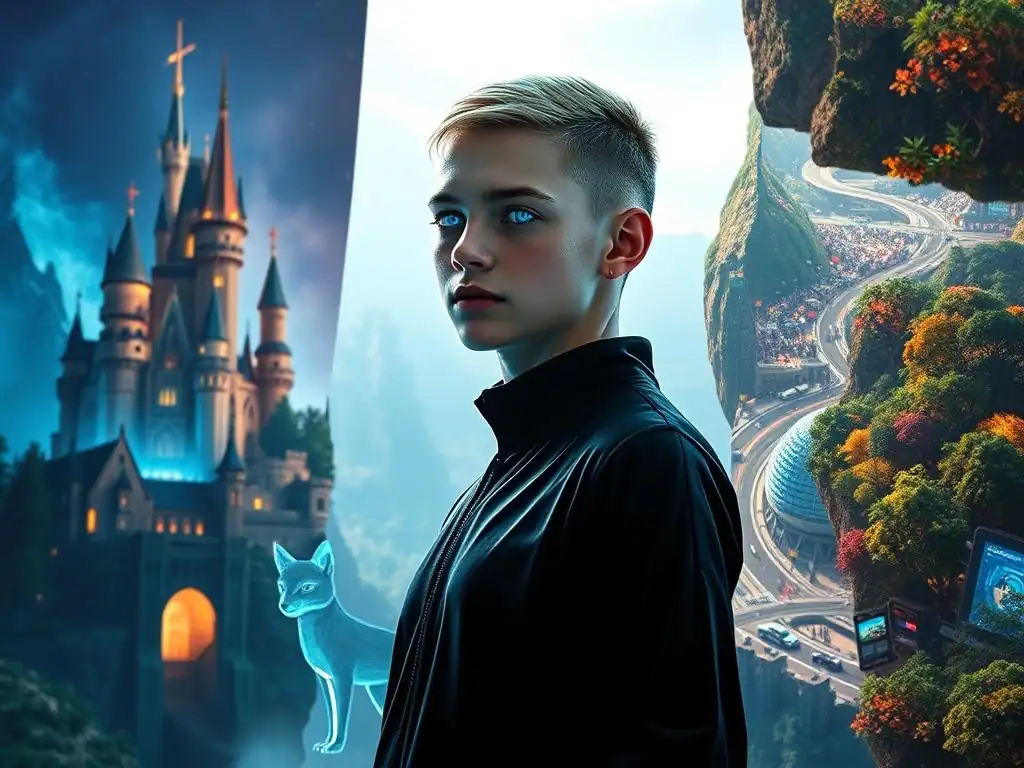
Welcome to Blockchain Trends, your go-to source for understanding the revolutionary power of blockchain beyond the hype! Are you ready to dive into the exciting intersection of digital identity and immersive gaming? Discover how NFT avatars are reshaping the metaverse gaming landscape, offering unparalleled ownership and representation in virtual worlds. But how exactly do these avatars work, and what impact will they have on the future of gaming? Let's explore the fascinating possibilities...
NFT Avatars in Gaming: Representing Your Digital Identity Across Metaverse Worlds
- Understanding NFT Avatars and Their Role in Metaverse Gaming
- The Benefits of Using NFT Avatars in Blockchain Games
- Exploring Different Types of NFT Avatars for Gaming
- How to Acquire and Use NFT Avatars in Metaverse Games
- The Future of NFT Avatars in Gaming: Trends and Predictions
- Challenges and Considerations for NFT Avatars in Gaming
- Conclusion: NFT Avatars - Shaping the Future of Digital Identity in Metaverse Gaming
-
Frequently Asked Questions
- What are NFT avatars and how do they relate to metaverse gaming?
- How do NFT avatars enhance the gaming experience in the metaverse?
- What benefits do NFT avatars offer to game developers?
- What are some of the challenges associated with using NFT avatars in metaverse gaming?
- How might regulations impact the use of NFT avatars in metaverse gaming?
- Final Reflection: Embracing Identity in the Digital Frontier
- Unleash Your Metaverse Persona: Craft Your NFT Avatar Today!
Understanding NFT Avatars and Their Role in Metaverse Gaming
What are NFT Avatars? Defining Non-Fungible Token Avatars
NFT avatars represent a revolutionary intersection of blockchain technology, digital art, and the burgeoning metaverse. At their core, NFT avatars are unique digital representations of users, underpinned by non-fungible tokens (NFTs). Unlike cryptocurrencies, which are fungible and interchangeable, NFTs are designed to be unique and represent ownership of a specific digital asset.
In the context of avatars, this means each NFT avatar is a one-of-a-kind digital collectible, residing on a blockchain, most commonly Ethereum, but increasingly on other blockchains like Polygon and Solana due to lower transaction fees and faster processing times. This uniqueness is encoded within the NFT's metadata, which can include visual traits, properties, and even usage rights within specific metaverse environments or games.
The technology behind NFT avatars leverages smart contracts, self-executing agreements written in code and stored on the blockchain. These smart contracts govern the creation, ownership, and transfer of NFT avatars. For example, when a user purchases an NFT avatar on a marketplace like OpenSea or Magic Eden, a smart contract executes the transaction, transferring ownership of the NFT from the seller to the buyer and recording this transaction permanently and transparently on the blockchain.
This immutability and transparency are key features of NFT avatars, differentiating them from traditional in-game avatars that are typically controlled and managed by game developers. The ownership of an NFT avatar truly resides with the user, empowering them with control over their digital identity.
The Growing Popularity of NFT Avatars in Metaverse Environments
The surge in popularity of NFT avatars is intrinsically linked to the expanding metaverse landscape and the desire for users to express their individuality within these digital realms. In 2021, the NFT market experienced exponential growth, with sales volume reaching approximately $25 billion, a significant portion of which was attributed to avatar projects and digital collectibles.
Projects like Bored Ape Yacht Club and CryptoPunks, while not strictly gaming avatars initially, paved the way by demonstrating the cultural and financial value of unique digital identities represented as NFTs. Their success fueled interest in using NFTs for avatars within gaming and virtual worlds.
Metaverse platforms and blockchain games have readily adopted NFT avatars, recognizing their potential to enhance user engagement and create new economic models. Games like The Sandbox and Decentraland actively integrate NFT avatars, allowing players to use their unique digital identities within their virtual worlds.
The appeal of NFT avatars lies in several factors: the sense of ownership and uniqueness they provide, the potential for interoperability across different platforms (though still developing), and the speculative investment opportunities they present. Furthermore, celebrity endorsements and collaborations, such as Snoop Dogg's involvement with The Sandbox and his own NFT avatar collection, have further amplified the visibility and desirability of NFT avatars within mainstream culture.
Digital Identity in the Metaverse: Why NFT Avatars Matter
In the burgeoning metaverse, digital identity is becoming increasingly crucial, mirroring the significance of identity in the physical world. NFT avatars are emerging as a powerful tool for establishing and expressing this digital identity. Unlike traditional usernames or profile pictures, NFT avatars offer a verifiable and unique representation of an individual within digital spaces. This verification stems from the blockchain, which cryptographically proves ownership and authenticity, making it difficult to impersonate or replicate an NFT avatar. This inherent security and uniqueness are paramount in establishing trust and credibility in metaverse interactions.
Moreover, NFT avatars enable users to cultivate a consistent and portable digital persona across various metaverse platforms and games. Imagine owning a unique digital character that you can use in multiple virtual worlds, each recognizing and verifying your ownership via the blockchain. This vision of interoperable digital identity is a driving force behind the adoption of NFT avatars.
Beyond mere visual representation, NFT avatars can also embody a user's reputation, achievements, and social status within the metaverse. Some NFT avatars are associated with exclusive communities or grant access to special events or in-game perks, further solidifying their role as a form of digital identity and social signaling. As the metaverse evolves, NFT avatars are poised to become integral components of how individuals present themselves and interact within these digital environments.
The Benefits of Using NFT Avatars in Blockchain Games
Enhanced Ownership and Control of Your Gaming Identity
One of the most compelling advantages of NFT avatars in blockchain games is the unprecedented level of ownership and control they grant to players. In traditional gaming models, in-game assets, including avatars and cosmetic items, are typically owned and controlled by the game developers. Players essentially license these assets and do not have true ownership. NFT avatars disrupt this paradigm by placing ownership directly into the hands of the players. When you acquire an NFT avatar, you are not just buying a digital image; you are purchasing a unique digital asset that you verifiably own on the blockchain.
This ownership translates to tangible benefits. Players have the freedom to trade, sell, or transfer their NFT avatars outside of the game environment, often on open NFT marketplaces. This creates a player-driven economy and allows users to potentially recoup their investment or even profit from their in-game assets.
Furthermore, the control extends to the avatar's identity. Developers cannot unilaterally alter or remove an NFT avatar from a player's possession without their consent, providing a level of security and permanence that is absent in traditional gaming. This fundamental shift in ownership empowers players and fosters a more decentralized and player-centric gaming ecosystem.
Interoperability: Using the Same Avatar Across Multiple Metaverse Games
The promise of interoperability is a significant driver behind the excitement surrounding NFT avatars in metaverse gaming. Imagine purchasing an NFT avatar and being able to utilize it across a multitude of different blockchain games and virtual worlds, maintaining a consistent digital identity across various platforms. While full interoperability is still a developing aspect of the NFT and metaverse space, the potential is immense. Currently, some projects are actively working on cross-game compatibility for NFT avatars, leveraging open standards and protocols to facilitate seamless integration.
Projects like Ready Player Me are striving to create universal avatar systems that can be used across numerous metaverse platforms. Although challenges remain in achieving complete interoperability due to varying game engines and artistic styles, the industry is moving towards greater compatibility. The benefits of interoperable NFT avatars are clear: players can build a persistent digital identity, reducing the need to create and manage multiple avatars across different games.
This not only enhances user experience but also increases the value proposition of NFT avatars, as their utility extends beyond a single game, potentially making them more valuable and sought after. The future of metaverse gaming likely hinges on achieving greater interoperability, and NFT avatars are poised to play a central role in this evolution.
Unlocking New Gaming Experiences with Unique NFT Avatar Traits
NFT avatars are not merely visual representations; they can also unlock new and enhanced gaming experiences through their unique traits and properties. Beyond aesthetics, NFT avatars can possess in-game attributes, skills, or access privileges that directly impact gameplay. For example, an NFT avatar with a specific trait might grant the player a bonus in combat, access to exclusive areas within the game world, or participation in special events. This integration of utility into NFT avatars creates a deeper layer of engagement and strategic gameplay.
The rarity and uniqueness of NFT avatar traits, which are often determined algorithmically during the generation process, further contribute to their value and desirability. A player owning a rare NFT avatar with powerful in-game attributes might have a competitive advantage or simply enjoy a more personalized and rewarding gaming experience.
Game developers can design gameplay mechanics around these unique avatar traits, creating new challenges, quests, and social interactions centered on NFT avatar ownership. This approach moves beyond purely cosmetic NFTs and integrates them directly into the core gameplay loop, enhancing both the fun and the potential value of owning NFT avatars in blockchain games.
Earning Potential: NFT Avatars as In-Game Assets
NFT avatars introduce new avenues for earning within blockchain games, transforming them from purely entertainment platforms into potential sources of income. Because NFT avatars are owned by players, they can be traded on secondary marketplaces for cryptocurrency or fiat currency. The value of an NFT avatar can fluctuate based on factors such as its rarity, utility within games, and overall market demand.
Players who acquire valuable NFT avatars early or develop them within games can potentially sell them for a profit. Success stories of NFT sales for significant sums have become increasingly common, although it's important to note that the NFT market can be volatile.
Beyond direct sales, NFT avatars can also generate income through in-game activities. Some blockchain games incorporate play-to-earn mechanics, where players can earn cryptocurrency or other in-game rewards by using their NFT avatars to participate in gameplay, complete quests, or contribute to the game ecosystem. These rewards can then be exchanged for other cryptocurrencies or potentially converted to fiat currency.
NFT avatars, therefore, function not only as digital representations but also as potential income-generating assets within the evolving landscape of blockchain gaming and the metaverse. However, it's crucial to understand the risks associated with NFT investments and the fluctuating nature of the crypto market.
Exploring Different Types of NFT Avatars for Gaming
2D vs. 3D NFT Avatars: Choosing the Right Style for Your Game
The world of NFT avatars in gaming offers a diverse range of visual styles, broadly categorized into 2D and 3D representations. 2D NFT avatars often evoke a retro or stylized aesthetic, reminiscent of classic pixel art or hand-drawn illustrations. Projects like CryptoPunks and Azuki are prime examples of successful 2D NFT avatar collections. 2D avatars can be particularly well-suited for browser-based games or games with a focus on strategic gameplay rather than immersive 3D environments. They can be easier and less computationally intensive to render, making them accessible to a wider range of devices and players.
3D NFT avatars, on the other hand, offer a more immersive and visually rich experience, aligning with the graphical fidelity often associated with modern metaverse platforms and AAA games. Projects like RTFKT's CloneX and Doodles (which are expanding into 3D) showcase the potential of highly detailed and customizable 3D avatars. 3D avatars are particularly well-suited for virtual worlds and games that emphasize exploration, social interaction, and visually stunning environments.
The choice between 2D and 3D NFT avatars often depends on the game's aesthetic direction, target audience, and technical considerations. Both styles offer unique advantages and cater to different preferences within the metaverse gaming space.
Generative NFT Avatars: Customization and Rarity
Generative NFT avatars have become a popular approach to creating large and diverse collections of unique digital identities. These avatars are typically generated programmatically using algorithms that combine various traits and attributes, such as hairstyles, clothing, accessories, and backgrounds. The generative process allows for the creation of thousands, or even tens of thousands, of distinct NFT avatars from a predefined set of assets. This method ensures diversity and scalability, making it possible to launch large-scale avatar projects.
Customization and rarity are key aspects of generative NFT avatars. While the generation process is automated, creators can carefully curate the traits and their probabilities of occurrence, leading to varying levels of rarity. Some traits might be designated as common, appearing frequently, while others are designed to be extremely rare, appearing only a small percentage of the time.
This rarity system adds an element of collectibility and value to generative NFT avatars. Users often seek out avatars with rare traits, as these can be more visually distinctive and potentially more valuable on the secondary market. Generative NFT avatar projects often provide tools for users to view the traits and rarity scores of their avatars, further enhancing the collection and trading experience.
Branded NFT Avatars: Collaborations and Exclusive Content
The intersection of established brands and NFT avatars is creating exciting opportunities for collaborations and exclusive content within metaverse gaming. Recognizable brands from fashion, entertainment, and sports are increasingly entering the NFT space, partnering with metaverse platforms and game developers to create branded NFT avatars. These collaborations offer a way for brands to engage with new audiences in the digital realm and for users to express their affinity for their favorite brands through their avatars.
Branded NFT avatars often feature designs and aesthetics that are directly inspired by the brand's identity and products. For example, a fashion brand might release NFT avatars wearing virtual versions of their clothing lines, or a sports team might create avatars featuring team logos and colors. Beyond visual appeal, branded NFT avatars can also unlock exclusive in-game content or real-world benefits for holders.
These benefits might include access to virtual brand events, discounts on physical merchandise, or early access to future NFT drops. Branded NFT avatars represent a growing trend in metaverse gaming, bridging the gap between the digital and physical worlds and offering new forms of brand engagement and digital ownership.
Programmable NFT Avatars: Dynamic and Evolving Digital Identities
Programmable NFT avatars represent a cutting-edge evolution in the field, introducing dynamic and evolving digital identities. Unlike static NFT avatars with fixed traits, programmable NFTs can change their appearance, functionality, or attributes based on external data, in-game events, or user interactions. This programmability opens up a vast range of possibilities for creating more interactive and personalized avatar experiences.
For instance, a programmable NFT avatar could change its appearance based on the time of day within a metaverse, reflect the player's in-game achievements through visual upgrades, or even react to real-world events like weather conditions. The underlying smart contracts governing programmable NFTs can be designed to incorporate logic that triggers these dynamic changes. This technology allows for the creation of avatars that are not just static collectibles but are living, evolving entities within the metaverse.
Programmable NFT avatars are still in the early stages of development, but they hold immense potential to revolutionize digital identity and create truly immersive and responsive metaverse experiences. Projects exploring this space are pushing the boundaries of what's possible with NFTs and avatars in gaming.
How to Acquire and Use NFT Avatars in Metaverse Games
Finding NFT Avatars: Marketplaces and Gaming Platforms
Acquiring NFT avatars for metaverse gaming typically involves navigating NFT marketplaces and gaming platforms that support NFT integration. OpenSea, Magic Eden, and Rarible are prominent NFT marketplaces where a wide variety of NFT avatar collections are listed for sale. These marketplaces act as secondary markets, where users can buy and sell NFTs from each other. Browsing these platforms allows users to discover different avatar styles, projects, and price ranges. Filtering and search functionalities help narrow down options based on specific criteria like collection name, traits, or price.
Gaming platforms themselves are also increasingly becoming primary sources for acquiring NFT avatars. Many blockchain games launch their own NFT avatar collections directly to players, often through initial sales or minting events. Platforms like The Sandbox and Decentraland have their own marketplaces where users can buy and sell in-game NFTs, including avatars, land, and items. Following announcements from game developers and metaverse projects is crucial to stay informed about upcoming NFT avatar releases and minting opportunities. Participating in these initial sales can sometimes offer avatars at lower prices compared to the secondary market.
Connecting Your Wallet: Integrating NFT Avatars into Games
To utilize NFT avatars within metaverse games, users need to connect their cryptocurrency wallets to the gaming platforms. Cryptocurrency wallets like MetaMask, Trust Wallet, and Coinbase Wallet are commonly used to store and manage NFTs. These wallets act as bridges between the blockchain and the gaming environment, allowing games to verify ownership of NFT avatars. The process typically involves connecting the wallet to the game's website or application and granting permission for the game to access the wallet's NFT holdings.
Once the wallet is connected, the game can recognize the NFT avatars owned by the user and allow them to select and use these avatars within the gameplay. This integration is usually facilitated through APIs and blockchain protocols that enable seamless communication between the game and the user's wallet. Different games may have slightly different integration processes, but the fundamental principle remains the same: connecting a crypto wallet is essential to unlock the utility of NFT avatars in metaverse gaming. Ensuring wallet compatibility with the specific game and blockchain network is crucial for a smooth integration process.
Customizing Your NFT Avatar: Personalization Options
Personalization is a key aspect of digital identity, and many metaverse games and platforms offer customization options for NFT avatars. While the base traits of an NFT avatar are often predetermined during its creation, games may provide tools and features to further personalize the avatar's appearance and style within the game environment. This customization can range from simple adjustments like changing clothing or accessories to more elaborate modifications like adding emotes, animations, or special effects.
Some games offer in-game marketplaces where players can purchase additional cosmetic items or customization options specifically designed for NFT avatars. These items can also be NFTs themselves, adding another layer of digital ownership and trading possibilities. The level of customization varies across different games and platforms. Some may offer extensive customization tools, allowing players to create highly unique and personalized versions of their NFT avatars, while others may provide more limited options. However, the trend is towards increasing personalization, as it enhances user engagement and allows players to further express their individuality within the metaverse.
Decentraland: Using NFT Avatars in Gameplay
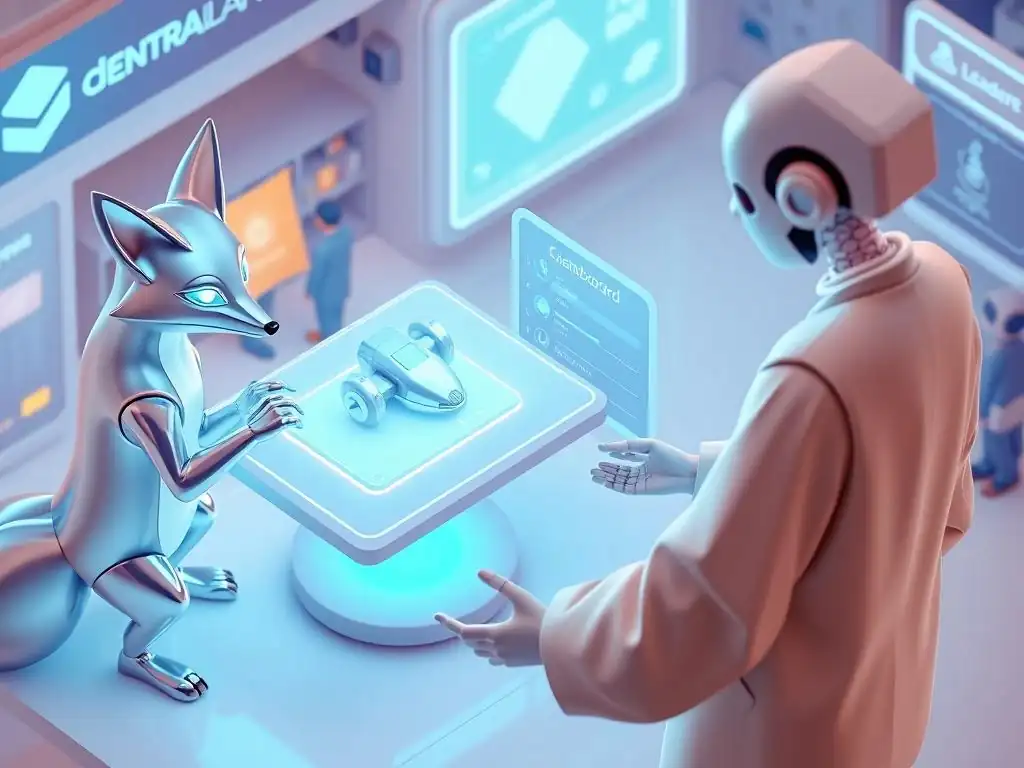
Decentraland stands as a prominent example of a metaverse platform that fully embraces NFT avatars. Within Decentraland, users are represented by avatars, and NFT avatars from various collections can be used to navigate and interact within the virtual world. Decentraland's open and decentralized nature makes it a welcoming environment for users to bring their existing NFT avatars and showcase their digital identities. The platform supports a wide range of NFT avatar standards, allowing for interoperability with avatars created on different blockchains.
In Decentraland, NFT avatars are not just visual representations; they are integral to gameplay. Users can use their avatars to explore virtual lands, attend events, socialize with other players, and participate in various activities within the metaverse. The visual style of the avatar contributes to the user's overall presence and identity within Decentraland. Furthermore, Decentraland's marketplace allows users to trade NFT avatars and other in-world assets, creating a vibrant economy around digital ownership and virtual identity. Decentraland exemplifies how NFT avatars can be seamlessly integrated into a metaverse platform to enhance user experience and digital identity representation.
The Sandbox: Showcasing NFT Avatar Utility and Benefits
The Sandbox is another leading metaverse platform that actively showcases the utility and benefits of NFT avatars. In The Sandbox, players can use NFT avatars to participate in gameplay, create experiences, and interact within the virtual world. The platform's voxel-based art style lends itself well to a wide range of avatar designs, and The Sandbox supports various NFT avatar collections, including its own native avatars and those from partner projects. The Sandbox emphasizes user-generated content and play-to-earn mechanics, and NFT avatars play a crucial role in this ecosystem.
NFT avatars in The Sandbox can have in-game utility, such as granting access to specific experiences, providing boosts to gameplay, or unlocking exclusive content. The platform's Game Maker tool allows users to create games and experiences that leverage NFT avatars and their unique traits. This empowers creators to build gameplay mechanics and rewards around NFT avatar ownership, further enhancing their value and utility. The Sandbox demonstrates how NFT avatars can be more than just collectibles; they can be integral components of a metaverse platform, driving user engagement, creativity, and economic opportunities.
The Future of NFT Avatars in Gaming: Trends and Predictions
Increased Interoperability Across Metaverses
The future of NFT avatars in gaming is strongly tied to the evolution of metaverse interoperability. Currently, the metaverse landscape is largely fragmented, with different platforms operating in silos. However, the trend is towards greater connectivity and interoperability, and NFT avatars are expected to play a key role in bridging these gaps. In the coming years, we can anticipate increased efforts to establish open standards and protocols that facilitate seamless transfer and usage of NFT avatars across multiple metaverse platforms and games.
Projects like Ready Player Me and initiatives from industry consortia are actively working towards achieving greater avatar interoperability. Technological advancements in blockchain and metaverse infrastructure will be crucial in enabling this cross-platform compatibility. The benefits of interoperable NFT avatars are substantial: users can build a persistent digital identity that transcends individual platforms, enhancing user experience and increasing the overall value proposition of NFT avatars. Interoperability is poised to become a defining feature of the next generation of metaverse gaming and digital identity.
Enhanced Customization and Personalization Options
Customization and personalization of NFT avatars are expected to become even more sophisticated and diverse in the future. As technology advances, we can anticipate more advanced avatar creation tools, allowing users to fine-tune every aspect of their digital representation. AI-powered customization tools could emerge, enabling users to generate unique avatars based on their preferences and personality traits. The level of detail and realism in avatar customization is also likely to increase, blurring the lines between digital and physical identities.
Beyond visual customization, we can also expect to see greater personalization in terms of avatar functionality and behavior. Programmable NFT avatars will likely become more prevalent, allowing for dynamic and evolving digital identities that adapt to user interactions and in-game events. Personalized emotes, animations, and social interactions will further enhance the expressiveness and individuality of NFT avatars. The future of NFT avatars lies in providing users with ever-increasing control and flexibility in shaping their digital selves.
Integration with AR/VR Technologies
The integration of NFT avatars with augmented reality (AR) and virtual reality (VR) technologies is a significant trend shaping the future of digital identity. As AR and VR become more mainstream, NFT avatars are poised to extend beyond screens and into our physical and virtual mixed realities. Imagine using your NFT avatar in AR applications to represent you in virtual meetings or social interactions overlaid onto the real world. In VR environments, NFT avatars will become even more immersive and tangible, serving as our primary representations within these digital spaces.
AR/VR integration will likely drive demand for 3D NFT avatars with high fidelity and realistic animations. The ability to seamlessly transition between using an NFT avatar in a 2D game, a VR metaverse, and an AR application will further enhance the concept of a persistent and portable digital identity. This convergence of NFT avatars with AR/VR technologies will blur the boundaries between the physical and digital worlds and create new possibilities for self-expression and social interaction in mixed reality environments.
The Rise of AI-Powered NFT Avatars
Artificial intelligence (AI) is poised to play an increasingly significant role in the evolution of NFT avatars. AI can be used to enhance various aspects of NFT avatars, from generation and customization to dynamic behavior and interaction. AI-powered algorithms can create more diverse and unique generative NFT avatar collections, ensuring greater rarity and visual appeal. AI can also be integrated into avatar customization tools, enabling users to create highly personalized avatars based on their preferences and even emotional states.
Furthermore, AI could power the dynamic behavior of NFT avatars, allowing them to react intelligently to in-game events, engage in more natural conversations, and even learn and evolve over time. AI-driven avatars could become more than just representations; they could become companions or assistants within metaverse environments. The integration of AI into NFT avatars is still in its early stages, but the potential is immense. AI-powered avatars could revolutionize digital identity and create truly intelligent and interactive virtual beings.
Challenges and Considerations for NFT Avatars in Gaming
Scalability and Performance Issues
As metaverse gaming and NFT avatar adoption grow, scalability and performance issues become critical considerations. Blockchain networks, particularly Ethereum, have faced scalability challenges, leading to high transaction fees (gas fees) and slow transaction processing times, especially during periods of high demand. These issues can impact the usability and accessibility of NFT avatars in gaming, making transactions expensive and slow. While Layer-2 scaling solutions like Polygon and sidechains are helping to mitigate these problems, scalability remains an ongoing challenge.
Performance within metaverse environments is also crucial. Rendering and processing large numbers of detailed NFT avatars in real-time can strain game engines and network infrastructure. Optimizing avatar designs, game engines, and network protocols is essential to ensure smooth and lag-free experiences, especially in densely populated metaverse worlds. Addressing scalability and performance limitations is critical for the widespread adoption and seamless integration of NFT avatars in gaming.
Security Risks and Vulnerabilities
Security is paramount in the NFT space, and NFT avatars are not immune to security risks and vulnerabilities. Smart contract vulnerabilities, phishing scams, and wallet hacks are potential threats that users need to be aware of. Exploits of smart contracts governing NFT avatars could lead to loss of ownership or unauthorized modifications. Phishing scams targeting NFT holders are increasingly common, attempting to steal private keys or wallet access. Securing cryptocurrency wallets and practicing safe online habits are essential to protect NFT avatars from theft or fraud.
Furthermore, the nascent nature of the NFT and metaverse space means that security standards and best practices are still evolving. Users need to be vigilant and informed about potential security risks and take proactive steps to protect their digital assets. Ongoing development of more secure wallet technologies, smart contract auditing practices, and user education is crucial to mitigate security risks associated with NFT avatars in gaming.
Environmental Impact of NFT Creation
The environmental impact of NFT creation, particularly on energy-intensive blockchains like Ethereum (prior to its transition to Proof-of-Stake), has been a subject of concern. The process of minting NFTs on Proof-of-Work blockchains can consume significant amounts of energy, contributing to carbon emissions. While the environmental impact of individual NFT avatars may be relatively small, the cumulative effect of large-scale NFT adoption can be substantial.
Efforts are underway to mitigate the environmental impact of NFTs. The Ethereum blockchain's transition to Proof-of-Stake significantly reduces its energy consumption. Other blockchains like Polygon and Solana, which utilize more energy-efficient consensus mechanisms, are also gaining popularity for NFT projects. Furthermore, carbon offsetting initiatives and environmentally conscious NFT platforms are emerging. As the NFT space matures, greater emphasis on sustainability and environmentally friendly practices is crucial.
Regulation and Legal Frameworks for NFT Avatars
The regulatory and legal frameworks surrounding NFTs, including NFT avatars, are still evolving and remain uncertain in many jurisdictions. The legal classification of NFTs, their ownership rights, and tax implications are areas that are subject to ongoing debate and regulatory scrutiny. The lack of clear legal frameworks can create uncertainty for users and developers in the NFT avatar space. Governments and regulatory bodies are beginning to pay closer attention to the NFT market, and new regulations are likely to emerge in the future.
Compliance with existing and future regulations is a key consideration for NFT avatar projects and metaverse gaming platforms. Understanding the legal implications of NFT ownership, transfer, and usage is crucial for both users and developers. The evolving regulatory landscape necessitates ongoing monitoring and adaptation within the NFT avatar space to ensure legal compliance and protect user rights.
Conclusion: NFT Avatars - Shaping the Future of Digital Identity in Metaverse Gaming
NFT avatars are more than just digital images; they are rapidly becoming fundamental building blocks of digital identity in the metaverse gaming landscape. They offer enhanced ownership, interoperability potential, and unique gaming experiences, transforming how players engage with virtual worlds and represent themselves within them. From 2D pixel art to dynamic 3D models, NFT avatars provide diverse options for self-expression and personalization, driving a new era of digital ownership and player empowerment.
While challenges related to scalability, security, environmental impact, and regulation remain, the future of NFT avatars in gaming is bright. Continued technological advancements, increasing interoperability, and growing mainstream adoption point towards a metaverse where NFT avatars are central to our digital lives. As the metaverse evolves, NFT avatars are poised to shape the future of digital identity, blurring the lines between the physical and virtual worlds and offering new ways to connect, interact, and express ourselves in the digital age.
Frequently Asked Questions
What are NFT avatars and how do they relate to metaverse gaming?
NFT avatars are unique digital assets representing a player's identity. They are non-fungible tokens (NFTs) that can be used across different metaverse gaming platforms, providing a consistent digital persona.
How do NFT avatars enhance the gaming experience in the metaverse?
NFT avatars offer enhanced ownership and customization, allowing players to truly own their in-game identity. They also enable interoperability, letting players use their avatars across multiple games and virtual worlds.
What benefits do NFT avatars offer to game developers?
NFT avatars can create new revenue streams through avatar sales and customization options. They also foster stronger community engagement by allowing players to express themselves uniquely.
What are some of the challenges associated with using NFT avatars in metaverse gaming?
Challenges include scalability issues with blockchain technology, high transaction fees that can deter adoption, and concerns about intellectual property and copyright infringement.
How might regulations impact the use of NFT avatars in metaverse gaming?
Regulations could address ownership rights, data privacy, and consumer protection related to NFT avatars. This may lead to standardized frameworks and increased user confidence in the metaverse gaming space.
Final Reflection: Embracing Identity in the Digital Frontier
The exploration of NFT avatars in metaverse gaming reveals more than just technological advancement; it signifies a fundamental shift in how we perceive and project our identities in the digital realm. What began as a niche concept is rapidly evolving into a cornerstone of metaverse experiences, offering unprecedented opportunities for self-expression and ownership within these virtual worlds. The potential for these avatars to become integral parts of our digital identities is undeniable, shaping how we interact, collaborate, and even build communities in the metaverse.
The rise of NFT avatars has profoundly influenced the cultural landscape of gaming, fostering a deeper sense of connection and belonging. This evolution resonates deeply, reminding us that our digital selves are extensions of our real-world identities, deserving of the same care and consideration. Identity is a concept that is constantly evolving, shaped by our experiences and interactions with the world around us. In the metaverse, NFT avatars provide a unique canvas for this evolution, allowing us to craft and express our identities in ways never before imagined.
As we stand at the cusp of a more interconnected and immersive metaverse, let us consider the power and responsibility that comes with crafting our digital personas. Embrace the opportunity to explore the boundless possibilities of NFT avatars, not just as mere representations, but as vessels of creativity, connection, and self-discovery. The future of identity in the metaverse is being written now, and your avatar is your voice in this unfolding narrative.
Unleash Your Metaverse Persona: Craft Your NFT Avatar Today!
Thanks for exploring the world of NFT avatars and how they're transforming digital identity in gaming! You now have a solid understanding of how these unique tokens enable you to express yourself across various metaverse platforms. Ready to get started?
Here are a few ways you can begin your NFT avatar journey:
- Start designing your own unique NFT avatar! Use different creation tools and platforms to bring your vision to life. This is your opportunity to own a truly one-of-a-kind digital representation.
- Join online communities dedicated to NFT avatars and metaverse gaming. Share your ideas, discover new projects, and connect with fellow enthusiasts.
- Explore the legal and ethical considerations surrounding NFT ownership and digital identity. Staying informed will help you navigate this evolving landscape responsibly.
What unique features will your NFT avatar showcase to represent your digital self in the metaverse? Let us know in the comments!
Leave a Reply