
Public Key Infrastructure (PKI) and Blockchain: Enhancing Trust and Security

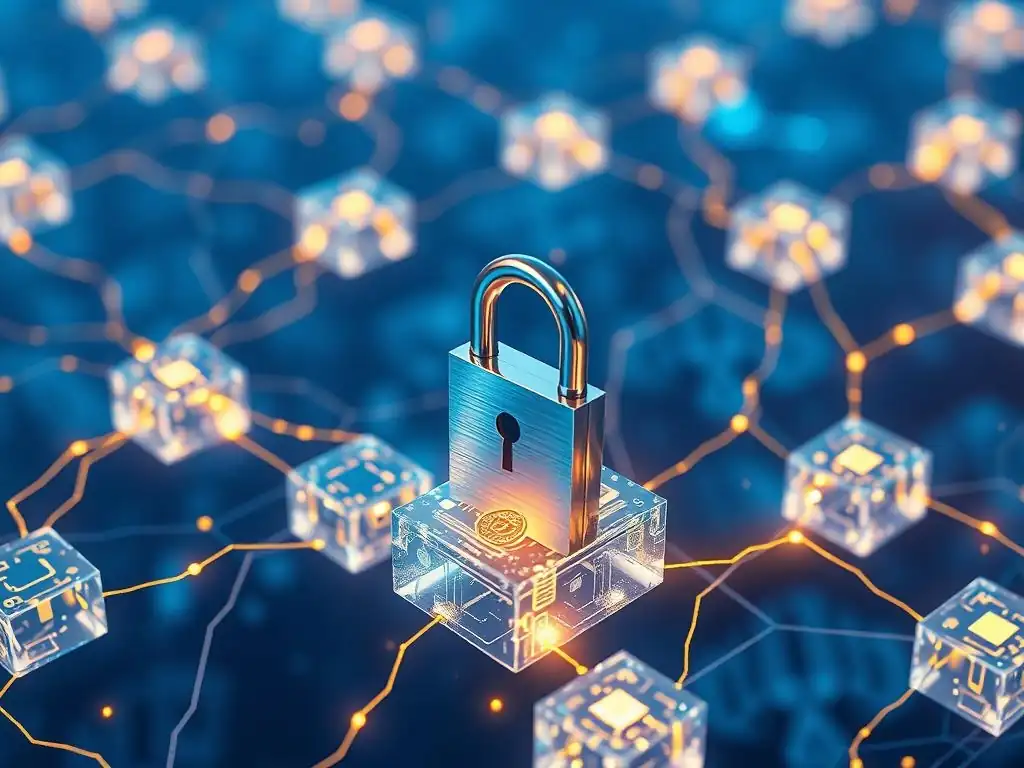
Welcome to Blockchain Trends, your guide to understanding the revolutionary potential of blockchain beyond the hype. Delve into the fascinating world of decentralized finance, enterprise solutions, and the evolving regulatory landscape. Ever wondered how to truly secure a blockchain-based system? Our deep dive explores a critical component often overlooked: Blockchain PKI security trust. Discover how Public Key Infrastructure (PKI) can enhance security and build a more trustworthy future for decentralized systems. Keep reading to unlock the secrets!
Public Key Infrastructure (PKI) and Blockchain: Enhancing Trust and Security
- Introduction: The Synergy Between Blockchain and PKI for Enhanced Security
- Demystifying Public Key Infrastructure (PKI)
- Blockchain Security Challenges and the Role of PKI
- PKI-Enabled Blockchain: Use Cases and Applications
- Comparing Traditional PKI with Blockchain-Based PKI Solutions
- Implementing PKI in Blockchain Networks: A Practical Guide
- The Future of Blockchain PKI: Trends and Innovations
- Conclusion: Blockchain PKI for a More Secure and Trustworthy Future
-
Frequently Asked Questions
- How does blockchain enhance Public Key Infrastructure (PKI) security?
- What role does blockchain play in addressing the trust issues associated with traditional PKI systems?
- What are some potential enterprise applications of combining blockchain and PKI?
- How is the regulation of PKI systems impacted by the integration of blockchain technology?
- What is the future outlook for the convergence of blockchain and PKI in decentralized systems?
- Final Reflection: Forging Trust in the Digital Frontier
- Embark on Your Journey to PKI and Blockchain Mastery!
Introduction: The Synergy Between Blockchain and PKI for Enhanced Security
Understanding the Foundations: Blockchain Technology and Public Key Infrastructure
Blockchain technology, at its core, is a decentralized, distributed, and immutable ledger system. It achieves security and trust through cryptographic hashing, consensus mechanisms, and distributed data storage. Transactions are grouped into blocks, cryptographically linked and secured, forming a chain. This structure inherently provides a degree of security against tampering and unauthorized modifications, making it ideal for applications requiring transparency and data integrity. However, while blockchain excels in data immutability and transactional transparency, it doesn't inherently solve all aspects of security, particularly concerning identity verification and secure key management in certain application scenarios.
Public Key Infrastructure (PKI), on the other hand, is a well-established framework for managing digital certificates and public-key cryptography. It provides a hierarchical system to verify the identity of users, devices, and applications in a digital environment. PKI relies on Certificate Authorities (CAs) to issue and manage digital certificates, which bind a public key to an identity.
This framework is crucial for establishing trust in online transactions and communications, ensuring that entities are who they claim to be and that communications are encrypted and secure. While PKI has been a cornerstone of internet security for decades, it also faces challenges related to centralization and potential single points of failure.
Why Blockchain Needs PKI: Addressing Security Gaps
Although blockchain offers robust security features, it's not a panacea for all security concerns. In many real-world applications, especially in enterprise settings, the need for strong identity verification and secure key management goes beyond what basic blockchain functionalities provide. For example, in permissioned blockchains or enterprise blockchain applications, knowing the identity of participants and controlling access based on verified identities is paramount. Blockchain itself primarily ensures transactional integrity and data immutability but may not natively offer sophisticated mechanisms for verifying the real-world identity of participants or managing access control based on granular roles and permissions tied to verified identities.
PKI can effectively complement blockchain by addressing these gaps. By integrating PKI with blockchain, we can enhance identity management within blockchain networks. PKI provides a robust framework for issuing and managing digital certificates, which can be used to verify the identities of participants interacting with the blockchain.
This integration allows for stronger authentication mechanisms, ensuring that only verified and authorized entities can access specific functionalities or data within the blockchain ecosystem. Furthermore, PKI can improve key management practices within blockchain environments, offering a standardized and trusted way to manage and distribute cryptographic keys, which is crucial for secure communication and data encryption in blockchain applications.
Demystifying Public Key Infrastructure (PKI)
What is PKI? A Comprehensive Overview
Public Key Infrastructure (PKI) is a set of roles, policies, hardware, software, and procedures needed to create, manage, distribute, use, store, and revoke digital certificates and manage public-key encryption. In essence, PKI is the framework that enables secure, encrypted communication and trusted digital identities across the internet and within private networks. It's the underlying technology that makes secure e-commerce, online banking, and secure email possible. PKI's primary goal is to ensure confidentiality, integrity, authentication, and non-repudiation in digital communications and transactions.
PKI provides a hierarchical trust model, usually anchored by one or more root Certificate Authorities (CAs). These CAs are trusted third parties that vouch for the identities of individuals, organizations, or devices. Through digital certificates, PKI establishes a link between an identity and a public key, allowing others to verify that the public key genuinely belongs to the claimed entity. This verification process is fundamental for establishing trust in digital interactions, ensuring that users can confidently interact and transact online knowing that they are communicating with the intended party and that their communications are protected.
Core Components of a PKI System: Certificates, CAs, and More
A PKI system comprises several essential components working in concert to provide its security and trust functions. Digital certificates are at the heart of PKI. These electronic documents bind a public key to an identity and are digitally signed by a Certificate Authority (CA). A CA is a trusted entity responsible for issuing, managing, and revoking digital certificates. Examples of well-known CAs include Let's Encrypt, DigiCert, and Sectigo. Registration Authorities (RAs) are often used to verify the identity of certificate applicants before a CA issues a certificate, acting as intermediaries between users and CAs.
The PKI also includes certificate repositories, which are publicly accessible databases for storing and retrieving certificates, and certificate revocation lists (CRLs) or Online Certificate Status Protocol (OCSP) responders, which provide information about the revocation status of certificates. Policies and procedures are crucial elements defining how the PKI operates, outlining rules for certificate issuance, usage, and management. These components work together to create a robust and trustworthy system for managing digital identities and enabling secure communication.
How PKI Works: The Certificate Lifecycle Explained
The lifecycle of a digital certificate within a PKI framework involves several key stages, from its initial request to its eventual expiration or revocation. The process begins with certificate enrollment, where an entity (user, device, or application) requests a certificate from a CA. This request typically includes the entity's public key and identifying information.
The Registration Authority (RA) then verifies the applicant's identity according to established policies. Upon successful verification, the CA issues a digital certificate, digitally signing it with its own private key. This digital signature assures relying parties that the certificate is valid and issued by a trusted CA.
Once issued, the certificate is distributed to the entity and often published in a certificate repository. Entities can then use their certificates for various purposes, such as secure communication (TLS/SSL), digital signatures, and authentication. Throughout its validity period, the certificate may be used repeatedly.
However, circumstances may arise where a certificate needs to be revoked before its natural expiration date, such as if the private key is compromised or the certificate holder's affiliation changes. Revocation information is published through CRLs or OCSP, ensuring that relying parties can verify the current validity status of a certificate before trusting it. After the certificate's validity period expires, it is no longer considered valid and should not be used for secure operations.
Blockchain Security Challenges and the Role of PKI
Addressing Blockchain's Inherent Security Limitations
While blockchain technology is lauded for its security features, it does have limitations, particularly in areas that PKI excels in addressing. Blockchain's security primarily focuses on data integrity and immutability, ensuring that transactions are recorded accurately and cannot be tampered with retrospectively. However, blockchain itself doesn't inherently solve the problem of verifying the real-world identity of participants in a transaction or network. For public, permissionless blockchains, pseudonymity is often a feature, but in enterprise or permissioned settings, knowing the actual identities behind transactions is frequently crucial for compliance and accountability.
Furthermore, while blockchain provides mechanisms for key management, these may not always be as robust or standardized as those offered by established PKI frameworks. Managing private keys securely is paramount in blockchain, and weaknesses in key management can undermine the entire security model.
Blockchain's native security mechanisms may not always provide the granular access control and identity-based security policies required in complex enterprise environments. For instance, controlling access to specific data or functionalities based on verified user roles and permissions is often a requirement that is better addressed by integrating with a system like PKI that is specifically designed for identity management and access control.
PKI as a Solution: Strengthening Identity Verification and Access Control in Blockchain Networks
Public Key Infrastructure (PKI) offers a robust and proven solution to enhance identity verification and access control within blockchain networks. By integrating PKI, blockchain systems can leverage digital certificates to establish and verify the identities of participants, devices, and applications interacting with the blockchain.
This integration allows for a more secure and controlled environment, especially crucial for permissioned or consortium blockchains where knowing and verifying the identity of each participant is essential for trust and compliance. PKI provides a framework for linking real-world identities to cryptographic keys used within the blockchain, bridging the gap between blockchain's cryptographic security and real-world identity verification.
PKI enables the implementation of granular access control policies based on verified identities. Digital certificates issued and managed by a PKI can be used to authenticate users and devices attempting to access blockchain resources or perform transactions.
This allows for the creation of role-based access control (RBAC) systems within blockchain networks, where access to specific data or functionalities is granted based on the verified role and identity of the user, as confirmed by their digital certificate. This enhanced identity verification and access control significantly strengthens the overall security posture of blockchain applications, particularly in enterprise contexts where regulatory compliance and data protection are paramount.
Use Cases: Securing Blockchain Applications with PKI
The integration of PKI and blockchain unlocks a range of enhanced security applications across various industries. In supply chain management, PKI certificates can be used to verify the identity of each participant in the supply chain, from manufacturers to distributors to retailers, ensuring authenticity and preventing counterfeit goods from entering the chain.
Each entity can use a PKI certificate to digitally sign data recorded on the blockchain, providing irrefutable proof of origin and custody. In financial services, PKI can secure blockchain-based payment systems and digital asset exchanges by verifying the identities of users and institutions involved in transactions, enhancing security and complying with KYC (Know Your Customer) and AML (Anti-Money Laundering) regulations.
Healthcare is another sector where PKI-enhanced blockchain can be transformative. Securely managing patient data on a blockchain requires robust identity verification and access control. PKI certificates can be used to authenticate healthcare providers and patients, ensuring that only authorized individuals can access sensitive medical records stored on the blockchain. Furthermore, in government applications, PKI can secure blockchain-based voting systems or digital identity platforms, providing a verifiable and trustworthy mechanism for citizen identification and secure online services. These use cases demonstrate the broad applicability of PKI in securing diverse blockchain applications, enhancing trust and security in various sectors.
PKI-Enabled Blockchain: Use Cases and Applications
Secure Digital Identity on the Blockchain using PKI
One of the most compelling applications of PKI-enabled blockchain is the creation of secure and verifiable digital identities. Traditional digital identity systems often suffer from centralization and vulnerabilities to data breaches. By leveraging blockchain's decentralized and immutable nature combined with PKI's robust identity verification capabilities, we can create self-sovereign identity (SSI) solutions. In an SSI model powered by blockchain and PKI, individuals have greater control over their digital identities. They can store verifiable credentials issued by trusted authorities (like governments or educational institutions) on a blockchain and selectively share them with relying parties as needed.
PKI plays a crucial role in this scenario by providing the mechanism for issuing and verifying these verifiable credentials. CAs can issue digital certificates to individuals, attesting to specific attributes or claims (e.g., age, nationality, qualifications). These certificates can then be anchored on the blockchain, providing a tamper-proof record of the credential.
When an individual needs to prove a certain attribute, they can present the corresponding verifiable credential, which can be cryptographically verified against the blockchain and the issuing CA's certificate. This approach enhances user privacy, reduces reliance on centralized identity providers, and increases the security and trustworthiness of digital identity management.
Enhanced Data Integrity and Authenticity with Blockchain PKI Integration
Integrating PKI with blockchain significantly enhances data integrity and authenticity for information stored on the blockchain. While blockchain inherently provides data immutability, PKI adds another layer of assurance by verifying the source and integrity of the data at the point of entry. Using PKI certificates, entities can digitally sign the data they write onto the blockchain.
This digital signature acts as a cryptographic fingerprint, guaranteeing that the data originated from the claimed source and has not been altered in transit. Anyone verifying the data on the blockchain can use the corresponding public key from the certificate to validate the digital signature and confirm the data's authenticity and integrity.
This is particularly valuable in applications where data provenance and audit trails are critical. For instance, in pharmaceutical supply chains, tracking the journey of drugs from manufacturing to dispensing requires ensuring the integrity of data recorded at each step. By using PKI to digitally sign each data entry on the blockchain, stakeholders can confidently verify the authenticity and provenance of each batch of medication, reducing the risk of counterfeit drugs entering the market. Similarly, in legal document management or intellectual property protection, PKI-signed blockchain records can provide irrefutable evidence of document authenticity and timestamps, enhancing trust and legal validity.
Supply Chain Management: Tracking and Verifying Product Provenance with PKI and Blockchain
Supply chain management is a prime area where the synergy of blockchain and PKI can deliver significant improvements in transparency, security, and efficiency. Global supply chains are often complex and opaque, making it challenging to track products from origin to consumer and verify their authenticity and provenance.
By leveraging blockchain as a shared, immutable ledger and PKI for identity verification and data signing, we can create more transparent and trustworthy supply chain ecosystems. Each participant in the supply chain, from manufacturers to logistics providers to retailers, can be issued PKI certificates to establish their verified identity within the blockchain network.
As products move through the supply chain, each entity can use their PKI certificate to digitally sign data recorded on the blockchain, such as product origin, manufacturing date, handling conditions, and custody transfers. This creates an auditable and tamper-proof record of the product's journey. Consumers or regulators can then verify the product's provenance by examining the blockchain records and validating the digital signatures using the PKI certificates of the involved entities.
This enhanced traceability and verification capability helps combat counterfeiting, improve product safety, and build consumer trust in the authenticity and ethical sourcing of goods. Real-world examples include tracking ethically sourced coffee beans or verifying the authenticity of luxury goods using blockchain and PKI.
Securing IoT Devices on Blockchain Networks with PKI Authentication
The proliferation of Internet of Things (IoT) devices presents both opportunities and security challenges. Integrating IoT devices with blockchain networks can enable secure data exchange and automated operations. However, securing these devices and ensuring their authenticity is crucial. PKI offers a robust solution for authenticating IoT devices and securing their communication within blockchain ecosystems. Each IoT device can be provisioned with a digital certificate issued by a PKI. This certificate serves as a unique and verifiable identity for the device.
When an IoT device interacts with the blockchain network, it can use its PKI certificate to authenticate itself and establish secure communication channels. This prevents unauthorized devices from accessing the network or injecting malicious data. Furthermore, PKI can be used to manage the lifecycle of IoT device identities, including secure provisioning, updates, and revocation if a device is compromised.
For example, in a smart city application using blockchain for data management from various sensors (traffic, environmental, etc. ), PKI ensures that only authenticated sensors can contribute data to the blockchain, preventing data spoofing and maintaining the integrity of the information used for city management and decision-making. This combination of blockchain and PKI is critical for building secure and scalable IoT solutions.
Comparing Traditional PKI with Blockchain-Based PKI Solutions
Decentralized PKI: Leveraging Blockchain for Certificate Management
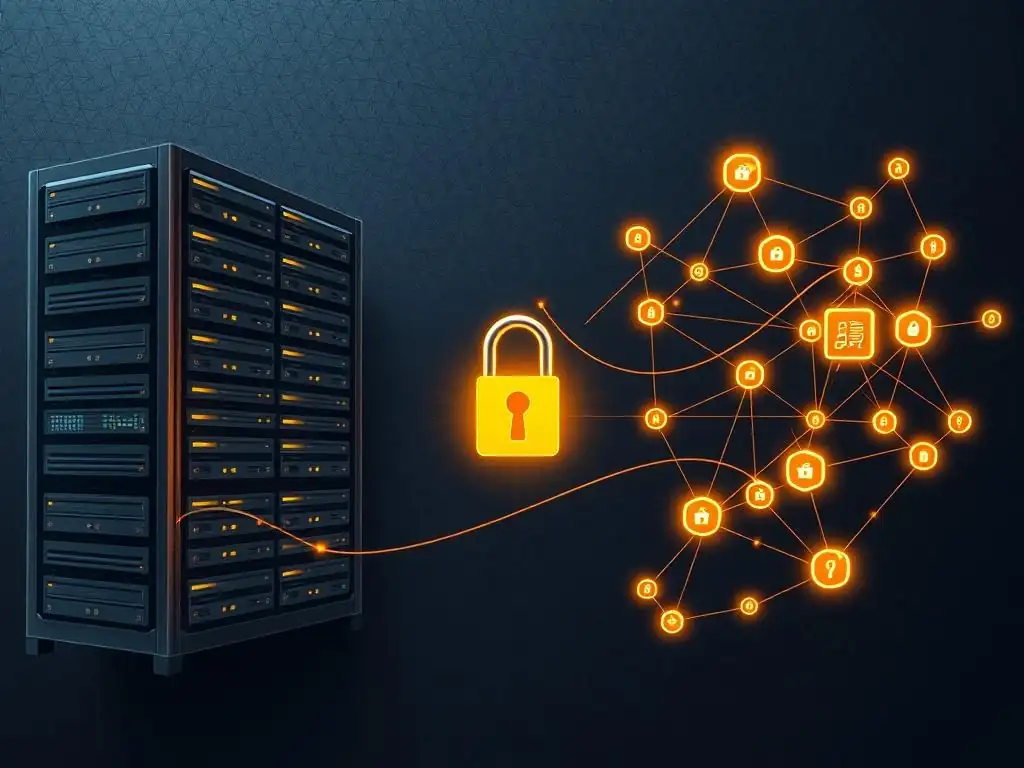
Traditional PKI relies on a centralized infrastructure, with Certificate Authorities (CAs) acting as central points of trust and control. While effective, this centralized model has limitations, including single points of failure, potential for CA compromise, and lack of transparency in CA operations. Blockchain technology offers the potential to decentralize PKI, creating more robust, transparent, and resilient certificate management systems. Decentralized PKI, or blockchain-based PKI, leverages the distributed ledger technology of blockchain to manage certificate issuance, revocation, and verification.
In a decentralized PKI system, the functions of a traditional CA can be distributed across a network of nodes on a blockchain. Certificate issuance requests, revocation updates, and certificate status information can be recorded on the blockchain, creating a transparent and auditable record of all certificate-related operations. Consensus mechanisms in the blockchain ensure the integrity and immutability of this record, reducing the reliance on a single central authority.
This approach enhances the resilience of the PKI system, as there is no single point of failure. It also increases transparency, as all certificate-related activities are recorded on the publicly auditable blockchain.
Advantages of Blockchain PKI Over Traditional PKI
Blockchain-based PKI offers several potential advantages over traditional centralized PKI systems. Enhanced transparency is a key benefit. All certificate operations recorded on a blockchain are publicly auditable, increasing trust in the system and reducing concerns about opaque CA practices. Decentralization eliminates single points of failure inherent in traditional PKI, making the system more resilient to attacks and outages. Improved security can be achieved through the cryptographic security of blockchain and the distribution of CA functions. Furthermore, blockchain PKI can potentially reduce costs associated with traditional PKI infrastructure, as it can leverage existing blockchain networks and distributed computing resources.
Blockchain PKI can also facilitate greater automation in certificate management. Smart contracts on the blockchain can automate certificate issuance, renewal, and revocation processes based on predefined rules and conditions, reducing manual intervention and improving efficiency. Self-sovereign identity (SSI) initiatives can also benefit from blockchain PKI, as it aligns with the principles of user control and decentralization. By leveraging blockchain for certificate management, individuals can have greater control over their digital identities and verifiable credentials, enhancing privacy and autonomy.
Challenges and Considerations for Implementing Blockchain PKI
Despite the potential benefits, implementing blockchain-based PKI also presents challenges and considerations. Scalability is a major concern. Public blockchains may not be able to handle the high volume of certificate operations required for large-scale PKI deployments. Permissioned blockchains might offer better scalability but introduce different trade-offs in terms of decentralization and accessibility. Performance can also be an issue, as blockchain transactions can have latency, which might impact the responsiveness of certificate validation processes. Interoperability with existing systems is another challenge. Integrating blockchain PKI with legacy systems and traditional PKI infrastructures requires careful planning and standardization efforts.
Governance and regulatory compliance are crucial considerations. Defining the governance model for a decentralized PKI and ensuring compliance with relevant regulations and industry standards requires careful thought and collaboration among stakeholders. Key management in a decentralized PKI environment also needs to be addressed carefully. While blockchain can enhance key management, secure storage and access to private keys remain critical. Finally, the maturity of blockchain PKI solutions is still evolving. While the concept is promising, practical implementations and widespread adoption are still in their early stages compared to well-established traditional PKI systems.
Implementing PKI in Blockchain Networks: A Practical Guide
Choosing the Right PKI Solution for Your Blockchain Project
Selecting the appropriate PKI solution for a blockchain project is a critical decision that depends on various factors, including the type of blockchain, security requirements, scalability needs, and budget constraints. For permissioned or private blockchains, organizations might choose to deploy their own private PKI, offering greater control and customization. This approach allows for tailoring the PKI to specific organizational policies and security requirements. Alternatively, organizations can leverage managed PKI services from third-party providers, which can simplify deployment and management but might involve less customization and control.
For public or consortium blockchains, decentralized PKI solutions or hybrid approaches that combine elements of traditional and blockchain PKI might be more suitable. When evaluating PKI solutions, it's essential to consider factors like certificate types supported (e.g., X.509, attribute certificates), compliance with industry standards (e.g., WebTrust, ETSI), integration capabilities with blockchain platforms, key management features, and the reputation and reliability of the PKI provider or solution. A thorough assessment of these factors will help ensure that the chosen PKI solution effectively meets the security and operational needs of the blockchain project.
Integrating PKI into Existing Blockchain Platforms: Hyperledger Fabric Example
Integrating PKI into existing blockchain platforms like Hyperledger Fabric involves leveraging the platform's architecture to incorporate PKI functionalities for identity management and access control. Hyperledger Fabric, for instance, is designed with a modular architecture that supports pluggable identity management and membership service providers (MSPs). PKI can be integrated into Hyperledger Fabric by configuring the MSP to use digital certificates issued by a chosen PKI. Organizations participating in the Fabric network can obtain digital certificates from a compatible CA and configure their nodes and client applications to use these certificates for authentication and authorization.
Within Hyperledger Fabric, PKI certificates are used to identify members of the network, authenticate transactions, and enforce access control policies. The MSP component validates the digital signatures on transactions using the public keys embedded in the certificates. Fabric's channel-based architecture allows for fine-grained access control, where different channels can have different MSP configurations and PKI policies.
Integrating PKI into Hyperledger Fabric enhances the platform's security by providing a robust and standardized mechanism for identity verification and access management, making it suitable for enterprise-grade blockchain applications requiring strong security and compliance. Similar integration approaches can be applied to other permissioned blockchain platforms with appropriate architectural considerations.
Best Practices for Secure Key Management in Blockchain PKI Environments
Secure key management is paramount in blockchain PKI environments. Private keys are the foundation of cryptographic security, and their compromise can undermine the entire system. Best practices for secure key management include using hardware security modules (HSMs) or secure enclaves to generate and store private keys. HSMs provide a tamper-resistant environment for key storage and cryptographic operations, significantly enhancing key security. Implementing strong access control policies to restrict access to private keys is crucial. Principle of least privilege should be applied, granting access only to authorized personnel and systems.
Regularly rotating cryptographic keys and certificates is another important best practice. Key rotation limits the impact of potential key compromise and reduces the lifespan of any single key. Implementing robust backup and recovery procedures for private keys is essential for business continuity but should be balanced with security considerations to prevent unauthorized access during recovery.
Auditing key management processes and systems regularly helps identify and address vulnerabilities. Educating personnel involved in key management about security best practices and potential threats is also crucial for maintaining a strong security posture in blockchain PKI environments. Adhering to these best practices minimizes the risk of key compromise and ensures the ongoing security and trustworthiness of the blockchain PKI system.
The Future of Blockchain PKI: Trends and Innovations
Self-Sovereign Identity (SSI) and Blockchain PKI Convergence
Self-Sovereign Identity (SSI) is a rapidly evolving concept that empowers individuals with greater control over their digital identities. The convergence of SSI and blockchain PKI is a significant trend shaping the future of digital identity management. Blockchain provides the decentralized infrastructure for SSI, enabling individuals to store and manage their verifiable credentials in a secure and tamper-proof manner. PKI provides the established framework for issuing and verifying these verifiable credentials, ensuring trust and interoperability. The combination of blockchain and PKI is crucial for realizing the full potential of SSI.
In an SSI ecosystem powered by blockchain PKI, individuals can obtain verifiable credentials from trusted issuers (e.g., government IDs, educational diplomas) and store them in a digital wallet controlled by their private keys. When needing to prove an attribute or identity, individuals can selectively present these verifiable credentials to relying parties without disclosing unnecessary personal information.
PKI ensures that these credentials are cryptographically signed and verifiable, while blockchain provides the immutable ledger for recording and managing credential issuance and revocation. This convergence is driving the development of more user-centric, privacy-preserving, and secure digital identity solutions, with potential applications across various sectors, including finance, healthcare, and government services.
Advancements in Cryptographic Algorithms for Enhanced Blockchain PKI Security
Continuous advancements in cryptographic algorithms are crucial for maintaining and enhancing the security of blockchain PKI systems. As computing power increases and new attack vectors emerge, it's essential to adopt more robust and resilient cryptographic techniques. Post-quantum cryptography (PQC) is gaining increasing attention as a response to the potential threat posed by quantum computers to current cryptographic algorithms like RSA and ECC, which are widely used in PKI and blockchain. Research and standardization efforts are underway to develop PQC algorithms that are resistant to attacks from both classical and quantum computers.
Integrating PQC algorithms into blockchain PKI systems will be essential for ensuring long-term security, particularly for applications requiring high levels of security and longevity of data. Beyond PQC, advancements in other cryptographic areas, such as homomorphic encryption and zero-knowledge proofs, also hold promise for enhancing privacy and security in blockchain PKI.
Homomorphic encryption allows computations to be performed on encrypted data without decryption, while zero-knowledge proofs enable proving the validity of a statement without revealing the underlying information. These cryptographic innovations can further strengthen the security and privacy features of blockchain PKI, making it even more robust and versatile for various applications.
Regulatory Landscape: Compliance and Standardization for Blockchain PKI
The regulatory landscape for blockchain PKI is still evolving, but compliance and standardization are becoming increasingly important for wider adoption, particularly in regulated industries. As blockchain PKI moves beyond early adoption and into mainstream applications, regulatory frameworks need to adapt to address the unique characteristics of decentralized and blockchain-based identity and security solutions. Existing regulations related to digital signatures, electronic identification, and data protection (e.g., GDPR, eIDAS, CCPA) are relevant to blockchain PKI and need to be considered in implementation and deployment.
Standardization efforts are crucial for ensuring interoperability and trust in blockchain PKI systems. Industry standards bodies and consortia are working on developing standards for blockchain-based identity, verifiable credentials, and decentralized PKI. These standards aim to promote interoperability between different blockchain PKI solutions, facilitate cross-border recognition of digital identities, and establish best practices for security and privacy. Compliance with relevant regulations and adherence to emerging standards will be essential for building trust and fostering wider adoption of blockchain PKI across various sectors and jurisdictions, paving the way for a more secure and interoperable digital future.
Conclusion: Blockchain PKI for a More Secure and Trustworthy Future
The Transformative Potential of Integrating PKI with Blockchain
The integration of Public Key Infrastructure (PKI) with blockchain technology represents a transformative approach to enhancing trust and security in the digital world. By combining the strengths of both technologies, we can address critical security challenges in various applications, ranging from digital identity management to supply chain transparency and IoT security. Blockchain provides the decentralized, immutable, and transparent foundation, while PKI offers the established framework for identity verification, secure key management, and trusted digital certificates. This synergy creates a powerful combination that goes beyond the capabilities of either technology alone.
The transformative potential lies in the ability to build more secure, trustworthy, and user-centric digital ecosystems. PKI-enhanced blockchain can enable self-sovereign identity solutions, empower individuals with greater control over their digital identities, and enhance privacy and security in online interactions. It can also improve data integrity and authenticity, strengthen supply chain transparency, and secure the rapidly expanding landscape of IoT devices. As blockchain technology matures and PKI evolves to embrace decentralized models, the integration of these two technologies will play an increasingly vital role in shaping a more secure and trustworthy digital future.
Key Takeaways: Blockchain PKI Security Trust for Enterprise Adoption
For enterprises considering blockchain adoption, understanding the role of PKI in enhancing security and trust is crucial. Blockchain PKI security trust is not just a theoretical concept but a practical necessity for many enterprise applications, especially in permissioned blockchain environments. Key takeaways for enterprise adoption include recognizing that blockchain alone may not address all security requirements, particularly in identity verification and access control. PKI provides a proven and standardized framework to complement blockchain's security features, enhancing identity management, data integrity, and overall system security.
Enterprises should evaluate different PKI solutions and integration approaches to find the best fit for their specific blockchain projects and security needs. Considering both traditional and blockchain-based PKI options and carefully assessing scalability, interoperability, and compliance requirements is important. Secure key management is paramount in blockchain PKI environments, and enterprises must implement robust key management practices to protect private keys. By strategically integrating PKI into their blockchain initiatives, enterprises can build more secure, trustworthy, and compliant blockchain applications, accelerating enterprise adoption and unlocking the full potential of blockchain technology.
Final Thoughts: Embracing Blockchain PKI for Enhanced Digital Security
Embracing the synergy between blockchain and Public Key Infrastructure (PKI) is essential for achieving enhanced digital security and fostering greater trust in online systems. Blockchain PKI security trust is not just a technical integration but a strategic imperative for building a more secure and trustworthy digital future. As we move towards increasingly interconnected and decentralized digital ecosystems, the combined strengths of blockchain and PKI offer a powerful pathway to address evolving security challenges and unlock new opportunities.
By leveraging blockchain for transparency, immutability, and decentralization, and PKI for identity verification and secure key management, we can create digital systems that are not only more secure but also more user-centric and resilient. The ongoing innovation in both blockchain and PKI technologies, particularly in areas like decentralized PKI, self-sovereign identity, and post-quantum cryptography, promises to further enhance the capabilities and applicability of this powerful combination. Embracing blockchain PKI is a crucial step towards building a more secure, trustworthy, and prosperous digital world for individuals, organizations, and society as a whole.
Frequently Asked Questions
How does blockchain enhance Public Key Infrastructure (PKI) security?
Blockchain provides an immutable and transparent ledger for recording certificate issuance and revocation, improving trust. This makes it harder for attackers to compromise the system and create fake certificates.
What role does blockchain play in addressing the trust issues associated with traditional PKI systems?
Traditional PKI relies on a centralized Certificate Authority (CA), which can be a single point of failure. Blockchain distributes the trust across the network, making it more resilient.
What are some potential enterprise applications of combining blockchain and PKI?
Supply chain management, identity management, and secure data sharing are all potential applications. The increased security and transparency can significantly improve efficiency and reduce risks.
How is the regulation of PKI systems impacted by the integration of blockchain technology?
The use of blockchain in PKI can potentially simplify regulatory compliance by providing a verifiable audit trail of certificate activities. However, regulators are still grappling with the implications.
What is the future outlook for the convergence of blockchain and PKI in decentralized systems?
The future looks promising, with the potential for more secure and decentralized digital identities and transactions. Further research and development are needed to overcome scalability and interoperability challenges.
Final Reflection: Forging Trust in the Digital Frontier
The exploration of Public Key Infrastructure (PKI) and its synergistic relationship with blockchain technology reveals a powerful convergence, highlighting the critical importance of establishing verifiable trust in an increasingly decentralized world. As digital interactions become more prevalent, the need for robust security mechanisms that can guarantee authenticity and integrity is paramount, making the integration of PKI and blockchain not just a technological advancement, but a fundamental requirement for secure and reliable digital ecosystems.
This fusion of PKI and blockchain is not merely a theoretical exercise; it's actively reshaping how we approach security and trust in various sectors. Witnessing the potential of this technology to revolutionize supply chain management, digital identity verification, and secure data sharing underscores its profound impact on our future. Trust is the bedrock of any successful relationship, and in the digital realm, PKI and blockchain are laying the foundation for a more trustworthy and secure future.
This quote encapsulates the essence of our journey, emphasizing the ongoing influence of these technologies in fostering confidence and transparency.
As we conclude this exploration, I invite you to consider how these principles of enhanced security and verifiable trust can be applied in your own digital endeavors. Whether you are a developer, a business leader, or simply a concerned citizen, the lessons learned from the integration of PKI and blockchain offer valuable insights into building a more secure and trustworthy digital world. Embrace the potential of these technologies, and let us collectively forge a future where trust is not just an aspiration, but a fundamental building block of our digital reality.
Okay, I understand. Here's a CTA tailored to the "Public Key Infrastructure (PKI) and Blockchain: Enhancing Trust and Security" article for blockchaintrends.org:
Embark on Your Journey to PKI and Blockchain Mastery!
Thank you for delving into the world of PKI and Blockchain and understanding how they synergize to build more secure and trustworthy systems! Now that you're equipped with this knowledge, it's time to put it into action.
Here are a few ways you can continue your exploration:
- Dive Deeper: Begin researching real-world applications where PKI enhances Blockchain security in areas that interest you. Look for specific use cases and the benefits they achieve.
- Share Your Insights: Discuss this article with your network. Help spread awareness of how PKI bolsters trust within the Blockchain space.
- Explore the PKI Providers: Research and identify PKI providers that cater to Blockchain projects. Consider experimenting with their offerings in a test environment.
How will you leverage the power of PKI to contribute to a more secure and trustworthy blockchain ecosystem? Share your thoughts and project ideas in the comments below!
Leave a Reply