
Security Challenges in Layer 2 Solutions for DeFi


Welcome to Blockchain Trends, your compass in the rapidly evolving world of decentralized innovation. Are you ready to unlock the next frontier of finance? Dive in to discover how Layer 2 solutions are revolutionizing DeFi, but be warned: security challenges lurk beneath the surface. Explore our in-depth analysis of Layer 2 DeFi security and arm yourself with the knowledge to navigate these uncharted waters. What are the hidden vulnerabilities, and how can we build a safer, more robust decentralized future? Let's find out.
Security Challenges in Layer 2 Solutions for DeFi
- Introduction: Understanding Layer 2 and its Role in DeFi
- Layer 2 DeFi Security: A Deep Dive into the Risks
- Specific Security Threats to Layer 2 DeFi Platforms
- Common Vulnerabilities in Layer 2 DeFi Protocols
- Mitigating Layer 2 Security Risks: Best Practices
- The Future of Layer 2 DeFi Security
- Conclusion: Navigating the Layer 2 DeFi Security Landscape
-
Frequently Asked Questions
- What are the main security risks associated with Layer 2 solutions in DeFi?
- How do Layer 2 solutions impact the overall security of DeFi applications?
- What measures can be taken to enhance the security of Layer 2 DeFi protocols?
- How does the centralization of certain Layer 2 components affect their security?
- What is the role of regulation in addressing security concerns within Layer 2 DeFi?
- Final Reflection: Fortifying the Future of Layer 2 DeFi
- Fortify Your DeFi Future: Take Action Now!
Introduction: Understanding Layer 2 and its Role in DeFi
The Need for Scalability in Decentralized Finance (DeFi)
Decentralized Finance (DeFi) has emerged as a transformative force within the blockchain space, promising to democratize financial services and offer unprecedented levels of transparency and control to users. However, the rapid growth and increasing popularity of DeFi have exposed a critical bottleneck: scalability. Traditional blockchain networks, particularly Layer 1 blockchains like Ethereum, often struggle to handle the high transaction volume and computational demands of a thriving DeFi ecosystem.
This limitation manifests in slow transaction processing times and exorbitant gas fees, especially during periods of network congestion. For example, during peak periods in 2021 and 2022, Ethereum transaction fees could spike to over \$50 or even \$100 per transaction, rendering many DeFi applications prohibitively expensive for average users and hindering mainstream adoption.
The scalability issue directly impacts the user experience and the overall viability of DeFi. High gas fees effectively price out smaller participants, creating a barrier to entry and undermining the inclusive ethos of decentralized finance. Moreover, slow transaction confirmations can lead to frustrating delays and inefficiencies, particularly for time-sensitive operations like arbitrage trading or liquidations.
This scalability challenge not only limits the potential growth of individual DeFi protocols but also threatens the long-term sustainability and broader adoption of the entire DeFi ecosystem. Addressing these limitations is paramount to unlocking the full potential of DeFi and making it accessible to a wider audience.
What are Layer 2 Solutions? A Definition
Layer 2 solutions are protocols built on top of an existing Layer 1 blockchain (like Ethereum) to enhance its scalability and efficiency. They operate "off-chain" from the main Layer 1, processing transactions and computations separately, and then periodically interact with the Layer 1 to leverage its security and finality.
Essentially, Layer 2 solutions aim to offload the burden of transaction processing from the main chain, thereby reducing congestion and lowering transaction costs. This is achieved through various mechanisms, depending on the specific type of Layer 2 solution, but the core principle remains the same: to provide a faster and cheaper transaction environment without compromising the security guarantees of the underlying Layer 1.
Different Layer 2 solutions employ diverse approaches to achieve scalability. Some popular categories include Rollups, Sidechains, and Plasma. Rollups, for instance, bundle multiple transactions together and submit them to the Layer 1 as a single transaction, significantly increasing throughput.
Sidechains are independent blockchains that run parallel to the main chain and are connected via bridges, allowing for faster and cheaper transactions within the sidechain environment. Plasma is an earlier Layer 2 scaling solution that utilizes child chains to process transactions off-chain, relying on fraud proofs to ensure security. While each approach has its own trade-offs in terms of security, complexity, and functionality, they all share the common goal of enhancing the scalability of the Layer 1 blockchain and paving the way for wider adoption of decentralized applications, particularly in the DeFi space.
The Growing Adoption of Layer 2 Protocols in DeFi
The adoption of Layer 2 protocols within the Decentralized Finance (DeFi) ecosystem has witnessed a significant surge in recent years, driven by the pressing need to overcome scalability limitations. As DeFi applications gained traction, users and developers alike recognized the constraints imposed by Layer 1 blockchains and actively sought out solutions to mitigate high gas fees and slow transaction speeds.
This demand fueled the development and deployment of various Layer 2 technologies, leading to a substantial increase in their usage and total value locked (TVL). For example, by late 2023 and early 2024, Layer 2 solutions like Arbitrum and Optimism have consistently held billions of dollars in TVL, demonstrating their growing importance in the DeFi landscape.
The increasing adoption of Layer 2 solutions is not merely a trend; it reflects a fundamental shift in the DeFi infrastructure. Major DeFi protocols and decentralized exchanges (DEXs) have actively migrated or expanded their operations to Layer 2 networks to offer users a more cost-effective and efficient trading experience. Projects like Uniswap, Aave, and Curve, which are cornerstones of the DeFi ecosystem, have deployed versions of their platforms on Layer 2, further validating the importance of these scaling solutions.
This migration is enabling DeFi to reach a broader user base, facilitating smaller transactions, and fostering innovation by allowing developers to build more complex and resource-intensive applications without being constrained by Layer 1 limitations. The continued growth and integration of Layer 2 protocols are crucial for the long-term evolution and mainstream acceptance of DeFi.
Layer 2 DeFi Security: A Deep Dive into the Risks
Increased Attack Surface in Layer 2 Environments
While Layer 2 solutions offer significant improvements in scalability and cost-efficiency for DeFi, they also introduce a more complex security landscape and expand the overall attack surface. By design, Layer 2 protocols add an extra layer of technology and infrastructure on top of the underlying Layer 1 blockchain.
This additional layer, with its own codebase, consensus mechanisms, and interaction points, inherently creates new potential vulnerabilities and attack vectors that were not present in a purely Layer 1 environment. The increased complexity arises from the need for Layer 2 protocols to interact with the Layer 1, often through bridges or similar mechanisms, which themselves can become points of weakness if not meticulously designed and secured.
Furthermore, the relative novelty of many Layer 2 technologies means that they may not have undergone the same level of rigorous security scrutiny and testing as more established Layer 1 blockchains. The codebase of Layer 2 protocols, especially those that are still under active development, might contain undiscovered bugs or vulnerabilities that could be exploited by malicious actors. The interconnectivity between Layer 1 and Layer 2 through bridges also introduces cross-chain risks, where vulnerabilities in one layer can potentially impact the security of the other.
For instance, a compromised bridge could allow attackers to drain assets from the Layer 2 or even manipulate data on the Layer 1. Therefore, while Layer 2 enhances scalability, it necessitates a heightened awareness of security risks and a more comprehensive approach to security audits and threat mitigation.
Smart Contract Vulnerabilities and Exploits on Layer 2
Smart contracts are the foundational building blocks of DeFi applications, both on Layer 1 and Layer 2. However, the deployment of smart contracts on Layer 2 platforms introduces a new set of security considerations, alongside the familiar risks associated with smart contract vulnerabilities in general. While the fundamental principles of smart contract security remain the same – such as preventing reentrancy attacks, integer overflows, and access control issues – the specific context of Layer 2 environments can amplify certain vulnerabilities or introduce new ones.
For example, Layer 2 protocols often involve more complex interactions between smart contracts and the underlying Layer 1, particularly when dealing with cross-chain asset transfers or state synchronization. These interactions can create novel attack vectors if not carefully implemented and audited.
Moreover, the rapid pace of innovation in the Layer 2 space can sometimes lead to less mature or less thoroughly tested smart contract code. Developers might be under pressure to deploy applications quickly to capitalize on the growing Layer 2 ecosystem, potentially leading to oversights in security best practices.
The relative novelty of some Layer 2 development frameworks and tools can also contribute to vulnerabilities, as developers may be less familiar with the nuances of secure smart contract programming in these environments. Consequently, thorough and rigorous smart contract audits are even more critical for Layer 2 DeFi applications to identify and mitigate potential vulnerabilities before they can be exploited, safeguarding user funds and maintaining the integrity of the DeFi ecosystem on Layer 2.
Cross-Chain Bridge Risks and Interoperability Security
Cross-chain bridges are essential components of many Layer 2 solutions, facilitating the transfer of assets and data between the Layer 1 blockchain and the Layer 2 network. However, these bridges have emerged as a significant source of security risk within the Layer 2 DeFi landscape, becoming frequent targets for exploits and attacks. The inherent complexity of bridging different blockchain ecosystems creates numerous potential points of vulnerability.
Bridges often rely on multi-signature wallets or intermediary validators to manage and secure assets during cross-chain transfers. If these multi-sig setups are compromised, or if vulnerabilities exist in the bridge's smart contracts, attackers can potentially steal vast sums of cryptocurrency.
Several high-profile bridge hacks in recent years have underscored the severity of these risks. For instance, the Ronin Bridge hack in 2022 resulted in the theft of over \$600 million in cryptocurrency, highlighting the devastating consequences of bridge vulnerabilities. Other bridge exploits, such as the Wormhole bridge hack and the Nomad bridge exploit, have further demonstrated the ongoing challenges in securing cross-chain infrastructure.
These incidents often stem from weaknesses in smart contract code, flaws in multi-sig key management, or vulnerabilities in the underlying bridge architecture. Securing cross-chain bridges is therefore paramount for the overall security of Layer 2 DeFi, requiring robust security audits, decentralized and resilient bridge designs, and continuous monitoring to detect and prevent potential attacks.
Specific Security Threats to Layer 2 DeFi Platforms
Rollup Security: Addressing Data Availability Issues
Rollups, as a prominent type of Layer 2 scaling solution, introduce a unique set of security considerations, particularly concerning data availability. Rollups achieve scalability by executing transactions off-chain and posting only transaction data to the Layer 1. This data availability is crucial because it allows anyone to reconstruct the Layer 2 state and verify the correctness of transactions, ensuring the security and integrity of the rollup. However, if transaction data is not made available on the Layer 1, it can lead to data unavailability issues, potentially allowing malicious actors to manipulate the rollup state or even halt its operation.
Preventing Data Withholding Attacks in Rollups
Data withholding attacks pose a significant threat to rollup security. In such attacks, a malicious sequencer (the entity responsible for processing transactions in a rollup) might withhold transaction data from the Layer 1 blockchain. If transaction data is unavailable, users cannot verify the correctness of the rollup state or challenge fraudulent transactions.
This could allow a malicious sequencer to steal funds or manipulate the rollup for their benefit. To prevent data withholding attacks, rollups employ various mechanisms to ensure data availability. For example, Optimistic Rollups rely on fraud proofs, where anyone can challenge an invalid state root by submitting a proof of fraud, which requires access to the transaction data.
Zero-Knowledge Rollups (zk-Rollups) use validity proofs, where every state transition is accompanied by a cryptographic proof of its correctness, also requiring transaction data to be available for verification. These mechanisms are designed to incentivize sequencers to make transaction data available and allow users to detect and respond to data withholding attempts.
Ensuring Fraud Proof Mechanisms are Robust
For Optimistic Rollups, the robustness of fraud proof mechanisms is paramount to their security. Fraud proofs are the cornerstone of optimistic security, allowing users to challenge invalid state transitions and ensure the integrity of the rollup. However, the effectiveness of fraud proofs hinges on several factors, including the design of the fraud proof system, the availability of dispute resolution mechanisms, and the economic incentives for users to participate in fraud detection. If the fraud proof system is poorly designed or inefficient, it might be difficult for users to successfully challenge fraudulent transactions, potentially undermining the security of the rollup.
Furthermore, the dispute resolution process for fraud proofs must be robust and impartial. It should be designed to handle disputes fairly and efficiently, ensuring that legitimate fraud claims are properly adjudicated and malicious challenges are rejected. The economic incentives for users to monitor the rollup and submit fraud proofs are also crucial.
Users need to be incentivized to actively participate in fraud detection, as their vigilance is essential for maintaining the security of the optimistic rollup. If the economic rewards for fraud detection are insufficient, or if the process is too complex or costly, users may be less likely to participate, potentially weakening the security of the rollup and increasing the risk of undetected fraud.
Sidechain Security: Consensus Mechanisms and Validation
Sidechains, as another type of Layer 2 solution, operate as independent blockchains that are connected to the main Layer 1. Their security model often differs significantly from rollups, as sidechains typically have their own consensus mechanisms and validators. The security of a sidechain is heavily reliant on the robustness and decentralization of its consensus mechanism and the integrity of its validator set. If a sidechain employs a weak or centralized consensus mechanism, or if its validator set is small or easily compromised, it becomes vulnerable to various attacks, including 51% attacks and collusion.
The Importance of Decentralized Validation in Sidechains
Decentralized validation is crucial for the security of sidechains. A highly centralized validator set creates a single point of failure and makes the sidechain susceptible to manipulation or control by a small group of entities. If a majority of validators are malicious or collude with each other, they could potentially censor transactions, double-spend funds, or even take control of the sidechain.
Therefore, sidechains should strive for a large and geographically diverse validator set to enhance resilience and reduce the risk of collusion or attacks. The consensus mechanism employed by the sidechain also plays a vital role in ensuring security and decentralization. Proof-of-Stake (PoS) mechanisms, when properly implemented with robust slashing and incentive structures, can promote decentralization and make it economically expensive for attackers to compromise the network.
Mitigation Strategies for 51% Attacks on Sidechains
51% attacks, where an attacker gains control of more than half of the network's validation power, pose a significant threat to sidechains, particularly those with smaller validator sets or less robust consensus mechanisms. To mitigate the risk of 51% attacks, sidechains can implement various strategies. One approach is to increase the size and decentralization of the validator set, making it more difficult and costly for an attacker to acquire a majority of the validation power.
Another strategy is to implement checkpointing mechanisms, where the state of the sidechain is periodically anchored to the more secure Layer 1 blockchain. This provides an additional layer of security, as attackers would need to compromise both the sidechain and the Layer 1 to successfully execute a long-range 51% attack.
Furthermore, employing hybrid consensus mechanisms that combine aspects of different consensus algorithms can also enhance security and resilience against various attack vectors. Regular security audits and penetration testing are also crucial to identify and address potential vulnerabilities in the sidechain's consensus mechanism and validator infrastructure.
Plasma Security: Exit Games and Data Integrity
Plasma, an earlier Layer 2 scaling solution, relies on child chains to process transactions off-chain and employs exit games to ensure user security and data integrity. Exit games are dispute resolution mechanisms that allow users to challenge invalid transactions or state transitions on the Plasma chain and withdraw their funds securely to the Layer 1. The security of Plasma heavily depends on the proper implementation and effectiveness of these exit games and the mechanisms for ensuring data availability and preventing data corruption.
Challenges in Implementing Secure Exit Games
Implementing secure and user-friendly exit games is a complex challenge in Plasma. Exit games typically involve a dispute period during which users can challenge transactions they believe are fraudulent or invalid. However, designing exit games that are both secure and efficient can be difficult.
The exit game process needs to be robust enough to prevent malicious actors from exploiting loopholes or launching denial-of-service attacks, while also being user-friendly enough for regular users to participate in and understand. Furthermore, the economic incentives within the exit game mechanism must be carefully designed to encourage users to monitor the Plasma chain and participate in dispute resolution when necessary. If the exit game process is too complex, costly, or time-consuming, users may be reluctant to engage in it, potentially weakening the security of the Plasma chain.
Preventing Data Corruption in Plasma Chains
Preventing data corruption is another critical security consideration for Plasma chains. Since Plasma chains operate off-chain, ensuring data availability and integrity is paramount. If transaction data is corrupted or withheld, users may be unable to prove their ownership of assets or challenge fraudulent transactions during exit games.
Plasma chains employ various mechanisms to address data availability and prevent data corruption, such as data commitments and fraud proofs. Data commitments involve periodically anchoring the state root of the Plasma chain to the Layer 1, providing a verifiable record of the chain's history. Fraud proofs allow users to challenge invalid state transitions by submitting cryptographic evidence of data corruption or fraudulent behavior.
However, the effectiveness of these mechanisms relies on their proper implementation and the active participation of users in monitoring the Plasma chain and submitting fraud proofs when necessary. Robust data availability sampling techniques and efficient fraud proof systems are essential for maintaining data integrity and ensuring the security of Plasma chains.
Common Vulnerabilities in Layer 2 DeFi Protocols
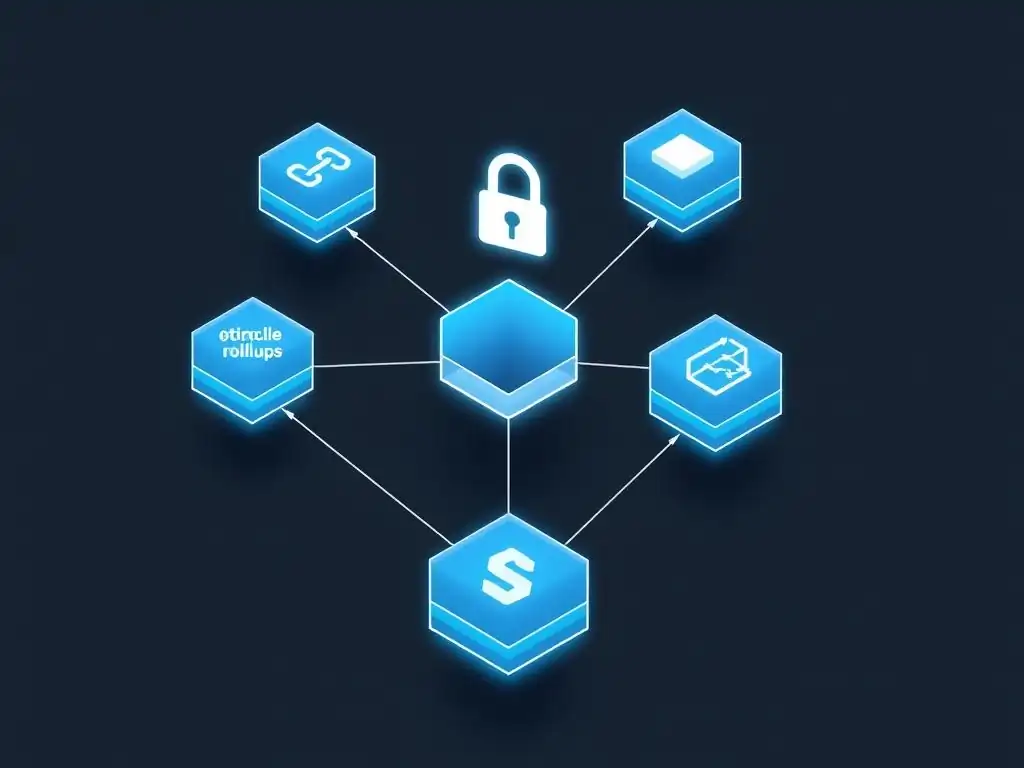
Reentrancy Attacks and Their Impact on Layer 2
Reentrancy attacks are a well-known vulnerability in smart contracts, and they can also pose a significant threat to Layer 2 DeFi protocols. A reentrancy attack occurs when a contract calls back into the calling contract before the first invocation has completed, potentially leading to unexpected state changes and fund theft.
While reentrancy vulnerabilities are not exclusive to Layer 2, the complex interactions between Layer 1 and Layer 2, particularly in cross-chain bridges and asset transfer mechanisms, can create new opportunities for reentrancy exploits in Layer 2 environments. For instance, if a Layer 2 bridge contract is vulnerable to reentrancy, an attacker might be able to repeatedly withdraw funds from the bridge before the contract's balance is updated, effectively draining the bridge's assets.
Mitigating reentrancy risks in Layer 2 DeFi requires careful smart contract design and implementation. Developers should follow secure coding practices, such as using checks-effects-interactions patterns to minimize the attack surface for reentrancy vulnerabilities. Employing reentrancy guards, like mutex locks, to prevent recursive calls can also effectively mitigate reentrancy risks. Furthermore, thorough security audits and formal verification of smart contracts are crucial to identify and address potential reentrancy vulnerabilities before deployment. Regular monitoring and incident response plans are also essential to detect and respond to reentrancy attacks in real-time, minimizing potential damage and protecting user funds.
Oracle Manipulation in Layer 2 DeFi Systems
Oracle manipulation is a persistent security challenge in DeFi, and it remains a relevant concern in Layer 2 environments. DeFi protocols rely on oracles to provide external data, such as price feeds, interest rates, and other real-world information, to smart contracts.
If these oracles are manipulated or compromised, it can lead to severe consequences, including incorrect liquidations, manipulated trading prices, and the exploitation of DeFi protocols for illicit gains. In Layer 2 DeFi, the dependence on oracles can be amplified due to the potentially faster transaction speeds and lower gas fees, which might enable attackers to execute oracle manipulation attacks more rapidly and cost-effectively.
To mitigate oracle manipulation risks in Layer 2 DeFi, protocols should employ robust and decentralized oracle solutions. Using multiple oracle sources and aggregating data from diverse sources can enhance the reliability and resilience of oracle feeds. Time-weighted average price (TWAP) oracles, which average price data over a period of time, can also help to smooth out price fluctuations and make it more difficult for attackers to manipulate prices in short timeframes.
Furthermore, implementing circuit breakers and anomaly detection mechanisms can help to identify and respond to suspicious oracle data feeds, preventing potential exploits. Regularly monitoring oracle performance and conducting security audits of oracle integrations are also essential best practices for mitigating oracle manipulation risks in Layer 2 DeFi systems.
Gas Limit Exploits and Transaction Ordering Issues
Gas limit exploits and transaction ordering issues can present unique security challenges in Layer 2 DeFi protocols, particularly those that operate with different transaction processing mechanisms compared to Layer 1. Gas limit exploits involve manipulating the gas limit of a transaction to cause unexpected behavior or denial-of-service attacks.
Transaction ordering issues, such as front-running and sandwich attacks, arise from the ability of miners or sequencers to reorder transactions within a block or batch. While these issues are also present on Layer 1, the specific characteristics of Layer 2 environments, such as faster block times or different transaction ordering processes, can create new attack vectors or amplify existing vulnerabilities.
For example, in some Layer 2 protocols, sequencers might have greater control over transaction ordering than miners on Layer 1, potentially increasing the risk of front-running or sandwich attacks. To mitigate gas limit exploits and transaction ordering issues in Layer 2 DeFi, protocols should implement robust transaction validation and processing mechanisms. Limiting the maximum gas limit for transactions and implementing safeguards against excessive gas consumption can help to prevent gas limit exploits.
Employing fair ordering mechanisms, such as batch auctions or commit-reveal schemes, can mitigate transaction ordering issues and reduce the risk of front-running and sandwich attacks. Furthermore, transparency in transaction processing and sequencer operations is crucial to build trust and allow users to verify the fairness and integrity of the Layer 2 system.
Mitigating Layer 2 Security Risks: Best Practices
Rigorous Smart Contract Audits and Formal Verification
Rigorous smart contract audits are paramount for ensuring the security of Layer 2 DeFi protocols. Given the increased complexity and novel technologies involved in Layer 2 solutions, thorough and independent security audits are essential to identify potential vulnerabilities and weaknesses in smart contract code before deployment. Audits should be conducted by reputable security firms with expertise in blockchain and smart contract security.
These audits should cover all aspects of the smart contract codebase, including functionality, logic, gas efficiency, and potential vulnerabilities like reentrancy, overflow, and access control issues. Audits should also specifically focus on Layer 2-specific security considerations, such as cross-chain interactions, bridge security, and data availability mechanisms.
In addition to traditional audits, formal verification techniques can provide an even higher level of assurance for smart contract security. Formal verification involves using mathematical methods to prove the correctness and security properties of smart contracts. While formal verification can be more time-consuming and resource-intensive than traditional audits, it can uncover subtle vulnerabilities that might be missed by manual code reviews. Combining both rigorous audits and formal verification, where feasible, provides the most comprehensive approach to securing smart contracts in Layer 2 DeFi, minimizing the risk of exploits and protecting user funds.
Implementing Robust Monitoring and Alerting Systems
Robust monitoring and alerting systems are crucial for proactively detecting and responding to security incidents in Layer 2 DeFi protocols. Continuous monitoring of key metrics, such as transaction volume, network activity, bridge flows, and oracle data feeds, can help to identify anomalies and suspicious patterns that might indicate an ongoing attack or vulnerability exploitation. Alerting systems should be configured to notify developers and security teams immediately when critical thresholds are breached or unusual activity is detected. These alerts should be actionable, providing sufficient information to enable rapid investigation and response.
Monitoring systems should also track the health and performance of Layer 2 infrastructure components, such as sequencers, validators, and bridges, to ensure their availability and identify potential points of failure. Real-time dashboards and visualization tools can facilitate efficient monitoring and incident response. Regular security drills and incident response simulations are also essential to prepare security teams for handling real security incidents effectively. Proactive monitoring and rapid incident response capabilities are vital for minimizing the impact of security breaches and maintaining the overall security and resilience of Layer 2 DeFi platforms.
Utilizing Multi-Signature Wallets and Custody Solutions
Multi-signature (multi-sig) wallets and custody solutions are essential tools for enhancing the security of asset management in Layer 2 DeFi. Multi-sig wallets require multiple private keys to authorize transactions, significantly reducing the risk of single points of failure and unauthorized access. Utilizing multi-sig wallets for managing protocol funds, bridge assets, and user deposits can provide an additional layer of security against internal and external threats.
Custody solutions, provided by reputable custodians, offer professional-grade security infrastructure and expertise for managing and securing digital assets. For Layer 2 DeFi protocols, employing reputable custody solutions for managing significant asset holdings can significantly reduce custodial risks.
When choosing multi-sig wallets and custody solutions, it is crucial to select providers with a proven track record of security and reliability. Thoroughly vetting the security practices, infrastructure, and audit history of potential providers is essential. Implementing robust key management practices, including secure key generation, storage, and distribution, is also crucial for maximizing the security benefits of multi-sig wallets and custody solutions. Regularly reviewing and updating key management policies and security protocols is essential to adapt to evolving security threats and best practices.
Decentralized Governance and Community Oversight
Decentralized governance and community oversight play a vital role in ensuring the long-term security and sustainability of Layer 2 DeFi protocols. Decentralized governance mechanisms, such as token-based voting and on-chain proposals, empower the community to participate in key decisions related to protocol upgrades, security parameters, and risk management. This decentralized decision-making process can enhance transparency, accountability, and resilience against centralized points of failure. Community oversight, through active participation in governance forums, security discussions, and bug bounty programs, can contribute to identifying and addressing potential security vulnerabilities and improving the overall security posture of the protocol.
Encouraging active community participation in governance and security initiatives is crucial for fostering a strong security culture within Layer 2 DeFi ecosystems. Transparent communication channels, open forums for security discussions, and clear mechanisms for reporting vulnerabilities are essential for facilitating community involvement. Incentivizing community contributions through rewards, recognition, and governance participation can further enhance community engagement and strengthen the collective security efforts of Layer 2 DeFi protocols.
The Future of Layer 2 DeFi Security
Advancements in Zero-Knowledge Proofs and Privacy
Advancements in zero-knowledge proofs (ZKPs) hold significant promise for enhancing both security and privacy in Layer 2 DeFi. ZKPs are cryptographic techniques that allow one party to prove to another party that a statement is true without revealing any information beyond the validity of the statement itself. In the context of Layer 2 DeFi, ZKPs can be leveraged to create more secure and privacy-preserving scaling solutions, such as zk-Rollups. zk-Rollups use ZKPs to prove the validity of off-chain transactions, ensuring that only valid state transitions are accepted on the Layer 1, without revealing the transaction details or user identities.
Further advancements in ZKP technology, such as faster proof generation and verification times, and reduced computational overhead, will make zk-Rollups and other ZKP-based Layer 2 solutions even more efficient and scalable. The integration of ZKPs with privacy-enhancing technologies, like confidential transactions and shielded pools, can create a new generation of Layer 2 DeFi platforms that offer both scalability and strong privacy guarantees. This could unlock new use cases for DeFi, particularly in areas where privacy is paramount, such as institutional finance and sensitive data management.
The Role of Insurance Protocols in Layer 2 DeFi
Insurance protocols are poised to play an increasingly important role in mitigating risks and enhancing user confidence in Layer 2 DeFi. Given the inherent security complexities and evolving threat landscape of Layer 2 solutions, insurance can provide a crucial safety net for users against potential losses due to smart contract exploits, bridge hacks, or other security breaches.
Insurance protocols in Layer 2 DeFi can offer coverage for various risks, such as smart contract risks, custody risks, and protocol-specific risks. This can help to reduce the financial impact of security incidents and encourage wider adoption of Layer 2 DeFi by providing users with greater peace of mind.
The development of more sophisticated and tailored insurance products specifically designed for Layer 2 DeFi is crucial. This includes parametric insurance, which pays out based on predefined events, and decentralized insurance, which leverages blockchain technology to create transparent and efficient insurance markets. The integration of insurance protocols directly into Layer 2 DeFi platforms can streamline the insurance process and make it more accessible to users. As the Layer 2 DeFi ecosystem matures, insurance protocols will become an increasingly essential component of the overall security and risk management infrastructure.
The Importance of Ongoing Research and Development
Ongoing research and development are crucial for continuously improving the security of Layer 2 DeFi solutions and addressing emerging threats. The rapid pace of innovation in the blockchain and DeFi space necessitates continuous research into new security techniques, vulnerability mitigation strategies, and best practices for Layer 2 protocol design and implementation.
Academic research, industry collaborations, and open-source development efforts are all essential for advancing the state of the art in Layer 2 DeFi security. Research should focus on areas such as formal verification of Layer 2 protocols, novel consensus mechanisms for sidechains, enhanced data availability solutions for rollups, and robust security frameworks for cross-chain bridges.
Furthermore, ongoing monitoring of the evolving threat landscape and proactive identification of emerging vulnerabilities are critical. Bug bounty programs, penetration testing, and collaborative security audits play a vital role in identifying and addressing security weaknesses before they can be exploited. Sharing security best practices, threat intelligence, and incident response strategies within the Layer 2 DeFi community is also essential for collectively strengthening the security posture of the entire ecosystem. Continuous learning, adaptation, and innovation are paramount for navigating the ever-changing security challenges in Layer 2 DeFi and ensuring its long-term security and sustainability.
Layer 2 solutions represent a crucial step forward in addressing the scalability challenges of DeFi and unlocking its full potential. However, as this article has explored, they also introduce a complex and evolving security landscape. From increased attack surfaces and cross-chain bridge risks to novel vulnerabilities in rollups, sidechains, and plasma, Layer 2 DeFi presents unique security challenges that demand careful consideration and proactive mitigation.
Navigating this landscape requires a multi-faceted approach, encompassing rigorous smart contract audits, robust monitoring systems, decentralized governance, and continuous research and development. While the future of Layer 2 DeFi security is promising, with advancements in ZKPs and the rise of insurance protocols, a cautious and security-conscious approach is paramount. By prioritizing security best practices, fostering community collaboration, and remaining vigilant against emerging threats, we can collectively work towards building a more secure and scalable future for decentralized finance on Layer 2.
Frequently Asked Questions
What are the main security risks associated with Layer 2 solutions in DeFi?
Layer 2 solutions introduce new attack vectors, including risks related to bridge security and smart contract vulnerabilities. Compromised bridges or faulty smart contracts can lead to significant financial losses for users.
How do Layer 2 solutions impact the overall security of DeFi applications?
Layer 2 solutions can both improve and degrade security. While they can reduce congestion and transaction costs, potentially making attacks less profitable, they also introduce added complexity that can lead to new security flaws.
What measures can be taken to enhance the security of Layer 2 DeFi protocols?
Implementing robust auditing processes, utilizing formal verification techniques, and establishing bug bounty programs are crucial steps. Also, focus on secure bridge designs and regular security updates.
How does the centralization of certain Layer 2 components affect their security?
Increased centralization can create single points of failure. A compromised centralized sequencer, for example, could halt operations and potentially allow for malicious activities.
What is the role of regulation in addressing security concerns within Layer 2 DeFi?
Clear regulatory frameworks can provide legal clarity and accountability, encouraging developers to prioritize security and implement best practices. This can help to protect users and promote responsible innovation.
Final Reflection: Fortifying the Future of Layer 2 DeFi
The exploration of security challenges within Layer 2 DeFi solutions underscores a critical reality: innovation without robust security is a house built on sand. As the DeFi landscape rapidly expands and Layer 2 solutions become increasingly vital for scalability and accessibility, the vulnerabilities we've discussed pose a significant threat to widespread adoption and user trust. Ignoring these challenges risks undermining the very promise of decentralized finance.
The ongoing evolution of Layer 2 DeFi security profoundly shapes the future of finance, influencing how we interact with digital assets and the trust we place in decentralized systems. My own engagement with this technology has highlighted the urgent need for collaborative efforts between developers, security experts, and the DeFi community. Security is not a product, but a process.
This quote perfectly encapsulates the continuous vigilance required to protect these emerging financial ecosystems.
As we navigate the complexities of Layer 2 DeFi, let us not be complacent. Reflect on the vulnerabilities we've uncovered and consider how you, whether as a developer, investor, or user, can contribute to a more secure and resilient future. Embrace a proactive approach to security, demand transparency from projects, and champion best practices. Only then can we unlock the true potential of Layer 2 DeFi and build a financial system that is both innovative and trustworthy.
Fortify Your DeFi Future: Take Action Now!
Thanks for exploring the complexities of Layer 2 security with us! We hope you've gained valuable insights into potential vulnerabilities and effective ways to address them. Now, it's time to apply that knowledge and strengthen the security of your DeFi assets.
Here's how to get started:
- Implement at least one additional security measure to protect your DeFi holdings today. Make this a priority.
- Research different Layer 2 solutions and review their security audits, sharing any interesting findings with the community.
- Consider participating in DeFi security bug bounty programs to help make the ecosystem safer.
What do you see as the biggest security challenge facing Layer 2 solutions, and what innovative approach would you suggest to solve it? Share your thoughts in the comments!
Leave a Reply