
Data Integrity for Critical Infrastructure: Blockchain & AI for National Security


Welcome to Blockchain Trends, your compass in the rapidly evolving world of decentralized technology. Dive in to discover how blockchain is reshaping industries far beyond just cryptocurrencies. Intrigued by the intersection of cutting-edge technologies and national security? Explore the groundbreaking possibilities in our feature article, "Data Integrity for Critical Infrastructure: Blockchain & AI for National Security," where we unravel the potential of Blockchain AI to bolster national security and safeguard critical infrastructure. What crucial role does immutable data play in protecting our future? Read on to find out!
Data Integrity for Critical Infrastructure: Blockchain & AI for National Security
- Introduction: Securing Critical Infrastructure with Blockchain and AI
-
Frequently Asked Questions
- How can blockchain and AI enhance data integrity for national security?
- What are some specific applications of blockchain and AI in protecting national security data?
- What role does decentralization play in improving national security through blockchain?
- What are the regulatory considerations surrounding the use of blockchain and AI in national security?
- How does AI contribute to enhancing blockchain's capabilities in national security contexts?
- Final Reflection: Securing Tomorrow with Trust and Innovation
- Secure Our Future: Adopt Blockchain-Based Integrity!
Introduction: Securing Critical Infrastructure with Blockchain and AI
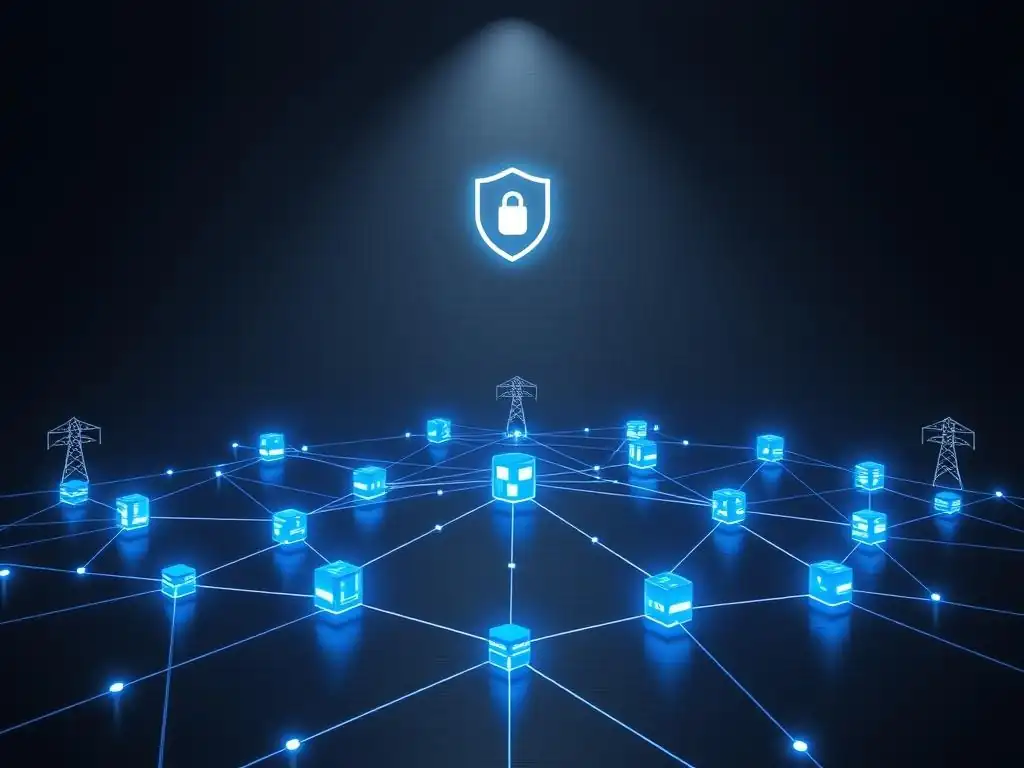
The Growing Threat to National Security: Data Breaches and Manipulation
In an increasingly interconnected world, national security is no longer solely defined by physical borders and military might. The integrity of data, especially within critical infrastructure, has become paramount. Sophisticated cyberattacks, state-sponsored espionage, and even malicious insider threats pose significant risks to the data that underpins essential services like energy grids, water supplies, and communication networks.
Data breaches can cripple operations, disrupt essential services, and erode public trust. Furthermore, data manipulation, subtly altering key parameters or records, can be even more insidious, leading to cascading failures and potentially devastating consequences before the attack is even detected. The escalating frequency and sophistication of these threats necessitate a paradigm shift in how we approach data security for national security.
The digital transformation of critical infrastructure, while offering immense benefits in efficiency and responsiveness, has simultaneously expanded the attack surface for malicious actors. Legacy systems, often designed before the current cybersecurity landscape, are particularly vulnerable. The rise of interconnected operational technology (OT) and information technology (IT) networks has blurred the lines of defense, making it easier for attackers to traverse systems and gain access to sensitive data.
Recent reports indicate a dramatic surge in cyberattacks targeting critical infrastructure, with ransomware attacks alone increasing by over 150% in the last year, according to a report by Dragos, a cybersecurity firm specializing in industrial control systems. This alarming trend underscores the urgent need for robust and innovative security solutions to safeguard national security in the digital age, and the convergence of blockchain and AI presents a promising frontier.
Why Data Integrity Matters for Critical Infrastructure Protection
Data integrity is the cornerstone of operational reliability and national security, especially within critical infrastructure. It ensures that data is accurate, consistent, and trustworthy throughout its lifecycle. Compromised data in these vital sectors can have catastrophic repercussions, extending far beyond financial losses.
Consider the energy sector: manipulated data in a power grid could lead to blackouts affecting millions, disrupting essential services like hospitals, transportation, and communication networks. Similarly, in the water sector, corrupted data in water treatment plants could lead to the release of contaminated water, posing severe public health risks. In the communications sector, data breaches can compromise sensitive personal information and disrupt vital communication channels, hindering emergency response and national defense capabilities.
Maintaining data integrity is not merely about preventing data breaches; it is about ensuring the resilience and trustworthiness of the entire critical infrastructure ecosystem. Accurate data is crucial for real-time monitoring, control systems, and informed decision-making. When data integrity is compromised, operators lose situational awareness, automated systems malfunction, and manual interventions become unreliable.
The cost of data breaches and manipulation in critical infrastructure extends beyond immediate operational disruptions to long-term economic and societal impacts. Reputational damage, regulatory penalties, legal liabilities, and the erosion of public confidence are all significant consequences. Therefore, robust data integrity measures are not just a technological necessity, but a fundamental requirement for national security and societal well-being.
Exploring the Synergy of Blockchain and AI for Enhanced Security
The convergence of blockchain and artificial intelligence (AI) offers a powerful and transformative approach to enhancing data security and integrity for critical infrastructure, addressing many of the shortcomings of traditional security measures. Blockchain technology, with its inherent characteristics of immutability, decentralization, and transparency, provides a robust foundation for ensuring data authenticity and provenance. AI, on the other hand, brings advanced capabilities in anomaly detection, predictive analytics, and automated threat response. By integrating these two cutting-edge technologies, we can create a synergistic security framework that is more proactive, resilient, and adaptable to the evolving cyber threat landscape.
This synergy is not simply about combining two separate technologies; it is about leveraging their complementary strengths to create a more holistic and effective security solution. Blockchain provides the secure and auditable data layer, ensuring the integrity of information collected and processed within critical infrastructure systems. AI algorithms can then analyze this blockchain-secured data to detect anomalies, predict potential threats, and automate security responses in real-time.
For instance, AI can monitor network traffic and operational data recorded on a blockchain, identifying deviations from normal patterns that may indicate a cyberattack or system malfunction. This integrated approach not only enhances data security but also improves operational efficiency, reduces response times, and strengthens overall resilience against both internal and external threats to national security.
Frequently Asked Questions
How can blockchain and AI enhance data integrity for national security?
Blockchain provides an immutable ledger for data tracking, while AI can detect anomalies and threats, ensuring data hasn't been tampered with. This combination strengthens the integrity of critical infrastructure data.
What are some specific applications of blockchain and AI in protecting national security data?
These technologies can be used for secure supply chain management, identity verification, and real-time threat detection across various national security sectors. This improves security and reduces vulnerabilities.
What role does decentralization play in improving national security through blockchain?
Decentralization reduces single points of failure, making the system more resilient to attacks. This enhanced security is crucial for safeguarding sensitive national security information.
What are the regulatory considerations surrounding the use of blockchain and AI in national security?
Regulations need to balance innovation with security, addressing issues like data privacy and responsible AI development. Clear guidelines are essential for ethical and effective implementation.
How does AI contribute to enhancing blockchain's capabilities in national security contexts?
AI can automate tasks like threat detection and risk assessment, improving the efficiency and scalability of blockchain solutions. This helps in proactive national security measures.
Final Reflection: Securing Tomorrow with Trust and Innovation
The exploration of Blockchain and AI for national security underscores a critical imperative in our increasingly interconnected world. The vulnerabilities inherent in critical infrastructure demand innovative solutions, and the synergy of these technologies offers a powerful pathway to fortify our defenses against evolving threats. The potential to enhance data integrity, streamline processes, and proactively detect anomalies is no longer a futuristic concept, but a present-day necessity.
This convergence of Blockchain and AI is not merely a technological advancement; it's a paradigm shift that profoundly impacts the cultural and social landscape of national security. The ability to establish immutable records and leverage intelligent analysis to anticipate and mitigate risks is paramount to safeguarding our collective well-being. Security is not a product, but a process.
- Bruce Schneier. This quote encapsulates the ongoing nature of security and the need for constant adaptation and innovation, which Blockchain and AI can facilitate.
As we stand at the cusp of this technological revolution, I invite you to reflect on the role you can play in shaping a more secure future. Consider how you can contribute to the responsible development and deployment of these powerful tools, ensuring that they are used to protect and empower, not to control or oppress.
The future of national security is not just in the hands of governments and corporations, but in the collective consciousness and actions of each individual. Let us strive to build a future where trust and innovation converge to create a safer and more resilient world for all.
Secure Our Future: Adopt Blockchain-Based Integrity!
Thank you for exploring the vital role of blockchain and AI in protecting our nation's infrastructure. Now that you understand how these technologies can ensure data integrity and strengthen national security, it's time to take action and contribute to a safer, more resilient future.
Here's how you can get involved:
- Advocate for Blockchain Adoption: Contact your local representatives to support initiatives that promote blockchain integration within critical infrastructure projects. Make your voice heard!
- Explore further: Dive deeper into the technical aspects by researching open-source blockchain projects designed for data integrity and security. Discover ways you can contribute to these efforts.
- Share Your Knowledge: Spread awareness of the benefits and challenges of using blockchain for national security by sharing this article with your network. The more people understand, the better we can protect ourselves.
What specific measures do you think should be prioritized to accelerate blockchain adoption in critical infrastructure? Share your thoughts in the comments below!
Leave a Reply