
CrossBorder Payments Revolution: Blockchain's Impact on International Money Transfers


Welcome to Blockchain Trends, your go-to source for understanding the real-world applications of blockchain technology.
Imagine a world where sending money across borders is as simple as sending an email. Intrigued? Then dive into our latest exploration of how blockchain is poised to make blockchain international money transfers faster, more secure, and dramatically more efficient. Discover the revolutionary changes happening right now and what this means for the future of global finance.
CrossBorder Payments Revolution: Blockchain's Impact on International Money Transfers
- The Rise of Blockchain in International Money Transfers: A Paradigm Shift
- Blockchain International Money Transfers Faster: Exploring the Key Benefits
- Blockchain Solutions for International Payments: A Deep Dive
- The Regulatory Landscape of Blockchain-Based International Money Transfers
- Use Cases: Real-World Applications of Blockchain in International Payments
- Challenges and Opportunities for Blockchain Adoption in Cross-Border Payments
- The Future: Blockchain's Role in Shaping the Global Payments Ecosystem
-
Frequently Asked Questions
- How does blockchain technology make international money transfers faster?
- What are the key benefits of using blockchain for international money transfers beyond speed?
- What role does DeFi (Decentralized Finance) play in facilitating blockchain-based international money transfers?
- What are some of the regulatory challenges facing the widespread adoption of blockchain for international money transfers?
- How might blockchain impact the future of traditional remittance services and banks involved in international money transfers?
- Final Reflection: Embracing the Borderless Future of Finance
- Unleash the Power of Blockchain in Your Cross-Border Transactions!
The Rise of Blockchain in International Money Transfers: A Paradigm Shift
Understanding the Limitations of Traditional Cross-Border Payment Systems
Traditional cross-border payment systems, while established, are often characterized by inefficiencies that lead to delays and increased costs. The current infrastructure relies on a network of correspondent banks, each adding layers of processing and fees. For instance, a simple transaction from the United States to India might involve several intermediary banks in different countries, each taking a cut and adding processing time.
SWIFT, the Society for Worldwide Interbank Financial Telecommunication, while facilitating communication between banks, doesn't directly handle the transfer of funds, leading to a fragmented and often opaque process. This complexity translates to higher charges for consumers and businesses, with remittance costs averaging around 6.3% globally in 2020, according to the World Bank, and even higher in certain corridors, significantly impacting lower-income individuals and smaller businesses.
Furthermore, traditional systems often lack transparency, making it difficult for senders and recipients to track the progress of their funds in real-time. The settlement times can be lengthy, ranging from a few days to over a week, particularly for payments involving less common currency pairs or jurisdictions with stricter regulatory frameworks. This delay can disrupt business operations and create uncertainty for individuals relying on timely access to funds.
For businesses engaged in international trade, these delays can lead to cash flow problems and hinder efficient supply chain management. Consumers sending remittances face similar challenges, often needing funds urgently for family support or emergencies, making the slowness of traditional systems a significant drawback.
How Blockchain Technology Addresses the Challenges of International Payments
Blockchain technology offers a compelling alternative to the inefficiencies inherent in traditional cross-border payment systems by providing a decentralized and transparent ledger for recording transactions. Instead of relying on a network of intermediaries, blockchain enables direct peer-to-peer or near-peer-to-peer transactions, significantly reducing the number of parties involved and streamlining the payment process. This decentralization inherently reduces costs by eliminating intermediary fees and allows for faster processing times as transactions are validated and settled on the blockchain network, often within minutes or even seconds, depending on the specific blockchain and its consensus mechanism.
Moreover, blockchain's inherent transparency provides enhanced traceability of funds throughout the payment lifecycle. Every transaction is recorded on a public ledger, making it possible to track the movement of funds from origin to destination in near real-time. This improved visibility reduces the risk of fraud and enhances accountability.
Smart contracts, self-executing agreements coded on the blockchain, can automate various aspects of the payment process, further increasing efficiency and reducing the potential for human error. By leveraging cryptography and distributed consensus, blockchain ensures the security and immutability of transaction records, building trust and confidence in the system, and paving the way for blockchain international money transfers faster and more reliably.
Blockchain International Money Transfers Faster: Exploring the Key Benefits
Reduced Transaction Costs with Blockchain-Based Payment Rails
One of the most significant advantages of using blockchain for international money transfers is the potential for drastically reduced transaction costs. Traditional systems often levy multiple fees at each stage of the payment process, including correspondent bank charges, SWIFT fees, and currency exchange markups. Blockchain-based payment rails, however, minimize or eliminate these intermediary fees by enabling more direct transactions.
For example, Ripple, a prominent blockchain payment solution, claims to reduce transaction costs by an average of 60% compared to traditional methods. These cost savings can be particularly impactful for high-volume transactions and in remittance corridors where fees disproportionately affect recipients in developing countries.
Furthermore, the competitive landscape fostered by blockchain solutions is driving down costs. Numerous blockchain platforms are vying to offer more efficient and affordable cross-border payment services, creating pressure on traditional financial institutions to reduce their fees as well.
The emergence of stablecoins, cryptocurrencies pegged to fiat currencies, further simplifies cross-border payments by mitigating exchange rate volatility and reducing the need for complex currency conversions. By bypassing traditional correspondent banking networks and leveraging the efficiency of distributed ledger technology, blockchain international money transfers offer a pathway to significantly lower transaction costs, making international finance more accessible and affordable for individuals and businesses alike.
Increased Speed and Efficiency in Cross-Border Transactions
Traditional international money transfers can be notoriously slow, often taking days to reach their destination due to the multiple intermediaries and manual processes involved. Blockchain technology, in contrast, offers the potential for near-instantaneous settlement of cross-border payments. Transactions on many blockchains are processed and validated within seconds or minutes, dramatically reducing the time it takes for funds to reach recipients.
For instance, transactions on the Stellar network, designed specifically for payments, typically settle within 3-5 seconds. This speed advantage is crucial for businesses requiring rapid payment processing for international trade and for individuals sending remittances who need funds to arrive quickly in emergencies.
The efficiency gains extend beyond just speed. Blockchain streamlines the entire payment workflow by automating processes and reducing manual intervention. Smart contracts can automate tasks such as payment initiation, currency exchange, and settlement, minimizing the potential for delays and errors. The 24/7 operational nature of blockchain networks also eliminates the limitations of traditional banking hours, allowing for transactions to be processed and settled at any time, regardless of geographical location or time zone differences. This combination of speed, efficiency, and round-the-clock availability makes blockchain international money transfers faster and more convenient than traditional alternatives.
Enhanced Transparency and Traceability in International Fund Transfers
Transparency and traceability are critical aspects of financial transactions, especially in the context of international money transfers, where funds may pass through numerous intermediaries. Traditional systems often lack transparency, making it difficult to track the progress of a payment and identify potential bottlenecks or issues. Blockchain technology, with its inherent transparency, provides a significant improvement in this area. Every transaction recorded on a blockchain is publicly auditable and traceable, allowing both senders and recipients to monitor the status of their funds in near real-time. This enhanced visibility reduces opacity and increases accountability in the payment process.
Moreover, the immutable nature of blockchain records ensures that transaction history is tamper-proof and readily available for audit and compliance purposes. This is particularly valuable for regulatory compliance, fraud prevention, and dispute resolution. For businesses engaged in international trade, the ability to track payments transparently can improve cash flow management and reduce the risk of payment disputes.
For individuals sending remittances, transparency provides peace of mind and allows them to confirm that their funds have reached their intended recipients. By providing a transparent and auditable record of every transaction, blockchain empowers users with greater control and confidence in blockchain international money transfers.
Blockchain Solutions for International Payments: A Deep Dive
Ripple and XRP: Facilitating Real-Time Gross Settlement
Ripple is a well-established technology company focused on developing blockchain-based solutions for financial institutions, primarily targeting cross-border payments. Ripple's core technology, RippleNet, is a network of payment providers that utilizes XRP, a digital asset, to facilitate faster and cheaper international money transfers. RippleNet enables real-time gross settlement (RTGS), meaning payments are settled individually and instantly, unlike traditional systems that often batch and delay settlements. By leveraging XRP as a bridge currency, RippleNet aims to bypass the inefficiencies of correspondent banking and reduce the reliance on pre-funded accounts in different currencies.
Financial institutions like Santander and American Express have experimented with or implemented Ripple's technology to improve their cross-border payment services. While XRP's regulatory status and price volatility have been subjects of debate and legal challenges, Ripple continues to advocate for its technology as a viable solution for faster and more cost-effective international payments. Ripple's focus on enterprise adoption and partnerships with established financial players positions it as a significant force in the evolution of blockchain international money transfers.
Stellar: Building an Open-Source Payment Network
Stellar is an open-source, decentralized payment network designed to facilitate fast and low-cost cross-border transactions, particularly targeting underserved populations and emerging markets. Unlike Ripple, Stellar is a non-profit foundation and emphasizes financial inclusion as a core mission. The Stellar network utilizes its native digital asset, Lumen (XLM), to facilitate transactions and maintain network security. Stellar's architecture is designed for speed and scalability, enabling thousands of transactions per second with minimal fees.
Key features of Stellar include its decentralized exchange (DEX), which allows for seamless currency conversions, and its anchor system, which bridges the gap between traditional fiat currencies and the blockchain network. Organizations like MoneyGram and Franklin Templeton have partnered with Stellar to leverage its network for cross-border payments and digital asset initiatives. Stellar's open-source nature, focus on accessibility, and commitment to financial inclusion make it a prominent platform in the landscape of blockchain international money transfers, especially for remittance and development aid applications.
Other Emerging Blockchain Platforms for Cross-Border Payments
Beyond Ripple and Stellar, several other blockchain platforms are emerging as contenders in the cross-border payments space, each with unique features and approaches. Celo, for example, is a mobile-first blockchain platform focused on making financial tools accessible to anyone with a smartphone, particularly in developing economies. Celo utilizes stablecoins pegged to various fiat currencies and aims to facilitate low-cost and accessible mobile payments, including cross-border remittances.
Another noteworthy platform is Algorand, which emphasizes speed, security, and scalability. Algorand's pure proof-of-stake consensus mechanism is designed to be energy-efficient and enable high transaction throughput, making it suitable for high-volume payment applications. Furthermore, platforms like R3 Corda, a distributed ledger technology focused on enterprise solutions, are also being explored for cross-border trade finance and supply chain payment applications. The continuous innovation and diversification in blockchain technology suggest a dynamic and evolving landscape for blockchain international money transfers in the years to come.
The Regulatory Landscape of Blockchain-Based International Money Transfers
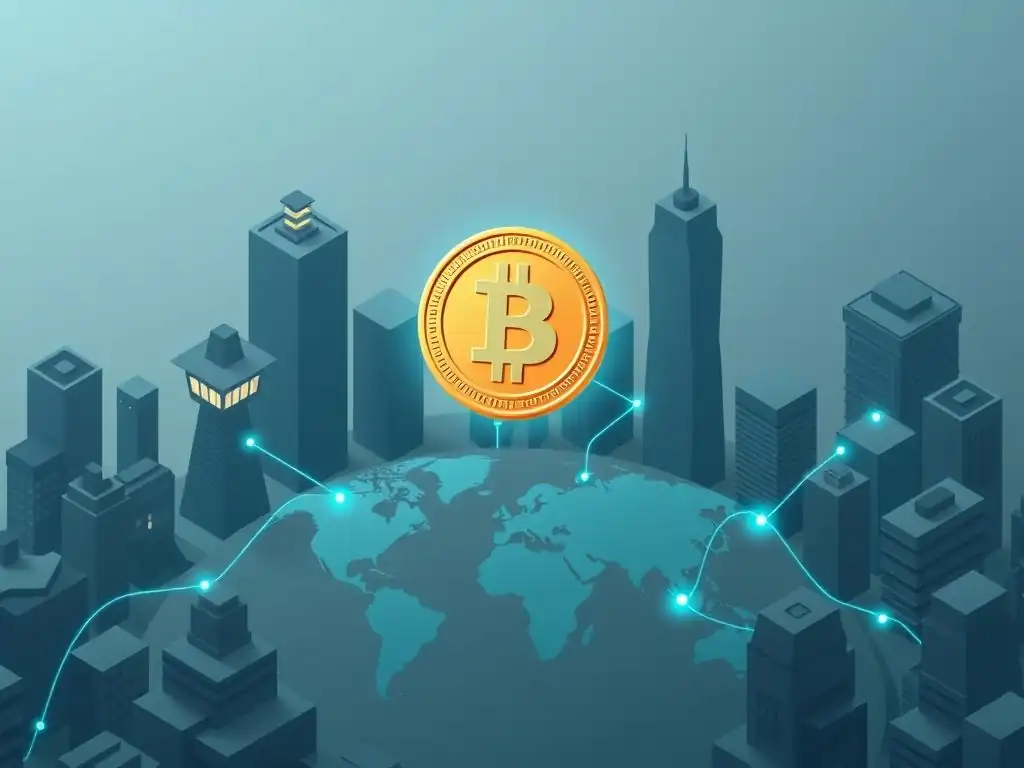
The regulatory landscape for blockchain-based international money transfers is complex and evolving, varying significantly across jurisdictions. Different countries have adopted diverse approaches to regulating cryptocurrencies and blockchain technologies, ranging from outright bans to supportive frameworks. This regulatory fragmentation poses challenges for blockchain payment providers operating across borders, requiring them to navigate a patchwork of rules and compliance requirements. For instance, regulations related to money transmission licenses, anti-money laundering (AML), and know your customer (KYC) compliance differ significantly between countries, necessitating tailored approaches for each jurisdiction.
Furthermore, the cross-border nature of blockchain transactions raises jurisdictional questions and potential conflicts of law. Determining which jurisdiction's regulations apply to a specific transaction can be challenging, especially in decentralized and borderless systems. International regulatory cooperation and harmonization are crucial to address these complexities and create a more predictable and consistent regulatory environment for blockchain international money transfers. Organizations like the Financial Action Task Force (FATF) are working to develop international standards for regulating virtual assets and virtual asset service providers, aiming to promote consistent AML/CFT compliance globally.
KYC/AML Compliance in Blockchain Payment Systems
Know Your Customer (KYC) and Anti-Money Laundering (AML) compliance are critical considerations for blockchain-based international money transfer systems. Regulators worldwide are increasingly focused on ensuring that blockchain payment providers implement robust KYC/AML measures to prevent illicit activities such as money laundering, terrorist financing, and sanctions evasion. While blockchain's transparency can aid in transaction monitoring, ensuring compliance with KYC/AML regulations in a decentralized environment presents unique challenges.
Blockchain payment providers are adopting various approaches to KYC/AML compliance, including integrating with KYC/AML service providers, implementing transaction monitoring tools, and utilizing on-chain analytics to identify suspicious activity. Zero-knowledge proofs and other privacy-enhancing technologies are also being explored to balance the need for transparency with data privacy concerns. Striking the right balance between regulatory compliance, innovation, and user privacy is crucial for the sustainable development and adoption of blockchain international money transfers within a regulated financial ecosystem.
The Role of Central Banks in the Future of Digital Currencies
Central banks globally are actively exploring the potential of digital currencies, including Central Bank Digital Currencies (CBDCs), which could significantly impact the future of international payments. CBDCs are digital forms of fiat currency issued and backed by a central bank, offering the potential for faster, cheaper, and more secure payments. Several central banks, including those in China, Sweden, and the Bahamas, are piloting or have launched CBDCs, with cross-border payment efficiency being a key driver for exploration.
CBDCs could streamline international payments by eliminating correspondent banking intermediaries and reducing settlement risks. Interoperability between different CBDCs will be crucial for realizing the full potential of cross-border CBDC payments. Collaboration between central banks and international organizations is essential to establish common standards and protocols for CBDC interoperability. The emergence of CBDCs, alongside private stablecoins and other blockchain-based payment solutions, is poised to reshape the landscape of international finance and accelerate the evolution of blockchain international money transfers.
Use Cases: Real-World Applications of Blockchain in International Payments
Remittances: Empowering Migrant Workers and Their Families
Remittances, money sent by migrant workers to their families back home, represent a significant flow of capital, particularly for developing economies. However, traditional remittance channels are often expensive and inefficient, with high fees eroding the value of remittances and delays causing hardship for recipients. Blockchain technology offers a compelling solution to make remittances faster, cheaper, and more accessible. Several blockchain-based remittance platforms have emerged, leveraging cryptocurrencies or stablecoins to facilitate cross-border transfers.
For example, BitPesa (now known as M-Pesa Global), a platform utilizing blockchain technology, has been used to facilitate remittances to Africa, reducing transaction costs and increasing speed compared to traditional money transfer operators. Western Union and MoneyGram, traditional remittance giants, have also explored and partnered with blockchain companies to integrate blockchain technology into their services.
By lowering costs and increasing efficiency, blockchain international money transfers can significantly empower migrant workers and their families, ensuring that more of their hard-earned money reaches its intended destination and contributes to economic development in recipient countries. In 2020, global remittances amounted to $702 billion, according to the World Bank, highlighting the vast potential impact of blockchain in this sector.
Trade Finance: Streamlining International Trade Transactions
International trade finance, the financing of trade transactions across borders, is a complex and document-intensive process, often involving multiple intermediaries and lengthy settlement times. Blockchain technology has the potential to streamline trade finance processes, reduce costs, and enhance transparency, making international trade more efficient and accessible, particularly for small and medium-sized enterprises (SMEs). Blockchain-based platforms can digitize trade documents, such as letters of credit and bills of lading, reducing paperwork and automating document verification.
Platforms like Marco Polo and Contour are using blockchain to create more efficient and secure trade finance networks, connecting buyers, sellers, and financial institutions on a shared ledger. These platforms can facilitate faster and more transparent trade transactions, reduce the risk of fraud, and improve access to trade finance for SMEs. By streamlining trade finance, blockchain international money transfers can unlock significant efficiencies in global supply chains and foster greater international trade, which accounts for a substantial portion of global GDP, estimated at over $20 trillion annually.
Supply Chain Management: Enhancing Transparency and Efficiency
Beyond trade finance, blockchain can enhance transparency and efficiency across the entire supply chain, including international payments associated with the movement of goods. Tracking goods across borders is often complex and opaque, with limited visibility into the location and provenance of products. Blockchain can provide a shared, immutable ledger to track goods throughout the supply chain, from origin to destination, improving transparency and accountability.
This enhanced transparency can facilitate faster and more efficient international payments by providing real-time visibility into the status of shipments and triggering automated payments upon delivery milestones. Blockchain-based supply chain platforms can also reduce fraud and counterfeiting, improve product traceability, and enhance consumer trust. Companies like IBM and Maersk have collaborated on TradeLens, a blockchain-based platform for supply chain management, demonstrating the potential of blockchain to transform global logistics and associated blockchain international money transfers in complex supply chains.
Challenges and Opportunities for Blockchain Adoption in Cross-Border Payments
Scalability Issues and Potential Solutions
Scalability remains a significant challenge for widespread adoption of blockchain in cross-border payments. Many existing blockchain platforms have limitations in terms of transaction throughput, meaning they can only process a limited number of transactions per second. For blockchain to handle the massive volume of global payment transactions, scalability needs to be significantly improved. Bitcoin, for example, can process only around 7 transactions per second, while Visa processes thousands.
However, various scalability solutions are being developed and implemented to address this challenge. Layer-2 scaling solutions, such as Lightning Network for Bitcoin and state channels on other blockchains, aim to increase transaction throughput by processing transactions off-chain and only settling the final state on the main blockchain. Sharding, a technique to divide a blockchain into smaller, manageable parts, is another approach to improve scalability.
Furthermore, newer blockchain platforms like Solana and Avalanche are designed with high scalability as a core feature, capable of processing thousands of transactions per second. Overcoming scalability limitations is crucial for realizing the full potential of blockchain international money transfers in the global financial system.
Interoperability Challenges and the Need for Standardization
Interoperability, the ability of different blockchain networks to communicate and interact with each other, is another significant challenge for blockchain adoption in cross-border payments. Currently, many blockchain platforms operate in silos, making it difficult to seamlessly transfer value and data between different networks. This lack of interoperability can hinder the efficiency and reach of blockchain-based payment solutions. For example, a payment initiated on one blockchain may not be easily transferable to another blockchain network used by the recipient's bank.
Addressing interoperability requires standardization efforts and the development of interoperability protocols. Projects like Polkadot and Cosmos are focused on building "internet of blockchains," enabling different blockchains to connect and interact. Standardization initiatives, such as those being developed by ISO and other standards bodies, are also crucial for promoting interoperability and ensuring that blockchain systems can seamlessly integrate with existing financial infrastructure. Achieving greater interoperability is essential for creating a truly interconnected and efficient global payment ecosystem powered by blockchain international money transfers.
The Future of Blockchain in Transforming International Financial Infrastructure
Despite the challenges, blockchain technology holds immense potential to transform international financial infrastructure and revolutionize cross-border payments. As scalability and interoperability challenges are addressed, and as regulatory frameworks become clearer, blockchain is poised to play an increasingly significant role in the global payments ecosystem. The benefits of reduced costs, increased speed, enhanced transparency, and improved security are compelling drivers for adoption by financial institutions, businesses, and individuals.
Blockchain's ability to facilitate faster and cheaper remittances can have a profound impact on financial inclusion, particularly in developing countries. Its potential to streamline trade finance can boost international trade and economic growth. As blockchain technology matures and adoption expands, we can expect to see a significant shift towards more efficient, transparent, and accessible blockchain international money transfers, reshaping the future of global finance and fostering a more interconnected and inclusive financial world.
The Future: Blockchain's Role in Shaping the Global Payments Ecosystem
The Convergence of Blockchain, DeFi, and Central Bank Digital Currencies (CBDCs)
The future of cross-border payments is likely to be shaped by the convergence of blockchain technology, Decentralized Finance (DeFi), and Central Bank Digital Currencies (CBDCs). DeFi protocols, built on blockchain, offer innovative financial services, including lending, borrowing, and trading, often without intermediaries. CBDCs, as digital forms of fiat currency issued by central banks, could provide a stable and regulated foundation for digital payments. The convergence of these three trends has the potential to create a more efficient, accessible, and inclusive global financial ecosystem.
CBDCs could leverage blockchain infrastructure for issuance and distribution, while DeFi protocols could provide innovative financial services built on top of CBDC rails. This convergence could lead to more efficient cross-border payments by combining the stability and trust of central bank-backed currencies with the speed and efficiency of blockchain and DeFi technologies. Exploring the synergies between CBDCs, DeFi, and blockchain international money transfers is crucial for shaping the future of global finance.
Blockchain's Potential to Foster Financial Inclusion
Financial inclusion, ensuring access to financial services for all individuals and businesses, is a critical global development goal. Blockchain technology has the potential to significantly contribute to financial inclusion, particularly in underserved and unbanked populations. Traditional financial infrastructure often excludes individuals in remote areas or those lacking formal identification or credit history. Blockchain-based payment systems can bypass these barriers by providing access to financial services through mobile devices and decentralized platforms.
Cross-border remittances, a key source of income for many developing countries, can be made more affordable and accessible through blockchain. Mobile money platforms integrated with blockchain can extend financial services to remote communities and empower individuals with greater control over their finances. By lowering costs and increasing accessibility, blockchain international money transfers can play a crucial role in fostering financial inclusion and promoting economic empowerment for marginalized populations globally.
Predicting the Evolution of Cross-Border Payments with Blockchain Technology
Predicting the precise evolution of cross-border payments with blockchain technology is challenging, but several trends and potential scenarios are emerging. Increased adoption of stablecoins for cross-border payments is likely, as they offer the stability of fiat currencies with the efficiency of blockchain. CBDCs are also expected to play a growing role, potentially transforming the landscape of international payments, especially if interoperability between different CBDCs is achieved.
The regulatory landscape will continue to evolve, with governments and international bodies working to establish frameworks for regulating digital assets and blockchain-based financial services. Collaboration between traditional financial institutions and blockchain companies is likely to increase, as established players seek to leverage blockchain technology to improve their services. Ultimately, blockchain international money transfers are poised to become increasingly mainstream, driving greater efficiency, transparency, and accessibility in the global payments ecosystem and shaping a more interconnected and inclusive financial future.
Frequently Asked Questions
How does blockchain technology make international money transfers faster?
Blockchain uses a decentralized and immutable ledger eliminating intermediaries. This streamlines the process and reduces processing times compared to traditional methods.
What are the key benefits of using blockchain for international money transfers beyond speed?
Besides faster transaction times, blockchain offers increased transparency and reduced transaction costs. This is achieved through the elimination of intermediary fees and greater efficiency.
What role does DeFi (Decentralized Finance) play in facilitating blockchain-based international money transfers?
DeFi platforms offer permissionless and open-source solutions that enable peer-to-peer transfers without traditional financial institutions. This reduces reliance on banks and remittance services.
What are some of the regulatory challenges facing the widespread adoption of blockchain for international money transfers?
Regulatory uncertainty surrounds blockchain technology, particularly concerning anti-money laundering (AML) and know your customer (KYC) compliance. These challenges require international cooperation.
How might blockchain impact the future of traditional remittance services and banks involved in international money transfers?
Blockchain could disrupt traditional remittance services by offering more competitive solutions. Banks may need to adapt and integrate blockchain technology to remain competitive.
Final Reflection: Embracing the Borderless Future of Finance
The preceding exploration of blockchain's transformative power in international money transfers underscores its profound and immediate relevance in today's interconnected world. The inefficiencies and high costs that have long plagued cross-border payments are no longer acceptable in an era demanding speed, transparency, and accessibility. Blockchain offers a tangible solution, promising to reshape the global financial landscape and empower individuals and businesses alike.
The impact of blockchain on international money transfers extends far beyond mere technological advancement; it represents a fundamental shift in how we perceive and interact with global finance. This shift resonates deeply, fostering a sense of empowerment and inclusion for those previously marginalized by traditional systems. The power of blockchain is not just in its technology, but in its ability to democratize access to financial services for everyone, everywhere.
This quote encapsulates the potential for blockchain to create a more equitable and efficient global economy.
As we stand on the cusp of this financial revolution, I invite you to reflect on the implications of these advancements for your own life and the lives of those around you. Consider how blockchain-powered international money transfers can unlock new opportunities, bridge geographical divides, and foster greater economic participation. Embrace the potential of this technology to build a more connected, efficient, and equitable world for all.
Unleash the Power of Blockchain in Your Cross-Border Transactions!
Thank you for exploring the revolutionary impact of blockchain on international money transfers! Now that you understand the potential to streamline and secure your global payments, it's time to take control.
Here are a few steps you can take to embrace the future of cross-border payments:
- Dive Deeper: Research blockchain-based payment platforms available in your region and compare their fees and transfer speeds. Find the perfect fit for your needs!
- Join the Conversation: Share this article with your network and start a discussion about the future of cross-border payments using the hashtag #BlockchainTrends.
- Become a Blockchain Advocate: Educate friends and family about the benefits of blockchain technology and how it can improve financial inclusion.
Ready to ditch traditional banking fees and embrace the speed and security of blockchain for your international transactions? What's the first country you'll send money to using blockchain?
Leave a Reply