
Hyperledger for Identity Management: Secure and Decentralized Solutions with Indy


Welcome to Blockchain Trends, your compass in the rapidly evolving world of decentralized technology. Are you ready to unlock the true potential of blockchain, moving beyond the hype and into real-world applications? This article dives deep into the benefits of Hyperledger identity management solutions, specifically exploring how Hyperledger Indy offers secure and decentralized control over digital identities. Discover how this innovative platform is reshaping industries and paving the way for a future where identity is truly in your hands. Intrigued? Let's explore the transformative power of Hyperledger Indy.
- Decentralized Identity with Hyperledger Indy: Secure and Private Solutions
- Hyperledger Indy: Architecture and Components
- Benefits of Decentralized Identity Management with Hyperledger Indy
- Implementing Hyperledger Indy: A Practical Guide
- Use Cases for Hyperledger Indy
- Hyperledger Indy vs. Traditional Identity Management
- Challenges and Future Trends
- Conclusion: Decentralized Identity with Hyperledger Indy
-
Frequently Asked Questions
- What are the primary benefits of using Hyperledger Indy for identity management?
- How does Hyperledger Indy differ from traditional identity management systems?
- What role does blockchain technology play in Hyperledger Indy's identity solutions?
- Can Hyperledger Indy be used for enterprise identity management, and what are the advantages?
- What are some potential regulatory considerations when implementing Hyperledger Indy for identity management?
- Final Reflection: Embracing Decentralized Identity
- Unleash the Power of Decentralized Identity!
Decentralized Identity with Hyperledger Indy: Secure and Private Solutions
The Benefits of Decentralized Identity
Decentralized identity represents a paradigm shift from traditional identity management systems. In conventional models, identity is centrally controlled by institutions such as governments, banks, or social media platforms. Users are forced to rely on these intermediaries, creating vulnerabilities like single points of failure and data silos. Decentralized identity, conversely, empowers individuals with greater control over their digital identities. It allows users to create, manage, and control their identity data without dependence on centralized authorities. This user-centric approach fosters increased privacy, security, and autonomy, fundamentally changing the power dynamic in digital interactions.
This new approach directly addresses issues prevalent in today's digital landscape. Consider the Equifax data breach in 2017, which exposed the sensitive personal information of approximately 147 million people due to centralized data storage. Decentralized identity systems, by design, minimize the risk of such large-scale breaches. By distributing identity data and control to individuals, they reduce the honeypot effect that attracts cybercriminals to centralized databases. Furthermore, users gain the ability to selectively share identity information, granting granular control over who has access to their data and for what purpose, enhancing personal data privacy significantly.
Introduction to Hyperledger Indy for Identity Management
Hyperledger Indy is an open-source project within the Hyperledger Foundation specifically designed for decentralized identity. It provides a robust and comprehensive ecosystem for creating and managing digital identities that are self-sovereign. Unlike other blockchain platforms primarily focused on cryptocurrencies or supply chain, Indy is purpose-built to address the complexities and nuances of identity management. It offers a unique set of tools, libraries, and components that enable the development of secure, private, and scalable decentralized identity solutions.
At its core, Hyperledger Indy leverages distributed ledger technology to establish a foundation of trust and immutability for digital identities. It facilitates the creation of Decentralized Identifiers (DIDs), which are unique, persistent identifiers that do not rely on central registries or authorities. These DIDs, coupled with Verifiable Credentials, empower individuals and organizations to prove claims about themselves and others in a cryptographically secure and privacy-preserving manner. Organizations across various sectors are exploring Hyperledger Indy identity management solutions benefits, recognizing its potential to revolutionize how identity is handled in the digital age, moving towards more user-centric and secure systems.
Key Features of Hyperledger Indy
Hyperledger Indy boasts several key features that make it a compelling platform for decentralized identity management. Privacy-by-design is a fundamental principle, incorporating zero-knowledge proofs and selective disclosure to minimize the data shared during identity verification processes. This ensures that individuals can prove claims without revealing unnecessary personal information, a critical aspect for privacy-sensitive applications.
Another crucial feature is its interoperability focus. Indy is designed to work seamlessly with other systems and platforms, promoting widespread adoption and integration. It supports open standards like Decentralized Identifiers (DIDs) and Verifiable Credentials (VCs), fostering interoperability across different decentralized identity ecosystems. Furthermore, Indy emphasizes performance and scalability. While built on blockchain principles, it is optimized for identity-related transactions, enabling efficient and fast verification processes even with a large number of users and credentials. These features collectively contribute to the significant Hyperledger identity management solutions benefits being realized across various industries.
Hyperledger Indy: Architecture and Components
The Indy Ledger: A Permissioned Distributed Ledger
The Indy Ledger is the foundational component of Hyperledger Indy. It is a permissioned distributed ledger, meaning that access to write to the ledger is controlled and restricted to authorized participants. This permissioned nature differentiates it from public blockchains like Bitcoin or Ethereum and is crucial for enterprise and organizational use cases where privacy and governance are paramount. The ledger is specifically designed to store identity-related data, including Decentralized Identifiers (DIDs), Verifiable Credential Schemas, and Revocation Lists.
The choice of a permissioned ledger is deliberate, aligning with the needs of many identity management scenarios. For example, in a national identity system or a healthcare credentialing network, control over who can issue and manage identities is essential. The Indy Ledger provides this control while still leveraging the benefits of distributed ledger technology, such as immutability, transparency (within the permissioned network), and cryptographic security. The ledger’s architecture is optimized for high throughput and low latency, essential for real-world identity verification processes that often require near-instantaneous responses.
Indy Agents, Wallets, and Verifiable Credentials
Hyperledger Indy's architecture revolves around three core components: Indy Agents, Indy Wallets, and Verifiable Credentials. Indy Agents are software applications that act on behalf of individuals or organizations to manage their decentralized identities. They handle communication with the Indy Ledger, manage cryptographic keys, and facilitate the issuance and verification of Verifiable Credentials. Agents can be implemented as mobile apps, web services, or even embedded within IoT devices.
Indy Wallets are secure, encrypted containers where users store their private keys, DIDs, and Verifiable Credentials. Wallets are designed to be user-centric, giving individuals complete control over their identity data. They can be implemented as software applications on personal devices or within secure hardware.
Verifiable Credentials (VCs) are digital credentials that are cryptographically signed by an issuer, allowing them to be verified by a verifier without needing to contact the issuer directly each time. VCs are based on open standards and are a cornerstone of decentralized identity, enabling portable and interoperable digital identities. These components work in concert to deliver the Hyperledger identity management solutions benefits.
Secure Identity Verification using Indy
Secure identity verification in Hyperledger Indy relies on the exchange of Verifiable Credentials and zero-knowledge proofs. When a verifier needs to confirm a claim about an individual (e.g., age, professional certification), they request a Verifiable Credential from the individual's Indy Agent. The individual, through their agent, selects the relevant Verifiable Credential from their Indy Wallet. Crucially, using zero-knowledge proofs, the individual can prove the claim within the credential without revealing the entire credential or any unnecessary personal information.
This process enhances privacy significantly compared to traditional systems where users might need to provide copies of sensitive documents. In Indy, only the necessary proof is shared, minimizing data exposure. The verifier can cryptographically verify the authenticity and integrity of the Verifiable Credential against the Indy Ledger, ensuring it was issued by a trusted authority and hasn't been revoked. This robust verification mechanism, built on cryptographic principles and decentralized infrastructure, underpins the enhanced security and trust offered by Hyperledger Indy identity management solutions.
Benefits of Decentralized Identity Management with Hyperledger Indy
Enhanced Security and Privacy
One of the most significant benefits of Hyperledger Indy identity management solutions is the enhanced security and privacy they offer. Traditional centralized identity systems are prone to large-scale data breaches and vulnerabilities as they concentrate sensitive personal data in single locations. Indy, with its decentralized architecture, distributes identity data and control, reducing the risk of mass data breaches. Individuals hold their own identity information in their private wallets, minimizing the data stored in central repositories that are attractive targets for cyberattacks.
Furthermore, Indy's privacy-by-design approach, incorporating zero-knowledge proofs and selective disclosure, empowers users to control what information they share and with whom. This contrasts sharply with many current systems where users often have to provide excessive personal data even for simple transactions. By minimizing data sharing and maximizing user control, Indy significantly enhances privacy and mitigates the risks of identity theft and unauthorized access. This inherent security and privacy are key Hyperledger identity management solutions benefits, making it attractive for privacy-conscious organizations and individuals.
Reduced Costs and Improved Efficiency
Implementing Hyperledger Indy identity management solutions can lead to substantial cost reductions and improved efficiency compared to traditional identity infrastructure. Organizations currently spend significant resources on managing centralized identity databases, dealing with data breaches, and complying with increasingly stringent data privacy regulations like GDPR. Indy's decentralized model can reduce these costs by minimizing the need for large, centralized databases and streamlining identity verification processes.
For instance, consider the cost of managing passwords and password resets in traditional systems. Decentralized identity, particularly when coupled with passwordless authentication methods, can eliminate the burden of password management and the associated support costs. Furthermore, the efficiency gains from streamlined verification processes are considerable. Verifiable Credentials allow for instant and automated verification, reducing manual processes and delays associated with traditional identity checks. These operational efficiencies and cost savings are compelling Hyperledger identity management solutions benefits for businesses and governments alike.
Increased Trust and Transparency
Hyperledger Indy fosters increased trust and transparency in digital interactions. The use of a distributed ledger as the foundation for identity establishes a transparent and auditable record of identity-related transactions. While the ledger is permissioned, the cryptographic nature of the system ensures data integrity and immutability. This transparency builds trust between individuals, organizations, and systems as the provenance and validity of digital identities can be independently verified.
Moreover, the user-centric nature of decentralized identity empowers individuals with greater control and visibility over their identity data. They can track who has accessed their information and for what purpose, increasing transparency and accountability. This enhanced trust and transparency are crucial for building confidence in digital ecosystems, particularly in sectors like financial services and healthcare where trust is paramount. These factors are significant Hyperledger identity management solutions benefits, fostering a more reliable and trustworthy digital environment.
Benefits for Financial Services
The financial services sector stands to gain significantly from Hyperledger Indy identity management solutions benefits. Know Your Customer (KYC) and Anti-Money Laundering (AML) compliance are critical and costly processes for financial institutions. Indy can streamline KYC/AML by enabling individuals to hold and share Verifiable Credentials representing their verified identity attributes. This reduces redundant verification processes and lowers compliance costs.
Imagine a scenario where a customer has a Verifiable Credential issued by a government agency confirming their identity and address. This credential can be presented to multiple financial institutions without requiring repeated document submissions and manual verification. Furthermore, Indy can facilitate secure and privacy-preserving data sharing within the financial ecosystem, enabling more efficient fraud detection and risk assessment while adhering to data privacy regulations. These applications demonstrate the substantial Hyperledger identity management solutions benefits for the financial industry, leading to cost savings, improved efficiency, and enhanced security.
Benefits for Healthcare
Healthcare is another sector where Hyperledger Indy identity management solutions benefits offer transformative potential. Patient identity management is a complex challenge, with issues ranging from duplicate patient records to data security and privacy concerns. Indy can provide a patient-centric approach to identity, empowering individuals to control their health records and selectively share them with healthcare providers.
Verifiable Credentials can be used to represent patient identities, medical licenses for healthcare professionals, and even the provenance of pharmaceuticals. This can improve data accuracy, streamline patient onboarding processes, and enhance data security and privacy. For example, a patient could hold a Verifiable Credential representing their medical history, granting access to different doctors as needed while maintaining control over their data. This patient empowerment and improved data management are key Hyperledger identity management solutions benefits for the healthcare industry, leading to better patient care and more efficient operations.
Implementing Hyperledger Indy: A Practical Guide
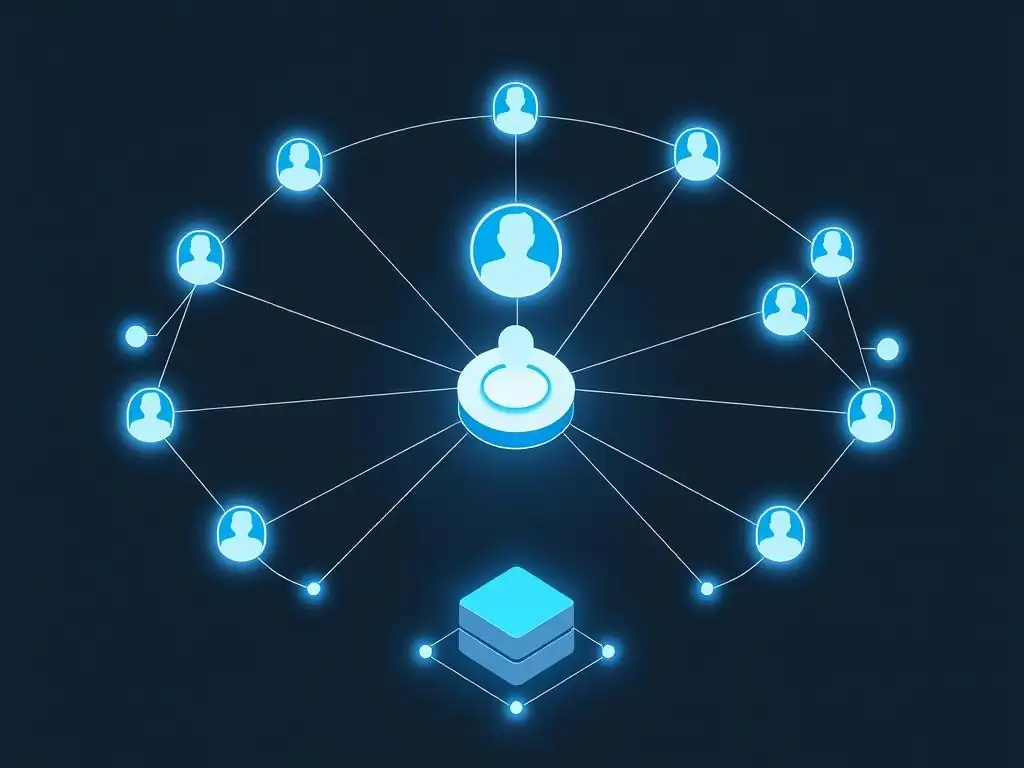
Setting Up an Indy Development Environment
Implementing Hyperledger Indy begins with setting up a development environment. This typically involves installing the necessary Indy SDK (Software Development Kit) and dependencies on your local machine. The Indy SDK provides libraries and tools for interacting with the Indy Ledger and building Indy Agents and applications. The specific setup steps vary depending on your operating system (Linux, macOS, Windows), but generally involve installing package managers like apt or brew and using them to install Indy-related packages.
Detailed documentation and tutorials are available on the Hyperledger Indy website and GitHub repository to guide developers through the setup process. It's recommended to start with a virtual environment to isolate Indy dependencies from other projects. Once the SDK is installed, developers can begin exploring the Indy command-line interface (CLI) and sample code to understand the basic functionalities of the platform. A properly configured development environment is the foundation for realizing Hyperledger identity management solutions benefits through practical implementation.
Creating and Managing Decentralized Identifiers (DIDs)
Creating and managing Decentralized Identifiers (DIDs) is a fundamental step in using Hyperledger Indy. DIDs are unique, persistent identifiers that are the cornerstone of decentralized identity. In Indy, DIDs are created and managed using the Indy SDK and are anchored on the Indy Ledger. The process involves generating a cryptographic key pair and registering the public key on the ledger as the DID document. This DID document contains information about the DID, including its public key and service endpoints.
Indy supports different DID methods, each with its own specific implementation details. Managing DIDs involves tasks like rotating keys, updating DID documents, and resolving DIDs to retrieve their associated DID documents from the ledger. The Indy SDK provides functions for all these operations, allowing developers to programmatically create, manage, and utilize DIDs within their applications. Proper DID management is crucial for ensuring the security and longevity of decentralized identities built on Hyperledger Indy, maximizing the long-term Hyperledger identity management solutions benefits.
Issuing and Verifying Verifiable Credentials
Issuing and verifying Verifiable Credentials are core functionalities of Hyperledger Indy and key to realizing Hyperledger identity management solutions benefits. Credential issuance involves an issuer creating a Verifiable Credential based on a predefined schema and signing it cryptographically. The Indy SDK provides tools for defining credential schemas, creating credentials, and signing them using the issuer's private key. These schemas define the structure and attributes of the credentials.
Verification, on the other hand, involves a verifier validating the authenticity and integrity of a Verifiable Credential presented by a holder. This is done by verifying the issuer's signature against the credential and checking the credential's revocation status on the Indy Ledger. The Indy SDK offers functions for performing these verification steps. The entire process is designed to be privacy-preserving, often utilizing zero-knowledge proofs to allow verifiers to confirm specific claims within a credential without accessing the entire credential data. Efficient and secure credential issuance and verification are central to the practical application of Hyperledger Indy for decentralized identity.
Use Cases for Hyperledger Indy
Government: Digital Identity and e-Governance
Governments worldwide are exploring Hyperledger Indy for digital identity and e-governance initiatives. National digital identity systems built on Indy can provide citizens with secure and user-controlled digital identities for accessing government services online. This can streamline citizen interactions with government agencies, reduce bureaucratic processes, and improve efficiency. For example, Estonia's e-Residency program, while not built on Indy, showcases the potential of digital identity for government services, and Indy could offer enhanced privacy and control in such systems.
Indy can also facilitate secure and transparent e-voting systems, digital document verification, and other e-governance applications. By leveraging decentralized identity, governments can enhance citizen trust, improve service delivery, and reduce the risk of identity fraud and data breaches. The potential Hyperledger identity management solutions benefits for government are substantial, leading to more efficient and citizen-centric governance models.
Healthcare: Patient Identity and Data Sharing
In healthcare, Hyperledger Indy offers compelling solutions for patient identity management and secure data sharing. As mentioned earlier, patient identity errors and data silos are significant challenges. Indy can empower patients with self-sovereign identities, allowing them to control access to their medical records and selectively share data with healthcare providers. Verifiable Credentials can represent patient identities, medical licenses for healthcare professionals, and even medication provenance.
Imagine a patient easily granting temporary access to their medical history to a specialist for consultation, knowing they retain full control over their data. Indy can also improve the security and privacy of health data exchange between hospitals, clinics, and research institutions, promoting better collaboration and research while adhering to HIPAA and other data privacy regulations. These applications highlight the significant Hyperledger identity management solutions benefits for healthcare, promising improved patient care and data management.
Supply Chain: Product Provenance and Authentication
Supply chain management can greatly benefit from Hyperledger Indy through improved product provenance and authentication. Counterfeit goods and lack of transparency in supply chains are major concerns across industries. Indy can be used to create Verifiable Credentials for products, tracking their journey from origin to consumer. This enables consumers and businesses to verify the authenticity and provenance of products, combating counterfeiting and enhancing supply chain transparency.
For instance, in the pharmaceutical industry, Indy can be used to track medications throughout the supply chain, ensuring their authenticity and preventing the distribution of counterfeit drugs. Similarly, in the food industry, Indy can provide consumers with verifiable information about the origin and processing of food products, building trust and accountability. These use cases demonstrate the broad Hyperledger identity management solutions benefits for supply chain transparency and product authentication.
Education: Credentials and Academic Records Verification
The education sector can leverage Hyperledger Indy for verifiable credentials and academic records verification. Traditional paper-based diplomas and transcripts are prone to fraud and are inefficient to verify. Indy can facilitate the issuance of Verifiable Credentials for academic degrees, certifications, and skills. These digital credentials can be easily shared and verified by employers, educational institutions, and other stakeholders, streamlining the credential verification process and reducing fraud.
Students and graduates can hold their academic credentials in their Indy Wallets and selectively share them as needed, maintaining control over their educational records. This can simplify job applications, academic admissions, and professional licensing processes. The efficiency and security offered by Indy in managing academic credentials highlight the valuable Hyperledger identity management solutions benefits for the education sector, promoting trust and efficiency in credential verification.
Hyperledger Indy vs. Traditional Identity Management
Control and Data Ownership
A fundamental difference between Hyperledger Indy and traditional identity management lies in control and data ownership. Traditional systems are typically centralized, with organizations holding and controlling user identity data. Users often have limited control over their data and rely on these organizations to protect it. Hyperledger Indy, on the other hand, empowers individuals with self-sovereign identity. Users control their DIDs, private keys, and Verifiable Credentials in their personal wallets, granting them ownership and control over their identity data.
This shift in control is a major advantage, addressing privacy concerns and reducing reliance on centralized authorities. Users can decide what information to share, with whom, and for how long. This user-centric approach is a core tenet of decentralized identity and a key differentiator compared to traditional models where users are often passive subjects of identity management systems. The enhanced control and data ownership are significant Hyperledger identity management solutions benefits.
Security and Vulnerabilities
Hyperledger Indy offers improved security and reduced vulnerabilities compared to traditional identity management systems. Centralized systems present single points of failure and are vulnerable to large-scale data breaches. Indy's decentralized architecture distributes identity data and control, mitigating the risk of mass data breaches. Furthermore, Indy leverages cryptographic techniques and zero-knowledge proofs to enhance security and privacy during identity verification processes.
Traditional systems often rely on passwords, which are prone to phishing, brute-force attacks, and weak password practices. Decentralized identity, particularly when combined with passwordless authentication methods, can eliminate the risks associated with passwords. The inherent security features of Indy, coupled with its decentralized nature, contribute to a more robust and resilient identity infrastructure compared to traditional centralized models, showcasing critical Hyperledger identity management solutions benefits in terms of security.
Scalability and Interoperability
Scalability and interoperability are crucial considerations for any identity management system. Traditional centralized systems can face scalability challenges when dealing with large numbers of users and transactions. Hyperledger Indy, while a permissioned ledger, is designed for scalability in identity-related use cases. Its architecture is optimized for efficient verification and transaction processing.
Interoperability is another key area. Traditional identity systems are often siloed and lack interoperability. Indy emphasizes interoperability by adhering to open standards like DIDs and Verifiable Credentials. This promotes integration with other decentralized identity ecosystems and systems, fostering broader adoption and usability. While centralized systems may have established infrastructure, Indy's focus on scalability and interoperability positions it well for future growth and integration within a broader decentralized digital landscape, highlighting important Hyperledger identity management solutions benefits for future-proof identity infrastructure.
Challenges and Future Trends
Scalability and Performance
While Hyperledger Indy is designed for scalability, achieving truly massive scale and high performance remains a challenge for all distributed ledger technologies, including Indy. As the number of users and transactions grows, ensuring consistent performance and low latency is critical. Ongoing research and development efforts within the Hyperledger community are focused on optimizing Indy's performance and scalability to meet the demands of large-scale deployments.
Techniques like sharding, layer-2 solutions, and consensus mechanism optimizations are being explored to further enhance Indy's scalability. Addressing these scalability challenges is crucial for realizing the full potential of Hyperledger identity management solutions benefits in large-scale applications like national digital identity systems or global credentialing networks.
Interoperability with Other Systems
Interoperability is a key strength of Hyperledger Indy, but further enhancing interoperability with diverse systems and platforms remains an ongoing effort. While Indy supports open standards like DIDs and VCs, ensuring seamless integration with legacy systems, existing identity providers, and other blockchain platforms is crucial for widespread adoption.
Efforts are underway to develop interoperability bridges and adapters that facilitate communication and data exchange between Indy and other systems. Standardization initiatives and cross-platform collaborations are also essential to promote interoperability and create a truly interconnected decentralized identity ecosystem. Improving interoperability will unlock even greater Hyperledger identity management solutions benefits by enabling seamless integration into existing digital infrastructures.
Regulatory Compliance and Data Privacy
Regulatory compliance and data privacy are paramount considerations for any identity management system, including Hyperledger Indy. Regulations like GDPR and CCPA impose stringent requirements for data protection and user consent. Indy's privacy-by-design features help address these concerns, but organizations implementing Indy solutions must ensure compliance with applicable regulations.
This includes implementing appropriate data governance policies, obtaining user consent for data processing, and ensuring data security and accountability. Navigating the evolving regulatory landscape and ensuring compliance are critical challenges for the widespread adoption of Hyperledger identity management solutions benefits. Clear legal frameworks and industry best practices are needed to guide organizations in deploying Indy solutions responsibly and compliantly.
The Future of Decentralized Identity
The future of decentralized identity is promising, with Hyperledger Indy playing a significant role in shaping its evolution. As digital interactions become increasingly pervasive, the need for secure, private, and user-centric identity solutions will only grow stronger. Decentralized identity, powered by technologies like Indy, offers a compelling alternative to traditional centralized models, addressing many of their limitations.
Future trends in decentralized identity include increased adoption across various sectors, advancements in interoperability and scalability, and the development of new use cases and applications. The convergence of decentralized identity with other emerging technologies like AI and IoT will further expand its potential. Hyperledger Indy is well-positioned to be a leading platform in this evolving landscape, driving the realization of Hyperledger identity management solutions benefits and ushering in a new era of digital identity.
Conclusion: Decentralized Identity with Hyperledger Indy
The Value Proposition of Indy
Hyperledger Indy offers a compelling value proposition for organizations and individuals seeking secure, private, and user-centric identity management solutions. Its decentralized architecture, privacy-by-design features, and robust set of tools make it a leading platform for building and deploying decentralized identity systems. The Hyperledger identity management solutions benefits are numerous, ranging from enhanced security and privacy to reduced costs, improved efficiency, and increased trust and transparency.
Indy empowers individuals with greater control over their digital identities while providing organizations with a secure and efficient platform for managing identity-related processes. Its focus on interoperability and open standards promotes broader adoption and integration, fostering a more interconnected and user-centric digital ecosystem. The platform's strengths address critical challenges in traditional identity management and position it as a key enabler of the future of digital identity.
Transforming Identity Management with Indy
Hyperledger Indy has the potential to transform identity management across various sectors, moving away from centralized, vulnerable systems towards a more decentralized, secure, and user-empowering paradigm. By leveraging the power of distributed ledger technology and cryptographic principles, Indy offers a robust foundation for building next-generation identity solutions. The Hyperledger identity management solutions benefits are not merely incremental improvements; they represent a fundamental shift in how identity is handled in the digital age.
From government services and healthcare to finance and supply chain, Indy's applications are vast and transformative. As adoption grows and the technology matures, Hyperledger Indy is poised to play a pivotal role in shaping the future of digital identity, creating a more secure, private, and user-centric digital world.
Frequently Asked Questions
What are the primary benefits of using Hyperledger Indy for identity management?
Hyperledger Indy offers secure and decentralized identity management, eliminating single points of failure. It provides increased user control over their personal data and enhances data privacy compared to traditional systems.
How does Hyperledger Indy differ from traditional identity management systems?
Unlike centralized systems, Indy utilizes a distributed ledger for identity verification. This provides greater transparency and security. Users also maintain control over their identity data.
What role does blockchain technology play in Hyperledger Indy's identity solutions?
Blockchain provides the immutable and auditable ledger necessary for secure identity verification. It enables the creation of self-sovereign identities (SSI). This ensures that identity data is tamper-proof and verifiable.
Can Hyperledger Indy be used for enterprise identity management, and what are the advantages?
Yes, Indy can be deployed for enterprise identity management, offering improved security and compliance. It streamlines processes such as user onboarding and access control. This can significantly reduce administrative overhead.
What are some potential regulatory considerations when implementing Hyperledger Indy for identity management?
Compliance with regulations like GDPR and CCPA is crucial. Organizations must ensure that users have control over their data and the ability to revoke access. Addressing these concerns is essential for adoption.
Final Reflection: Embracing Decentralized Identity
The exploration of Hyperledger Indy and its potential for revolutionizing identity management reveals a crucial truth: the future of secure and decentralized identity is no longer a distant possibility, but a tangible reality. The benefits of Hyperledger identity management solutions, as outlined in this article, are not merely theoretical advantages; they represent a fundamental shift towards user empowerment and data sovereignty in an increasingly interconnected world.
The impact of decentralized identity solutions extends far beyond technological advancements. It touches upon the very core of our digital interactions, fostering trust and transparency in a landscape often marred by data breaches and privacy concerns. The ability to control our own digital identities, verified and secured through blockchain technology, is paramount. Identity is the new perimeter of security,
as many security experts have stated, and Hyperledger Indy provides a robust framework for building that perimeter.
As we move forward, let us not simply be passive observers of this technological evolution. Instead, let us actively engage in shaping a future where digital identity is a tool for empowerment, not exploitation. Consider how you can leverage the principles of decentralized identity in your own life and work, advocating for solutions that prioritize user control and data privacy. The future of identity is in our hands; let's build it together.
Okay, here's a CTA for a web article titled "Hyperledger for Identity Management: Secure and Decentralized Solutions with Indy," targeting the Blockchain Trends audience:
Unleash the Power of Decentralized Identity!
Thanks for diving into the world of Hyperledger Indy and its potential to revolutionize identity management! Now that you understand the core concepts and benefits, it's time to take the next step.
Here's how you can get involved and champion this innovative technology:
- * Dive deeper: Explore the Hyperledger Indy documentation and start experimenting with building your own decentralized identity solutions. This is where you'll truly understand the power of Indy.
- Join the Hyperledger community: Contribute to the ongoing discussions on the Hyperledger RocketChat channels and connect with other developers and enthusiasts.
- Share this article: Help spread awareness about Hyperledger Indy and its potential to create a more secure and user-centric future for digital identity.
What's one small step you can take this week to explore the possibilities of decentralized identity with Hyperledger Indy?
Leave a Reply