
Decentralized Gaming Platforms: A Guide to the Best Current Offerings


Welcome to Blockchain Trends, your compass in the rapidly evolving world of decentralized technologies! Beyond the buzz of cryptocurrencies, we delve into the transformative potential of blockchain across diverse sectors. Intrigued by the intersection of finance and play? Then you're in the right place.
This month, we're diving deep into the exciting realm of blockchain gaming investment strategies. Discover what makes this space so compelling and what opportunities await. But that's just the beginning... What untapped potential lies within these decentralized gaming platforms? Keep reading to explore the best current offerings and unlock the secrets of successful investment!
Decentralized Gaming Platforms: A Guide to the Best Current Offerings
- Understanding the Rise of Decentralized Gaming Platforms
- Evaluating Top Decentralized Gaming Platforms in 2024
- Blockchain Gaming Investment Strategies: A Beginner's Guide
- The Future of Decentralized Gaming: Trends and Predictions
- Comparing Centralized vs. Decentralized Gaming: A Detailed Analysis
- Conclusion: Embracing the Potential of Decentralized Gaming Platforms
-
Frequently Asked Questions
- What are the key benefits of investing in decentralized gaming platforms powered by blockchain?
- How do blockchain gaming investment strategies differ from traditional gaming investments?
- What are some of the current best decentralized gaming platforms offering investment opportunities?
- What regulatory considerations should investors keep in mind when exploring blockchain gaming investment strategies?
- What are the potential risks associated with investing in decentralized gaming platforms?
- Final Reflection: Embracing the Future of Play
- Dive Deeper: Unlock Your Decentralized Gaming Journey!
Understanding the Rise of Decentralized Gaming Platforms
The Evolution of Gaming: From Centralized to Decentralized
The gaming industry has undergone a significant transformation over the decades, evolving from arcade machines and cartridge-based consoles to massively multiplayer online games and digital distribution platforms. Traditionally, this evolution has remained within a centralized framework, where game developers and publishers hold complete control over game assets, economies, and player data. Players invest time and resources into games, but these assets are often locked within the game's ecosystem, with limited real-world value or ownership rights. This centralized model, while dominant, has inherent limitations in terms of player agency and economic participation.
The advent of blockchain technology has paved the way for a paradigm shift towards decentralized gaming. This new era promises to redistribute power and value back to players. Instead of relying on central servers and proprietary databases, decentralized gaming platforms leverage blockchain to create transparent, secure, and player-owned ecosystems. This transition is not merely about adopting new technology, but about fundamentally altering the relationship between players and games, fostering communities built on genuine ownership and shared economic incentives. The shift is gaining momentum as players increasingly seek greater control and tangible returns on their gaming investments.
Key Benefits of Blockchain Gaming: Ownership, Transparency, and Interoperability
Decentralized gaming, powered by blockchain, introduces a suite of compelling benefits that are reshaping the gaming landscape. One of the most significant advantages is true ownership of in-game assets. Through Non-Fungible Tokens (NFTs), players can verifiably own digital items, from characters and weapons to virtual land and collectibles.
This ownership extends beyond the game itself, allowing players to trade, sell, or even utilize these assets across different platforms and metaverses, breaking down the walled gardens of traditional gaming. For example, a rare sword earned in a blockchain game can be traded on an open NFT marketplace like OpenSea, giving it real-world value.
Transparency is another cornerstone benefit. Blockchain's inherent transparency ensures that game rules, asset distribution, and economic mechanics are auditable and verifiable by all participants. This eliminates the opacity often associated with centralized game economies, fostering trust and fairness within the gaming community.
Furthermore, interoperability is a key aspiration of decentralized gaming. While still in its early stages, the vision is to create interconnected gaming universes where assets and identities can seamlessly move between different games and platforms. This interconnectedness promises to unlock new levels of player engagement and create richer, more dynamic gaming experiences, moving beyond the limitations of isolated, centralized game worlds.
Exploring the Metaverse and Decentralized Gaming Synergies
The metaverse, often envisioned as a persistent, shared, 3D virtual world, finds a natural ally in decentralized gaming platforms. Blockchain technology provides the essential infrastructure for building and managing metaverse environments, enabling digital ownership, secure transactions, and community governance. Decentralized gaming platforms are not just games; they are often foundational blocks within these emerging metaverses. They contribute to the metaverse by offering interactive experiences, digital economies, and opportunities for users to socialize, create, and earn within virtual spaces.
The synergy between decentralized gaming and the metaverse is evident in platforms where games are integrated into larger virtual worlds. For instance, in platforms like The Sandbox and Decentraland, users can own virtual land as NFTs and build interactive experiences, including games, on their parcels. This intertwining of gaming and metaverse elements creates immersive ecosystems where players are not just consumers of content but active participants in shaping the virtual world.
The metaverse provides a broader context for decentralized gaming, offering expanded use cases for in-game assets and fostering a more interconnected and user-centric digital future. This convergence is driving innovation in both sectors and attracting significant attention from investors exploring blockchain gaming investment strategies.
Evaluating Top Decentralized Gaming Platforms in 2024
Platform 1: Axie Infinity - A Deep Dive
Key Features and Gameplay Mechanics of Axie Infinity
Axie Infinity, developed by Sky Mavis, is a prominent example of a play-to-earn (P2E) decentralized gaming platform that gained significant traction, particularly in regions like Southeast Asia. At its core, Axie Infinity is a battle and creature-collecting game inspired by Pokémon. Players collect, breed, and battle with digital creatures called Axies, which are NFTs. The gameplay revolves around strategic turn-based battles using teams of three Axies. Each Axie possesses unique stats and abilities determined by its class, body parts, and breeding lineage.
The game features several key modes, including Adventure mode (PvE), Arena mode (PvP), and breeding. In Adventure mode, players battle against computer-controlled monsters to earn Smooth Love Potion (SLP), one of the game's tokens. Arena mode allows players to compete against each other, also earning SLP for victories.
Breeding Axies requires SLP and AXS (Axie Infinity Shards), the governance token, and allows players to create new Axies with potentially valuable traits. This breeding mechanic is central to the game's economy and Axie population growth. Axie Infinity's gameplay is designed to be engaging and strategic, requiring players to understand Axie types, team compositions, and battle tactics to succeed and maximize their earnings.
Tokenomics and Earning Potential within Axie Infinity
Axie Infinity operates a dual-token economy with AXS (Axie Infinity Shards) and SLP (Smooth Love Potion). AXS is the governance token, allowing holders to participate in the platform's governance decisions, stake for rewards, and use it for breeding Axies. SLP is primarily earned through gameplay and is used for breeding Axies. This dual-token system is designed to balance the in-game economy and incentivize both gameplay and long-term platform participation.
The play-to-earn model in Axie Infinity allows players to earn cryptocurrency through gameplay, primarily SLP. Players can earn SLP by playing Adventure and Arena modes, participating in daily quests, and competing in tournaments. This SLP can then be sold on cryptocurrency exchanges for fiat currency or other cryptocurrencies, providing a real-world earning opportunity.
Furthermore, Axies themselves are NFTs and can be bought and sold on the Axie Marketplace. Rare or high-quality Axies can fetch significant prices, creating another avenue for earning within the ecosystem. The earning potential in Axie Infinity varies depending on player skill, time investment, and market conditions, but it has demonstrated the viability of blockchain-based P2E models in gaming.
Axie Infinity's Unique Selling Proposition in the Blockchain Gaming Space
Axie Infinity carved a unique niche in the blockchain gaming space by pioneering a successful play-to-earn model that resonated with a global audience. Its accessibility, engaging gameplay, and clear earning mechanisms contributed to its rapid growth and popularity. One of Axie Infinity's key differentiators is its strong focus on community and player empowerment. Through the AXS governance token, players have a voice in the platform's future development and direction. This decentralized governance model aligns with the ethos of blockchain technology and fosters a sense of ownership and participation among players.
Another unique selling proposition is Axie Infinity's robust ecosystem, including its marketplace, breeding system, and scholarship programs. The Axie Marketplace facilitates the trading of Axies and other in-game assets, creating a vibrant player-driven economy. The breeding system adds depth to the gameplay and economy by allowing players to create new Axies with varying traits and rarity.
Scholarship programs, where Axie owners lend out Axies to other players in exchange for a share of their earnings, further expanded access to the game and contributed to its widespread adoption. While facing economic challenges and adjustments to its tokenomics, Axie Infinity remains a significant case study in blockchain gaming investment strategies and the potential of P2E models.
Platform 2: Decentraland - A Comprehensive Review
Understanding the Target Audience and Game Genre of Decentraland
Decentraland is a decentralized virtual world platform built on the Ethereum blockchain. Unlike traditional games with predefined narratives and objectives, Decentraland is a user-created and user-owned metaverse. Its target audience is broad, encompassing creators, artists, businesses, and individuals interested in exploring and building within a decentralized virtual environment. Decentraland is not strictly a "game" in the conventional sense, but rather a platform for social interaction, content creation, and virtual experiences.
The genre of Decentraland can be best described as a decentralized metaverse or virtual social world. It offers users a vast, persistent digital landscape composed of parcels of virtual land represented as NFTs. Users can purchase, develop, and monetize these land parcels, creating anything from games and art galleries to virtual shops and social hubs. Decentraland's open and decentralized nature allows for a wide range of user-generated content, making it a dynamic and evolving virtual space. It attracts individuals interested in virtual real estate, digital art, social networking, and exploring the possibilities of Web3 and the metaverse.
Analyzing the Development Team and Community Support for Decentraland
Decentraland is developed and governed by the Decentraland Foundation, a non-profit organization. However, a key aspect of Decentraland is its transition towards decentralized governance. The platform is increasingly moving towards a Decentralized Autonomous Organization (DAO) model, empowering the community to have greater control over the platform's development and policies. This transition reflects the core principles of decentralization and aims to ensure long-term sustainability and community-driven growth.
Community support for Decentraland is substantial and plays a vital role in its ecosystem. The Decentraland community is composed of LAND owners, content creators, event organizers, and active participants who contribute to the platform's vibrancy and growth. The community actively participates in governance proposals, organizes events and experiences within Decentraland, and contributes to the platform's overall development. This strong community support is a significant asset for Decentraland, fostering a sense of ownership and collective responsibility for the metaverse's future. The active and engaged community is a key indicator for investors considering blockchain gaming investment strategies within virtual world platforms.
Decentraland's Integration of NFTs and Digital Assets
NFTs are fundamental to the Decentraland ecosystem, serving as the basis for land ownership (LAND), avatars (Wearables), and in-world items. LAND parcels in Decentraland are NFTs, representing unique, non-fungible digital real estate. Ownership of LAND grants users the right to develop and control the content and experiences on their virtual parcels. This NFT-based land ownership model is a defining feature of Decentraland, establishing a foundation for a user-owned and decentralized metaverse.
Beyond LAND, Decentraland extensively utilizes NFTs for avatars and wearables. Users can customize their avatars with a wide variety of wearable NFTs, ranging from clothing and accessories to unique body parts and styles. These wearables are also tradable NFTs, allowing users to express their digital identity and participate in the metaverse economy.
Furthermore, NFTs can represent in-world items, art, and collectibles created and traded within Decentraland. The deep integration of NFTs throughout Decentraland's ecosystem underscores its commitment to digital ownership and the principles of Web3, making it a prominent example of how NFTs can power virtual worlds and digital economies.
Platform 3: The Sandbox - An In-Depth Analysis
Exploring the Technological Foundation of The Sandbox
The Sandbox is a decentralized metaverse platform built on the Ethereum blockchain, known for its voxel-based art style and user-generated content focus. Its technological foundation rests on several key components. Firstly, Ethereum blockchain provides the security and transparency for asset ownership and transactions within The Sandbox. Secondly, the platform utilizes NFTs extensively to represent LAND parcels, in-game assets (ASSETS), and avatars. This NFT infrastructure enables true digital ownership and facilitates a player-driven economy.
Thirdly, The Sandbox employs its own suite of tools, including VoxEdit and Game Maker, to empower users to create and animate voxel-based ASSETS and build interactive gaming experiences on their LAND. VoxEdit is a 3D voxel modeling and NFT creation software, allowing users to design characters, items, and environments. Game Maker is a visual scripting tool that enables users to create games and interactive experiences without coding knowledge.
These user-friendly tools are crucial to The Sandbox's ecosystem, fostering user-generated content and driving the platform's growth. The combination of blockchain technology and accessible creation tools forms the technological bedrock of The Sandbox metaverse.
Assessing the Scalability and Security of The Sandbox
Scalability and security are critical considerations for any blockchain-based platform, including The Sandbox. Being built on the Ethereum blockchain, The Sandbox inherits Ethereum's security features, benefiting from its decentralized and robust network. However, Ethereum's mainnet historically faced scalability limitations, particularly in handling high transaction volumes and gas fees, which could impact the user experience within The Sandbox.
To address scalability challenges, The Sandbox has explored and implemented solutions such as Layer-2 scaling solutions and partnerships with other blockchain networks. These solutions aim to improve transaction throughput and reduce gas fees, enhancing the platform's scalability and making it more accessible to a wider audience.
Furthermore, The Sandbox is continuously working on optimizing its infrastructure and exploring new technologies to ensure the platform can handle increasing user activity and content creation. While scalability remains an ongoing focus, The Sandbox leverages the security of the Ethereum blockchain and actively seeks solutions to enhance its performance and user experience as it grows.
The Sandbox's Approach to Decentralized Governance and Player Empowerment
The Sandbox emphasizes decentralized governance and player empowerment as core principles. While initially developed by Pixowl, The Sandbox is progressively transitioning towards a more decentralized governance model, aiming to empower its community to shape the platform's future. The SAND token, The Sandbox's utility token, plays a crucial role in governance. SAND holders will eventually be able to participate in governance decisions through a Decentralized Autonomous Organization (DAO). This DAO will allow SAND holders to vote on proposals related to platform updates, feature implementations, and the allocation of resources.
Player empowerment is central to The Sandbox's vision. The platform's user-generated content focus, combined with NFT-based ownership, grants creators significant control over their digital assets and experiences. Players can create, own, and monetize their ASSETS and LAND, fostering a creator economy within the metaverse. The Sandbox's approach to decentralized governance and player empowerment aligns with the broader Web3 ethos, aiming to build a user-centric and community-driven virtual world. This commitment to decentralization and player agency is a key factor for investors evaluating blockchain gaming investment strategies in metaverse platforms.
Blockchain Gaming Investment Strategies: A Beginner's Guide
Identifying Promising Decentralized Gaming Projects
Researching Game Mechanics, Tokenomics, and Team Background
Investing in decentralized gaming projects requires careful due diligence. A crucial first step is thoroughly researching the game mechanics. Understand the gameplay loop, the target audience, and the overall entertainment value of the game. Is the game fun and engaging? Does it offer unique and compelling gameplay? A strong game mechanic is fundamental for long-term player retention and project success. Look beyond the hype and assess the core gameplay for its intrinsic appeal.
Next, delve into the project's tokenomics. Understand the utility of the tokens, the token distribution model, and the inflationary or deflationary mechanisms in place. A well-designed token economy should incentivize both gameplay and long-term holding, fostering a sustainable ecosystem. Analyze the token supply, vesting schedules, and potential token sinks and sources. Finally, research the development team behind the project.
Look into their experience in gaming, blockchain, and business. A reputable and experienced team increases the likelihood of successful project execution and long-term development. Assess their track record, advisors, and community engagement. These three pillars - game mechanics, tokenomics, and team background - form the foundation for evaluating the potential of blockchain gaming investment strategies.
Assessing the Long-Term Viability and Sustainability of the Platform
Beyond the initial hype, assessing the long-term viability and sustainability of a decentralized gaming platform is paramount for informed investment decisions. Consider the platform's roadmap and development plans. Does the project have a clear vision for the future? Are there ongoing development efforts and plans for new features, content, and expansions? A robust roadmap indicates a commitment to long-term growth and innovation.
Evaluate the platform's community and ecosystem growth. Is the community active and engaged? Is the platform attracting new players and creators? A thriving community and ecosystem are vital for long-term sustainability. Monitor key metrics like player retention, transaction volume, and social media engagement.
Furthermore, assess the platform's revenue model and long-term economic sustainability. How does the platform generate revenue? Is the revenue model sustainable in the long run? Consider factors like transaction fees, NFT sales, and potential partnerships. Long-term viability hinges on a combination of solid game mechanics, sustainable tokenomics, a strong community, and a clear roadmap for future development.
Understanding Volatility, Security Concerns, and Regulatory Uncertainty
Investing in blockchain gaming, like any cryptocurrency-related investment, comes with inherent risks and rewards. Understanding these risks is crucial for navigating this nascent space. Volatility is a significant factor. Cryptocurrency markets are known for their price fluctuations, and gaming tokens are no exception. Token prices can be highly volatile, influenced by market sentiment, game popularity, and broader crypto market trends. Be prepared for potential price swings and invest with a long-term perspective.
Security concerns are also paramount. Blockchain gaming platforms, while leveraging blockchain's security, are not immune to vulnerabilities. Smart contract risks, hacks, and phishing scams are potential threats. Thoroughly research the platform's security measures and be cautious about interacting with smart contracts. Regulatory uncertainty is another key risk. The regulatory landscape for cryptocurrencies and blockchain gaming is still evolving globally. Changes in regulations could impact the legality and viability of certain platforms and tokens. Stay informed about regulatory developments and consider the potential impact on your investments. Acknowledging and understanding these risks is fundamental to responsible blockchain gaming investment strategies.
Diversifying Your Portfolio and Managing Risk Effectively
Effective risk management is crucial when investing in blockchain gaming. Diversification is a fundamental principle. Do not put all your investment capital into a single gaming project. Spread your investments across multiple platforms and tokens to mitigate risk. Diversification reduces the impact of any single project's failure or underperformance on your overall portfolio.
Implement sound risk management strategies. Determine your risk tolerance and invest only what you can afford to lose. Set stop-loss orders to limit potential losses. Take profits when your investments appreciate to secure gains. Stay informed and continuously monitor your investments and the market. Consider dollar-cost averaging (DCA) to mitigate volatility by investing a fixed amount at regular intervals. By diversifying your portfolio, implementing risk management strategies, and staying informed, you can navigate the risks and rewards of blockchain gaming investments more effectively.
Maximizing Returns on Blockchain Gaming Investments
Staking, Yield Farming, and NFT Trading Strategies
Maximizing returns in blockchain gaming investments extends beyond simply holding tokens. Several strategies can enhance potential gains. Staking is a common strategy where you lock up your tokens to support the network and earn rewards, often in the form of additional tokens. Many decentralized gaming platforms offer staking programs for their native tokens. Research the staking APY (Annual Percentage Yield) and the lock-up periods before participating.
Yield farming is another strategy that involves lending or borrowing your tokens on decentralized finance (DeFi) platforms to earn interest or rewards. While potentially higher-yielding than staking, yield farming also carries higher risks, including impermanent loss and smart contract risks. Understand the risks involved before engaging in yield farming. NFT trading presents another avenue for maximizing returns.
In-game NFTs, such as characters, land, and items, can be valuable assets. Trading NFTs on marketplaces can be profitable, particularly for rare or in-demand items. However, NFT markets can be volatile, and successful NFT trading requires market knowledge and careful analysis. Combining these strategies, while understanding their respective risks, can help optimize your blockchain gaming investment strategies.
Participating in Community Events and Early-Stage Sales
Engaging with the community and participating in early-stage sales can offer unique opportunities to maximize returns in blockchain gaming investments. Participating in community events can provide valuable insights and access to exclusive opportunities. Join the project's Discord, Telegram, or other community channels. Attend AMAs (Ask Me Anything) sessions, participate in contests, and engage with other community members. Community involvement can provide early access to information, potential airdrops, and whitelisting opportunities for token sales or NFT drops.
Early-stage sales, such as initial DEX offerings (IDOs) or NFT presales, can offer the potential for significant returns if the project is successful. However, early-stage investments are also inherently riskier. Thoroughly research the project and team before participating in any early-stage sale. Understand the vesting schedule and tokenomics of early-stage tokens or NFTs. Participating in community events and carefully considering early-stage sales can provide opportunities for maximizing returns, but always prioritize due diligence and risk management.
The Future of Decentralized Gaming: Trends and Predictions
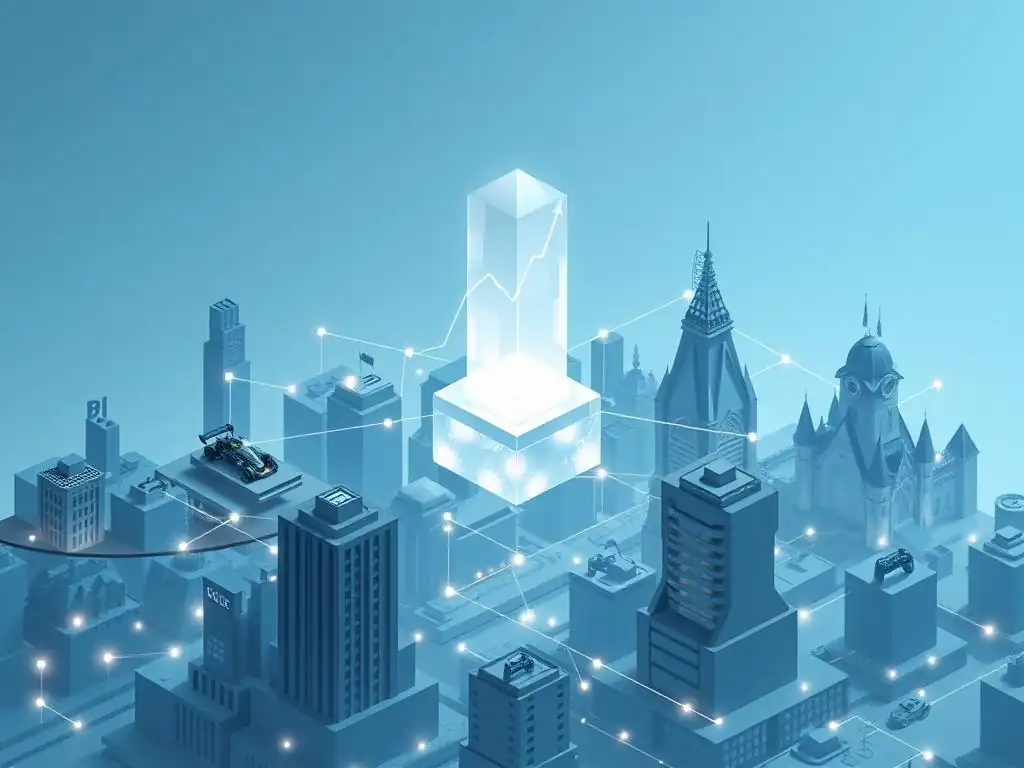
The Integration of AI and Machine Learning in Blockchain Games
The future of decentralized gaming is poised for exciting advancements, with the integration of Artificial Intelligence (AI) and Machine Learning (ML) being a significant trend. AI and ML can enhance various aspects of blockchain games, from creating more dynamic and responsive game environments to personalizing player experiences. Imagine AI-powered NPCs (Non-Player Characters) that learn and adapt to player behavior, creating more challenging and engaging gameplay. AI can also be used to generate dynamic game content, such as quests, storylines, and even entire game worlds, leading to more diverse and ever-evolving gaming experiences.
Furthermore, AI and ML can play a crucial role in balancing game economies and detecting in-game cheating or botting. AI algorithms can analyze vast amounts of game data to identify imbalances in tokenomics and suggest adjustments to maintain a healthy and sustainable game economy. ML can be used to detect and prevent cheating or botting activities, ensuring fair play and a level playing field for all players. The integration of AI and ML is expected to revolutionize decentralized gaming, making games more immersive, engaging, and equitable, attracting a broader audience and further solidifying blockchain gaming investment strategies.
The Growth of Play-to-Earn (P2E) and Play-and-Own (P&O) Models
Play-to-Earn (P2E) and the emerging Play-and-Own (P&O) models are set to define the future of decentralized gaming. P2E, pioneered by games like Axie Infinity, allows players to earn cryptocurrency and NFTs through gameplay, creating economic incentives for participation. While P2E has shown promise, it has also faced challenges related to economic sustainability and player retention beyond earning. The future likely lies in the evolution towards more balanced P&O models.
Play-and-Own (P&O) models aim to shift the focus from solely "earning" to genuine "ownership" and "enjoyment." P&O emphasizes fun and engaging gameplay as the primary driver, with ownership of in-game assets as an added benefit and incentive. This model seeks to create more sustainable and player-centric economies, where earning is a byproduct of enjoyable gameplay rather than the sole purpose.
P&O models are expected to attract a broader audience of gamers who are primarily interested in playing fun games, while still benefiting from the advantages of digital ownership and potential economic participation. The shift towards P&O represents a maturation of the blockchain gaming space and a more sustainable path for long-term growth and adoption.
The Evolution of Gaming Guilds and Decentralized Autonomous Organizations (DAOs) in Gaming
Gaming guilds and Decentralized Autonomous Organizations (DAOs) are poised to play an increasingly important role in the future of decentralized gaming. Gaming guilds, initially focused on P2E games, are evolving beyond simply facilitating earning opportunities. They are transforming into communities that provide support, resources, and shared learning experiences for their members. Guilds are investing in infrastructure, developing training programs, and fostering a sense of community among players. They are becoming integral parts of the decentralized gaming ecosystem, contributing to player onboarding and community growth.
DAOs are also emerging as governance structures within gaming platforms, empowering players to participate in decision-making processes. DAOs allow token holders to vote on proposals related to game development, tokenomics, and platform governance. This decentralized governance model aligns with the ethos of blockchain and fosters a sense of ownership and collective responsibility among players. The evolution of gaming guilds and the increasing adoption of DAOs in gaming are contributing to a more decentralized, player-centric, and community-driven future for the industry. These trends are significant for understanding the evolving landscape of blockchain gaming investment strategies.
Comparing Centralized vs. Decentralized Gaming: A Detailed Analysis
Ownership and Control: Who Owns Your Game Assets?
A fundamental difference between centralized and decentralized gaming lies in ownership and control of game assets. In traditional centralized games, players purchase licenses to access and use in-game items, but they do not truly own them. Game developers and publishers retain ultimate control over these assets. They can modify, remove, or even shut down the game, rendering players' investments and progress worthless outside of the game's ecosystem. Players are essentially renting access to digital assets within a centralized system.
Decentralized gaming, leveraging blockchain and NFTs, fundamentally alters this paradigm. Players in decentralized games can truly own their in-game assets as NFTs. These NFTs are recorded on a blockchain, providing verifiable proof of ownership and scarcity.
Players have the freedom to trade, sell, or use these assets outside of the game's ecosystem, on NFT marketplaces or in other compatible platforms. This shift to player ownership is a core tenet of decentralized gaming, empowering players with greater control and economic agency over their digital assets. This difference in ownership is a key factor driving the appeal of decentralized gaming and influencing blockchain gaming investment strategies.
Transparency and Fairness: Ensuring a Level Playing Field
Transparency and fairness are significantly enhanced in decentralized gaming compared to centralized systems. Centralized games often operate with opaque rules and hidden mechanics. Players have limited visibility into game algorithms, item drop rates, or the overall game economy. This lack of transparency can lead to concerns about fairness, potential manipulation, and a lack of trust in the game's ecosystem. Centralized control can sometimes result in imbalances or decisions that favor the game publisher over the players.
Decentralized gaming, powered by blockchain, offers greater transparency. Game rules, tokenomics, and even game code can be made publicly auditable on the blockchain. Smart contracts ensure that game mechanics are executed predictably and transparently, reducing the potential for manipulation or hidden agendas. The use of blockchain technology creates a more level playing field, where game mechanics are verifiable, and players can have greater trust in the fairness and integrity of the game ecosystem. This enhanced transparency is a significant advantage of decentralized gaming, fostering trust and community engagement.
Earning Potential: Comparing Revenue Models and Opportunities
Earning potential represents a significant divergence between centralized and decentralized gaming models. Traditional centralized games primarily operate on revenue models based on upfront game purchases, in-app purchases, and subscriptions. While players can spend money within these games, the revenue primarily flows to the game developers and publishers. Players generally do not have opportunities to directly earn real-world value through gameplay, except perhaps through unofficial third-party marketplaces, which often violate terms of service.
Decentralized gaming introduces new revenue models and earning opportunities for players through play-to-earn (P2E) and play-and-own (P&O) models. Players can earn cryptocurrency and NFTs through gameplay, contributing to the game ecosystem, and participating in in-game economies. These earnings can be converted to fiat currency or reinvested within the game ecosystem. Decentralized gaming empowers players to monetize their time and skills, creating new economic opportunities and shifting the revenue distribution model to be more inclusive of players. This enhanced earning potential is a major draw for players and a key consideration for blockchain gaming investment strategies.
Conclusion: Embracing the Potential of Decentralized Gaming Platforms
Blockchain Gaming: A New Frontier for Entertainment and Investment
Blockchain gaming represents a new frontier in the entertainment industry and a burgeoning investment landscape. It is more than just a technological upgrade to traditional gaming; it is a fundamental shift in the relationship between players, games, and digital assets. Decentralized gaming platforms are pioneering innovative models that empower players with true ownership, enhanced transparency, and new economic opportunities. These platforms are building vibrant communities and creating immersive virtual worlds that are reshaping the gaming experience.
The potential of blockchain gaming extends beyond entertainment. It is creating new economic ecosystems, fostering digital ownership, and exploring the possibilities of Web3 and the metaverse. As the technology matures and adoption grows, blockchain gaming is poised to become a significant force in the gaming industry and a compelling area for investment. Understanding the underlying principles, key platforms, and investment strategies is crucial for navigating this exciting and rapidly evolving space. Blockchain gaming investment strategies are increasingly becoming a focus for investors seeking exposure to the future of gaming and the metaverse.
Preparing for the Future of Gaming with Decentralization
The future of gaming is increasingly intertwined with decentralization. As blockchain technology continues to advance and adoption accelerates, decentralized gaming platforms are expected to play a more prominent role in the gaming landscape. Preparing for this future involves understanding the core principles of decentralized gaming, staying informed about emerging trends, and exploring the opportunities within this space. For players, it means embracing new forms of gameplay, engaging with player-owned economies, and participating in community-driven platforms.
For investors, it entails conducting thorough due diligence, understanding the risks and rewards of blockchain gaming investment strategies, and identifying promising projects with long-term potential. The transition towards decentralized gaming is not just a technological shift but a cultural and economic evolution. Embracing the potential of decentralized gaming platforms means preparing for a future where players have greater ownership, control, and economic participation in the games they love, and where gaming becomes an even more immersive and rewarding experience.
Frequently Asked Questions
What are the key benefits of investing in decentralized gaming platforms powered by blockchain?
Decentralized platforms offer greater transparency and player ownership over in-game assets. This can lead to increased engagement and potentially higher returns for investors seeking exposure to the rapidly growing blockchain gaming market.
How do blockchain gaming investment strategies differ from traditional gaming investments?
Unlike traditional gaming, blockchain gaming allows for asset tokenization, enabling players and investors to own and trade digital items as non-fungible tokens (NFTs). This creates new investment opportunities and revenue streams not possible in traditional gaming.
What are some of the current best decentralized gaming platforms offering investment opportunities?
Platforms like Axie Infinity, Decentraland, and The Sandbox have gained significant traction and offer opportunities to invest in in-game land, NFT assets, or through platform-specific tokens.
What regulatory considerations should investors keep in mind when exploring blockchain gaming investment strategies?
The regulatory landscape surrounding blockchain gaming and NFTs is still evolving, presenting potential legal and compliance risks. Investors should conduct thorough due diligence and be aware of varying regional regulations concerning digital assets.
What are the potential risks associated with investing in decentralized gaming platforms?
Risks include market volatility, platform security vulnerabilities, and the potential for project failure. Thorough research and diversification are crucial for mitigating these risks in the nascent blockchain gaming space.
Final Reflection: Embracing the Future of Play
The exploration of decentralized gaming platforms reveals more than just a collection of games; it unveils a paradigm shift in how we perceive ownership, community, and the very nature of play. The rise of blockchain gaming represents a fundamental reimagining of the player-developer relationship, empowering individuals with true digital ownership and fostering vibrant, self-governing ecosystems. This is not just a trend; it's a foundational change with the potential to reshape the entire gaming industry and beyond.
This movement towards decentralized gaming has profoundly impacted the cultural landscape, fostering a sense of community and shared ownership that traditional gaming often lacks. Witnessing the evolution of these platforms firsthand has reinforced the importance of empowering creators and players alike. The future of gaming is not just about playing games; it's about owning a piece of the game, participating in its development, and sharing in its success.
This quote encapsulates the transformative potential of blockchain gaming, highlighting its ability to create a more equitable and engaging experience for everyone involved.
As you navigate the evolving world of blockchain gaming investment strategies, remember that the true value lies not just in the potential for financial gain, but in the opportunity to support a more democratic and innovative future. Consider how you can contribute to these burgeoning ecosystems, not just as an investor, but as a participant, a builder, and a champion of this new era of play. Let us all strive to build a gaming landscape that is truly owned by the players, for the players, and of the players.
Okay, I will now create a CTA based on the title "Decentralized Gaming Platforms: A Guide to the Best Current Offerings" for the website "Blockchain Trends" (blockchaintrends.org), following the provided instructions.
Dive Deeper: Unlock Your Decentralized Gaming Journey!
Thank you for exploring the exciting world of decentralized gaming with us! We hope you've discovered some amazing new platforms and gained valuable insights into the future of gaming. Now, it's time to take the next step and become a part of this revolution.
Here are a few things you can do right now:
- Explore our platform database to discover more options. Use our search filters to focus on the games you enjoy and compare detailed information.
- Join the conversation! Share this article with other gamers on social media and tag @BlockchainTrends.
- Participate in the forum! Share your favorite decentralized games, your views on the platform selection, or seek community advice.
Ready to shape the future of gaming by experiencing a decentralized platform?
Leave a Reply