
Security Tokens and Art: Tokenizing Collectibles and Fine Art

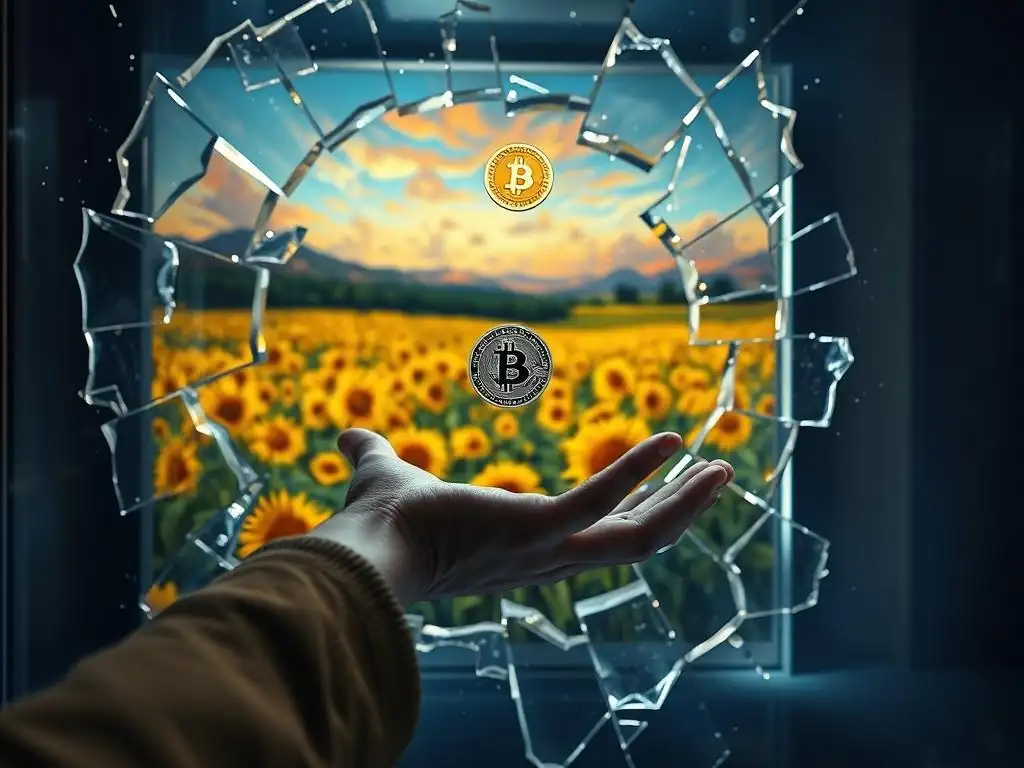
Welcome to Blockchain Trends, your guide to understanding the revolutionary impact of blockchain technology.
Are you ready to explore a new frontier in art investment? This article delves into the fascinating world of tokenized art investment opportunities, uncovering how security tokens are transforming the way we buy, sell, and own collectibles and fine art. Discover how fractional ownership and increased liquidity are opening up previously inaccessible markets. Intrigued? Keep reading to uncover the potential and the pitfalls of this exciting new trend in tokenization and tokenomics.
- Security Tokens and Art: Tokenizing Collectibles & Fine Art - Blockchain Trends
- Why Tokenize Art? Benefits of Art Tokenization
- Utility Tokens vs. Security Tokens in the Art Market
- How Art Tokenization Works: A Step-by-Step Overview
- Real-World Examples of Tokenized Art Platforms and Projects
- The Future of Tokenized Art Investment Opportunities
- Risks Associated with Investing in Tokenized Art
- Conclusion: Is Tokenized Art a Viable Investment Strategy?
-
Frequently Asked Questions
- What are security tokens, and how do they relate to art investment?
- How does tokenizing art collectibles create new investment opportunities?
- What are the potential benefits of investing in security tokens representing art?
- What are the regulatory considerations surrounding security tokens and art?
- What are the risks associated with investing in tokenized art assets?
- Final Reflection: Unlocking Art's Future Through Tokenization
- Unveil Your Inner Art Investor: Start Tokenizing Today!
Security Tokens and Art: Tokenizing Collectibles & Fine Art - Blockchain Trends
The Rise of Digital Assets in the Art World
The traditional art market, historically characterized by opacity and exclusivity, is undergoing a significant transformation driven by blockchain technology. This shift is paving the way for innovative digital assets that represent ownership or fractional ownership of physical or digital artworks.
The emergence of these digital assets, often in the form of tokens, is fundamentally altering how art is bought, sold, and invested in, creating new avenues for participation and liquidity. This evolution is particularly relevant for exploring tokenized art investment opportunities, making a market previously accessible only to a select few now potentially open to a broader range of investors.
The digital representation of art assets allows for unprecedented divisibility and transferability. While NFTs (Non-Fungible Tokens) have captured significant attention for representing unique digital or physical items, security tokens offer a different model, typically representing a share or ownership stake in a high-value asset like a masterpiece. This distinction is crucial for understanding the structure and regulatory implications of investing in art through tokenization, providing a pathway to fractional ownership that was previously complex or impossible for individual investors.
Defining Security Tokens in the Context of Art
In the realm of tokenized art investment opportunities, a security token represents an investment contract, mirroring the characteristics of traditional securities like stocks or bonds. When applied to art, a security token signifies a verifiable, fractional, or full ownership stake in a specific artwork or a portfolio of art assets. These tokens are issued and managed on a blockchain, providing a transparent and immutable record of ownership and transaction history, which is a significant departure from the often opaque record-keeping in the traditional art world.
Unlike utility tokens, which provide access to a service or product, or non-fungible tokens (NFTs), which represent unique assets, security tokens are designed to provide investors with rights, such as profit sharing, voting rights, or a claim on the underlying asset's value. For art tokenization, this typically means the token holder owns a proportional share of the artwork's value, potentially benefiting from its appreciation. This structure requires adherence to securities regulations, adding a layer of compliance and investor protection not always present in other token types within the digital asset space.
Why Tokenize Art? Benefits of Art Tokenization
Increased Liquidity for Art Assets
One of the most significant challenges in the traditional art market is its inherent illiquidity. High-value artworks can take months or even years to sell, involving complex processes, high transaction costs, and limited potential buyers. Tokenization addresses this by breaking down ownership into smaller, more manageable digital units – tokens – that can be traded on secondary markets. This process dramatically increases the potential pool of buyers and sellers, making it easier and faster to transfer ownership stakes.
By facilitating the trading of art tokens on specialized platforms, tokenization transforms a historically illiquid asset class into a more dynamic and accessible market. This enhanced liquidity not only benefits investors seeking easier exit strategies but also provides art owners and institutions with new ways to unlock capital from their collections without having to sell entire pieces outright. The ability to quickly trade fractions of ownership represents a paradigm shift for tokenized art investment opportunities.
Democratizing Art Investment: Lowering Barriers to Entry
Historically, investing in fine art was largely restricted to wealthy individuals and institutions capable of acquiring entire high-value pieces. The cost of entry was prohibitively high for most potential investors. Tokenization shatters this barrier by enabling fractional ownership. Investors can purchase tokens representing a small percentage of a valuable artwork, effectively allowing them to own a piece of a masterpiece for a fraction of the total price.
This democratization expands the potential investor base significantly, opening up tokenized art investment opportunities to a much wider audience. An investor might be able to acquire a token representing 0.1% ownership in a Picasso or a Warhol for a few hundred or thousand dollars, an investment scale previously unimaginable. This accessibility fosters greater participation and potentially injects new capital into the art market.
Enhanced Transparency and Provenance Tracking
The traditional art market is often criticized for its lack of transparency regarding ownership history, pricing, and authenticity. Provenance, the history of ownership, is critical for determining an artwork's authenticity and value but can be difficult to definitively trace. Tokenization leverages blockchain's inherent characteristics – immutability and transparency – to create a secure and verifiable record.
Each transaction and ownership transfer of a tokenized artwork is recorded on the blockchain, providing an indelible and publicly auditable history. This significantly enhances transparency compared to paper-based records. Furthermore, information about the artwork's provenance, condition reports, and authentication certificates can be linked to the token's metadata, creating a digital passport for the artwork that is resistant to fraud and manipulation. This increased transparency builds trust and confidence among participants in tokenized art investment opportunities.
Fractional Ownership of High-Value Art Pieces
Fractional ownership, enabled by tokenization, is perhaps the most compelling benefit for investors looking at tokenized art investment opportunities. Instead of needing millions to acquire a single masterpiece, investors can purchase tokens representing a share of its value. For example, a $50 million painting could be tokenized into 50,000 tokens, each valued at $1,000, allowing numerous individuals to co-own the piece.
This model allows investors to diversify their portfolios by allocating smaller amounts across multiple artworks rather than concentrating significant capital in a single asset. It also makes it feasible for smaller investors to participate in the appreciation of blue-chip art, a sector historically reserved for the ultra-wealthy. The ability to own a fraction of a renowned artwork makes high-value art investment accessible and manageable for a broader range of investors.
Utility Tokens vs. Security Tokens in the Art Market
Differentiating Utility Tokens and Security Tokens for Art
Understanding the distinction between utility tokens and security tokens is crucial when evaluating tokenized art investment opportunities. A utility token, in the context of art, might grant access to exclusive content, events, or services related to an art platform or artist. For example, a token could provide early access to art drops, discounts on merchandise, or voting rights on platform features. Its value is derived from its utility within a specific ecosystem, not from ownership rights in an underlying asset.
Conversely, a security token representing art explicitly represents an investment contract and ownership stake in the artwork itself. Its value is tied directly to the market value and potential appreciation of the underlying physical or digital artwork. If you hold a security token for a painting, you own a piece of that painting's value and may be entitled to a share of profits if the artwork is eventually sold or generates income (e.g., through exhibitions). This clear distinction is fundamental for regulatory purposes and investor expectations.
Regulatory Considerations for Security Token Offerings (STOs) in Art
Launching a Security Token Offering (STO) for art requires careful navigation of existing securities regulations, which vary significantly across jurisdictions. In the United States, for example, an STO is typically subject to regulations enforced by the Securities and Exchange Commission (SEC). This means the token offering must comply with rules similar to those governing traditional Initial Public Offerings (IPOs) or private placements, such as Regulation D or Regulation A.
Compliance involves significant legal work, including registering the offering or qualifying for an exemption, providing detailed disclosures to potential investors (often through a prospectus or offering memorandum), and adhering to ongoing reporting requirements. Failure to comply can result in severe penalties, including fines and legal action. Platforms facilitating tokenized art investment opportunities via STOs must ensure they operate within these complex legal frameworks to protect both themselves and their investors.
Compliance Requirements for Art-Backed Security Tokens
Issuers and platforms dealing with art-backed security tokens face stringent compliance requirements. These obligations typically include Know Your Customer (KYC) and Anti-Money Laundering (AML) checks on investors to prevent illicit activities. Investors may also need to meet specific accreditation requirements depending on the regulatory framework (e.g., being a qualified purchaser or accredited investor in the US).
Furthermore, there are requirements related to the custody of the underlying artwork, the valuation process, and how profits or proceeds from the artwork's eventual sale are distributed to token holders. The legal structure underpinning the tokenization, often involving special purpose vehicles (SPVs) that legally own the artwork, must be robust and transparent. Ensuring these compliance measures are met is paramount for the legitimacy and long-term viability of tokenized art investment opportunities structured as securities.
How Art Tokenization Works: A Step-by-Step Overview

Art Valuation and Due Diligence for Tokenization
The process of tokenizing art begins with a rigorous valuation of the artwork intended for tokenization. This is typically conducted by independent, reputable art appraisers with expertise in the specific artist and period. The valuation considers factors such as the artist's market standing, the artwork's provenance, condition, exhibition history, and recent sales of comparable works. An accurate and fair valuation is critical as it forms the basis for the total value of the tokens to be issued.
Alongside valuation, extensive due diligence is performed on the artwork's authenticity, title, and legal status. This ensures that the artwork is genuine, free from encumbrances (like liens or disputed ownership), and legally available for tokenization. This step is vital for investor confidence and forms the foundation for secure tokenized art investment opportunities. Legal structures, often involving a dedicated legal entity to hold the artwork, are established to protect token holders' rights.
Creating and Minting Art-Backed Security Tokens
Once the artwork is valued and due diligence is complete, the next step involves creating and minting the security tokens on a chosen blockchain platform (e.g., Ethereum, Tezos, Algorand). The tokens are typically issued using established security token standards, such as ERC-1400 on Ethereum, which are designed to handle the complex compliance and transfer restrictions required for securities. The total number of tokens minted represents the agreed-upon value of the artwork, divided into smaller units.
Metadata associated with each token includes details about the underlying artwork, the legal structure, and the rights conferred to token holders. The smart contract governing the tokens is programmed to manage fractional ownership, facilitate transfers according to regulatory requirements (like whitelisting approved investors), and potentially distribute any income or sale proceeds. This technical process transforms the physical or digital asset into tradable digital securities, enabling tokenized art investment opportunities.
Listing and Trading Art Security Tokens on Exchanges
After the security tokens are minted and the STO (Security Token Offering) is completed, the tokens may be listed on regulated Security Token Exchanges (STEs) or Alternative Trading Systems (ATS). Unlike cryptocurrency exchanges, STEs are designed to comply with securities regulations and typically have stricter requirements for listing and trading. They provide a platform for investors to buy and sell the art tokens in the secondary market, offering liquidity.
Access to these exchanges is often restricted to verified and compliant investors who have passed KYC/AML checks and meet accreditation standards where applicable. The trading of art security tokens on regulated platforms provides a level of oversight and investor protection not always present in the broader crypto market, crucial for the maturity and adoption of tokenized art investment opportunities. The price of the tokens on these exchanges will fluctuate based on market demand and the perceived value of the underlying artwork.
Custody and Security of Tokenized Art Assets
A critical aspect of art tokenization, particularly for physical artworks, is the secure custody of the underlying asset. The artwork must be stored in a secure, climate-controlled facility, often a professional art storage vault, and insured appropriately. The legal entity that owns the artwork on behalf of the token holders is responsible for managing this custody and ensuring the artwork's preservation.
For digital art or NFTs that are subsequently tokenized into security tokens, the security focuses on the digital asset itself and the smart contract. Secure digital wallets and robust cybersecurity measures are essential to protect the tokens and the underlying digital asset information on the blockchain. Ensuring the security and integrity of both the physical (if applicable) and digital assets is fundamental to maintaining investor trust in tokenized art investment opportunities.
Real-World Examples of Tokenized Art Platforms and Projects
Case Study 1: Maecenas Fine Art Platform
Maecenas was one of the early pioneers in the art tokenization space, aiming to make blue-chip art investment accessible. Launched in 2017-2018, the platform facilitated the fractional ownership of high-value artworks through security tokens. One notable example was the tokenization of a portion of Andy Warhol's "14 Small Electric Chairs" (1980). Maecenas tokenized 31.5% of the painting's value, raising $1.7 million in their first public art token sale.
The platform utilized its own ART token for certain functions but the ownership stakes in the artwork were represented by distinct security tokens. Maecenas demonstrated the technical feasibility of tokenizing a physical masterpiece and conducting a compliant token sale, opening up the possibility of tokenized art investment opportunities for a broader audience. While the platform faced challenges and evolved over time, its early initiatives provided valuable insights into the potential and complexities of this market.
Case Study 2: LACollection Platform
LACollection, in partnership with the British Museum, represents another approach to art tokenization, focusing initially on creating NFTs of museum artifacts for digital collectibles. While primarily dealing with NFTs rather than security tokens representing ownership of the physical artifacts themselves, this project illustrates the broader trend of museums and institutions exploring blockchain technology. They launched a series of digital collectibles based on famous artworks from the British Museum's collection, such as Hokusai's "The Great Wave off Kanagawa."
Although not a direct example of security tokenization for investment in the physical assets, LACollection's project highlights institutional engagement with digital assets and lays groundwork for potential future models that could involve security tokens representing ownership in reproductions, exhibitions, or even fractional rights to digital versions that generate revenue. It shows how major cultural institutions are beginning to explore the possibilities presented by blockchain for engaging audiences and potentially creating new revenue streams, which could indirectly influence the landscape of tokenized art investment opportunities.
Analyzing the Performance of Tokenized Art Investments
Analyzing the performance of tokenized art investments is still a relatively nascent field, as the market is young and data points are limited compared to traditional asset classes. Early projects like the Maecenas sale of the Warhol fraction provided a proof of concept, but long-term secondary market performance data for specific art security tokens is still accumulating. Factors influencing performance include the appreciation of the underlying artwork, the liquidity of the secondary market for the tokens, and overall market sentiment towards digital assets and art.
Some platforms report internal data or conduct analyses on the correlation between token price and the estimated value of the underlying asset. For instance, a platform might track the price of tokens representing a specific painting and compare it to updated appraisals or auction results for similar works by the artist.
Early indications suggest that tokenized art values can follow the trends of the traditional art market, but the added layer of digital asset market dynamics also plays a role. Investors considering tokenized art investment opportunities should seek platforms that provide transparent reporting on asset valuation and market performance data where available.
The Future of Tokenized Art Investment Opportunities
The Impact of Blockchain on the Art Market
Blockchain technology is poised to profoundly impact the art market, moving beyond just tokenization into areas like provenance verification, secure transaction processing, and potentially even smart contracts governing artist royalties on resales. By providing an immutable and transparent ledger, blockchain can address long-standing issues of authenticity, ownership disputes, and market opacity. This increased trust and efficiency can facilitate smoother transactions and potentially attract more participants to the market.
The introduction of tokenized art investment opportunities, particularly through security tokens, is democratizing access and increasing liquidity, fundamentally altering the market's structure. As the technology matures and regulatory clarity increases, blockchain is expected to streamline many of the complex processes involved in buying, selling, and managing art assets, making the market more efficient and accessible on a global scale.
Emerging Trends in Art Tokenization
Several trends are emerging in the art tokenization space. One is the increasing focus on regulatory compliance, with platforms prioritizing STOs and working closely with financial regulators to ensure their offerings are legally sound. Another trend is the expansion beyond blue-chip art to include emerging artists, collectibles (like rare wines or watches), and even fractional ownership in cultural assets like historical manuscripts.
We are also seeing the development of more sophisticated platforms offering enhanced features, such as integrated custody solutions, professional asset management, and data analytics on artwork performance. Furthermore, there's a growing convergence between the physical and digital art worlds, with projects exploring how to create security tokens linked to hybrid assets or portfolios that include both traditional art and high-value digital art/NFTs. These trends are shaping the landscape for future tokenized art investment opportunities.
Challenges and Opportunities for Art-Backed Security Tokens
Despite the promising potential, art-backed security tokens face challenges. Regulatory uncertainty remains a significant hurdle in many jurisdictions. The need for robust legal frameworks, secure custody of physical assets, and accurate, ongoing valuation of the underlying art are complex requirements. Building liquid secondary markets for these tokens also requires significant effort and investor adoption.
However, the opportunities are substantial. Tokenization can unlock billions of dollars in value currently held in illiquid art assets. It can provide artists and collectors with new ways to monetize their works and collections. For investors, it offers access to a previously exclusive asset class with the potential for diversification and appreciation. As the market matures and infrastructure improves, tokenized art investment opportunities are expected to become more mainstream, offering innovative ways to invest in culture and value.
Risks Associated with Investing in Tokenized Art
Regulatory Uncertainty in the Art Tokenization Space
One of the primary risks for investors in tokenized art investment opportunities is the evolving and often uncertain regulatory landscape. As security tokens are relatively new, regulatory bodies worldwide are still developing guidelines and enforcement approaches. What is permissible in one jurisdiction might be illegal in another. This lack of harmonization can create legal risks for platforms and investors, including the possibility that an offering could be deemed non-compliant retrospectively.
Changes in regulations could impact the legality of owning or trading certain tokens, potentially affecting their liquidity and value. Investors must be aware that they are participating in a market segment where the rules are still being written and enforced, which introduces a layer of unpredictability compared to investing in traditional, well-regulated securities markets.
Liquidity Risks in the Secondary Market
While tokenization aims to increase liquidity, the secondary market for art-backed security tokens is still developing and may not be as liquid as traditional stock markets. Trading volume for specific art tokens on regulated exchanges can be low, making it difficult for investors to buy or sell tokens quickly at their desired price. The number of active buyers and sellers for a token representing a fraction of a single artwork might be limited.
Lower liquidity can lead to wider bid-ask spreads and make it challenging to exit an investment, especially during market downturns. Investors considering tokenized art investment opportunities should assess the trading volume and exchange options available for specific tokens before investing and be prepared for the possibility that their investment may not be easily convertible to cash in the short term.
Valuation Challenges in the Tokenized Art Market
Accurately valuing art is subjective and challenging, even in the traditional market. For tokenized art, this challenge is compounded. While an initial appraisal provides a starting point, the market value of art can fluctuate based on trends, the artist's reputation changes, exhibition history, and overall economic conditions. Providing ongoing, transparent, and independent valuations for the underlying artwork that supports the token's value is crucial but complex.
The price of the token on a secondary market might also diverge from the estimated value of the underlying asset due to market sentiment specific to digital assets or the particular platform. Investors need to understand the methodology used for initial and subsequent valuations and recognize that the market price of their tokens might not always perfectly reflect the latest appraisal of the physical artwork.
Security Risks and Smart Contract Vulnerabilities
Investing in tokenized art also carries technological risks inherent to blockchain and smart contracts. While blockchain is designed to be secure, the smart contracts that govern the tokens and the tokenization process could contain vulnerabilities or bugs. Errors in the code could lead to unintended consequences, including loss of funds or inability to access or transfer tokens.
Furthermore, the platforms and wallets used to store and trade these tokens can be targets for hacking. While regulated platforms typically employ high security standards, no digital system is entirely immune. Investors must take precautions to secure their private keys and choose reputable platforms. Understanding these technical risks is essential for anyone exploring tokenized art investment opportunities.
Conclusion: Is Tokenized Art a Viable Investment Strategy?
Evaluating the Potential of Art-Backed Security Tokens
Tokenized art investment opportunities, particularly those structured as security tokens, offer a compelling new way to access the art market. They address significant pain points of the traditional market, such as illiquidity and high barriers to entry, by enabling fractional ownership and potentially increasing market transparency. For investors seeking diversification beyond traditional financial assets, art can represent a valuable addition to a portfolio, and tokenization makes this accessible.
The potential for appreciation in value, coupled with the innovation brought by blockchain technology, positions art-backed security tokens as a potentially viable investment strategy. However, it is crucial to approach this market with a clear understanding of its unique characteristics, including the subjectivity of art valuation and the nascent nature of the tokenized market infrastructure.
Key Considerations for Investors Interested in Tokenized Art Investment Opportunities
Investors considering tokenized art investment opportunities should perform thorough due diligence. Key considerations include understanding the specific artwork being tokenized – its provenance, condition, and market potential – and the legal structure underpinning the tokenization. Researching the platform issuing and listing the tokens is vital, checking their regulatory compliance, security measures, and the experience of their team.
Furthermore, investors must understand the risks involved, including regulatory uncertainty, potential liquidity issues, and valuation challenges. It is advisable to only invest capital that one can afford to lose and to consider consulting with a financial advisor familiar with digital assets and alternative investments. While the potential is significant, a cautious and informed approach is essential when navigating the emerging world of tokenized art investment opportunities.
Frequently Asked Questions
What are security tokens, and how do they relate to art investment?
Security tokens are digital representations of ownership in an asset, like a piece of art. They offer fractional ownership and increased liquidity compared to traditional art investment.
How does tokenizing art collectibles create new investment opportunities?
Tokenization allows smaller investors to participate in the art market with lower entry barriers. This democratizes access and potentially increases the overall market demand for art.
What are the potential benefits of investing in security tokens representing art?
Benefits include increased liquidity, portfolio diversification, and improved transparency due to blockchain's immutable record. This can lead to a more efficient and accessible art market.
What are the regulatory considerations surrounding security tokens and art?
Regulatory compliance is crucial. Security tokens are subject to securities laws, which vary by jurisdiction. Investors need to understand these legal frameworks before investing.
What are the risks associated with investing in tokenized art assets?
Risks include market volatility, illiquidity of the underlying asset, and the potential for fraud or scams. Due diligence is essential before investing in any tokenized art.
Final Reflection: Unlocking Art's Future Through Tokenization
The exploration of security tokens and their application to the art world reveals a landscape ripe with democratized access and enhanced liquidity. No longer confined to the elite, tokenized art investment opportunities are poised to reshape the market, offering fractional ownership and a new avenue for both artists and collectors to thrive in a digital age.
The impact of this technological shift extends far beyond mere financial transactions. It's about reimagining the very essence of art ownership and accessibility, fostering a deeper connection between creators and patrons. Art washes away from the soul the dust of everyday life.
- Pablo Picasso. This quote encapsulates the transformative power of art, and tokenization promises to extend that power to a wider audience, allowing more individuals to participate in the beauty and potential of the art world.
As we stand at the cusp of this revolution, I invite you to consider the implications of tokenized art investment opportunities. How can you leverage this technology to support artists, diversify your portfolio, or simply engage with art in a more meaningful way? The future of art is being written now, and your participation can help shape a more inclusive and vibrant artistic landscape for generations to come.
Okay, I'm ready to craft a Call to Action for the end of a web article titled "Security Tokens and Art: Tokenizing Collectibles and Fine Art" for the website "Blockchain Trends" (domain: blockchaintrends.org). Here's my attempt:
Unveil Your Inner Art Investor: Start Tokenizing Today!
Thank you for diving into the world of security tokens and art! We hope you've gained valuable insights into how blockchain is revolutionizing the way we invest in and interact with collectibles and fine art. Now, it's time to take the next step and become a part of this exciting transformation!
Here's how you can get started:
- Explore your own collection: Take inventory of your art or collectibles and research the potential for fractional ownership through tokenization.
- Research reputable platforms: Look into security token platforms that specialize in art tokenization to find the best fit for your needs.
- Join the conversation: Share this article with fellow art enthusiasts or blockchain aficionados to spark a discussion about the future of art investment!
What's one piece of art, either physical or digital, that you would immediately tokenize if given the opportunity, and why? Let us know in the comments!
Leave a Reply