
Blockchain Creator Grants and Funding: Supporting Decentralized Content Creation

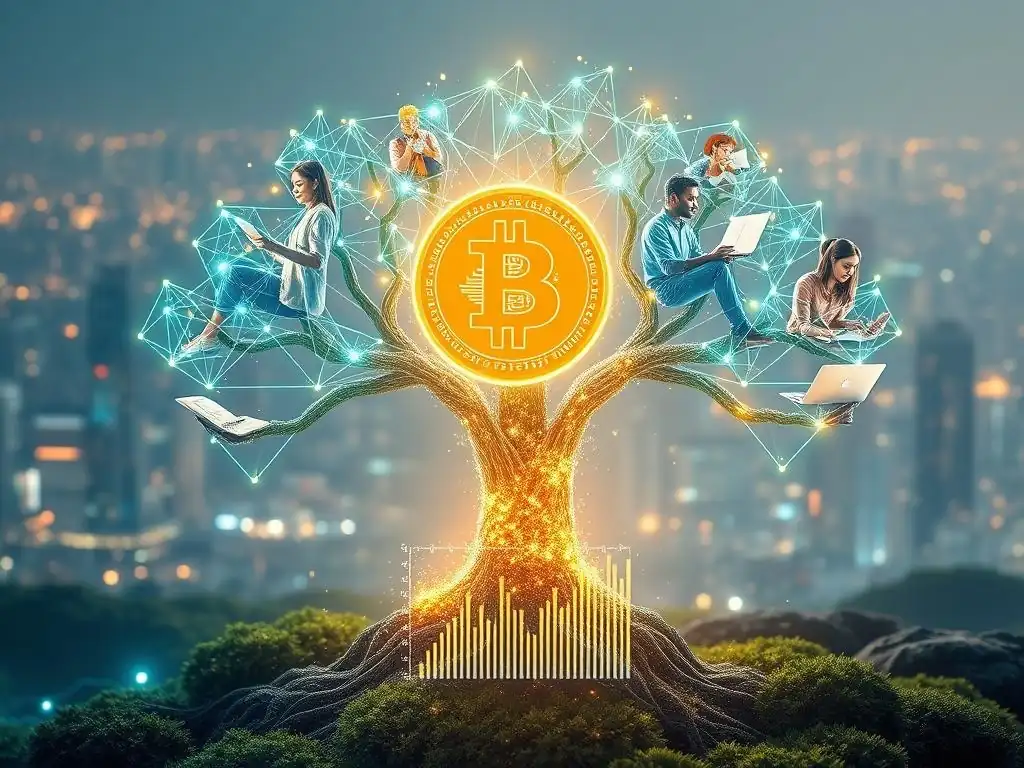
Welcome to Blockchain Trends, your compass in the rapidly evolving world of decentralized technologies! Curious about how blockchain is reshaping industries beyond just digital currencies? Dive in to uncover its transformative potential.
Today, we're exploring a fascinating intersection: blockchain funding decentralized content creation. How are grants and innovative funding models empowering creators and revolutionizing the way content is made and distributed? Join us as we delve into this exciting space and explore the future of media built on blockchain.
Introduction: The Rise of Decentralized Content Creation and Blockchain Funding
The digital landscape is undergoing a significant transformation, shifting towards decentralized models of content creation and distribution. This evolution is largely fueled by blockchain technology, which offers creators unprecedented control over their work and revenue streams, moving away from the traditional dominance of centralized platforms. As creators seek alternatives that prioritize autonomy and direct engagement with their audience, blockchain-based solutions are gaining traction. This shift necessitates new funding mechanisms that align with the principles of decentralization, transparency, and community ownership.
Blockchain funding is emerging as a critical catalyst in this decentralized content revolution. Traditional funding models often involve intermediaries that take significant cuts of creator earnings and impose restrictions on content ownership and distribution. Blockchain, however, offers a pathway to bypass these intermediaries, enabling direct funding from foundations, DAOs, and even audiences through innovative mechanisms. This new paradigm empowers creators financially and fosters a more equitable and sustainable ecosystem for digital content.
- How does blockchain technology facilitate funding for decentralized content creation?
- What are Blockchain Creator Grants and what are their purpose?
- What are some examples of decentralized content creation platforms that leverage blockchain?
- What are the benefits of using blockchain for funding decentralized content creation compared to traditional methods?
- What are the potential regulatory challenges associated with blockchain-based funding for content creation?
Understanding Blockchain Funding Mechanisms for Creators
What are Blockchain Creator Grants?
Blockchain creator grants are financial awards distributed by blockchain foundations, decentralized autonomous organizations (DAOs), and other entities within the Web3 space to support content creators who are building on or utilizing blockchain technology. These grants are specifically designed to foster innovation and growth within the decentralized content ecosystem.
Unlike traditional funding models that might involve equity stakes or complex repayment structures, blockchain grants are often non-dilutive, meaning creators retain full ownership of their projects and intellectual property. The primary goal of these grants is to incentivize the creation of valuable content that contributes to the expansion and enrichment of the blockchain ecosystem.
These grants serve as vital resources for creators exploring new forms of digital media, decentralized applications (dApps) for content, and novel monetization strategies within the blockchain space. They can support a wide range of projects, from educational content explaining blockchain concepts to creative endeavors utilizing NFTs or decentralized publishing platforms. The application process typically involves submitting a proposal outlining the project's goals, the problem it solves, its intended audience, and how it leverages blockchain technology. Successful grant applications demonstrate a clear understanding of blockchain principles and a compelling vision for contributing to the decentralized web.
Different Types of Blockchain Funding Opportunities for Content Creators
The landscape of blockchain funding for content creators is diverse, offering various avenues for securing financial support. These opportunities can be broadly categorized, each with its own characteristics and suitability for different types of projects and creators.
Direct Grants from Blockchain Foundations
Direct grants from blockchain foundations are a cornerstone of funding for decentralized content. Foundations associated with major blockchain protocols like Ethereum Foundation, Web3 Foundation (Polkadot), and Solana Foundation, among others, often allocate substantial resources to grant programs. These programs are designed to support projects that contribute to the growth and development of their respective ecosystems.
For instance, the Ethereum Foundation has historically provided grants across various categories, including developer tooling, infrastructure, and community building, which can encompass content creation initiatives. Similarly, the Web3 Foundation's grants program focuses on projects that advance the decentralized web. These grants often range from a few thousand to hundreds of thousands of dollars, depending on the scope and impact of the project.
Eligibility criteria for these foundation grants typically prioritize projects that are open-source, technically sound, and aligned with the foundation's mission. For content creators, this could mean projects that educate users about the blockchain, create engaging decentralized media experiences, or develop tools that enhance the creator economy within the specific blockchain ecosystem. Foundations often publish detailed information about their grant programs on their websites, including application deadlines, focus areas, and past recipients, providing valuable resources for creators seeking funding.
Decentralized Autonomous Organizations (DAOs) and Creator Funding
Decentralized Autonomous Organizations (DAOs) are emerging as a powerful force in funding content creators within the blockchain space. DAOs are community-led entities that operate based on rules encoded on a blockchain, enabling collective decision-making and resource allocation. Many DAOs are specifically focused on supporting creators within their communities or ecosystems.
For example, a DAO dedicated to a particular NFT project might allocate funds to creators who produce art, music, or written content related to that NFT collection. These DAOs often utilize their treasuries, which are funded through token sales, membership fees, or other community-driven mechanisms, to issue grants and fund proposals.
DAOs offer a more community-centric and often more accessible funding route compared to traditional institutions. Proposals within DAOs are typically voted on by token holders, creating a transparent and democratic process for funding allocation. Creator DAOs are becoming increasingly prevalent, empowering creators to collectively manage resources and support each other. Examples include DAOs focused on supporting writers, musicians, or video creators within specific niches of the Web3 space. Engaging with relevant DAOs and understanding their governance processes can unlock unique funding opportunities for creators seeking to build within decentralized communities.
Venture Capital and Blockchain Investment in Creator Platforms
Venture Capital (VC) firms are increasingly recognizing the potential of the blockchain-based creator economy and are actively investing in platforms and infrastructure that support decentralized content creation. While not direct grants to individual creators, VC investment fuels the growth of blockchain platforms that, in turn, provide creators with new monetization and distribution channels. This type of funding is crucial for scaling up decentralized creator platforms and making them more accessible and user-friendly. VC firms are looking for projects with strong teams, innovative business models, and the potential to disrupt existing centralized platforms.
Investment from VCs often takes the form of equity funding, where the VC firm receives a stake in the company in exchange for capital. This funding enables platforms to build out their technology, expand their teams, and market their services to a wider audience of creators.
Platforms like Mirror, Audius, and others mentioned later in this article have benefited from VC funding, allowing them to develop robust decentralized solutions for publishing, music streaming, and other content verticals. For creators, this influx of VC capital translates into more sophisticated and well-funded platforms to utilize, ultimately strengthening the overall decentralized content ecosystem.
Why Blockchain Funding is Crucial for Decentralized Content
Empowering Independent Creators through Blockchain Grants
Blockchain grants are pivotal in empowering independent creators by providing them with financial autonomy and creative freedom. Traditional funding models often come with strings attached, such as equity sharing, content restrictions, or lengthy approval processes. Blockchain grants, especially those from foundations and DAOs, are often non-dilutive and prioritize the creator's vision. This allows creators to maintain full ownership of their work and pursue projects aligned with their artistic and ethical principles, rather than being dictated by the demands of investors or centralized platforms.
This empowerment extends beyond just financial support. Blockchain funding can also foster a sense of community and shared purpose among creators. DAOs, in particular, create environments where creators can collaborate, share knowledge, and collectively advocate for their interests. By reducing reliance on centralized intermediaries and providing direct access to funding, blockchain grants enable creators to build sustainable careers on their own terms, fostering a more diverse and vibrant creator ecosystem.
Overcoming Traditional Funding Barriers with Blockchain Technology
Traditional funding models for content creators are often riddled with barriers that blockchain technology effectively addresses. Gatekeepers, such as large media corporations or platform algorithms, often control access to funding and audience reach. These centralized systems can be opaque, favor established players, and impose significant fees, limiting opportunities for emerging and independent creators. Blockchain funding mechanisms, in contrast, offer greater transparency, decentralization, and global accessibility.
Blockchain grants are typically awarded through transparent processes, often involving public proposals and community voting, as seen in DAOs. This reduces bias and allows for funding decisions to be made based on merit and community value rather than subjective gatekeeping. Furthermore, blockchain technology facilitates borderless transactions, enabling creators from anywhere in the world to access funding opportunities, regardless of geographical limitations or traditional banking infrastructure. This democratizes access to funding and fosters a more inclusive and equitable creator economy, breaking down barriers that have historically hindered independent creators.
Fostering Innovation and Experimentation in Decentralized Media
Blockchain funding is a catalyst for innovation and experimentation within decentralized media. Traditional funding sources often favor established content formats and proven business models, discouraging risk-taking and the exploration of novel approaches. Blockchain grants, particularly those focused on emerging technologies and decentralized paradigms, actively encourage experimentation and the development of new forms of content and distribution. This is crucial for pushing the boundaries of digital media and realizing the full potential of decentralized technologies.
The availability of blockchain funding empowers creators to explore new content formats like interactive NFTs, decentralized storytelling platforms, and community-owned media channels. It also supports experimentation with novel monetization strategies, such as tokenized content access, micro-tipping, and decentralized marketplaces. By providing financial backing for unconventional and forward-thinking projects, blockchain funding drives innovation and accelerates the evolution of decentralized media, paving the way for a more dynamic and creator-centric digital landscape.
Key Blockchain Platforms and Initiatives Supporting Content Creators
Arweave: Grant Programs and Creator Initiatives
Arweave is a decentralized storage network that provides permanent and immutable data storage, often referred to as the "permaweb." Recognizing the importance of content creation for a thriving permaweb ecosystem, Arweave actively supports creators through various grant programs and initiatives. These programs are designed to encourage the development of applications, tools, and content that leverage Arweave's unique permanent storage capabilities. Arweave grants are particularly relevant for creators focused on long-term content preservation, archival projects, and building decentralized applications that require immutable data storage.
Arweave's grant programs often focus on projects that demonstrate innovative use cases for permanent storage, contribute to the growth of the permaweb ecosystem, and align with Arweave's mission of creating a decentralized and censorship-resistant web. They have supported projects ranging from decentralized social media platforms to archival tools for historical documents and creative content. The amount and type of grants vary, but they often include financial support, technical mentorship, and access to Arweave's community and resources.
Eligibility Criteria for Arweave Grants
Eligibility for Arweave grants typically centers around projects that effectively utilize Arweave's permanent storage and contribute to the permaweb ecosystem. Projects are evaluated based on several criteria, including the clarity of the project's vision, the technical feasibility of the proposed solution, the potential impact on the Arweave ecosystem, and the team's capabilities. Projects that prioritize open-source development, community engagement, and long-term sustainability are often favored.
For content creators specifically, eligibility might focus on projects that leverage Arweave to permanently archive valuable content, create censorship-resistant publishing platforms, or develop novel forms of decentralized media that benefit from immutable storage. Examples could include projects archiving historical digital art, creating decentralized libraries of educational resources, or building platforms for permanent digital journalism. Detailed eligibility criteria and application guidelines are usually available on the Arweave website and grant program documentation.
Success Stories of Creators Funded by Arweave
Several creators and projects have successfully leveraged Arweave grants to build impactful initiatives on the permaweb. One example is the Verto.Exchange, a decentralized exchange built on Arweave, which has received grant support to develop its platform and expand its functionalities. While not solely content-focused, Verto enables the trading of permaweb assets, supporting the creator economy within the Arweave ecosystem. Another example is projects focused on archiving and preserving historical data and cultural heritage on the permaweb, ensuring long-term access to valuable information.
While specific names of individual content creators funded by Arweave might require deeper research into grant recipient lists, the general categories of successful projects highlight the types of content and applications Arweave supports. These success stories demonstrate the potential of Arweave grants to empower creators to build lasting and impactful projects on the permaweb, contributing to a more resilient and decentralized internet.
Mirror: Fostering Decentralized Storytelling
Mirror is a decentralized publishing platform built on blockchain technology, specifically designed to empower writers and creators to own their content and monetize their work directly. It provides a suite of tools for publishing articles, newsletters, and other written content, leveraging blockchain for content ownership, distribution, and monetization. Mirror stands out as a platform that is actively fostering decentralized storytelling and providing innovative funding mechanisms for writers.
Mirror's approach is rooted in the principles of Web3, giving creators control over their content and data while enabling direct engagement with their audience. It utilizes blockchain to timestamp and secure content ownership, allowing writers to publish their work as NFTs (Non-Fungible Tokens), which can be collected by readers. This NFT-based publishing model opens up new avenues for writers to monetize their content and build sustainable careers outside of traditional publishing gatekeepers.
Mirror's Approach to Content Funding
Mirror offers several innovative approaches to content funding, primarily centered around NFTs and decentralized crowdfunding. Writers on Mirror can publish their articles as NFTs, allowing readers to purchase and collect these digital publications. This creates a direct revenue stream for writers and fosters a new form of digital content ownership for readers. Beyond individual article NFTs, Mirror also supports "editions," allowing writers to release limited-edition NFT publications, creating scarcity and collectibility.
Furthermore, Mirror facilitates decentralized crowdfunding through its "Collect Editions" feature. Writers can launch crowdfunding campaigns where supporters can collect editions of their work to fund future projects. This model bypasses traditional crowdfunding platforms and leverages blockchain to ensure transparency and direct support for creators. Mirror's focus on NFTs and decentralized crowdfunding represents a significant shift towards creator-centric funding models in the publishing industry.
Examples of Innovative Content Projects on Mirror
Mirror has become a hub for innovative content projects exploring the intersection of writing and blockchain technology. Many writers are utilizing Mirror to publish essays, articles, and newsletters on Web3 topics, decentralized culture, and the creator economy itself. For example, writers like Jesse Walden of Variant Fund use Mirror to publish insightful analyses of the crypto and Web3 space, offering their content directly to their audience through NFTs.
Beyond crypto-specific content, Mirror is also being used for diverse forms of writing, including fiction, poetry, and journalism. The platform's NFT-based publishing model encourages experimentation with new forms of digital literature and allows writers to build direct relationships with their readers. The success of writers on Mirror demonstrates the platform's potential to empower a new generation of decentralized storytellers and foster a more equitable and sustainable publishing ecosystem.
Audius: Building a Sustainable Blockchain Creator Economy
Audius is a decentralized music streaming platform built on blockchain technology, specifically designed to empower musicians and create a more equitable and sustainable music industry. It provides a platform for artists to upload, share, and monetize their music directly with listeners, bypassing traditional intermediaries like record labels and streaming services. Audius is a prominent example of a blockchain platform actively building a creator economy centered around music.
Audius' mission is to give artists more control over their music, their data, and their earnings. By leveraging blockchain, Audius aims to address some of the key challenges facing musicians in the traditional music industry, such as unfair royalty splits, lack of transparency, and limited control over distribution. The platform utilizes its native token, AUDIO, to incentivize participation from artists, listeners, and node operators, creating a decentralized and community-driven ecosystem.
Audius' Funding Model for Creators
Audius employs a multi-faceted funding model for creators, primarily leveraging its AUDIO token and community-driven initiatives. Artists on Audius can earn AUDIO tokens through various mechanisms, including staking rewards, community grants, and listener tipping. The platform also distributes a portion of its token supply to artists based on their popularity and engagement on the platform, rewarding creators for their contributions to the Audius ecosystem.
Beyond token rewards, Audius also fosters a community-driven grant program where AUDIO token holders can vote on proposals to fund specific artists or projects that benefit the platform. This decentralized grant system empowers the Audius community to directly support creators they believe in. Furthermore, Audius is exploring new monetization avenues for artists, such as NFT integration and decentralized ticketing, further diversifying revenue streams for musicians within the ecosystem.
How Creators Can Participate in Audius' Ecosystem
Musicians can participate in the Audius ecosystem by creating a profile on the platform and uploading their music. The platform is designed to be user-friendly and accessible to artists of all levels, from emerging musicians to established artists seeking greater control over their music. Once artists upload their music, they can start engaging with listeners, building their fanbase, and earning AUDIO tokens through platform participation and community engagement.
Audius encourages artists to actively participate in the community, engage with listeners, and contribute to the platform's growth. Artists can also participate in governance by staking AUDIO tokens and voting on proposals that shape the future of the platform. By joining the Audius ecosystem, musicians gain access to a decentralized platform that prioritizes artist empowerment, fair compensation, and direct connection with their audience, offering a compelling alternative to traditional music streaming models.
How to Find and Apply for Blockchain Creator Grants
Identifying Relevant Funding Opportunities for Your Content
Finding the right blockchain creator grants requires targeted research and a clear understanding of your project's alignment with different funding organizations. Not all blockchain foundations or DAOs fund all types of content. Therefore, identifying opportunities that specifically match your content niche, blockchain technology preference, and project goals is crucial for maximizing your chances of success.
Start by considering which blockchain ecosystems are most relevant to your content. If your project is focused on NFTs, you might explore grants from NFT platforms or blockchains that are popular for NFT projects. If your content is educational about a specific blockchain, that blockchain's foundation grant program would be a logical starting point. Understanding the focus areas and priorities of different funding organizations is the first step in identifying relevant opportunities.
Researching Blockchain Foundations and DAOs
Researching blockchain foundations and DAOs involves exploring their websites, documentation, and community channels. Most blockchain foundations maintain websites with dedicated sections on their grant programs, outlining eligibility criteria, application processes, and past recipients. Websites like the Ethereum Foundation Grants Program, Web3 Foundation Grants, and Solana Foundation Grants are excellent starting points for exploring foundation-led funding.
For DAOs, research might involve exploring online communities, forums, and social media channels associated with specific DAOs. Platforms like DeepDAO and Snapshot can provide insights into the landscape of DAOs and their activities. Look for DAOs that are focused on creator funding or relevant content niches. Engaging with DAO communities and understanding their governance processes can reveal valuable funding opportunities that might not be widely advertised.
Utilizing Online Resources for Grant Discovery
Several online resources can aid in discovering blockchain creator grants and funding opportunities. Websites that aggregate grant listings, like GrantWatch or Foundation Directory Online (though the latter often focuses on traditional grants, some blockchain grants might be listed), can be helpful. Additionally, platforms specifically focused on Web3 and crypto often curate lists of grant opportunities and funding programs.
Newsletters and online communities focused on the creator economy and Web3 are also valuable resources. Subscribing to newsletters from blockchain media outlets and joining relevant online communities on platforms like Discord or Telegram can provide timely updates on new grant announcements and funding initiatives. Actively participating in these communities can also lead to networking opportunities and insights into emerging funding trends.
Crafting a Compelling Grant Proposal for Blockchain Projects
Crafting a compelling grant proposal for blockchain projects requires more than just a good idea; it demands a clear articulation of your project's value proposition, its technical feasibility, and its alignment with the goals of the funding organization. A successful proposal effectively communicates the decentralized nature of your content, the impact of blockchain technology on your project, and your team's ability to execute the proposed plan.
The proposal should clearly outline the problem your project addresses, your proposed solution, and how it leverages blockchain technology to achieve its objectives. It should also detail your project's target audience, content format, distribution strategy, and monetization model (if applicable). A well-structured and persuasive proposal is essential for standing out among other applicants and securing blockchain funding.
Highlighting the Decentralized Nature of Your Content
In a blockchain grant proposal, explicitly highlighting the decentralized nature of your content is crucial. Explain how your project embraces decentralization principles, such as creator ownership, community governance, censorship resistance, and transparency. Emphasize how your content will be distributed and accessed in a decentralized manner, avoiding reliance on centralized platforms or intermediaries.
Clearly articulate how your project contributes to the broader decentralized content ecosystem. Does it promote open access to information? Does it empower independent creators? Does it foster community ownership and participation? Connecting your project to the wider vision of a decentralized web and highlighting its alignment with blockchain ethos significantly strengthens your proposal.
Demonstrating the Impact of Blockchain Technology on Your Project
Effectively demonstrating the impact of blockchain technology on your project is paramount for a successful grant application. Go beyond simply mentioning "blockchain" and clearly explain how blockchain technology is integral to your project's functionality and value proposition. Detail the specific blockchain technologies you will utilize (e.g., NFTs, smart contracts, decentralized storage) and how they enable key features of your project.
Quantify the benefits of using blockchain for your content. Does it enhance content ownership for creators? Does it enable new monetization models? Does it improve transparency and provenance? Providing concrete examples and demonstrating a deep understanding of blockchain's capabilities in the context of your project will significantly enhance the persuasiveness of your proposal.
Tips for Securing Blockchain Funding for Content Creation
Securing blockchain funding for content creation is competitive, requiring careful planning and a strategic approach. Networking within the Web3 community is invaluable. Attend online and offline events, engage in online forums and communities, and connect with individuals and organizations involved in blockchain funding. Building relationships can provide insights into upcoming grant opportunities and increase your visibility within the ecosystem.
Clearly define your project and its scope before applying for grants. A well-defined project with realistic goals is more likely to be funded than a vague or overly ambitious one. Tailor your grant applications to each specific funding opportunity. Understand the priorities and focus areas of each grant program and customize your proposal to highlight the alignment between your project and the funder's objectives. Finally, seek feedback on your grant proposal before submitting it. Share your proposal with mentors, advisors, or peers in the Web3 space and incorporate their feedback to strengthen your application.
The Future of Blockchain Funding and the Creator Economy
Emerging Trends in Decentralized Content Funding
The landscape of decentralized content funding is rapidly evolving, with several emerging trends shaping its future. One notable trend is the increasing prominence of DAOs as funding mechanisms. As DAOs mature and develop more sophisticated governance structures, they are becoming more effective at allocating resources and supporting creator initiatives. The rise of creator DAOs, specifically focused on funding and empowering content creators, is a significant development.
Another trend is the diversification of funding models beyond grants. While grants remain crucial, we are seeing the emergence of new models like retroactive public goods funding, where projects are rewarded based on their demonstrated positive impact on the ecosystem. Furthermore, the integration of decentralized finance (DeFi) principles into creator funding is gaining traction, with projects exploring yield farming, staking, and other DeFi mechanisms to generate sustainable funding streams for creators.
The Role of NFTs in Supporting Creators
NFTs are playing an increasingly vital role in supporting creators within the blockchain ecosystem. Beyond their use for digital art and collectibles, NFTs are becoming versatile tools for content monetization, community building, and fractional ownership. Creators are utilizing NFTs to sell access to exclusive content, offer membership to communities, and enable fans to directly support their work through NFT purchases.
NFTs are also facilitating new forms of creator ownership and control. By tokenizing their content as NFTs, creators can establish provenance, track ownership, and participate in secondary market sales, earning royalties on resales. The integration of NFTs with decentralized platforms and funding mechanisms is creating a more direct and sustainable relationship between creators and their audiences, empowering creators to capture more value from their work.
The Long-Term Vision for a Blockchain-Powered Creator Ecosystem
The long-term vision for a blockchain-powered creator ecosystem is one of greater creator autonomy, fairer compensation, and a more vibrant and diverse digital landscape. Blockchain technology has the potential to dismantle centralized gatekeepers and empower creators to connect directly with their audiences, build sustainable careers, and own their creative output. This vision encompasses a future where creators are not reliant on platform algorithms or intermediaries for reach and revenue.
In this future, blockchain funding mechanisms will play a central role in supporting creators and fostering innovation. Grants, DAOs, NFTs, and other decentralized funding models will collectively create a robust and diverse ecosystem where creators are incentivized to produce high-quality content, experiment with new formats, and build thriving communities around their work. This blockchain-powered creator economy promises to be more equitable, transparent, and ultimately, more empowering for creators worldwide.
Conclusion: Embracing Blockchain Funding for a More Decentralized Future of Content Creation
Blockchain funding represents a paradigm shift in how content creators are supported and incentivized in the digital age. By offering decentralized, transparent, and creator-centric funding mechanisms, blockchain technology is empowering independent creators, fostering innovation, and paving the way for a more equitable and sustainable creator economy. From direct grants from blockchain foundations to community-driven funding through DAOs and the innovative use of NFTs, the opportunities for creators to leverage blockchain for financial support are expanding rapidly.
Embracing blockchain funding is not just about accessing new financial resources; it's about participating in a movement towards a more decentralized and creator-centric future for content creation. By understanding the various funding mechanisms available, crafting compelling proposals, and engaging with the Web3 community, creators can unlock the transformative potential of blockchain and contribute to building a more open, equitable, and vibrant digital landscape for content creation and consumption.
As the blockchain space continues to evolve, the opportunities for creators within this decentralized ecosystem will only continue to grow, shaping a future where creators are truly empowered and valued for their contributions.
Frequently Asked Questions
How does blockchain technology facilitate funding for decentralized content creation?
Blockchain enables transparent and secure funding mechanisms like DAOs and smart contracts. This allows creators to directly receive funding from their audience or investors, bypassing traditional intermediaries.
What are Blockchain Creator Grants and what are their purpose?
These grants are financial incentives offered by blockchain projects. Their purpose is to encourage the development of high-quality, decentralized content.
What are some examples of decentralized content creation platforms that leverage blockchain?
Platforms are emerging that use blockchain for content ownership, monetization, and distribution. Examples include platforms utilizing NFTs and decentralized social media protocols.
What are the benefits of using blockchain for funding decentralized content creation compared to traditional methods?
Blockchain offers benefits like increased transparency, lower transaction fees, and direct creator control. It also enables new monetization models such as micro-payments and tokenized content.
What are the potential regulatory challenges associated with blockchain-based funding for content creation?
Regulatory uncertainties surrounding cryptocurrencies and DAOs can pose challenges. Issues like securities laws and taxation need to be addressed for wider adoption.
Final Reflection: Empowering the Future of Decentralized Content Creation
In today's rapidly evolving digital landscape, the intersection of blockchain technology and content creation is more relevant than ever. As traditional funding models struggle to keep pace with the demands of creators seeking autonomy and fair compensation, blockchain funding emerges as a revolutionary solution. This shift not only empowers creators but also redefines the relationship between artists and their audiences, paving the way for a more equitable and innovative future in content creation.
The influence of blockchain funding on the cultural and social landscape is profound and ongoing. By democratizing access to resources, these funding models are fostering a new wave of creativity and collaboration. As creators harness the power of decentralized platforms, they are not only reclaiming ownership of their work but also inspiring others to do the same. The future belongs to those who believe in the beauty of their dreams.
– Eleanor Roosevelt. This sentiment resonates deeply within the realm of decentralized content creation, where dreams are transformed into reality through community support and innovative funding mechanisms.
As we look ahead, I invite you to reflect on your role within this transformative movement. Consider how you can engage with and support decentralized content creation—whether as a creator, a supporter, or an advocate for blockchain funding. Embrace the opportunities that lie ahead and contribute to a future where creativity knows no bounds. Together, we can shape a world where every voice is heard, and every story is told, fostering a vibrant ecosystem that celebrates diversity and innovation.
I'm ready. Please provide the article content so I can craft a compelling and relevant call to action.
Leave a Reply